
Emergency Leak Detection in Providence, Rhode Island
Leak Detection in Providence, Rhode Island locates hidden water and gas leaks using acoustic and thermal equipment. Local conditions in Providence: a 40 in (RISBC-2, Providence) frost line and a median home age of 85 years.
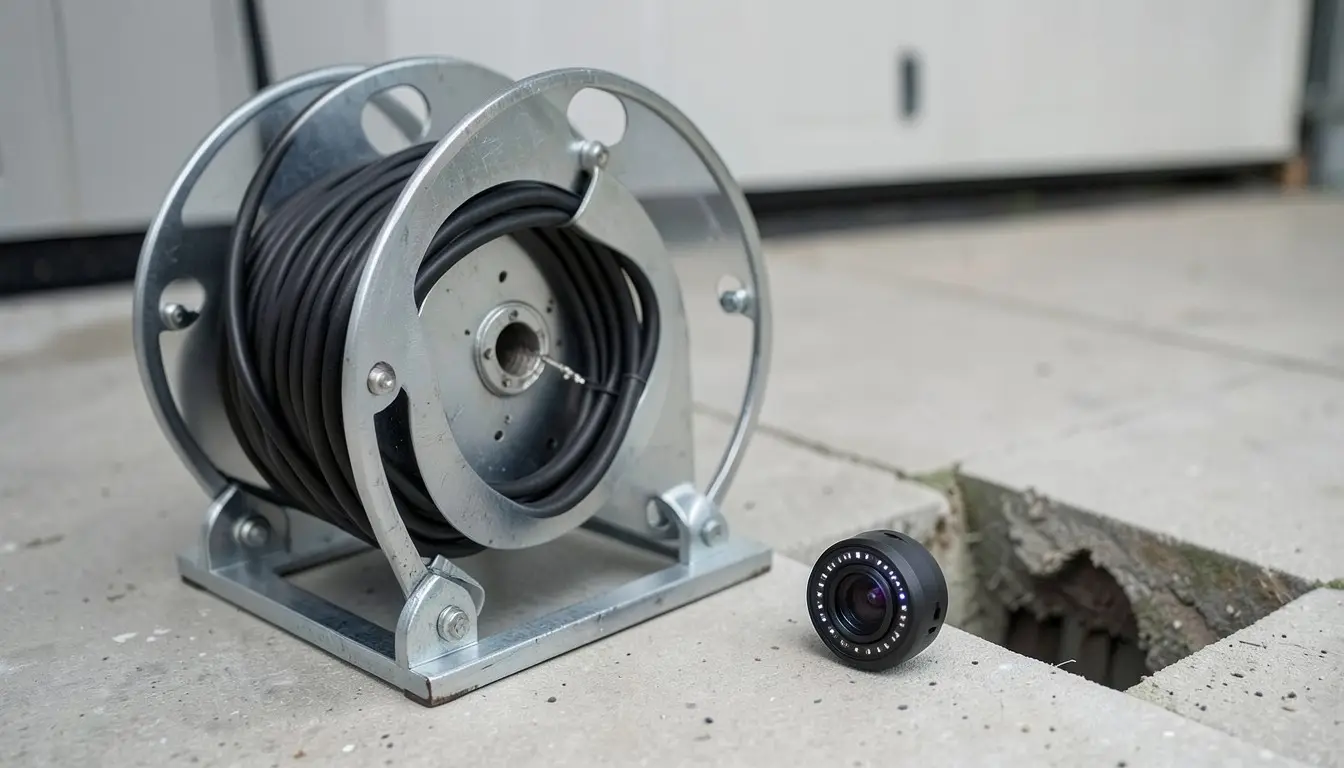
Camera first, quote second — know exactly what's wrong in your Providence home before you approve a dollar.
Who do I call for a hidden leak in Providence?
A plumber who offers leak detection. Ask what method they use (acoustic, thermal imaging or a pressure test) and whether finding the leak and repairing it are quoted separately. A hidden leak becomes urgent in a Providence home when water is visible on a ceiling, wall or floor.
What does the local plumbing data show for Providence, RI?
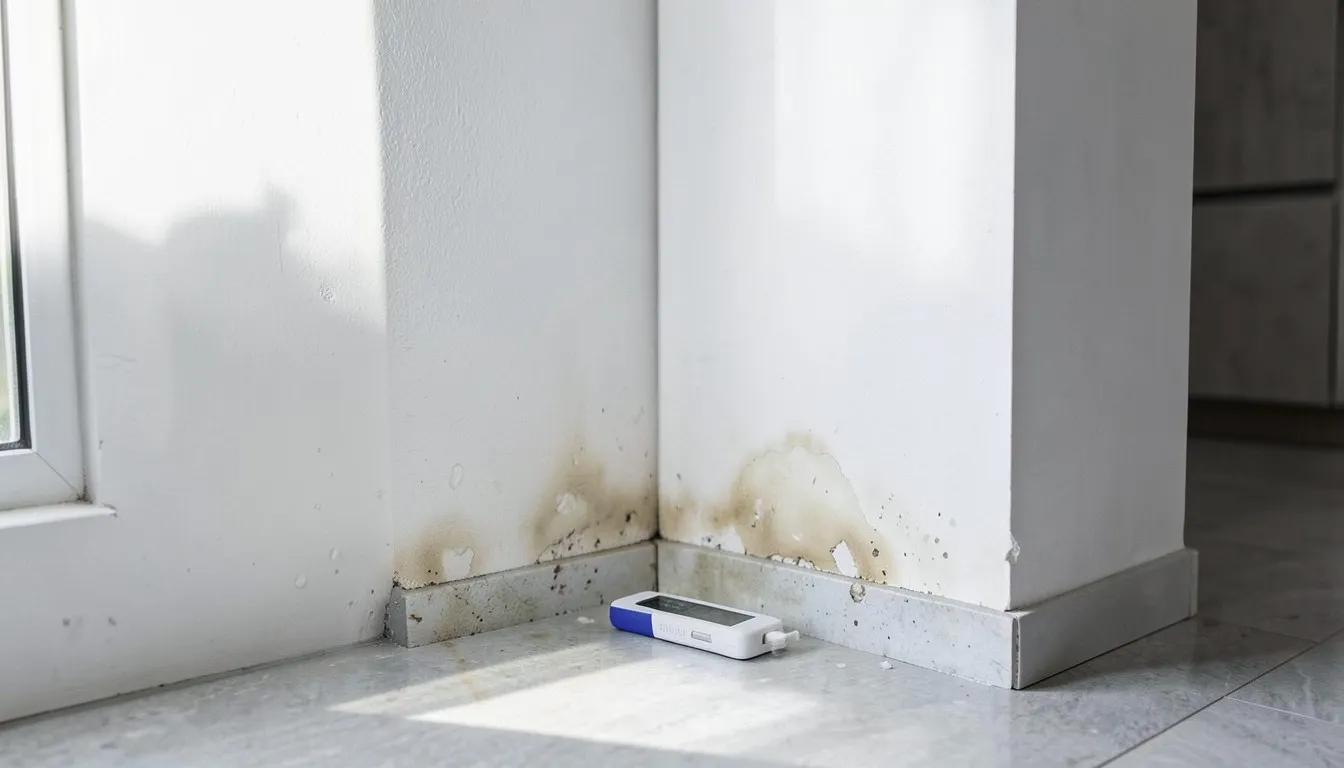
Seeing these conditions at your place in Providence? Describe them on the call to a state-licensed local plumber — free, no obligation.
What are the pipe conditions in Providence, RI?
Non-invasive leak detection uses acoustic amplification, thermal imaging, and pressure isolation to locate water loss in supply lines and drain systems without opening walls or floors. Providence homes with galvanized or older copper supply runs face the highest pinhole leak incidence — a slow leak inside a wall cavity can cause mold and structural damage for months before becoming visible. A professional leak detection prevents unnecessary demolition by confirming the exact break location before any drywall is cut. AlertPlumber connects your call with an independent Rhode Island-licensed plumber — ask them to locate first and open second.
Pre-war housing in Providence — median home age 85 years — may still carry galvanized steel supply lines installed before the copper era. Galvanized pipe corrodes from the inside out: internal oxidation gradually narrows bore diameter, reduces water pressure, and eventually results in pinhole failure at corroded sections. Inspection confirms whether scale and corrosion warrant section replacement or full repipe. Homes of other eras in Providence may have copper pipe or polybutylene supply lines instead; ask the plumber which your home has.
Frost line depth in Providence means supply lines and outdoor plumbing must be installed below the freeze threshold — typically 40 in (RISBC-2, Providence) — to prevent pipe burst during cold events. Exterior hose bibs, irrigation shutoffs, and any exposed pipe runs are the most common winterization service points in freeze-risk markets.
- Median home age
- 85 yrs
- Frost line
- 40 in (RISBC-2, Providence)
Census housing age, Providence city, Rhode Island: median year built 1939 or earlier; 67.5% of homes built before 1960, 81.5% before 1980. Source: U.S. Census Bureau, ACS 2020–2024 5-year estimates, tables B25034 and B25035, read 2026-09-30.
Mention these conditions when you describe the symptom to the RI plumber you reach.
What shapes plumbing demand in Providence, RI?
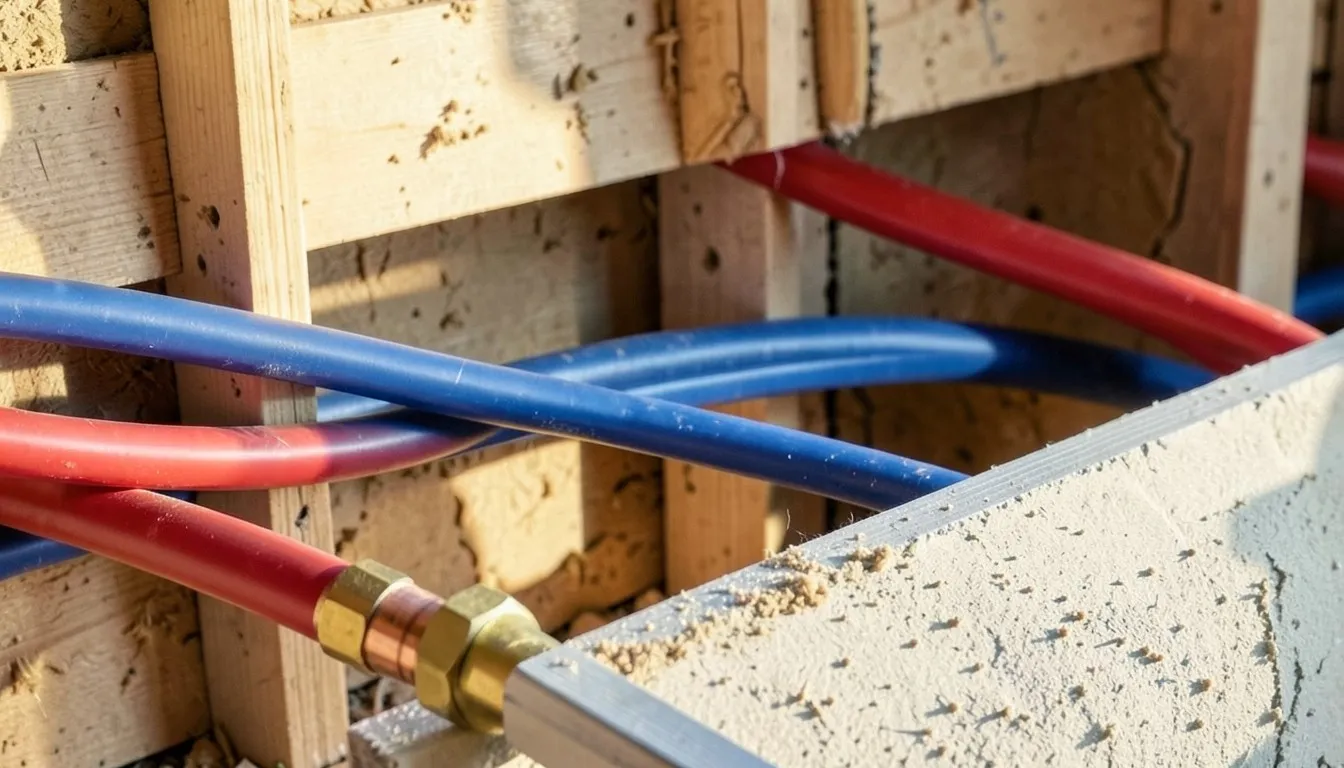
Galvanized supply lines and cast iron drain systems from the 1880s–1940s are past their 40–70-year design life across much of Providence. Interior rust scale progressively narrows pipe bore. Plumbers here routinely scope supply lines before quoting any repair — the underlying pipe condition often makes full replacement more cost-effective than patching.
4–7 GPG produces gradual scale that stays manageable with standard maintenance intervals in Providence — annual flushing, cartridge cleaning every 1–2 years. Equipment runs near design lifespan. The primary water quality driver here is preventive maintenance rather than emergency replacement, which distributes service demand more evenly across the calendar.
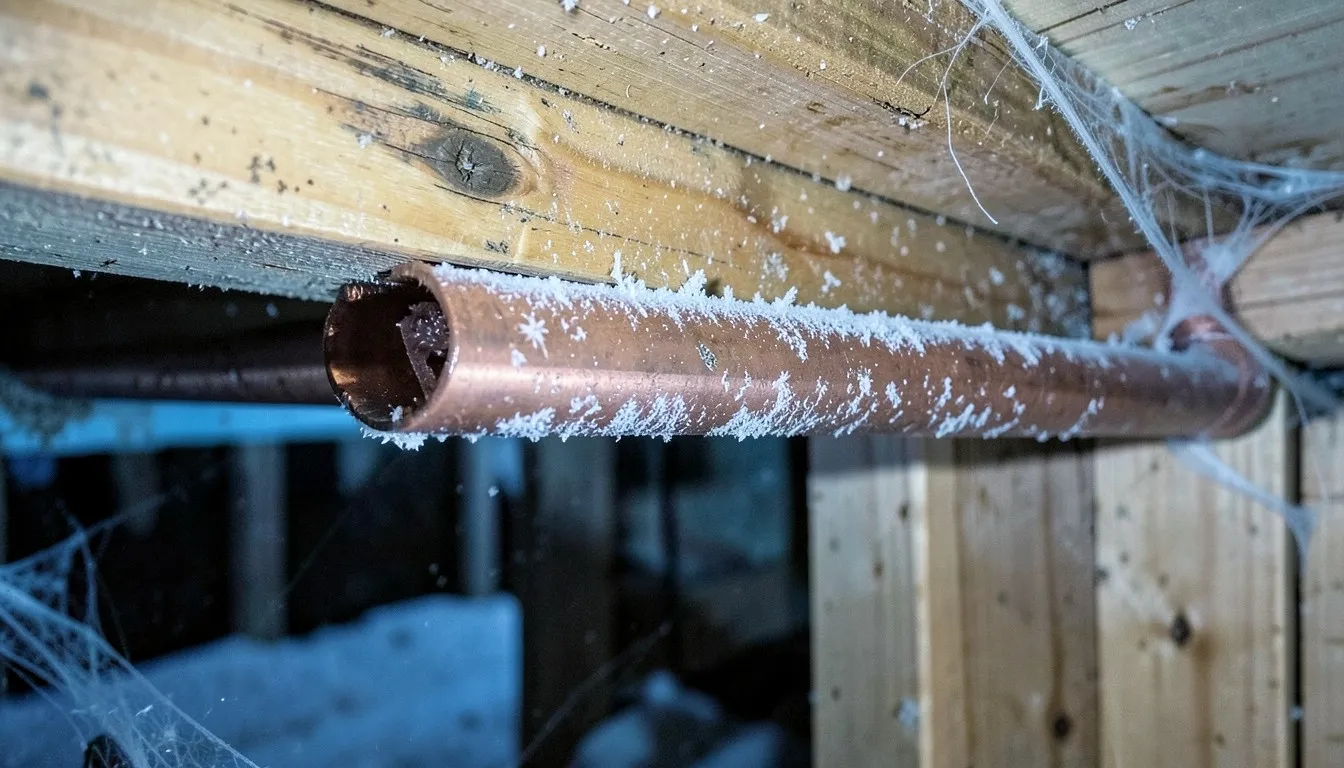
The primary surge in Providence runs January–March, with a secondary wave at the spring thaw — when pipes that held through the freeze rupture as pressure is restored above 32°F. Scheduling competition peaks exactly when emergency calls are highest. Homeowners who wait for visible damage compete for the same limited plumber slots at the worst possible time.
Why diagnose before repairing in Providence?
Describe the symptom — not the repair. AlertPlumber routes the call to an independent RI-licensed plumber in its partner's network — ask whether the site visit will use camera tracing, acoustic detection, or hydrostatic pressure testing matched to the reported failure type.
Ask the plumber for a written diagnostic report: confirmed failure location, available repair methods, and tradeoffs — disruption level, material durability, long-term cost, and whether a Providence building permit applies to the selected method.
You select the repair path. Ask for a fixed scope and price on the authorized method before the Rhode Island-licensed plumber proceeds and, where required, who files the permit application to Providence.
Leak Detection cost calculator — Providence
Pre-filled for leak detection in Providence. Adjust the ZIP for a neighboring area, or change the service to compare. Calculator pulls from the city's scraped permit-fee + state plumber-density data.
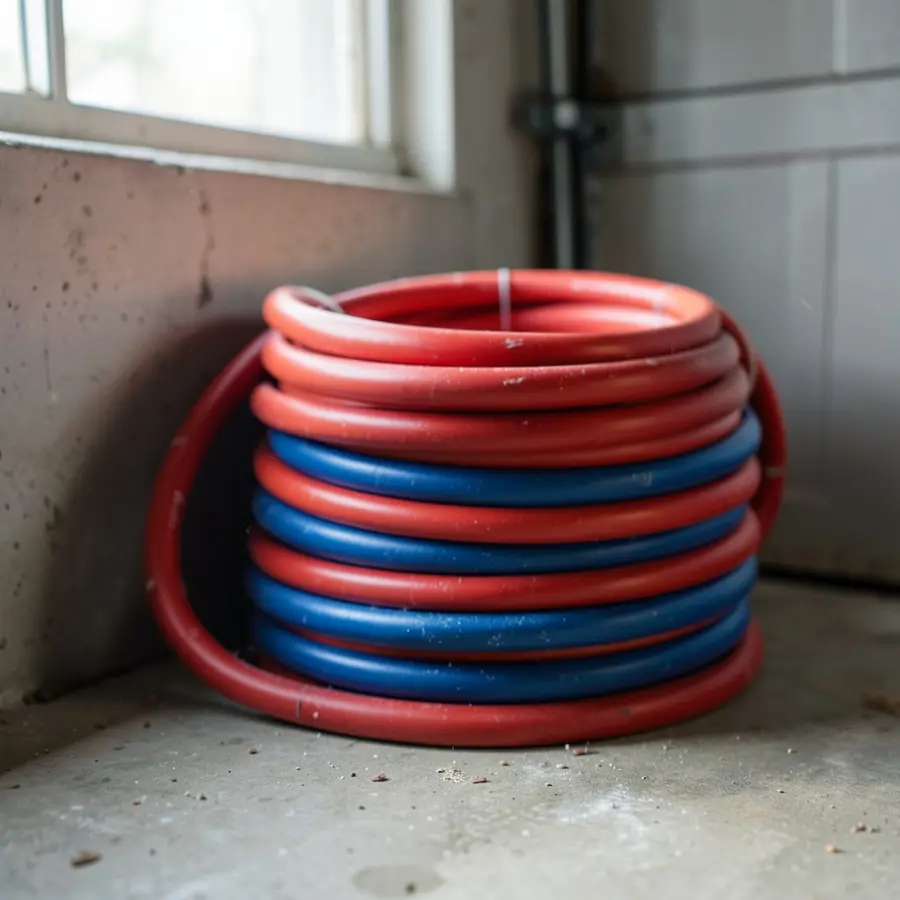
Leak Detection in Providence — the longer it runs, the more it costs.
Slow failures compound: soft pipe walls, root penetration, mineral buildup. Ask the plumber you reach for a scope-first estimate before anything is dug up.
What else do people ask about leak detection in Providence?
How much does leak detection cost in Providence, RI?
Leak detection in Providence typically runs a scope-based price for acoustic location of a supply-side pinhole and a scope-based price when thermal imaging or tracer-gas testing is needed. Pricing reflects the time it takes to work behind plaster on Benefit Street colonials and around the brick walls of Federal Hill walk-ups where access for sensors is limited. The City of Providence permit minimum of the scheduled fee per Providence Inspection & Standards applies only when repair follows the detection. Price ranges: leak detection cost guide.
Why do Benefit Street colonials get copper pinhole leaks?
Benefit Street and the surrounding College Hill colonial district was largely re-piped to copper in the mid-20th century. Combined with Providence Water's soft, mildly aggressive Scituate Reservoir supply at roughly 3 grains per gallon per USGS hardness data, that copper sees pinhole formation along horizontal runs and at solder joints starting around year 35-45. Acoustic detection finds them inside finished walls without opening every bay.
How fast can a Providence leak-detection crew arrive?
Arrival times depend on which independent plumber takes the call, the time of day and the season — ask for an arrival window on the call. Active-leak emergencies route ahead of scheduled appointments. ETAs depend on neighborhood — Federal Hill, College Hill, and downtown route faster than Mount Hope or Wayland because of crew density along I-95 and Route 6. Ask the plumber who takes the call for an arrival window.
What causes most galvanized riser leaks in Providence?
Federal Hill, Smith Hill, and Olneyville housing built 1880s-1920s often still runs galvanized steel supply risers from the basement to upper floors. After a century of soft-water flow, the interior of those risers is heavily pitted and the threaded joints sweat through. Acoustic detection catches the active leak; the repair almost always means replacing the riser to copper or PEX rather than patching threads on aging galvanized.
Should I worry about Providence Water's lead service line program?
If your home is on the 1880s-1930s side of Providence's housing stock, yes. Providence Water has approximately 23,000 lead service lines under active replacement, targeting full removal by 2033 per Providence Water's lead-center documentation. Look up your address on their inventory. A leak on the supply side is the right time to coordinate the LSL replacement, since the trench is open anyway.
How do triple-decker shallow supply lines freeze in Providence winter?
Providence frost depth is 40 inches per the Rhode Island State Building Code (RISBC-2), and the climate sees roughly 95-100 freeze days per year per NOAA climate normals. Federal Hill and Mount Hope triple-deckers built before code enforcement sometimes have shallow supply runs less than 40 inches below grade. Those segments freeze and burst during January cold snaps, and the burst is often inside an exterior wall where acoustic detection is essential before opening plaster.
Will a Providence water meter help me find a hidden leak?
Yes. With every fixture off, watch the small low-flow indicator on your Providence Water meter for 10-15 minutes. Any movement indicates a leak somewhere in the home plumbing. Isolating the meter shutoff vs the house shutoff narrows whether the leak is on the supply line (Providence Water responsibility) or inside the home (homeowner responsibility). Leak-detection crews use that data to plan the search.
Does Providence's soft water cause more pipe leaks than hard-water cities?
Different failure mode. Providence Water at roughly 3 grains per gallon does not deposit scale, so pipes do not narrow internally. But soft water is mildly aggressive against copper and lead solder, which is why copper pinhole leaks dominate Providence leak-detection calls. Hard-water cities see scale-driven failures; Providence sees corrosion-driven failures. Both lead to leaks but require different diagnostic approaches.
Can leak detection find a leak inside a Federal Hill brick wall?
Yes — but it takes longer. Federal Hill walk-ups built 1880s-1920s often have brick exterior walls with plaster on the interior. Acoustic sensors pick up the leak signature through the wall assembly, and thermal imaging works once temperature differential is established. The crew typically opens a small inspection cut at the highest-probability location rather than guessing across the wall.
What about hidden leaks in Olneyville mill-era tenements?
Olneyville housing is dominated by 1840s-1890s mill-era tenement build with galvanized supply lines tying into shared risers. Hidden leaks in those buildings often present as ceiling staining on the unit below rather than a visible drip. Multifamily leak detection has to coordinate access across multiple units and isolate which fixture or branch line is the actual source.
Do I need a permit for leak detection in Providence?
No permit is required for the detection itself. A permit IS required once the repair starts — replacing pipe, opening a wall structurally, or any work touching the supply main. Providence Inspection & Standards charges a minimum plus the scheduled fee per valuation. Ask whether the plumber will pull the permit. Permit fee ranges: permit fee estimator.
How do I check the license of leak-detection plumbers in Rhode Island?
AlertPlumber does not vet plumbers: in Providence, ask for the Rhode Island license number and check it with the RI Department of Labor and Training, Division of Professional Regulation as a Master Plumber or Journeyperson Plumber. AlertPlumber verifies licenses against the state database.
What ZIP codes around Providence get leak-detection service?
AlertPlumber's call line accepts calls from all Providence ZIP codes (029xx prefix) plus inner-ring Providence and Kent County communities — Cranston, Pawtucket, North Providence, East Providence, Johnston, Warwick, and Central Falls. Greater Providence intake routes through one form.
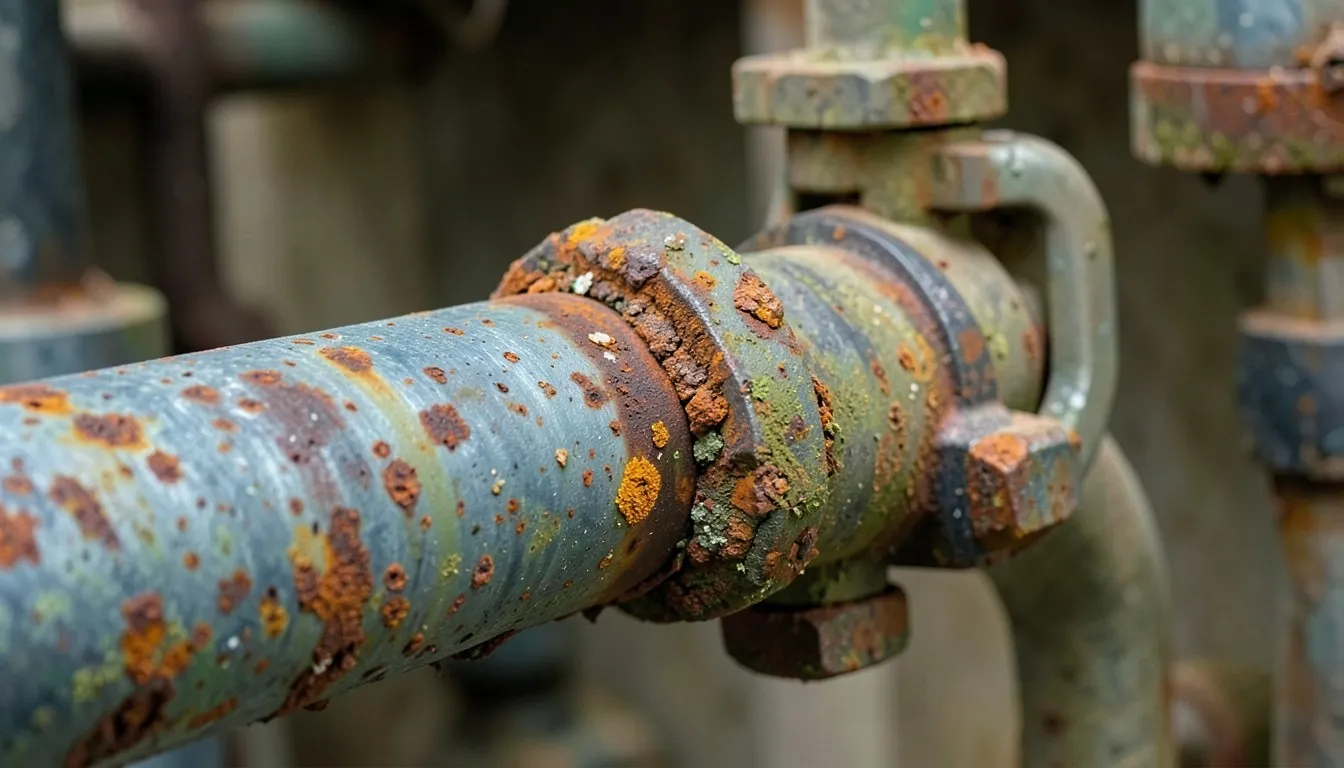
The fix gets cheaper the sooner a plumber sees it.
Degradation problems compound quietly. Call now, or use the form below to reach an independent Rhode Island plumber, and ask for an estimate for the leak detection — you are under no obligation.
Need a leak detection callback in Providence?
In a meeting, with the kids, or just prefer not to call? Drop your ZIP and number below. AlertPlumber sends your request to our routing partner — if a participating plumber serves your area, they may call you back directly. For anything urgent, call the number on this page.
- 1 Submit your info. ZIP, phone, and what kind of work you need.
- 2 AlertPlumber passes it on to our routing partner for your area.
- 3 If a participating plumber serves your area, they may call you back. Ask for a written estimate before work starts.
Leak Detection in Providence — catch it early
Degradation-driven failures worsen over time and cost more to fix the longer they run. Ask the independent RI plumber you reach in Providence to diagnose your specific condition and put the scope in writing before any work begins.