
Emergency Hydro Jetting in Naples, Florida
Camera first, quote second — know exactly what's wrong in your Naples home before you approve a dollar.
Local plumbing data for Naples, FL
Seeing these conditions at your place in Naples? A state-licensed plumber can confirm it over the phone — free, no obligation.
Pipe conditions in Naples, FL
Hydro-jetting in Naples clears what drain snaking leaves behind: scale buildup from hard water, grease layers coating pipe walls, and root tendrils that regrow from fragments left by a cable machine. The process uses 3,000–4,000 PSI water pressure through a rotating nozzle that scrubs the pipe wall — not just punches through the blockage. A camera scope before jetting confirms the pipe can withstand high pressure and identifies any structural defects that jetting would worsen. AlertPlumber connects you with a Florida-licensed plumber who scopes before jetting as a standard practice.
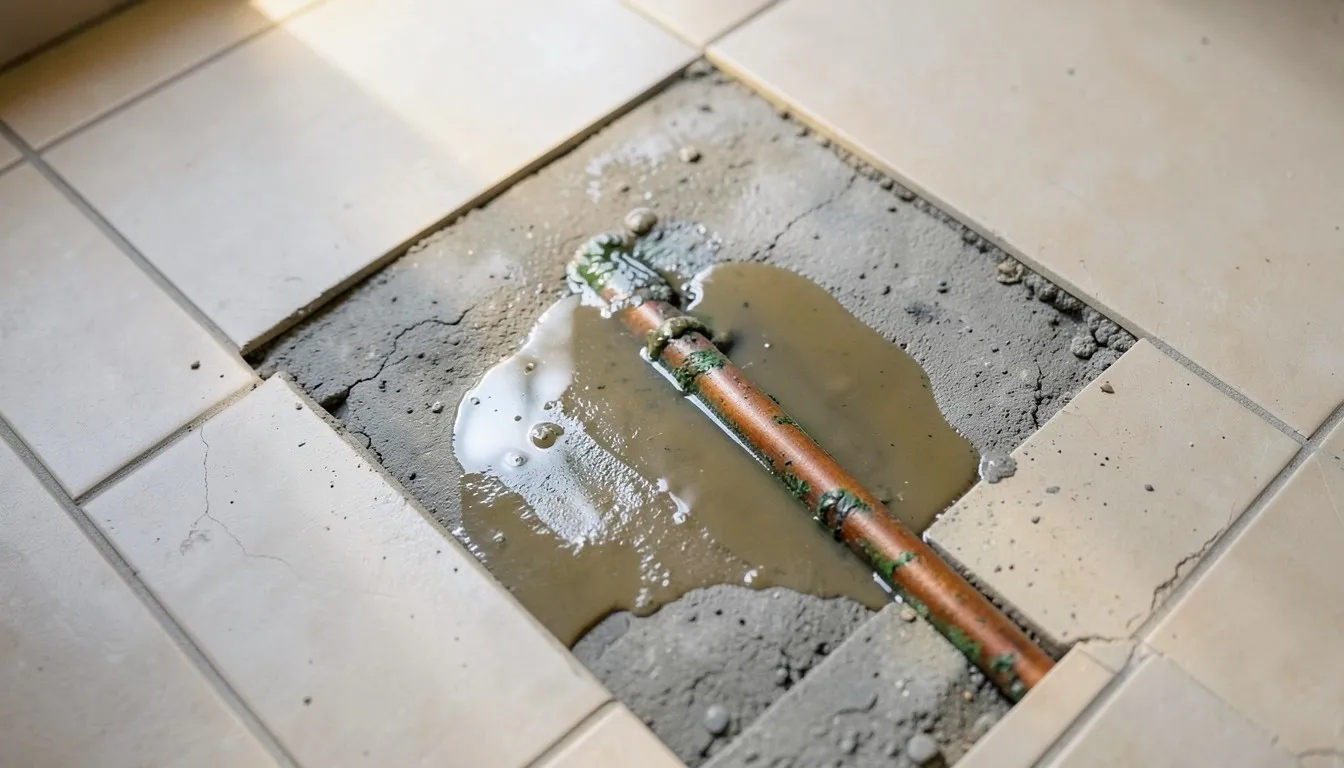
Post-war and modern-era construction in Naples — median home age 39 years — frequently includes copper supply lines embedded in slab foundations, common in tract construction from the 1960s through the 1980s. Hard water accelerates pinhole corrosion from the exterior of slab-embedded copper; when a leak develops, access requires either epoxy lining through existing penetrations or controlled slab opening for section replacement.
Very hard water in Naples is a primary driver of accelerated appliance failure: water heater anode rods exhaust in 2–3 years instead of 6–8, scale deposits at fixture connections form within months of installation, and tankless heat exchangers accumulate mineral buildup that can reduce lifespan by half without regular descaling. A softener or whole-house conditioner is strongly recommended alongside any appliance service call.
- Median home age
- 39 yrs
- Water hardness
- 18 gpg
- Frost line
- 0 in.
- Permit
- $92
A licensed FL plumber reads these conditions the moment you describe the symptom.
What shapes plumbing demand in Naples, FL
CPVC becomes brittle in the 20–35-year range and snaps under thermal stress or incompatible pipe dopes. Early PEX fittings (pre-2010) may develop chloramine compatibility issues at 15–25 years. The 1980s–1990s housing stock in Naples is entering its first wave of material-driven service calls — not from neglect, but from normal service-life progression.
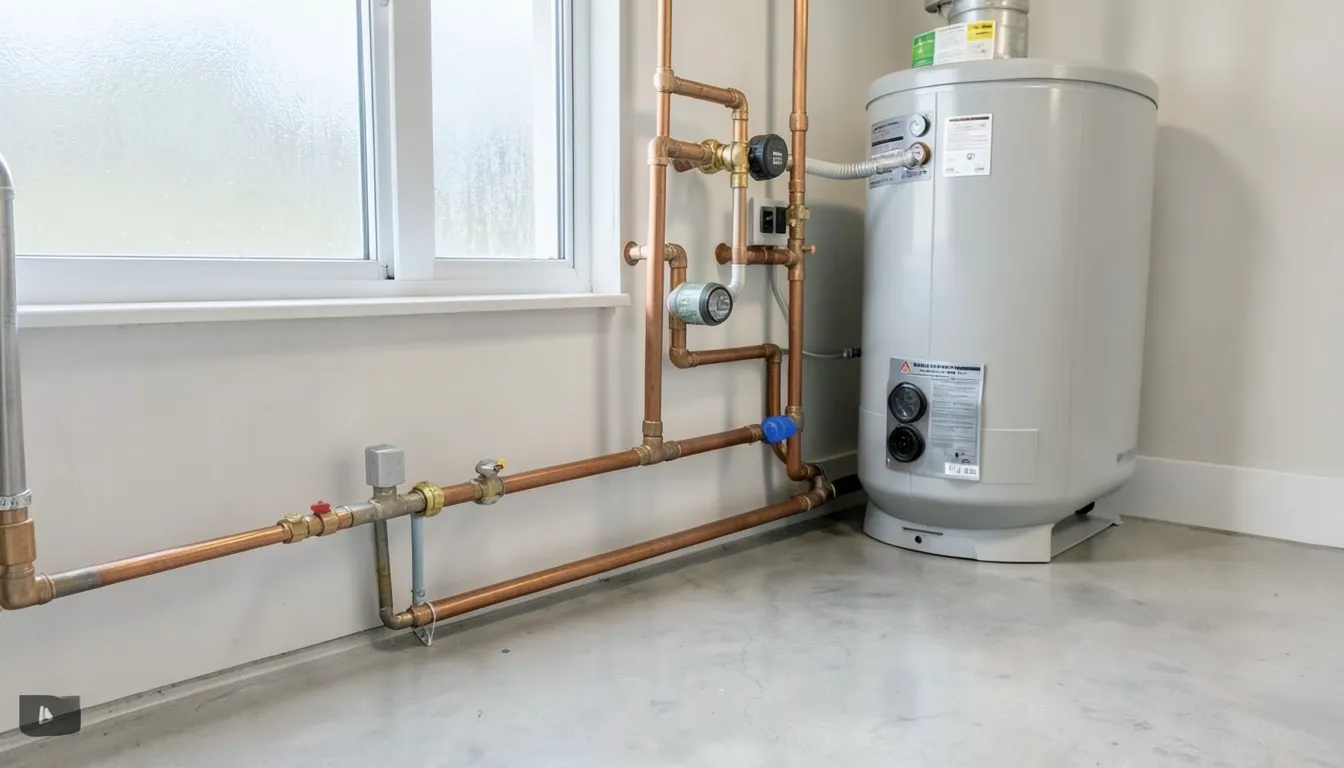
At 15–20+ GPG, calcium scale forces compressed equipment cycles in Naples: tank heaters average 6–9 years vs. the 10–12-year national benchmark, and tankless units require annual descaling. Anode rods calcify within 12–18 months. Most plumbers here assess heater age against the local scale timeline — not the manufacturer's service life.
Summer heat above 95–115°F in Naples keeps sediment in suspension inside tank water heaters — accelerating element failure instead of allowing sediment to settle and flush. Attic-mounted supply lines face diurnal thermal stress year-round. Root intrusion concentrates around irrigated landscaping rather than distributing evenly across the full sewer lateral path.
Naples: diagnose first, repair second
Describe the symptom — not the repair. AlertPlumber routes to a FL-licensed plumber trained in diagnostics. The site visit uses camera tracing, acoustic detection, or hydrostatic pressure testing — matched to the reported failure type.
The plumber delivers a written diagnostic report: confirmed failure location, available repair methods, and tradeoffs — disruption level, material durability, long-term cost, and whether a Naples building permit applies to the selected method.
You select the repair path. The Florida-licensed plumber proceeds on the authorized method with a fixed scope and price. Where required, the permit application to Naples is handled by the contractor.
Hydro Jetting cost calculator — Naples
Pre-filled for hydro jetting in Naples. Adjust the ZIP for a neighboring area, or change the service to compare. Calculator pulls from the city's scraped permit-fee + state plumber-density data.
Hydro Jetting in Naples — the longer it runs, the more it costs.
Slow failures compound: soft pipe walls, root penetration, mineral buildup. A verified plumber calls back with a scope-first estimate before anything is dug up.
Hydro Jetting in Naples — frequently asked
How much does hydro-jetting cost in Naples, FL?
Naples hydro-jetting is priced by line type, PSI requirement, and pre-job camera scope. Typical SW Florida Gulf Coast bands: single-branch jet on a 2" kitchen line $385–$685; main-line jet through an existing two-way cleanout on 1980s+ Pelican Bay PVC at 2,500–3,500 PSI $585–$945; main-line jet on 1950s Aqualane Shores cast-iron at controlled 1,500–2,200 PSI $695–$1,145; Old Naples 1920s cottage cast-iron with lead-and-oakum joints under coquina shell fill at 1,200–1,800 PSI low-pressure descaling $825–$1,385; Park Shore / Pelican Bay high-rise vertical-stack jet protocol (riser through 12-to-22 floors, condo-association coordinated) $1,285–$2,485; pre-job camera scope $165–$285 add-on. The $92 City of Naples Building Department, 2024 plumbing permit is permit-exempt for hydro-jetting maintenance under Florida-adopted IPC § 707 and only attaches when scope crosses into pipe replacement. AlertPlumber routes to a Florida DBPR CFC-credentialed plumber who quotes by phone before dispatch.
What PSI is appropriate for Aqualane Shores 1950s cast-iron?
The matched plumber dials PSI to pipe condition, not a fixed setting. Aqualane Shores 1950s slab-on-grade canal-front ranches run mid-century copper supply paired with cast-iron drain laterals — 70-plus years of service plus 18 gpg Lower Floridan/Hawthorn aquifer carbonate scale narrows the original 4" main bore. The standard descaling protocol on that stock is 1,500–2,200 PSI at 18–25 gallons per minute, run through a rotating descaling nozzle that strips wall-adhered carbonate without putting hydraulic shock on aging lead-and-oakum joints. Full 3,500–4,000 PSI residential settings appropriate for newer Pelican Bay PVC will blow through a corroded Aqualane Shores joint and exfiltrate into the coquina shell fill substrate — which is why the pre-job camera scope is mandatory on any pre-1970 SW Florida Gulf Coast cast-iron call. NASSCO condition grading drives the actual PSI dial. Old Naples 1920s cottage cast-iron drops another step lower to 1,200–1,800 PSI.
How does Park Shore / Pelican Bay vertical-stack jet protocol work?
Park Shore Gulf-front 1960s-80s condo towers and Pelican Bay 1980s master-planned high-rises concentrate cooking, dishwasher, and laundry waste from dozens of units into a single 4" cast-iron vertical riser running 12-to-22 stories. The 18 gpg Hawthorn aquifer carbonate plus combined unit FOG plates the interior riser wall faster than any single-family branch could — recurring backups on lower floors are the symptom. The vertical-stack jet protocol differs from single-family ground-level work: (1) condo-association coordination and roof-access scheduling, (2) top-down jet from the roof vent terminal so debris descends into the building drain rather than backfilling unit branches, (3) PSI staged from 2,200 PSI on upper floors down to 1,500 PSI as the jet approaches the building drain to manage hydraulic head, (4) bottom-cleanout debris capture at the building drain to keep the discharge out of the municipal lateral. The matched Florida DBPR CFC-credentialed plumber coordinates the association notice cycle and per-floor unit access ahead of the jet day.
Why does coquina shell fill change the jetting calculus on Old Naples cottages?
Coquina shell fill is the porous broken-shell substrate that underlies most of Old Naples between Gordon Drive and 5th Avenue South — the 1920s-50s wood-frame and CBS cottages near 5th Avenue South sit on it. Two practical jetting implications. (1) Exterior pipe corrosion. The shell holds salt-laden Gulf groundwater against the pipe exterior, so the cast-iron lateral is corroding from outside in addition to interior scale buildup. By the time a jet is on the table, wall thickness is often below original spec. (2) Exfiltration risk. Any blow-through from over-pressured jetting exfiltrates into the porous shell substrate rather than a contained clay trench, which means the leak is harder to detect by surface symptoms (no sinkhole, no wet spot) but accelerates the surrounding pipe corrosion across the entire run. The matched plumber's standard practice on Old Naples coquina-fill calls is camera scope first, low-PSI scour at 1,200–1,800 PSI maximum, and a follow-up scope to verify wall integrity post-job. IPC § 707 covers the maintenance scope.
When is hydro-jetting the right call versus a snake in Naples?
Snake (cable auger) is right when (a) one fixture is involved, (b) the clog has a clear cause like a child's toy or a single grease lump, and (c) the home is 1990s+ Pelican Bay or Pelican Marsh PVC where no scale exists. Hydro-jetting is right when (a) the clog recurs at the same fixture within 90 days, (b) the home is pre-1970 with cast-iron stacks (Old Naples, Aqualane Shores, Coquina Sands, Port Royal), (c) the property is a Park Shore or Pelican Bay high-rise condo where vertical-stack buildup is the root cause, or (d) the camera scope shows 18 gpg Hawthorn aquifer carbonate scale plating the cast-iron wall — a cable just punches a hole through that, a jet strips it. The pre-job camera scope is the diagnostic that decides between the two; running a jet on a degraded Old Naples coquina-fill lateral without a prior scope is the single biggest reason a jet call escalates into a re-pipe job.
How fast does a Naples hydro-jetting plumber arrive?
Most Naples-area plumbers in the AlertPlumber network respond within 2–4 hours during business hours for hydro-jetting calls — slower than a cabling call because the truck-mounted jetter rig requires a larger vehicle and water-fill staging. Emergency main-line backup that requires same-day jetting moves higher in the queue. Park Shore and Pelican Bay high-rise condo work is scheduled around the association notice cycle, so vertical-stack jet jobs typically run 3–10 days out from the initial call. Port Royal canal-front access often requires confirming truck approach and cleanout location before the jetter rolls — the matched plumber coordinates that on the callback. Old Naples 1920s cottages move higher in priority because backup risk in 100-year-old cast-iron under coquina fill is materially elevated.
Will hydro-jetting damage Old Naples 1920s cast-iron lead-and-oakum joints?
Improperly pressured jetting can — which is why PSI selection drives the safety profile. The lead-and-oakum joints standard in Old Naples 1920s wood-frame and CBS cottage cast-iron are flexible by original design (lead seal, oakum packing), but 100-plus years of service plus coquina-fill exterior corrosion plus post-Hurricane Ian 2022 saltwater inundation have left many joints below original strength. Full 3,500–4,000 PSI residential settings can break a weakened joint and exfiltrate into the coquina substrate. The matched Florida DBPR CFC-credentialed plumber's protocol on pre-1940 Old Naples stock: (1) camera scope first to grade joint condition per NASSCO, (2) dial PSI to 1,200–1,800 PSI maximum on any joint graded 3 or worse, (3) use a rotating descaling nozzle rather than a high-impact penetrating jet, (4) post-job camera scope to verify no joint displacement. Jetting done with that protocol is materially safer than the alternative of letting carbonate scale narrow the bore to failure.
How long does a Naples hydro-jet job take?
Time-on-site bands by job type. Single-branch jet (kitchen, laundry): 60–105 minutes including pre-job scope, jet, post-job verification flow test. Main-line jet through existing cleanout on Pelican Bay 1990s+ PVC: 2–3 hours. Main-line jet on Aqualane Shores 1950s cast-iron with descaling protocol: 3–4.5 hours — slower because PSI is dialed back and the descaling nozzle scours rather than blasts. Old Naples 1920s cottage cast-iron under coquina shell fill: 4–6 hours including pre-and-post camera verification. Park Shore / Pelican Bay high-rise vertical-stack jet: 6–10 hours for a 12-story building, full day for 22-story stock, plus association notice scheduling lead time. Port Royal canal-front main with seawall-adjacent routing: add 45–60 minutes for access staging.
Do I need a permit to hydro-jet a Naples drain line?
No. Hydro-jetting is classified as maintenance under IPC § 707 maintenance procedures as adopted by Florida via the Florida Plumbing Code, so it doesn't trigger a permit by itself. The $92 City of Naples Building Department, 2024 plumbing permit fee kicks in only when scope expands into pipe replacement, fixture re-pipe, cleanout installation, or any code-altering work — common when a jet job uncovers a NASSCO Grade 4 or 5 defect that requires immediate repair. The City of Naples Building Department processed 4,210 residential permits in 2024 across all trades. Park Shore and Pelican Bay condo-association rules may require additional building-side notification beyond the city permit.
Are Naples hydro-jetting plumbers DBPR CFC-credentialed?
The partner network requires every plumber routed through AlertPlumber in Naples to maintain active Florida DBPR Certified Plumbing Contractor (CFC) status. Florida DBPR, 2024 lists 10,847 active CFC-credentialed plumbers statewide. Hydro-jetting equipment certification is not a separate state credential, but the partner network confirms the plumber carries truck-mounted jetter capability rated for the SW Florida Gulf Coast cast-iron stock common in Collier County before routing high-rise vertical-stack calls. AlertPlumber does not independently verify each plumber on a per-call basis — homeowners are encouraged to confirm credentials with the state board directly via the link above before authorizing any work.
Does Hurricane Ian 2022 storm surge change how I approach hydro-jetting in Naples?
Yes — three years post-event, surge-impact properties carry latent joint deterioration that changes the jet protocol. The September 2022 storm surge pushed Gulf saltwater multiple feet above grade across Port Royal, Aqualane Shores, Old Naples, and parts of Coquina Sands, inundating first-floor mechanical spaces and the slab penetrations they pass through. Saltwater chloride exposure accelerates the corrosion already underway in pre-1970 cast-iron lead-and-oakum joints — by the time scale buildup triggers a jetting call, joint strength is often well below original spec. The matched plumber's standard SW Florida Gulf Coast protocol for any inundation-zone property is mandatory pre-job camera scope, PSI dialed to surge-impact joint grade (typically 1,200–1,500 PSI maximum on Old Naples and Aqualane Shores cast-iron post-Ian), and post-job verification scope. NWS Miami maintains the 2022 surge-benchmark mapping for Collier County — properties inside the verified surge footprint get the conservative protocol by default.
How often should Naples cast-iron stacks be hydro-jetted preventively?
At 18 grains per gallon, the City of Naples Utilities Department blend of Lower Floridan and Hawthorn aquifer water deposits measurable carbonate scale on cast-iron stack walls every year. Practical preventive intervals by housing stock: Old Naples 1920s-50s wood-frame and CBS cottages — descaling jet every 3–5 years with mandatory pre-and-post camera scope, low PSI; Aqualane Shores 1950s slab-on-grade canal-front ranches — 3–5 years on a similar protocol; Coquina Sands mid-century beachfront CBS on sandy slabs — 4–6 years given somewhat thicker original pipe wall; Park Shore 1960s-80s Gulf-front condo verticals — every 3–4 years on a building-wide association schedule (per-unit cost is shared); Pelican Bay 1980s master-planned high-rise PVC — 7–10 years unless heavy FOG buildup drives earlier calls. The first camera scope sets the actual interval based on observed scale depth.
Will my Florida HO-3 policy cover hydro-jetting in Naples?
Standard Florida HO-3 policies do not cover routine hydro-jetting — that's maintenance, not a covered peril. They typically cover water-damage consequences of a clog-driven backup (drywall, terrazzo finish, mold remediation) subject to deductible, but only if you carry the optional water/sewer backup endorsement. In Naples the endorsement is strongly worth carrying on any Old Naples, Aqualane Shores, or Coquina Sands home built before 1970 with cast-iron drain stacks plus clay laterals — the post-Hurricane Ian 2022 inspection cycle revealed a meaningful share of latent joint damage from storm-surge inundation. Document the cause: ask the plumber for the camera-scope footage plus a written invoice naming the failure mode (Hawthorn aquifer carbonate scale, coquina shell fill exterior corrosion, surge-deteriorated lead-and-oakum joint). Verbal diagnoses get denied; Florida DBPR-credentialed paperwork plus video gets paid. Local context. 19,704 Naples residents per Census ACS, 39-year median age (1985 build), 18 gpg Lower Floridan/Hawthorn aquifer hardness, 1 freeze day, 0-inch frost per NOAA NCEI, 96% municipal sewer, zero confirmed lead service lines, City of Naples Utilities as operating utility.
The fix gets cheaper the sooner a plumber sees it.
Degradation problems compound quietly. Call now, or use the form below and a licensed Florida plumber calls you back with a no-obligation estimate for the hydro jetting.
Request a hydro jetting callback in Naples
In a meeting, with the kids, or just prefer not to hold? Drop your ZIP and number below. AlertPlumber routes your request to a verified plumber in your area — they’ll call you back directly.
- 1 Submit your info. ZIP, phone, and what kind of work you need.
- 2 AlertPlumber matches you with a verified plumber serving your area.
- 3 The plumber calls you back with a written estimate, no obligation.
Hydro Jetting in Naples — catch it early
Degradation-driven failures worsen over time and cost more to fix the longer they run. A verified FL plumber in Naples diagnoses your specific condition and provides a written scope before any work begins.