
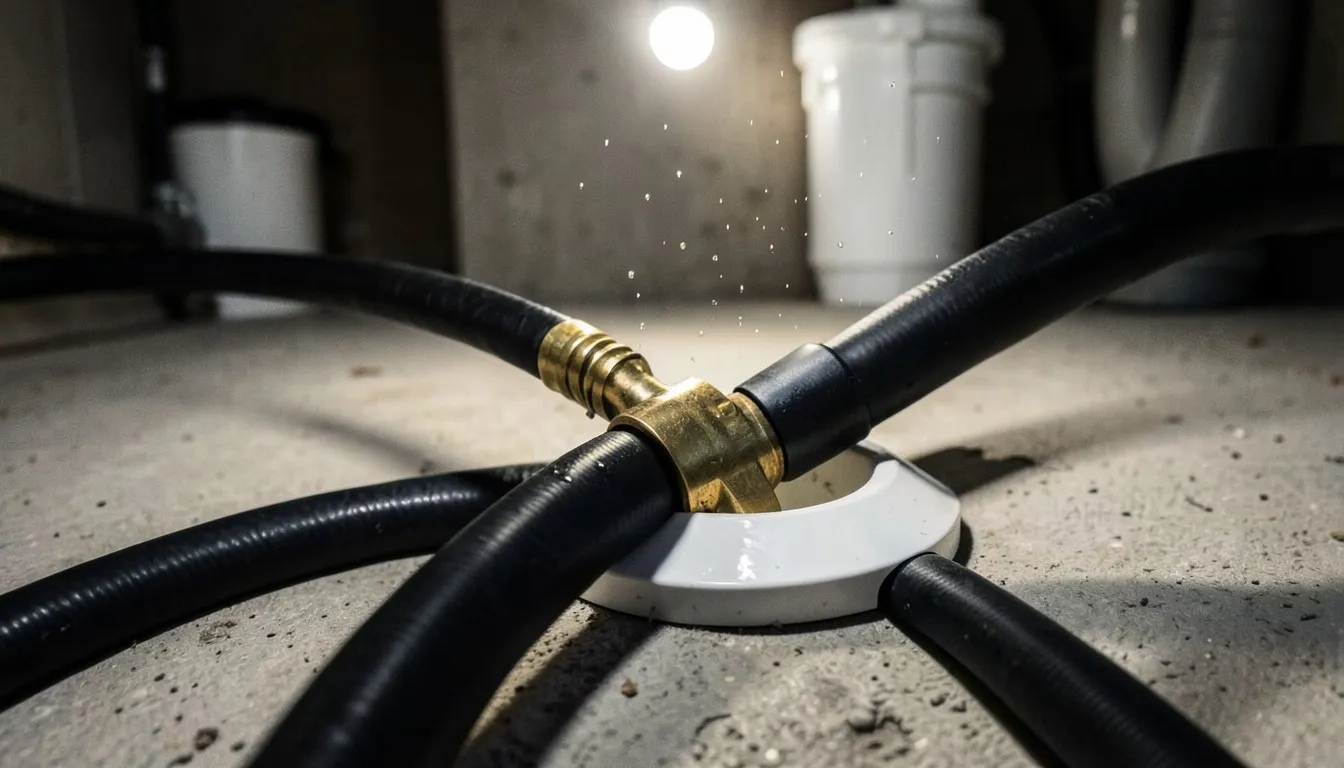
Emergency Hydro Jetting in Chicago, Illinois
Hydro Jetting in Chicago, Illinois is high-pressure water jetting to clear severe clogs and grease in main lines. Local conditions in Chicago: water measured at 8, a 42 frost line and a median home age of 75 years.
Camera first, quote second — know exactly what's wrong in your Chicago home before you approve a dollar.
What does the local plumbing data show for Chicago, IL?
Seeing these conditions at your place in Chicago? A state-licensed plumber can confirm it over the phone — free, no obligation.
What are the pipe conditions in Chicago, IL?
Hydro-jetting in Chicago clears what drain snaking leaves behind: scale buildup from hard water, grease layers coating pipe walls, and root tendrils that regrow from fragments left by a cable machine. The process uses 3,000–4,000 PSI water pressure through a rotating nozzle that scrubs the pipe wall — not just punches through the blockage. A camera scope before jetting confirms the pipe can withstand high pressure and identifies any structural defects that jetting would worsen. AlertPlumber connects you with an Illinois-licensed plumber who scopes before jetting as a standard practice.
Chicago's water utility maintains an active lead service line (LSL) replacement program. With a median home age of 75 years, a portion of the housing stock may still have lead service laterals connecting the water main to interior supply — a consideration during any work near the service entry point. A licensed plumber can confirm whether supply-side work requires utility coordination.
Hard water in Chicago accelerates scale buildup inside water heater tanks, on heating elements, and at fixture connections. Sediment accumulation in tank heaters reduces efficiency and shortens element life; visible deposits at aerators and showerheads are an early indicator. A licensed plumber can assess whether a water softener or conditioner is appropriate for the home's service configuration.
Frost line depth in Chicago means supply lines and outdoor plumbing must be installed below the freeze threshold — typically 42 — to prevent pipe burst during cold events. Exterior hose bibs, irrigation shutoffs, and any exposed pipe runs are the most common winterization service points in freeze-risk markets.
- Median home age
- 75 yrs
- Water hardness
- 8 gpg
- Frost line
- 42 in.
- Permit
- $200
A licensed IL plumber reads these conditions the moment you describe the symptom.
What local infrastructure shapes Hydro Jetting in Chicago?
Clay tile laterals installed before 1950 dominate the sewer profile in bungalow belts and two-flat neighborhoods, where a 75-year median home age reflects the density of early-twentieth-century construction. Root intrusion through clay joint separations is systematic in tree-lined residential streets — mature elms and oaks seek moisture at lateral seams over decades. Hard Lake Michigan supply water at 8 grains per gallon compounds obstruction in cast-iron interior stacks, where grease and mineral scale co-deposit at horizontal runs and create layered blockages that cabling cannot clear from the pipe wall.
Combined sewer infrastructure across most Chicago neighborhoods means mainline jetting must be coordinated with the Metropolitan Water Reclamation District to avoid surcharging the combined system during high-flow events. Camera inspection before jetting on clay laterals is essential — joint failures expose the pipe to soil infiltration, and high-pressure application without a condition assessment risks further displacement. Root mass in clay requires 2,500–3,500 PSI with a cutting nozzle; grease scale on cast iron responds to lower pressure with a penetrating nozzle after pre-treatment.
City of Chicago permits for sewer lateral work run $200. Mainline work connecting to the combined system requires Department of Water Management coordination for scheduling. Interior drain cleaning through an accessible cleanout does not require a permit. Many pre-war Chicago properties lack exterior cleanouts, requiring cleanout installation as a scope prerequisite before jetting equipment can be deployed.
What shapes plumbing demand in Chicago, IL?
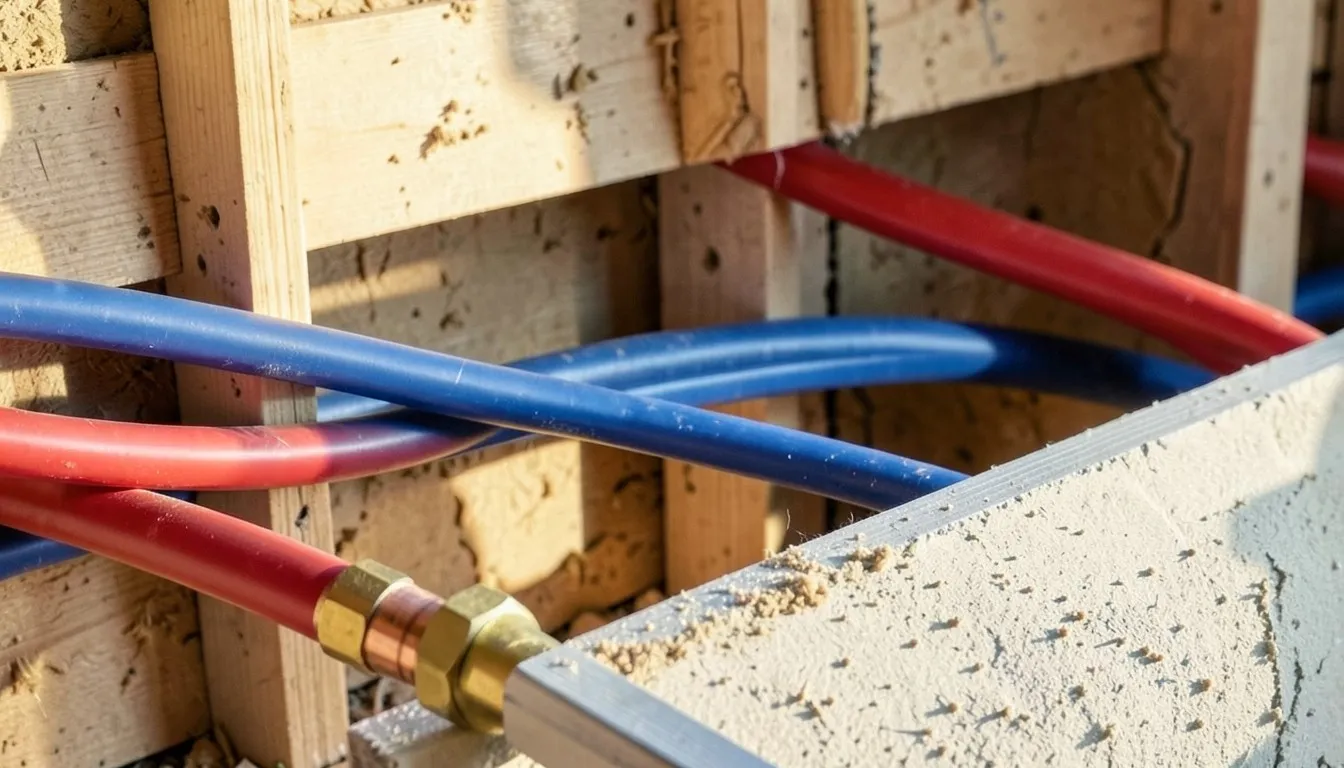
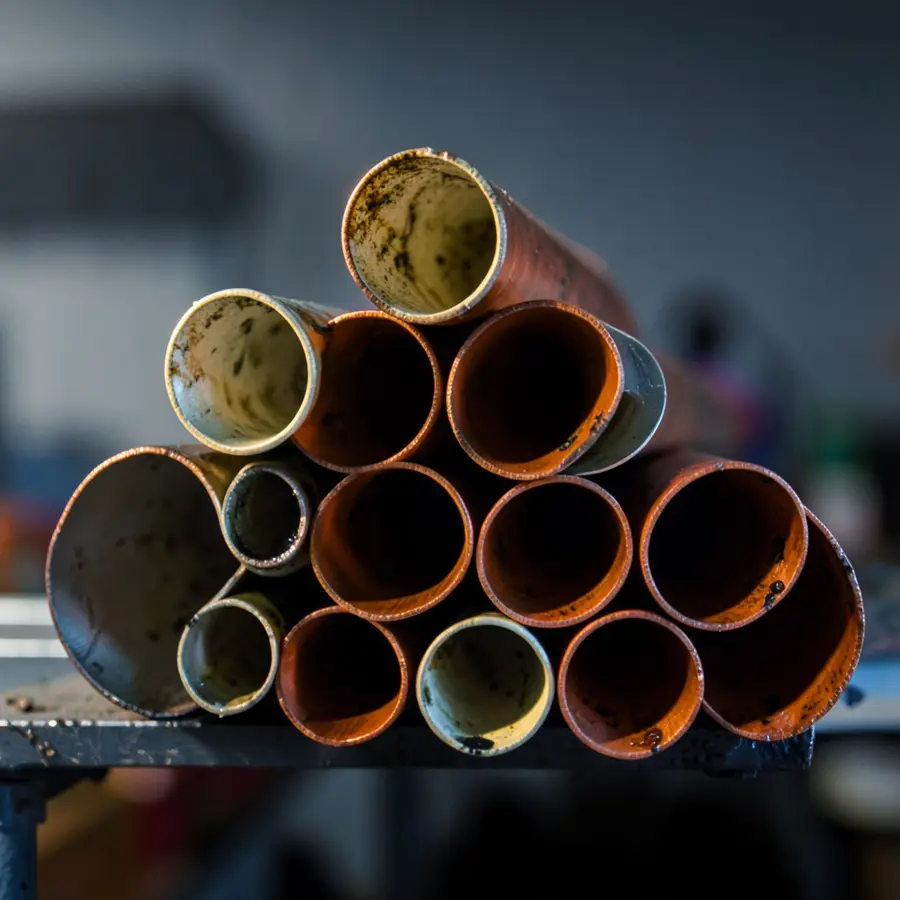
Galvanized supply lines and cast iron drain systems from the 1880s–1940s are past their 40–70-year design life across much of Chicago. Interior rust scale progressively narrows pipe bore. Plumbers here routinely scope supply lines before quoting any repair — the underlying pipe condition often makes full replacement more cost-effective than patching.
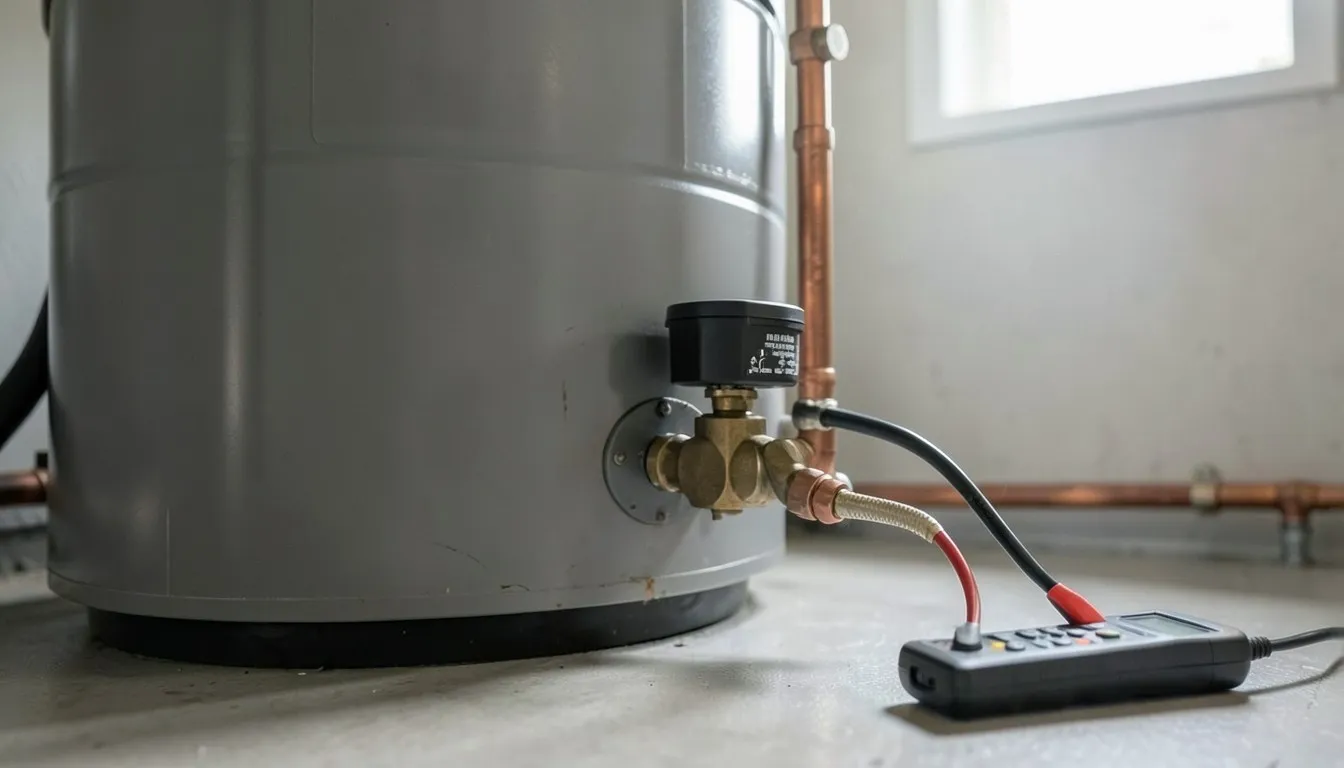
8–14 GPG shortens water heater service life to 8–11 years in Chicago and drives rolling maintenance demand at aerators, shower cartridges, and heat exchanger ports. Annual flushing prevents premature failure; skipped maintenance cycles push units toward early replacement. Scale-related calls represent a significant share of the annual service workload here.
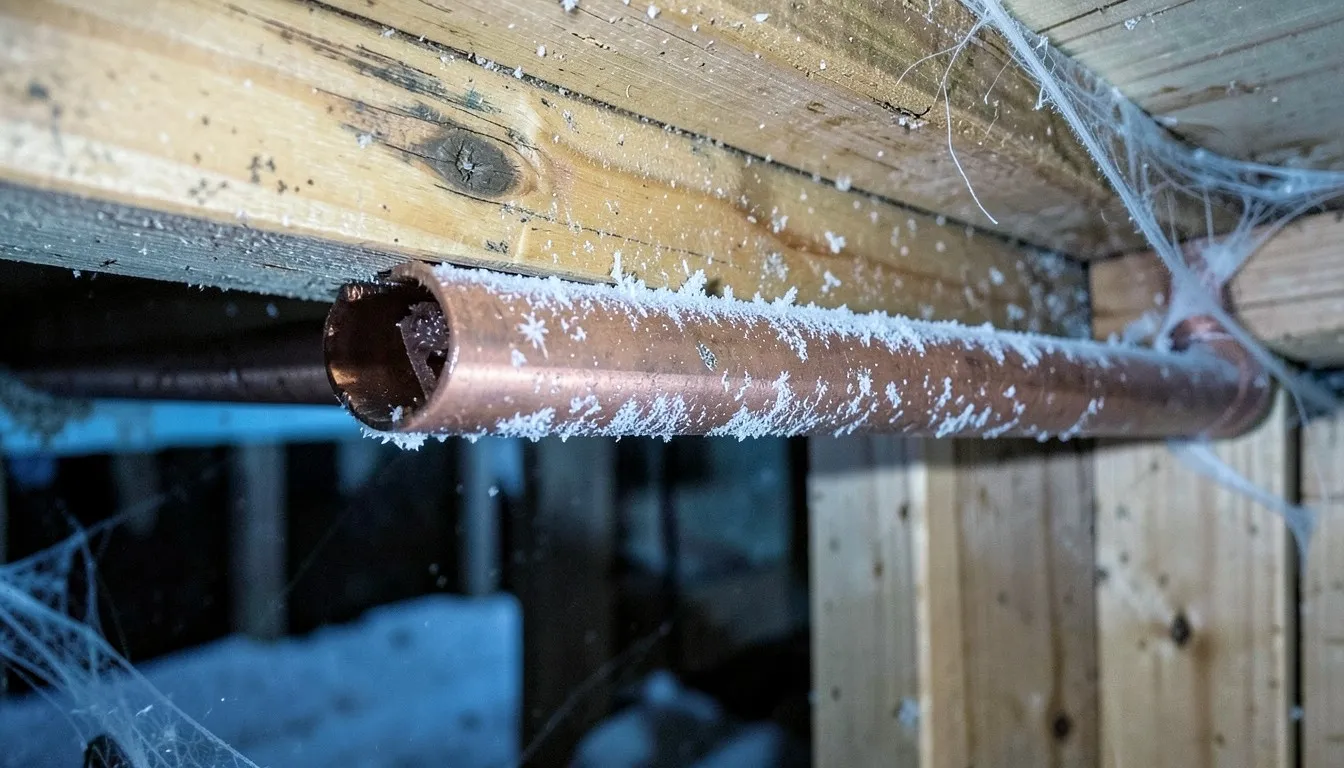
The primary surge in Chicago runs January–March, with a secondary wave at the spring thaw — when pipes that held through the freeze rupture as pressure is restored above 32°F. Scheduling competition peaks exactly when emergency calls are highest. Homeowners who wait for visible damage compete for the same limited plumber slots at the worst possible time.
Why diagnose before repairing in Chicago?
Describe the symptom — not the repair. AlertPlumber routes to an IL-licensed plumber trained in diagnostics. The site visit uses camera tracing, acoustic detection, or hydrostatic pressure testing — matched to the reported failure type.
The plumber delivers a written diagnostic report: confirmed failure location, available repair methods, and tradeoffs — disruption level, material durability, long-term cost, and whether a Chicago building permit applies to the selected method.
You select the repair path. The Illinois-licensed plumber proceeds on the authorized method with a fixed scope and price. Where required, the permit application to Chicago is handled by the contractor.
Hydro Jetting cost calculator — Chicago
Pre-filled for hydro jetting in Chicago. Adjust the ZIP for a neighboring area, or change the service to compare. Calculator pulls from the city's scraped permit-fee + state plumber-density data.
Hydro Jetting in Chicago — the longer it runs, the more it costs.
Slow failures compound: soft pipe walls, root penetration, mineral buildup. A verified plumber calls back with a scope-first estimate before anything is dug up.
What else do people ask about hydro jetting in Chicago?
How much does hydro jetting cost in Chicago?
Hydro jetting in Chicago typically runs $415–$975 for a residential 4-inch lateral or 2-flat building drain, with the pre-jet camera scope adding $175–$375. Chicago pricing trends mid-to-upper because the housing stock (median 1949 build year) is dominated by pre-WWII multi-flats and 6-flats with original cast-iron drain stacks, and the 8 gpg hard-water mineral tuberculation on these stacks often needs a chain-knocker descaling pass plus a follow-up flushing pass. The $200 City of Chicago plumbing permit is NOT triggered by jetting itself; jetting classes as maintenance, not construction.
Hydro jet vs snake — which does my Chicago home or 2-flat need?
For a single fixture clog, a $250–$450 cable snake handles it. Jetting is the right tool for Chicago's three dominant chronic patterns:
- Cast-iron stack mineral tuberculation in pre-WWII multi-flats and 2-flats — 80+ years of 8 gpg hard-water scale narrows the original 4-inch stack to 2 inches of usable diameter
- Dense restaurant-corridor grease lines feeding shared building drains
- Freeze-thaw fracture debris in clay laterals at the frost line — Chicago's winter cycles fragment older clay over decades, leaving debris in the line
When is hydro jetting the wrong choice for a Chicago home?
Chicago's pre-WWII cast-iron drain stacks (in roughly half the metro housing stock) range from "fine at full pressure" to "fragmented under any pressure." Camera footage that shows wall thinning, visible perforations, severely separated joints over 1/4 inch, or active leaking disqualifies full-pressure jetting until structural repair or CIPP lining is planned. Cracked clay laterals where freeze-thaw cycling has fragmented the pipe — the jet washes out bedding through breaches. Heavily corroded galvanized branch waste in pre-1960 buildings can perforate at 4,000 PSI; reduced-pressure only with the camera live.
Why does my Chicago home or 2-flat keep having drain backups?
Three patterns dominate Chicago recurring backups. First, 80–110 years of 8 gpg hard-water mineral tuberculation has narrowed the cast-iron drain stack in pre-WWII multi-flats — the building drains until any added load backs it up. Second, in 2-flat and 3-flat buildings with shared kitchen risers, multi-unit FOG accumulation compounds the residential profile. Third, in older neighborhoods with clay laterals, decades of Chicago freeze-thaw cycling have fragmented sections, leaving debris and creating snag points where paper and wipes catch. The camera tells the plumber which is driving your specific case.
Will hydro jetting damage my Chicago pipes?
On sound pipe, no. On Chicago's 80–110 year-old cast-iron stacks the answer depends on what the camera shows. Chicago-experienced plumbers run reduced-pressure passes (1,500–2,500 PSI) on questionable cast iron with the camera live during the work — if conditions worsen, they stop. The pre-jet camera scope is the risk control. Per NASSCO best practice the inspection is documented as a required step on every job; AlertPlumber-matched Chicago plumbers from the 13,200 IL DPH-verified plumbers pool carry the camera as standard equipment.
How often should I have my Chicago home or building jetted preventatively?
Chicago multi-flats and 2-flats with original cast-iron drain stacks benefit from a preventative jet every 18–30 months — high-density usage plus 8 gpg hard-water scale accumulation drives the shorter interval. Buildings with food-service tenants need the standard 18–24 month commercial preventative schedule. Single-family bungalows with bypass-piped PVC drain systems run on 3–5 year intervals. Some Chicago property managers schedule the preventative jet for fall (October–November) before winter freezes complicate any emergency call — frozen ground at the cleanout makes February emergency service significantly harder.
Does insurance cover hydro jetting in Chicago?
Illinois homeowners policies treat jetting as routine maintenance and do not cover the service. Backup damage from a clog is separate — standard HO-3 policies exclude sewer backup unless you've added the endorsement (typically $50–$110/year given Chicago's combined-sewer infrastructure exposure). Given Chicago's combination of finished basements in 2-flat and 3-flat buildings, aging cast-iron drain stacks, and CSO backflow risk during heavy rain, the sewer-backup rider is worth adding on renewal. The jetting itself is out of pocket; keep the camera footage and invoice for any future claim.
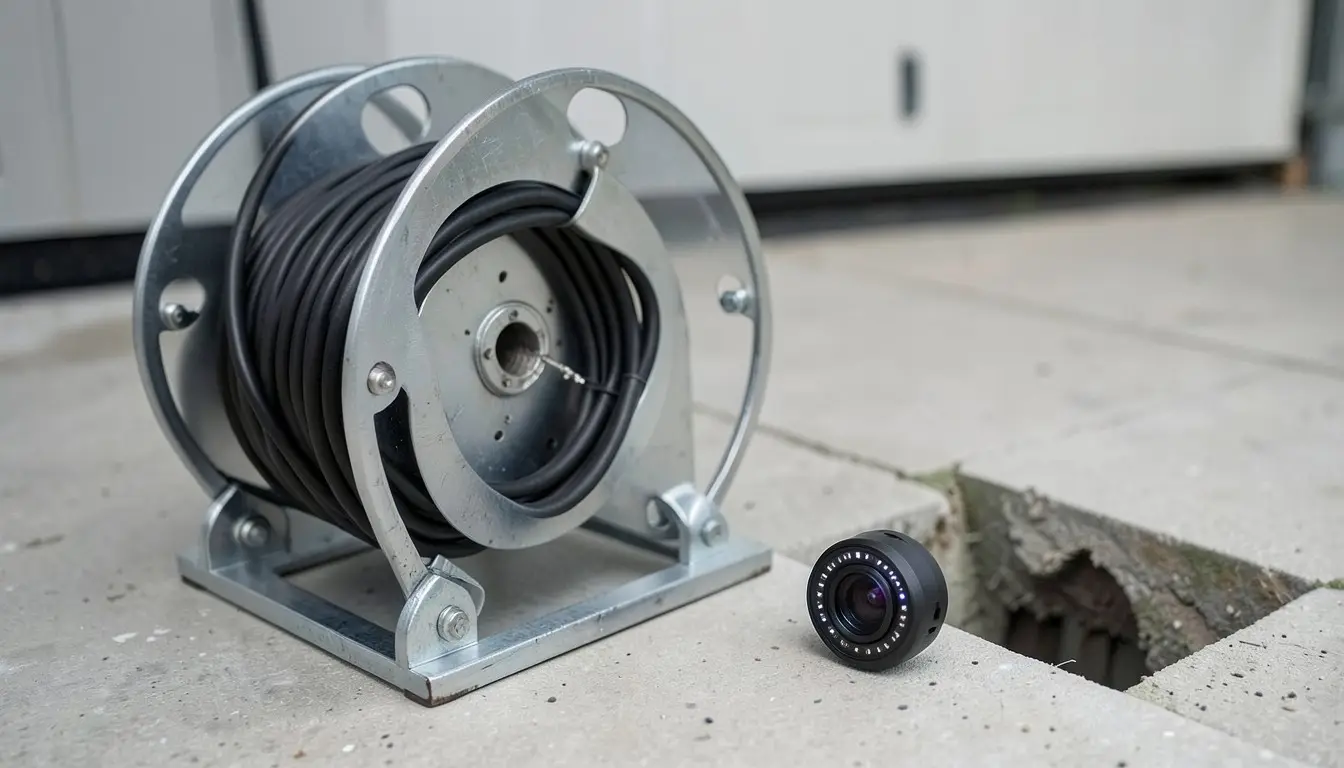
Does my Chicago plumber use a camera before jetting?
Yes — per NASSCO drain-cleaning standard practice the pre-jet camera scope is documented as a required step. In Chicago the camera is especially load-bearing because pre-WWII multi-flats have cast-iron drain stacks with 80–110 years of corrosion, and the camera identifies which sections can take full pressure versus which need reduced-pressure passes or repair-first treatment. Thirty seconds of footage tells the plumber the pipe condition, material, and clog cause. AlertPlumber-matched Chicago plumbers from the 13,200-plumber IL pool carry the scope as standard equipment.
How does AlertPlumber verify hydro jetting contractors in IL?
Yes. Hydro jetting in Illinois requires an active Plumber license issued by the IL Department of Public Health (IDPH). AlertPlumber verifies every matched contractor against the active IDPH license database (13,200 active plumbing licenses statewide), not just on signup. The matched Chicago plumber will provide the IDPH license number on the call back; verify it at the IL DPH professional license lookup before the appointment. Chicago also requires the local Plumbing Contractor registration through the City of Chicago.
Can I rent a jetter and DIY hydro jetting in Chicago?
Not advisable for a 4-inch lateral or building drain with Chicago's combination of cast-iron scale and freeze-thaw debris. Rental jetters from Chicago-area home centers run 1,500 PSI / 2 GPM — well below the 3,500 PSI / 4 GPM minimum for lateral cleaning. On Chicago's pre-WWII cast iron, DIY full-pressure jetting risks fragmenting a paper-thin section and turning a $700 service into a $15,000+ replacement plus water damage to lower-floor units. The $85–$150/day rental cost plus the diagnostic blind spot makes the math obvious; book a matched plumber.
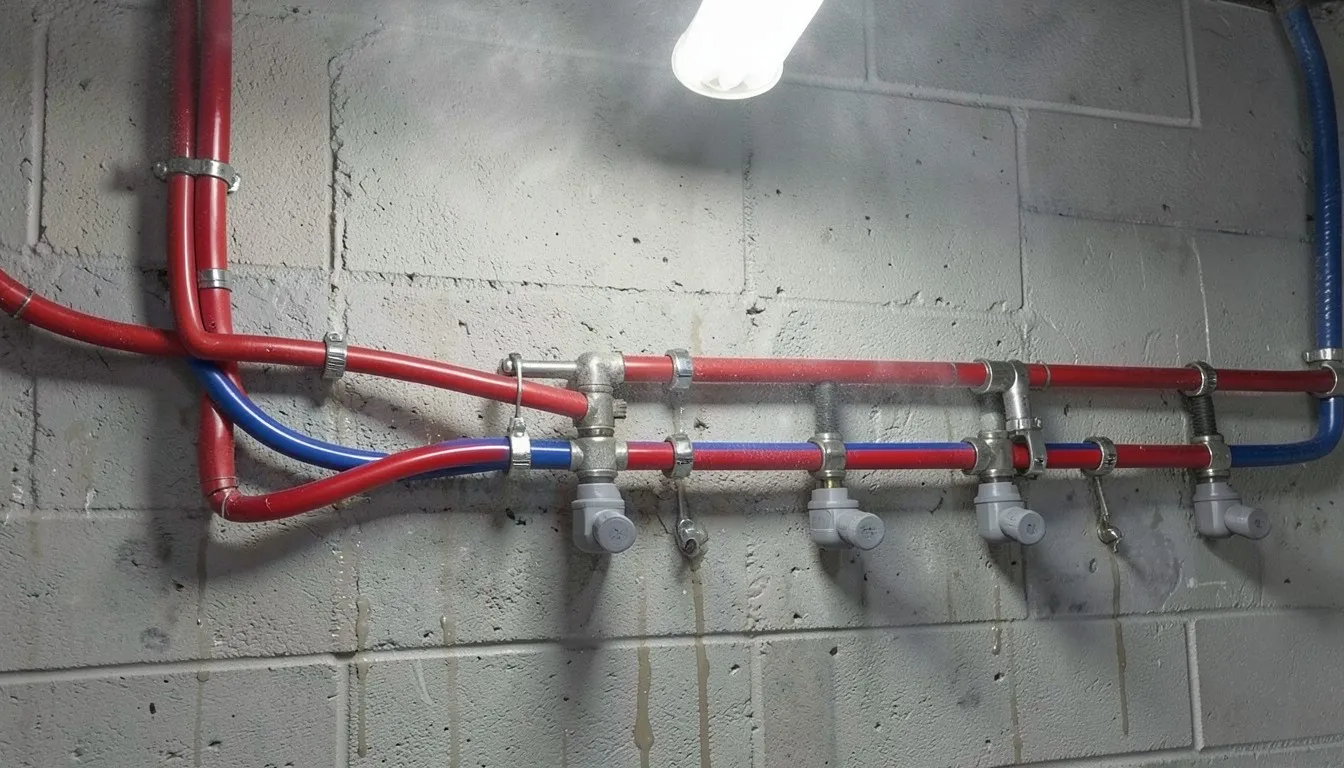
The fix gets cheaper the sooner a plumber sees it.
Degradation problems compound quietly. Call now, or use the form below and a licensed Illinois plumber calls you back with a no-obligation estimate for the hydro jetting.
Need a hydro jetting callback in Chicago?
In a meeting, with the kids, or just prefer not to hold? Drop your ZIP and number below. AlertPlumber routes your request to a verified plumber in your area — they’ll call you back directly.
- 1 Submit your info. ZIP, phone, and what kind of work you need.
- 2 AlertPlumber matches you with a verified plumber serving your area.
- 3 The plumber calls you back with a written estimate, no obligation.
Hydro Jetting in Chicago — catch it early
Degradation-driven failures worsen over time and cost more to fix the longer they run. A verified IL plumber in Chicago diagnoses your specific condition and provides a written scope before any work begins.