
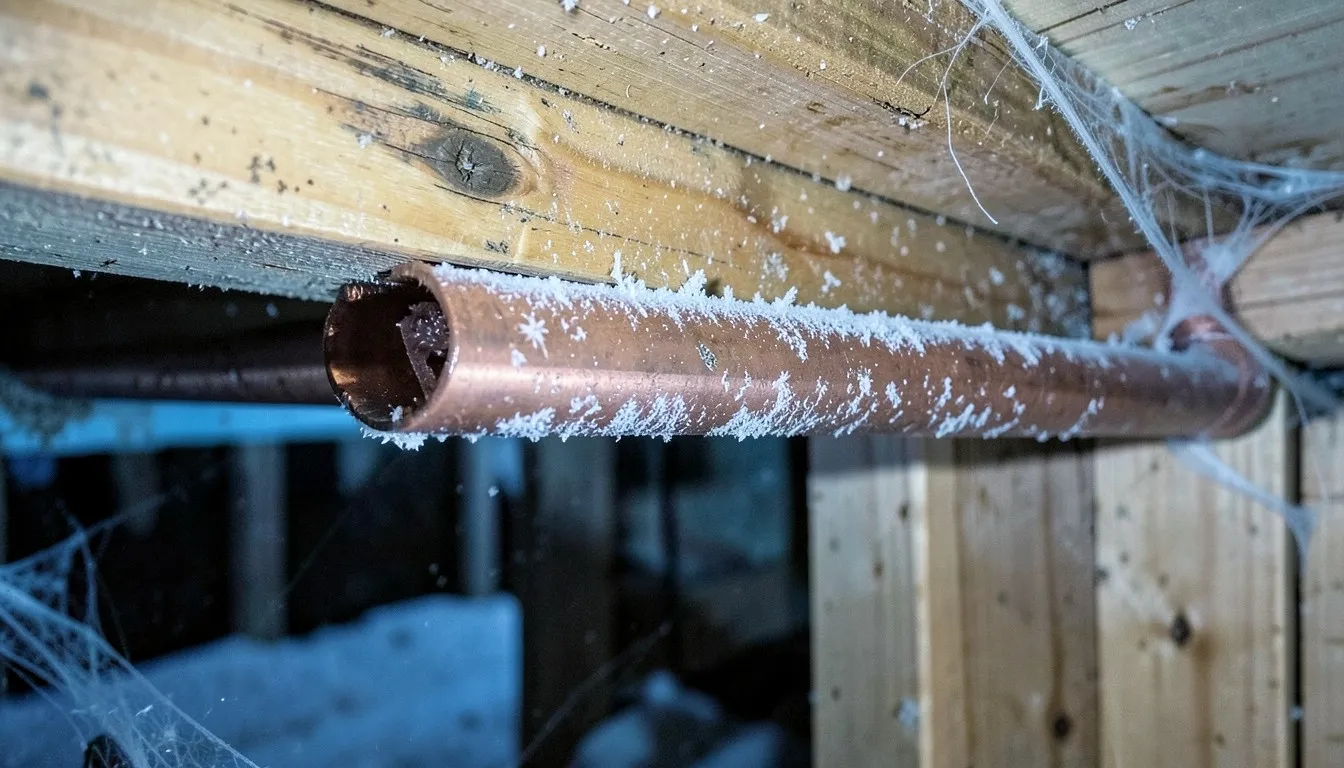
Emergency Frozen Pipe Repair in Hammond, Indiana
Frozen Pipe Repair in Hammond, Indiana thaws and repairs frozen pipes before they burst — winter emergency. Local conditions in Hammond: water measured at 16 gpg, a 24 in frost line and a median home age of 65 years.
Active water damage compounds by the hour — the 24/7 line connects calls to independent local plumbers serving Hammond in our partner's network.
Is frozen pipe repair in Hammond, IN the right job?
- Burst Pipe Repair in Hammond
- Water is spraying or leaking from a visibly split pipe, and the damaged section needs repair.
- Water Line Repair in Hammond
- Low pressure or water pooling between the meter and the house may point to an incoming water line that needs repair.
- Slab Leak Repair in Hammond
- A wet or warm patch on a concrete floor may mean a leaking pipe beneath the slab needs repair.
- Leak Detection in Hammond
- Water is disappearing, a meter keeps moving with taps off, or damp spots keep returning, and the leak's location is unclear.
Who do I call for a frozen pipe in Hammond?
A plumber, when a frozen pipe in your Hammond home cannot be reached or thawed, or has split. A split pipe that is leaking is an emergency. The American Red Cross puts it this way:
“If you are unable to locate the frozen area, if the frozen area is not accessible, or if you can not thaw the pipe, call a licensed plumber.”
— American Red Cross, read 2026-09-29
What does the local plumbing data show for Hammond, IN?
Seeing these conditions at your place in Hammond? Describe them on the call to a state-licensed local plumber — free, no obligation.
What are the pipe conditions in Hammond, IN?
Frozen pipes are most dangerous in the 24–48 hours after the freeze: the ice blockage may hide a fracture that releases pressure only on thaw. Hammond homes with exterior wall plumbing, uninsulated crawlspaces, or garage supply lines face elevated risk during sustained cold snaps. Do not apply direct heat to a frozen line without opening a downstream faucet — steam pressure can split copper or PEX before the ice melts. AlertPlumber connects your call with an independent Indiana-licensed plumber; ask them to locate the freeze point, check for hidden fractures, and restore water safely. Freeze events and frost-depth requirements add pipe insulation, exterior faucet winterization, and burst-risk assessment to service calls in this climate.
Hammond's housing stock spans multiple construction eras — median home age 65 years — meaning pipe materials and failure modes vary significantly by neighborhood and building vintage. An inspection-led approach that confirms pipe material before recommending a service path is standard practice for mixed housing profiles. Homes of other eras in Hammond may have galvanized pipe, copper pipe or polybutylene supply lines instead; ask the plumber which your home has.
Very hard water in Hammond is a primary driver of accelerated appliance failure: water heater anode rods exhaust in 2–3 years instead of 6–8, scale deposits at fixture connections form within months of installation, and tankless heat exchangers accumulate mineral buildup that can reduce lifespan by half without regular descaling. A softener or whole-house conditioner is strongly recommended alongside any appliance service call.
Frost line depth in Hammond means supply lines and outdoor plumbing must be installed below the freeze threshold — typically 24 in — to prevent pipe burst during cold events. Exterior hose bibs, irrigation shutoffs, and any exposed pipe runs are the most common winterization service points in freeze-risk markets.
- Median home age
- 65 yrs
- Water hardness
- 16 gpg
- Frost line
- 24 in
- Permit
- City fee schedule
Census housing age, Hammond city, Indiana: median year built 1952; 69.1% of homes built before 1960, 88.5% before 1980. Source: U.S. Census Bureau, ACS 2020–2024 5-year estimates, tables B25034 and B25035, read 2026-09-30.
Mention these conditions when you describe the symptom to the IN plumber you reach.
What local infrastructure shapes Frozen Pipe Repair in Hammond?
Hammond's median home age of 65 years places most supply runs in the post-war period, when copper became standard alongside surviving galvanized branch lines in older additions. Exterior wall cavities and crawlspace runs from that era carry minimal insulation, exposed through the region's 90 annual freeze days. Hardness measured at 16 grains per gallon compounds the exposure: mineral scale narrows interior bore diameter over decades, and a narrower channel freezes solid faster than a clean one under identical outdoor conditions.
Freeze-thaw pathology rarely announces itself as a single dramatic event. Ice forms first at the coldest point along an unheated run — an exterior hose bib stub, a rim joist penetration, a crawlspace elbow — then expands against pipe walls that scale buildup has already stiffened. Each winter cycle stresses the same joints, and post-war soldered copper fittings develop hairline separations before any visible crack appears. Galvanized sections corrode from the inside, leaving 16 GPG mineral crust less room to expand without touching bare metal.
Diagnosing freeze-vulnerable runs means tracing pipe paths through unconditioned space rather than waiting for a symptom at the fixture. Crawlspace perimeter lines and unheated-addition branches see the most repeat freeze events across the 90-day cold season. Homes with heavy scale from prolonged 16 GPG exposure show narrower bore diameter on camera inspection, a detail that changes which sections warrant insulation retrofits versus outright rerouting.
What shapes plumbing demand in Hammond, IN?
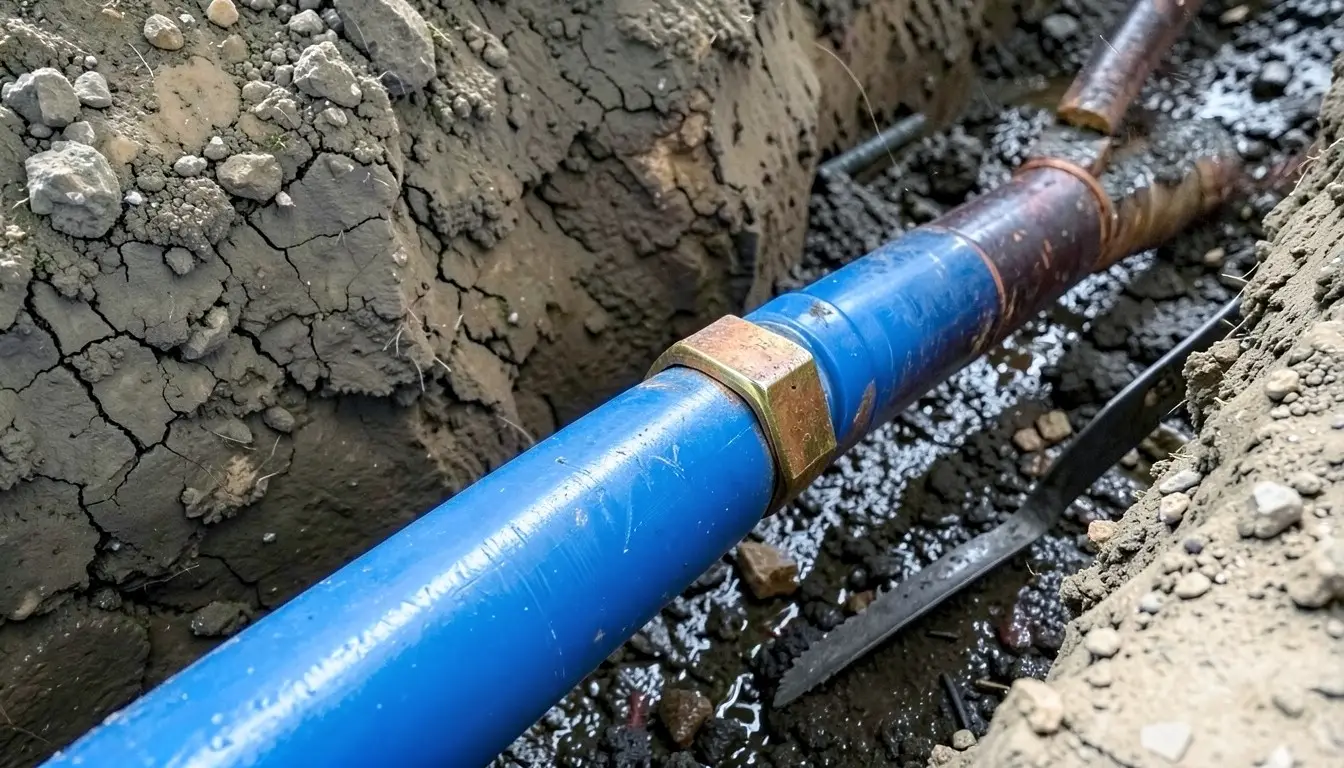
1950s–70s copper supply is now 50–70 years into its service cycle in Hammond. Thermal fatigue at fittings and slab-on-grade access complexity — common in Sun Belt construction — make repair vs. replacement a live decision on most jobs. This housing cohort is the active primary replacement wave in this market.
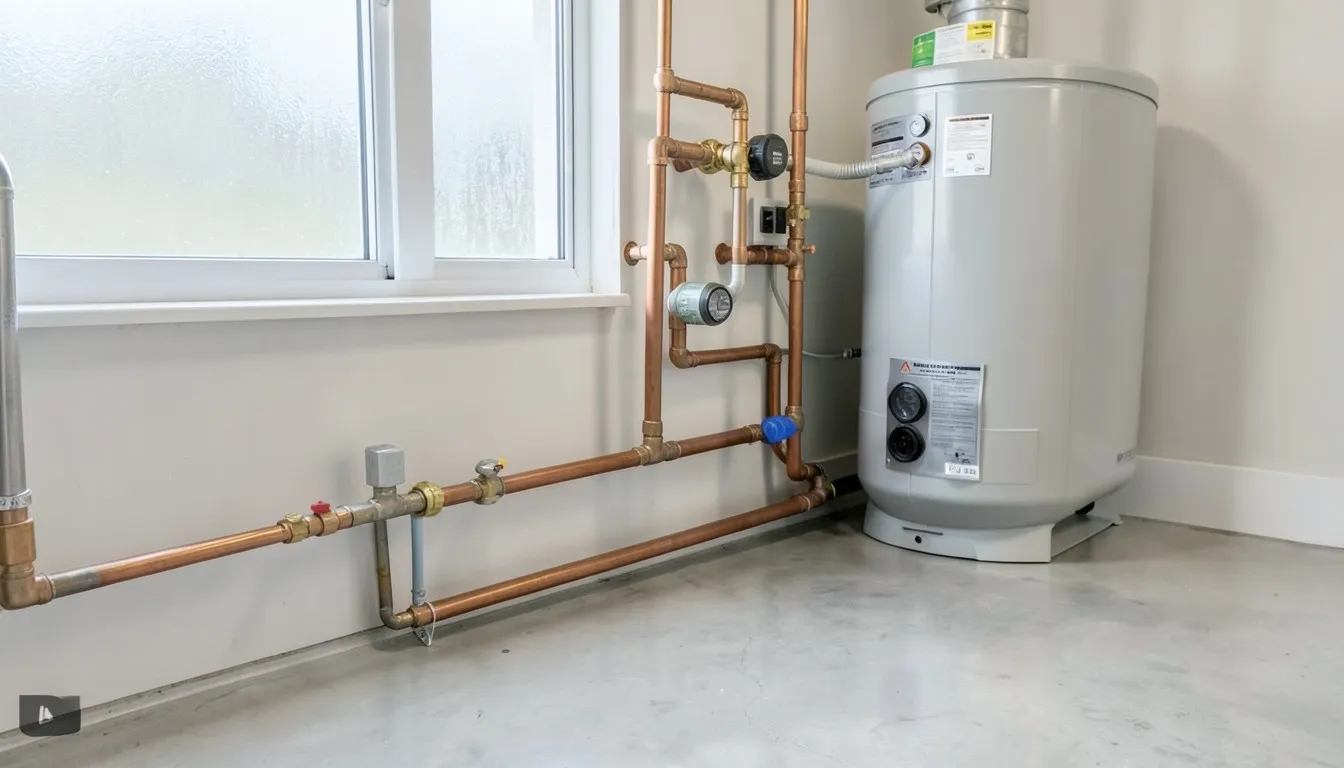
At 15–20+ GPG, calcium scale forces compressed equipment cycles in Hammond: tank heaters average 6–9 years vs. the 10–12-year national benchmark, and tankless units require annual descaling. Anode rods calcify within 12–18 months. Most plumbers here assess heater age against the local scale timeline — not the manufacturer's service life.
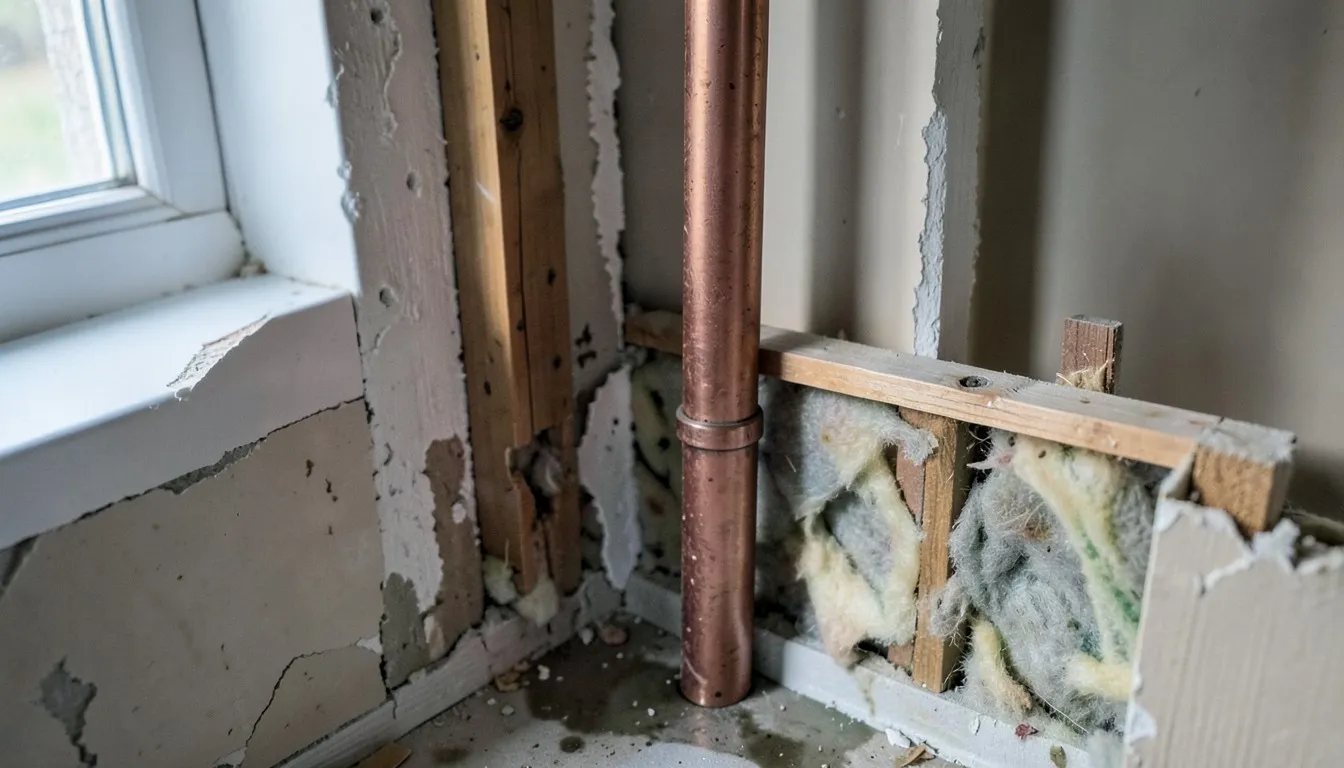
The primary surge in Hammond runs January–March, with a secondary wave at the spring thaw — when pipes that held through the freeze rupture as pressure is restored above 32°F. Scheduling competition peaks exactly when emergency calls are highest. Homeowners who wait for visible damage compete for the same limited plumber slots at the worst possible time.
Active damage in Hammond — how is it contained, assessed and restored?
Submit your Hammond address and describe the active damage — flooding, failed shutoff, burst or frozen line. AlertPlumber passes the request to an independent IN-licensed plumber in its partner's network — ask them to confirm receipt and give you an arrival window.
On arrival, ask the plumber to locate the nearest shutoff and map the damage boundary — affected lines, access points, material condition — and to tell you what requires immediate containment and what can wait until the full repair scope is confirmed.
Ask for a written containment and repair scope to approve before any work begins, with temporary isolation priced separately from full restoration. Give your explicit sign-off before each phase proceeds.
Frozen Pipe Repair cost calculator — Hammond
Pre-filled for frozen pipe repair in Hammond. Adjust the ZIP for a neighboring area, or change the service to compare. Calculator pulls from the city's scraped permit-fee + state plumber-density data.
Frozen Pipe Repair emergency in Hammond?
Every hour without a repair increases structural risk and remediation cost. Calls connect to independent local plumbers in our partner's network — ask for an arrival time and a written estimate.
What else do people ask about frozen pipe repair in Hammond?
How much does frozen pipe repair cost in Hammond, IN?
Frozen pipe repair in Hammond typically runs a scope-based price for thaw and inspection; add a separate charge if the pipe has burst during freezing. Price ranges: frozen pipe repair cost guide.
How much freeze risk does Hammond have?
Hammond sees ~90 cold days/yr with 24" frost — exposed crawlspace and attic pipe runs are real freeze candidates every winter.
Can I thaw a frozen pipe myself in Hammond?
You can safely attempt DIY thaw on an exposed, accessible pipe with a hair dryer or heating pad — work from the faucet end toward the frozen section. Never use open flame. Call a plumber if: you can't locate the frozen section, water has appeared where it shouldn't, or thawing produces a hiss or spray — those are burst indicators.
How do I know if a frozen Hammond pipe has already burst?
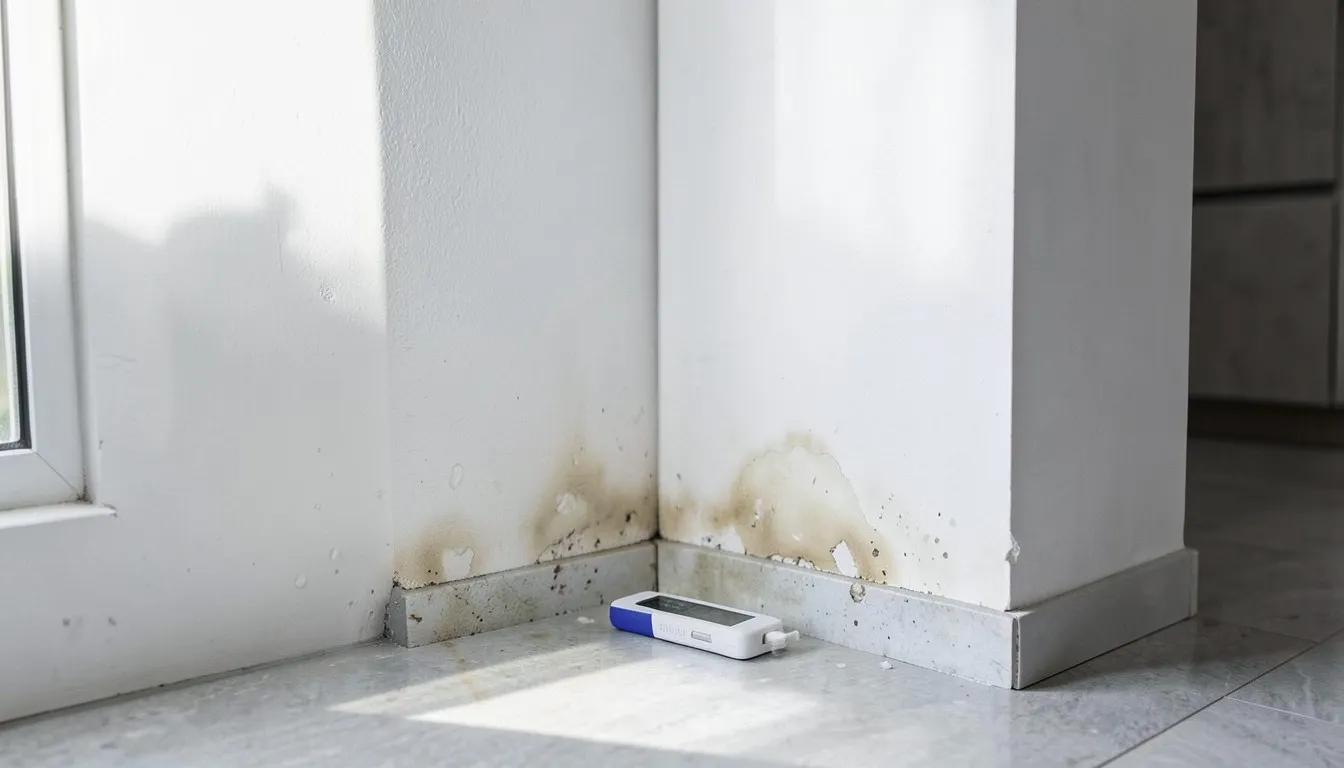
Signs: water stains on ceilings/walls near the freeze point, bulge or wet spot on drywall, pressure loss at all fixtures after thawing, or visible water behind cabinets when the pipe thaws. If any appear, shut off the main immediately and call for emergency repair.
Which pipes freeze first in Hammond homes?
Highest-risk locations: exterior wall cavities (especially north/west facing), unheated crawlspaces, attached garages, and attic runs with no insulation above. In Hammond winters, crawlspace pipe below the 24" frost line is consistently first to freeze.
How long does professional pipe thawing take in Hammond?
An accessible freeze: 30–90 minutes with electric pipe-thawing equipment. Wall-buried freezes require a thermal camera to locate (30 min) then thaw in-place or open the wall (2–4 hrs). Add pipe-repair time if a rupture is found. Most frozen-pipe calls in Hammond resolve in a half-day visit.
How do I prevent frozen pipes in Hammond?
For Hammond winters: insulate exposed crawlspace/garage-wall runs, let faucets drip on the coldest nights, and keep interior heat above 55°F.
Does homeowners insurance cover frozen pipe damage in Hammond?
Standard Indiana policies cover sudden water damage from a frozen pipe that burst — but typically only if reasonable heat was maintained in the home. Freeze damage in an unheated/unattended home is commonly denied as neglect. Confirm your policy's heat-maintenance clause before winter.
When should I call a plumber proactively about frozen pipes in Hammond?
Before. If sustained sub-15°F temps is forecast, proactively schedule pipe insulation or heat-tape installation. Emergency call-out during an active freeze means waiting behind dozens of other calls — pre-season work books within days at standard rates.
How do I check the license of frozen-pipe plumbers in IN?
AlertPlumber does not vet plumbers: for frozen-pipe work in Hammond, ask for the IN PLA license number and check it with the state board. Cold-climate crews carry electric thawing equipment and thermal cameras standard.
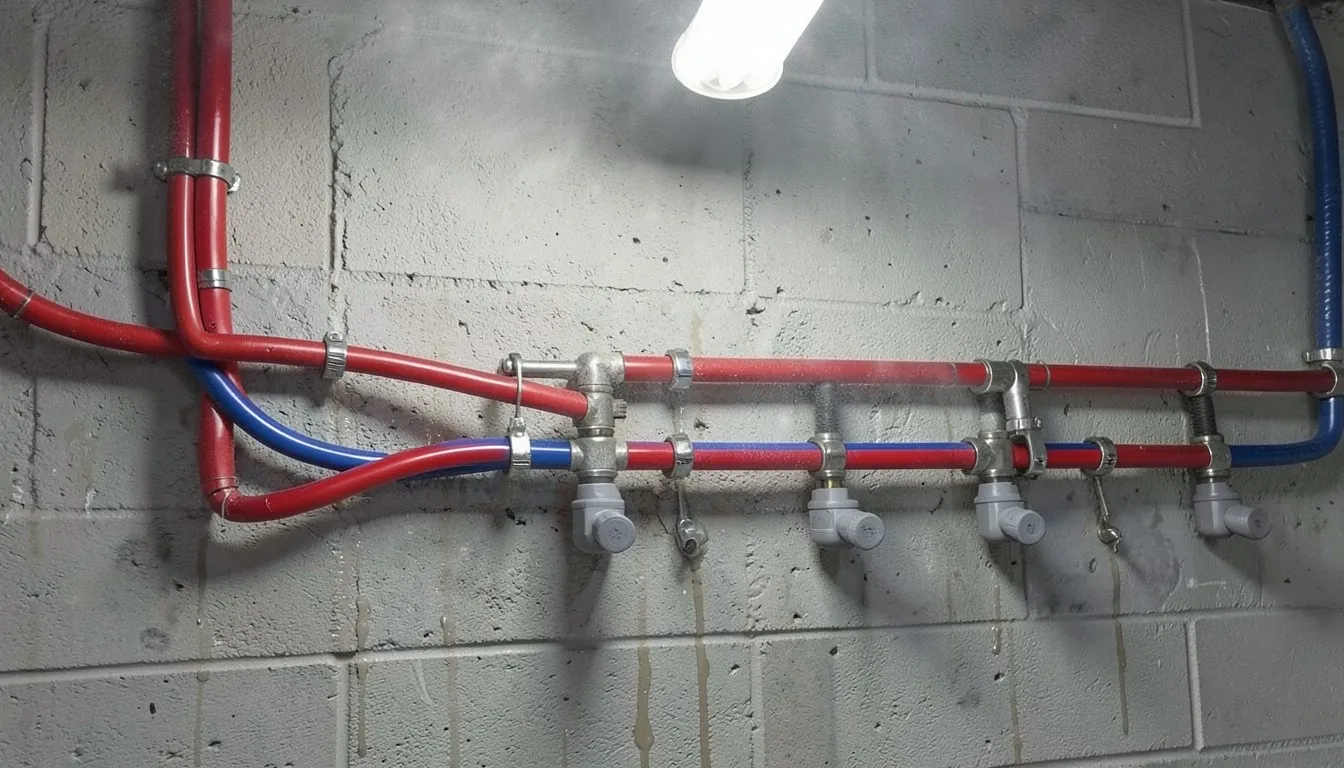
One call puts your problem in front of a local plumber.
Call the number, or put your number in the form below — the request goes to an independent Indiana plumber in our partner's network; ask about the frozen pipe repair and for a written estimate.
Need a frozen pipe repair callback in Hammond?
In a meeting, with the kids, or just prefer not to call? Drop your ZIP and number below. AlertPlumber sends your request to our routing partner — if a participating plumber serves your area, they may call you back directly. For anything urgent, call the number on this page.
- 1 Submit your info. ZIP, phone, and what kind of work you need.
- 2 AlertPlumber passes it on to our routing partner for your area.
- 3 If a participating plumber serves your area, they may call you back. Ask for a written estimate before work starts.
Frozen Pipe Repair in Hammond — when to call
Acute plumbing failures cannot wait. AlertPlumber routes calls about frozen pipe repair in Hammond to independent Indiana plumbers in our partner's network — call now or submit the form above for a callback.