
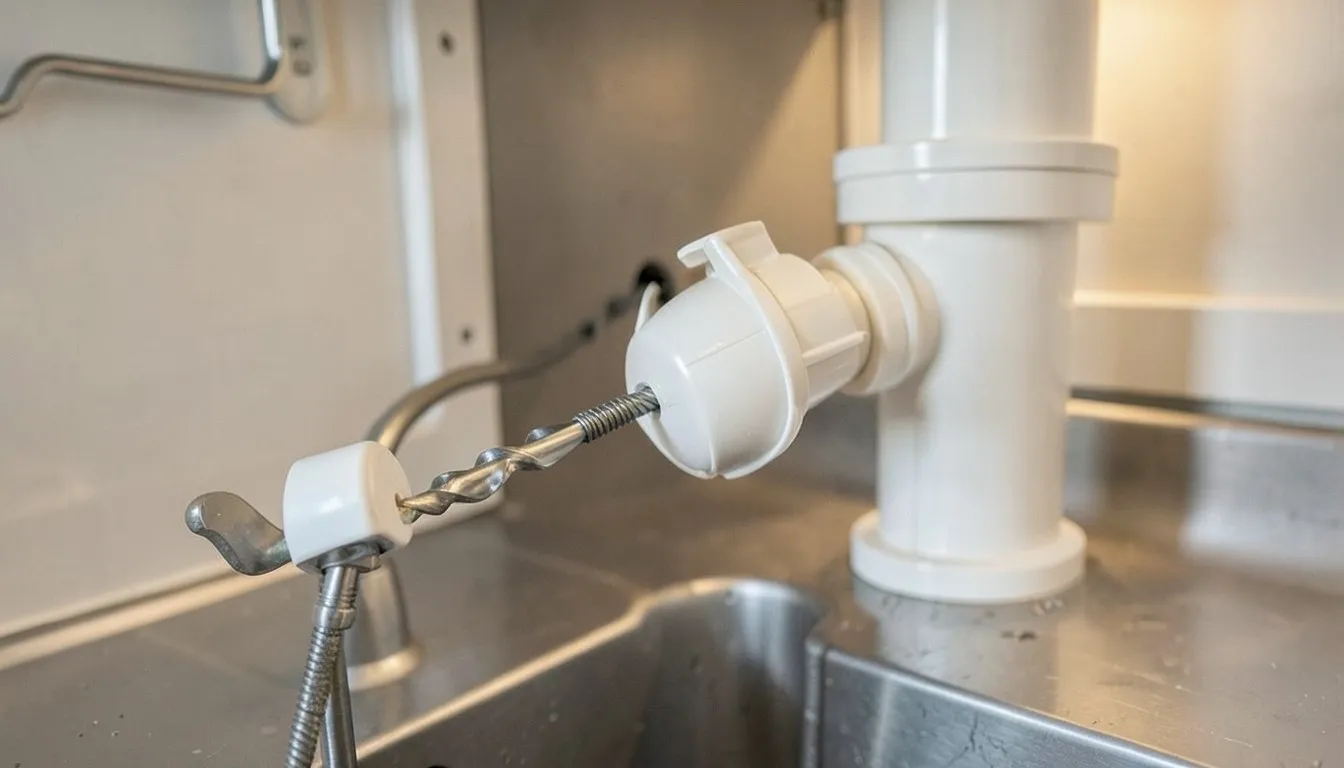
Emergency Drain Cleaning in Austin, Texas
Drain Cleaning in Austin, Texas clears clogged drains, slow drains, and backed-up sinks fast. Local conditions in Austin: water measured at 12, a 4 frost line and a median home age of 30 years.
Active water damage compounds by the hour — the 24/7 line connects calls to independent local plumbers serving Austin in our partner's network.
Who do I call for a clogged drain in Austin?
A plumber for drain cleaning. One slow sink is routine; several fixtures backing up at once, or sewage coming up a floor drain, points to the main line and is urgent in any Austin home.
What does the local plumbing data show for Austin, TX?
Seeing these conditions at your place in Austin? Describe them on the call to a state-licensed local plumber — free, no obligation.
What are the pipe conditions in Austin, TX?
Drain cleaning in Austin addresses two distinct problems: immediate blockage clearance (snake or jet, usually one visit) and the underlying condition causing recurring clogs (root intrusion, scale buildup, pipe belly, or grease accumulation requiring treatment beyond a single service call). The right approach depends on the root cause — a cable machine clears the blockage without revealing what caused it; a camera scope adds a separate charge but determines whether the drain will re-block in weeks or hold for years. AlertPlumber routes your call to an independent Texas-licensed plumber — ask them to price both options up front.
Austin's housing stock spans multiple construction eras — median home age 30 years — meaning pipe materials and failure modes vary significantly by neighborhood and building vintage. An inspection-led approach that confirms pipe material before recommending a service path is standard practice for mixed housing profiles. Homes of other eras in Austin may have galvanized pipe, copper pipe or polybutylene supply lines instead; ask the plumber which your home has.
Very hard water in Austin is a primary driver of accelerated appliance failure: water heater anode rods exhaust in 2–3 years instead of 6–8, scale deposits at fixture connections form within months of installation, and tankless heat exchangers accumulate mineral buildup that can reduce lifespan by half without regular descaling. A softener or whole-house conditioner is strongly recommended alongside any appliance service call.
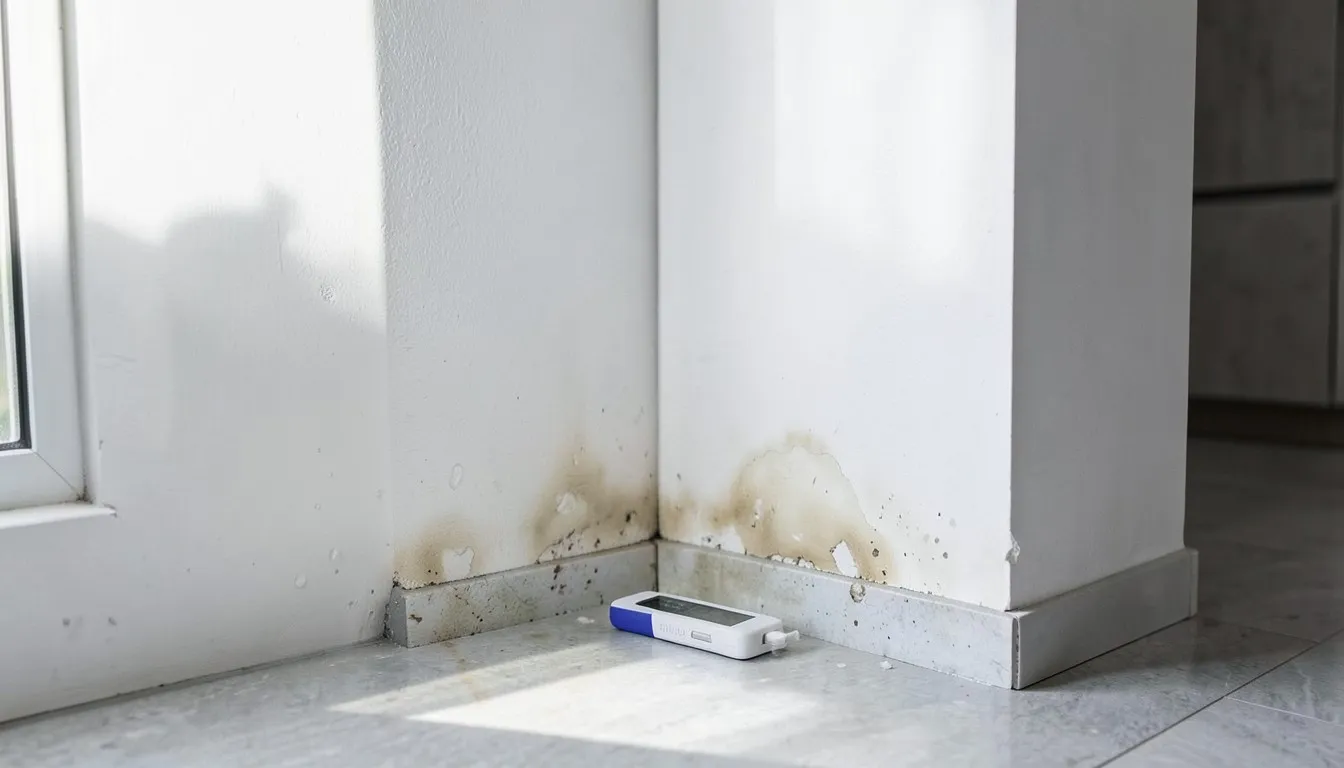
- Median home age
- 30 yrs
- Water hardness
- 12 gpg
- Frost line
- 4 in.
- Permit
- City fee schedule
Census housing age, Austin city, Texas: median year built 1994; 8.1% of homes built before 1960, 28.3% before 1980. Source: U.S. Census Bureau, ACS 2020–2024 5-year estimates, tables B25034 and B25035, read 2026-09-30.
Mention these conditions when you describe the symptom to the TX plumber you reach.
What local infrastructure shapes Drain Cleaning in Austin?
Supply water drawn from the Highland Lakes chain arrives at residential meters at roughly 12 grains per gallon — very-hard territory where calcium carbonate interacts with kitchen grease to form dense soap-scum deposits rather than the soft accumulations typical of low-mineral markets. In drain lines, this process accelerates particularly at reduced-diameter fittings and 45-degree elbows in under-slab horizontal runs, where flow velocity drops and the mineral-grease compound has time to cure against pipe walls. Copper drain lines in slab-built homes are susceptible to progressive bore reduction from this mechanism over 20–30 year timescales.
A 30-year median home age places the residential stock almost entirely in the Schedule 40 PVC drain era, eliminating cast iron corrosion and clay tile joint failure as failure modes. Slab construction means drain lines are encased in concrete, and camera or jetting access requires working from the cleanout above the slab plane. Construction debris and mineral accumulation in original horizontal runs beneath slabs account for a meaningful share of slow-drain calls.
Austin Water does not require a permit for drain cleaning through an existing cleanout fitting. Drain line modifications — cleanout installation, line rerouting, or connection changes — require a permit at the scheduled fee through Austin Development Services. Approximately 96% of properties connect to the city sewer. Hydro-jetting at 2,500–4,000 PSI is well-suited to mineral-grease deposits in very-hard-water slab-built construction, with pre-jetting camera review to confirm PVC integrity. Permit fee ranges: permit fee estimator.
What shapes plumbing demand in Austin, TX?
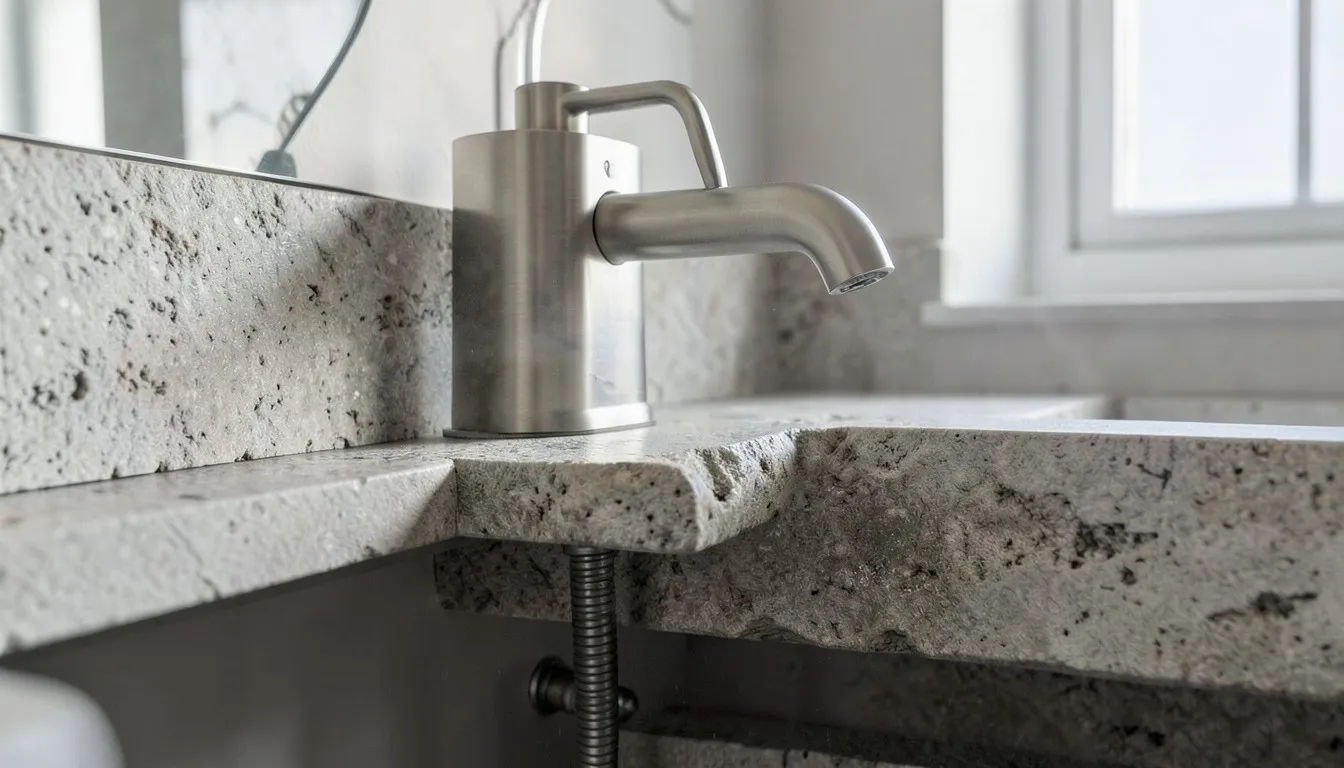
CPVC becomes brittle in the 20–35-year range and snaps under thermal stress or incompatible pipe dopes. Early PEX fittings (pre-2010) may develop chloramine compatibility issues at 15–25 years. The 1980s–1990s housing stock in Austin is entering its first wave of material-driven service calls — not from neglect, but from normal service-life progression.
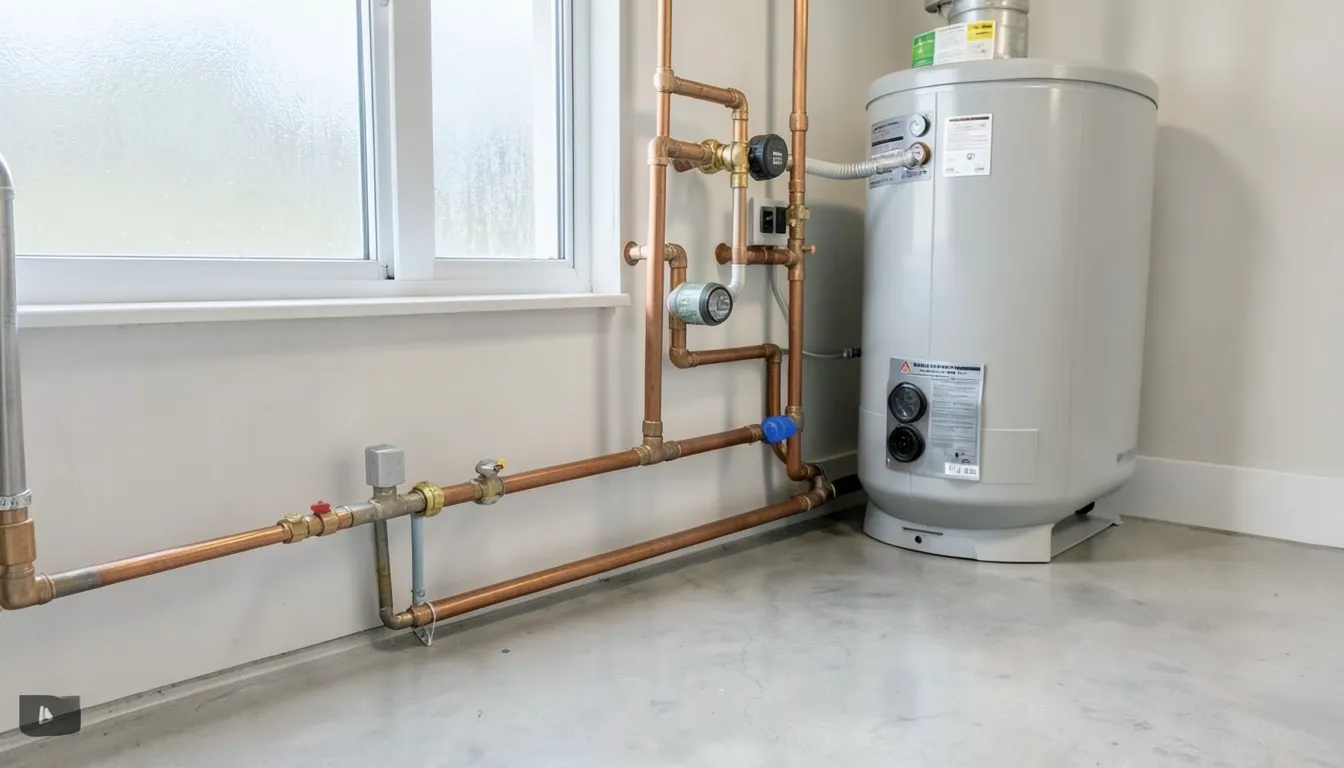
At 15–20+ GPG, calcium scale forces compressed equipment cycles in Austin: tank heaters average 6–9 years vs. the 10–12-year national benchmark, and tankless units require annual descaling. Anode rods calcify within 12–18 months. Most plumbers here assess heater age against the local scale timeline — not the manufacturer's service life.
Without a hard freeze season, demand in Austin distributes evenly through the year. Maintenance-driven categories dominate: end-of-life water heater replacement, root intrusion clearing, and fixture repair. Deferred maintenance surfaces gradually as partial failures rather than acute winter emergencies — which means issues compound silently until they become a larger job.
Active damage in Austin — how is it contained, assessed and restored?
Submit your Austin address and describe the active damage — flooding, failed shutoff, burst or frozen line. AlertPlumber passes the request to an independent TX-licensed plumber in its partner's network — ask them to confirm receipt and give you an arrival window.
On arrival, ask the plumber to locate the nearest shutoff and map the damage boundary — affected lines, access points, material condition — and to tell you what requires immediate containment and what can wait until the full repair scope is confirmed.
Ask for a written containment and repair scope to approve before any work begins, with temporary isolation priced separately from full restoration. Give your explicit sign-off before each phase proceeds.
Drain Cleaning cost calculator — Austin
Pre-filled for drain cleaning in Austin. Adjust the ZIP for a neighboring area, or change the service to compare. Calculator pulls from the city's scraped permit-fee + state plumber-density data.
Drain Cleaning in Austin — the longer it runs, the more it costs.
Slow failures compound: soft pipe walls, root penetration, mineral buildup. Ask the plumber you reach for a scope-first estimate before anything is dug up.
What else do people ask about drain cleaning in Austin?
How much does drain cleaning cost in Austin?
Austin per-fixture drain cleaning is priced by the line you're working, not by the hour. A bathroom-sink hair-and-scum auger clears in the a scope-based price range; a kitchen-sink branch fouled with FOG (fats, oils, grease) from years of South Congress-style cooking sits at a scope-based price because the trap-arm and 1.5" branch line take longer to cable. Tub and shower drains run a scope-based price — slightly more if the matched plumber has to pull a drum-trap on a 1930s-50s Travis Heights or Hyde Park bungalow. Toilet auger work (closet auger, not a snake) is priced by scope when the clog is in the trap; if it's downstream in the 3" branch, you're looking at a stack-cleanout pull at a scope-based price. Mainline cabling from a yard cleanout is priced by scope. The Austin plumbing permit (City of Austin Development Services) does not apply to maintenance cabling — it kicks in only on replacement scope. AlertPlumber routes the call so the matched plumber gives a per-fixture written estimate before rolling. Price ranges: drain cleaning cost guide.
What symptoms tell me a drain in my Austin home actually needs cabling?
Slow-draining single fixture, gurgle from a nearby fixture when another runs, standing water in the tub after a shower, or a sink that fills the basin while running the disposal — these are branch-line clog signatures. Mainline trouble looks different: multiple fixtures backing up at once, the lowest drain (usually a basement floor drain or first-floor tub) belching wastewater when an upstairs toilet flushes, or a toilet bowl level that rises instead of falls. Sewer-gas smell at a rarely-used Hyde Park guest bath is usually a dried trap, not a clog — run water for 30 seconds first. Repeat clogs at the same fixture inside 60 days mean the cable cleared the symptom but missed the cause (scale ledge, belly, or partial root intrusion at a branch tie-in). The matched plumber documents which pattern you're showing on the callback so the right cable size — 1/4" hand-spinner for sinks, 5/8" sectional for stacks, 3/4" drum for the 4" main — gets loaded on the truck the first time.
Why do drains clog so often in Austin homes?
Three Austin-specific drivers stack up. First, the 1995 median build year means most homes have PVC drain stacks (smoother, more clog-resistant than cast iron) — but Travis Heights, Hyde Park, Zilker, and slices of Old West Austin sit pre-PVC, with cast-iron and galvanized branches from the 1930s-50s where interior scale ledges trap hair, scum, and grease. Second, Hill Country limestone gives Austin Water about 12 gpg moderate hardness (USGS water-hardness data) — enough to leave a calcium ledge on the inside of cast-iron over 60+ years, narrowing the effective drain bore. Third, the South Congress / Rainey Street / 6th Street restaurant corridor pushes residential FOG loading higher than pure-bedroom suburbs because home cooking patterns mirror the food-scene density. Mueller, SoBro, The Gulch, and East Austin tech-boom infill from the 2000s+ runs PVC throughout and sees noticeably lower drain-cabling demand. Westlake Hills and Tarrytown 1960s-70s ranches sit in between — original cast-iron mains with PVC branch retrofits. The matched plumber uses your address to pre-load the right cable size before driving out.
Cable, auger, hydro-jet, or scope — how does the matched plumber decide?
The decision flows from line size and clog type, not from upselling. A toilet trap clog gets a closet auger — never a 1/2" sectional cable, which can crack porcelain. A bathroom-sink hair clog gets a 1/4" hand-spinner or 25-foot drum auger. A kitchen-sink FOG clog on a 1.5"–2" branch gets a 3/8" drum cable, sometimes with a grease-cutter head. A laundry standpipe with lint+detergent buildup is the same. Mainline 4" cabling uses a 5/8" or 3/4" sectional with a root-cutter or retriever head. Hydro-jetting is the right call when scale or hardened FOG coats the pipe wall and a cable just punches a hole through it — common on 60+ year cast-iron in Travis Heights or Hyde Park. Scoping (camera) is added when the same fixture clogs twice within 60 days, when the cable hits a hard stop that doesn't feel like a clog (offset joint, belly), or when the homeowner wants documentation. Per NASSCO PACP standards, scope footage is the diagnostic of record for line condition. The matched plumber explains which tool fits before quoting. Price ranges: drain cleaning cost guide.
Does my Texas HO-3 policy cover drain cleaning in Austin?
Almost never for the cabling itself. A standard Texas HO-3 policy covers sudden and accidental water damage from a covered peril — burst pipes, appliance failures, supply-line ruptures — but classifies routine drain maintenance as a homeowner-responsibility wear item, the same way it excludes water-heater anode replacement. The narrow exception: if a clog causes a sudden mainline backup and sewage damages flooring or drywall, an optional water-backup endorsement (added at policy renewal) may cover the resulting damage, though usually not the cabling that fixed the line. The Texas Department of Insurance publishes the standard HO-3 form language at tdi.texas.gov; verify with your carrier before a claim. Tree-root intrusion damage on the homeowner-owned lateral is almost universally excluded as gradual deterioration regardless of endorsement. The matched plumber provides an itemized invoice so you can submit the damage portion separately from the maintenance portion if your policy and adjuster accept that split. Price ranges: drain cleaning cost guide.
How long does the matched plumber spend on-site for Austin drain cabling?
Branch-line single-fixture cabling is a 35–55 minute on-site job: 5 minutes diagnosis, 20–35 minutes cable run plus retrieval, 5–10 minutes flush-test and cleanup, then itemized invoice. Kitchen-sink FOG clogs run longer — 50–80 minutes — because the cable has to break through hardened grease ledges in segments. Toilet auger work is shorter, 20–35 minutes including bowl reset. Mainline cabling from a yard cleanout takes 60–110 minutes: longer cable runs, locator-camera if requested, and a heavier cleanup. Travis Heights and Hyde Park 1930s-50s cast-iron stacks add 15–25 minutes because the matched plumber moves slowly through corroded interior scale to avoid breaking through a thinned wall. If the diagnostic finds a structural problem mid-job (offset, belly, root mass at a 4" tie-in), the plumber pauses, shows you the camera footage, and re-quotes — cabling stops, sewer-line repair scope begins. The 23 average annual freeze days in Austin rarely affect interior drain timing; freeze-related work is supply-side, not drain-side.
Travis Heights cast-iron vs Mueller PVC — do clog patterns actually differ?
Yes, distinctly. Travis Heights, Hyde Park, Zilker, and pre-1960 Old West Austin homes typically run cast-iron stacks with galvanized branch arms — a 60-90+ year old system where interior corrosion creates a rough scale ledge that catches hair, soap scum, and FOG. Cabling clears the symptom but a small cable head can punch through the scale rather than scrape it, so re-clogs at 4–9 month intervals are common until the line is jetted or replaced. Mueller (post-2007 master-planned redevelopment), SoBro, The Gulch, and East Austin 2000s+ tech-boom infill run PVC stacks and PVC branches throughout — smooth interior walls, no scale, dramatically lower clog frequency. When Mueller homes do clog, it's almost always a kitchen-sink FOG buildup at the disposal-to-trap-arm transition, or a toilet trap clog from non-flushable wipes, both of which clear cleanly with a single cable pass. Westlake Hills and Tarrytown 1960s-70s ranches sit between: original cast-iron mainline retained, PVC branch retrofits during 1990s-2000s remodels. The matched plumber confirms pipe material before quoting because the same symptom needs different cable size and head.
Do I need an Austin permit for drain cleaning, and what's the TSBPE check?
Drain cleaning is permit-exempt in Austin under standard maintenance scope — cabling, augering, and hydro-jetting an existing line do not require a City of Austin Development Services plumbing permit. The permit threshold is replacement scope: cutting in a new cleanout, replacing a section of failed pipe, re-routing a branch, or any work that alters the approved IPC drainage layout. If the diagnostic mid-job finds a collapsed section that needs replacement, the matched plumber pauses, pulls the permit on the next business day, and re-quotes the repair scope separately. On credentialing: the Texas State Board of Plumbing Examiners maintains 27,810 active TX-credentialed plumbers statewide as of 2024 (tsbpe.texas.gov license search). You can verify any plumber's license number at the TSBPE public lookup before authorizing work. AlertPlumber routes calls only to TSBPE-credentialed plumbers, but the public lookup is the homeowner's independent check. Permit fee ranges: permit fee estimator.
When does an Austin branch clog escalate to a mainline problem?
Three escalation signals tell the matched plumber the issue isn't really at the fixture you noticed. First: simultaneous backup at a fixture lower than the one you called about — toilet flushes and the tub gurgles or fills, dishwasher runs and the laundry standpipe burps. That's mainline, not branch. Second: cable runs the full branch length cleanly but the fixture still drains slowly after the test flush — the resistance is downstream of where the cable reached. Third: a sewer-gas smell that returns within hours of the cable job, especially at the lowest drain in the house. The matched plumber pulls a downstream cleanout (yard or basement) and runs a 5/8" sectional with a root-cutter head, then optionally drops a camera to confirm. Mainline cabling on 4" Austin laterals runs a scope-based price. If the camera shows roots at a clay-tile section (rare in 1995-median Austin but present in pre-1960 Travis Heights/Hyde Park), the conversation shifts to spot-repair or trenchless lining — separate scope, separate quote, City permit required. EPA wastewater guidance covers the homeowner-utility responsibility split at the property line. Price ranges: drain cleaning cost guide.
When should I cable it myself versus calling an Austin plumber?
DIY makes sense for a hair-clogged bathroom sink with an inexpensive hand-spinner, a toilet trap clog with an inexpensive closet auger, or a tub drain you can clear by pulling the stopper assembly and grabbing the hair mass. Stop and call when: the clog is at a fixture you can't access without pulling drywall; the clog returns within a week of you clearing it; multiple fixtures back up at once; you smell sewer gas anywhere other than at a dried trap; the fixture is on a 1930s-50s Travis Heights/Hyde Park cast-iron stack where a hand-spinner can wedge in the corroded interior; or you've already poured a chemical drain cleaner down it (now a hazard for any plumber working the line — flag this on the callback). Mainline work is never DIY in Austin — a 25-foot drum auger from a hardware store can't reach far enough, can't navigate a 4" cleanout, and will not clear a 60-foot lateral run to the City of Austin sewer tap. The 12 gpg moderate Hill Country limestone scale on older cast-iron interiors specifically defeats consumer-grade cable heads. AlertPlumber routes to a TSBPE-credentialed plumber when DIY ends. Price ranges: drain cleaning cost guide.
The fix gets cheaper the sooner a plumber sees it.
Degradation problems compound quietly. Call now, or use the form below to reach an independent Texas plumber, and ask for an estimate for the drain cleaning — you are under no obligation.
Need a drain cleaning callback in Austin?
In a meeting, with the kids, or just prefer not to call? Drop your ZIP and number below. AlertPlumber sends your request to our routing partner — if a participating plumber serves your area, they may call you back directly. For anything urgent, call the number on this page.
- 1 Submit your info. ZIP, phone, and what kind of work you need.
- 2 AlertPlumber passes it on to our routing partner for your area.
- 3 If a participating plumber serves your area, they may call you back. Ask for a written estimate before work starts.
Drain Cleaning in Austin — catch it early
Degradation-driven failures worsen over time and cost more to fix the longer they run. Ask the independent TX plumber you reach in Austin to diagnose your specific condition and put the scope in writing before any work begins.