
Sewer Gas
A toxic mixture of gases produced by decomposing waste in sewer lines — including hydrogen sulfide, methane, and ammonia — that enters buildings through dry or broken traps.
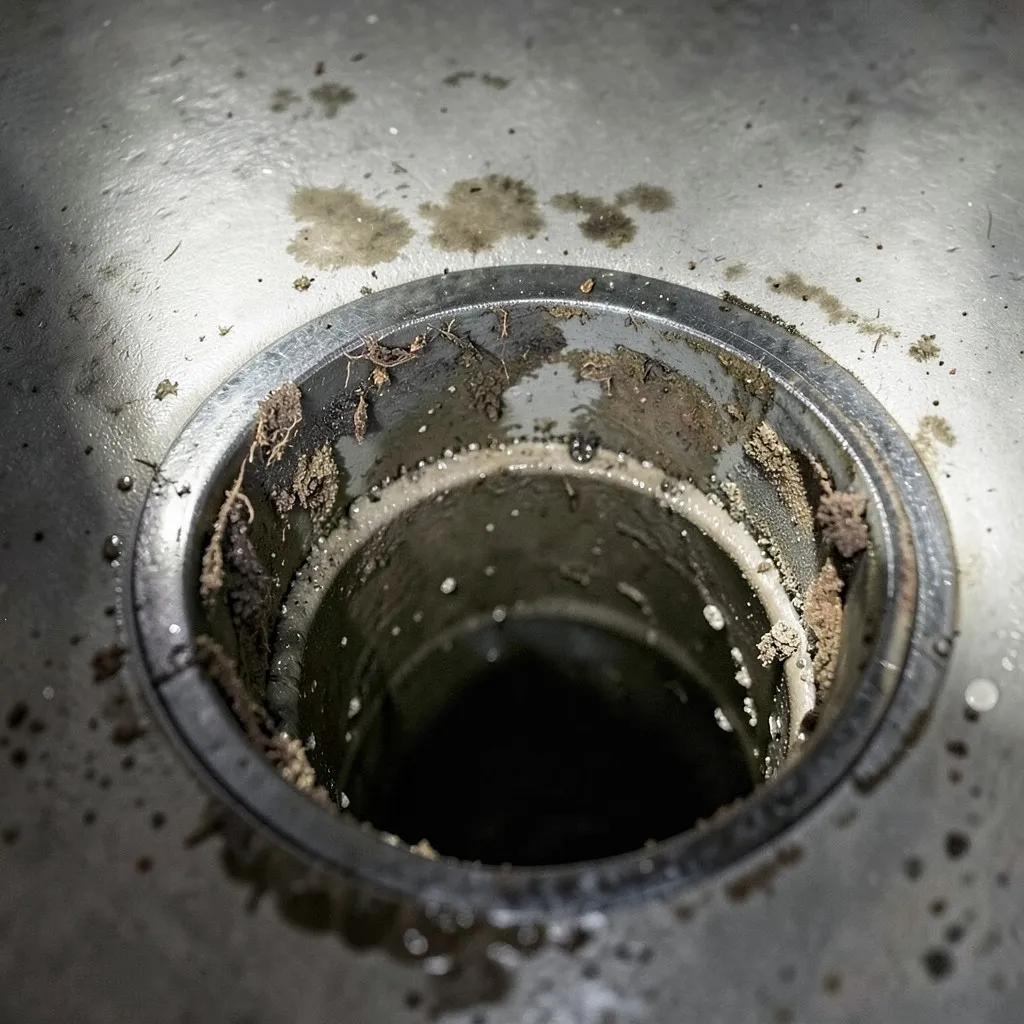
Sewer gas is a mixture of gases produced when organic matter decomposes in sewer pipes and municipal wastewater systems. The primary components are hydrogen sulfide (H₂S), methane (CH₄), ammonia (NH₃), carbon dioxide (CO₂), and various volatile organic compounds. At low concentrations, sewer gas smells like rotten eggs — the hydrogen sulfide. At high concentrations, the same gas paralyzes your sense of smell, giving false reassurance while becoming acutely toxic.
How does sewer gas enter a building?
Every drain fixture in a building has a P-trap — a curved section of pipe that holds standing water, forming a seal against sewer gas. When that water seal fails, gas enters the room. Common causes:
- Dry traps: a floor drain or seldom-used sink allows the trap water to evaporate — the most common cause of basement sewer odors
- Cracked or broken traps: physical damage removes the water seal
- Venting failure: a clogged or missing vent stack creates negative pressure that siphons trap water out
- Dried wax ring: a toilet with a failed wax ring leaks gas at the base
- Cracked sewer pipe: gas escapes through cracks and infiltrates the structure
What are the health and safety risks of sewer gas?
Hydrogen sulfide at 10 ppm causes eye irritation; at 100 ppm it rapidly fatigues your sense of smell; at 500 ppm it can cause respiratory failure within minutes. Methane and hydrogen sulfide are both flammable and can accumulate to explosive concentrations in basements and crawl spaces.
What should you do about sewer gas odors?
For minor sewer odors: run water in all floor drains and seldom-used sinks to refill traps (add a small amount of mineral oil to slow evaporation). For persistent odors, a plumber can perform a smoke test — pressurizing the drain system with theatrical smoke to find cracks, missing cleanout caps, or venting deficiencies. If you smell strong sewer gas and can't identify the source, treat it as an emergency: ventilate, leave, and call a plumber.
Researching the term is one thing — hiring for it is another. See sewer line repair services for scope, timelines, and what drives the price, or call (888) 530-4445 for a no-cost estimate.
For the full picture — materials, process, timelines and what drives the cost — read Sewer Line Repair: The Complete Guide.
What related terms should you know?
What sources back this up?
Need a verified plumber for sewer line repair?
AlertPlumber matches you with a licensed plumber for sewer line repair. Written estimate before any work begins.