
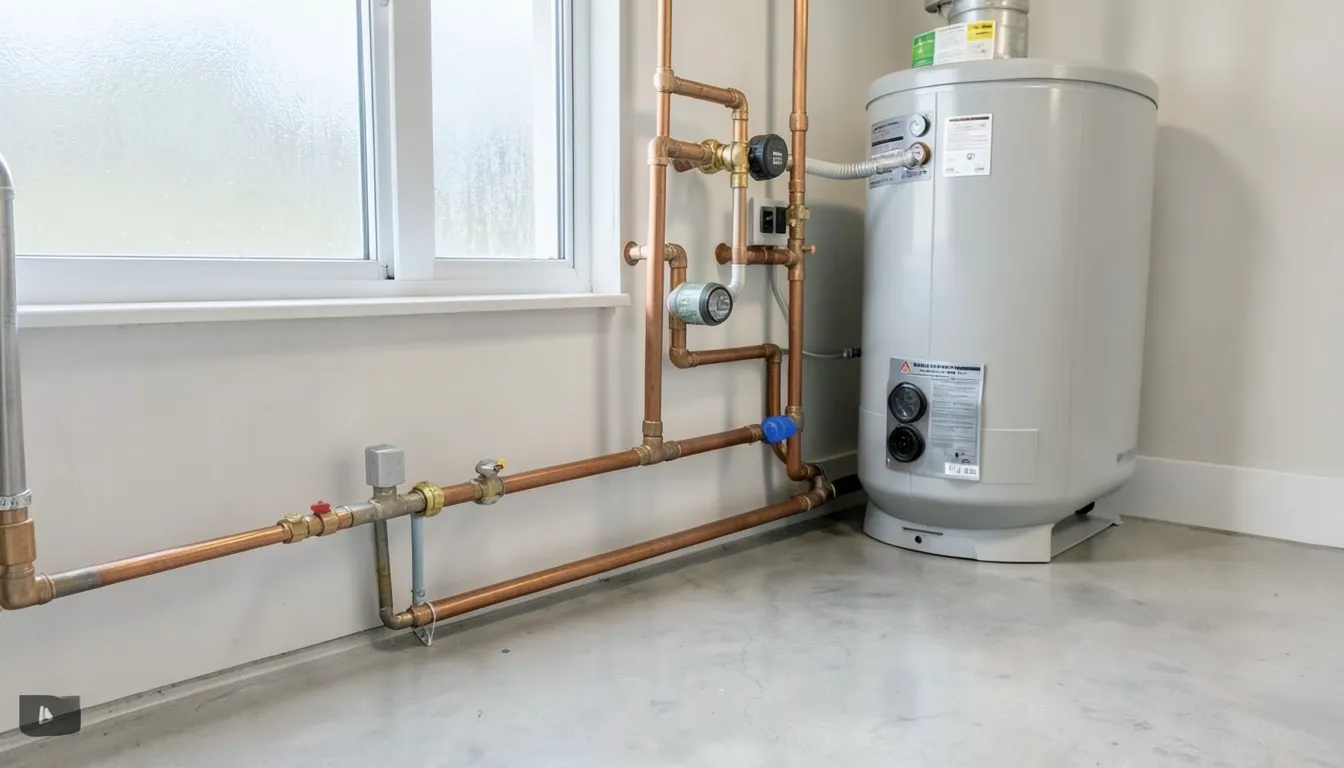
Water Softener Installation in St. Louis Park, Minnesota
Water Softener Installation in St. Louis Park, Minnesota installs whole-home water softeners and salt-free conditioners. Local conditions in St. Louis Park: a 52 in. frost line and a median home age of 62 years.
Book it this week — a licensed MN plumber quotes it by phone before anyone rolls a truck.
What does the local plumbing data show for St. Louis Park, MN?
Seeing these conditions at your place in St. Louis Park? A state-licensed plumber can confirm it over the phone — free, no obligation.
What are the pipe conditions in St. Louis Park, MN?
Water softener installation in St. Louis Park is calibrated to the local water hardness — GPG level determines the resin tank size, regeneration cycle frequency, and salt type required. An undersized softener in a hard-water market regenerates too frequently and passes hard water during peak demand. Drain line placement and brine tank position require planning; older homes may need the softener positioned before the water heater but after the main shutoff. AlertPlumber connects you with a Minnesota-licensed plumber who specifies the unit based on your actual hardness reading.
St. Louis Park's housing stock spans multiple construction eras — median home age 62 years — meaning pipe materials and failure modes vary significantly by neighborhood and building vintage. An inspection-led approach that confirms pipe material before recommending a service path is standard practice for mixed housing profiles.
Very hard water in St. Louis Park is a primary driver of accelerated appliance failure: water heater anode rods exhaust in 2–3 years instead of 6–8, scale deposits at fixture connections form within months of installation, and tankless heat exchangers accumulate mineral buildup that can reduce lifespan by half without regular descaling. A softener or whole-house conditioner is strongly recommended alongside any appliance service call.
Frost line depth in St. Louis Park means supply lines and outdoor plumbing must be installed below the freeze threshold — typically 52 in. — to prevent pipe burst during cold events. Exterior hose bibs, irrigation shutoffs, and any exposed pipe runs are the most common winterization service points in freeze-risk markets.
- Median home age
- 62 yrs
- Frost line
- 52 in.
A licensed MN plumber reads these conditions the moment you describe the symptom.
What shapes plumbing demand in St. Louis Park, MN?
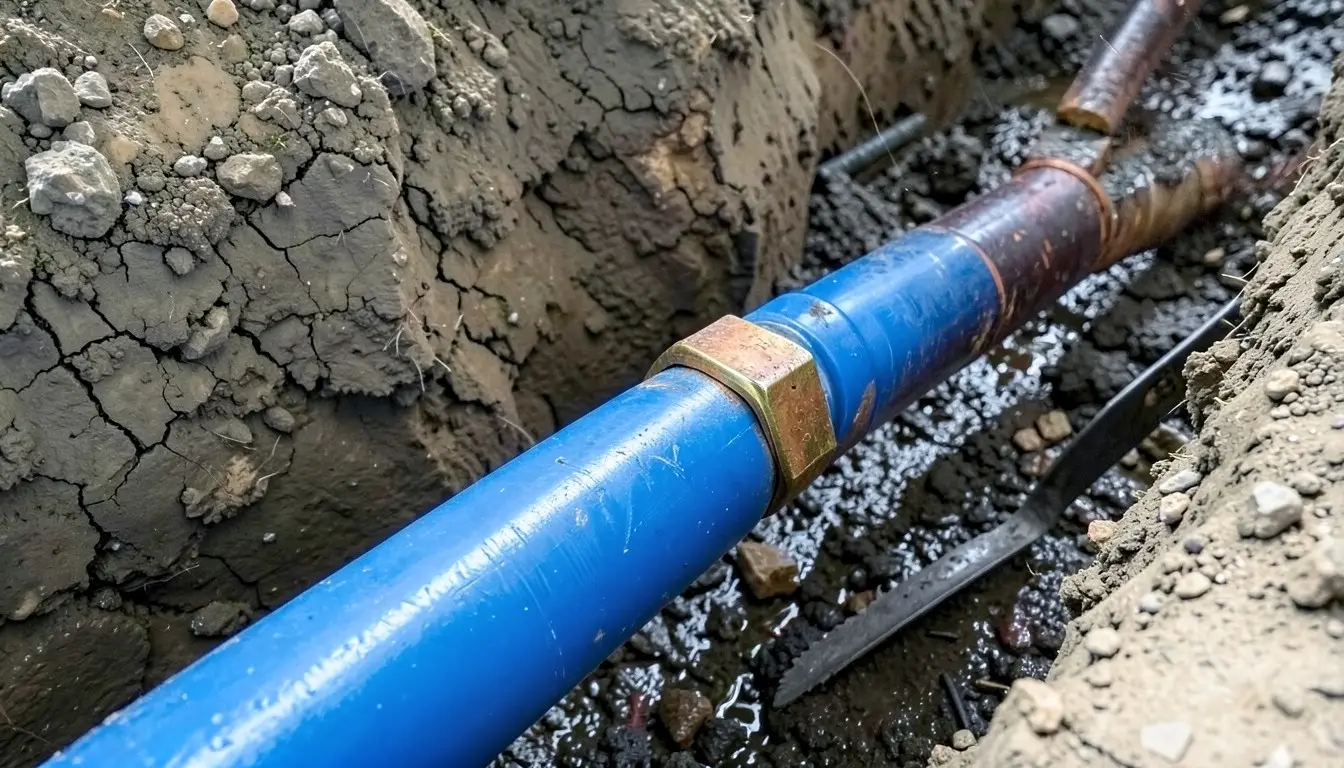
1950s–70s copper supply is now 50–70 years into its service cycle in St. Louis Park. Thermal fatigue at fittings and slab-on-grade access complexity — common in Sun Belt construction — make repair vs. replacement a live decision on most jobs. This housing cohort is the active primary replacement wave in this market.
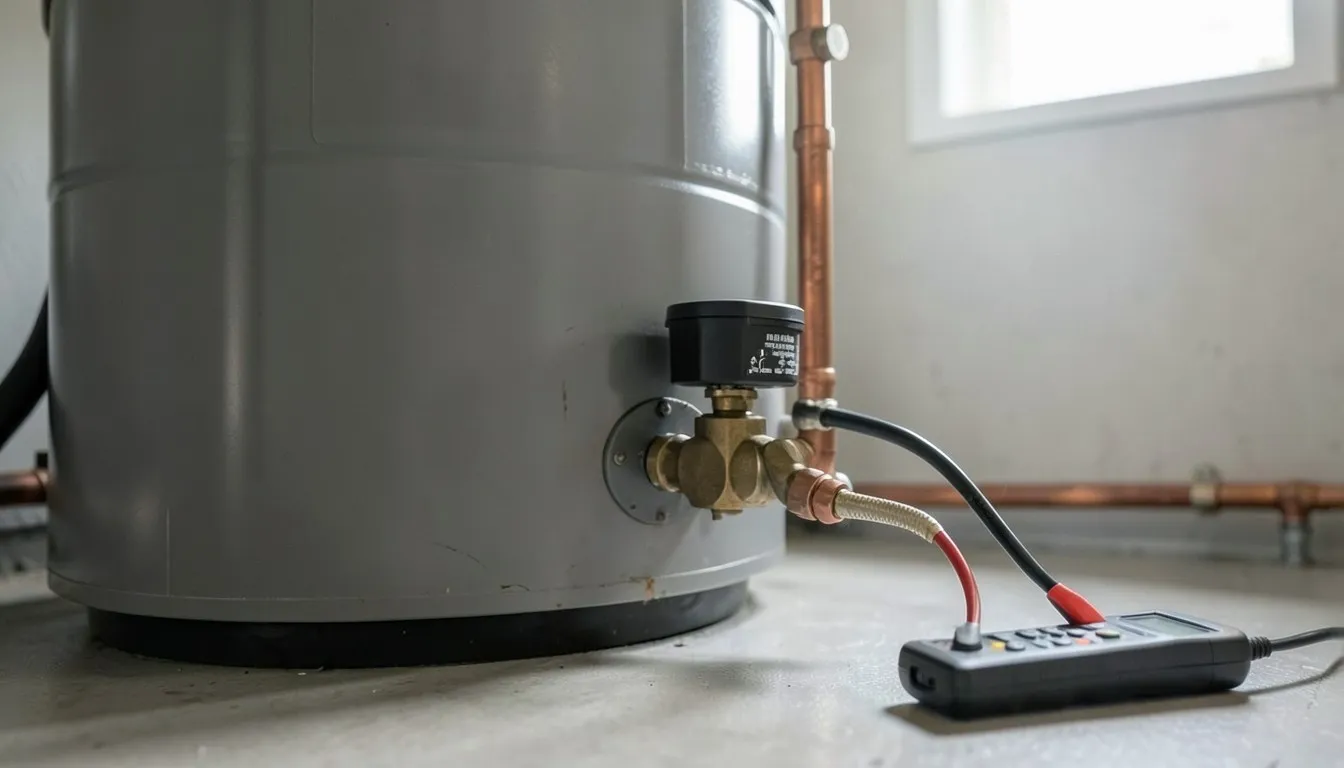
At 15–20+ GPG, calcium scale forces compressed equipment cycles in St. Louis Park: tank heaters average 6–9 years vs. the 10–12-year national benchmark, and tankless units require annual descaling. Anode rods calcify within 12–18 months. Most plumbers here assess heater age against the local scale timeline — not the manufacturer's service life.
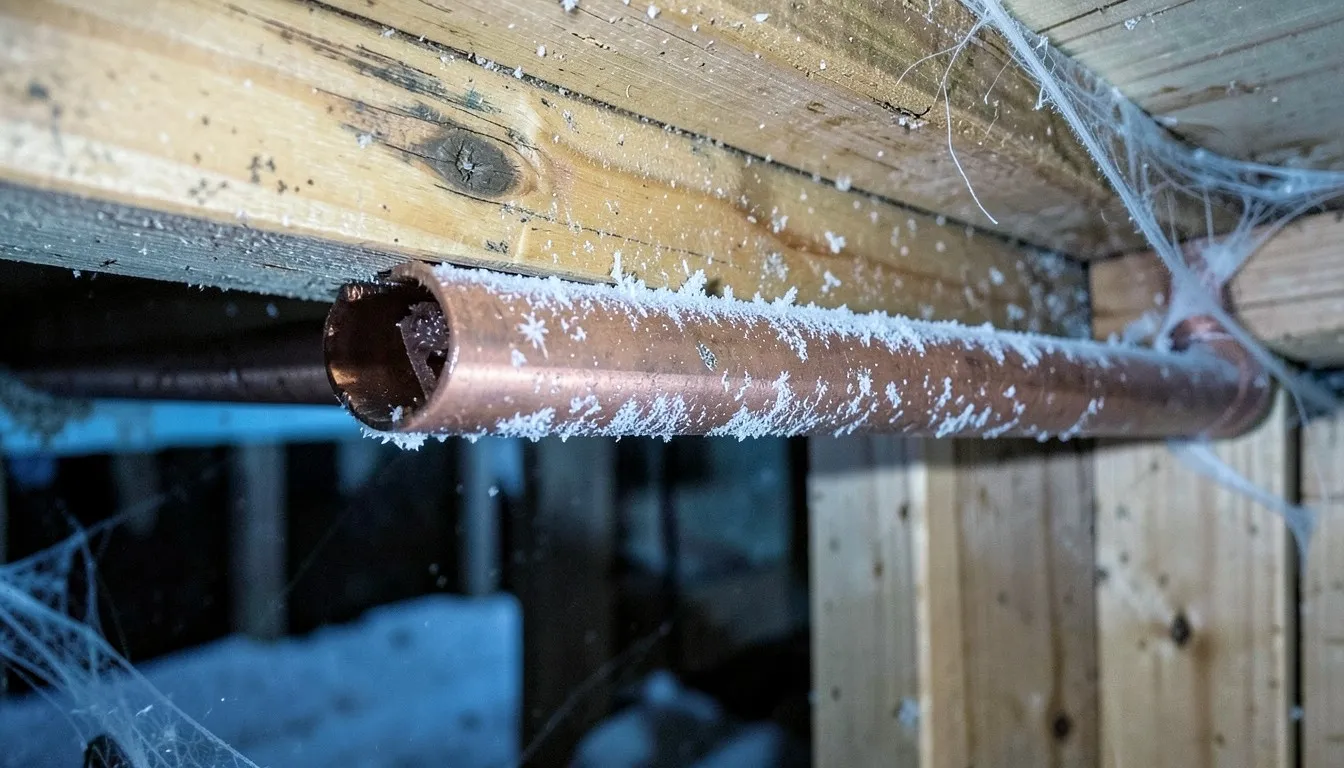
The primary surge in St. Louis Park runs January–March, with a secondary wave at the spring thaw — when pipes that held through the freeze rupture as pressure is restored above 32°F. Scheduling competition peaks exactly when emergency calls are highest. Homeowners who wait for visible damage compete for the same limited plumber slots at the worst possible time.
Why does a St. Louis Park plumber estimate first and commit second?
Submit the service type and your St. Louis Park address. A Minnesota-licensed plumber reviews the description and schedules a site visit — typically within 24–48 hours. There is no financial commitment or obligation at this stage.
At the appointment, the plumber inspects the installation point, confirms the project approach, and delivers a written estimate: fixed price, material breakdown, and project timeline for St. Louis Park. Review it at your pace before deciding.
Once you approve the estimate, the plumber coordinates the start date. Required permits for St. Louis Park are pulled before the job starts. A final walkthrough after completion confirms every item in the agreed scope was delivered.
Water Softener Installation cost calculator — St. Louis Park
Pre-filled for water softener installation in St. Louis Park. Adjust the ZIP for a neighboring area, or change the service to compare. Calculator pulls from the city's scraped permit-fee + state plumber-density data.
Ready to move forward on water softener installation in St. Louis Park?
Lead times for equipment and scheduling vary by season. A verified plumber calls back with availability and a written estimate — locking in timing before demand peaks.
What else do people ask about water softener installation in St. Louis Park?
At what hardness level does St. Louis Park water actually require a softener?
Under 3.5 grains per gallon (GPG): genuinely soft — no softener needed or beneficial. 3.5–7 GPG: moderately hard — a softener is optional but extends water heater life and reduces scale. 7–14 GPG: hard — a softener is recommended; scale damage to water heaters and tankless units becomes significant over 5–10 years. Above 14 GPG: very hard — a softener is effectively required to maintain appliance warranties and prevent scaling that clogs fixtures and destroys tankless heat exchangers within 5–8 years without treatment. The USGS national water hardness map shows baseline hardness by region; your actual tap hardness may vary.
What's the difference between a salt-based water softener and a salt-free conditioner?
A salt-based ion-exchange softener physically removes calcium and magnesium ions by replacing them with sodium — water leaving the system is genuinely soft (0 GPG). A salt-free template-assisted crystallization (TAC) conditioner doesn't remove the minerals but converts them to a microscopic crystalline form that won't adhere to surfaces. Salt-free systems have no ongoing salt cost and no regeneration wastewater, but they're less effective above 25 GPG and don't soften water for skin and lather purposes. For markets above 10 GPG with appliance protection as the primary goal, a salt-based system is the more effective choice.
How is a whole-home water softener installed and where does it go?
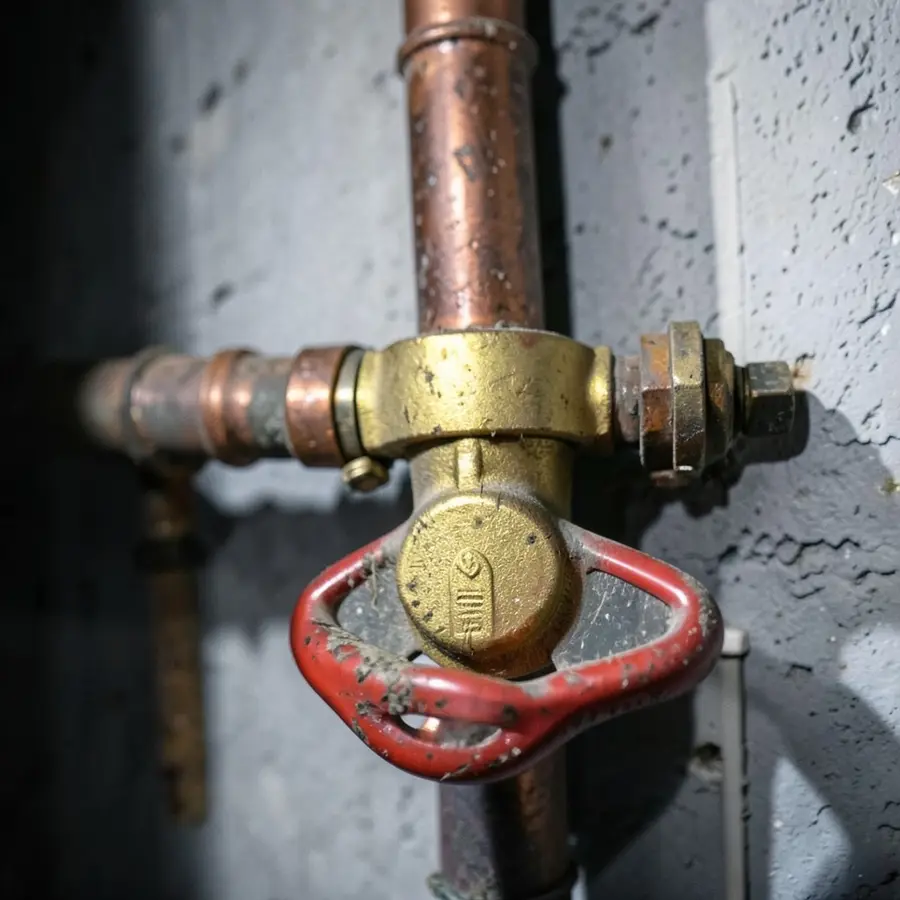
The softener is installed on the main supply line after the water meter and before the water heater — this position treats all water entering the home. Installation requires: a drain connection for regeneration backwash discharge (typically a floor drain or utility sink), a 120V power outlet for the control valve timer, and floor space for the mineral tank and brine tank. Most residential softener installations take 3–5 hours. The plumber installs a bypass valve so the system can be serviced without interrupting water service to the house.
What size water softener does a St. Louis Park home need?
Softener size is expressed as grain capacity — how many grains of hardness the resin bed removes before needing regeneration. Sizing formula: people in household × 75 gallons/day × hardness in GPG × 7 days = minimum weekly capacity. A 4-person household at 17 GPG: 4 × 75 × 17 × 7 ≈ 35,700 grains/week — a 48,000-grain softener regenerating twice a week. Undersizing forces frequent regeneration (higher salt and water use); oversizing extends intervals too long and can allow bacterial growth in the resin bed. The plumber should size based on your household count and local water hardness.
How do I know if my existing softener has stopped working?
Hard-water signs return: cloudy spots on glasses and dishes after washing, soap and shampoo that don't lather readily, a film on skin after showering, and white scale deposits building up on faucet aerators. Check the brine tank: if salt is present but the system is still delivering hard water, look for a salt bridge — a hardened crust that has formed above the water level, preventing the salt from dissolving. Break up a bridge with a broom handle. If no bridge is present, the resin may be exhausted or the control valve may have failed — both require a service call.
How does St. Louis Park's water hardness (15–20 gpg) affect water softener installation?
St. Louis Park water is very hard at 15–20 gpg — in this range, scale accumulation is rapid and destructive. Tankless water heaters without a softener typically fail their heat exchanger warranty within 5–8 years. Water heater sediment buildup is accelerated, reducing efficiency and tank life. A whole-home softener is effectively required to maintain plumbing appliance warranties and prevent premature failure in St. Louis Park homes.
What's the seasonal plumbing risk profile for water softener installation in St. Louis Park?
Hennepin County inner-ring Minneapolis suburb — home to Park Nicollet Health System and adjacent to the Minnesota Vikings' former practice facility — served by St. Louis Park City Water from the Prairie du Chien-Jordan aquifer at 15–20 gpg. The 1940s–1970s residential stock in the Minikahda Oaks and Elmwood neighborhoods has original galvanized and early copper supply at replacement threshold; St. Louis Park's dense renovation market continuously surfaces deferred plumbing maintenance in the older housing stock. Minnesota's 150 sub-32°F nights drive consistent freeze-season service demand. Understanding the local call pattern helps set realistic expectations for plumber availability and response time during peak periods — during high-demand weeks, advance scheduling is advisable for non-emergency work.
What affects the cost of water softener installation in St. Louis Park, MN?
System grain capacity, brine tank placement clearances, bypass valve configuration, and whether a dedicated drain line needs to be run are the main installation variables. Pre-treatment for high iron content is a separate component quoted alongside the softener. Water hardness and iron levels are tested before the system configuration is finalized. A verified plumber provides a written estimate covering price, scope, and permit requirements before any work begins.
Are AlertPlumber-matched plumbers verified in Minnesota?
Yes. Every plumber matched through AlertPlumber holds an active Minnesota state contractor license. The Minnesota licensing database is checked at each routing — not just at initial signup — so the status reflects current standing, including any recent disciplinary actions, renewals, or insurance lapses. Active Minnesota licensure requires documented proof of bonding, liability coverage, and continuing education current as of the routing date.
Does AlertPlumber charge a fee for connecting me with a plumber in St. Louis Park?
AlertPlumber does not charge homeowners. The referral fee is paid by the plumber when they accept a qualified call — it is their customer-acquisition cost, not an added charge to you. The plumber provides a written price assessment before any work begins; if the quote doesn't fit your situation, you can decline at any point.
A written quote costs you nothing. Guessing costs you the job.
The form below takes under a minute — a licensed Minnesota plumber calls back, scopes the water softener installation, and quotes it in writing before anyone rolls a truck.
Need a water softener installation callback in St. Louis Park?
In a meeting, with the kids, or just prefer not to hold? Drop your ZIP and number below. AlertPlumber routes your request to a verified plumber in your area — they’ll call you back directly.
- 1 Submit your info. ZIP, phone, and what kind of work you need.
- 2 AlertPlumber matches you with a verified plumber serving your area.
- 3 The plumber calls you back with a written estimate, no obligation.
Water Softener Installation in St. Louis Park — scope and schedule
AlertPlumber connects you with a verified MN plumber for water softener installation in St. Louis Park. Written estimate, permit coordination, and no obligation until you approve the quote.