
Emergency Water Heater Repair in Mesa, Arizona
Active water damage compounds by the hour — a licensed AZ plumber is on call for Mesa right now.
Local plumbing data for Mesa, AZ
Seeing these conditions at your place in Mesa? A state-licensed plumber can confirm it over the phone — free, no obligation.
Pipe conditions in Mesa, AZ
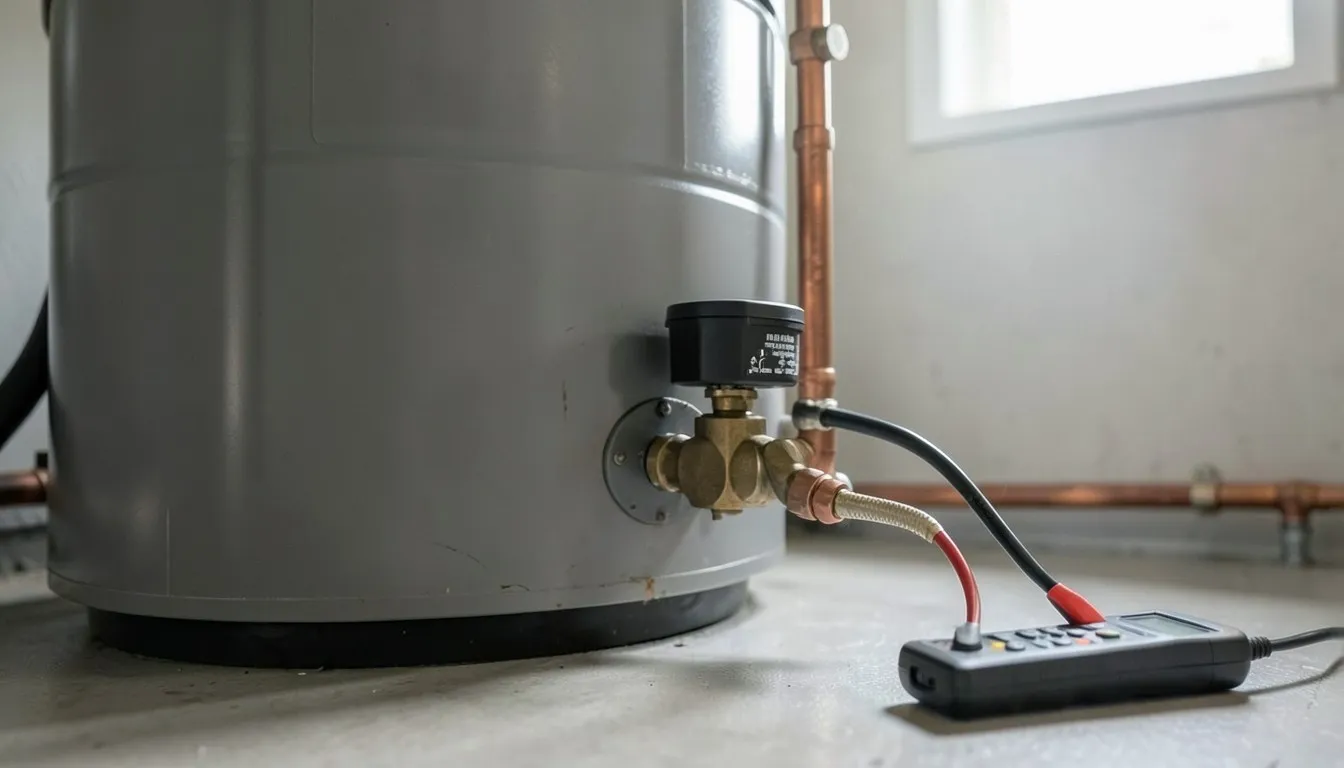
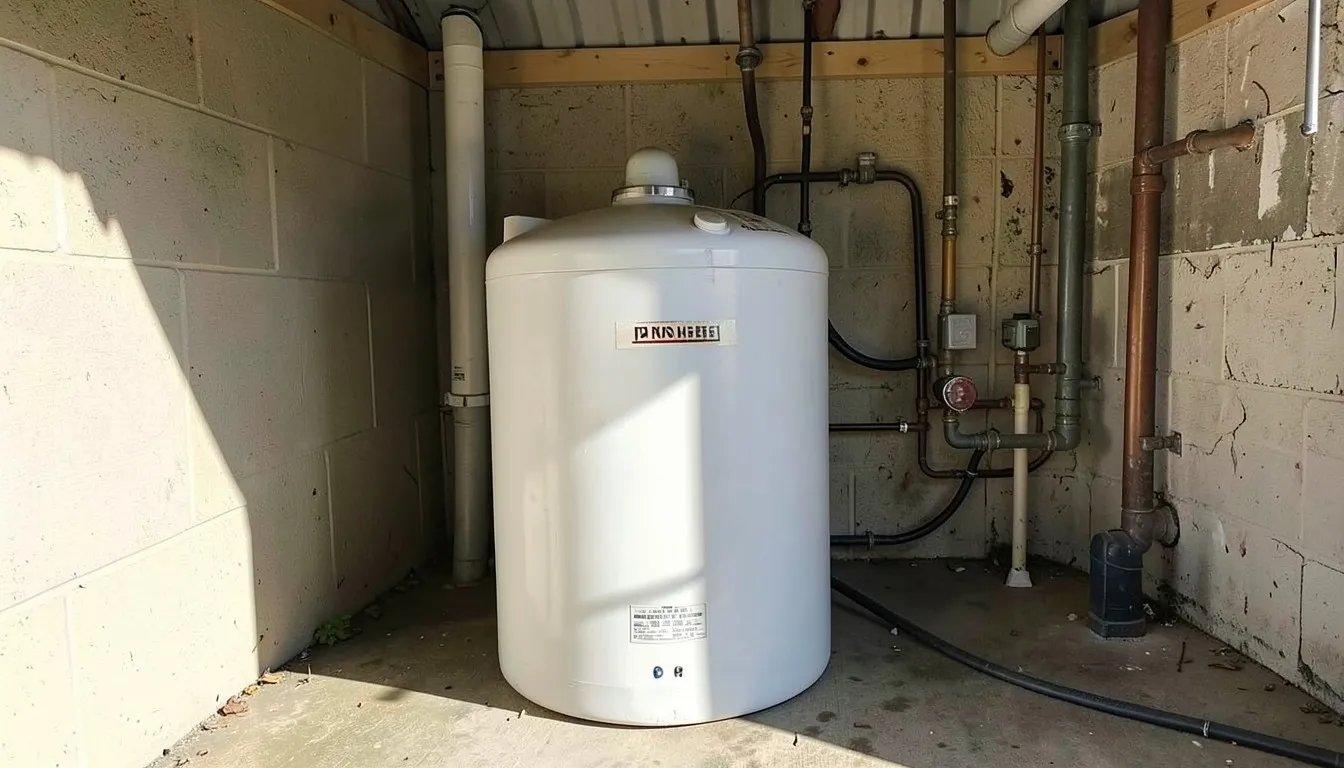
Water heater repair in Mesa starts with isolating the failure mode: a unit producing no hot water usually has a failed heating element or thermostat (electric) or a pilot or gas valve issue (gas); a unit leaking at the base has a failed tank — a repair is not possible and replacement is immediate. Sediment flushing and anode rod replacement extend the life of units under 10 years significantly; units over 12 years are typically beyond economic repair. AlertPlumber routes your request to an Arizona-licensed plumber who diagnoses before recommending repair vs. replacement.
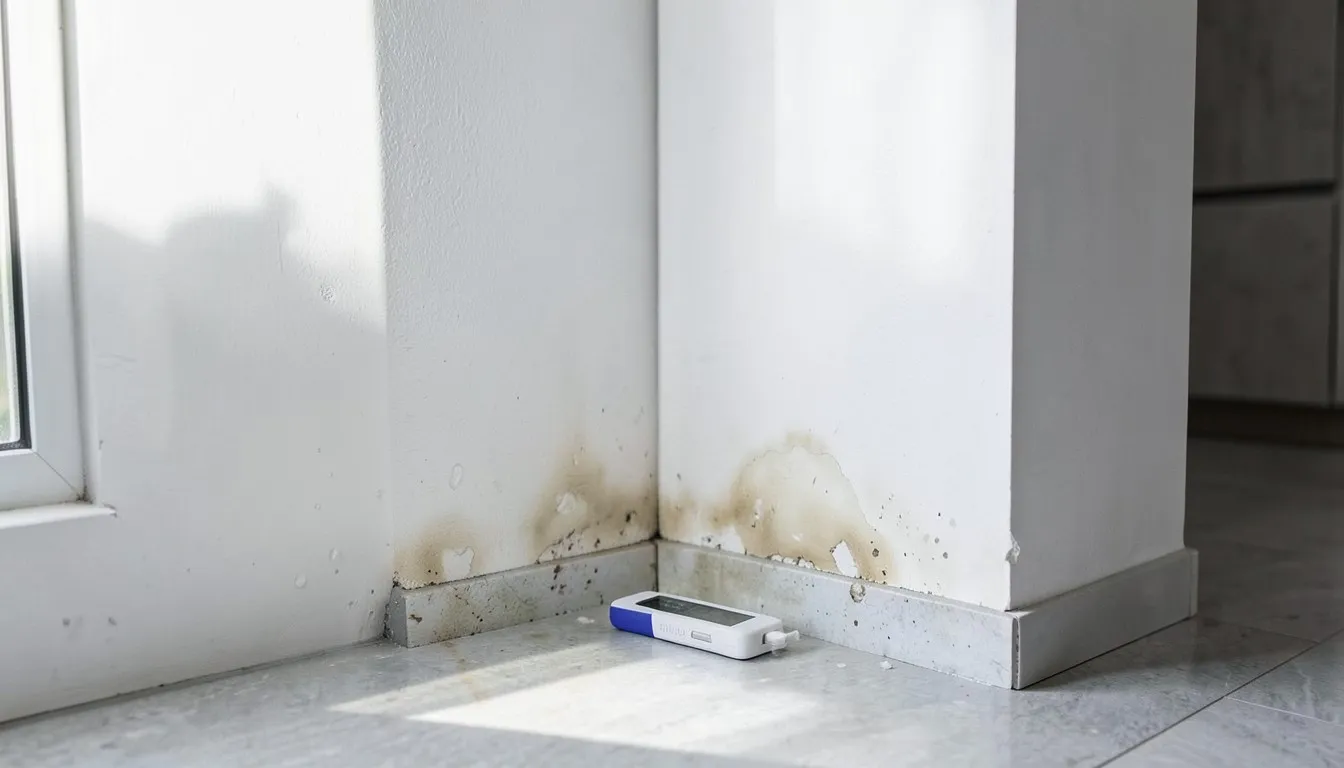
Post-war and modern-era construction in Mesa — median home age 38 years — frequently includes copper supply lines embedded in slab foundations, common in tract construction from the 1960s through the 1980s. Hard water accelerates pinhole corrosion from the exterior of slab-embedded copper; when a leak develops, access requires either epoxy lining through existing penetrations or controlled slab opening for section replacement.
Very hard water in Mesa is a primary driver of accelerated appliance failure: water heater anode rods exhaust in 2–3 years instead of 6–8, scale deposits at fixture connections form within months of installation, and tankless heat exchangers accumulate mineral buildup that can reduce lifespan by half without regular descaling. A softener or whole-house conditioner is strongly recommended alongside any appliance service call.
- Median home age
- 38 yrs
- Water hardness
- 17 gpg
- Frost line
- 0 in.
- Permit
- $155
A licensed AZ plumber reads these conditions the moment you describe the symptom.
What shapes plumbing demand in Mesa, AZ
CPVC becomes brittle in the 20–35-year range and snaps under thermal stress or incompatible pipe dopes. Early PEX fittings (pre-2010) may develop chloramine compatibility issues at 15–25 years. The 1980s–1990s housing stock in Mesa is entering its first wave of material-driven service calls — not from neglect, but from normal service-life progression.
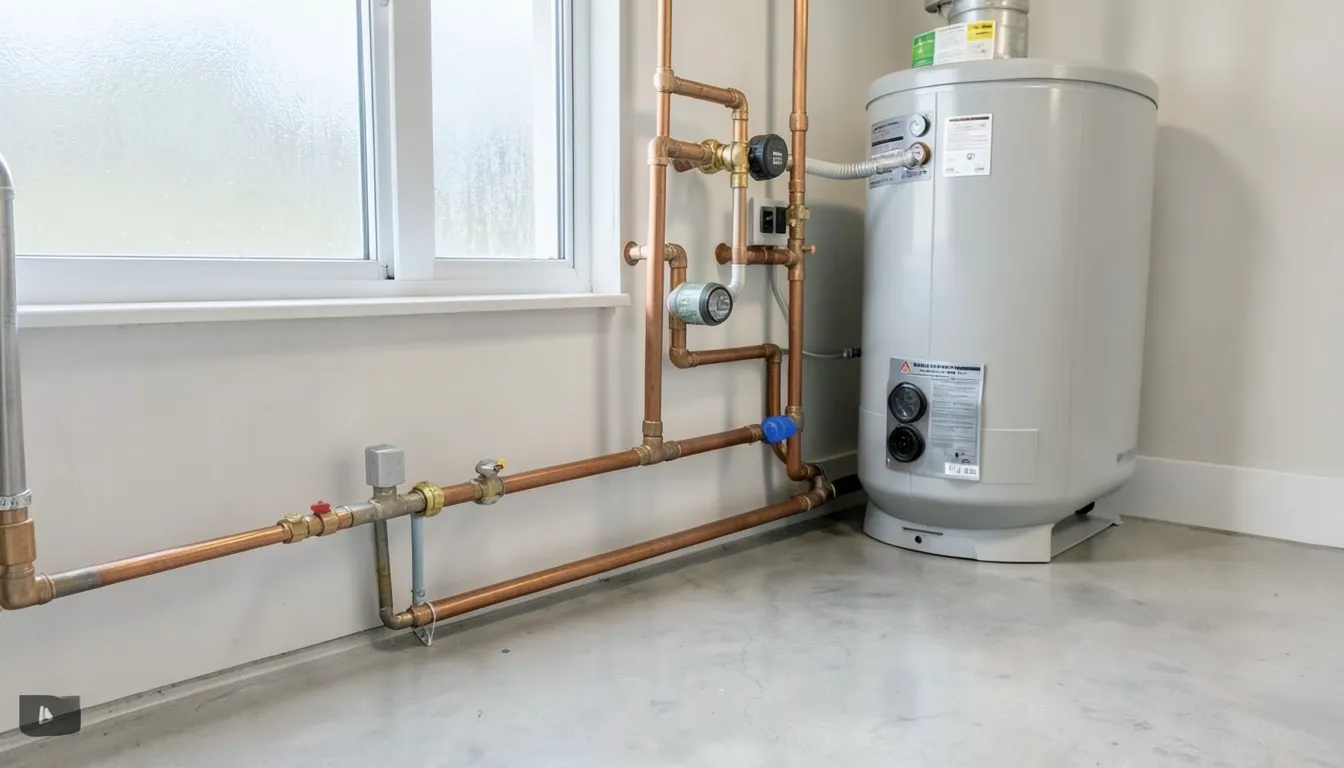
At 15–20+ GPG, calcium scale forces compressed equipment cycles in Mesa: tank heaters average 6–9 years vs. the 10–12-year national benchmark, and tankless units require annual descaling. Anode rods calcify within 12–18 months. Most plumbers here assess heater age against the local scale timeline — not the manufacturer's service life.
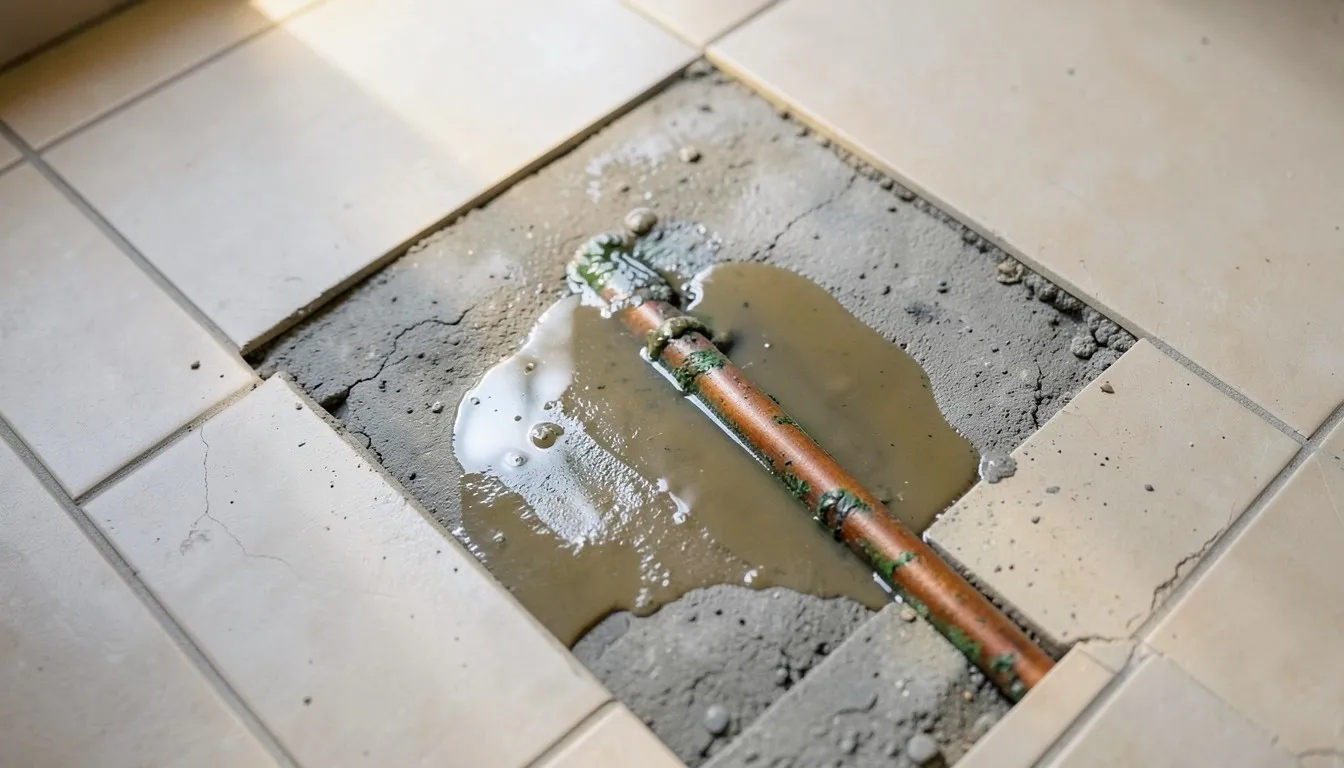
Summer heat above 95–115°F in Mesa keeps sediment in suspension inside tank water heaters — accelerating element failure instead of allowing sediment to settle and flush. Attic-mounted supply lines face diurnal thermal stress year-round. Root intrusion concentrates around irrigated landscaping rather than distributing evenly across the full sewer lateral path.
Active damage in Mesa: contain, assess, restore
Submit your Mesa address and describe the active damage — flooding, failed shutoff, burst or frozen line. AlertPlumber marks the request as priority and an AZ-licensed plumber confirms receipt within 15 minutes, without routing through a national call center.
The plumber arrives with a confirmed ETA, locates the nearest shutoff, and maps the damage boundary — affected lines, access points, material condition. You receive a verbal assessment of what requires immediate containment and what can wait until the full repair scope is confirmed.
You approve a written containment and repair scope before any work begins. Temporary isolation is priced separately from full restoration. No phase proceeds without your explicit sign-off.
Water Heater Repair cost calculator — Mesa
Pre-filled for water heater repair in Mesa. Adjust the ZIP for a neighboring area, or change the service to compare. Calculator pulls from the city's scraped permit-fee + state plumber-density data.
Water Heater Repair emergency in Mesa?
Every hour without a repair increases structural risk and remediation cost. A verified plumber calls back with an ETA and a written estimate before any work begins.
Water Heater Repair in Mesa — frequently asked
How much does water heater repair and replacement cost in Mesa?
Mesa repair quotes typically run $195–$540 for a single-fault component fix (heating element on an electric tank, thermocouple or gas control valve on gas, T&P relief valve, anode rod swap) and $1,520–$2,950 for a 40–50 gallon tank replacement installed. Tankless conversions in Las Sendas and Eastmark run $3,800–$5,400 because the gas line typically needs upsizing from 1/2 inch to 3/4 inch and a dedicated 120V outlet for the controller. Heat-pump water heaters — emerging in Eastmark and Augusta Ranch new-builds — quote $2,400–$3,600 with the SRP rebate. The $155 Mesa Development Services plumbing permit (vs Phoenix's $185 fee) bundles into the replacement line. Hard supply at 17 grains/gallon per USGS hardness data means scale-driven failures dominate the repair mix here.
Why does Mesa burn through water heaters so fast at 17 gpg?
Mesa's SRP-and-CAP-blend supply runs about 17 grains/gallon — among the hardest urban water in the country. Two compounding factors hammer Mesa tanks. First, calcium-carbonate scale bakes onto the bottom of gas tanks above the burner, forcing the steel to overheat under a thermal blanket of sediment until the glass lining cracks; gas tanks here average 6–9 years vs the 12-year national median. Second, Mesa's 1990s-and-newer tract construction (Eastmark, Las Sendas hillside, Augusta Ranch, Red Mountain Ranch) often puts the heater in an attic utility platform — summer attic temperatures of 140F+ accelerate dip-tube embrittlement and shorten electronic-control-board life on tankless units. Tankless heat exchangers in Las Sendas typically need professional descaling every 18 months to hold AHRI-rated efficiency per manufacturer maintenance schedules.
What are the signs my Mesa water heater is failing?
Mesa-specific failure signatures come in a predictable order on 17-gpg supply. Early: a dropping recovery rate (shower runs cold after 8 minutes when it used to last 15) signals scale insulating the burner or element. Middle: rumbling or kettle-popping noise as trapped water flashes to steam beneath sediment, plus a slow drip from the T&P discharge tube indicating thermal expansion is overpressurizing the tank. Late: visible water in the drip pan beneath the unit, rust-colored hot water from the anode rod fully consumed, or a dead pilot that won't relight after a thermocouple swap. Tankless units in Las Sendas show a different pattern — error codes for ignition failure, scale-clogged heat exchanger, or fan-motor stress from attic heat. A verified plumber can usually diagnose in a 25-minute visual plus combustion analyzer reading.
Tank, tankless, or heat pump — which makes sense for a Mesa home?
The Mesa decision depends on neighborhood and electrical service. Dobson Ranch and the older 1970s-80s Falcon Field corridor tract homes typically stick with a 40–50 gallon gas tank — the existing 1/2 inch gas line, atmospheric flue, and short hot-water runs make a like-for-like swap the lower-cost path at $1,520–$2,950 installed. Las Sendas hillside and high-end Eastmark builds favor tankless because the larger square footage and multi-bath simultaneous demand justify the $3,800–$5,400 install. Eastmark and Augusta Ranch new-construction homes are increasingly going heat-pump electric — they pair well with rooftop solar already on those parcels, and the SRP demand-response rebate offsets ~$400 of the install. Heat pumps need 1,000+ cubic feet of conditioned air around them, so they're a poor fit for the cramped utility closets in older Mesa tract homes.
How often do I need to replace the anode rod on Mesa water?
The sacrificial anode is the magnesium or aluminum rod that corrodes intentionally so the steel tank doesn't. National guidance is replace at year 4–5; on Mesa's 17-gpg supply the realistic interval is year 2–3 for magnesium and year 3–4 for aluminum. Skipping anode replacement is the single biggest reason Mesa tanks fail at year 6–8 instead of year 12. The job costs $185–$320 from a credentialed plumber and can extend tank life by 4–6 years on hard water. Homeowners in Dobson Ranch and Augusta Ranch with attached-garage installs can have the anode pulled and inspected during the same visit as an annual sediment flush. DOE Energy Saver covers the maintenance principle in detail.
My Mesa water heater is in the attic and dripping — how urgent is this?
Treat it as a same-day call. Mesa's high attic-install prevalence (utility platforms above the master closet are standard in 1990s-2010s tract construction across Eastmark, Las Sendas, Red Mountain Ranch) means a tank failure rains through drywall onto the master bedroom or hallway below. Code-required drip pans help, but a clogged pan-drain line — or a pan that was never plumbed to a discharge — turns a slow leak into a $14,000 ceiling repair. If you see water in the pan, hear dripping in the attic, or notice ceiling staining beneath the platform, shut off the cold supply at the unit, kill power or close the gas valve, and book a phone dispatch. Attic-temperature stress on tankless electronics is a separate failure mode worth mentioning to the matched plumber.
Will my Arizona HO-3 homeowners insurance cover a Mesa water heater failure?
Standard Arizona HO-3 policies cover sudden, accidental discharge water damage — a tank that ruptures and floods the master bedroom from an attic install, or a supply line that bursts overnight — but NOT the replacement cost of the failed appliance itself, and NOT damage from gradual seepage the homeowner should have noticed. Mesa's attic-install prevalence creates a specific claim pattern: insurers will look at the drip pan, the pan-drain discharge line, and any prior service records for evidence the leak was visible for weeks. Document everything. The matched AZ ROC C-37 plumber's written report — failure mode, photos of the perforation or burst, and the install date if visible on the data plate — supports faster claim resolution. Polybutylene supply lines connecting the heater to the slab in 1980s Dobson Ranch tract homes are a known claim flag worth disclosing.
How long does a Mesa water heater repair or replacement actually take?
Component repairs are typically 60–120 minutes on-site: thermocouple swap 45 minutes, heating element 60–90 minutes (the tank has to drain partially), gas control valve 90–120 minutes, T&P relief valve 30–45 minutes. A like-for-like 50 gallon tank replacement in a Dobson Ranch garage runs 3–5 hours start-to-finish including drain, haul-away of the old unit, set, gas/water reconnect, fill, and combustion test. Attic installs in Las Sendas or Eastmark add 1–2 hours because the old tank has to come down a pull-down ladder and the new one go up. Tankless conversions are an all-day job — 6–9 hours — because of the gas-line upsize, venting cut for sealed-combustion intake/exhaust, and dedicated electrical for the controller. Heat-pump installs in Eastmark take 5–7 hours plus condensate-line plumbing.
Do I need a Mesa permit and an AZ ROC plumber for water heater work?
Component-only repair — element, thermocouple, T&P valve, anode rod, gas control valve — does not require a Mesa permit. Any full tank, tankless, or heat-pump replacement requires a Mesa Development Services plumbing permit at $155 plus inspection. The plumber pulling the permit must hold an active Arizona Registrar of Contractors C-37 (Plumbing) classification — AZ ROC, 2024 shows roughly 3,247 active C-37 credentials statewide. Inspectors will check seismic strapping (two straps, upper-third and lower-third of tank), drain pan with discharge to an approved location, T&P discharge tube terminating 6 inches above the floor, sealed-combustion or atmospheric-vent classification matching the install, and gas-line sizing for tankless. The verified plumber pulls the permit, schedules the inspection, and bundles the $155 fee into the written replacement quote.
Are AlertPlumber-matched plumbers actually verified for Mesa water heater work?
Every plumber routed through AlertPlumber for Mesa water-heater dispatches holds an active Arizona Registrar of Contractors C-37 (Plumbing) credential, verified against the AZ ROC public license database (3,247 active C-37 statewide). Mesa Development Services and the City of Mesa Water Resources Department both require an active C-37 for any permitted tank, tankless, or heat-pump install. Local context. Mesa's ~510,000 residents draw an SRP-and-CAP blended supply at roughly 17 grains/gallon, which destroys gas tanks in 6–9 years vs the 12-year national median. The 1986-median build year skews the work mix toward 1980s Dobson Ranch gas-tank end-of-life replacements, 1990s-2000s tract attic-install code-bringup, Las Sendas hillside tankless heat-exchanger descaling, and emerging Eastmark heat-pump installs. With sub-1 freeze day per year, dispatch availability stays steady year-round — no winter pipe-burst surge crowds out water-heater calls.
Sixty seconds from now, a plumber can be working your problem.
Call and talk to dispatch, or put your number in the form below — a licensed Arizona plumber calls you back about the water heater repair and gives a written estimate by phone.
Request a water heater repair callback in Mesa
In a meeting, with the kids, or just prefer not to hold? Drop your ZIP and number below. AlertPlumber routes your request to a verified plumber in your area — they’ll call you back directly.
- 1 Submit your info. ZIP, phone, and what kind of work you need.
- 2 AlertPlumber matches you with a verified plumber serving your area.
- 3 The plumber calls you back with a written estimate, no obligation.
Water Heater Repair in Mesa — fast response
Acute plumbing failures cannot wait. AlertPlumber has verified Arizona plumbers available for water heater repair in Mesa — call now or submit the form above for rapid callback.