
Emergency Slab Leak Repair in Mesa, Arizona
Camera first, quote second — know exactly what's wrong in your Mesa home before you approve a dollar.
Local plumbing data for Mesa, AZ
Seeing these conditions at your place in Mesa? A state-licensed plumber can confirm it over the phone — free, no obligation.
Pipe conditions in Mesa, AZ
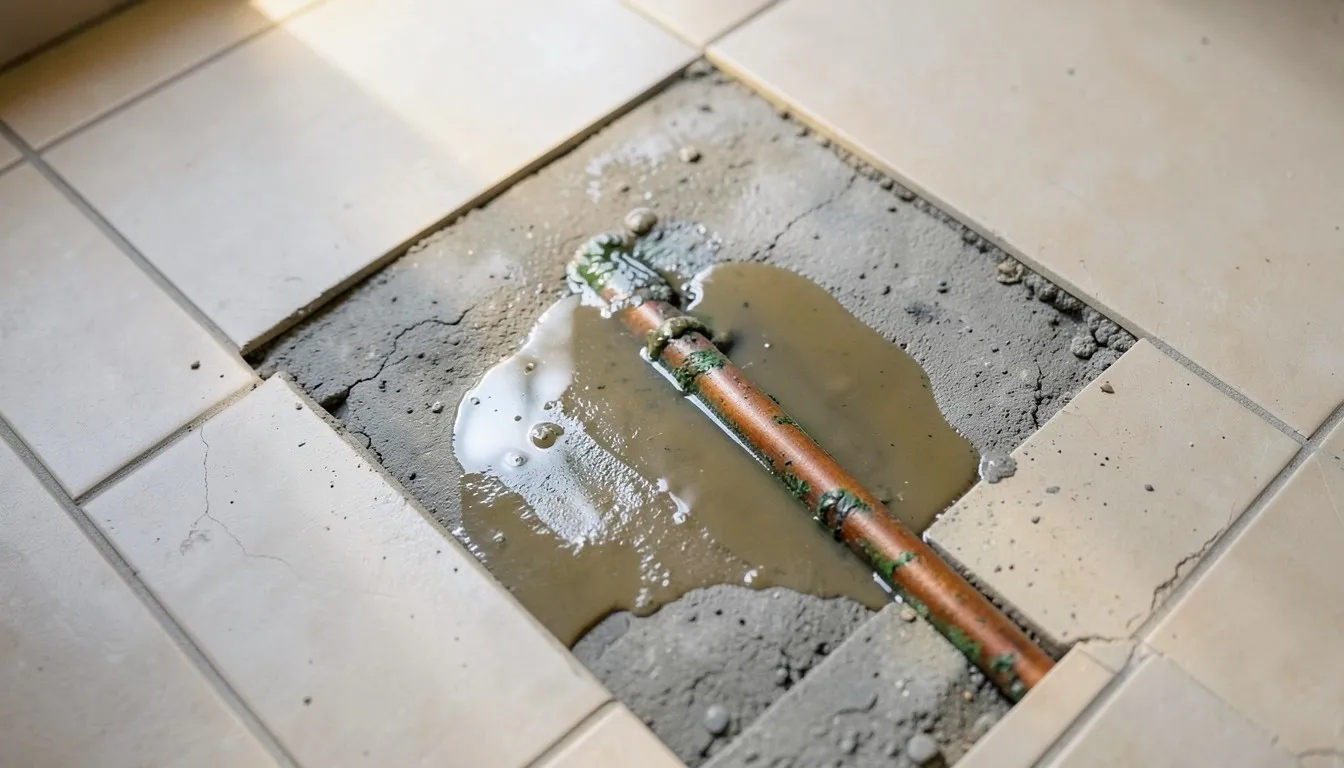
Slab leaks form when copper supply lines embedded in the concrete foundation develop pinholes from electrochemical corrosion, high-velocity water erosion, or slab movement. Mesa homes built during the 1960s–1980s on post-tensioned slabs face the highest slab-leak risk — copper installed at original construction is approaching or past the 50-year corrosion window. Early signs include warm or wet spots on the floor, unexplained water bill spikes, and the sound of running water when all fixtures are closed. AlertPlumber routes your request to an Arizona-licensed plumber for acoustic leak location before any slab cutting begins.
Post-war and modern-era construction in Mesa — median home age 38 years — frequently includes copper supply lines embedded in slab foundations, common in tract construction from the 1960s through the 1980s. Hard water accelerates pinhole corrosion from the exterior of slab-embedded copper; when a leak develops, access requires either epoxy lining through existing penetrations or controlled slab opening for section replacement.
Very hard water in Mesa is a primary driver of accelerated appliance failure: water heater anode rods exhaust in 2–3 years instead of 6–8, scale deposits at fixture connections form within months of installation, and tankless heat exchangers accumulate mineral buildup that can reduce lifespan by half without regular descaling. A softener or whole-house conditioner is strongly recommended alongside any appliance service call.
- Median home age
- 38 yrs
- Water hardness
- 17 gpg
- Frost line
- 0 in.
- Permit
- $155
A licensed AZ plumber reads these conditions the moment you describe the symptom.
What shapes plumbing demand in Mesa, AZ
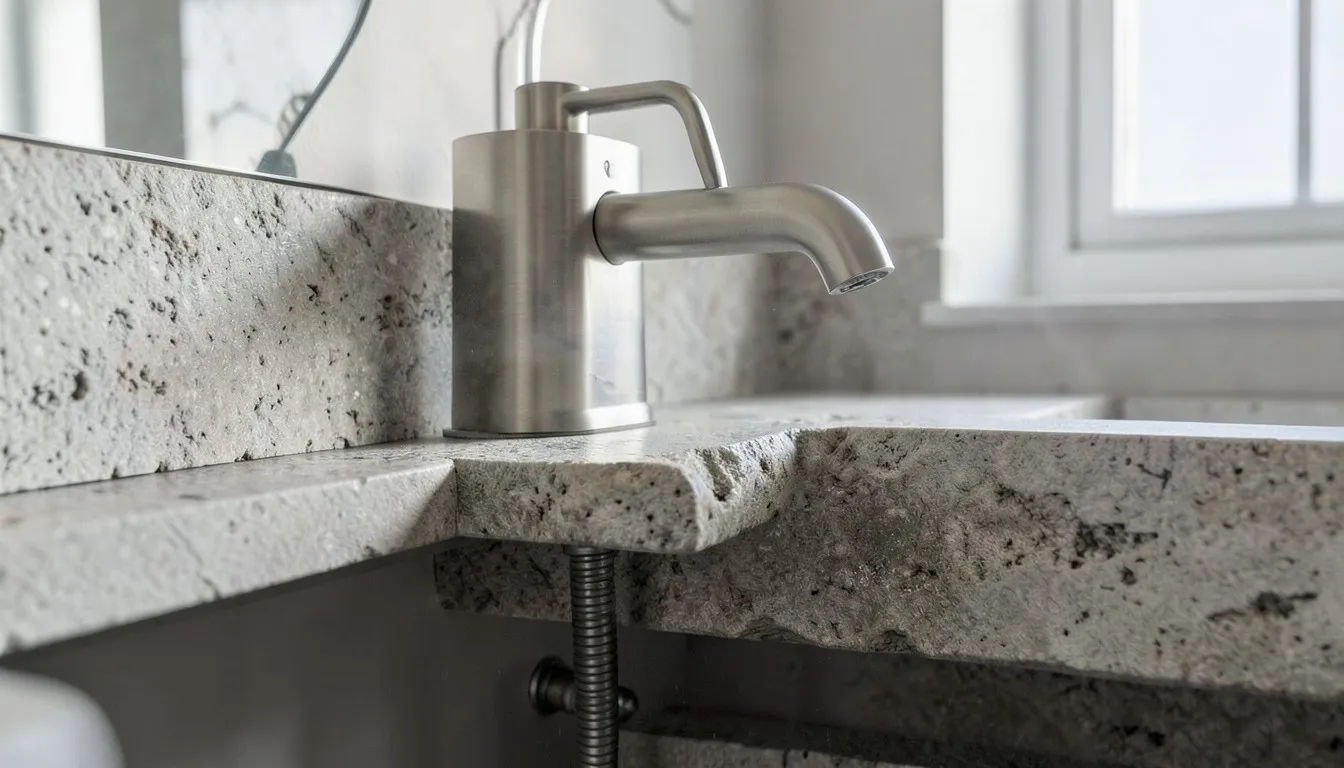
CPVC becomes brittle in the 20–35-year range and snaps under thermal stress or incompatible pipe dopes. Early PEX fittings (pre-2010) may develop chloramine compatibility issues at 15–25 years. The 1980s–1990s housing stock in Mesa is entering its first wave of material-driven service calls — not from neglect, but from normal service-life progression.
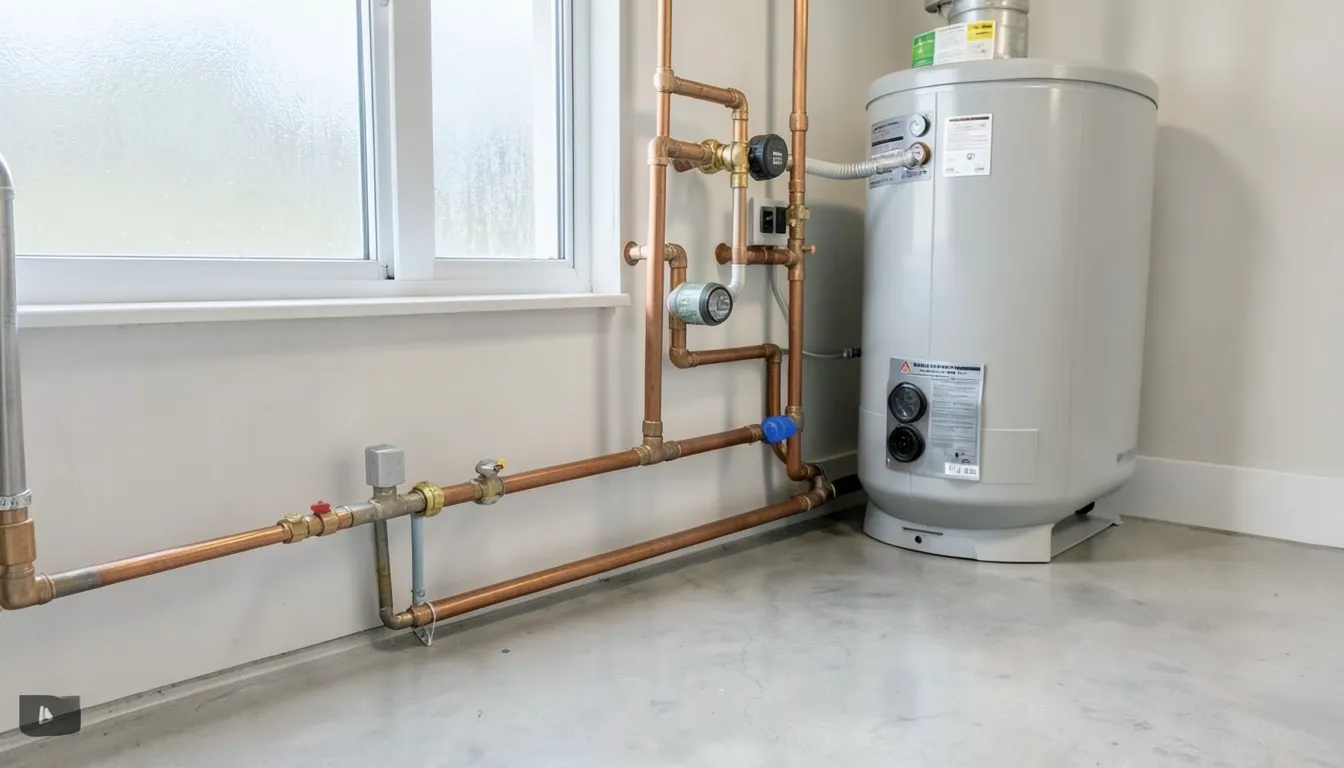
At 15–20+ GPG, calcium scale forces compressed equipment cycles in Mesa: tank heaters average 6–9 years vs. the 10–12-year national benchmark, and tankless units require annual descaling. Anode rods calcify within 12–18 months. Most plumbers here assess heater age against the local scale timeline — not the manufacturer's service life.
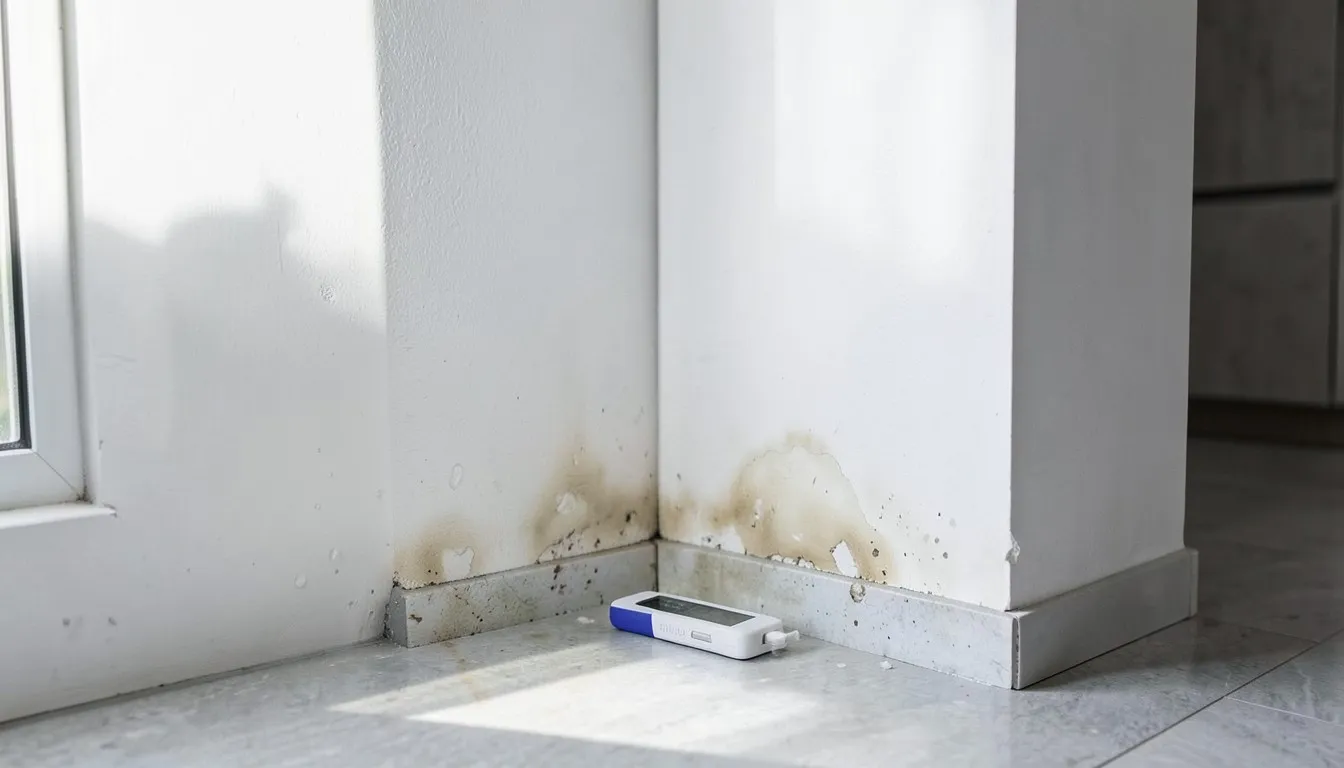
Summer heat above 95–115°F in Mesa keeps sediment in suspension inside tank water heaters — accelerating element failure instead of allowing sediment to settle and flush. Attic-mounted supply lines face diurnal thermal stress year-round. Root intrusion concentrates around irrigated landscaping rather than distributing evenly across the full sewer lateral path.
Mesa: diagnose first, repair second
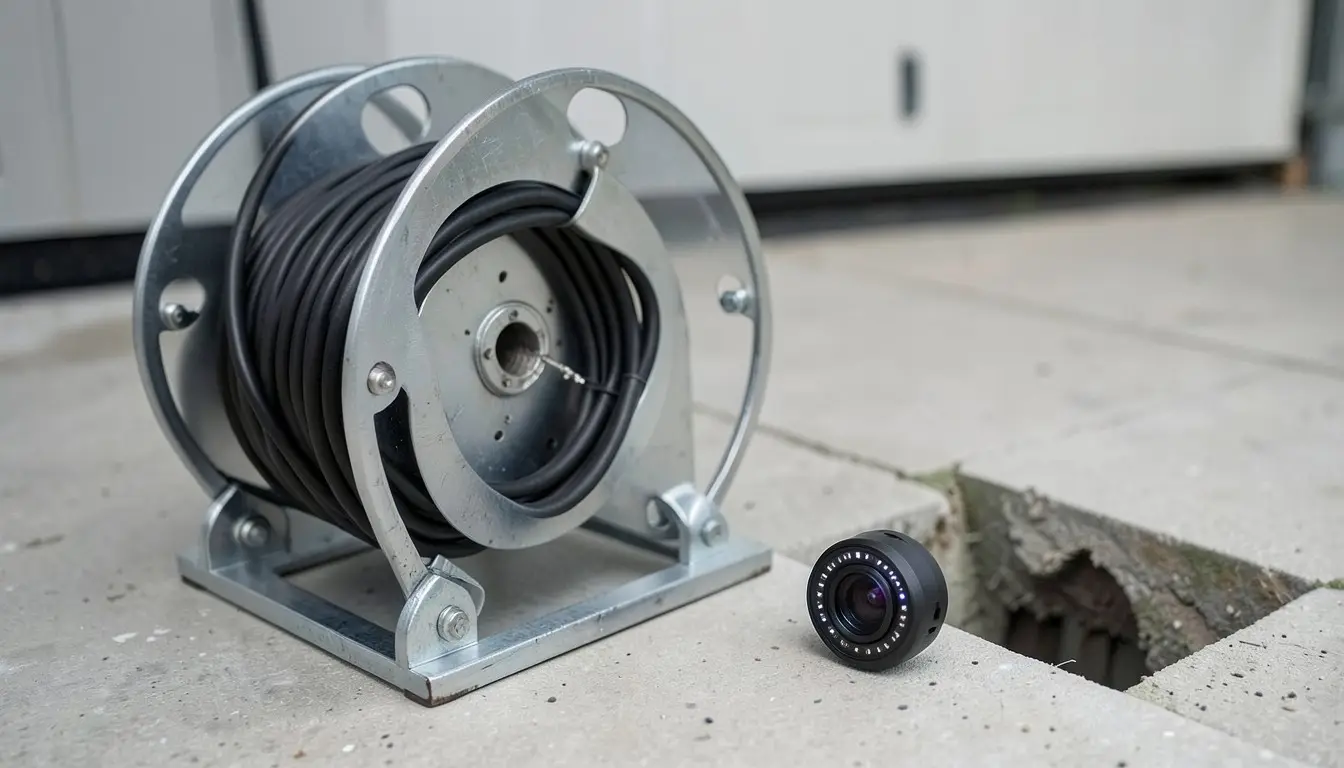
Describe the symptom — not the repair. AlertPlumber routes to an AZ-licensed plumber trained in diagnostics. The site visit uses camera tracing, acoustic detection, or hydrostatic pressure testing — matched to the reported failure type.
The plumber delivers a written diagnostic report: confirmed failure location, available repair methods, and tradeoffs — disruption level, material durability, long-term cost, and whether a Mesa building permit applies to the selected method.
You select the repair path. The Arizona-licensed plumber proceeds on the authorized method with a fixed scope and price. Where required, the permit application to Mesa is handled by the contractor.
Slab Leak Repair cost calculator — Mesa
Pre-filled for slab leak repair in Mesa. Adjust the ZIP for a neighboring area, or change the service to compare. Calculator pulls from the city's scraped permit-fee + state plumber-density data.
Slab Leak Repair emergency in Mesa?
Every hour without a repair increases structural risk and remediation cost. A verified plumber calls back with an ETA and a written estimate before any work begins.
Slab Leak Repair in Mesa — frequently asked
How much does slab leak repair cost in Mesa?
East Valley pricing on slab leak work breaks into three tiers: a single spot cut runs $1,500-$3,400 (saw-cut the slab, splice copper Type L or transition to PEX, patch the cut), an attic-routed reroute through the truss space sits at $2,300-$5,400, and a whole-home PEX-A repipe lands between $5,200-$13,800 depending on bath count and decorative finish protection. Mesa Development Services charges a $155 plumbing permit plus a separate post-cover inspection on any supply-line scope. Pricing in Dobson Ranch and Augusta Ranch tracks the lower end because routing is straightforward; Las Sendas and Eastmark lots run higher because of upgraded interior finishes that need careful tear-out and post-tension cable awareness on the newer slabs. Mesa labor rates trend at the Maricopa County median — slightly under Scottsdale, slightly over rural Pinal-edge work. The matched AZ ROC contractor itemizes detection, repair, permit, and patch as four separate line items in the written quote so you can see exactly where the money lands. AlertPlumber routes against the 3,247 active AZ ROC pool so the on-site number reflects current East Valley market rates, not a stale national average.
What does a slab leak look like in a Mesa home?
The bellwether signal in Mesa is a warm patch under tile or laminate — hot-side copper fails first at 17 gpg hardness because heated water compounds the corrosion chemistry inside the pipe. Walk a Dobson Ranch ranch barefoot at sunrise and the warm zone is unmistakable on a saltillo or porcelain floor. Second-tier signals: a Mesa Utilities bill jumping $50-$130 a month with no behavior change at $3.85 per 1k gallons, the meter sweep dial creeping with every fixture closed, a soft hiss audible at the water heater closet in early morning quiet, and stress cracks running through grout lines above the suspect zone. Newer Las Sendas and Eastmark builds (1990s and 2000s post-tension slabs) sometimes show a flowering moisture stain at a tile transition rather than a temperature differential because the supply runs sit deeper. Any one of these symptoms warrants a $275-$525 detection workup before the slow loss undermines slab edges, expansion-joint sealant, or the cabinetry sitting on top.
Why does the East Valley produce so many slab leaks?
Three factors stack inside Mesa city limits: housing vintage (1986 median build, with massive 1970s-80s tract construction across Dobson Ranch, Augusta Ranch, and the Falcon Field corridor that universally ran Type M copper through the slab), water chemistry (Salt River Project surface supply blended with Central Arizona Project Colorado-River water, measuring 17 gpg per USGS hardness data — among the hardest municipal water in the southwest), and time (those original tracts are now 35-50 years into their service life). The hot-side line corrodes from the inside out; pinhole leaks become a near-certainty rather than a possibility once a Mesa home crosses 30 years on its original copper. The Copper Development Association documents this exact failure curve as the normal end-of-life pattern for copper in hard-water service.
Spot repair, reroute, or whole-home repipe — which fits a Mesa house?
For a 1970s-80s Dobson Ranch or Augusta Ranch tract on its first-ever leak, spot repair at $1,500-$3,400 is the practical move and typically buys 2-4 years before the next pinhole surfaces. Two confirmed leaks inside 24 months on the same home: reroute the failed leg overhead through the attic ($2,300-$5,400) — Mesa's single-story tract layout makes this the East Valley standard. Three or more leaks, or any leak in original copper past 35 years: PEX-A repipe at $5,200-$13,800 is the durable answer rather than chasing pinholes one at a time. The economic crossover usually arrives at repair number three; by that point the cumulative spot-repair spend approaches the whole-home repipe cost, and the corrosion has already reached every other hot-side branch in the slab.
Does Arizona homeowners insurance cover the slab leak repair?
Standard AZ HO-3 carriers (State Farm, Farmers, USAA, ASI) cover sudden-and-accidental water damage to flooring, drywall, baseboards, and personal property — but typically exclude the pipe repair itself as wear-and-tear. Many Arizona policies include a slab-tear-out allowance of $500-$2,500 that picks up the saw-cut and patch labor. The denial trap on Mesa claims: if the leak ran undetected for several months, the carrier may invoke the gradual-seepage exclusion. Homeowners with two prior slab-leak claims often face non-renewal at the next policy term, and a small percentage of repeat-claim Mesa addresses end up steered to the AZ FAIR Plan. The matched plumber writes the leak up as sudden-discovery on the moisture report — verbal diagnosis without paperwork is the most common reason claims get denied at the desk-adjuster stage.
Do post-tension slabs in Las Sendas and Eastmark change the repair?
Yes — and it changes the safety planning before any saw cuts happen. Mesa subdivisions built from the late 1990s onward (Las Sendas hillside lots, Eastmark, Augusta Ranch later phases, Red Mountain Ranch) commonly used post-tension slab construction, where high-tensile steel cables run through the concrete under permanent tension to manage East Valley expansive-soil movement. Cutting a post-tension cable is dangerous and triggers a structural-engineer sign-off before the patch can be poured. The matched East Valley plumber follows the standard pre-cut workflow: review the original slab plan if the homeowner has it, run electronic ground-penetrating radar or a calibrated cable locator across the cut zone, mark cable paths in chalk, and saw between the marked lines. Older Dobson Ranch and Falcon Field-area tracts predate post-tension and use conventional rebar, which is straightforward to cut around. Knowing your build year is the single most important pre-quote question on a Mesa slab cut.
Are AlertPlumber-matched plumbers verified for slab work in Arizona?
Every plumber routed through AlertPlumber for Mesa slab leak calls holds an active Arizona state credential under the AZ ROC registrar — 3,247 active contractors statewide as of the 2024 license database, with East Valley specialists holding the C-37 plumbing classification. Mesa slab work also requires hands-on experience with concrete saw-cutting, post-tension cable mapping on newer tracts, and supply-line repipe execution. Verify any specific contractor's credential status directly at roc.az.gov before authorizing the work — the state registrar publishes complaint history and active-status flags in real time. The matched plumber pulls the $155 Mesa permit on slab-cut and repipe scope; un-permitted work shows up as an open issue on title searches and voids most insurance claims for any future damage on the same line.
How long does the actual repair take in Mesa?
Same-day turnaround is realistic for a single localized spot repair in a single-story Dobson Ranch or Augusta Ranch tract: detection workup in the morning (acoustic plus FLIR thermal), saw-cut and access by midday, splice and pressure-test by mid-afternoon, slab patch poured before the crew leaves. Total water-off window typically 4-6 hours. Attic reroutes through Falcon Field-area ranches usually run 1-2 days because the pipe runs are longer and drywall has to be opened and closed. Whole-home PEX-A repipe of a 2,200 sq ft Mesa home runs 3-5 working days, with water restored at the end of each day. Concrete patch cure: 24-48 hours before tile or stone finish work can resume. The East Valley's high slab-leak case volume means most matched contractors stock detection rigs and full PEX inventory on the truck — second-trip delays are uncommon in Maricopa County.
Will the plumber damage my Mesa flooring during the repair?
Mesa interior finishes split into three tiers and the answer depends on which one you have. Builder-grade ceramic tile (most Dobson Ranch and Augusta Ranch tracts): replacement tile is usually still in production or close-matchable, and spot repair through the slab is acceptable. Saltillo, travertine, and decorative stained-concrete (common in Las Sendas custom builds and the East Mesa hillside lots): the cure-color and patina on original concrete or saltillo cannot be matched, and the East Valley default is reroute through the attic to preserve the original surface entirely. Engineered hardwood and wood-look LVP (newer Eastmark and Red Mountain builds): saw-cutting risks moisture damage to the surrounding planks, so reroute is again the preferred path. The matched plumber walks the floor with you before the quote and recommends spot vs reroute based on what you actually have underfoot — the cost difference is typically recovered through avoided flooring restoration.
Does Mesa code require a permit for slab leak work?
Yes. Mesa Development Services requires a $155 plumbing permit on any slab cut or supply-line repipe, with a mandatory post-cover inspection scheduled before the patch is poured. The work has to be performed by an AZ ROC-credentialed contractor, and any PEX installed has to carry NSF/ANSI 14 potable-water certification. Un-permitted slab work creates two problems homeowners often discover only at sale time: it voids most homeowners insurance claims for any future water damage tied to that line, and it shows up as an open-permit flag on title searches that has to be cleared (often by re-permitting and re-inspecting after the fact at higher cost). Pulling the permit is a non-negotiable line item in any honest East Valley quote, and the inspection sign-off is what gets attached to the home's permanent record at the city.
When does whole-home PEX repipe become the right answer in Mesa?
Repipe is the durable answer when one of three triggers applies: (1) two or more slab leaks have surfaced in the same home inside a 24-month window, (2) the home is past 30 years on original Type M copper at Mesa's 17 gpg SRP-CAP-blend hardness, or (3) detection finds multiple at-risk hot-side branches even before all of them have failed. PEX-A pulled overhead through walls and the attic — never back into the slab — is the East Valley repipe standard. Per the PEX Association, PEX-A carries a 25-year manufacturer warranty when installed per specification. Mesa's housing math is unambiguous: 510,715 residents, 38-year median build, 17 gpg supply, copper-in-slab tracts now well past their statistical end-of-life. Once a home is in repeat-failure territory, PEX-A repipe converts a stream of $2,500 spot-repair invoices and insurance friction into a single permanent fix with a documented warranty backing it.
Sixty seconds from now, a plumber can be working your problem.
Call and talk to dispatch, or put your number in the form below — a licensed Arizona plumber calls you back about the slab leak repair and gives a written estimate by phone.
Request a slab leak repair callback in Mesa
In a meeting, with the kids, or just prefer not to hold? Drop your ZIP and number below. AlertPlumber routes your request to a verified plumber in your area — they’ll call you back directly.
- 1 Submit your info. ZIP, phone, and what kind of work you need.
- 2 AlertPlumber matches you with a verified plumber serving your area.
- 3 The plumber calls you back with a written estimate, no obligation.
Slab Leak Repair in Mesa — fast response
Acute plumbing failures cannot wait. AlertPlumber has verified Arizona plumbers available for slab leak repair in Mesa — call now or submit the form above for rapid callback.