
Emergency Slab Leak Repair in Baltimore, Maryland
Camera first, quote second — know exactly what's wrong in your Baltimore home before you approve a dollar.
Local plumbing data for Baltimore, MD
Seeing these conditions at your place in Baltimore? A state-licensed plumber can confirm it over the phone — free, no obligation.
Pipe conditions in Baltimore, MD
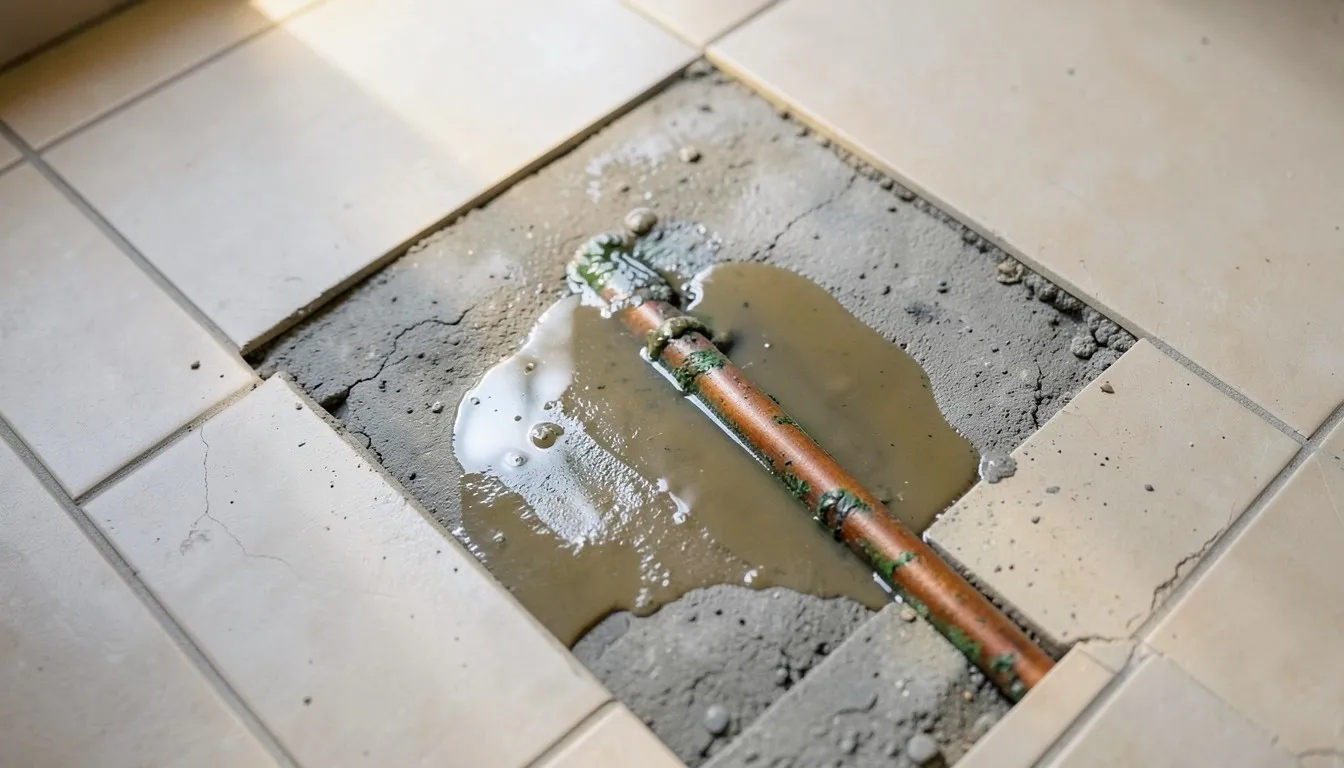
Slab leaks form when copper supply lines embedded in the concrete foundation develop pinholes from electrochemical corrosion, high-velocity water erosion, or slab movement. Baltimore homes built during the 1960s–1980s on post-tensioned slabs face the highest slab-leak risk — copper installed at original construction is approaching or past the 50-year corrosion window. Early signs include warm or wet spots on the floor, unexplained water bill spikes, and the sound of running water when all fixtures are closed. AlertPlumber routes your request to a Maryland-licensed plumber for acoustic leak location before any slab cutting begins.
Baltimore's water utility maintains an active lead service line (LSL) replacement program. With a median home age of 78 years, a portion of the housing stock may still have lead service laterals connecting the water main to interior supply — a consideration during any work near the service entry point. A licensed plumber can confirm whether supply-side work requires utility coordination.
Frost line depth in Baltimore means supply lines and outdoor plumbing must be installed below the freeze threshold — typically 30 — to prevent pipe burst during cold events. Exterior hose bibs, irrigation shutoffs, and any exposed pipe runs are the most common winterization service points in freeze-risk markets.
- Median home age
- 78 yrs
- Water hardness
- 5 gpg
- Frost line
- 30 in.
- Permit
- $120
A licensed MD plumber reads these conditions the moment you describe the symptom.
What shapes plumbing demand in Baltimore, MD
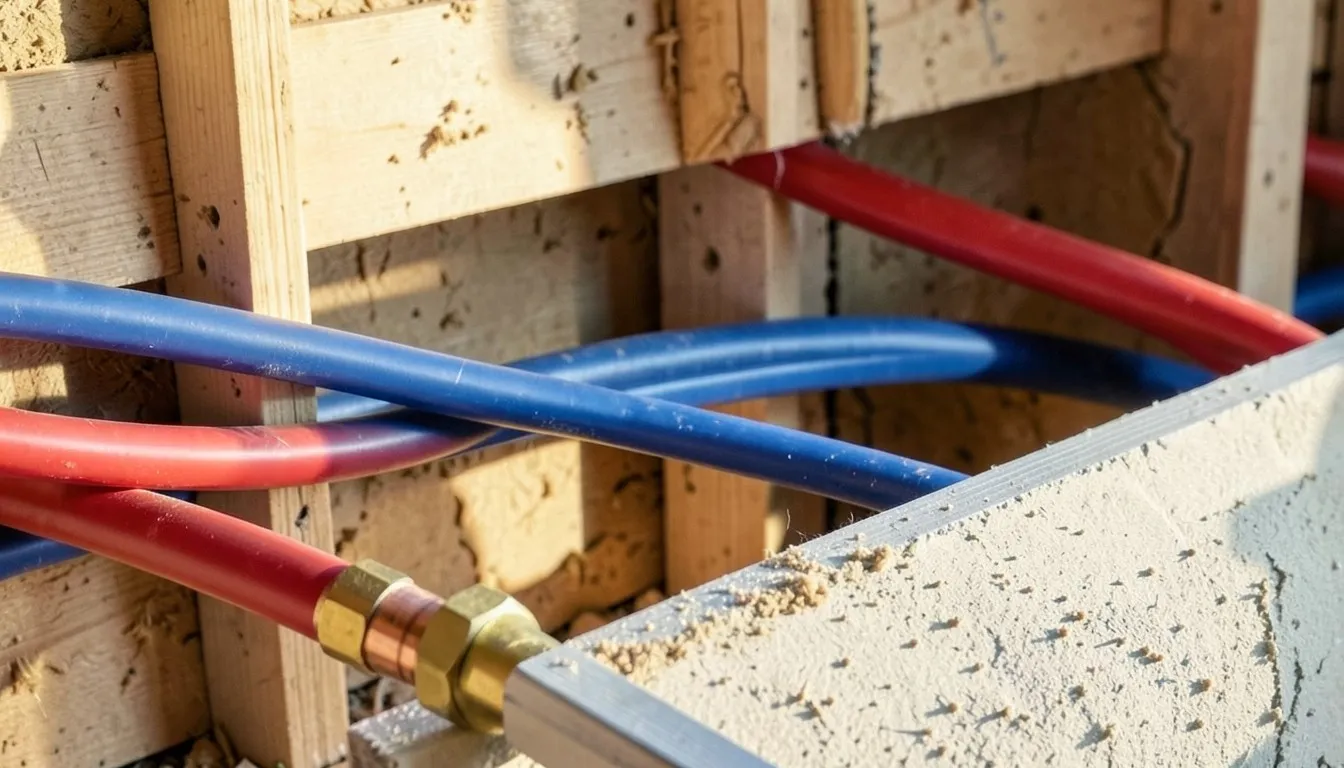
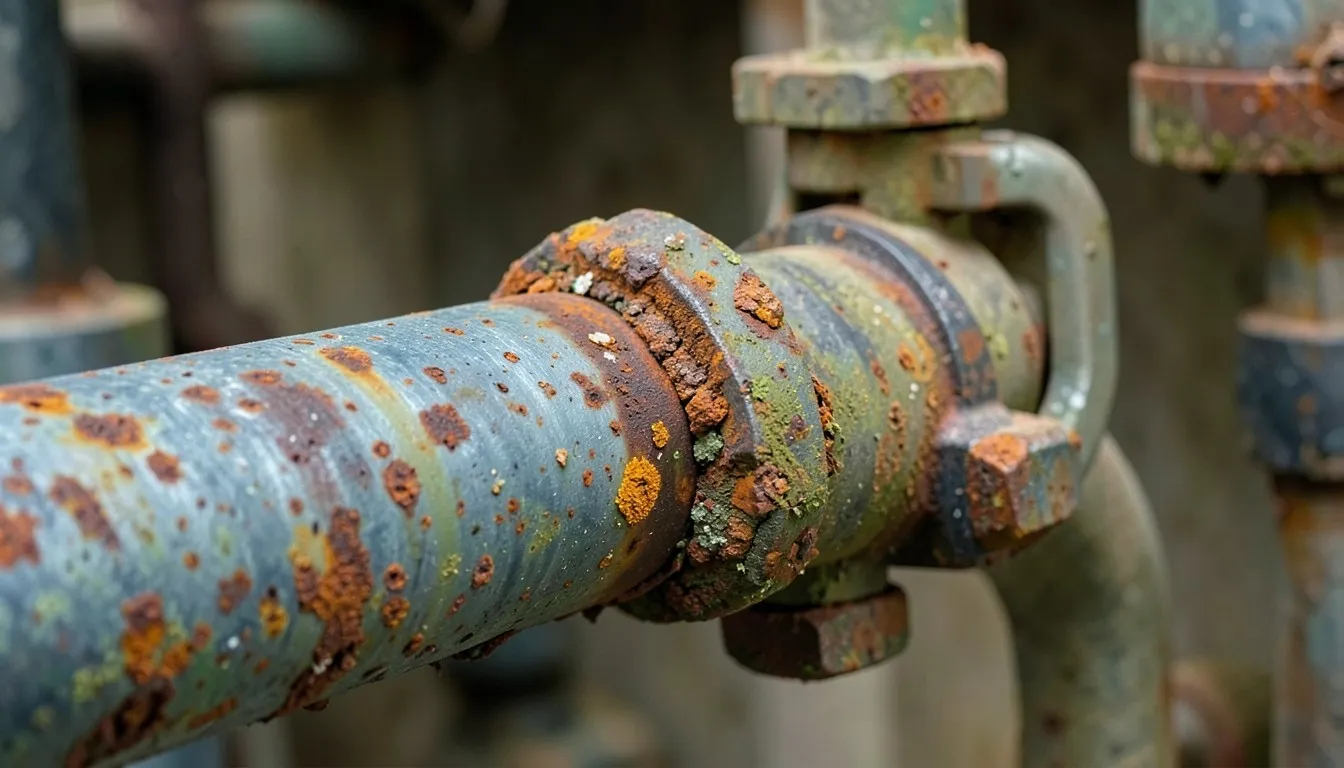
Galvanized supply lines and cast iron drain systems from the 1880s–1940s are past their 40–70-year design life across much of Baltimore. Interior rust scale progressively narrows pipe bore. Plumbers here routinely scope supply lines before quoting any repair — the underlying pipe condition often makes full replacement more cost-effective than patching.
4–7 GPG produces gradual scale that stays manageable with standard maintenance intervals in Baltimore — annual flushing, cartridge cleaning every 1–2 years. Equipment runs near design lifespan. The primary water quality driver here is preventive maintenance rather than emergency replacement, which distributes service demand more evenly across the calendar.
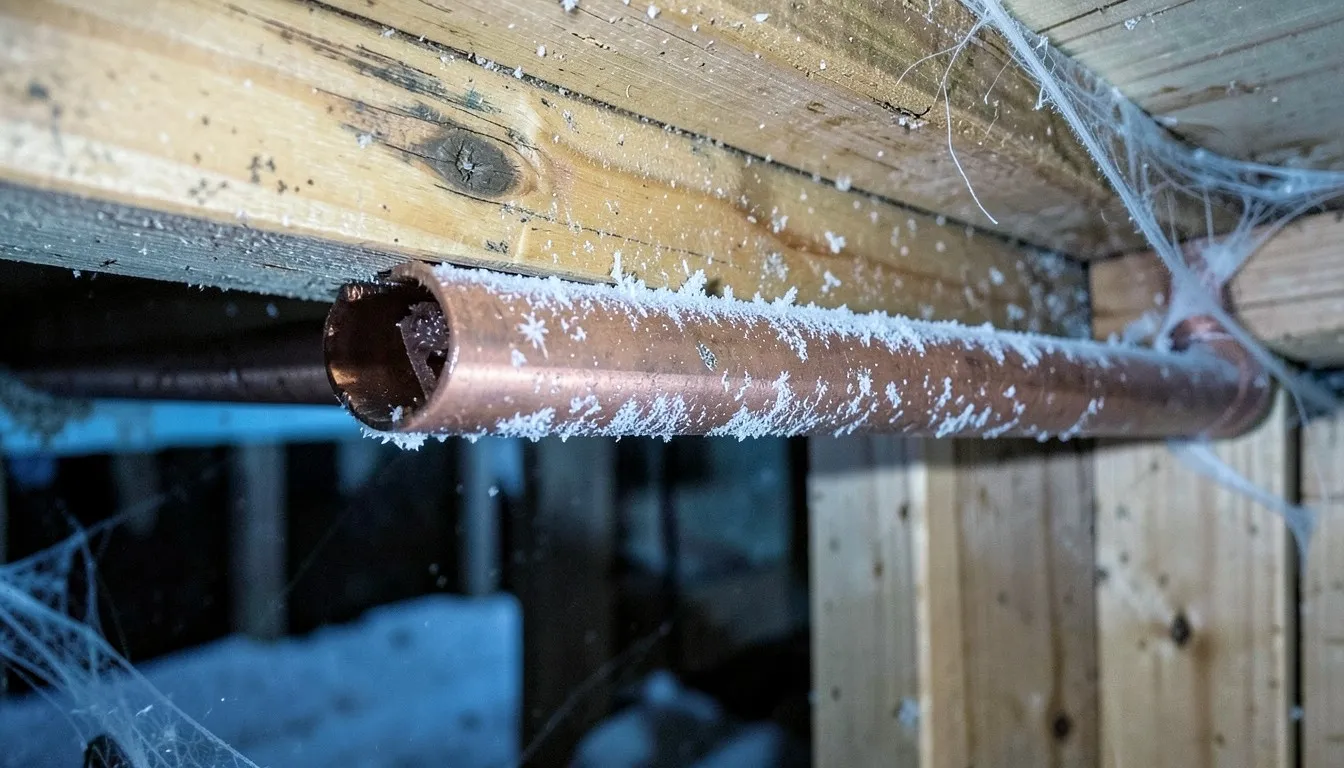
The primary surge in Baltimore runs January–March, with a secondary wave at the spring thaw — when pipes that held through the freeze rupture as pressure is restored above 32°F. Scheduling competition peaks exactly when emergency calls are highest. Homeowners who wait for visible damage compete for the same limited plumber slots at the worst possible time.
Baltimore: diagnose first, repair second
Describe the symptom — not the repair. AlertPlumber routes to a MD-licensed plumber trained in diagnostics. The site visit uses camera tracing, acoustic detection, or hydrostatic pressure testing — matched to the reported failure type.
The plumber delivers a written diagnostic report: confirmed failure location, available repair methods, and tradeoffs — disruption level, material durability, long-term cost, and whether a Baltimore building permit applies to the selected method.
You select the repair path. The Maryland-licensed plumber proceeds on the authorized method with a fixed scope and price. Where required, the permit application to Baltimore is handled by the contractor.
Slab Leak Repair cost calculator — Baltimore
Pre-filled for slab leak repair in Baltimore. Adjust the ZIP for a neighboring area, or change the service to compare. Calculator pulls from the city's scraped permit-fee + state plumber-density data.
Slab Leak Repair emergency in Baltimore?
Every hour without a repair increases structural risk and remediation cost. A verified plumber calls back with an ETA and a written estimate before any work begins.
Slab Leak Repair in Baltimore — frequently asked
How much does slab leak repair cost in Baltimore?
Slab-on-grade repair is uncommon inside Baltimore city — the 30-inch frost line and 86 freeze days drive basement foundations across Federal Hill, Fells Point, Mount Vernon, Bolton Hill, Hampden, Roland Park, Canton, Highlandtown, and Pigtown rowhouse stock, so what gets diagnosed as a "slab leak" is usually a basement-floor supply line or a rim-joist freeze-burst running $700–$2,100. Where a true slab pocket exists — the 1960s–70s ranch tracts in Towson, Catonsville, Parkville, and Pikesville — repair runs $1,500–$3,400 for a single spot fix (concrete cut, splice in copper Type L or PEX-A), $2,400–$5,600 for a joist-bay reroute through the basement ceiling above, and $4,800–$14,000 for a full PEX-A repipe overhead. The $120 Baltimore Permits & Inspections fee applies to any supply-line work — the Maryland Board of Plumbing credentialed plumber pulls the permit and rolls the fee into the written no-cost quote.
Are slab leaks common in Baltimore homes?
Mostly no — and that's the most important framing for a Baltimore homeowner. The 30-inch frost line under the Maryland plumbing code mandates basement foundations across the historic city core, and the 1700s–1800s rowhouse stock in Federal Hill, Fells Point, Mount Vernon, and Bolton Hill sits on party-wall stone or brick foundations with full basements — there is no slab to leak through. Same for the 1900s industrial worker rowhouse stock in Canton, Highlandtown, Pigtown, Dundalk, and Essex, and the 1900s–30s craftsman + tudor in Hampden, Roland Park, and Mt. Washington. The exception is the post-WWII suburban ring — Towson, Catonsville, Parkville, Pikesville, Glen Burnie — where 1960s–70s ranch tract builders poured slab-on-grade with Type M copper supply lines underneath. That pocket is where Baltimore slab leaks actually happen, and at 5 gpg medium-soft Loch Raven + Liberty + Prettyboy reservoir water, the failure curve is gentler than Sun Belt cities but real once homes pass 50 years.
Why does Loch Raven reservoir water + the Chesapeake Bay watershed matter for Baltimore copper?
Baltimore DPW blends Loch Raven, Liberty, and Prettyboy reservoir water into a 5 gpg medium-soft profile that the Chesapeake Bay watershed regulatory framework keeps relatively low in dissolved minerals. That sounds protective — and for hardness scaling, it is — but soft, lightly buffered surface water can be aggressive on copper interiors, dissolving the protective oxide layer and producing the "blue-green stain on the porcelain" pinhole pattern documented in USGS Circular 1182 regional water-quality work. EPA Safe Drinking Water Act compliance keeps the chemistry inside corrosion-control bounds, but homes from the 1960s–70s Towson and Catonsville ranch era have been exposed to that profile for 50–65 years and are entering the back end of the 30–50 year pinhole window per Copper Development Association. Hot-side branches fail first — pinhole, not crack.
Spot repair, joist-bay reroute, or full PEX repipe — which fits my Baltimore home?
Spot repair ($1,500–$3,400): right call for a single first-time pinhole in a Towson or Catonsville ranch where the rest of the copper system pressure-tests clean. The plumber saws a 24x24 concrete window, splices in a Type L copper or PEX-A section, and patches. Joist-bay reroute ($2,400–$5,600): right call when one branch — kitchen run, primary bath group — has failed but the slab itself is otherwise dry, and the basement ceiling above offers clear overhead access. This is often the Baltimore-suburban sweet spot because the basement-dominant city stock makes overhead routing straightforward even in slab-pocket suburbs. Full PEX-A repipe ($4,800–$14,000): right call when 2+ pinholes have surfaced in 24 months, or when detection finds multiple at-risk hot-side branches. Per Copper Development Association, the second-pinhole pattern means the entire system is at end-of-life and chasing individual leaks burns more money than the repipe.
Does Maryland HO-3 homeowners insurance cover slab leak + freeze-burst damage in Baltimore?
Standard MD HO-3 policies generally cover sudden, accidental water discharge — both the slab pinhole in a Towson ranch and the rim-joist freeze-burst that's far more common across the 86 freeze days the NOAA NWS Baltimore-Washington office tracks each winter. Coverage typically includes detection fees, tear-out and access (slab cut, drywall opening, basement ceiling cut), and resulting water damage to flooring, cabinetry, and finishes. What policies exclude is the cost of repairing the failed pipe itself (treated as wear-and-tear) and any gradual-seepage damage that the carrier argues was knowable. For Federal Hill and Fells Point rowhouse owners, the bigger HO-3 question is freeze-burst at the rim joist where the basement meets the party wall — document the burst date, get the credentialed plumber's written report, and submit before any demolition. Verbal diagnosis alone usually gets denied.
How long does slab leak or freeze-burst repair take in Baltimore?
Detection workup (pressure isolation + thermal + acoustic): 60–120 minutes. Rim-joist freeze-burst splice in a Federal Hill, Canton, or Hampden basement: 2–4 hours once the line is thawed. Slab spot repair in a Towson or Catonsville ranch (concrete saw, splice, mortar patch): 4–7 hours, with 24–48 hours of cure time before flooring goes back. Joist-bay reroute through the basement ceiling: 1–2 days. Full PEX-A repipe of a 3-bath suburban home: 2–4 days depending on finish access. The Maryland Board of Plumbing credentialed plumber gives a firm timeline on the callback after walking the basement and confirming pipe routing — Baltimore's basement-dominant stock makes that walk faster than slab-only Sun Belt markets.
What's special about repairing supply lines inside a Federal Hill or Fells Point rowhouse?
The 1700s–1800s rowhouse stock in Federal Hill, Fells Point, Mount Vernon, and Bolton Hill carries party-wall foundation construction — your basement supply line may run within inches of the neighbor's foundation, and the brick or stone party wall itself is a structural and historic-preservation concern. Many of these homes also wear formstone — the uniquely Baltimore stucco-over-stone facade applied mid-century — at exterior structural transitions where the supply line enters the building. A Maryland Board of Plumbing credentialed plumber working in this stock plans the splice or reroute to (1) avoid disturbing the party wall, (2) protect formstone at any exterior cut, and (3) coordinate with Baltimore Commission for Historical and Architectural Preservation (CHAP) review where the home sits inside a historic district. Most rowhouse work is interior basement only — no formstone disturbance — but the planning step matters.
Why do Towson and Catonsville ranches see slab leaks when city rowhouses don't?
Because the post-WWII suburban builders poured slab-on-grade. Towson, Catonsville, Parkville, Pikesville, Lutherville, and Glen Burnie all saw 1960s–70s ranch tract development that broke from the basement-dominant Baltimore tradition — builders ran Type M copper supply lines underneath the slab to save framing time. At 5 gpg medium-soft Loch Raven water, those homes have now been corroding internally for 50–65 years and are deep into the 30–50 year pinhole window per Copper Development Association. The diagnostic signature is consistent: warm spot on the slab (hot-side fails first), $40–$110 unexplained water-bill jump, meter low-flow indicator moving with every fixture off, faint hissing in the utility closet at 2am. If you own a Towson or Catonsville mid-century ranch, that signature warrants a $250–$485 detection workup before the leak undermines the slab.
What does the Baltimore permit + Maryland Board of Plumbing credential look like?
Any supply-line work — spot repair, reroute, repipe — pulls a $120 supply-line permit through Baltimore Permits & Inspections, and the plumber doing the work must hold an active Maryland Board of Plumbing credential issued by Maryland DLLR Division of Occupational and Professional Licensing. There are roughly 5,820 active credentialed plumbers statewide. Slab leak and repipe work specifically requires both the plumbing credential AND demonstrated experience with concrete saw work + PEX-A manifold repipes — a wallet card alone isn't enough. Verify any specific plumber's status with the state board before authorizing work. Every plumber routed through AlertPlumber's partner network for slab leak work in Baltimore is required to maintain active Maryland Board of Plumbing credentialed status.
When does a full PEX-A repipe pencil out for a Baltimore home?
Full PEX-A repipe is the durable answer when (1) 2+ slab pinholes have surfaced in 24 months, (2) the home is a 1960s–70s Towson, Catonsville, Parkville, or Pikesville ranch past 50 years on Type M copper at 5 gpg Loch Raven water, OR (3) detection finds multiple at-risk hot-side branches even before a second visible leak. PEX-A run overhead through the basement ceiling and joist bays — never back through the slab — is the standard Baltimore method, and the basement-dominant stock makes overhead routing easier than in slab-only markets. Per PEX Association 2026 spec, PEX-A carries a 25-year manufacturer warranty when installed to spec. Local context. Baltimore's 585k population, ~80-year median build, 86 freeze days at the 30-inch frost line, 5 gpg medium-soft Loch Raven + Liberty + Prettyboy reservoir blend, $120 Permits & Inspections fee, and 5,820 Maryland Board of Plumbing credentialed plumbers define the repair landscape — basement-dominant inside the city, slab pocket in the Towson/Catonsville suburban ring, and freeze-burst the more common cold-weather failure mode under the Chesapeake Bay watershed.
Sixty seconds from now, a plumber can be working your problem.
Call and talk to dispatch, or put your number in the form below — a licensed Maryland plumber calls you back about the slab leak repair and gives a written estimate by phone.
Request a slab leak repair callback in Baltimore
In a meeting, with the kids, or just prefer not to hold? Drop your ZIP and number below. AlertPlumber routes your request to a verified plumber in your area — they’ll call you back directly.
- 1 Submit your info. ZIP, phone, and what kind of work you need.
- 2 AlertPlumber matches you with a verified plumber serving your area.
- 3 The plumber calls you back with a written estimate, no obligation.
Slab Leak Repair in Baltimore — fast response
Acute plumbing failures cannot wait. AlertPlumber has verified Maryland plumbers available for slab leak repair in Baltimore — call now or submit the form above for rapid callback.