
Emergency Sewer Line Repair in Salt Lake City, Utah
Camera first, quote second — know exactly what's wrong in your Salt Lake City home before you approve a dollar.
Local plumbing data for Salt Lake City, UT
Seeing these conditions at your place in Salt Lake City? A state-licensed plumber can confirm it over the phone — free, no obligation.
Pipe conditions in Salt Lake City, UT
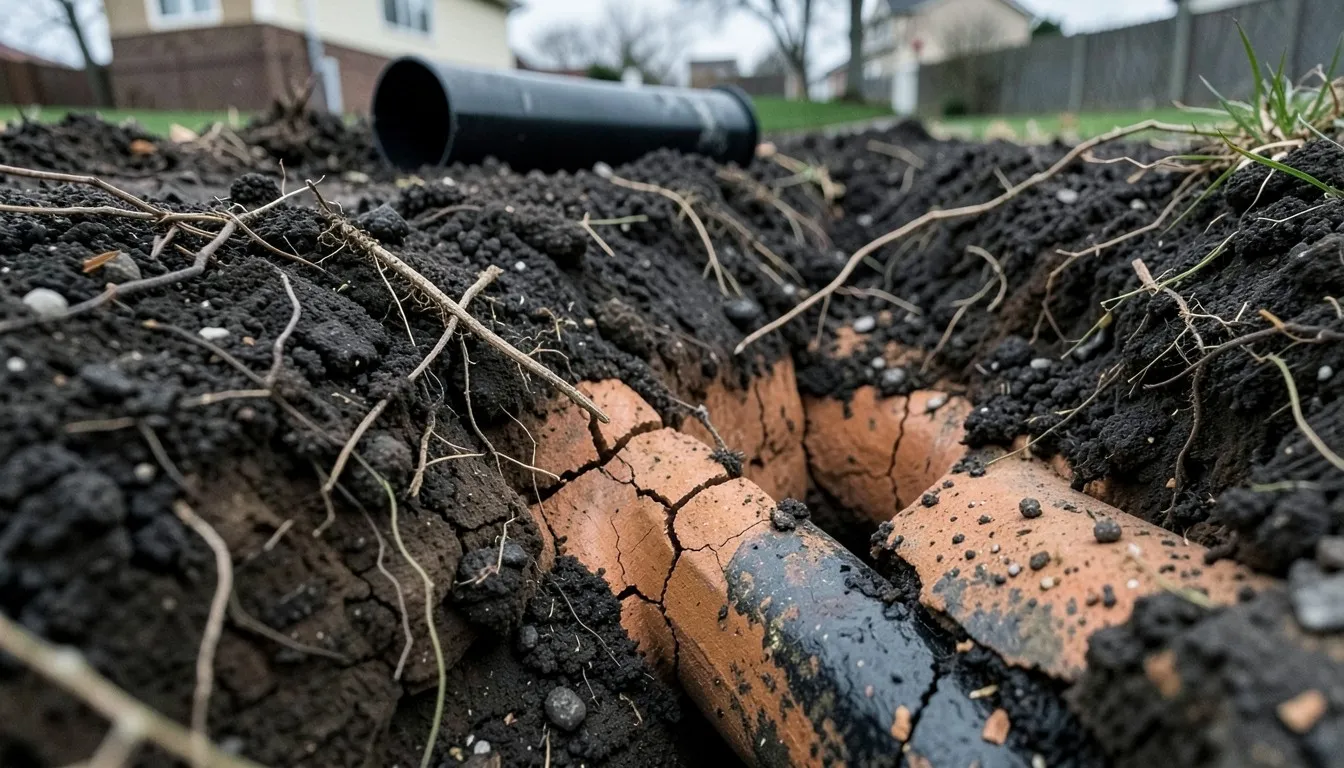
Sewer line failures in Salt Lake City follow predictable patterns by pipe material and installation era: clay tile joints separate and admit root intrusion; Orangeburg pipe (1940s–1960s) compresses under soil load; cast iron corrodes at horizontal runs where standing water accelerates deterioration. A camera scope before excavation is critical — it confirms whether a spot repair is viable or whether replacement of the full lateral is the smarter investment. AlertPlumber routes your request to an Utah-licensed plumber who completes the scope before quoting the repair. Freeze events and frost-depth requirements add pipe insulation, exterior faucet winterization, and burst-risk assessment to service calls in this climate.
Salt Lake City's water utility maintains an active lead service line (LSL) replacement program. With a median home age of 75 years, a portion of the housing stock may still have lead service laterals connecting the water main to interior supply — a consideration during any work near the service entry point. A licensed plumber can confirm whether supply-side work requires utility coordination.
Very hard water in Salt Lake City is a primary driver of accelerated appliance failure: water heater anode rods exhaust in 2–3 years instead of 6–8, scale deposits at fixture connections form within months of installation, and tankless heat exchangers accumulate mineral buildup that can reduce lifespan by half without regular descaling. A softener or whole-house conditioner is strongly recommended alongside any appliance service call.
Frost line depth in Salt Lake City means supply lines and outdoor plumbing must be installed below the freeze threshold — typically 30 — to prevent pipe burst during cold events. Exterior hose bibs, irrigation shutoffs, and any exposed pipe runs are the most common winterization service points in freeze-risk markets.
- Median home age
- 75 yrs
- Water hardness
- 12 gpg
- Frost line
- 30 in.
- Permit
- $58
A licensed UT plumber reads these conditions the moment you describe the symptom.
What shapes plumbing demand in Salt Lake City, UT
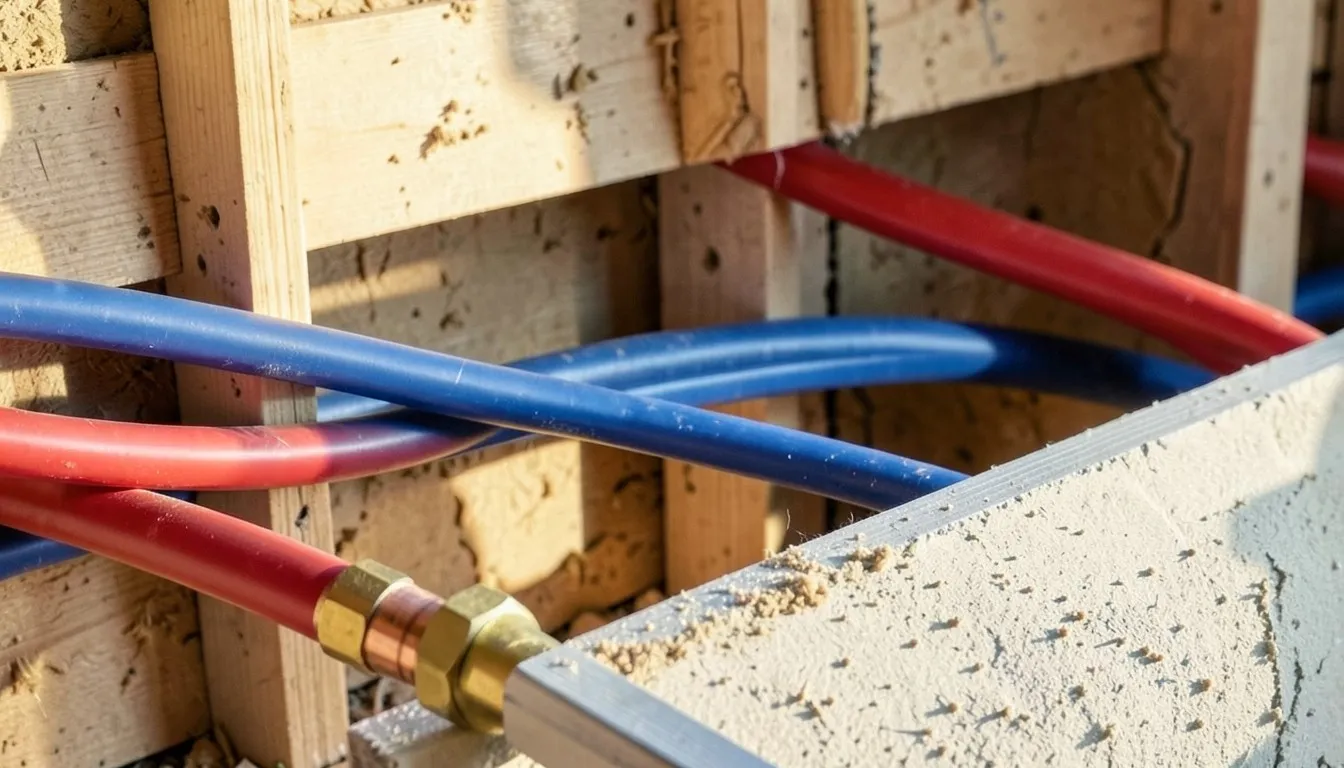
Galvanized supply lines and cast iron drain systems from the 1880s–1940s are past their 40–70-year design life across much of Salt Lake City. Interior rust scale progressively narrows pipe bore. Plumbers here routinely scope supply lines before quoting any repair — the underlying pipe condition often makes full replacement more cost-effective than patching.
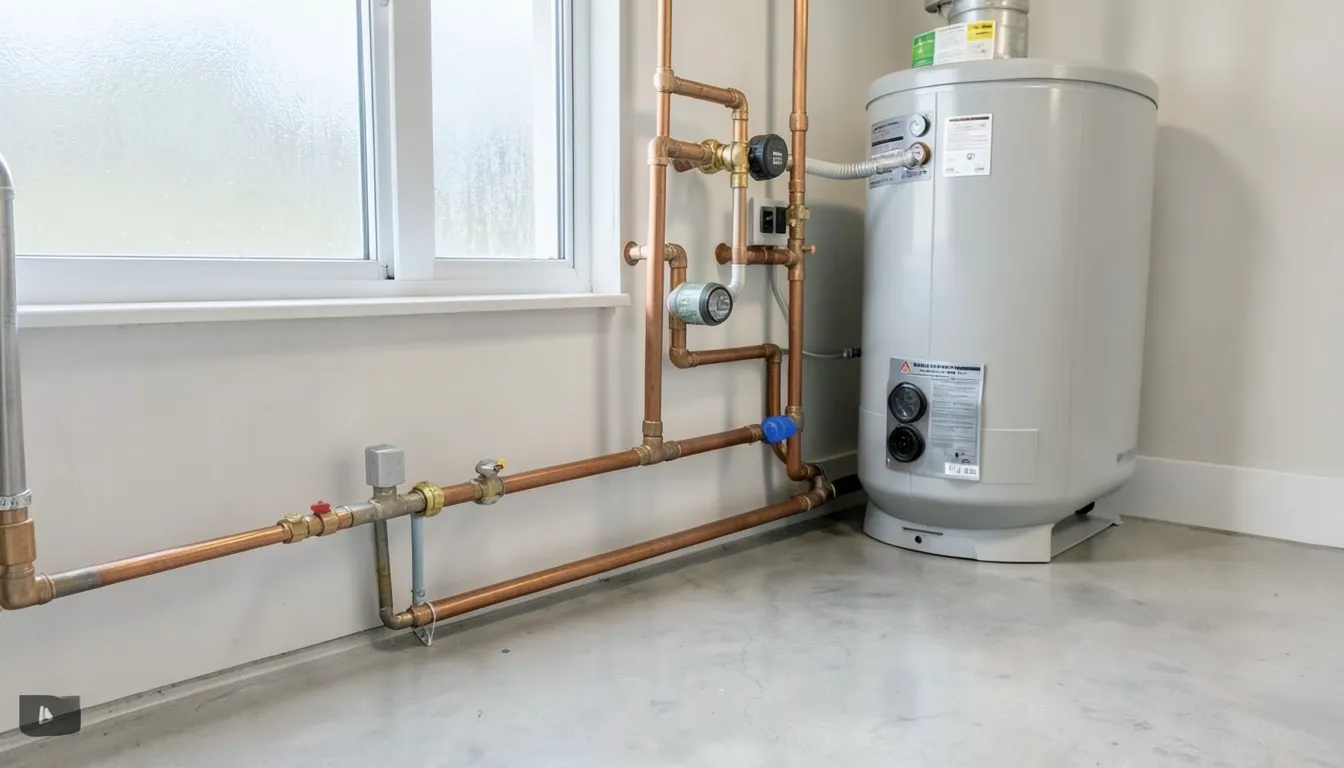
At 15–20+ GPG, calcium scale forces compressed equipment cycles in Salt Lake City: tank heaters average 6–9 years vs. the 10–12-year national benchmark, and tankless units require annual descaling. Anode rods calcify within 12–18 months. Most plumbers here assess heater age against the local scale timeline — not the manufacturer's service life.
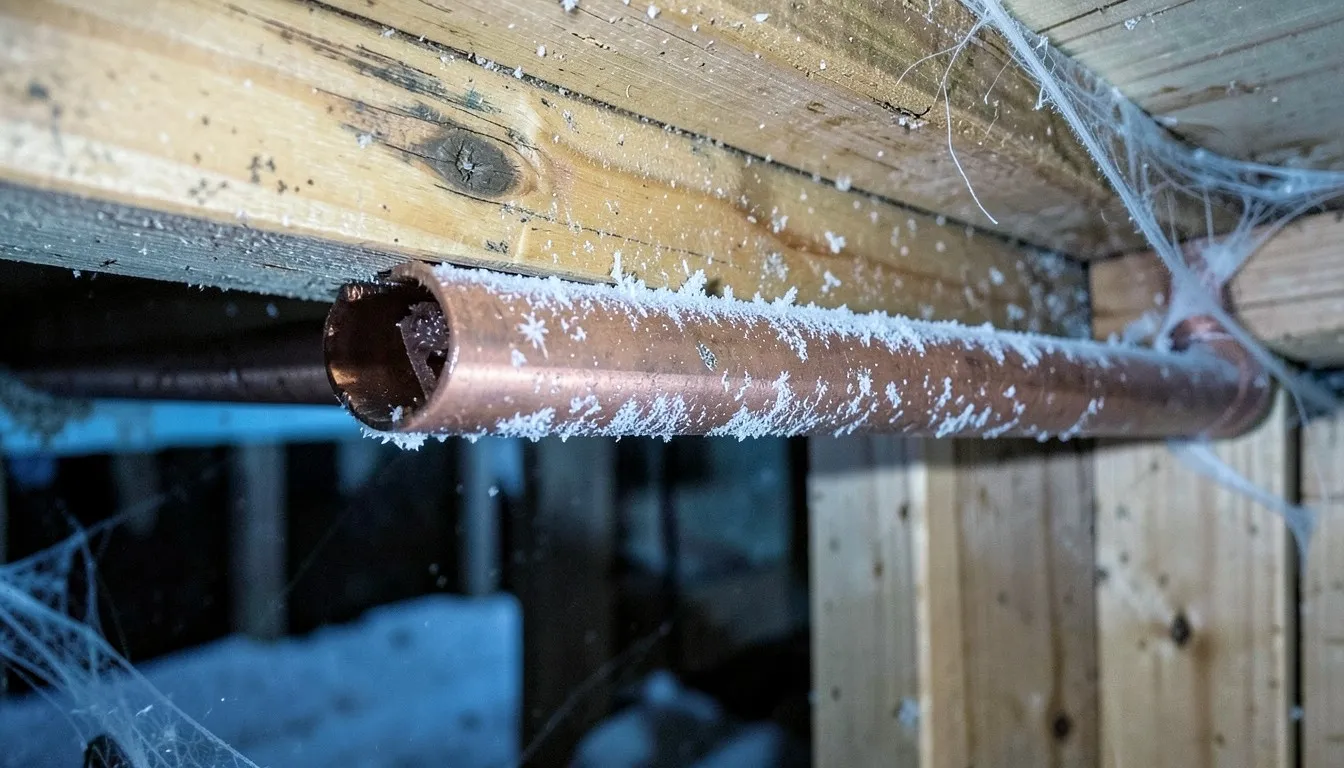
The primary surge in Salt Lake City runs January–March, with a secondary wave at the spring thaw — when pipes that held through the freeze rupture as pressure is restored above 32°F. Scheduling competition peaks exactly when emergency calls are highest. Homeowners who wait for visible damage compete for the same limited plumber slots at the worst possible time.
Salt Lake City: diagnose first, repair second
Describe the symptom — not the repair. AlertPlumber routes to an UT-licensed plumber trained in diagnostics. The site visit uses camera tracing, acoustic detection, or hydrostatic pressure testing — matched to the reported failure type.
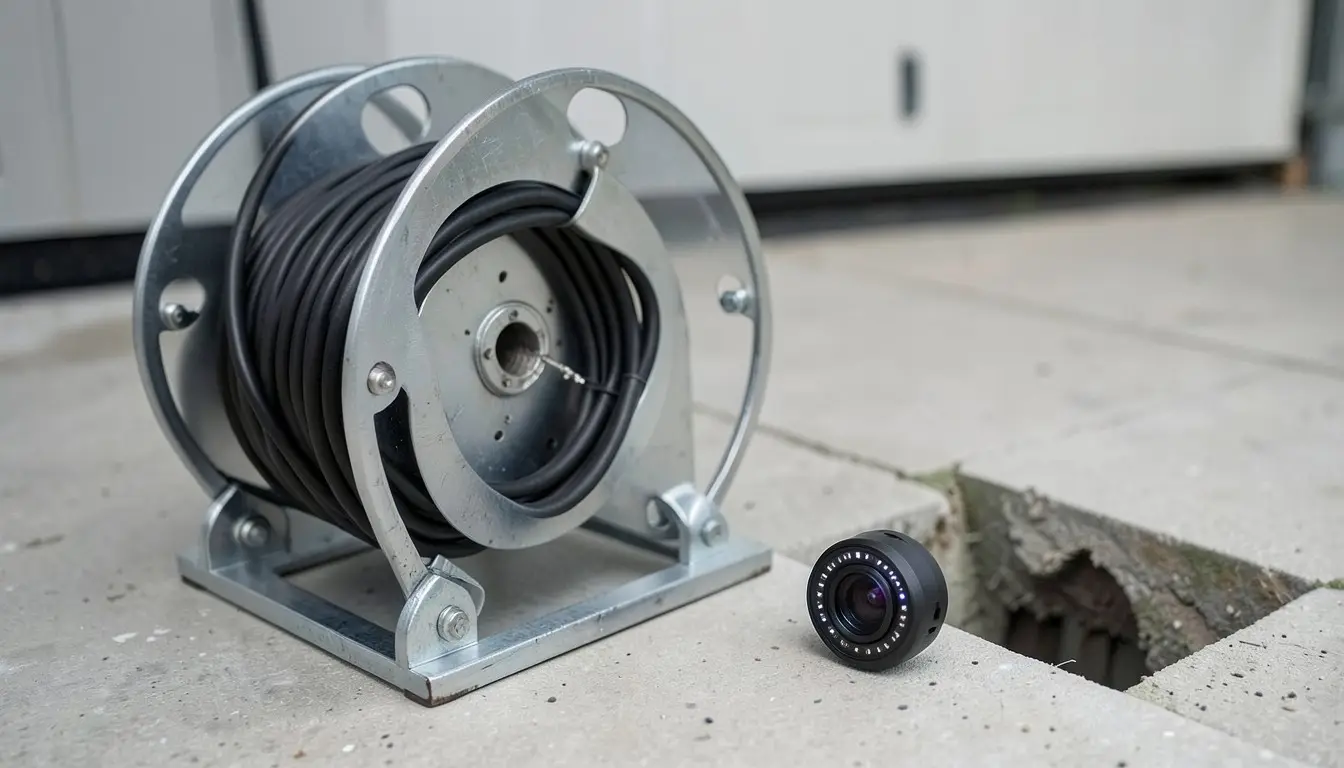
The plumber delivers a written diagnostic report: confirmed failure location, available repair methods, and tradeoffs — disruption level, material durability, long-term cost, and whether a Salt Lake City building permit applies to the selected method.
You select the repair path. The Utah-licensed plumber proceeds on the authorized method with a fixed scope and price. Where required, the permit application to Salt Lake City is handled by the contractor.
Sewer Line Repair cost calculator — Salt Lake City
Pre-filled for sewer line repair in Salt Lake City. Adjust the ZIP for a neighboring area, or change the service to compare. Calculator pulls from the city's scraped permit-fee + state plumber-density data.
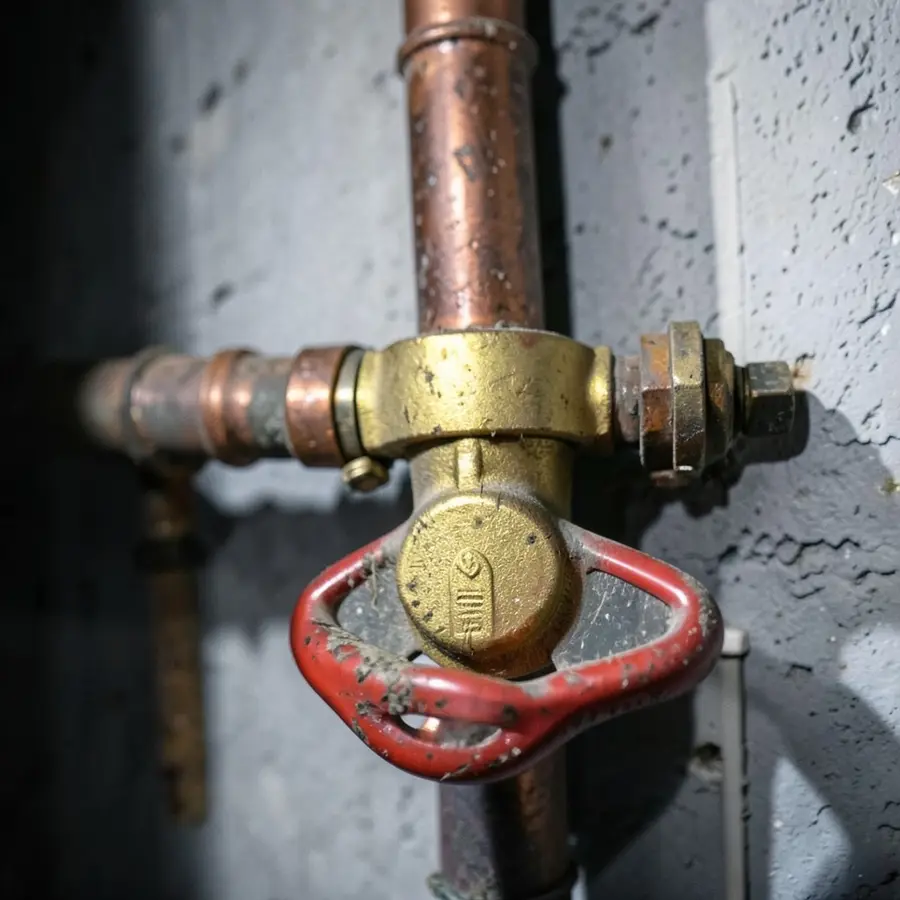
Sewer Line Repair in Salt Lake City — the longer it runs, the more it costs.
Slow failures compound: soft pipe walls, root penetration, mineral buildup. A verified plumber calls back with a scope-first estimate before anything is dug up.
Sewer Line Repair in Salt Lake City — frequently asked
How much does sewer line repair cost in Salt Lake City, UT?
Salt Lake City sewer system repair tracks lateral material and grade. Spot repair on a Sugar House clay-tile lateral bellying under old elms runs $2,400–$4,800. CIPP cured-in-place lining on a 50–80 ft Avenues lateral trends $5,800–$13,200 — Great Salt Lake basin mineral scale on host pipe sometimes adds a pre-lining descale pass. Full open-trench PVC replacement on Avenues hillside steep-grade laterals runs $9,200–$22,500 because the matched crew has to control trench shoring on slope. The $58 SLC Building Services permit is fixed; the camera scope ($145–$245) is non-negotiable on any pre-WWII Avenues or Sugar House clay lateral.
How fast can a Salt Lake City sewer crew arrive in an emergency?
Most Salt Lake County sewer crews in the AlertPlumber network arrive within 2–4 hours during business hours and 3–5 hours overnight along the Wasatch front. Excavation rigs and CIPP equipment stage from fewer valley depots than cabling vans — Avenues hillside and Capitol Hill steep-grade calls add 30–60 minutes when canyon storms close I-80 or SR-190. The matched UT DOPL plumber confirms exact ETA on the callback. Winter dispatch over the 128 freeze-day window prioritizes active backups into the wastewater sewer system above scheduled excavation.
Do I need a permit for sewer line repair in Salt Lake City?
Yes — sewer line replacement, CIPP lining, and any excavation under 30in-valley to 36–42in-bench frost depth all require a permit. The $58 SLC Building Services permit fee covers the plumbing-repair filing, with separate review for any work touching the public right-of-way at the property-line tap. Bench-neighborhood and Avenues hillside excavation may require additional excavation review when slope or retaining walls are involved. The verified UT DOPL plumber pulls all permits and bundles fees into the written quote — no surprise add-ons on the invoice.
What causes most sewer line failures in Salt Lake City homes?
Three Salt Lake-specific drivers. (1) Sugar House clay-tile bellying under old elms — pre-WWII bungalow laterals settle into a low spot, water pools, then root mass invades the joint just downstream. (2) Avenues hillside steep-grade laterals — hillside settlement and freeze-thaw at the 30–42in bench frost depth shift joints out of alignment. (3) Great Salt Lake basin mineral scale in older laterals, where 12 gpg hardness from USGS classification deposits a scale layer that narrows the bore over decades. Camera scope tells which is driving your failure.
Will my Utah homeowners insurance cover sewer line repair?
Standard Utah HO-3 policies do NOT cover sewer system repair itself — replacement of the lateral is classified as property maintenance. They typically cover water-damage consequences of a backup (drywall, flooring, mold remediation) subject to deductible, but only with a sewer/water backup endorsement. Optional service-line coverage (sold by some carriers for $35–$95/year) does cover lateral replacement up to $10,000–$15,000 — strongly worth carrying on any pre-WWII Avenues or Sugar House home with original clay-tile laterals. Ask the matched UT DOPL plumber for camera-scope footage and a written invoice naming the failure mode. File within 30 days.
Why shouldn't I attempt a DIY sewer line fix in Salt Lake City?
Trenching to 30in valley or 36–42in bench frost depth on an Avenues hillside or Sugar House lot is excavation work — strike a gas service line and the call goes from a $2,400 spot repair to a Blue Stakes incident with criminal exposure. Bench-neighborhood slope adds shoring requirements; clay-tile joints crumble under hand-shovel pressure. Improper backfill compaction causes secondary settlement that reopens the same belly within 18 months. The matched UT DOPL plumber files the SLC Building Services permit, calls in locates, and warranties the work.
Trenchless CIPP vs open-trench replacement in Salt Lake City?
Decision tree the matched plumber walks on a Salt Lake City call. CIPP cured-in-place lining is the right call when the host pipe is structurally intact but cracked or root-infiltrated — common on Yalecrest 1920s clay laterals where the alignment holds but joints leak. $5,800–$13,200, minimal yard disturbance. Open-trench replacement is the right call when camera scope shows a collapsed section, severe Sugar House belly, or Avenues hillside misalignment beyond liner tolerance. $9,200–$22,500, full PVC schedule-40 replacement to property line. Camera scope ($145–$245) decides — skipping it routes the wrong method roughly a third of the time.
How often should I scope my Salt Lake City sewer line?
Cadence by housing stock. Pre-WWII Avenues, Marmalade, and Sugar House clay-tile laterals under old elms: annual camera scope, ideally September before the 128 freeze-day window. Yalecrest 1920s Tudor with clay laterals: every 18–24 months with a root cutter as needed. Mid-century Sugar House infill on cast-iron laterals: every 3–5 years. Modern Avenues redevelopment on PVC: at home purchase and every 7–10 years thereafter. Per SLC Department of Public Utilities, ~99% of the city sits on municipal sewer.
Are AlertPlumber-matched sewer plumbers verified in Utah?
The partner network requires every plumber routed through AlertPlumber in Salt Lake City to maintain active Utah state-credentialed status — UT DOPL Journeyman or Master Plumber, 2024 — roughly 8,400 active statewide. AlertPlumber doesn't independently verify each plumber per call; homeowners are encouraged to confirm the specific license number directly with UT DOPL via the link above before authorizing excavation or CIPP work. State-credentialed status is the bar for any work on the wastewater sewer system.
Which Salt Lake County ZIPs do sewer crews cover?
AlertPlumber sewer crews cover Salt Lake County 84xxx ZIPs across the SLC Department of Public Utilities footprint. High-volume neighborhoods: Sugar House (84106) for clay-tile bellying under old elms, The Avenues (84103) for hillside steep-grade lateral repair, Capitol Hill (84103) above the State Capitol for bench-elevation excavation, Marmalade (84103) for pre-statehood cottage laterals, Yalecrest / Harvard-Yale (84108) for 1920s Tudor clay-tile sewers, Liberty Wells (84105). Bench neighborhoods east of 1300 East route from the same depots.
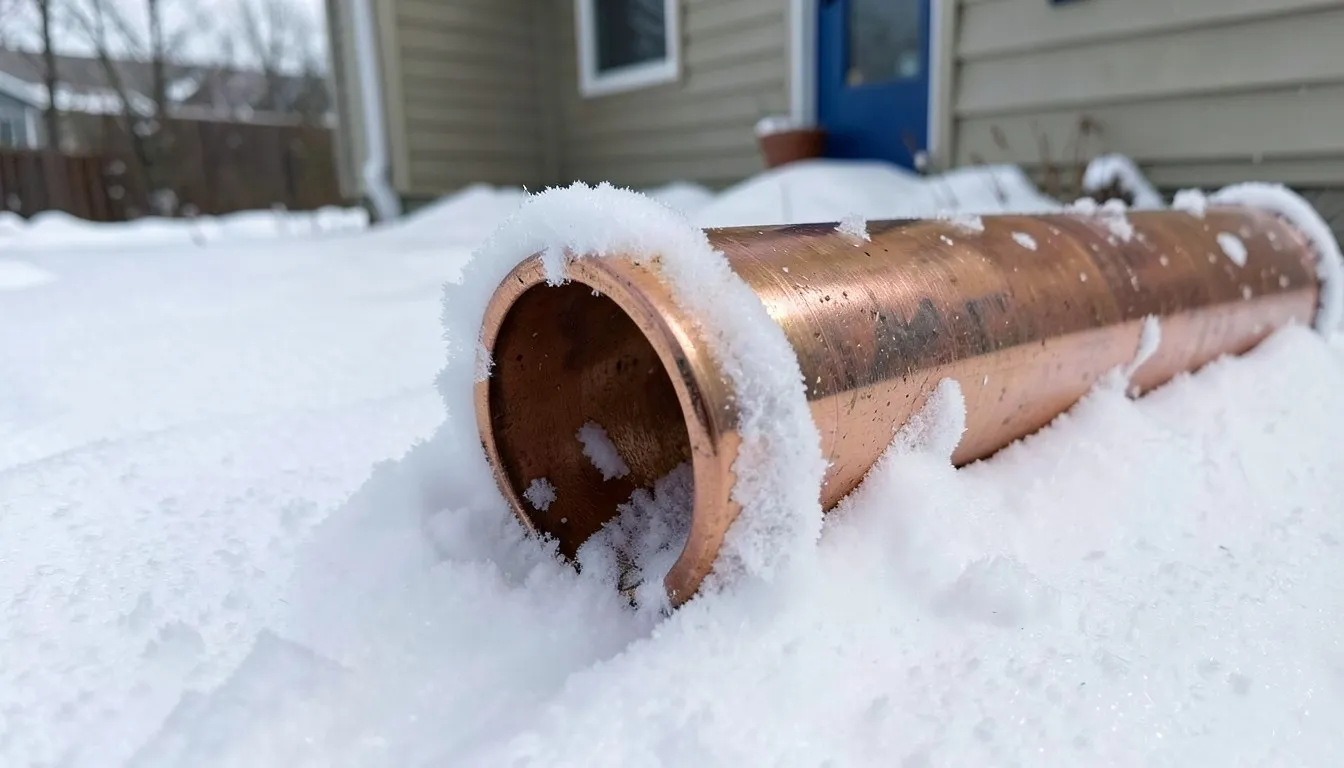
The fix gets cheaper the sooner a plumber sees it.
Degradation problems compound quietly. Call now, or use the form below and a licensed Utah plumber calls you back with a no-obligation estimate for the sewer line repair.
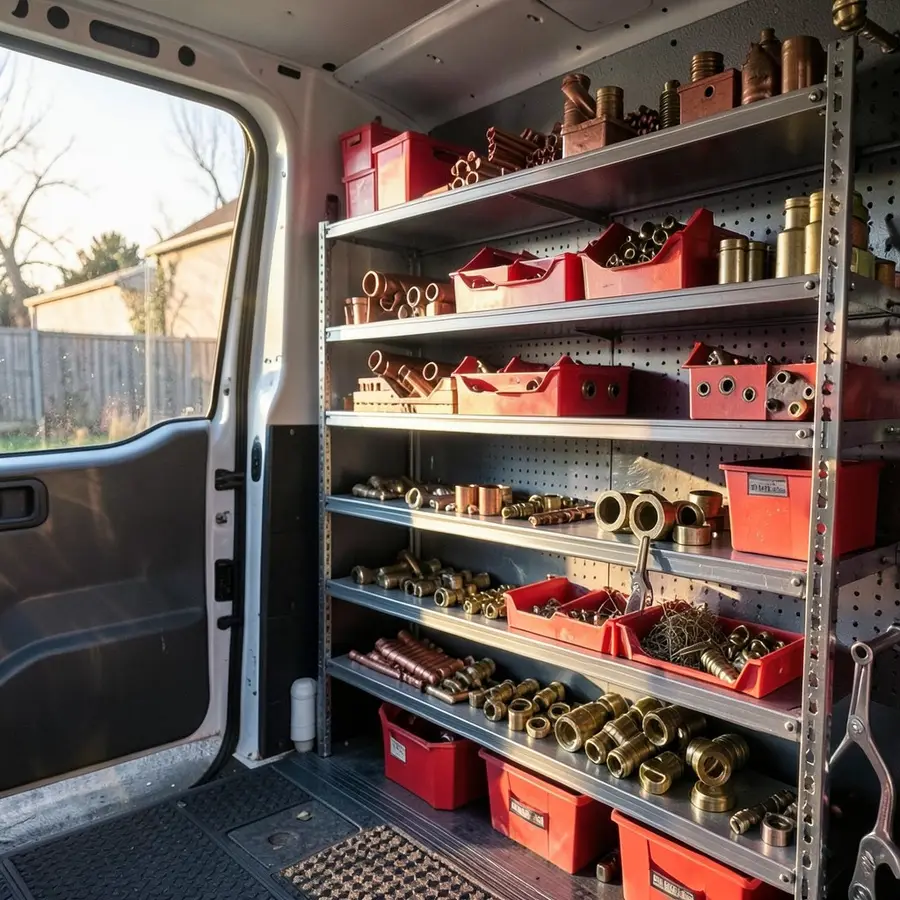
Request a sewer line repair callback in Salt Lake City
In a meeting, with the kids, or just prefer not to hold? Drop your ZIP and number below. AlertPlumber routes your request to a verified plumber in your area — they’ll call you back directly.
- 1 Submit your info. ZIP, phone, and what kind of work you need.
- 2 AlertPlumber matches you with a verified plumber serving your area.
- 3 The plumber calls you back with a written estimate, no obligation.
Sewer Line Repair in Salt Lake City — catch it early
Degradation-driven failures worsen over time and cost more to fix the longer they run. A verified UT plumber in Salt Lake City diagnoses your specific condition and provides a written scope before any work begins.