
Emergency Sewer Line Repair in Reno, Nevada
Camera first, quote second — know exactly what's wrong in your Reno home before you approve a dollar.
Local plumbing data for Reno, NV
Seeing these conditions at your place in Reno? A state-licensed plumber can confirm it over the phone — free, no obligation.
Pipe conditions in Reno, NV
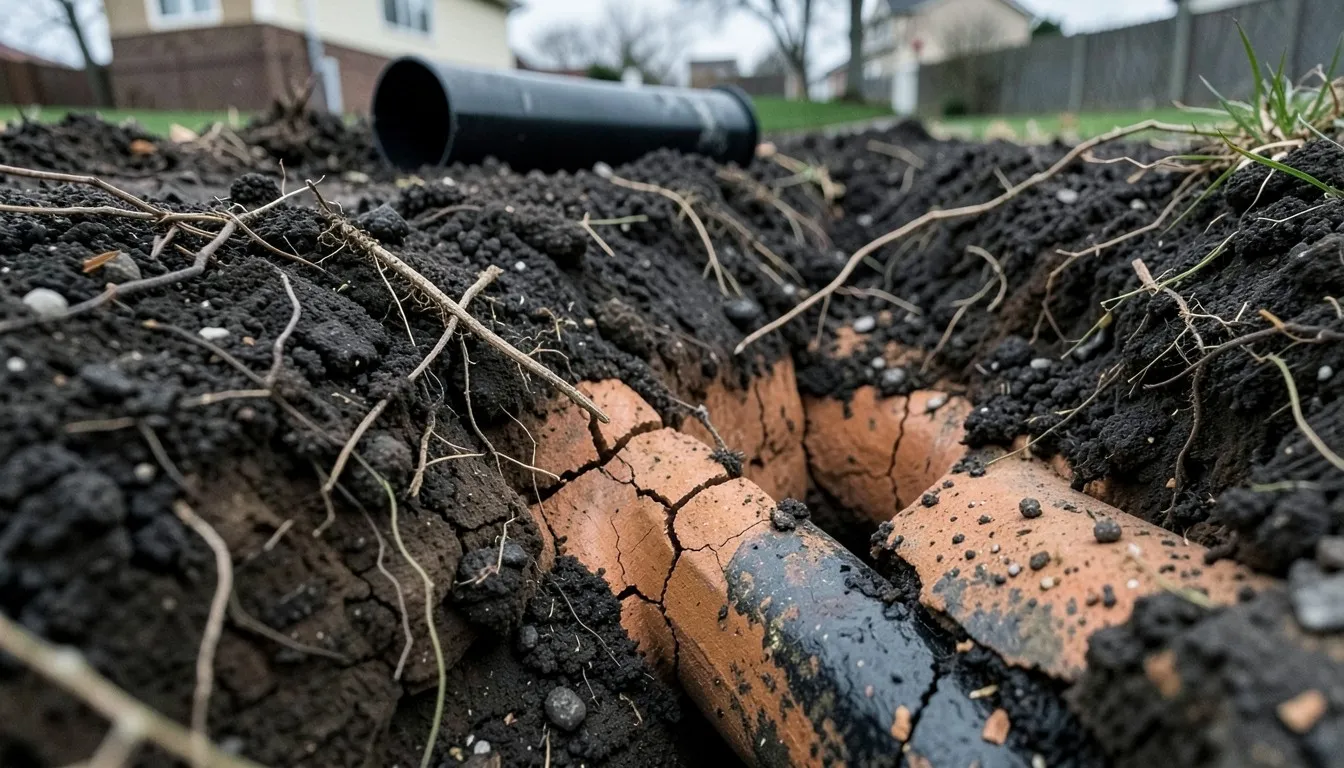
Sewer line failures in Reno follow predictable patterns by pipe material and installation era: clay tile joints separate and admit root intrusion; Orangeburg pipe (1940s–1960s) compresses under soil load; cast iron corrodes at horizontal runs where standing water accelerates deterioration. A camera scope before excavation is critical — it confirms whether a spot repair is viable or whether replacement of the full lateral is the smarter investment. AlertPlumber routes your request to a Nevada-licensed plumber who completes the scope before quoting the repair. Freeze events and frost-depth requirements add pipe insulation, exterior faucet winterization, and burst-risk assessment to service calls in this climate.
Reno's housing stock spans multiple construction eras — median home age 39 years — meaning pipe materials and failure modes vary significantly by neighborhood and building vintage. An inspection-led approach that confirms pipe material before recommending a service path is standard practice for mixed housing profiles.
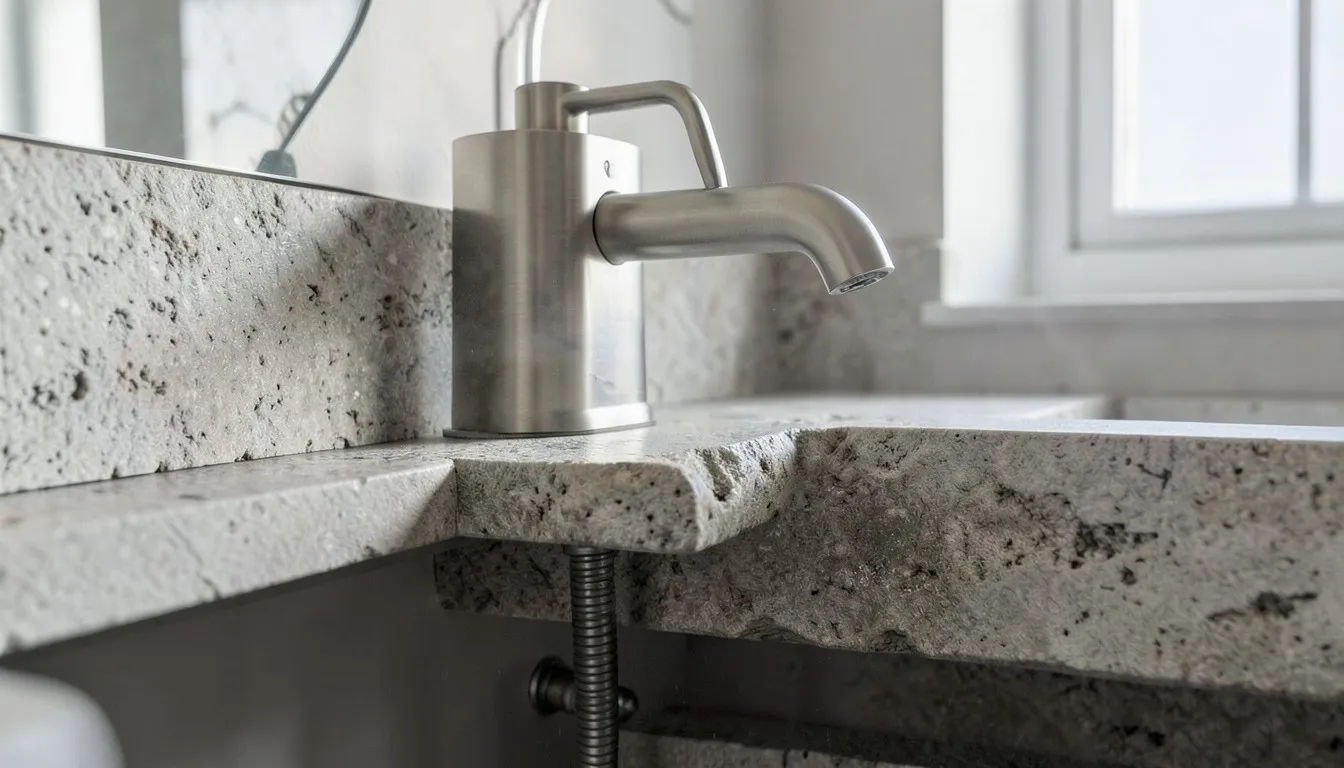
Very hard water in Reno is a primary driver of accelerated appliance failure: water heater anode rods exhaust in 2–3 years instead of 6–8, scale deposits at fixture connections form within months of installation, and tankless heat exchangers accumulate mineral buildup that can reduce lifespan by half without regular descaling. A softener or whole-house conditioner is strongly recommended alongside any appliance service call.
Frost line depth in Reno means supply lines and outdoor plumbing must be installed below the freeze threshold — typically 30 — to prevent pipe burst during cold events. Exterior hose bibs, irrigation shutoffs, and any exposed pipe runs are the most common winterization service points in freeze-risk markets.
- Median home age
- 39 yrs
- Water hardness
- 12 gpg
- Frost line
- 30 in.
- Permit
- $78
A licensed NV plumber reads these conditions the moment you describe the symptom.
What shapes plumbing demand in Reno, NV
CPVC becomes brittle in the 20–35-year range and snaps under thermal stress or incompatible pipe dopes. Early PEX fittings (pre-2010) may develop chloramine compatibility issues at 15–25 years. The 1980s–1990s housing stock in Reno is entering its first wave of material-driven service calls — not from neglect, but from normal service-life progression.
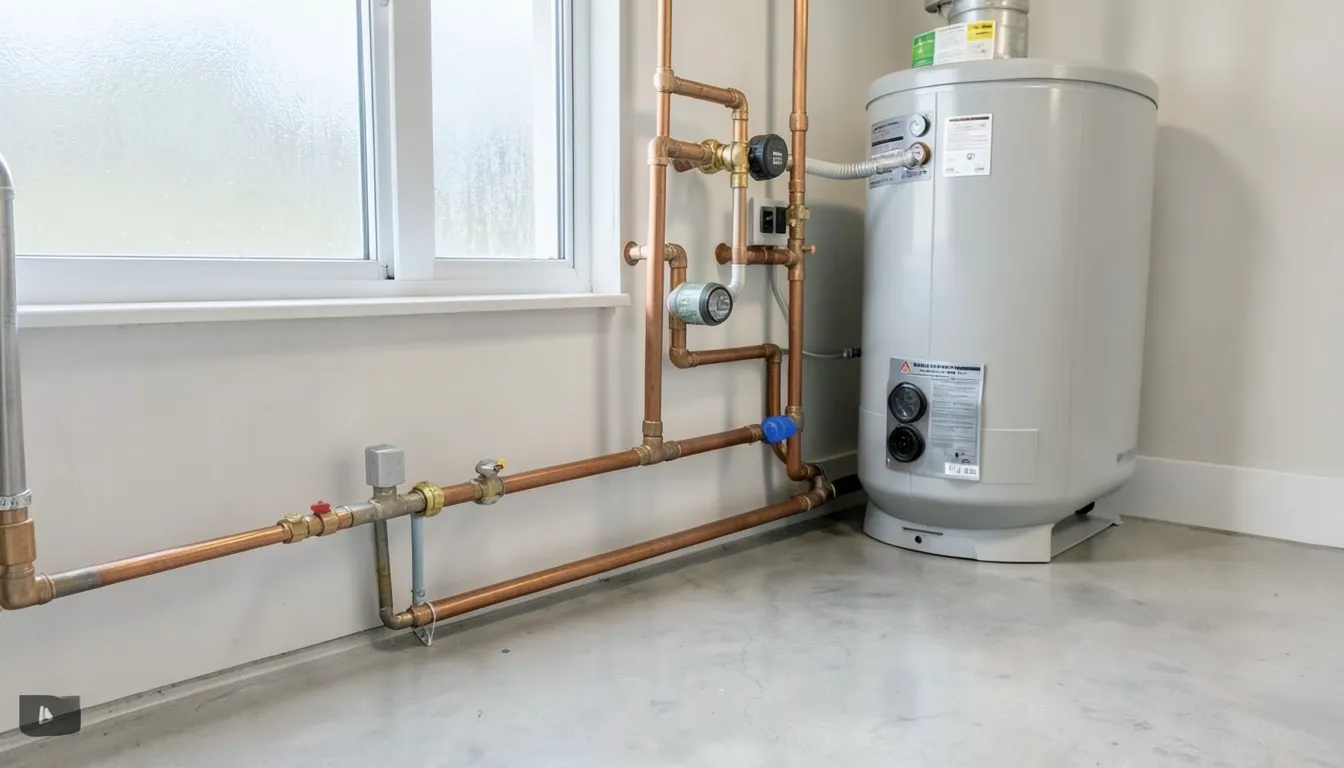
At 15–20+ GPG, calcium scale forces compressed equipment cycles in Reno: tank heaters average 6–9 years vs. the 10–12-year national benchmark, and tankless units require annual descaling. Anode rods calcify within 12–18 months. Most plumbers here assess heater age against the local scale timeline — not the manufacturer's service life.
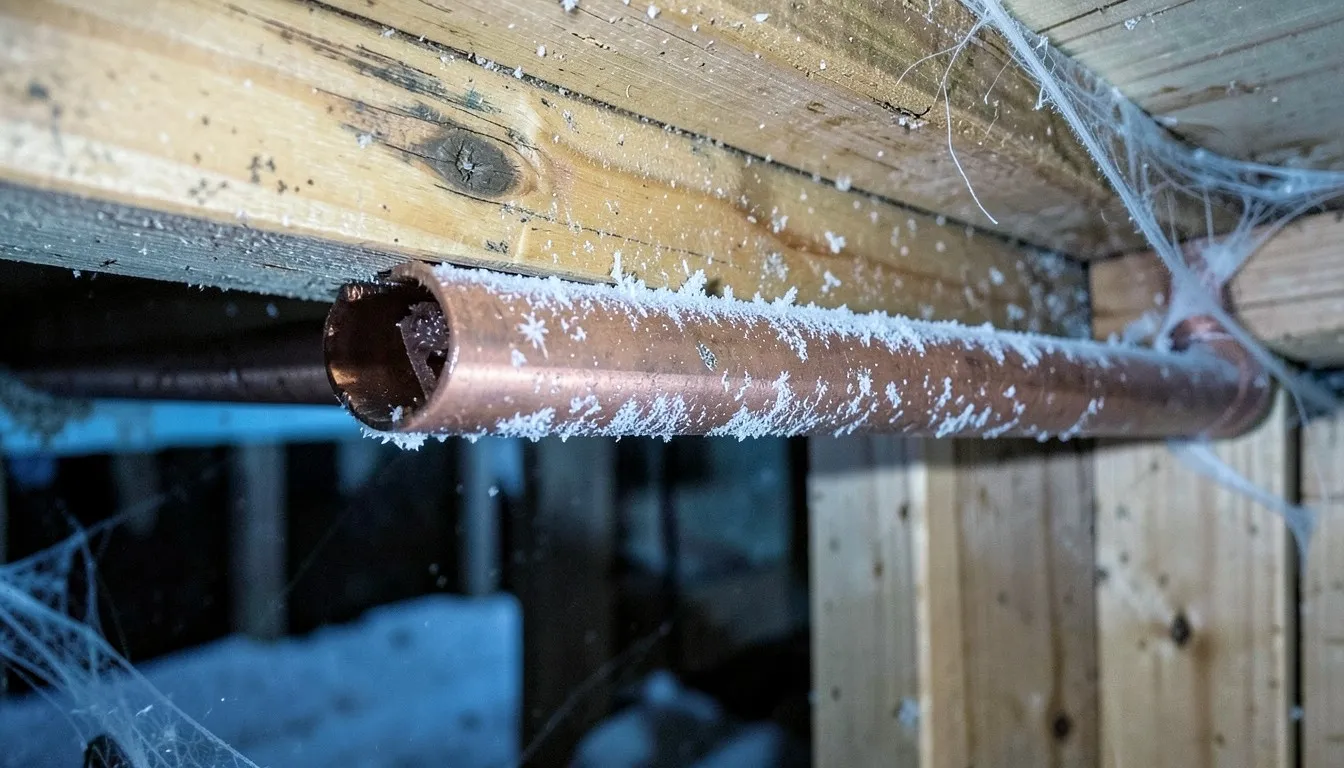
The primary surge in Reno runs January–March, with a secondary wave at the spring thaw — when pipes that held through the freeze rupture as pressure is restored above 32°F. Scheduling competition peaks exactly when emergency calls are highest. Homeowners who wait for visible damage compete for the same limited plumber slots at the worst possible time.
Reno: diagnose first, repair second
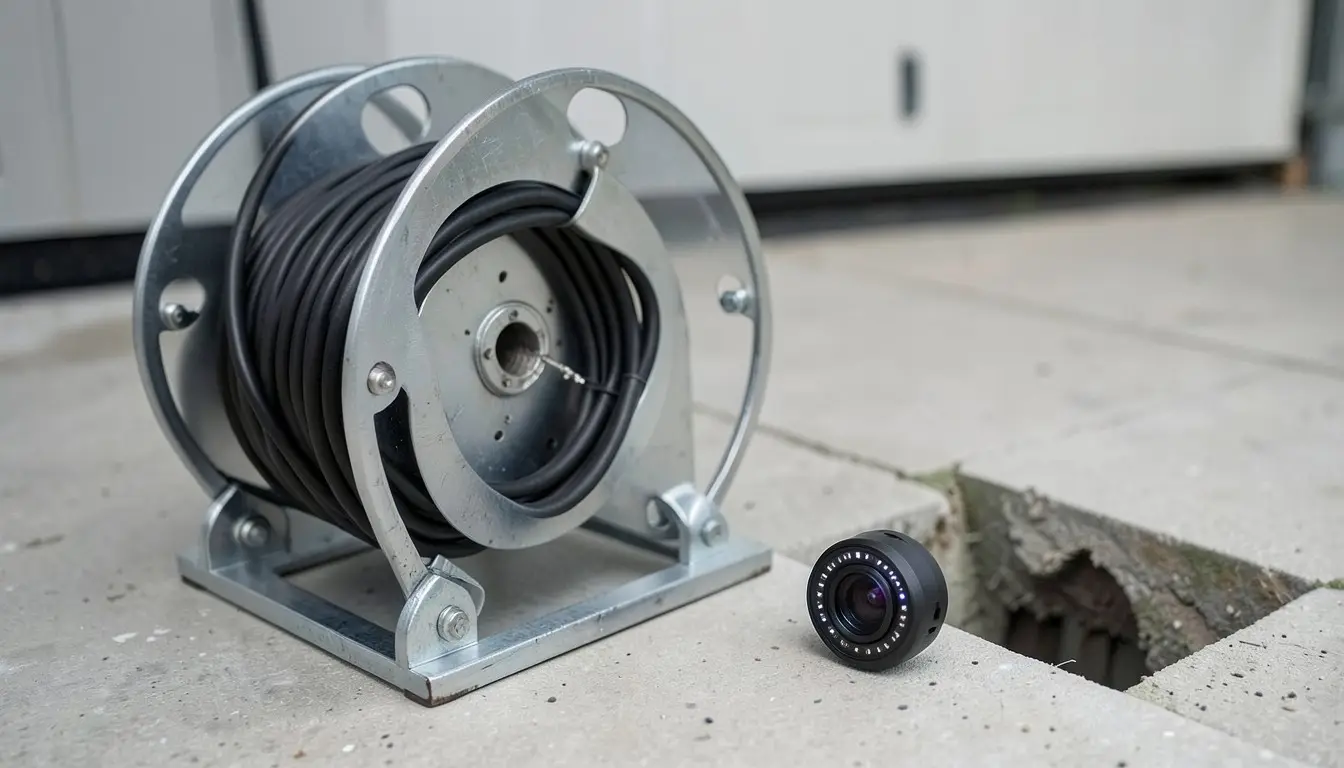
Describe the symptom — not the repair. AlertPlumber routes to a NV-licensed plumber trained in diagnostics. The site visit uses camera tracing, acoustic detection, or hydrostatic pressure testing — matched to the reported failure type.
The plumber delivers a written diagnostic report: confirmed failure location, available repair methods, and tradeoffs — disruption level, material durability, long-term cost, and whether a Reno building permit applies to the selected method.
You select the repair path. The Nevada-licensed plumber proceeds on the authorized method with a fixed scope and price. Where required, the permit application to Reno is handled by the contractor.
Sewer Line Repair cost calculator — Reno
Pre-filled for sewer line repair in Reno. Adjust the ZIP for a neighboring area, or change the service to compare. Calculator pulls from the city's scraped permit-fee + state plumber-density data.

Sewer Line Repair in Reno — the longer it runs, the more it costs.
Slow failures compound: soft pipe walls, root penetration, mineral buildup. A verified plumber calls back with a scope-first estimate before anything is dug up.
Sewer Line Repair in Reno — frequently asked
What does sewer line repair cost across Reno neighborhoods?
Reno sewer pricing splits sharply by housing era and where the lateral runs through the Truckee Meadows basin. Point repair (single excavation pit, splice a 4–8 ft section): $2,600–$5,400 in Caughlin Ranch or Somersett 1990s-2010s foothill PVC stock, but Powning's Addition 1880s historic-plat clay or pre-1940 cast-iron laterals west of downtown push $3,400–$6,400 because the dig is hand-trenched around mature cottonwood root flares and the 30-inch frost burial depth required across the basin floor. Old Southwest 1910s-30s California Avenue craftsman and Tudor stock with mixed clay-and-cast-iron laterals runs $3,000–$5,800. CIPP trenchless lining per ASTM F1216 runs $6,400–$13,800 for 50–80 ft. Pipe-bursting HDPE replacement: $8,600–$16,800. Full open-trench replacement through Truckee River corridor alluvial bedrock: $11,800–$23,000 — the Sierra east-slope cobble-and-bedrock substrate adds 15–35% to excavation hours versus tract sandy fill. Lateral cleanout install (code-required two-way at the property line): $1,150–$2,500 standalone. The pre-job camera scope ($175–$325) prices the actual method before any excavation commits. The $78 City of Reno Community Development permit applies to any open-trench lateral work.
What symptoms tell me my Reno sewer lateral is failing?
Reno laterals signal failure differently from temperate-climate sewers because the Truckee Meadows basin combines high-desert Sierra rain shadow conditions, 146 freeze days, and mineral-heavy 12 gpg Truckee Meadows Water Authority source water. Watch for: (1) multiple fixtures backing up at once after Sierra east-slope spring runoff drives groundwater up into compromised joints — most pronounced March through May; (2) gurgling at the lowest fixture (basement floor drain or yard cleanout) when an upstream fixture drains; (3) localized lush patches over the lateral path through otherwise xeriscape lawns common in Caughlin Ranch and Somersett; (4) sewer odor in the yard during evening temperature inversions in the basin; (5) recurring kitchen-line clogs that return within 60 days post-snake — typically a belly or sag from soil settlement, not another rooter visit; (6) Powning's Addition 1880s plat stock often shows brick-stack interior failure first as a slow toilet refill plus sewer odor on the lowest floor. Two or more symptoms warrants a sewer-camera scope before a backup forces emergency pricing.
Why does Reno sewer work demand more than basic plumbing?
Four overlapping factors stack in Reno that don't stack elsewhere. 30-inch frost burial code — Truckee Meadows basin-floor laterals must be buried at or below the 30-inch frost line per NWS Reno climate data, which means deeper trenches and longer excavation hours than shallow-frost markets. Powning's Addition 1880s historic-plat clay and pre-1940 cast iron — adobe-period Reno west of downtown retains 110-to-140-year-old vitrified clay and lead-and-oakum-jointed cast iron laterals that are categorically end-of-life. Midtown 1920s-40s bungalow clay laterals along the South Virginia corridor face mature elm and silver maple root intrusion at every joint plus 12 gpg Truckee carbonate scale narrowing the original bore. Truckee River corridor cobble and Sierra east-slope bedrock — the basin alluvial substrate transitions to cobble-and-bedrock toward Caughlin Ranch and Somersett, adding 15–35% to excavation hours per USGS substrate mapping. Caughlin Ranch 1990s+ PVC slab homes face none of the pre-1940 pathologies; Powning's Addition faces all four pre-1940 issues. The matched plumber prices to the lateral's actual age and substrate, not a national flat rate.
Trenchless or open-trench in Reno's mixed substrate?
The Truckee Meadows substrate changes the trenchless math versus standard tract soil. Open-trench replacement at the 30-inch frost burial depth means full trench-shoring per OSHA standards on any run deeper than 4 ft — Reno's 30-inch code minimum often pushes effective burial to 36–42 in. depending on slope. A 60-ft run can take 3–6 working days in Sierra east-slope cobble-and-bedrock versus 1–2 days in basin-floor sandy fill. The substrate premium runs 15–35% per USGS hardpan and cobble mapping. Pipe-bursting through Truckee Meadows alluvium works well: the bursting head fractures the host pipe outward into the cobble-laden ground, which resists collapse better than pure sand and produces a clean replacement bore. CIPP lining per ASTM F1216 requires only entry and exit pits — the smallest excavation footprint — but demands a structurally sound host pipe (no pre-1940 cast-iron channeling, no Orangeburg, no Powning's Addition lead-and-oakum joint disintegration). The sewer-camera scope determines candidacy. For Powning's Addition 1880s laterals with severe joint failure, CIPP often fails the host-pipe test and pipe-bursting becomes the trenchless option.
Does Nevada HO-3 cover Reno sewer lateral replacement?
Standard Nevada HO-3 policies exclude sewer lateral replacement under wear-and-tear provisions — Truckee Meadows soil settlement, 12 gpg Truckee carbonate scale, and 1880s clay joint deterioration all fall into excluded categories. Coverage shifts when a sewer-backup endorsement (sometimes called water-backup or sewer/drain rider) is added: typical Washoe County rates run $55–$135/year for $5,000–$15,000 in damage coverage covering interior cleanup (drywall, hardwood, basement contents) when the lateral fails and backs into the home. The endorsement does NOT pay for the lateral repair itself — only the resulting interior damage. Powning's Addition, Old Southwest, and Newlands Heights homeowners with 80-to-140-year-old laterals should carry this rider; Caughlin Ranch and Somersett 1990s+ PVC homes have lower failure probability but the rider remains low-cost insurance. Document any failure with the matched plumber's camera footage, invoice, and NSCB credential record for the strongest claim. Nevada policies vary — confirm the rider specifically with your carrier. File within 30 days.
How long does Reno sewer line repair take on site?
On-site duration tracks method, substrate, and Sierra east-slope weather. Point repair on Caughlin Ranch or Somersett 1990s+ PVC slab: 5–8 hours, single-day completion. Point repair in Powning's Addition pre-1940 ground with hand-excavation around mature cottonwood root flares and pre-1940 cast-iron transitions: 1.5–2.5 full days. CIPP lining of a 60-ft lateral: 1 working day for inversion plus 6–12 hours ambient cure (Reno's Sierra rain shadow dry-air climate is favorable for resin cure; ~4,500ft elevation does not meaningfully slow cure). Pipe-bursting a 50–80 ft run: 2 working days including reinstatement of the property-line connection. Full open-trench replacement through Truckee Meadows cobble-and-bedrock: 4–7 days for 50 ft, longer if the run crosses the Truckee River corridor easement requiring Washoe County coordination. Reno permit issuance and inspection sequencing add 24–72 hours to overall project calendar — the 146 freeze-day winter window can halt open-trench work mid-job when Sierra east-slope storms drop temperatures below safe-pour thresholds.
What permits and credentials apply to Reno sewer work?
Sewer lateral work in Reno requires a $78 City of Reno Community Development plumbing permit, with separate excavation and connection inspections. The state credential is Nevada NSCB C-1 Plumbing & Heating — Nevada State Contractors Board, 2024 lists roughly 1,150 active C-1 contractors statewide, concentrated in Northern Nevada through the Truckee Meadows and Carson Valley corridor. Sewer lateral repair beyond the property cleanout falls under TMWA service-area coordination — the matched plumber confirms whether the tap-side connection requires TMWA notice. Federally, 811 (USA Dig Safety) notification 48–72 hours pre-excavation is non-optional. The matched NSCB C-1 plumber pulls the City of Reno permit, files the 811 ticket, and provides the NSCB credential record on request — verify any contractor at nscb.nv.gov before authorizing excavation.
When does Reno lateral pipe age force replacement over patching?
Three distinct Reno age tiers drive the patch-versus-replace decision. 1880s Powning's Addition tier: the historic plat west of downtown retains pre-1940 clay and cast-iron laterals at 85–140 years. Cast-iron sections show channeling (bottom-of-pipe erosion) on the camera scope; pre-1940 clay shows multiple offsets and root intrusion at every joint. Patching pre-1940 Powning's stock is throwing money at sequential failures — pipe-bursting HDPE replacement is the standard call. 1910s-30s Old Southwest and 1930s Newlands Heights tier: California Avenue craftsman and Tudor plus Newlands Heights estate stock above the Truckee bluffs run 85–115-year-old laterals with mixed pathology. Point repair on a single bad joint can work if the camera shows the rest of the run is structurally sound; CIPP lining or pipe-bursting is often the better economic call. 1920s-40s Midtown bungalow tier along the South Virginia corridor: 80-100-year-old clay laterals with mature elm and silver maple root intrusion — root-cutting plus point repair or CIPP works for moderate cases; full replacement for severe collapse. Caughlin Ranch and Somersett 1990s+ PVC: rarely needs replacement before year 60. The sewer-camera scope on every Reno job priced over $3,000 is non-negotiable.
How does Sierra east-slope winter affect sewer scheduling?
Reno's 146 freeze days and Sierra east-slope storm cycles drive distinct winter sewer impacts per NOAA NCEI Reno climate normals. First, 30-inch frost burial: any open-trench work below grade must penetrate the full frost layer before reaching pipe depth, and trench walls in saturated basin-floor alluvium can shear when frost-thaw cycles undercut shoring — work pauses on actively freezing days. Second, storm-window scheduling: NWS Reno tracks Sierra east-slope storm trains off the Carson Range and Mount Rose massif that can drop 6–12 inches in 24 hours; open-trench mobilization waits for 5–7 day forecast clear windows from December through March. Third, spring runoff groundwater intrusion: March-through-May Sierra snowpack melt drives groundwater up into compromised lateral joints, accelerating failures in Powning's Addition and Old Southwest pre-1940 stock. CIPP lining and pipe-bursting are less weather-sensitive because the excavation footprint is small. Year-round non-winter work (April–October) carries fewer scheduling constraints, but Sierra rain shadow dry-air dust during summer monsoonal moisture pushes still requires standard trench dewatering protocol.
When should I choose full replacement over CIPP lining in Reno?
The replacement-versus-CIPP call comes down to host-pipe structural integrity, which the camera scope determines. CIPP lining per NASSCO standards works when the host pipe holds shape — minor offsets, hairline cracks, light root intrusion, and surface scale all line successfully. Reno candidates: Old Southwest 1910s-30s clay with single-joint offsets, Midtown bungalow clay between root incursions, mid-condition cast iron without through-wall channeling. Full replacement becomes mandatory when: (1) the lateral has belly/sag exceeding 2 in. over a 10-ft run from Truckee Meadows soil settlement — lining preserves the sag and the slope problem persists; (2) cast-iron channeling exposes more than 30% of the pipe circumference; (3) Powning's Addition 1880s clay shows multiple offsets every 4–6 ft (no continuous host pipe to line into); (4) lead-and-oakum joint disintegration in pre-1940 cast iron leaves the pipe footprint structurally compromised. Pipe-bursting HDPE often beats open-trench replacement in Truckee Meadows cobble-and-bedrock because it minimizes excavation footprint while delivering a structurally new pipe. The matched plumber walks you through camera findings before recommending method — push back on any quote issued without a documented scope.
Do I need to call 811 before sewer work in Reno?
Yes — federally mandatory. 811 (USA Dig Safety) provides no-charge utility-locate marking 48–72 hours before any excavation in Reno. The matched NSCB C-1 plumber can submit the 811 ticket on your behalf, but the homeowner is the legal account holder and is liable for damages to unmarked utility lines. Nevada state law adds additional notification requirements for shared private utilities (gas, fiber, irrigation, TMWA tap-side connections) that 811 doesn't cover — particularly relevant in Caughlin Ranch and Somersett where master-planned community easements carry multiple utilities in shared trenches. Powning's Addition pre-1940 stock often has uncharted utility crossings — the 811 ticket plus a vacuum-excavated pothole at suspected crossings is the prudent practice. Confirm with the matched plumber during the pre-job walkthrough.
How long should the new sewer line last in Reno?
PVC schedule 40 sewer pipe (the standard for Reno new installations): 100-year design life per Plastic Pipe Institute. HDPE pipe-burst replacement: 50–100 years. CIPP epoxy liners: 50+ years per NASSCO standards. The bigger driver of Reno lateral lifespan is INSTALLATION quality — proper bedding sand below the cobble-and-bedrock substrate, correct slope (1/4 inch per foot per UPC adopted in Nevada), and joint integrity matter more than pipe material. Insist on photos of the bedding before backfill, particularly on Truckee Meadows alluvium where cobble bedding can point-load PVC walls. Local context. Reno's 274,915 residents per US Census Bureau, 2024, 39-year median home age, Truckee Meadows basin-floor position in the Sierra rain shadow at ~4,500ft elevation, 12 gpg TMWA source water at $3.42 per 1,000 gallons per USGS hardness data, 146 freeze days, 30-inch frost burial code, 210 LSL under LCRR inventory, 97% sewer connectivity, and 3,420 residential permits issued in 2024 combine to produce a Reno sewer signature distinct from Las Vegas Mojave or Salt Lake Wasatch markets. Powning's Addition 1880s historic-plat brick-and-mortar stock, Old Southwest 1910s-30s California Avenue craftsman, Newlands Heights 1930s bluff-grade estates, Midtown 1920s-40s bungalows, and Caughlin Ranch / Somersett 1990s-2010s foothill master-planned tracts each carry different lateral risk profiles.
What ZIP codes around Reno does AlertPlumber cover for sewer work?
AlertPlumber covers all City of Reno ZIP codes (895xx prefix covering downtown, Powning's Addition west of downtown, Old Southwest along the California Avenue corridor, Newlands Heights and Newlands Manor above the Truckee River bluffs, Midtown south of downtown, and Caughlin Ranch / Somersett foothill master-planned tracts) plus surrounding Washoe County communities — Sparks, Verdi, Sun Valley, and the Carson Range fringe. Tesla Gigafactory tech-era growth east of the basin has expanded the service footprint into the Tahoe-Reno Industrial Center corridor. Sewer lateral work in any of these areas falls under the same City of Reno $78 permit and Nevada NSCB C-1 credential requirements — the matched plumber confirms jurisdictional boundaries during the pre-job walkthrough. Outside Washoe County, the same network covers Carson City and Douglas County subject to local permit variations.
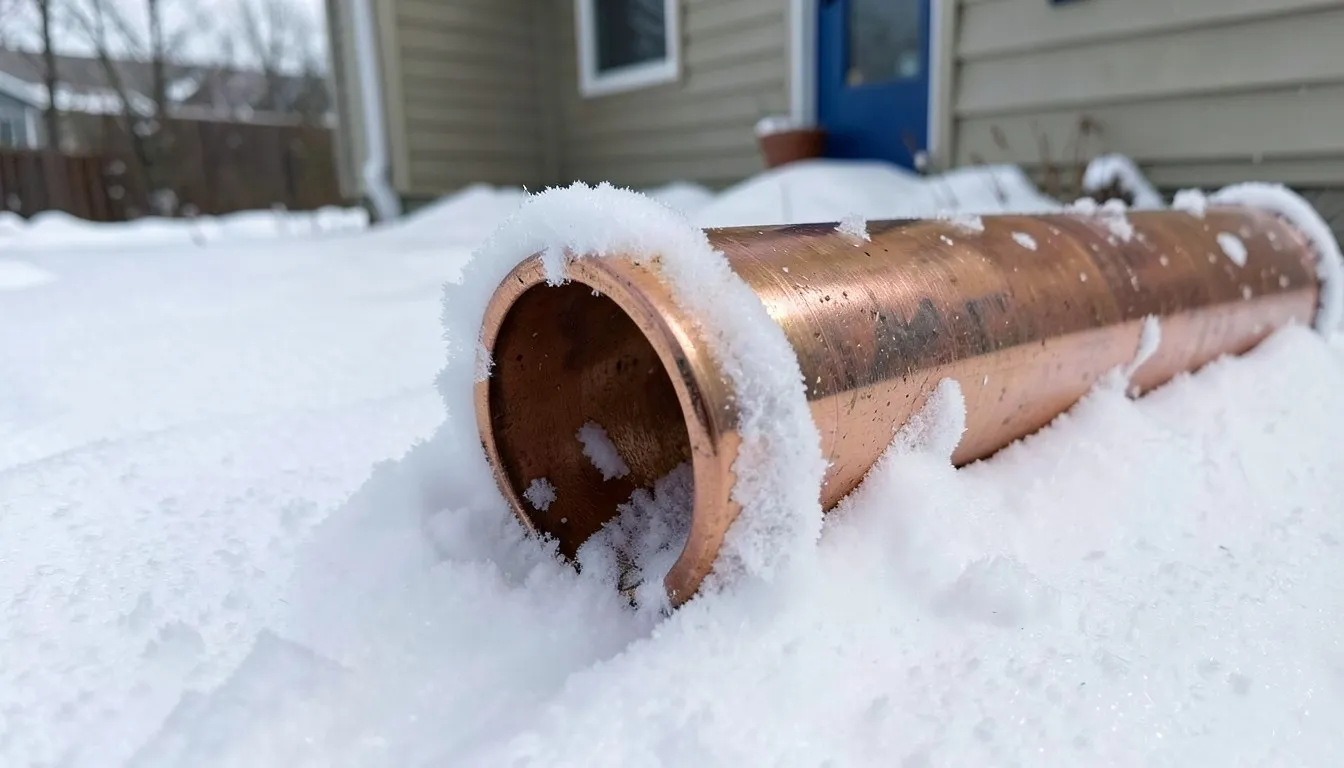
The fix gets cheaper the sooner a plumber sees it.
Degradation problems compound quietly. Call now, or use the form below and a licensed Nevada plumber calls you back with a no-obligation estimate for the sewer line repair.
Request a sewer line repair callback in Reno
In a meeting, with the kids, or just prefer not to hold? Drop your ZIP and number below. AlertPlumber routes your request to a verified plumber in your area — they’ll call you back directly.
- 1 Submit your info. ZIP, phone, and what kind of work you need.
- 2 AlertPlumber matches you with a verified plumber serving your area.
- 3 The plumber calls you back with a written estimate, no obligation.
Sewer Line Repair in Reno — catch it early
Degradation-driven failures worsen over time and cost more to fix the longer they run. A verified NV plumber in Reno diagnoses your specific condition and provides a written scope before any work begins.