
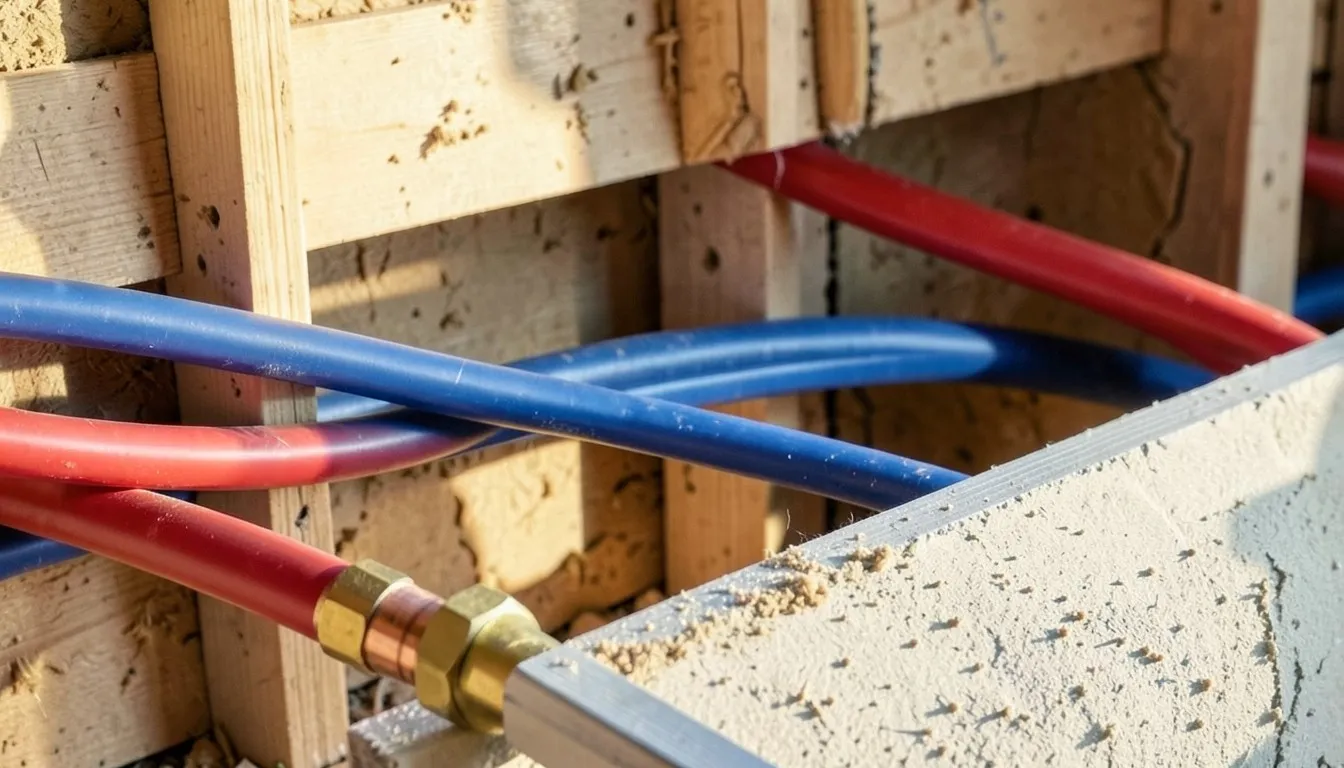
Whole-Home Repipe in Palo Alto, California
Whole-Home Repipe in Palo Alto, California replaces old galvanized or polybutylene plumbing with PEX or copper. Local conditions in Palo Alto: a 0 in. frost line and a median home age of 63 years.
Permitted, inspected, documented — ask for the permit and the license number before Palo Alto work starts.
What does the local plumbing data show for Palo Alto, CA?
Seeing these conditions at your place in Palo Alto? Describe them on the call to a state-licensed local plumber — free, no obligation.
What are the pipe conditions in Palo Alto, CA?
Whole-house repipe in Palo Alto typically takes 2–4 days: the plumber runs new lines through wall cavities, connects at fixtures, and performs a pressure test before drywall is patched. The primary decision is material — copper is the long-term standard for durability and water chemistry compatibility; PEX is faster to install, flexible in tight cavities, and resistant to freeze-thaw stress. Palo Alto's housing stock age and local water chemistry should drive the material choice, not cost alone. AlertPlumber routes your call to an independent California-licensed plumber — ask for a full pipe assessment before any materials are ordered.
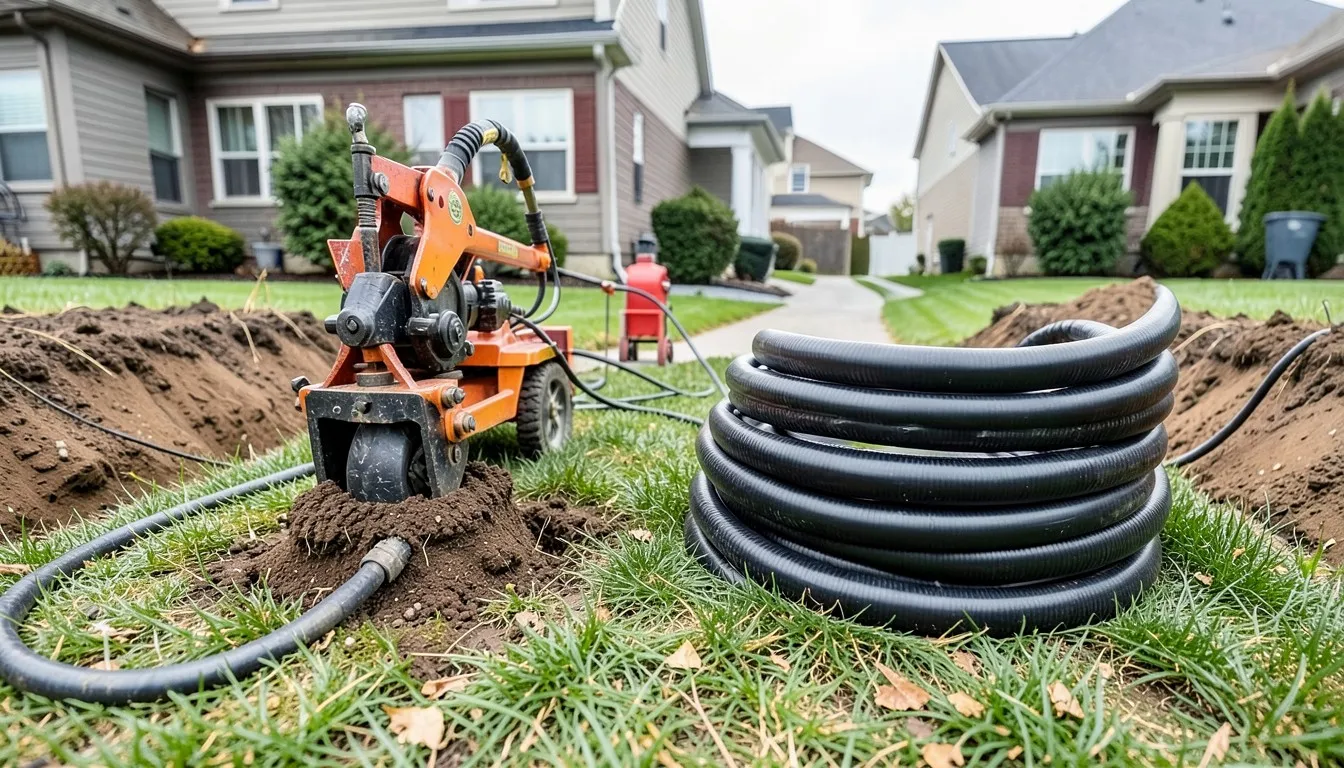
Palo Alto's housing stock spans multiple construction eras — median home age 63 years — meaning pipe materials and failure modes vary significantly by neighborhood and building vintage. An inspection-led approach that confirms pipe material before recommending a service path is standard practice for mixed housing profiles. Homes of other eras in Palo Alto may have galvanized pipe, copper pipe or polybutylene supply lines instead; ask the plumber which your home has.
- Median home age
- 63 yrs
- Frost line
- 0 in.
Census housing age, Palo Alto city, California: median year built 1963; 46.7% of homes built before 1960, 70% before 1980. Source: U.S. Census Bureau, ACS 2020–2024 5-year estimates, tables B25034 and B25035, read 2026-09-30.
Mention these conditions when you describe the symptom to the CA plumber you reach.
What shapes plumbing demand in Palo Alto, CA?
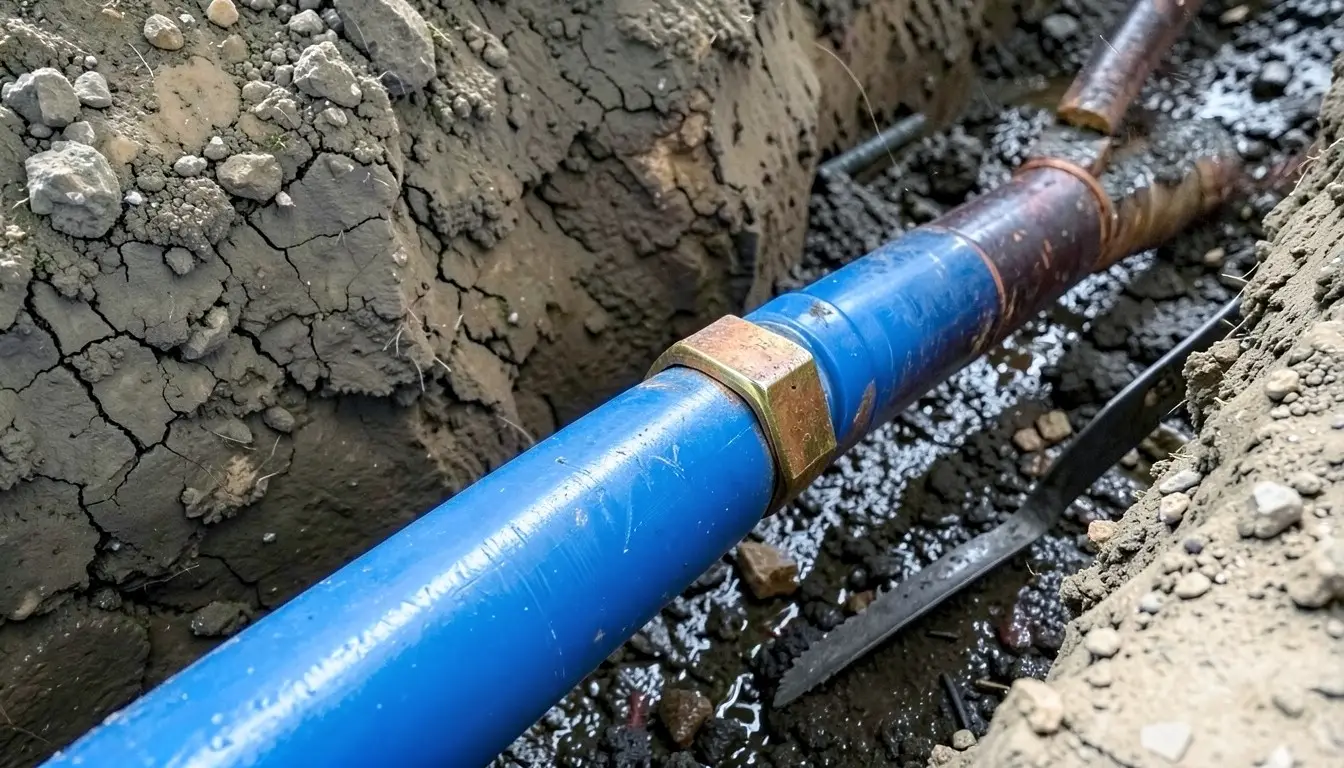
1950s–70s copper supply is now 50–70 years into its service cycle in Palo Alto. Thermal fatigue at fittings and slab-on-grade access complexity — common in Sun Belt construction — make repair vs. replacement a live decision on most jobs. This housing cohort is the active primary replacement wave in this market.
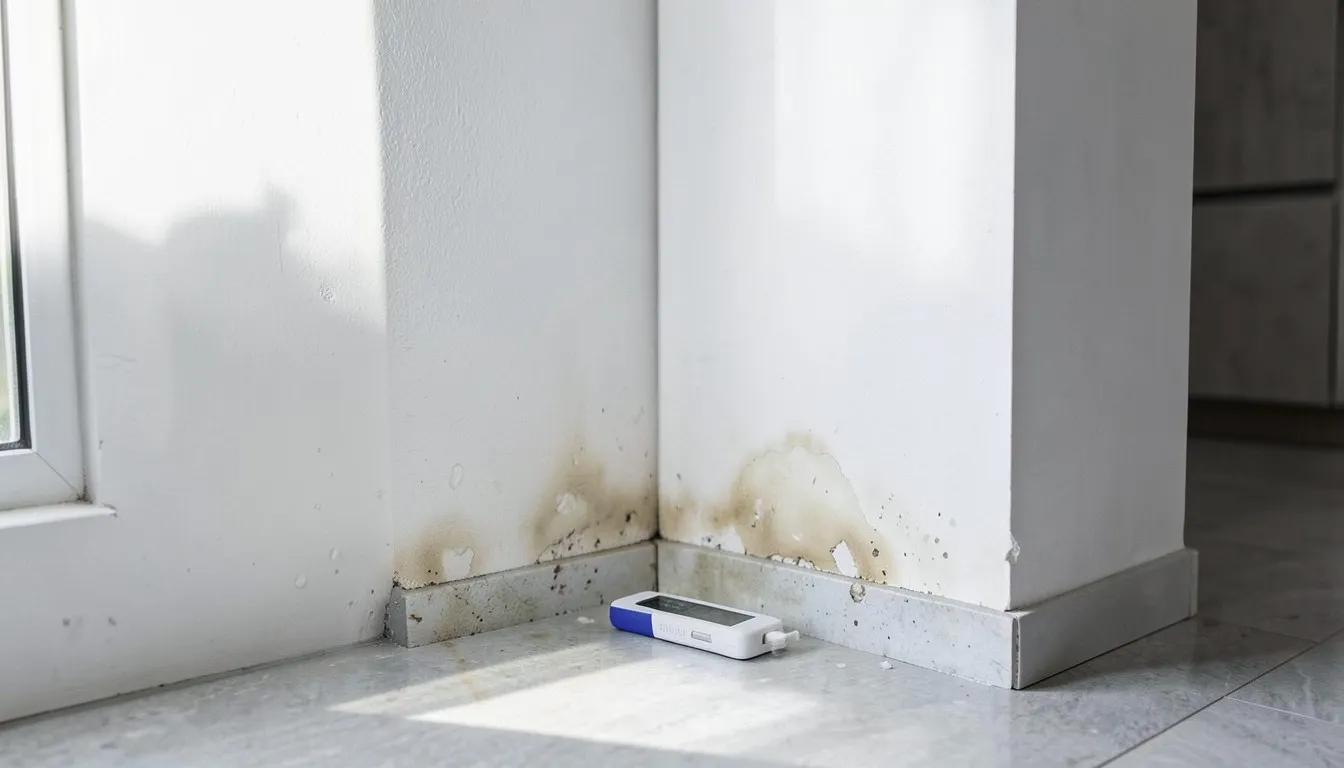
Soft, slightly acidic water in Palo Alto is corrosive to copper pipe and solder joints — the opposite failure pattern from hard-water markets. Pinhole failure at fittings and elbows is the dominant non-emergency repair category. Anode rods also deplete faster in soft water, shortening effective tank life without timely replacement.
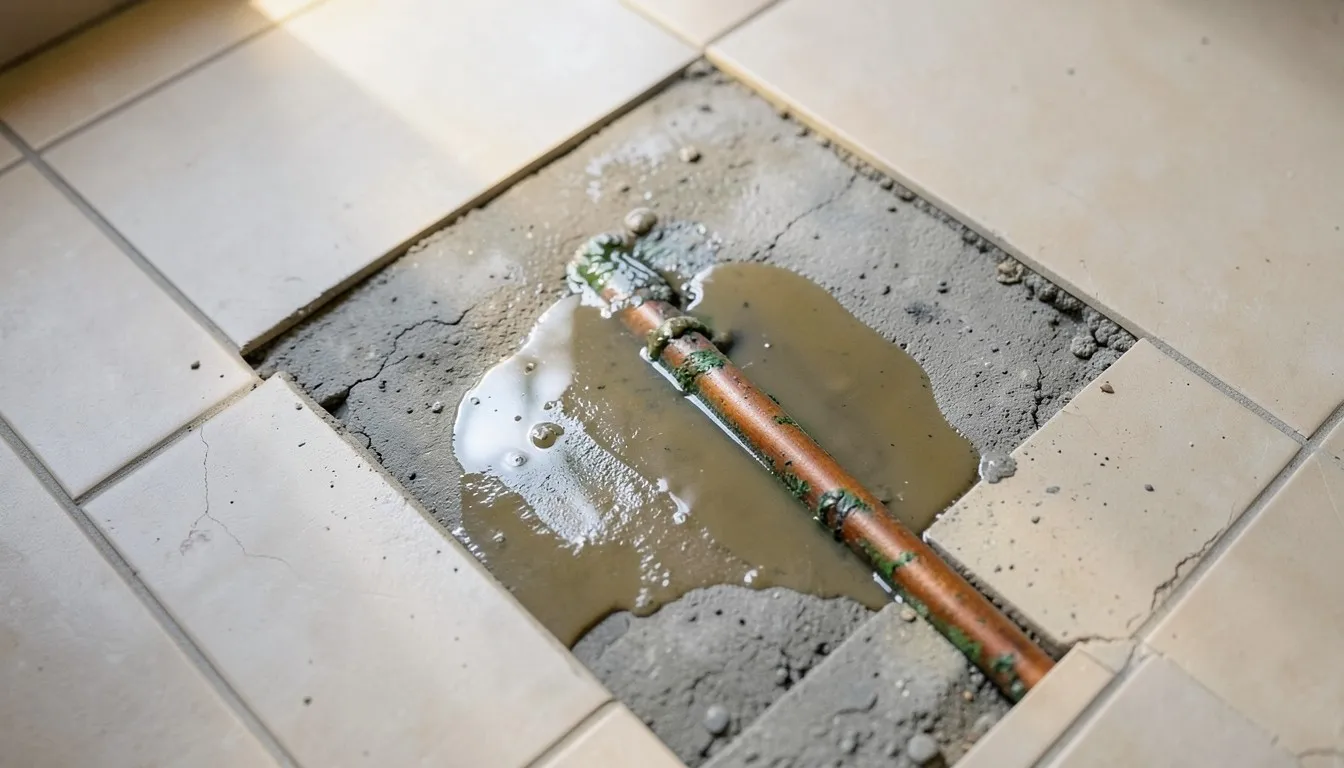
Summer heat above 95–115°F in Palo Alto keeps sediment in suspension inside tank water heaters — accelerating element failure instead of allowing sediment to settle and flush. Attic-mounted supply lines face diurnal thermal stress year-round. Root intrusion concentrates around irrigated landscaping rather than distributing evenly across the full sewer lateral path.
How does permit-required work run in Palo Alto, application through certificate?
The California contractor prepares the permit application — drawings, specifications, contractor license number (ask for it) — and submits it to the Palo Alto building department. Issuance typically takes 3–10 business days. No construction begins until the permit is in hand.
Once Palo Alto issues the permit, the contractor notifies affected utilities — gas, water, electrical — as required by the permit scope. Work follows the approved drawings; any scope change requires an amended permit before that portion starts.
The contractor schedules the final inspection with the Palo Alto building department inspector. After sign-off, a certificate of completion is issued. All permit documentation is filed with the city; you receive copies for home records and future property disclosure.
Whole-Home Repipe cost calculator — Palo Alto
Pre-filled for whole-home repipe in Palo Alto. Adjust the ZIP for a neighboring area, or change the service to compare. Calculator pulls from the city's scraped permit-fee + state plumber-density data.
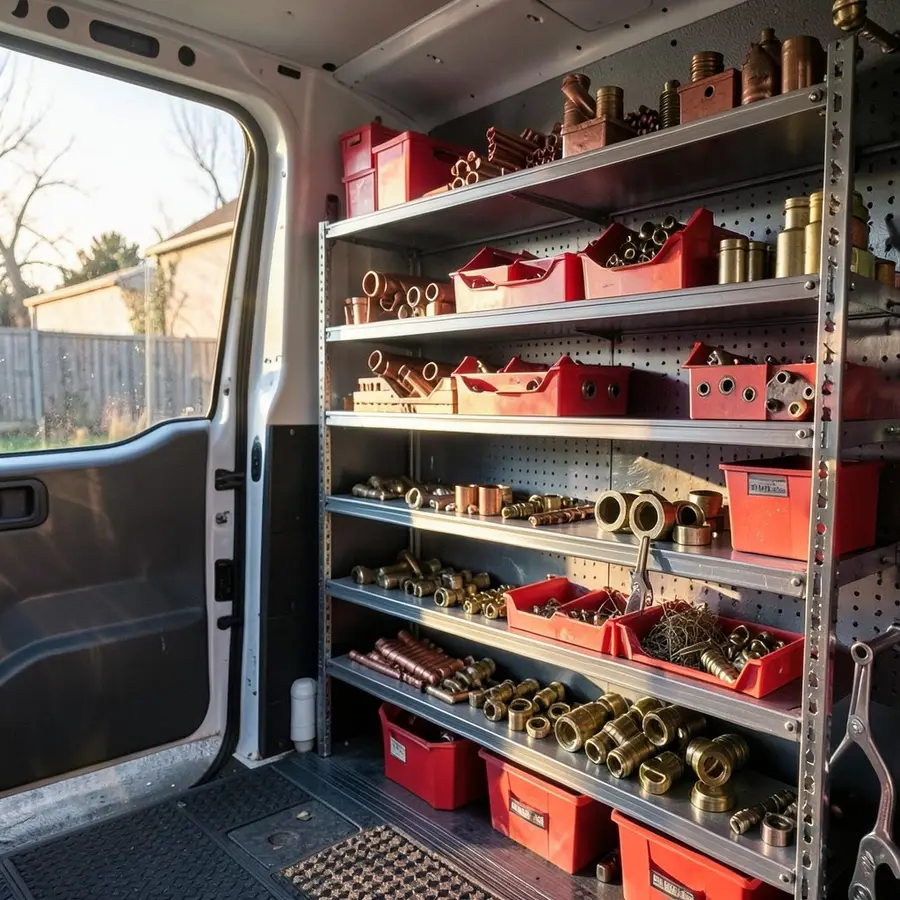
Whole-Home Repipe in Palo Alto — permitted work protects your home’s value.
Unpermitted plumbing affects insurance claims and resale disclosures in California. Ask the California plumber you reach which permits your address needs.
What else do people ask about whole-home repipe in Palo Alto?
How do I know if my Palo Alto home needs a full repipe?
The highest-risk pipe materials: galvanized steel (orange/brown discolored water, reduced pressure throughout the house, corrosion visible on exposed sections), polybutylene (grey flexible plastic, installed 1978–1995, known to crack from chloramine exposure in treated municipal water), and lead pipe (homes built before 1930 with grey or dull silver pipes). Additional indicators for any material: recurring pinhole leaks at multiple locations within 12–18 months, persistent low pressure that doesn't improve with fixture cleaning, and brown staining that returns at fixtures after cleaning.
PEX vs. copper — which is better for a whole-home repipe?
PEX-A (cross-linked polyethylene, Uponor type) is the dominant choice for residential repiping today: flexible (reduces the number of fittings needed), freeze-resistant (expands rather than splitting at 32°F), compatible with push-fit and expansion fittings, and CPVC-compatible. Copper remains the premium choice in very soft or aggressive-water markets where long-term PEX chemical compatibility is a concern, and in high-temperature applications. Both carry 25-year manufacturer warranties when properly installed. PEX-A is typically 20–30% less expensive in total installation cost due to fewer fittings and faster installation.
How long does a whole-home repipe take in Palo Alto?
A single-story 3-bedroom home with accessible walls takes 2–3 days for PEX installation. A two-story home or a home with difficult access (slab-on-grade, finished basement, tile over all plumbing walls) takes 3–5 days. The timeline includes: opening access at each rough-in point, running new distribution lines, reconnecting all fixtures, pressure testing, and patchwork inspection. Drywall patching and painting is a separate scope, typically done by a different contractor after the plumber closes out the permit.
Does a repipe actually improve water pressure?
Almost always, yes — significantly. Galvanized pipe corrodes from the inside, and the corrosion layer narrows the pipe bore progressively over 30–50 years. A ¾-inch galvanized supply line can effectively narrow to ¼-inch bore after decades of scaling, cutting pressure and flow dramatically. New PEX-A or copper maintains full interior bore indefinitely. Most homeowners report noticeably improved pressure and faster hot-water delivery within the first week after repipe. It also frequently resolves "low cold pressure when someone showers" problems caused by restricted cross-section in undersized corroded lines.
What permits and inspections does a whole-home repipe require?
A plumbing permit is required in all jurisdictions for a whole-home repipe. The city inspector visits for a rough-in inspection (before walls are closed to view pipe routing and connection methods) and a final pressure test. Maintaining the permit documentation is important: it's required for resale disclosure, and some homeowners insurers offer premium reductions after a documented galvanized-to-PEX or lead-to-copper repipe. The plumber schedules all inspections and provides the closed permit record when the job is complete.
How does Palo Alto's water hardness (2–4 gpg) affect whole-home repipe?
Palo Alto water is very soft (2–4 gpg), so mineral scale is not a significant driver of whole-home repipe issues there. Corrosion-related problems (soft water can be slightly more aggressive toward copper over long periods) and age-related pipe deterioration are more common concerns in Palo Alto than hard-water scaling.
How does Palo Alto's median home age (63 years) affect whole-home repipe pricing?
Census data (American Community Survey) puts Palo Alto's median home age at 63 years. Age alone does not tell you what pipes a particular home has. Older homes may still have galvanized pipe, cast-iron drains or Orangeburg sewer laterals; homes built from the late 1970s to the mid-1990s may have polybutylene supply lines; and many homes of every age have been partly or fully repiped with copper pipe or PEX since. Ask the plumber what pipe materials your home has and whether they change the scope or the price of the job — a pipe material check is a reasonable part of a diagnostic visit.
What's the seasonal plumbing risk profile for whole-home repipe in Palo Alto?
Santa Clara County Bay Area tech hub, served by City of Palo Alto Utilities drawing from Hetch Hetchy and local groundwater at 2–4 gpg — unusually soft for Northern California. Soft but corrosive water accelerates copper corrosion through low mineral buffering, producing above-average pinhole failure rates in the 1950s–1970s Eichler and ranch housing stock. University Avenue and College Terrace neighborhoods have the highest concentration of aging copper supply in the city. Understanding the local call pattern helps set realistic expectations for plumber availability and response time during peak periods — during high-demand weeks, advance scheduling is advisable for non-emergency work.
What affects the cost of whole-home repipe in Palo Alto, CA?
Total linear footage, material choice (PEX vs. copper vs. CPVC), number of fixture connections, and permit inspection hold points drive cost at the high end. Foundation slab penetrations, finished-ceiling access, and drywall restoration are typically scoped separately. Footage and material are confirmed from a full-property walkthrough before quotes are issued. Ask the plumber for a written estimate covering price, scope, and permit requirements before any work begins.
How do I check a plumber's license in California?
AlertPlumber does not license, vet or employ plumbers; calls are connected to independent local plumbers in our partner's network. Before work begins, ask the plumber for their California license number and look it up on the California licensing board's public database — it shows current standing, including any recent disciplinary actions, renewals, or lapses. Bonding, liability-coverage and continuing-education rules vary by state; ask for proof of insurance as well.
Does AlertPlumber charge a fee for connecting me with a plumber in Palo Alto?
AlertPlumber does not charge homeowners. AlertPlumber is paid a referral fee by its routing partner for qualifying calls — it is not an added charge to you. Ask the plumber for a written price before any work begins; if the quote doesn't fit your situation, you can decline at any point.
Asking for a written quote costs you nothing. Guessing costs you the job.
The form below takes under a minute — it goes to an independent California plumber in our partner's network; ask them to scope the whole-home repipe and put the quote in writing.
Need a whole-home repipe callback in Palo Alto?
In a meeting, with the kids, or just prefer not to call? Drop your ZIP and number below. AlertPlumber sends your request to our routing partner — if a participating plumber serves your area, they may call you back directly. For anything urgent, call the number on this page.
- 1 Submit your info. ZIP, phone, and what kind of work you need.
- 2 AlertPlumber passes it on to our routing partner for your area.
- 3 If a participating plumber serves your area, they may call you back. Ask for a written estimate before work starts.
Whole-Home Repipe in Palo Alto — compliant installation
Permitted whole-home repipe protects your home's resale value and keeps insurance claims defensible in California. Ask your licensed plumber for their license number, who pulls the required permits, and a written scope before work starts.