
Whole-Home Repipe in Longmont, Colorado
Whole-Home Repipe in Longmont, Colorado replaces old galvanized or polybutylene plumbing with PEX or copper. Local conditions in Longmont: water measured at 12 gpg, a 14 in frost line and a median home age of 40 years.
Permitted, inspected, documented — Longmont work done right the first time by a licensed CO plumber.
What does the local plumbing data show for Longmont, CO?
Seeing these conditions at your place in Longmont? A state-licensed plumber can confirm it over the phone — free, no obligation.
What are the pipe conditions in Longmont, CO?
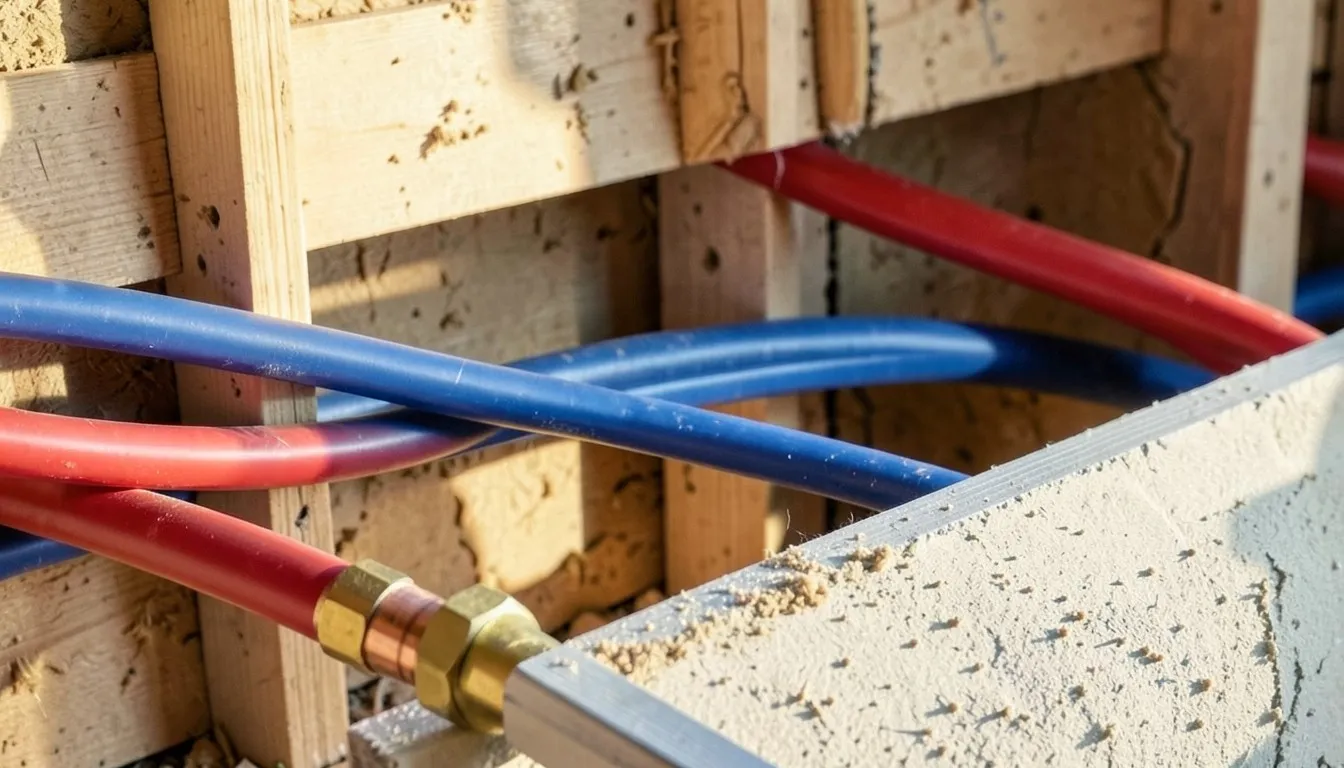
Whole-house repipe in Longmont typically takes 2–4 days: the plumber runs new lines through wall cavities, connects at fixtures, and performs a pressure test before drywall is patched. The primary decision is material — copper is the long-term standard for durability and water chemistry compatibility; PEX is faster to install, flexible in tight cavities, and resistant to freeze-thaw stress. Longmont's housing stock age and local water chemistry should drive the material choice, not cost alone. AlertPlumber routes your request to a Colorado-licensed plumber for a full pipe assessment before any materials are ordered. Freeze events and frost-depth requirements add pipe insulation, exterior faucet winterization, and burst-risk assessment to service calls in this climate.
Longmont's housing stock spans multiple construction eras — median home age 40 years — meaning pipe materials and failure modes vary significantly by neighborhood and building vintage. An inspection-led approach that confirms pipe material before recommending a service path is standard practice for mixed housing profiles.
Very hard water in Longmont is a primary driver of accelerated appliance failure: water heater anode rods exhaust in 2–3 years instead of 6–8, scale deposits at fixture connections form within months of installation, and tankless heat exchangers accumulate mineral buildup that can reduce lifespan by half without regular descaling. A softener or whole-house conditioner is strongly recommended alongside any appliance service call.
Frost line depth in Longmont means supply lines and outdoor plumbing must be installed below the freeze threshold — typically 14 in — to prevent pipe burst during cold events. Exterior hose bibs, irrigation shutoffs, and any exposed pipe runs are the most common winterization service points in freeze-risk markets.
- Median home age
- 40 yrs
- Water hardness
- 12 gpg
- Frost line
- 14 in
- Permit
- $100
A licensed CO plumber reads these conditions the moment you describe the symptom.
What local infrastructure shapes Whole-Home Repipe in Longmont?
Builders set Longmont's original copper supply networks through the slab at construction, and a housing stock with a 40-year median age is now well into the documented pitting-corrosion window for that installation method. A whole-home repipe reroutes the interior distribution overhead or through wall cavities instead of re-entering the slab a second time.
At 12 grains per gallon, Longmont's water sits in the very-hard tier, and mineral-driven pitting inside embedded copper progresses faster at that concentration than on a moderate-hardness supply. Pinhole failures in this housing stock tend to cluster by construction era rather than surface as isolated events, since identical water chemistry acted on every run poured into the same foundation.
Arid regional conditions do not slow that corrosion process the way a wetter, softer-water climate might, so a repipe scope for this housing age typically treats the full interior supply system as a single aging unit rather than patching individual runs as they fail. Longmont's population of roughly 93,000 sits on the same municipal supply chemistry citywide, so the pitting timeline documented in one section of the original copper network generally applies across comparable construction from the same 40-year era.
What shapes plumbing demand in Longmont, CO?
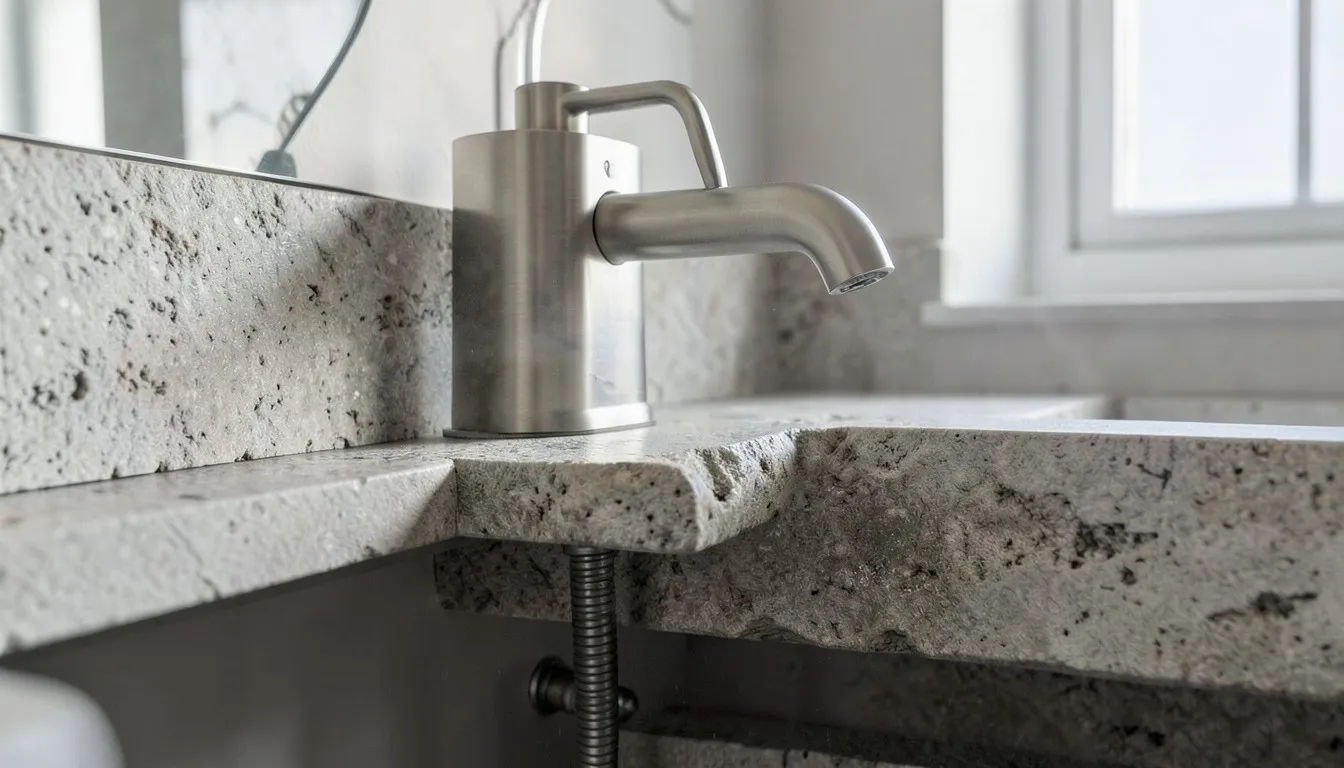
CPVC becomes brittle in the 20–35-year range and snaps under thermal stress or incompatible pipe dopes. Early PEX fittings (pre-2010) may develop chloramine compatibility issues at 15–25 years. The 1980s–1990s housing stock in Longmont is entering its first wave of material-driven service calls — not from neglect, but from normal service-life progression.
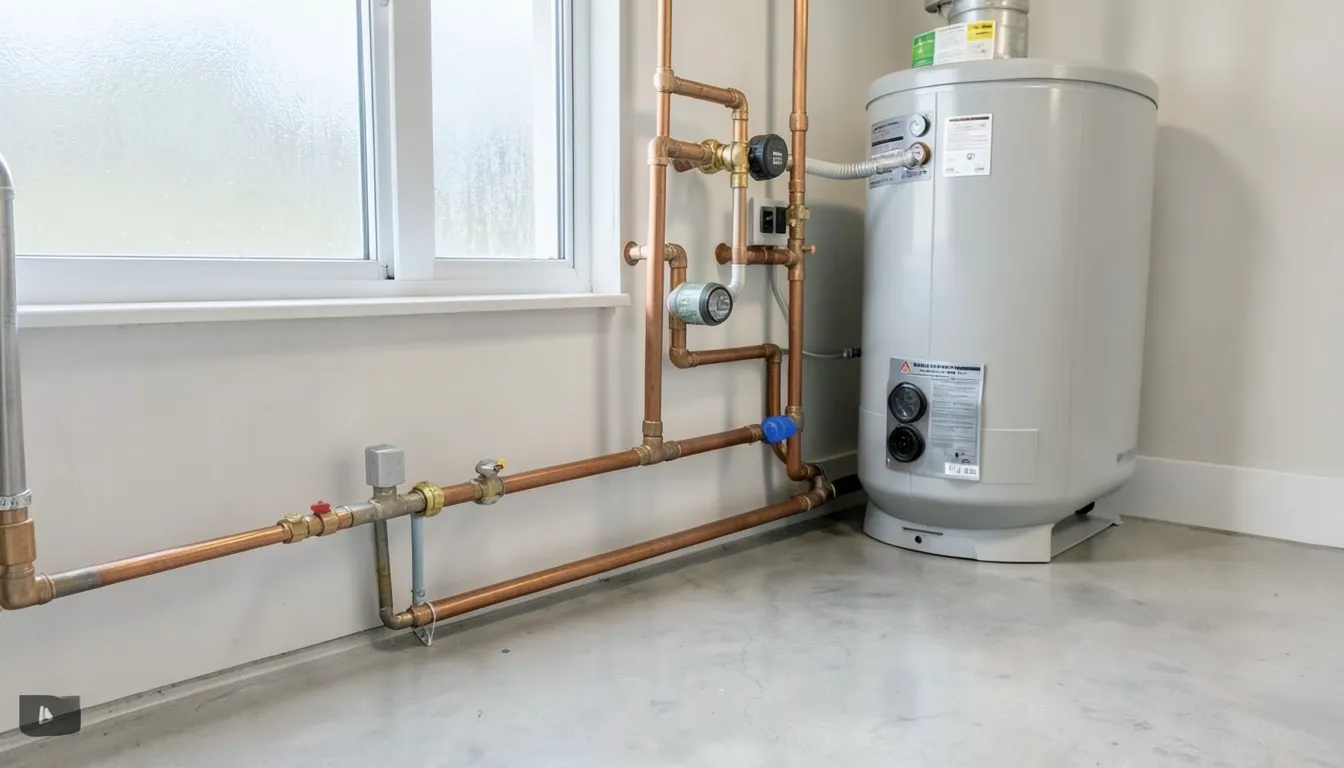
At 15–20+ GPG, calcium scale forces compressed equipment cycles in Longmont: tank heaters average 6–9 years vs. the 10–12-year national benchmark, and tankless units require annual descaling. Anode rods calcify within 12–18 months. Most plumbers here assess heater age against the local scale timeline — not the manufacturer's service life.
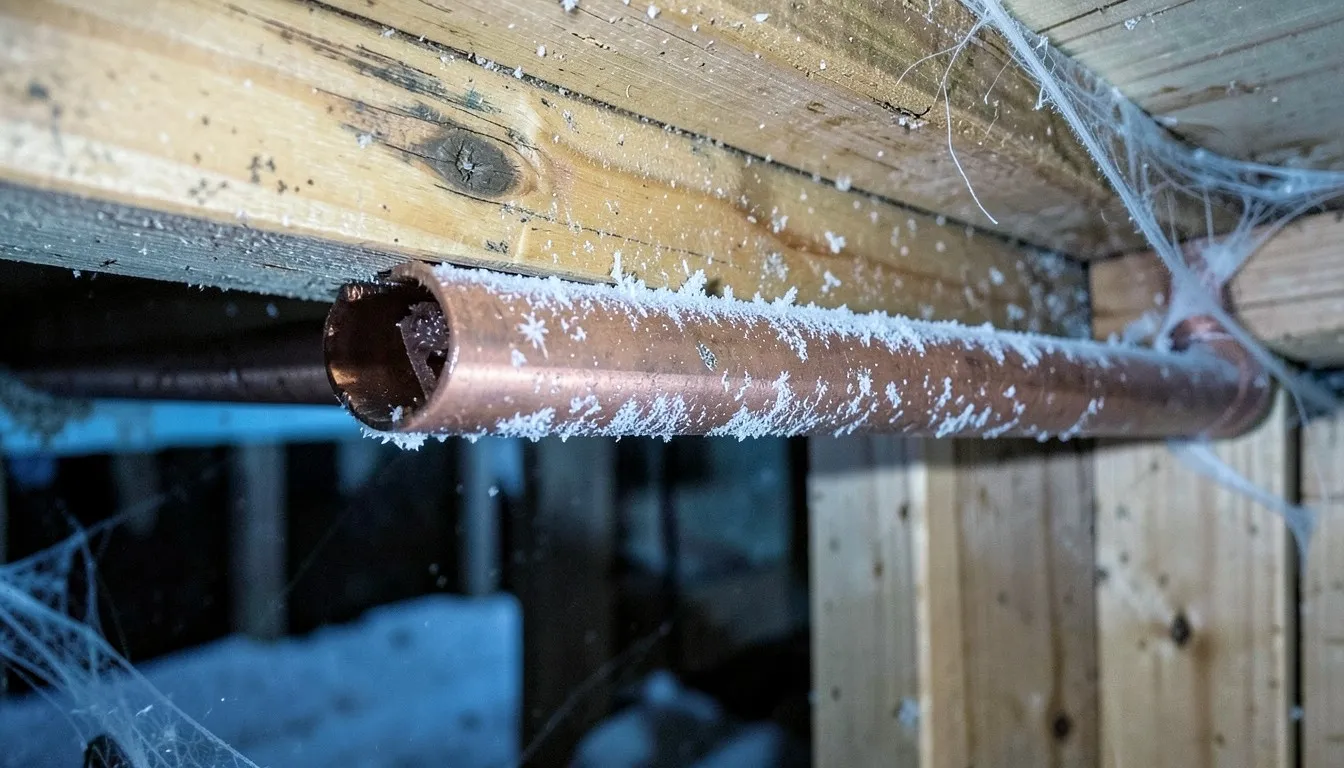
The primary surge in Longmont runs January–March, with a secondary wave at the spring thaw — when pipes that held through the freeze rupture as pressure is restored above 32°F. Scheduling competition peaks exactly when emergency calls are highest. Homeowners who wait for visible damage compete for the same limited plumber slots at the worst possible time.
How does permit-required work run in Longmont, application through certificate?
A Colorado-licensed contractor prepares the permit application — drawings, specifications, contractor license number — and submits it to the Longmont building department. Issuance typically takes 3–10 business days. No construction begins until the permit is in hand.
Once Longmont issues the permit, the contractor notifies affected utilities — gas, water, electrical — as required by the permit scope. Work follows the approved drawings; any scope change requires an amended permit before that portion starts.
The contractor schedules the final inspection with the Longmont building department inspector. After sign-off, a certificate of completion is issued. All permit documentation is filed with the city; you receive copies for home records and future property disclosure.
Whole-Home Repipe cost calculator — Longmont
Pre-filled for whole-home repipe in Longmont. Adjust the ZIP for a neighboring area, or change the service to compare. Calculator pulls from the city's scraped permit-fee + state plumber-density data.
Whole-Home Repipe in Longmont — permitted work protects your home’s value.
Unpermitted plumbing affects insurance claims and resale disclosures in Colorado. A licensed Colorado plumber calls back and confirms permit requirements for your address.
What else do people ask about whole-home repipe in Longmont?
How much does a whole-home repipe cost in Longmont, CO?
Whole-home repipe in Longmont runs $4,275–$17,100 depending on size and fixture count (national adjusted roughly 5% below national average). The CO DORA permit floor is $100. PEX runs 30–40% cheaper than copper for the same scope.
What triggers a repipe in Longmont — galvanized, polybutylene, or lead?
Longmont's 40-year median puts the stock in the 1978–1995 polybutylene (PB) install window. Gray PB pipe stamped "PB2110" fails at acetal fittings. Lead service lines are also a documented concern.
PEX or copper for a Longmont repipe?
Longmont's 12 gpg hard water accumulates scale on copper — PEX is the dominant repipe choice, being chlorine- and scale-resistant.
Do I need a permit for a Longmont repipe?
Yes — a CO DORA permit, rough-in inspection (before drywall), and final inspection. The permit floor is $100 plus per-fixture surcharges. The matched plumber pulls and schedules both inspections.
How long does a Longmont repipe take?
2–5 days for pipe work, 1–2 days for patching and final inspection — most Longmont repipes wrap in one week. Water is restored each evening so you can stay in the home.
Should I replace my Longmont lead service line during the repipe?
Longmont has ~1,000 known/suspected lead service lines. A repipe addresses interior supply only — service line replacement ($3,000–$8,000) is a separate job often coordinated with the city utility.
What changes about Longmont water quality after a repipe?
Most Longmont repipes off PB fix sudden-failure risk and eliminate plastic taste over time.
Will Colorado homeowners insurance cover a repipe?
Standard Colorado policies don't cover proactive repipes. They may cover damage from a sudden pipe failure subject to your deductible, but not the replacement pipe itself.
How do I know if my Longmont home has polybutylene?
Polybutylene is gray (sometimes silver or black) flexible plastic, 1/2"–3/4" diameter, stamped "PB2110." Check the supply lines at your water heater, behind toilets, and at the meter. Homes built or repiped 1978–1995 have the highest probability.
Are AlertPlumber-matched repipe contractors verified in CO?
Yes. Every repipe contractor matched through AlertPlumber in Longmont holds an active CO DORA license, plus manufacturer certifications for PEX and PEX-A systems.
A written quote costs you nothing. Guessing costs you the job.
The form below takes under a minute — a licensed Colorado plumber calls back, scopes the whole-home repipe, and quotes it in writing before anyone rolls a truck.
Need a whole-home repipe callback in Longmont?
In a meeting, with the kids, or just prefer not to hold? Drop your ZIP and number below. AlertPlumber routes your request to a verified plumber in your area — they’ll call you back directly.
- 1 Submit your info. ZIP, phone, and what kind of work you need.
- 2 AlertPlumber matches you with a verified plumber serving your area.
- 3 The plumber calls you back with a written estimate, no obligation.
Whole-Home Repipe in Longmont — compliant installation
Permitted whole-home repipe protects your home's resale value and keeps insurance claims defensible in Colorado. A licensed plumber pulls the required permits and provides a written scope before work starts.