
Emergency Leak Detection in San Francisco, California
Leak Detection in San Francisco, California locates hidden water and gas leaks using acoustic and thermal equipment. Local conditions in San Francisco: water measured at 1.0, a 0 frost line and a median home age of 86 years.
Camera first, quote second — know exactly what's wrong in your San Francisco home before you approve a dollar.
What does the local plumbing data show for San Francisco, CA?
Seeing these conditions at your place in San Francisco? A state-licensed plumber can confirm it over the phone — free, no obligation.
What are the pipe conditions in San Francisco, CA?
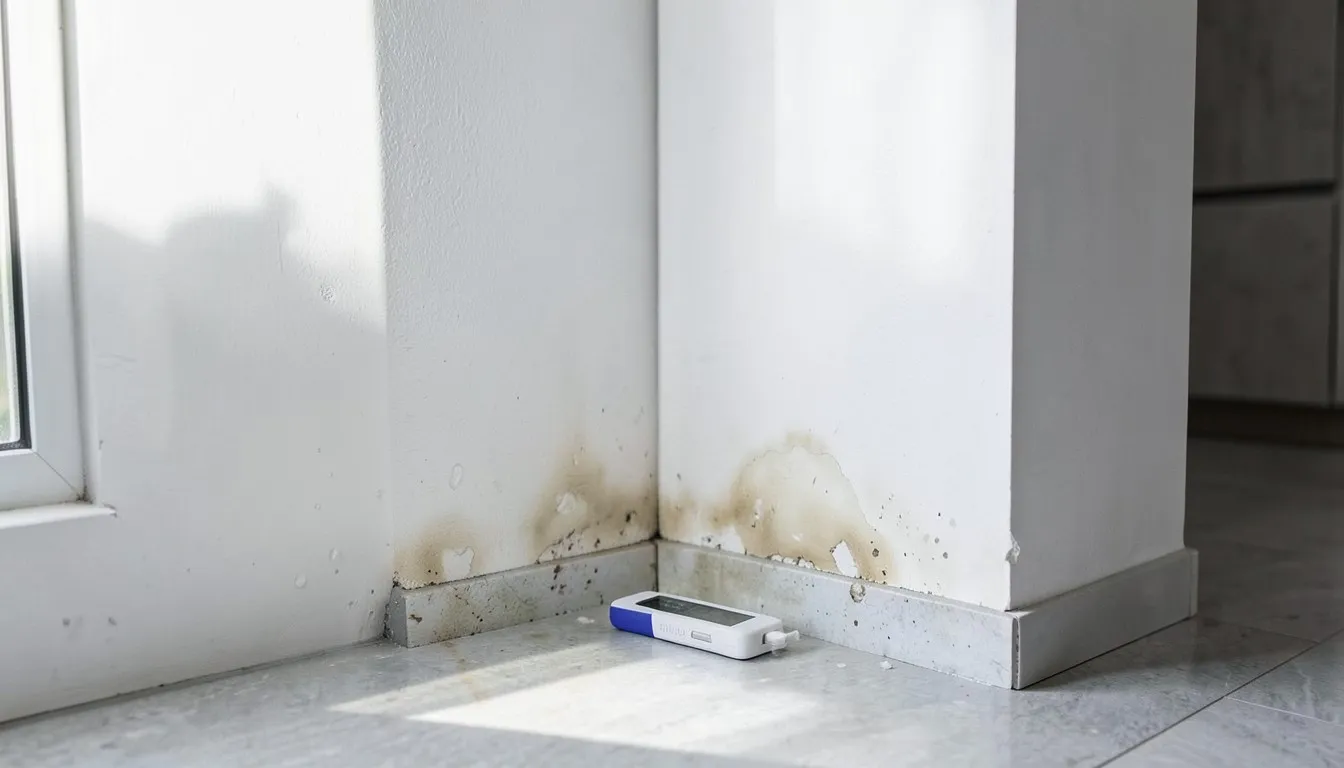
Non-invasive leak detection uses acoustic amplification, thermal imaging, and pressure isolation to locate water loss in supply lines and drain systems without opening walls or floors. San Francisco homes with galvanized or older copper supply runs face the highest pinhole leak incidence — a slow leak inside a wall cavity can cause mold and structural damage for months before becoming visible. A professional leak detection prevents unnecessary demolition by confirming the exact break location before any drywall is cut. AlertPlumber connects you with a California-licensed plumber who locates first and opens second.
Pre-war housing in San Francisco — median home age 86 years — commonly carries galvanized steel supply lines installed before the copper era. Galvanized pipe corrodes from the inside out: internal oxidation gradually narrows bore diameter, reduces water pressure, and eventually results in pinhole failure at corroded sections. Inspection confirms whether scale and corrosion warrant section replacement or full repipe.
- Median home age
- 86 yrs
- Water hardness
- 1.0 gpg
- Frost line
- 0 in.
- Permit
- $285
A licensed CA plumber reads these conditions the moment you describe the symptom.
What local infrastructure shapes Leak Detection in San Francisco?
Pre-war housing stock averaging 86 years of age here was originally plumbed with galvanized steel supply lines that were standard practice before mid-century copper adoption. SFPUC Hetch Hetchy water measures approximately 1 grain per gallon — exceptionally soft — a chemistry profile that is actually corrosive to galvanized pipe because the lack of dissolved calcium means no protective scale layer forms inside the bore.
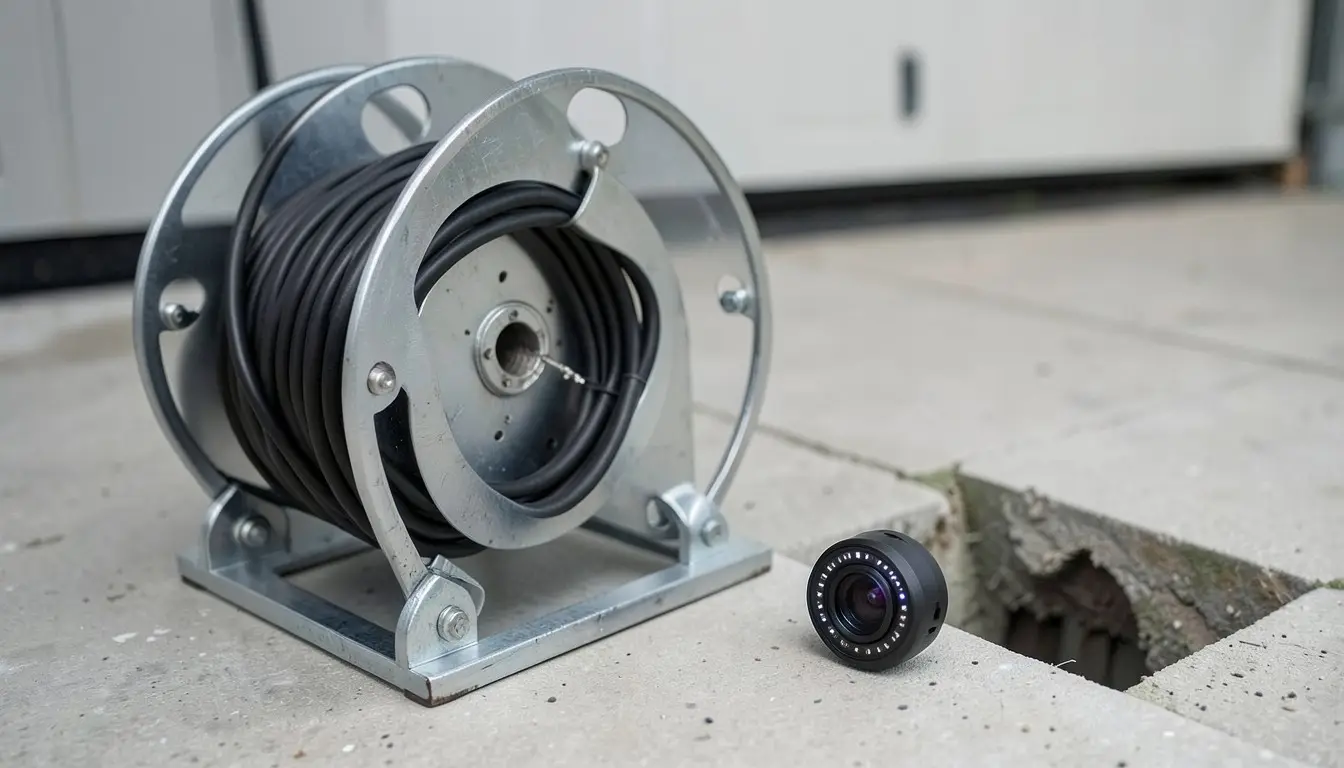
Camera inspection of galvanized supply runs distinguishes bore constriction from zinc oxidation deposits versus an active water-loss pinhole at a threaded joint — two conditions that produce similar pressure symptoms but require different responses. Tracer gas testing can supplement camera inspection for inaccessible supply sections running through wall cavities, confirming active water loss before exploratory opening of plaster walls. Acoustic sensing applied to galvanized runs requires baseline calibration against typical scale-turbulence noise to avoid false positives from flow restriction masquerading as leak signatures.
San Francisco requires a $285 permit for detection and repair work — the highest fee in this dataset — reflecting the Department of Building Inspection's permit administration overhead in a high-volume building market. Post-repair pressure testing is required before closing walls or slabs, with a licensed contractor of record. Seismic retrofit requirements under existing ordinances mean many pre-war structures have had foundation work in recent decades, which can shift galvanized supply connections at crawlspace penetrations and create new leak sites independent of long-term corrosion.
What shapes plumbing demand in San Francisco, CA?
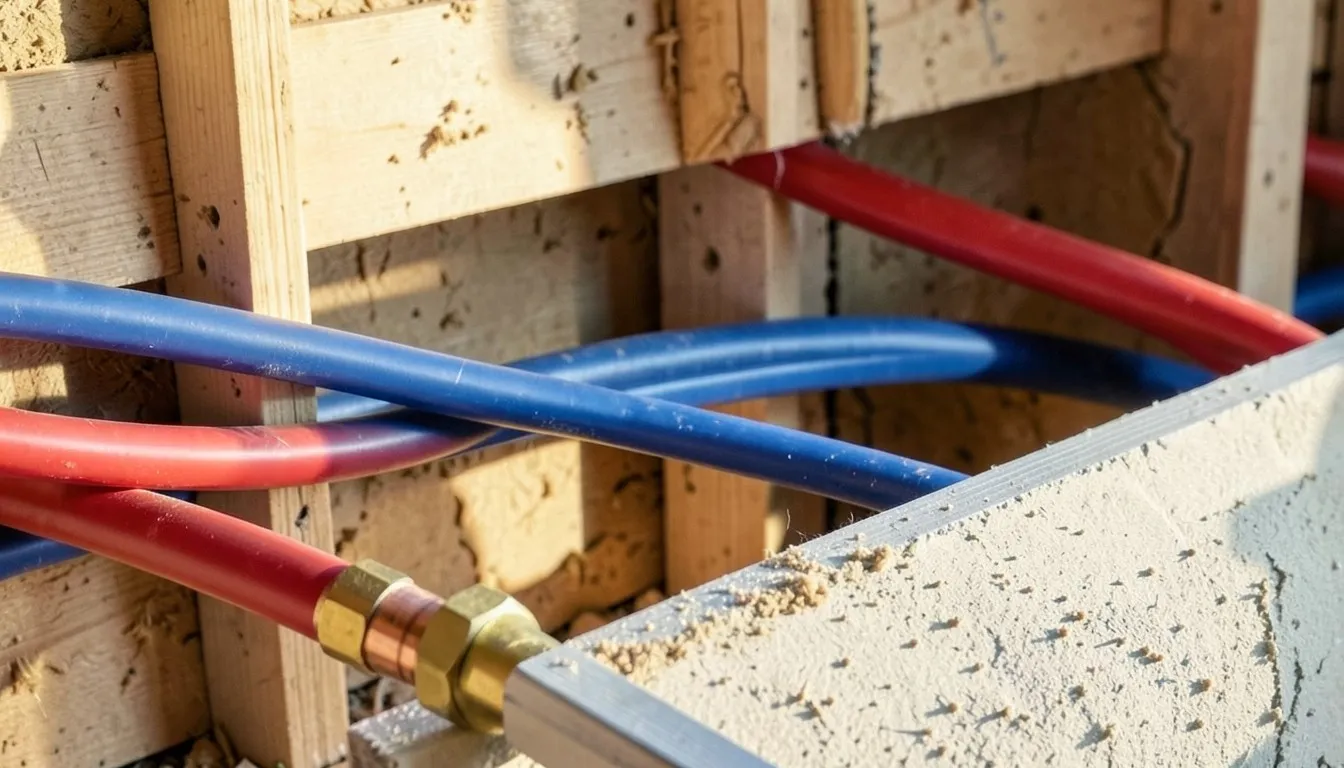
Galvanized supply lines and cast iron drain systems from the 1880s–1940s are past their 40–70-year design life across much of San Francisco. Interior rust scale progressively narrows pipe bore. Plumbers here routinely scope supply lines before quoting any repair — the underlying pipe condition often makes full replacement more cost-effective than patching.
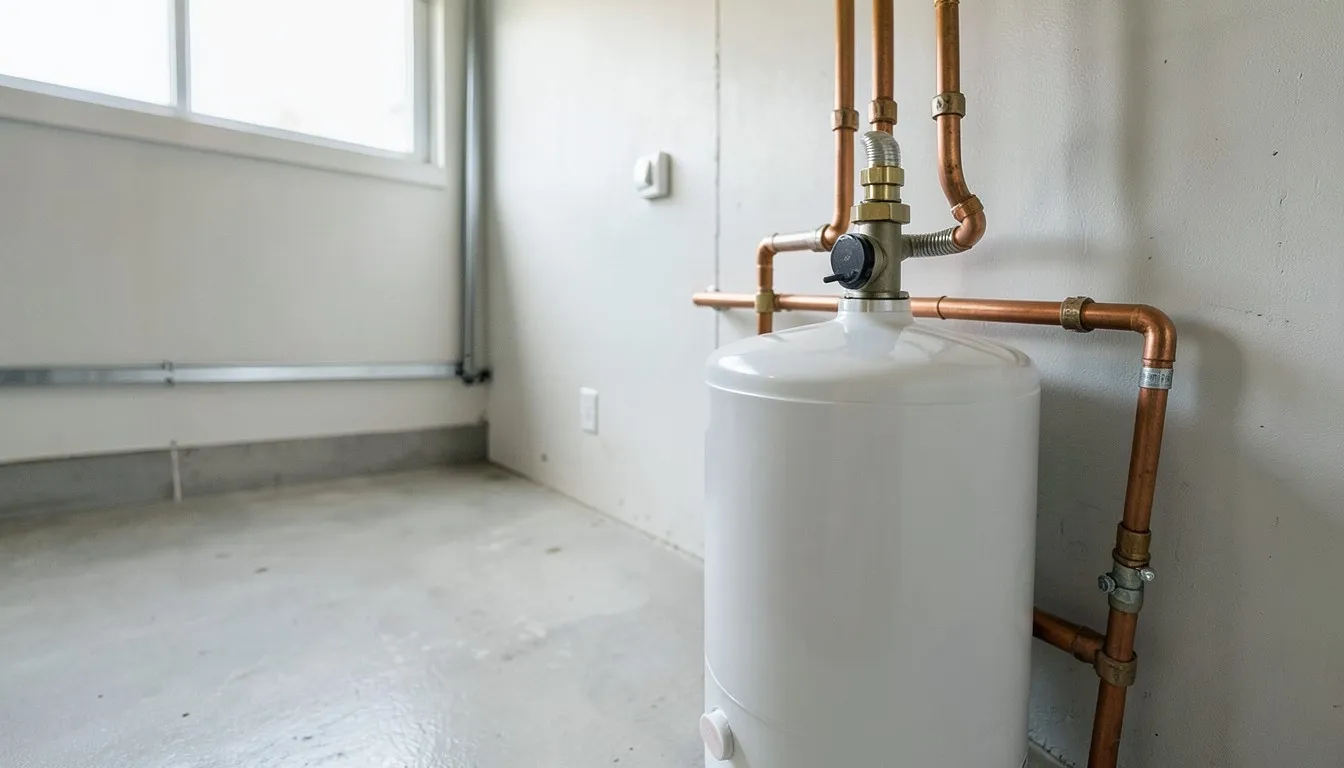
Soft, slightly acidic water in San Francisco is corrosive to copper pipe and solder joints — the opposite failure pattern from hard-water markets. Pinhole failure at fittings and elbows is the dominant non-emergency repair category. Anode rods also deplete faster in soft water, shortening effective tank life without timely replacement.
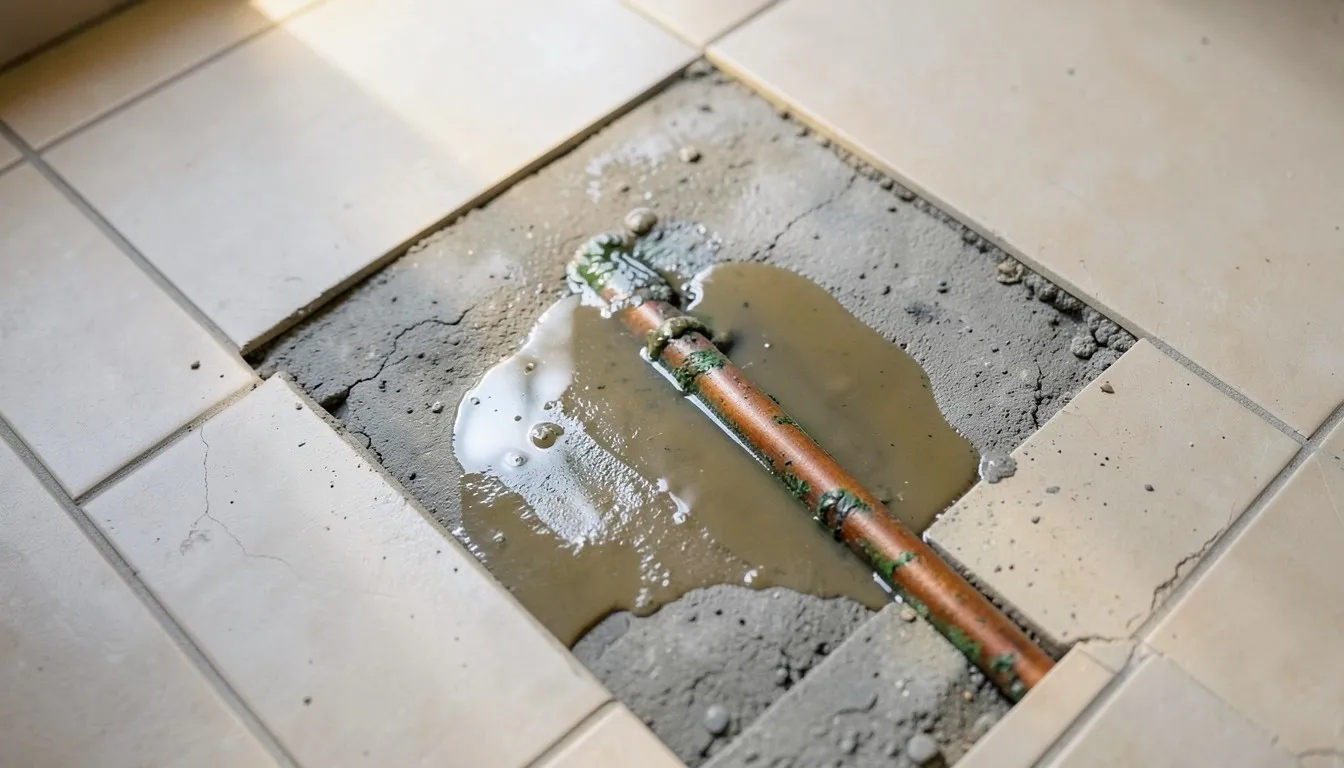
Summer heat above 95–115°F in San Francisco keeps sediment in suspension inside tank water heaters — accelerating element failure instead of allowing sediment to settle and flush. Attic-mounted supply lines face diurnal thermal stress year-round. Root intrusion concentrates around irrigated landscaping rather than distributing evenly across the full sewer lateral path.
Why diagnose before repairing in San Francisco?
Describe the symptom — not the repair. AlertPlumber routes to a CA-licensed plumber trained in diagnostics. The site visit uses camera tracing, acoustic detection, or hydrostatic pressure testing — matched to the reported failure type.
The plumber delivers a written diagnostic report: confirmed failure location, available repair methods, and tradeoffs — disruption level, material durability, long-term cost, and whether a San Francisco building permit applies to the selected method.
You select the repair path. The California-licensed plumber proceeds on the authorized method with a fixed scope and price. Where required, the permit application to San Francisco is handled by the contractor.
Leak Detection cost calculator — San Francisco
Pre-filled for leak detection in San Francisco. Adjust the ZIP for a neighboring area, or change the service to compare. Calculator pulls from the city's scraped permit-fee + state plumber-density data.
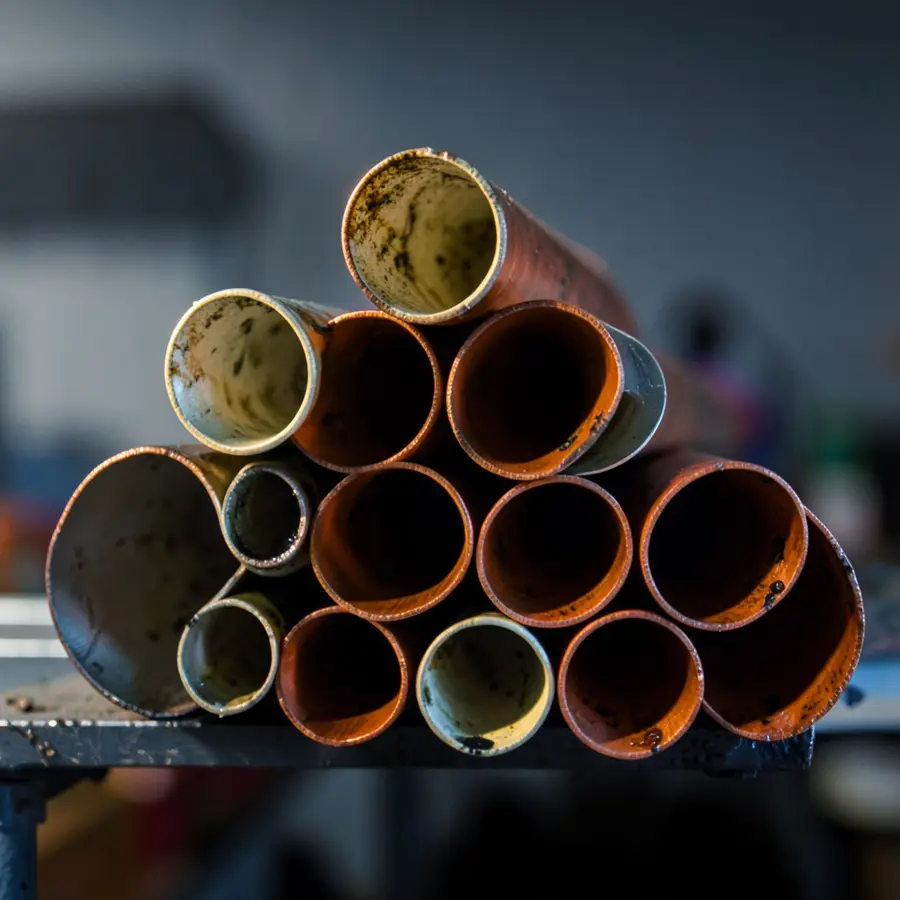
Leak Detection in San Francisco — the longer it runs, the more it costs.
Slow failures compound: soft pipe walls, root penetration, mineral buildup. A verified plumber calls back with a scope-first estimate before anything is dug up.
What else do people ask about leak detection in San Francisco?
How much does verified leak detection cost in San Francisco — Mission Edwardian or Marina row house?
For a San Francisco property — whether a 1910s Mission/Castro/Noe Valley Edwardian sitting on the post-1906-rebuild stock, a Pacific Heights or Russian Hill mansion, a 1930s Marina or Sunset row, or a SoMa/Mission Bay 2000s infill condo — non-destructive leak detection runs $275–$525 flat in 2026, billed before any repair scope is written. The walk-through covers FLIR T-series thermal sweep on the supply manifold, acoustic ground-mic correlation, static pressure-isolation across hot and cold legs, and a written moisture-map report formatted for a California HO-3 carrier. The detection fee typically credits against the repair invoice if the same crew on the matched CSLB C-36 license handles the cut. Repair itself is separate — Edwardian wall-cavity copper pinhole repair $425–$1,150, single 1906-rebuild crawlspace galvanized swap $1,650–$3,400, SoMa high-rise stack-line access $1,200–$2,800 with HOA coordination. The $285 + $190 plan-check SF DBI permit posts on the homeowner separately when the scope crosses pipe-replacement thresholds.
What hidden-leak symptoms should I watch for across Mission Edwardians, Marina rows, and SoMa infill?
San Francisco's three dominant housing eras throw distinct leak signatures:
- Mission/Castro/Noe Valley Edwardian + Victorian + post-1906-rebuild (1900s-1930s): warm spot on the original-fir flooring above a remodel-era copper run, faint hissing in lath-and-plaster walls during a 2 a.m. quiet window, brown halo bleeding through 90-year-old picture-rail trim, sediment in the kitchen aerator after a Hetch Hetchy pressure transient.
- Pacific Heights / Russian Hill / Nob Hill 1900s-1920s mansion: efflorescence on the basement granite, water stain on third-floor coffered ceilings tracing back to a roof-deck planter line, gurgling at a clawfoot drain when an upstairs vanity runs.
- Marina / Sunset / Richmond 1920s-1950s row + bungalow: bubble in the stucco at the hose-bib penetration, fog-driven mildew at north-facing baseboards (the Pacific marine layer keeps that wall cool nine months a year), meter low-flow dial creep with every fixture closed.
- SoMa / Mission Bay 2000s+ infill: downstairs neighbor reports a ceiling water stain, in-wall PEX manifold ticking on a thermal-expansion cycle, condensate pan overflow at a closet stack washer.
What detection sequence does a verified San Francisco plumber run on 1906-rebuild stock?
A credentialed crew working a Mission Edwardian or a Marina post-quake rebuild moves through the same disciplined sequence every time: (1) static pressure-isolation on the supply manifold at 80 psi for 15 minutes, hot leg and cold leg shut independently to prove which side is bleeding; (2) FLIR T-series thermal sweep across original-fir flooring, lath-and-plaster walls, and any post-1906 plaster patches — Pacific summer-fog moisture-mapping baseline matters here, more on that below; (3) acoustic ground-microphone correlation on the supply line through the rim joist or under the post-and-pier crawlspace; (4) electronic line-tracing to map the actual pipe route before any wall, plaster, or flooring is opened. San Francisco's 6-8 grain/gallon moderate Hetch Hetchy water plus an 86-year median build age means most leaks land at galvanized-to-copper transitions installed during 1950s-1970s upgrades. copper.org documents that pinhole pattern across moderate-hardness municipal water systems.
Will a California HO-3 policy cover San Francisco leak detection on a San Andreas-zone property?
A standard California HO-3 covers the detection workup and tear-out access when the underlying failure is "sudden and accidental" — a pinhole letting go on a Pacific Heights 1920s copper riser, a thermal-expansion crack on a SoMa PEX manifold, a Marina hose-bib silcock that froze on one of San Francisco's two annual freeze nights and split overnight. Gradual seepage over months is excluded as wear-and-tear. The harder layer in San Francisco: the city sits directly on the San Andreas Fault and shares the broader Bay Area seismic frame with the Hayward Fault to the east — earthquake-driven pipe shear is excluded from base HO-3 and only picks up under a separate California Earthquake Authority rider. If a tremor cracked the supply line, that's the rider's claim, not the HO-3's. A written moisture-map and pressure-test report from a verified CSLB C-36 plumber distinguishing pinhole corrosion from seismic shear is what gets the right policy to pay.
How do SFPUC Hetch Hetchy water bills expose a hidden leak?
The San Francisco Public Utilities Commission (SFPUC) meters every gallon of unfiltered Hetch Hetchy surface water that crosses the property line — the system pulls from the Sierra Nevada and runs largely unfiltered under the 1913 Raker Act exemption confirmed by EPA SDWA. At the 2024 SFPUC rate of $11.85 per 1,000 gallons, a Mission Edwardian pinhole leaking 90-150 gallons per day under 65 psi line pressure adds 2,700-4,500 gallons per month — $32-$54 on the water side plus a matching wastewater charge that pushes total monthly damage past $70-$110. Two consecutive billing cycles 20%+ above the household's twelve-month rolling average is the standard threshold for ordering detection. Pull six months of SFPUC bills off the online portal before the appointment — that timeline anchors a California HO-3 claim and the verified plumber's moisture-map report side by side.
Can a Sunset or Richmond row-house owner narrow a leak before calling?
You can confirm a leak EXISTS without a plumber on most San Francisco housing stock. Shut every fixture in the row house — kitchen, bath, laundry, exterior hose-bibs at the Sunset side-yard and Richmond garage, irrigation if you have a postage-stamp front yard. Walk to the meter, watch the low-flow triangle on the SFPUC dial for fifteen minutes. Any movement with the house dark means water is escaping somewhere on the supply side. Then narrow hot vs cold: shut the cold-water main feed at the water heater, watch the meter another fifteen minutes; if it stops, the leak is on the cold leg. What you cannot do reliably from a Sunset or Richmond row: LOCATE the leak through 1930s lath-and-plaster, original Douglas-fir subfloor, or a stucco exterior wall the Pacific marine layer has been wetting nightly for ninety years. Consumer FLIR phone attachments can't separate a real warm anomaly from sun-warmed stucco. Leave the locate to a verified plumber with a calibrated T-series camera.
Why does 1906-earthquake-rebuild housing stock complicate leak detection in SF?
The 1906 earthquake and three-day fire wiped out roughly 80% of the city's pre-quake plumbing inventory. The rebuild that followed — Mission, Castro, Noe Valley, Hayes Valley, the Western Addition — went up fast on tight lots with post-and-pier crawlspaces, redwood mudsills, and original galvanized steel supply runs that have now been in the ground 115-120 years. Half of those properties saw partial copper repipes in the 1950s-1970s, leaving live galvanized-to-copper dielectric transitions buried in plaster walls or under the kitchen tile. Those transitions are where 6-8 gpg moderate Hetch Hetchy water bites first — galvanic corrosion, slow weep, eventual pinhole. Add the foundation context: post-1906 buildings often sit on shallow brick-and-mortar foundations with exposed plumbing in unconditioned crawlspace, which means a leak's water travels along a redwood mudsill before showing up two rooms away as a wet baseboard. A verified plumber working SF specifically traces the post-1906 transition geography first, before opening any wall.
How does FLIR thermal work in San Francisco's Pacific summer-fog moisture environment?
San Francisco runs a different moisture-mapping baseline than San Diego or anywhere inland — the Pacific marine layer pushes year-round summer fog over the western and central neighborhoods (Sunset, Richmond, Twin Peaks, the Mission's western edge), per the local NOAA office at NOAA NWS Bay Area weather.gov/mtr. That fog drives a persistent 70-85% relative humidity at north-facing exterior walls nine months of the year. A FLIR T-series sweep on a Sunset row's lath-and-plaster wall has to be calibrated against that background — a verified tech baselines the dry interior partition first to get a reference delta, then sweeps the suspect wall. On a hot-side Edwardian copper leak the camera localizes to within a 12-18 inch radius about 85-90% of the time on the first scan; that drops to 70-75% on a cold-side leak in a fog-belt Sunset wall where the marine-layer-wet stucco and the leak both read cool. The verified workflow always pairs FLIR with acoustic correlation before anyone cuts plaster.
Should I order a system-wide pressure test on a Mission Edwardian or Pacific Heights mansion?
Yes — particularly if the property is in the 1900s-1930s post-1906-rebuild Edwardian/Victorian band or a Pacific Heights/Russian Hill/Nob Hill 1900s-1920s mansion that's already had one repair on the supply tree. A system-wide static pressure test runs $175-$310 in San Francisco and isolates every branch — main supply, hot manifold, cold manifold, exterior hose-bibs at the Mission backyard, irrigation drip if present — under 80 psi held for fifteen minutes per branch. Any branch that fails to hold flags a second weak spot before it becomes an emergency call at 11 p.m. Verified plumbers working the post-1906-rebuild Edwardian stock report that homes with one detected pinhole on a 1950s-1970s partial copper repipe have a 40-55% probability of a second pinhole on the same hot manifold within 36 months — moderate Hetch Hetchy water plus age-matched galvanized transitions plus seismic-cycle micro-fatigue. The pressure test is the lower-cost option vs an emergency response.
Are AlertPlumber-matched plumbers verified for leak detection in San Francisco?
For San Francisco households, the partner network requires every plumber routed through AlertPlumber for leak detection in San Francisco to hold an active California state credential. CA CSLB, 2024 Q4 lists 19,840 active CSLB C-36 plumbing contractors statewide; the SF subset specifically works the 1906-earthquake-rebuild housing stock, the post-and-pier crawlspaces of Mission and Noe Valley, the Pacific Heights/Russian Hill/Nob Hill mansion stair-stack risers, and the SoMa/Mission Bay 2000s+ infill PEX manifolds. Local context. 875,000 residents, 86-year median build, 6-8 gpg moderate Hetch Hetchy water from the SFPUC unfiltered surface system, two annual freeze days under a Mediterranean climate, $285 SF DBI plumbing permit plus $190 plan check (among the highest in the United States), and direct San Andreas Fault adjacency with broader Bay Area Hayward Fault context. Confirm CSLB C-36 status via the state board lookup before authorizing any cut into Edwardian plaster, mansion stair-stack, or infill PEX manifold.
The fix gets cheaper the sooner a plumber sees it.
Degradation problems compound quietly. Call now, or use the form below and a licensed California plumber calls you back with a no-obligation estimate for the leak detection.
Need a leak detection callback in San Francisco?
In a meeting, with the kids, or just prefer not to hold? Drop your ZIP and number below. AlertPlumber routes your request to a verified plumber in your area — they’ll call you back directly.
- 1 Submit your info. ZIP, phone, and what kind of work you need.
- 2 AlertPlumber matches you with a verified plumber serving your area.
- 3 The plumber calls you back with a written estimate, no obligation.
Leak Detection in San Francisco — catch it early
Degradation-driven failures worsen over time and cost more to fix the longer they run. A verified CA plumber in San Francisco diagnoses your specific condition and provides a written scope before any work begins.