
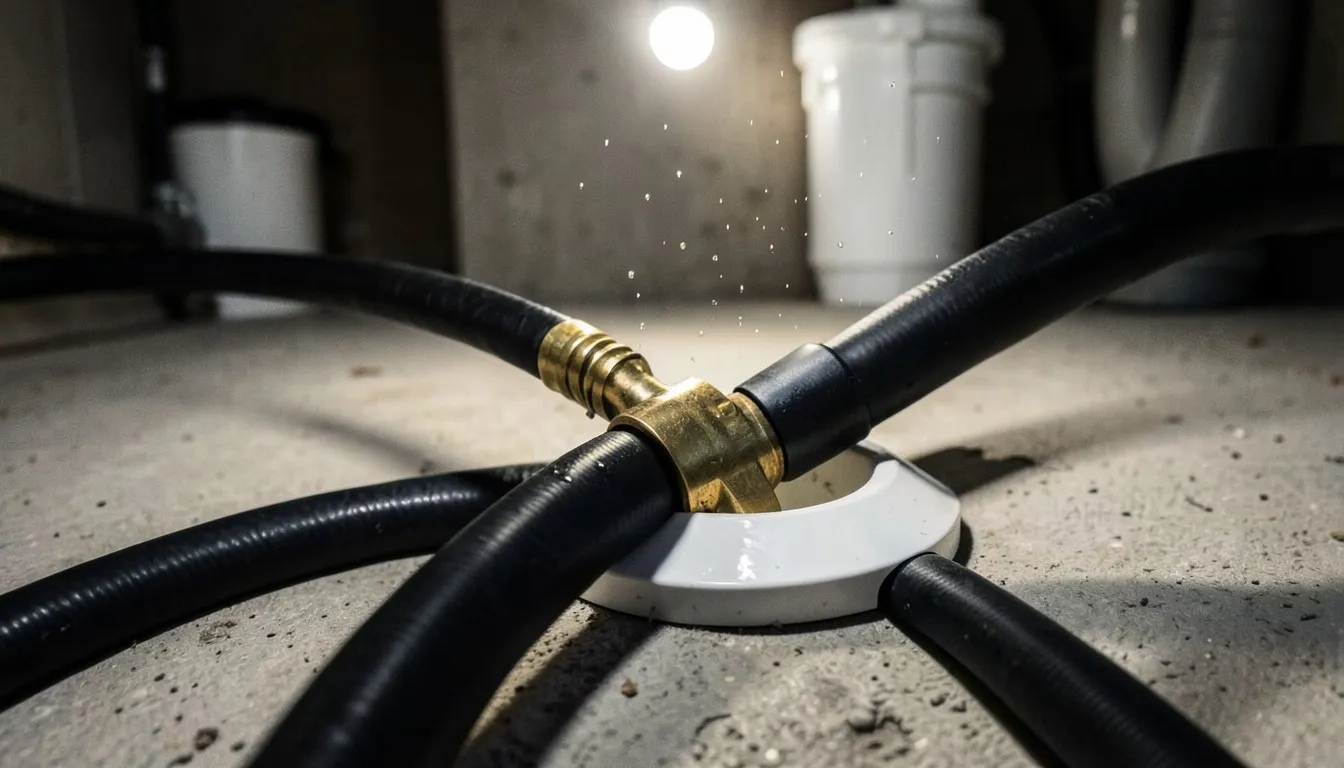
Emergency Hydro Jetting in Phoenix, Arizona
Hydro Jetting in Phoenix, Arizona is high-pressure water jetting to clear severe clogs and grease in main lines. Local conditions in Phoenix: water measured at 17, a 0 frost line and a median home age of 41 years.
Camera first, quote second — know exactly what's wrong in your Phoenix home before you approve a dollar.
What does the local plumbing data show for Phoenix, AZ?
Seeing these conditions at your place in Phoenix? A state-licensed plumber can confirm it over the phone — free, no obligation.
What are the pipe conditions in Phoenix, AZ?
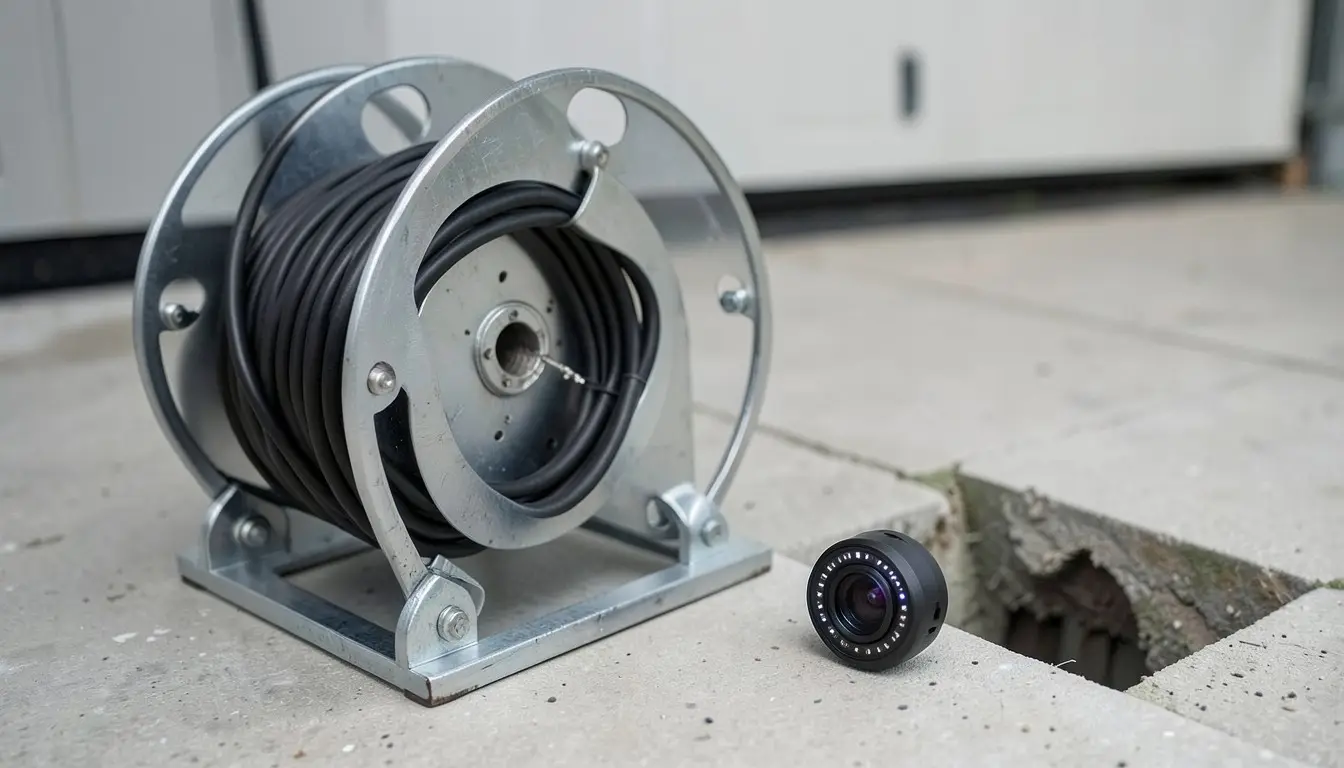
Hydro-jetting in Phoenix clears what drain snaking leaves behind: scale buildup from hard water, grease layers coating pipe walls, and root tendrils that regrow from fragments left by a cable machine. The process uses 3,000–4,000 PSI water pressure through a rotating nozzle that scrubs the pipe wall — not just punches through the blockage. A camera scope before jetting confirms the pipe can withstand high pressure and identifies any structural defects that jetting would worsen. AlertPlumber connects you with an Arizona-licensed plumber who scopes before jetting as a standard practice.
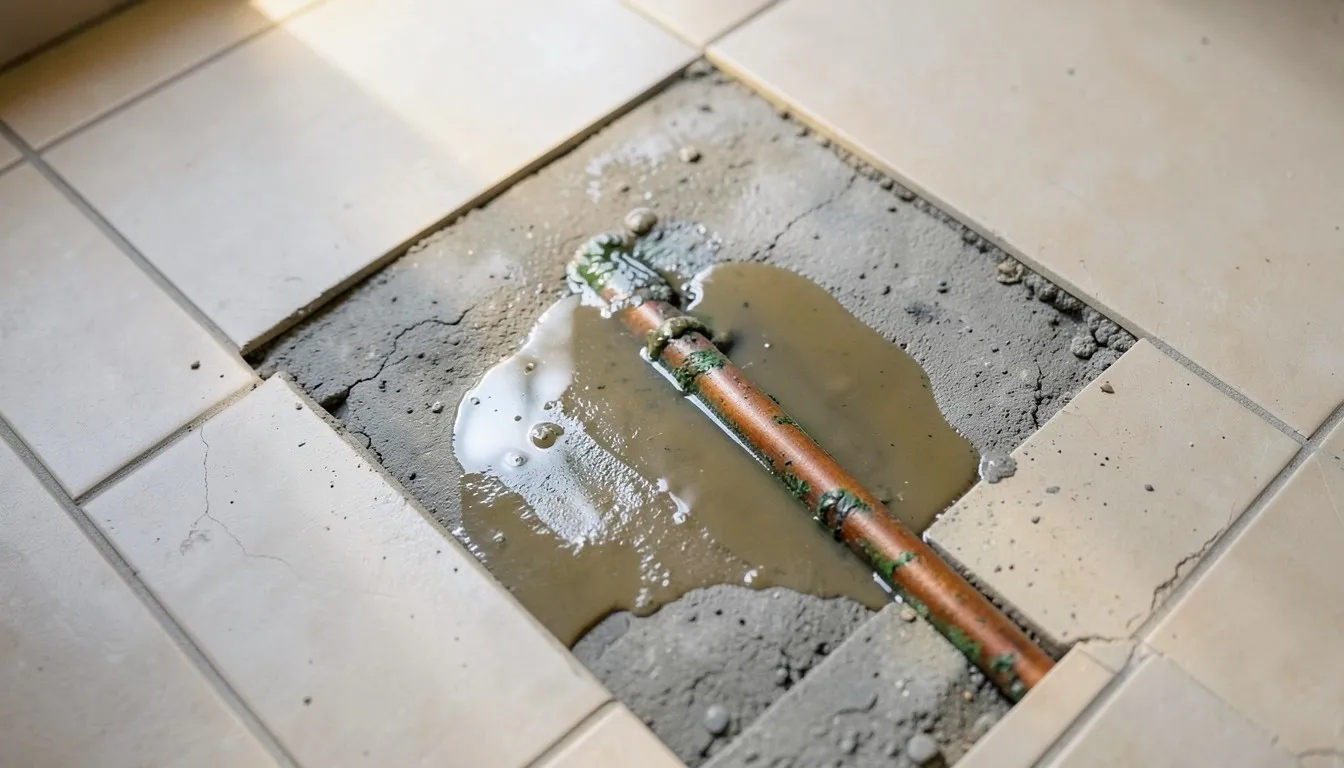
Post-war and modern-era construction in Phoenix — median home age 41 years — frequently includes copper supply lines embedded in slab foundations, common in tract construction from the 1960s through the 1980s. Hard water accelerates pinhole corrosion from the exterior of slab-embedded copper; when a leak develops, access requires either epoxy lining through existing penetrations or controlled slab opening for section replacement.
Very hard water in Phoenix is a primary driver of accelerated appliance failure: water heater anode rods exhaust in 2–3 years instead of 6–8, scale deposits at fixture connections form within months of installation, and tankless heat exchangers accumulate mineral buildup that can reduce lifespan by half without regular descaling. A softener or whole-house conditioner is strongly recommended alongside any appliance service call.
- Median home age
- 41 yrs
- Water hardness
- 17 gpg
- Frost line
- 0 in.
- Permit
- $185
A licensed AZ plumber reads these conditions the moment you describe the symptom.
What local infrastructure shapes Hydro Jetting in Phoenix?
Copper slab and PVC laterals from modern desert construction at a 41-year median home age define the Phoenix residential drain profile. Colorado River water blended from CAP and SRP delivers 17 grains per gallon to residential taps — at this hardness level, calcium carbonate scale builds aggressively inside copper drain lines at horizontal slab-level runs and at elbow transitions, reducing effective pipe diameter measurably within 15-20 years of installation.
Phoenix Water Services' separate sanitary sewer covers approximately 92% of addresses, allowing lateral jetting scheduling without combined-sewer coordination. Camera inspection before jetting on copper slab drain lines at 17 GPG is essential — scale deposits of this magnitude require chemical pre-treatment before high-pressure passes can effectively remove calcium buildup. Attempting to jet untreated heavy calcium deposits risks equipment strain and incomplete clearing; descaling passes at 3,000–4,500 PSI after chemical softening represent the standard protocol.
Phoenix Community Development permits for sewer lateral work run $185. Interior drain cleaning through existing cleanouts does not require a permit. Slab construction means drain lines run under the concrete pad — cleanout access is limited to original installation points, and adding cleanout infrastructure requires concrete cutting as a scope prerequisite. Scale accumulation at cleanout threads in hard-water Phoenix markets can bond cleanout caps after years without service, making cap removal and thread cleaning a routine step before jetting equipment connection.
What shapes plumbing demand in Phoenix, AZ?
CPVC becomes brittle in the 20–35-year range and snaps under thermal stress or incompatible pipe dopes. Early PEX fittings (pre-2010) may develop chloramine compatibility issues at 15–25 years. The 1980s–1990s housing stock in Phoenix is entering its first wave of material-driven service calls — not from neglect, but from normal service-life progression.
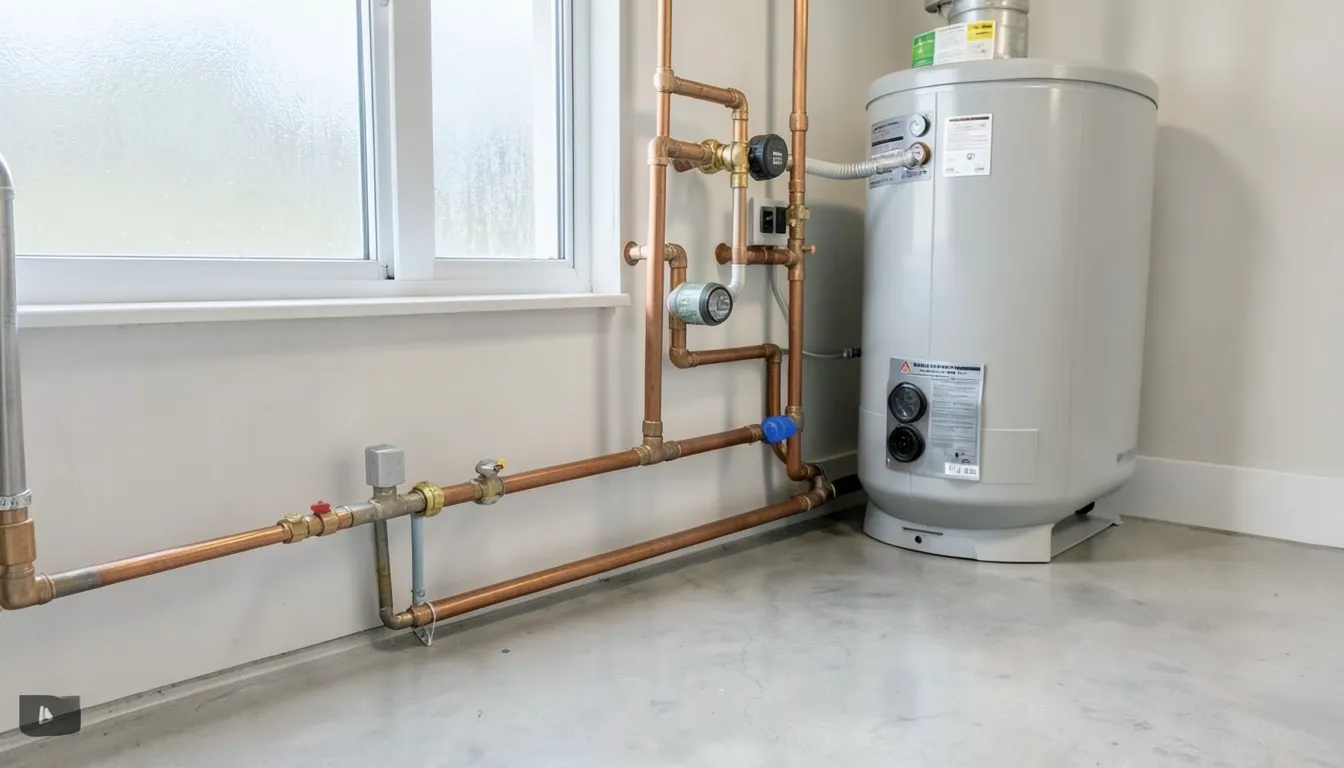
At 15–20+ GPG, calcium scale forces compressed equipment cycles in Phoenix: tank heaters average 6–9 years vs. the 10–12-year national benchmark, and tankless units require annual descaling. Anode rods calcify within 12–18 months. Most plumbers here assess heater age against the local scale timeline — not the manufacturer's service life.
Summer heat above 95–115°F in Phoenix keeps sediment in suspension inside tank water heaters — accelerating element failure instead of allowing sediment to settle and flush. Attic-mounted supply lines face diurnal thermal stress year-round. Root intrusion concentrates around irrigated landscaping rather than distributing evenly across the full sewer lateral path.
Why diagnose before repairing in Phoenix?
Describe the symptom — not the repair. AlertPlumber routes to an AZ-licensed plumber trained in diagnostics. The site visit uses camera tracing, acoustic detection, or hydrostatic pressure testing — matched to the reported failure type.
The plumber delivers a written diagnostic report: confirmed failure location, available repair methods, and tradeoffs — disruption level, material durability, long-term cost, and whether a Phoenix building permit applies to the selected method.
You select the repair path. The Arizona-licensed plumber proceeds on the authorized method with a fixed scope and price. Where required, the permit application to Phoenix is handled by the contractor.
Hydro Jetting cost calculator — Phoenix
Pre-filled for hydro jetting in Phoenix. Adjust the ZIP for a neighboring area, or change the service to compare. Calculator pulls from the city's scraped permit-fee + state plumber-density data.
Hydro Jetting in Phoenix — the longer it runs, the more it costs.
Slow failures compound: soft pipe walls, root penetration, mineral buildup. A verified plumber calls back with a scope-first estimate before anything is dug up.
What else do people ask about hydro jetting in Phoenix?
How much does hydro jetting cost in Phoenix?
A hydro jetting call in Phoenix typically runs $385–$925 for a residential 4-inch lateral, with the mandatory pre-jet camera scope adding $150–$325 on top. Pricing reflects a typical 4 GPM at 3,500–4,000 PSI residential trailer-mount jetter spending 60–120 minutes on site, plus debris flushing and a post-jet camera verification pass. Heavily scaled cast-iron lines in 1970s–80s Phoenix neighborhoods (where the 17 grains/gallon very-hard water has built decades of mineral tuberculation) often need a second pass and trend toward the upper end. The $185 City of Phoenix plumbing repair permit is NOT triggered by jetting itself — jetting is a maintenance procedure, not construction.
Hydro jet vs snake — which does my Phoenix home need?
If your Phoenix drain has a single hard blockage (toy, paper-towel wad), a $200–$425 cable snake handles it. If the line is recurring slow, gurgling, or backing up every few months — almost always one of three Phoenix-specific causes — jetting is the right tool:
- Hard-water mineral scale lining 1970s–80s copper or cast-iron waste at 17 gpg hardness
- Mesquite or palo verde tap-roots into clay or Orangeburg laterals at the joints
- Kitchen-line FOG buildup in homes with disposals running into older 2-inch branches
The matched plumber will ask about symptoms over the phone before recommending camera-then-jet vs straight snake.
When is hydro jetting the wrong choice for a Phoenix home?
Three pipe conditions disqualify jetting until structural repair happens first. Orangeburg pipe (tar-impregnated wood-fiber sewer line installed 1948–72, common in older Phoenix neighborhoods) softens with age and the 4,000 PSI water stream gouges the substrate — sometimes collapsing the line during the same visit. Cracked or open-jointed clay laterals let the jet erode the surrounding bedding sand, washing out a void that becomes a yard sinkhole within days. Heavily corroded galvanized waste lines in pre-1960 Phoenix homes can perforate under full pressure. The host-pipe rule: if the pre-jet camera scope shows any of these, jetting waits until repair or lining is planned.
Why does my Phoenix home keep having drain backups?
Recurring backups in Phoenix homes built between 1965 and 1985 (median build year 1983 for the metro) are usually one of two things the camera will confirm. First, hard-water mineral scale at 17 grains/gallon has been depositing on the inside of cast-iron and copper waste lines for 40+ years, narrowing a 2-inch branch to roughly 0.75 inches of usable diameter. Second, mesquite and palo verde root systems chase moisture into Orangeburg or vitrified-clay lateral joints — Phoenix's heat drives roots toward the only reliable water source on the property. Both are diffuse problems a snake only temporarily clears; jetting strips the buildup and root mass back to bare pipe wall.
Will hydro jetting damage my Phoenix pipes?
On structurally sound pipe, no — a properly executed jet pass at 3,500 PSI is well within the working pressure rating of intact cast iron, ABS, PVC, and clay laterals. The risk is on pipe that's already marginal, which is where the camera scope before jetting earns its $200. Phoenix-specific risks the camera looks for: Orangeburg line collapse risk in 1948–72 vintage neighborhoods, paper-thin galvanized waste in pre-1960 homes, and joint separation in clay laterals where soil shifts have pulled bell-and-spigot connections apart. If the camera flags any of these, the matched plumber will recommend repair or lining first, not jetting.
How often should I have my Phoenix home jetted preventatively?
For Phoenix homes built 1965–1985 with the original cast-iron drain stack still in place, most plumbers recommend a preventative jet every 24–36 months to manage hard-water scale buildup before it becomes a backup. Properties with mature mesquite, palo verde, or olive trees over the lateral path benefit from annual root-cutter passes — Phoenix root growth is aggressive year-round because trees never go dormant. Newer 1990s+ PVC laterals on lots without mature trees can typically go 5+ years between preventative jets. The matched plumber will set a recurring reminder if you want one.
Does insurance cover hydro jetting in Phoenix?
Standard Arizona homeowners policies treat hydro jetting as routine maintenance and do not cover it. What insurance MAY cover is water damage caused by a sudden backup that flooded a finished room — subject to your deductible and any sewer-backup endorsement. Sewer backup riders cost roughly $40–$80/year added to the policy and are a worthwhile add-on for Phoenix homes with aging laterals, since standard HO-3 policies exclude backup damage. The jetting work itself comes out of pocket. Save the receipt and camera footage — they document the condition for any future claim.
Does my Phoenix plumber use a camera before jetting?
Per NASSCO drain-cleaning standard practice, the pre-jet camera scope is a documented requirement, not an upsell. In Phoenix specifically, the camera matters because the city has thousands of homes built between 1948 and 1972 with original Orangeburg laterals — and Orangeburg cannot tolerate jet pressure. Thirty seconds of camera footage tells the plumber the pipe material, structural condition, and the cause of the clog (scale, roots, FOG, or grit), which determines the nozzle selection. AlertPlumber-matched Phoenix plumbers carry the camera as standard equipment; if a contractor wants to jet without scoping first, get a second opinion.
How does AlertPlumber verify hydro jetting contractors in AZ?
Yes. Hydro jetting falls under the Arizona Registrar of Contractors C-37 (Plumbing) classification — the same license required for any drain or sewer work in the state. AlertPlumber verifies every matched contractor against the active AZ ROC database (3,247 active C-37 licenses statewide as of 2024), not just on signup. The matched plumber will provide their ROC number on the call back; you can verify it at the AZ ROC public lookup before the appointment.
Can I rent a jetter and DIY hydro jetting in Phoenix?
Phoenix-area home-improvement rentals run $85–$140/day for a small 1,500 PSI / 2 GPM electric jetter — well below the 3,500 PSI / 4 GPM minimum spec needed to actually clean a 4-inch lateral. The realistic outcome of a DIY rental: zero diagnostic data (no camera, no idea whether the line is Orangeburg or what's actually clogging it), a hose that's hard to control under load (water damage at the cleanout is common), and a job that didn't move the buildup. For roughly $200 more than the rental cost you get a contractor with the right equipment, the camera scope, and warranty on the work.
The fix gets cheaper the sooner a plumber sees it.
Degradation problems compound quietly. Call now, or use the form below and a licensed Arizona plumber calls you back with a no-obligation estimate for the hydro jetting.
Need a hydro jetting callback in Phoenix?
In a meeting, with the kids, or just prefer not to hold? Drop your ZIP and number below. AlertPlumber routes your request to a verified plumber in your area — they’ll call you back directly.
- 1 Submit your info. ZIP, phone, and what kind of work you need.
- 2 AlertPlumber matches you with a verified plumber serving your area.
- 3 The plumber calls you back with a written estimate, no obligation.
Hydro Jetting in Phoenix — catch it early
Degradation-driven failures worsen over time and cost more to fix the longer they run. A verified AZ plumber in Phoenix diagnoses your specific condition and provides a written scope before any work begins.