
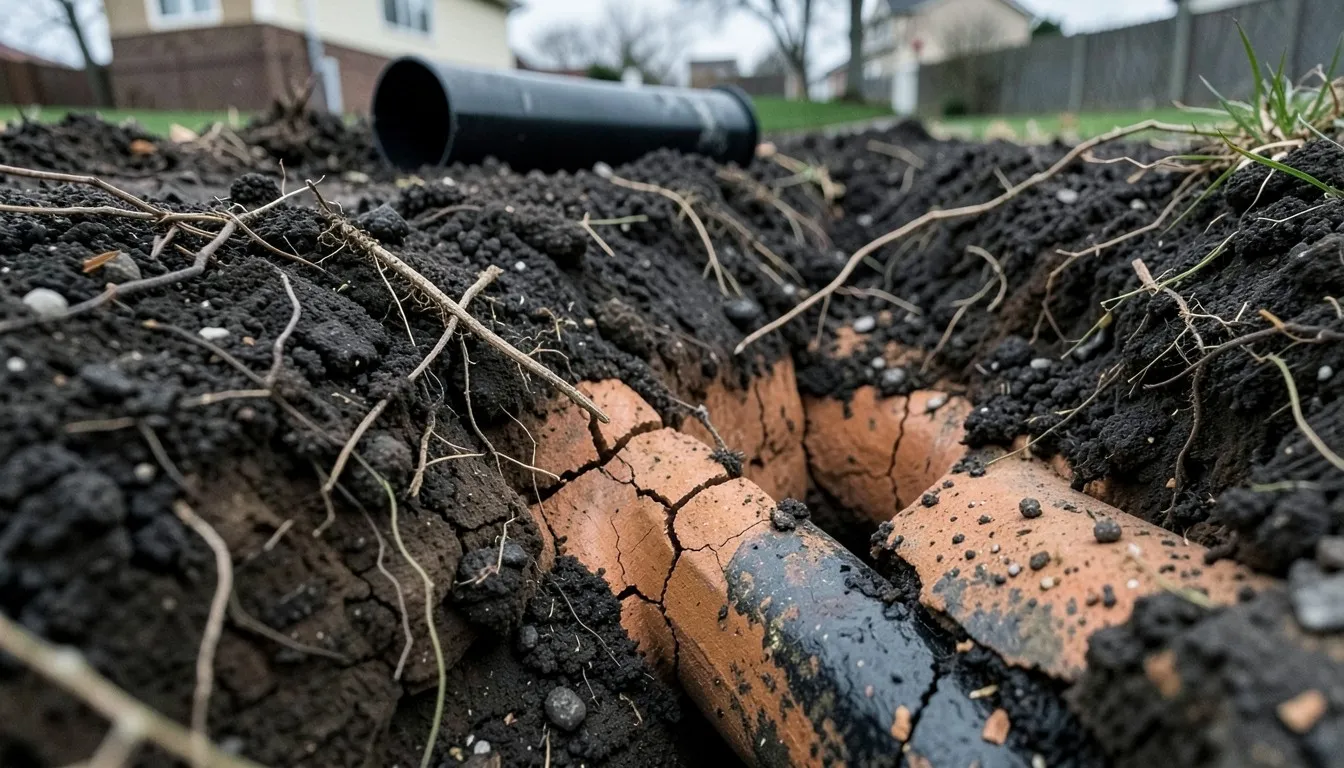
Emergency Sewer Line Repair in Phoenix, Arizona
Sewer Line Repair in Phoenix, Arizona repairs broken or root-invaded sewer lines via spot repair, lining, or trenchless methods. Local conditions in Phoenix: water measured at 17, a 0 frost line and a median home age of 41 years.
Camera first, quote second — know exactly what's wrong in your Phoenix home before you approve a dollar.
What does the local plumbing data show for Phoenix, AZ?
Seeing these conditions at your place in Phoenix? A state-licensed plumber can confirm it over the phone — free, no obligation.
What are the pipe conditions in Phoenix, AZ?
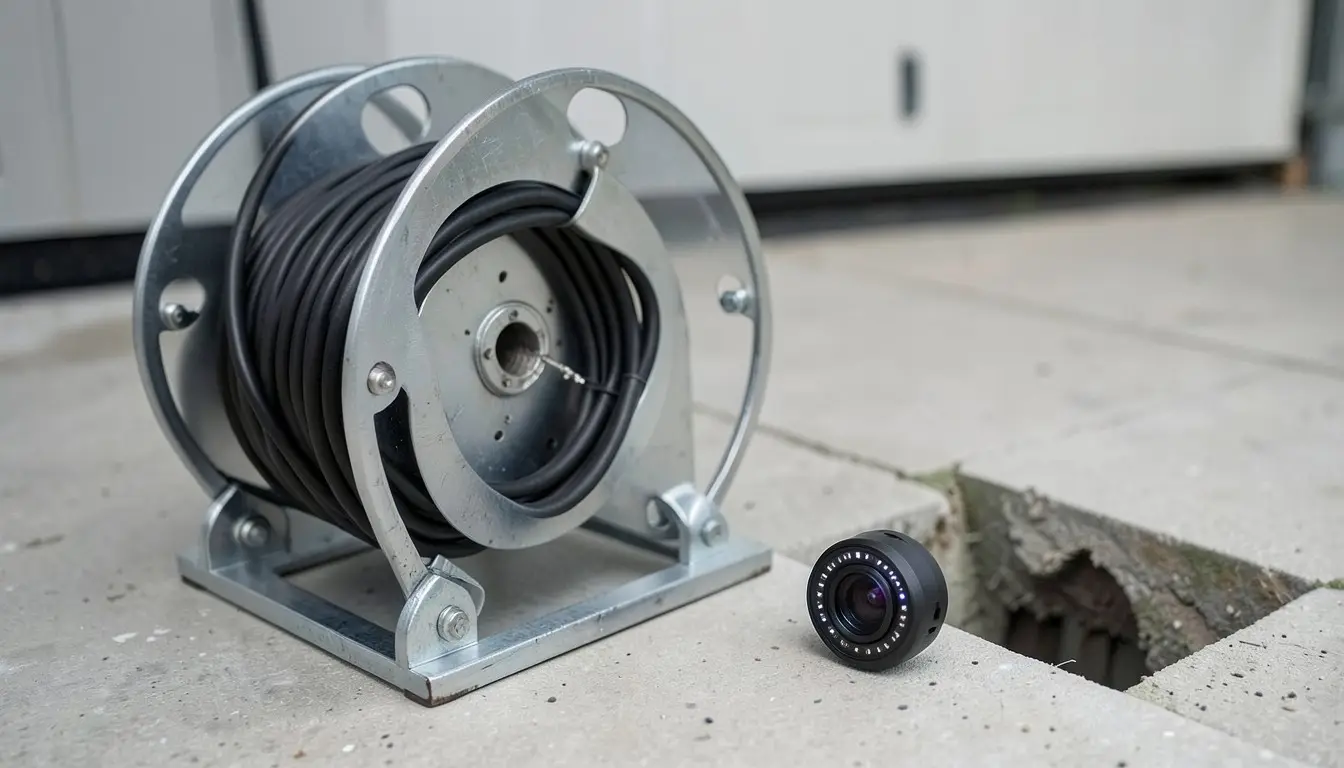
Sewer line failures in Phoenix follow predictable patterns by pipe material and installation era: clay tile joints separate and admit root intrusion; Orangeburg pipe (1940s–1960s) compresses under soil load; cast iron corrodes at horizontal runs where standing water accelerates deterioration. A camera scope before excavation is critical — it confirms whether a spot repair is viable or whether replacement of the full lateral is the smarter investment. AlertPlumber routes your request to an Arizona-licensed plumber who completes the scope before quoting the repair.
Post-war and modern-era construction in Phoenix — median home age 41 years — frequently includes copper supply lines embedded in slab foundations, common in tract construction from the 1960s through the 1980s. Hard water accelerates pinhole corrosion from the exterior of slab-embedded copper; when a leak develops, access requires either epoxy lining through existing penetrations or controlled slab opening for section replacement.
Very hard water in Phoenix is a primary driver of accelerated appliance failure: water heater anode rods exhaust in 2–3 years instead of 6–8, scale deposits at fixture connections form within months of installation, and tankless heat exchangers accumulate mineral buildup that can reduce lifespan by half without regular descaling. A softener or whole-house conditioner is strongly recommended alongside any appliance service call.
- Median home age
- 41 yrs
- Water hardness
- 17 gpg
- Frost line
- 0 in.
- Permit
- $185
A licensed AZ plumber reads these conditions the moment you describe the symptom.
What local infrastructure shapes Sewer Line Repair in Phoenix?
At 41 years median housing age, Phoenix's residential lateral stock is predominantly PVC on slab-on-grade construction from the 1980s and early 1990s growth wave that extended the city grid across the Salt River Valley floor. Slab-on-grade is essentially universal in the modern stock, with laterals running beneath post-tension concrete slabs before exiting through the foundation — camera inspection before any excavation is standard practice to map run paths and confirm slab construction type.
The Sonoran Desert subsoil beneath Phoenix consists of alluvial fan deposits — gravels, sands, and caliche hardpan layers that alternate irregularly at depth. Caliche layer encounters during open-cut excavation require mechanical breaking, which is a common cost variable in Phoenix lateral work that does not appear in northern or mid-Atlantic markets. The 17 GPG very-hard Colorado River supply through CAP canals deposits carbonate scale aggressively in any cast iron present in older Maryvale, Alhambra, and Central Phoenix construction from the 1950s and 1960s.
Phoenix Planning and Development requires permits for lateral work with right-of-way involvement, with fees at $185. The Phoenix Water Services Department requires NASSCO-standard camera inspection before authorizing CIPP liner installation — bore roundness and deflection must meet acceptance criteria. Pipe bursting is viable in continuous PVC runs where caliche layer conditions allow sufficient soil displacement around the bursting head; open-cut excavation through caliche requires additional mobilization for hydraulic breaking equipment.
What shapes plumbing demand in Phoenix, AZ?
CPVC becomes brittle in the 20–35-year range and snaps under thermal stress or incompatible pipe dopes. Early PEX fittings (pre-2010) may develop chloramine compatibility issues at 15–25 years. The 1980s–1990s housing stock in Phoenix is entering its first wave of material-driven service calls — not from neglect, but from normal service-life progression.
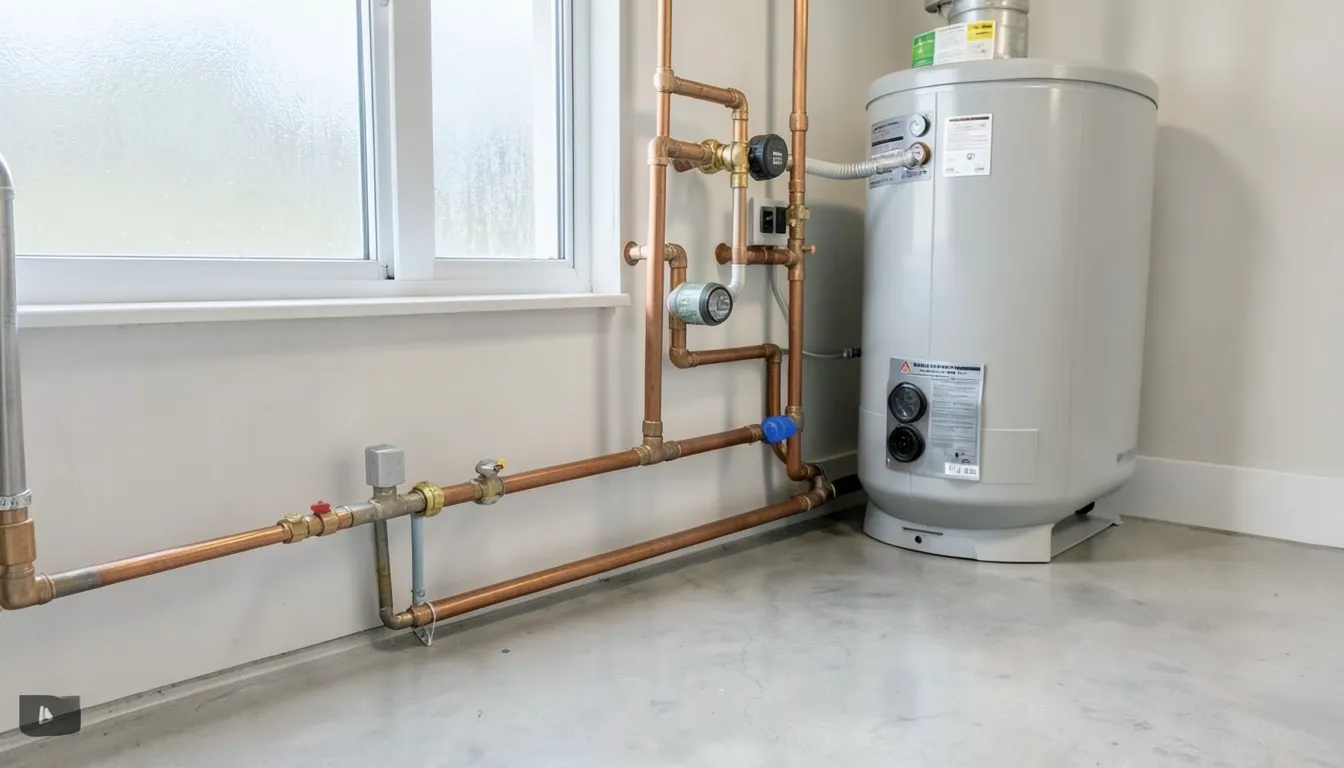
At 15–20+ GPG, calcium scale forces compressed equipment cycles in Phoenix: tank heaters average 6–9 years vs. the 10–12-year national benchmark, and tankless units require annual descaling. Anode rods calcify within 12–18 months. Most plumbers here assess heater age against the local scale timeline — not the manufacturer's service life.
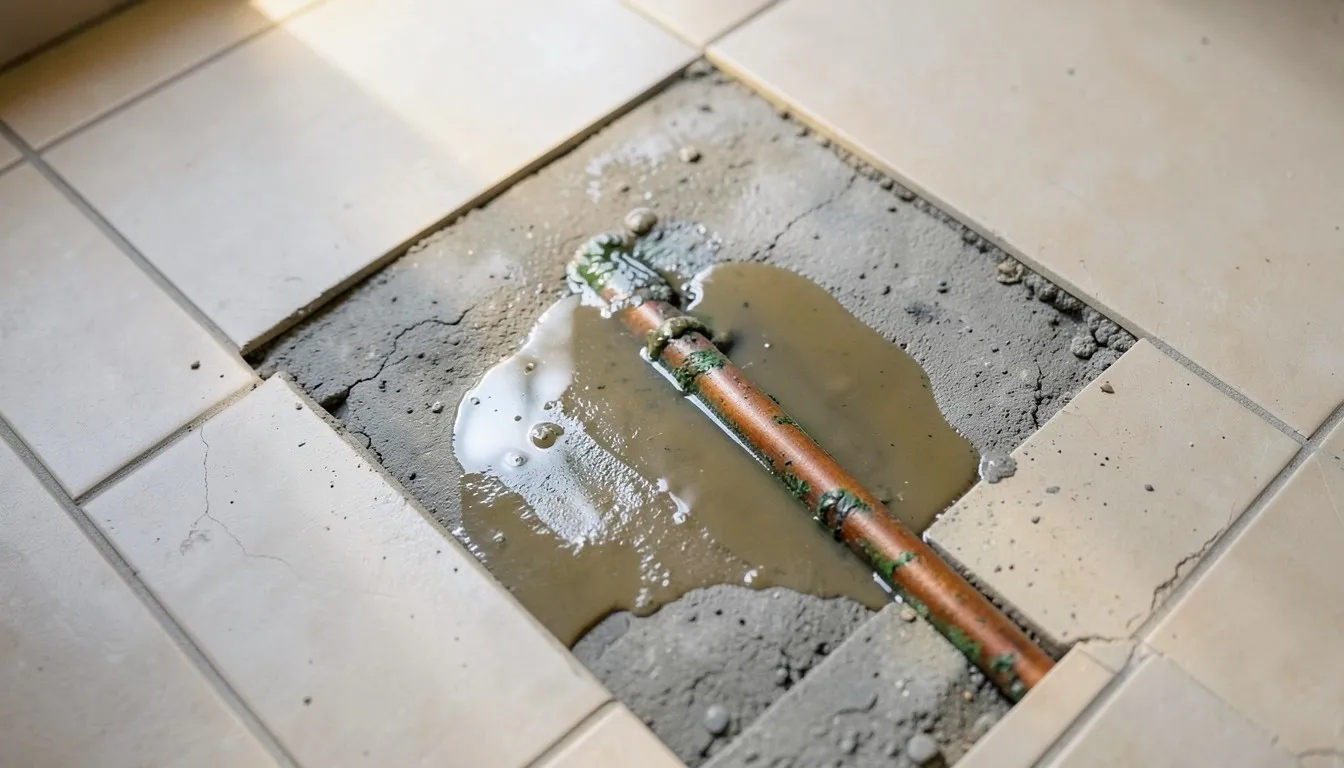
Summer heat above 95–115°F in Phoenix keeps sediment in suspension inside tank water heaters — accelerating element failure instead of allowing sediment to settle and flush. Attic-mounted supply lines face diurnal thermal stress year-round. Root intrusion concentrates around irrigated landscaping rather than distributing evenly across the full sewer lateral path.
Why diagnose before repairing in Phoenix?
Describe the symptom — not the repair. AlertPlumber routes to an AZ-licensed plumber trained in diagnostics. The site visit uses camera tracing, acoustic detection, or hydrostatic pressure testing — matched to the reported failure type.
The plumber delivers a written diagnostic report: confirmed failure location, available repair methods, and tradeoffs — disruption level, material durability, long-term cost, and whether a Phoenix building permit applies to the selected method.
You select the repair path. The Arizona-licensed plumber proceeds on the authorized method with a fixed scope and price. Where required, the permit application to Phoenix is handled by the contractor.
Sewer Line Repair cost calculator — Phoenix
Pre-filled for sewer line repair in Phoenix. Adjust the ZIP for a neighboring area, or change the service to compare. Calculator pulls from the city's scraped permit-fee + state plumber-density data.
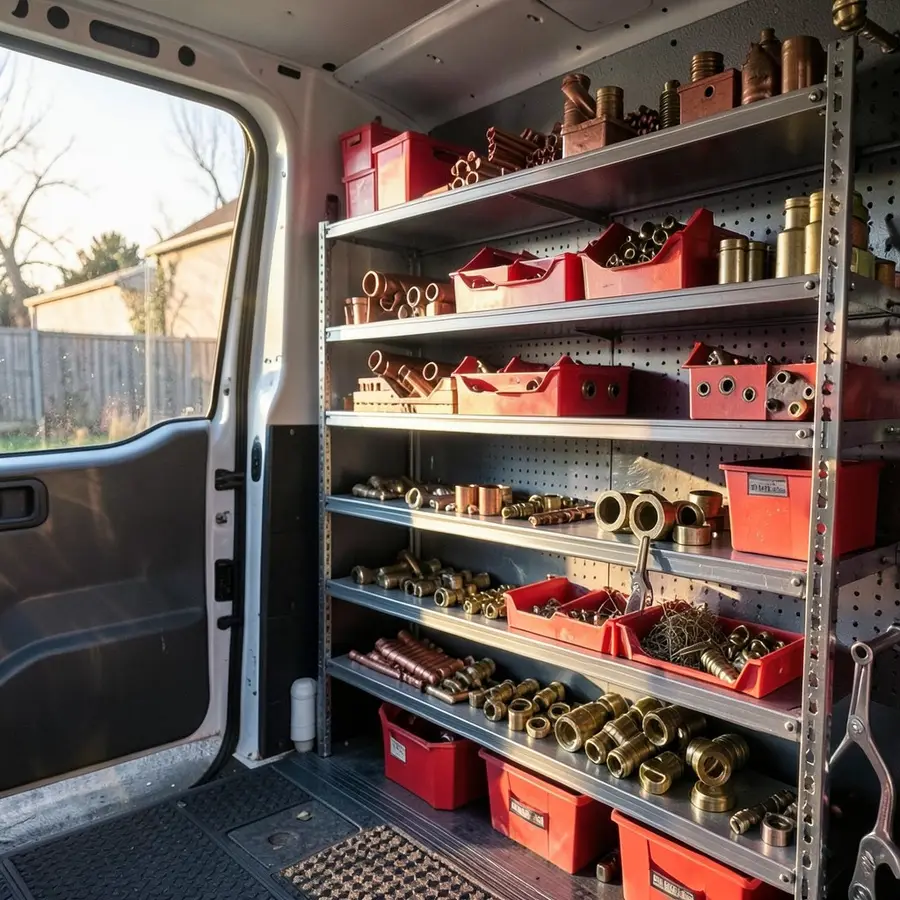
Sewer Line Repair in Phoenix — the longer it runs, the more it costs.
Slow failures compound: soft pipe walls, root penetration, mineral buildup. A verified plumber calls back with a scope-first estimate before anything is dug up.
What else do people ask about sewer line repair in Phoenix?
How much does sewer line repair cost in Phoenix?
Phoenix spot repairs typically run $1,400-$3,800 thanks to shallow trench depths of 12-18 inches and the absence of frost. A full lateral replacement on a 1980s-or-newer PVC line lands at $4,800-$11,200, depending on length, paving, and landscape restoration. Older homes near central Phoenix with cast iron transitions can push higher. AlertPlumber routes your job to vetted Arizona ROC C-37 contractors (3,247 active statewide) who quote line-and-grade pricing instead of hourly. You receive multiple quotes so the spread is visible before you commit.
How long does sewer repair take in Phoenix?
A spot dig in Phoenix caliche soil usually wraps in 1-2 days because the trench only needs to reach 12-18 inches. Trenchless pipe bursting on a 60-foot lateral can finish same-day if entry pits are pre-staged. Full replacement with hardscape removal and inspection takes 3-5 working days. The Phoenix DSD permit ($185) is typically issued within 48 hours for residential laterals. AlertPlumber sends contractors who schedule the inspection window during the dig so you are not waiting an extra day for sign-off.
What permit do I need for sewer line repair in Phoenix?
Phoenix Development Services Department (DSD) requires a plumbing permit for any sewer lateral replacement or spot repair that exceeds simple cleanout work. The base fee is $185, and the contractor pulls it under their ROC C-37 license. Inspection happens before backfill. AlertPlumber-matched plumbers handle the permit on your behalf, including the site plan markup. DIY permitting by homeowners is allowed only on owner-occupied single-family parcels and still requires a licensed inspection at trench-open stage.
Trenchless vs full excavation in Phoenix — which works?
Phoenix favors trenchless because shallow PVC laterals from the 1980s onward burst cleanly. Pipe bursting and CIPP lining work when the existing pipe still holds shape and the run is straight. Full excavation is needed when:
- The lateral has belly-sag exceeding 2 inches
- Mesquite or palo verde roots have crushed the pipe wall
- The cleanout is missing and grade needs rebuilding
AlertPlumber contractors run a camera first and quote both methods so you compare cost against disruption.
How do I know my Phoenix sewer line is failing?
Watch for slow drains across multiple fixtures, gurgling toilets, sewage odor in the yard, or unexpectedly green patches over the lateral path. In Phoenix, root intrusion from mesquite and palo verde shows up as recurring backups every 6-9 months. Cracks in 1980s PVC are usually announced by a sinkhole-style depression in the front yard or driveway joint. AlertPlumber arranges a camera inspection (often $150-$300) so you confirm the failure point before authorizing repair work.
Will my Phoenix homeowners insurance cover sewer line repair?
Standard Arizona homeowners policies exclude lateral failure caused by gradual wear, root intrusion, or ground movement, which covers most Phoenix scenarios. Sudden collapse from a covered peril (vehicle impact, earthquake on certain riders) may qualify. A separate service line endorsement, typically $40-$75 per year, covers the buried lateral from the foundation to the city main and pays $5,000-$25,000. AlertPlumber contractors provide itemized invoices with the failure cause documented, which the carrier needs for any claim review.
What's the most common cause of sewer line failure in Phoenix?
Root intrusion from mesquite, palo verde, and ficus tops the list. Phoenix laterals sit shallow at 12-18 inches, well within the active root zone of these drought-adapted species, which actively seek moisture seeping from joints. Secondary causes include caliche-layer settling under 1980s-era PVC and occasional crush damage from heavy landscape vehicles. Hard water at 17 grains per gallon does not cause failure but accelerates scale buildup that traps debris. AlertPlumber contractors document the cause on the invoice for warranty and insurance purposes.
How does AlertPlumber verify sewer work contractors in AZ?
The partner network requires every sewer contractor in AlertPlumber's routing pool to maintain an active Arizona Registrar of Contractors C-37 (Plumbing) classification, which is the license required for sewer lateral repair and replacement statewide. Arizona has 3,247 active C-37 holders. Each contractor in the network carries the bond and workers' compensation coverage that the ROC mandates. You can verify any license number on the ROC public lookup before the crew breaks ground.
Do I need to call 811 before sewer work in Phoenix?
Yes. Arizona 811 (Arizona Blue Stake) requires a locate request at least two full working days before any excavation, regardless of depth. Maricopa County enforces this aggressively because of the dense gas, telecom, and reclaimed-water lines crisscrossing Phoenix subdivisions. The contractor typically files the ticket as part of the permit workflow. AlertPlumber-matched plumbers handle the 811 ticket and wait for white-paint marks before digging, which protects you from the strict-liability damage costs that fall on the property owner if a line is hit.
How long should the new sewer line last in Phoenix?
A modern PVC lateral installed to current Phoenix DSD spec carries a service life of 80-100 years in caliche soil. CIPP liners typically warranty for 50 years. Pipe bursting with HDPE matches PVC longevity. The variable is the connection at the city main and the cleanout collar, which can fail earlier from settling. AlertPlumber contractors offer 5-25 year workmanship warranties on top of the manufacturer pipe warranty. Annual root-cutting maintenance is rarely needed on new PVC unless mesquite trees sit within 10 feet of the run.
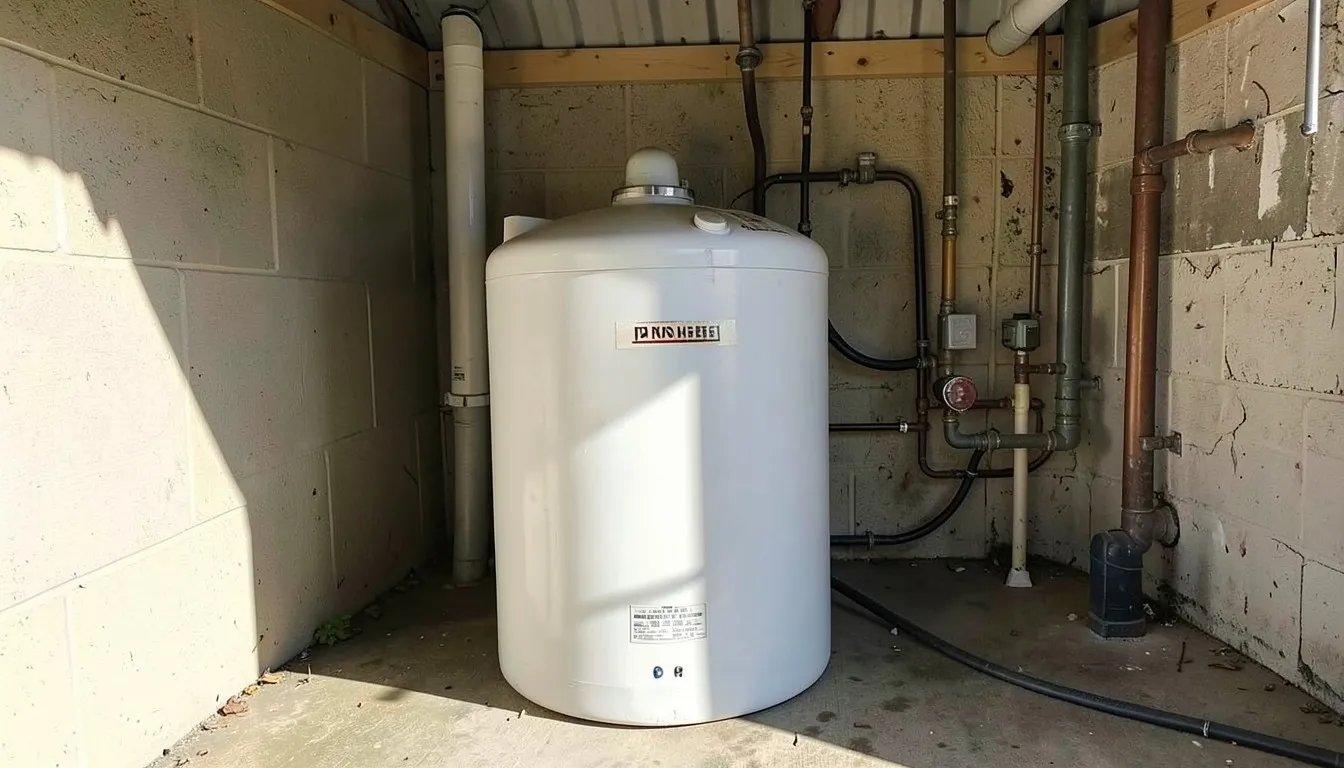
The fix gets cheaper the sooner a plumber sees it.
Degradation problems compound quietly. Call now, or use the form below and a licensed Arizona plumber calls you back with a no-obligation estimate for the sewer line repair.
Need a sewer line repair callback in Phoenix?
In a meeting, with the kids, or just prefer not to hold? Drop your ZIP and number below. AlertPlumber routes your request to a verified plumber in your area — they’ll call you back directly.
- 1 Submit your info. ZIP, phone, and what kind of work you need.
- 2 AlertPlumber matches you with a verified plumber serving your area.
- 3 The plumber calls you back with a written estimate, no obligation.
Sewer Line Repair in Phoenix — catch it early
Degradation-driven failures worsen over time and cost more to fix the longer they run. A verified AZ plumber in Phoenix diagnoses your specific condition and provides a written scope before any work begins.