
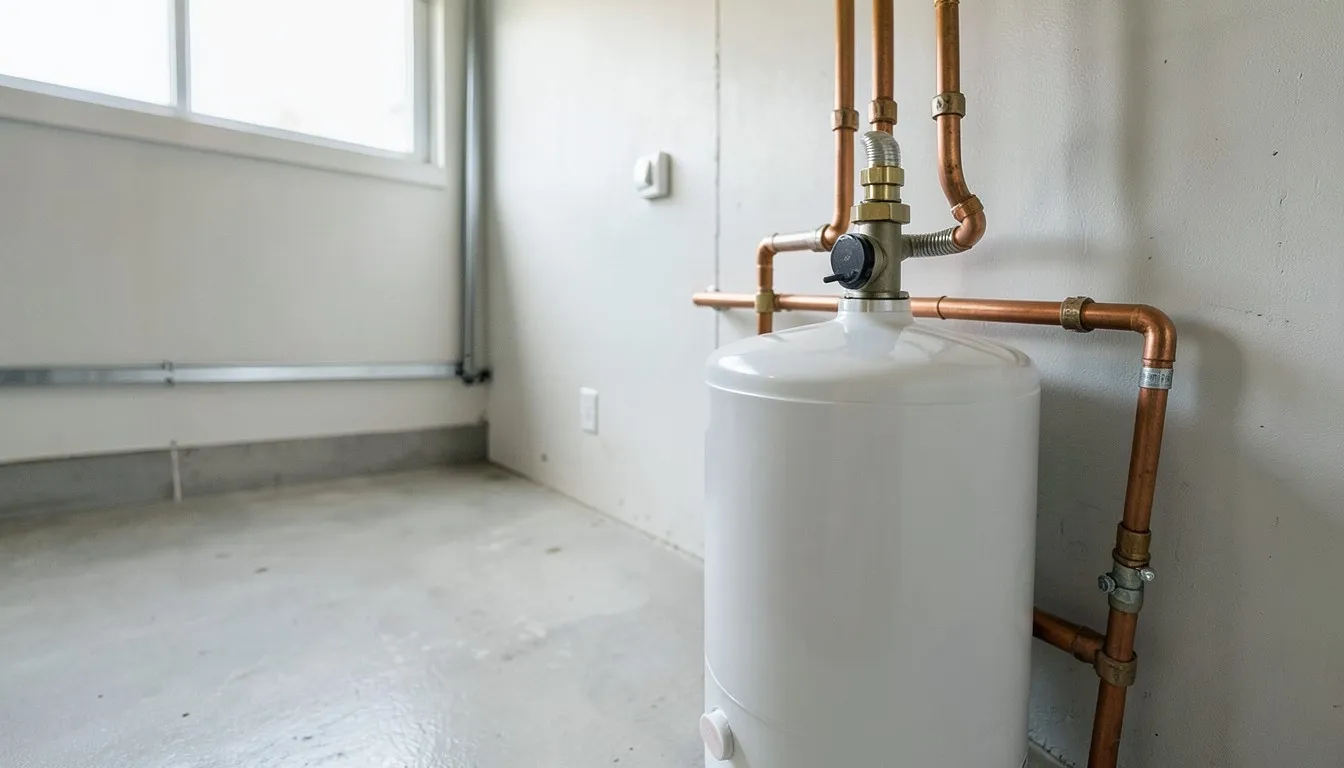
Water Heater Installation in Phoenix, Arizona
Water Heater Installation in Phoenix, Arizona installs or replaces standard tank water heaters. Local conditions in Phoenix: water measured at 17, a 0 frost line and a median home age of 41 years.
Book it this week — a licensed AZ plumber quotes it by phone before anyone rolls a truck.
What does the local plumbing data show for Phoenix, AZ?
Seeing these conditions at your place in Phoenix? A state-licensed plumber can confirm it over the phone — free, no obligation.
What are the pipe conditions in Phoenix, AZ?
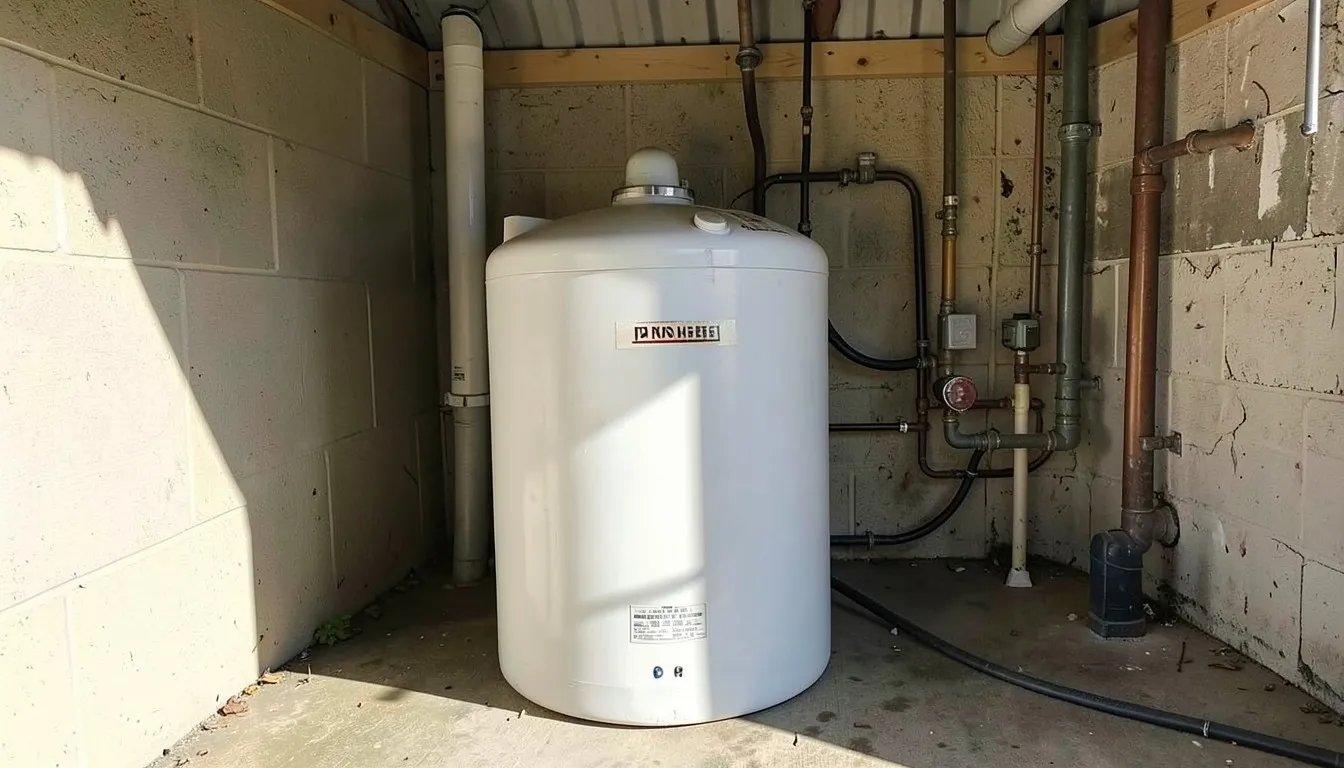
Water heater selection in Phoenix involves tank size, recovery rate, fuel type, and water chemistry — hard water shortens tank anode life and scale accumulates at heating elements regardless of brand. A correctly sized replacement unit runs more efficiently and avoids the tepid-water complaints that come from undersized first-hour recovery. AlertPlumber connects you with an Arizona-licensed plumber who pulls the permit, handles gas or electric connection to code, and removes the old unit.
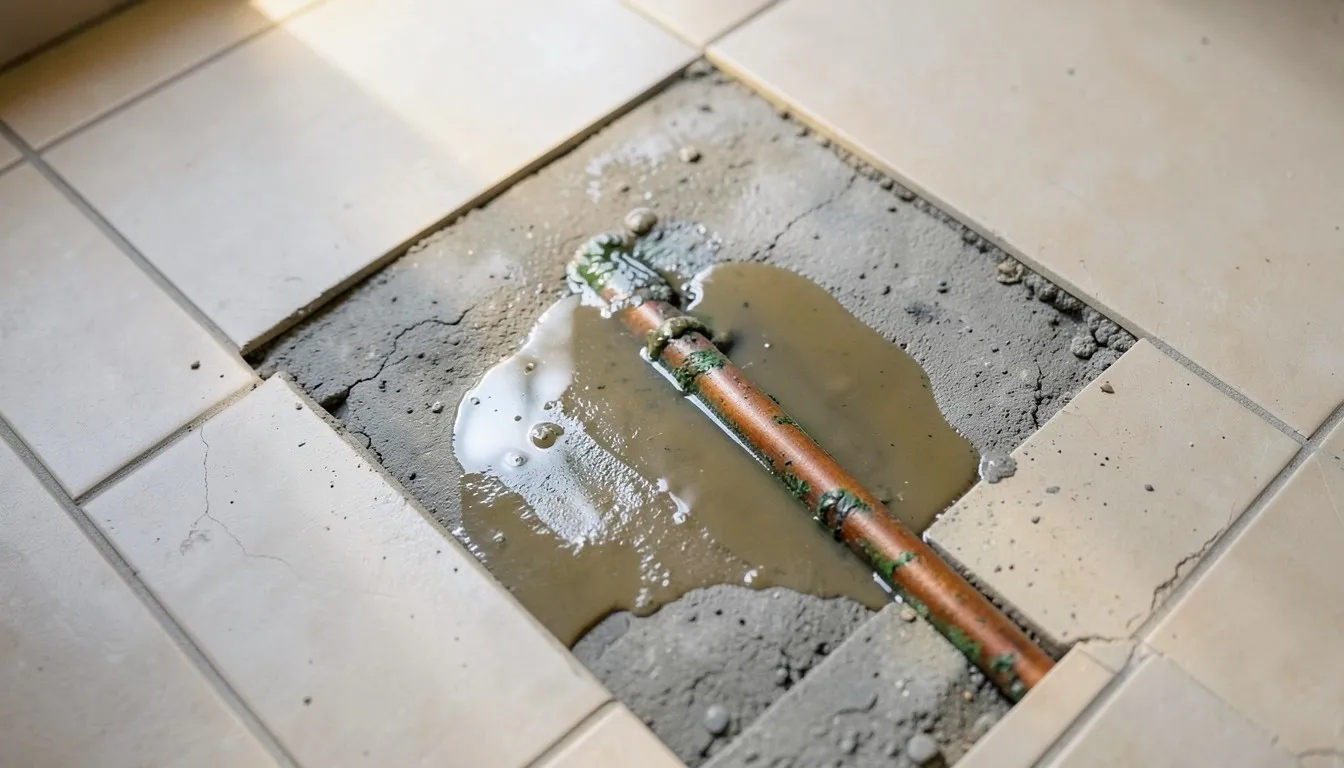
Post-war and modern-era construction in Phoenix — median home age 41 years — frequently includes copper supply lines embedded in slab foundations, common in tract construction from the 1960s through the 1980s. Hard water accelerates pinhole corrosion from the exterior of slab-embedded copper; when a leak develops, access requires either epoxy lining through existing penetrations or controlled slab opening for section replacement.
Very hard water in Phoenix is a primary driver of accelerated appliance failure: water heater anode rods exhaust in 2–3 years instead of 6–8, scale deposits at fixture connections form within months of installation, and tankless heat exchangers accumulate mineral buildup that can reduce lifespan by half without regular descaling. A softener or whole-house conditioner is strongly recommended alongside any appliance service call.
- Median home age
- 41 yrs
- Water hardness
- 17 gpg
- Frost line
- 0 in.
- Permit
- $185
A licensed AZ plumber reads these conditions the moment you describe the symptom.
What local infrastructure shapes Water Heater Installation in Phoenix?
At 17 grains per gallon, Phoenix's water supply is at the upper end of the very-hard classification — the highest hardness value in this service area dataset. For storage tank water heaters, this concentration drives sediment accumulation at the tank base and progressive scale buildup on heating elements, both of which shorten service life relative to moderate-hardness markets. The documented pattern in this market is element failure and efficiency loss well before the structural failure of the tank itself.
Tankless on-demand systems remove the standing tank from the equation, but they introduce a different hardness constraint: at 17 GPG, scale accumulates on the heat exchanger surface at a rate that requires active management — either a whole-house or point-of-use softener upstream of the unit, or a scheduled descaling protocol. An unmanaged tankless unit in very-hard water can fail prematurely through heat exchanger fouling. The replacement scope decision — tank versus tankless — depends on whether the household is willing to maintain a water treatment system alongside the heater.
The $185 permit covers the installation and the gas or electrical connection inspection before the scope is closed. At approximately 3,247 licensed plumbing contractors in the Phoenix metro — the lowest density in this service area dataset — replacement appointments during peak summer demand can run several days ahead of availability in higher-density markets, and the hardness management assessment adds a pre-installation scoping step specific to very-hard water environments.
What shapes plumbing demand in Phoenix, AZ?
CPVC becomes brittle in the 20–35-year range and snaps under thermal stress or incompatible pipe dopes. Early PEX fittings (pre-2010) may develop chloramine compatibility issues at 15–25 years. The 1980s–1990s housing stock in Phoenix is entering its first wave of material-driven service calls — not from neglect, but from normal service-life progression.
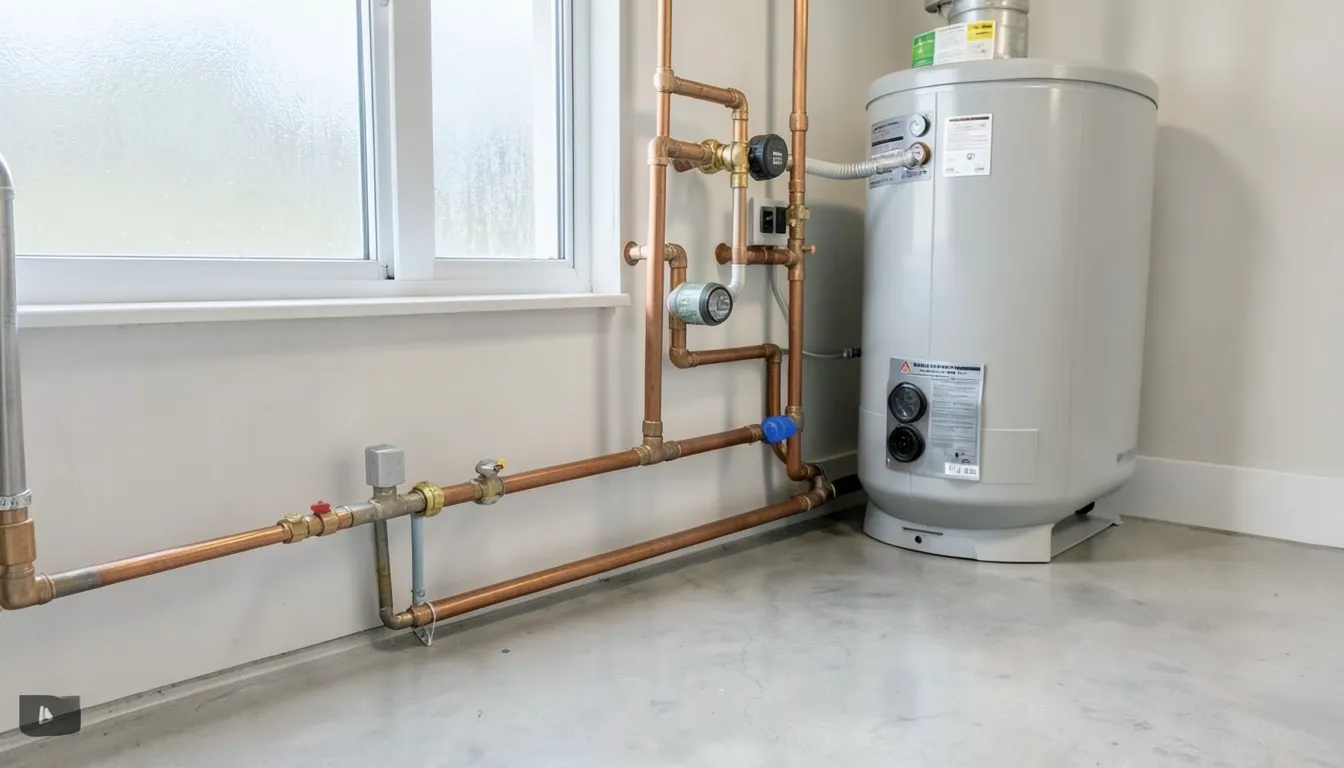
At 15–20+ GPG, calcium scale forces compressed equipment cycles in Phoenix: tank heaters average 6–9 years vs. the 10–12-year national benchmark, and tankless units require annual descaling. Anode rods calcify within 12–18 months. Most plumbers here assess heater age against the local scale timeline — not the manufacturer's service life.
Summer heat above 95–115°F in Phoenix keeps sediment in suspension inside tank water heaters — accelerating element failure instead of allowing sediment to settle and flush. Attic-mounted supply lines face diurnal thermal stress year-round. Root intrusion concentrates around irrigated landscaping rather than distributing evenly across the full sewer lateral path.
Why does a Phoenix plumber estimate first and commit second?
Submit the service type and your Phoenix address. A Arizona-licensed plumber reviews the description and schedules a site visit — typically within 24–48 hours. There is no financial commitment or obligation at this stage.
At the appointment, the plumber inspects the installation point, confirms the project approach, and delivers a written estimate: fixed price, material breakdown, and project timeline for Phoenix. Review it at your pace before deciding.
Once you approve the estimate, the plumber coordinates the start date. Required permits for Phoenix are pulled before the job starts. A final walkthrough after completion confirms every item in the agreed scope was delivered.
Water Heater Installation cost calculator — Phoenix
Pre-filled for water heater installation in Phoenix. Adjust the ZIP for a neighboring area, or change the service to compare. Calculator pulls from the city's scraped permit-fee + state plumber-density data.
Ready to move forward on water heater installation in Phoenix?
Lead times for equipment and scheduling vary by season. A verified plumber calls back with availability and a written estimate — locking in timing before demand peaks.
What else do people ask about water heater installation in Phoenix?
How much does water heater installation cost in Phoenix, AZ?
Tank water heater installation in Phoenix runs $760–$2,375 (national $800–$2,500 adjusted roughly 5% below national average). A 50-gallon standard-efficiency gas unit on an existing gas line is at the low end; a high-efficiency 80-gallon electric with a new 240V circuit is at the high end. The AZ ROC permit floor is $185. The matched plumber provides a line-item quote after the on-site assessment.
What size water heater do I need for my Phoenix home?
Size by first-hour rating (FHR): a 40-gallon gas unit (FHR ~70 gal) handles 2–3 people; 50-gallon gas (FHR ~90 gal) handles 3–4; 75–80 gallon handles 5+. Electric units have lower FHR for the same gallon count — size up by one tier. In Phoenix's 17 gpg water, scale cuts effective tank capacity over time — go up a size if you're on the fence, or add a water softener upstream. The plumber calculates your household's peak-hour demand during the quote visit.
Should I install a tank or tankless water heater in Phoenix?
Tank units have lower upfront cost ($760–$2,375 installed vs $2,375–$5,225 for tankless) and simpler replacement — no gas-line upsize, no new venting. Tankless runs 22–34% more efficiently and lasts 20 years vs 10–13 for a tank. Phoenix's 17 gpg water shortens tank life — scale buildup on the heating element is the #1 tank killer in hard-water markets. If you're not adding a softener, tankless with a descaling filter is often the better long-term call here. The matched plumber walks you through both options with site-specific pricing.
Do I need a permit for water heater installation in Phoenix?
Yes. Phoenix requires a plumbing permit (AZ ROC) for any water heater replacement, with a permit floor of $185 plus inspection. Gas units also require a gas-line inspection; new electrical circuits need an electrical permit. The matched plumber pulls all required permits on your behalf and coordinates inspections — you don't need to interface with the permit office.
How does Phoenix water hardness affect my water heater?
Phoenix's 17 gpg water is very hard — scale deposits on the heating element (electric) or the tank floor (gas) are the dominant cause of premature heater failure here. Annual anode rod inspection, periodic flushing, and ideally a whole-home softener upstream extend tank life from 8 to 12+ years.
What installation code requirements apply to water heaters in Phoenix?
Phoenix code (AZ ROC) requires a compliant expansion tank when the supply has a backflow preventer, a properly rated T&P relief valve with a full-length discharge tube to within 6" of the floor, and a drip pan under electric units. The plumber verifies all code requirements during installation.
How long will a new water heater last in Phoenix?
A quality 50-gallon gas tank water heater (Bradford White, Rheem, A.O. Smith) lasts 10–13 years in Phoenix. Electric tanks last 10–15 years. Phoenix's 17 gpg water pushes toward the low end — scale accumulation accelerates element and anode rod degradation. Annual maintenance can recover 2–3 years of life.
How do I know when to replace (not repair) my Phoenix water heater?
Replace if: the unit is 10+ years old and the repair exceeds $400, the tank is rusting (brown water at hot taps, rust on exterior seams), or the base is wet indicating inner-tank failure. Repair makes sense for: failed heating elements (electric, $150–250), faulty thermostats ($100–200), or bad T&P valves ($100–200) on units under 8 years old. The matched plumber runs a diagnostic before recommending either path.
What happens to my old water heater — does the plumber haul it away in Phoenix?
Most AlertPlumber-matched plumbers in Phoenix include old-unit haul-away in the installation quote — ask to confirm this during scheduling. Water heaters are 95% steel and recyclable; the plumber takes the unit to a scrap metal yard or appliance recycler. Some Arizona utility rebate programs require the old unit's serial number for the rebate claim, so the plumber should photograph it before removal.
Are AlertPlumber-matched water heater installers verified in AZ?
Yes. Every plumber matched through AlertPlumber for water heater installation in Phoenix holds an active AZ ROC license. Installers in the network are familiar with local permit requirements, Phoenix utility rebate programs, and Arizona code specifics — so the installation passes inspection the first time.
A written quote costs you nothing. Guessing costs you the job.
The form below takes under a minute — a licensed Arizona plumber calls back, scopes the water heater installation, and quotes it in writing before anyone rolls a truck.
Need a water heater installation callback in Phoenix?
In a meeting, with the kids, or just prefer not to hold? Drop your ZIP and number below. AlertPlumber routes your request to a verified plumber in your area — they’ll call you back directly.
- 1 Submit your info. ZIP, phone, and what kind of work you need.
- 2 AlertPlumber matches you with a verified plumber serving your area.
- 3 The plumber calls you back with a written estimate, no obligation.
Water Heater Installation in Phoenix — scope and schedule
AlertPlumber connects you with a verified AZ plumber for water heater installation in Phoenix. Written estimate, permit coordination, and no obligation until you approve the quote.