
Emergency Slab Leak Repair in Tulsa, Oklahoma
Slab Leak Repair in Tulsa, Oklahoma detects and repairs leaks in pipes beneath the concrete slab foundation. Local conditions in Tulsa: water measured at 12, a 20 frost line and a median home age of 56 years.
Camera first, quote second — know exactly what's wrong in your Tulsa home before you approve a dollar.
What does the local plumbing data show for Tulsa, OK?
Seeing these conditions at your place in Tulsa? A state-licensed plumber can confirm it over the phone — free, no obligation.
What are the pipe conditions in Tulsa, OK?
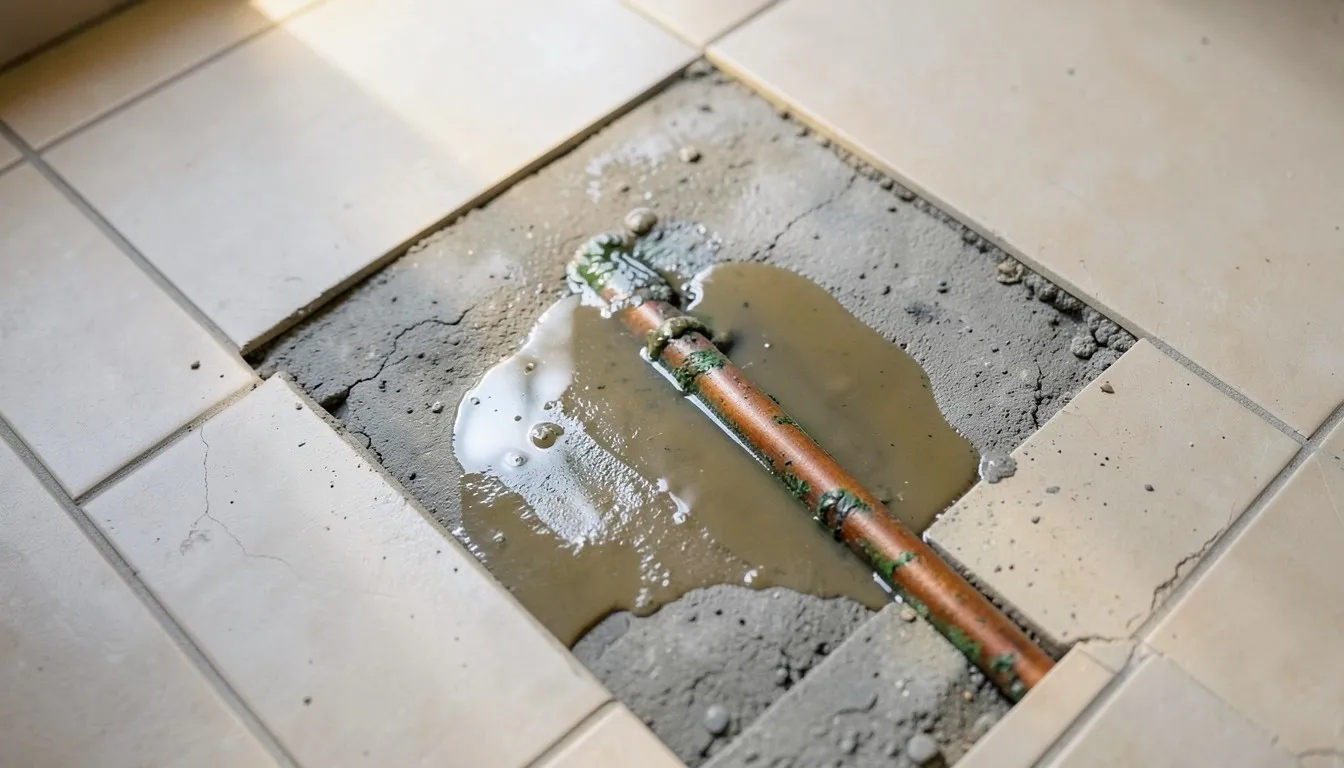
Slab leaks form when copper supply lines embedded in the concrete foundation develop pinholes from electrochemical corrosion, high-velocity water erosion, or slab movement. Tulsa homes built during the 1960s–1980s on post-tensioned slabs face the highest slab-leak risk — copper installed at original construction is approaching or past the 50-year corrosion window. Early signs include warm or wet spots on the floor, unexplained water bill spikes, and the sound of running water when all fixtures are closed. AlertPlumber routes your request to an Oklahoma-licensed plumber for acoustic leak location before any slab cutting begins.
Tulsa's housing stock spans multiple construction eras — median home age 56 years — meaning pipe materials and failure modes vary significantly by neighborhood and building vintage. An inspection-led approach that confirms pipe material before recommending a service path is standard practice for mixed housing profiles.
Very hard water in Tulsa is a primary driver of accelerated appliance failure: water heater anode rods exhaust in 2–3 years instead of 6–8, scale deposits at fixture connections form within months of installation, and tankless heat exchangers accumulate mineral buildup that can reduce lifespan by half without regular descaling. A softener or whole-house conditioner is strongly recommended alongside any appliance service call.
Frost line depth in Tulsa means supply lines and outdoor plumbing must be installed below the freeze threshold — typically 20 — to prevent pipe burst during cold events. Exterior hose bibs, irrigation shutoffs, and any exposed pipe runs are the most common winterization service points in freeze-risk markets.
- Median home age
- 56 yrs
- Water hardness
- 12 gpg
- Frost line
- 20 in.
- Permit
- $95
A licensed OK plumber reads these conditions the moment you describe the symptom.
What local infrastructure shapes Slab Leak Repair in Tulsa?
Slab-on-grade construction took over Tulsa's residential growth rings during the post-war decades, so a 56-year median home age leaves a deep inventory of houses with original supply lines running under concrete. The material mix is genuinely varied — copper, galvanized remnants, later partial repipes — spreading failure modes across pinhole corrosion, joint decay, and abrasion where a line crosses gravel or rebar.
Pressure comes from both sides of the pipe wall. Humid-climate moisture cycling swells and shrinks the soil under slabs anchored above a 20-inch frost line, feeding slow structural movement into rigid plumbing, while water at 12 grains per gallon thins copper from the inside at elbows and other velocity points.
Locating the breach precedes any concrete work, because the sound of escaping water travels along the line and rarely sits over the actual failure. An overhead reroute through wall and attic framing takes the replacement line out of soil contact altogether, and Tulsa's service market — 5,420 plumbers holding state credentials — treats both reroutes and spot repairs as established practice.
What shapes plumbing demand in Tulsa, OK?
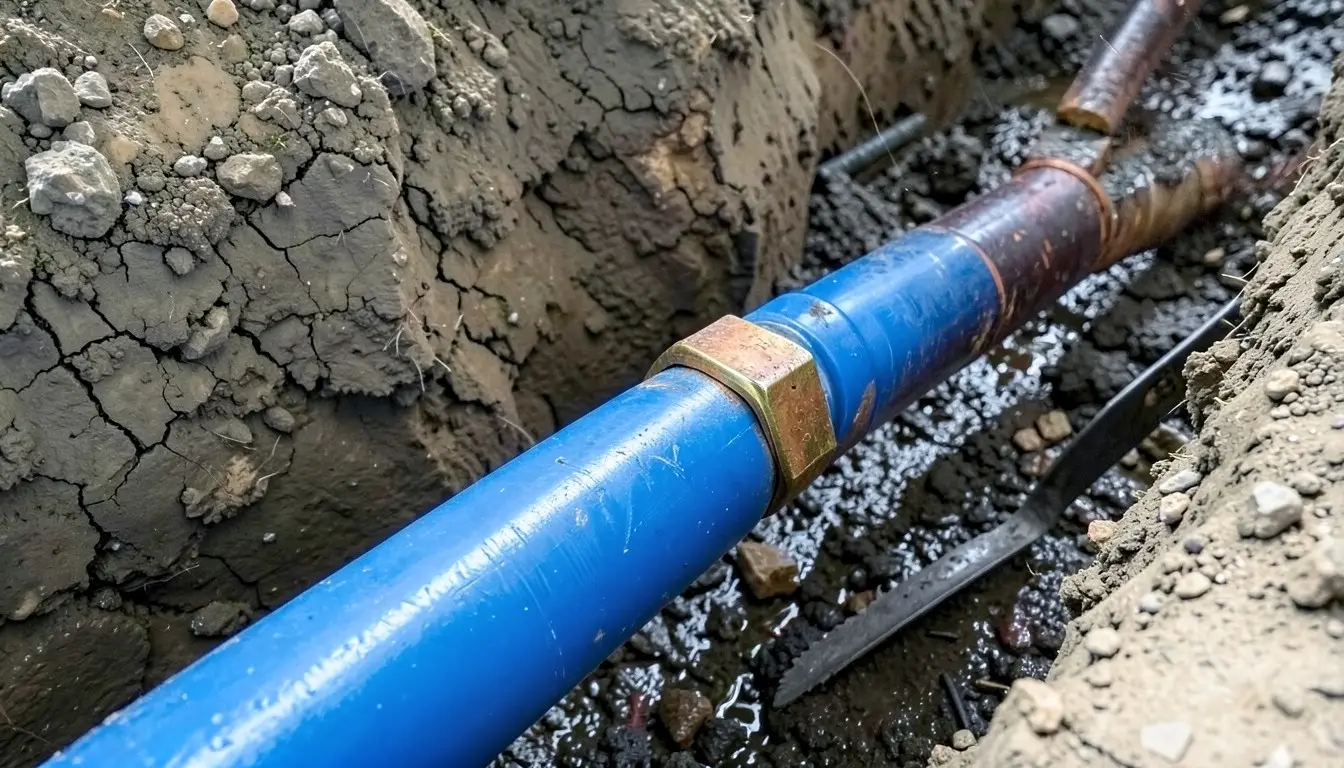
1950s–70s copper supply is now 50–70 years into its service cycle in Tulsa. Thermal fatigue at fittings and slab-on-grade access complexity — common in Sun Belt construction — make repair vs. replacement a live decision on most jobs. This housing cohort is the active primary replacement wave in this market.
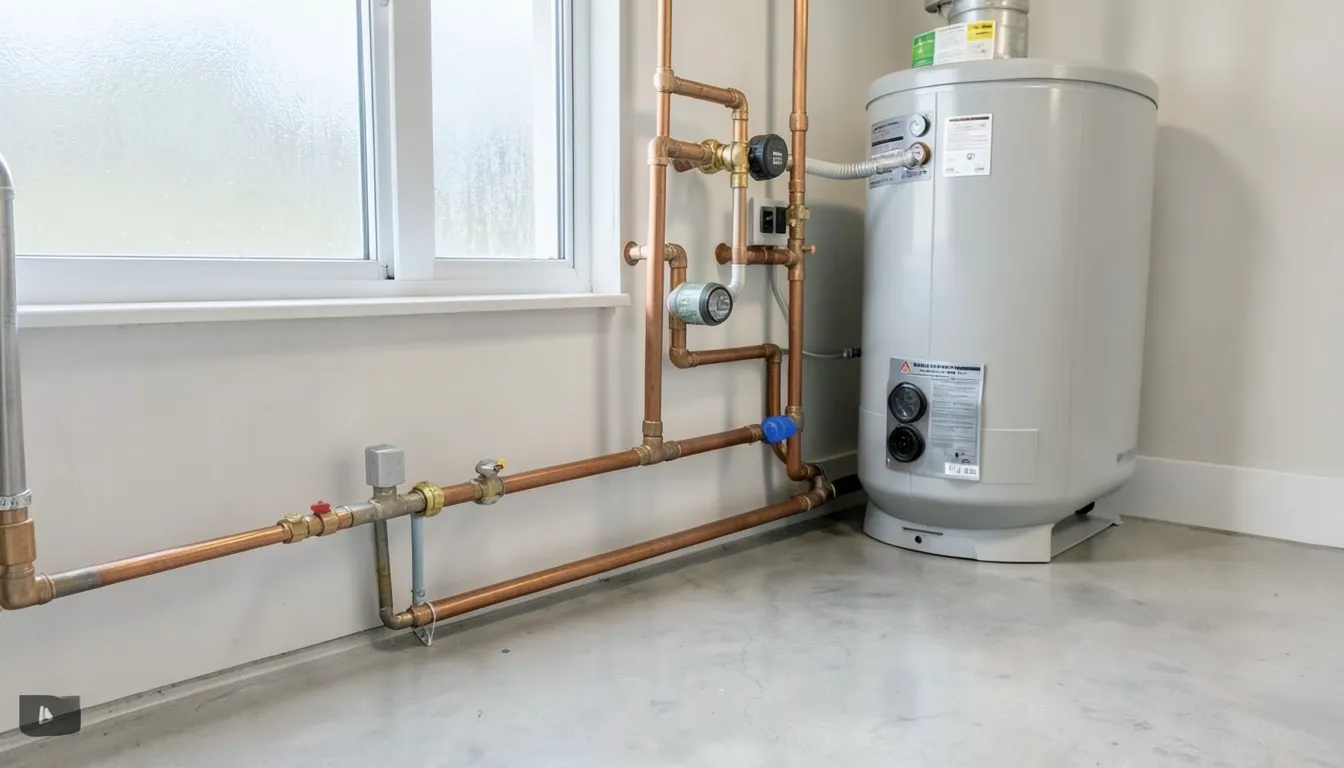
At 15–20+ GPG, calcium scale forces compressed equipment cycles in Tulsa: tank heaters average 6–9 years vs. the 10–12-year national benchmark, and tankless units require annual descaling. Anode rods calcify within 12–18 months. Most plumbers here assess heater age against the local scale timeline — not the manufacturer's service life.
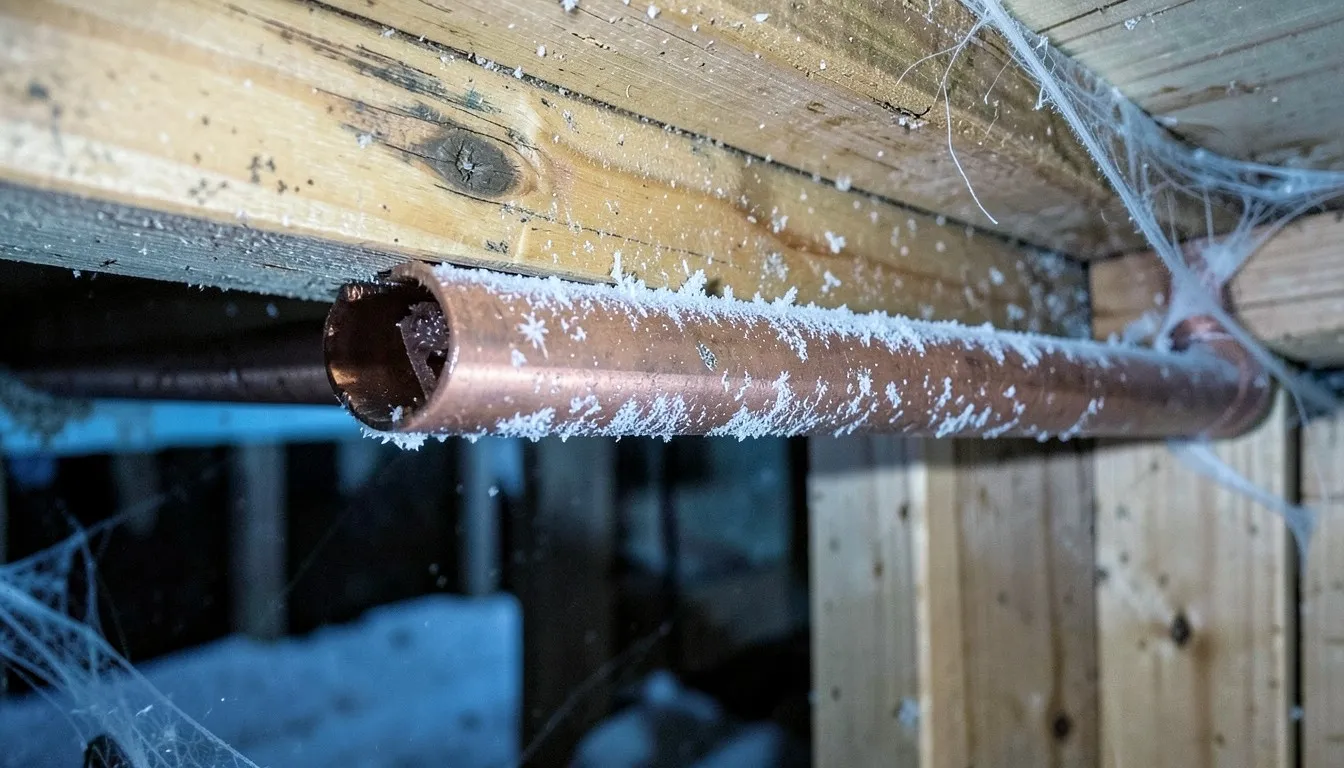
The primary surge in Tulsa runs January–March, with a secondary wave at the spring thaw — when pipes that held through the freeze rupture as pressure is restored above 32°F. Scheduling competition peaks exactly when emergency calls are highest. Homeowners who wait for visible damage compete for the same limited plumber slots at the worst possible time.
Why diagnose before repairing in Tulsa?
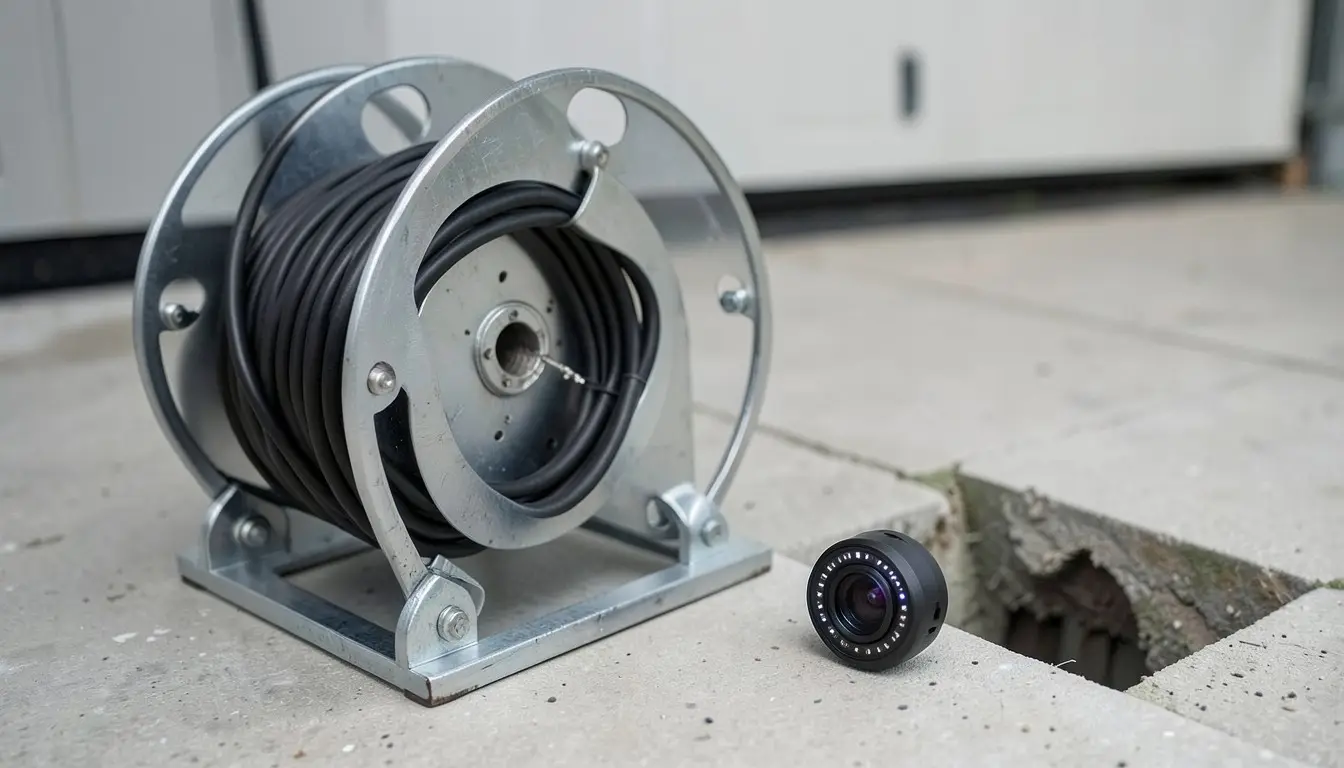
Describe the symptom — not the repair. AlertPlumber routes to an OK-licensed plumber trained in diagnostics. The site visit uses camera tracing, acoustic detection, or hydrostatic pressure testing — matched to the reported failure type.
The plumber delivers a written diagnostic report: confirmed failure location, available repair methods, and tradeoffs — disruption level, material durability, long-term cost, and whether a Tulsa building permit applies to the selected method.
You select the repair path. The Oklahoma-licensed plumber proceeds on the authorized method with a fixed scope and price. Where required, the permit application to Tulsa is handled by the contractor.
Slab Leak Repair cost calculator — Tulsa
Pre-filled for slab leak repair in Tulsa. Adjust the ZIP for a neighboring area, or change the service to compare. Calculator pulls from the city's scraped permit-fee + state plumber-density data.
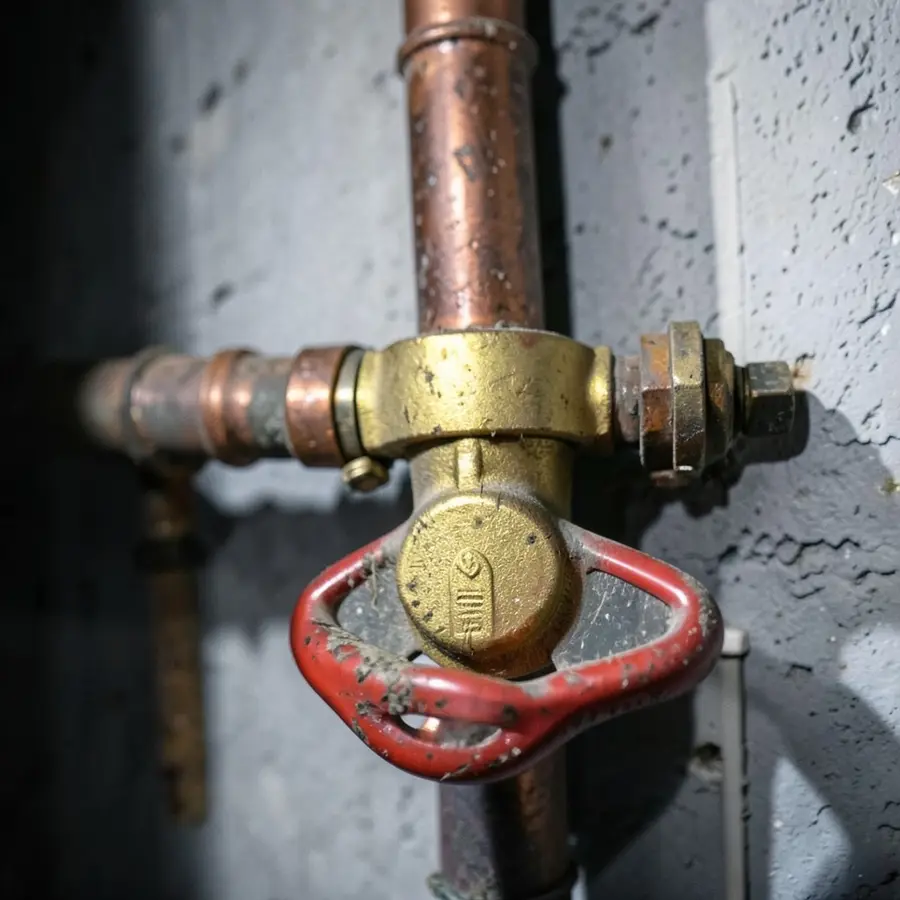
Slab Leak Repair emergency in Tulsa?
Every hour without a repair increases structural risk and remediation cost. A verified plumber calls back with an ETA and a written estimate before any work begins.
What else do people ask about slab leak repair in Tulsa?
What does slab leak repair actually cost in Tulsa, and what swings the number?
Real-world Tulsa pricing in 2026 falls into three brackets. A single-point spot repair — open the slab, splice in new copper or PEX, patch the concrete — runs $1,450 to $3,300 in South Tulsa tract homes off Riverside Drive and the Jenks corridor where access is straightforward. A reroute that abandons the slab line and runs new pipe overhead through walls or attic lands at $2,300 to $5,400; that's the common path in Midtown bungalows around Maple Ridge and Brookside where 1920s-40s construction makes overhead routing easier than slab cutting through plaster-and-lath interiors. A full PEX repipe sits at $4,800 to $13,500 depending on bath count and whether the home has a finished basement (more common in older East Tulsa worker stock than in South Tulsa). The $95 city permit pulled through the Tulsa Working in Public Right-of-Way / Permit Office is included by the OK CIB-credentialed plumber. Add roughly $400-$900 for tile or hardwood finish restoration the plumber doesn't touch.
How do I know whether the leak under my Tulsa floor is a slab leak or something else?
Five signals separate a true slab leak from a fixture or drain issue in Tulsa homes.
- A warm patch on the floor that doesn't track sun exposure — hot-side copper leaks dominate at 12 gpg hardness from the Arkansas River + Spavinaw Lake/Eucha blend, because heat plus minerals accelerates pinhole corrosion
- Water bill jump of $45-$140 per month with no irrigation change — Tulsa Water and Sewer charges roughly $4.40 per 1,000 gallons, so a slow slab leak shows up fast
- The low-flow triangle on your meter spinning with every fixture shut off and the irrigation timer disabled
- A faint hiss audible at 2 a.m. near the water-heater closet or laundry wall
- Hairline cracks in grout lines, baseboard separation, or a door that suddenly won't latch — the slab is moving
Why does Tulsa have so many slab leaks in homes built between 1955 and 1985?
Tulsa's at-risk stock comes from the post-oil-boom housing wave that filled out South Tulsa, the Riverside corridor, and the early Broken Arrow / Sand Springs / Sapulpa ring suburbs between roughly 1955 and 1985. Median Tulsa home age sits at 56 years (1968 build), which puts the typical at-risk house squarely in the 30-50 year copper-failure window documented by the Copper Development Association. Three Tulsa-specific factors compound the failure curve: (1) Type M copper run directly through the slab was standard tract practice in that era, (2) the Arkansas River + Spavinaw blend delivers ~12 gpg hardness per the USGS Hardness Map, which etches the inside of copper from the day the house is occupied, and (3) tornado-alley severe-weather cycles (March-June) plus 75-day-per-year freeze events flex the slab repeatedly. The hot-water side fails first — heat accelerates the chemistry.
Spot repair, reroute, or full PEX repipe — which one fits a Tulsa home?
The decision turns on age, leak count, and neighborhood archetype. Spot repair ($1,450-$3,300) is the right call for a first-ever leak on otherwise-sound copper in a South Tulsa 1980s-90s tract home where the rest of the system has 10+ years of life left. Reroute ($2,300-$5,400) fits Midtown Maple Ridge / Florence Park / Brookside bungalows where opening a 1928 slab through original tile is more invasive than running new PEX through the attic — and the failure is concentrated on one branch (kitchen line, hall-bath group). Full PEX repipe ($4,800-$13,500) is the durable answer when two or more slab leaks have surfaced inside 24 months, when the home is past 35 years on Type M copper at 12 gpg, or when detection turns up multiple weak spots on the hot side. The Copper Development Association notes that the second pinhole pattern signals the whole copper system has reached end-of-life — patching a third or fourth time is throwing money at a worn-out manifold.
Does Oklahoma HO-3 homeowners coverage pay for Tulsa slab leak work?
Most Oklahoma HO-3 policies issued by State Farm, Farmers, USAA, Shelter, and Allstate cover slab leak DETECTION ($260-$495) and tear-out ACCESS — the slab cut, drywall opening, and tile demo needed to reach the failed pipe — when the loss is "sudden and accidental." They do not cover the pipe-repair labor itself, which carriers treat as wear-and-tear maintenance. Oklahoma carriers are tighter than Texas or California on gradual-seepage exclusions; if the moisture-mapping report shows the leak ran for months, expect a denial. To preserve the claim, get the credentialed plumber's written diagnosis with thermal images and a moisture map before authorizing repair, then submit that package — not a verbal phone description — to your adjuster. Tornado / wind events that damage the slab or supply lines are usually covered separately under named-peril sections; document the storm date alongside the leak date.
How long does slab leak repair actually take in Tulsa, start to finish?
Realistic Tulsa timelines: detection workup with pressure isolation, FLIR thermal imaging, and acoustic listening runs 75-130 minutes on a typical 3-bath home. A single-point spot repair (jackhammer, splice, patch) finishes in 5-7 hours; the concrete patch needs 24-48 hours before tile or finish work resumes. A branch reroute through Midtown bungalow attics or South Tulsa wall cavities lands at 1-2 working days. A full PEX-A repipe of a 3-bath home runs 2-4 days depending on whether the plumber needs to crawl an East Tulsa worker-stock basement or work overhead in a slab-on-grade Jenks-area house. Tulsa Water and Sewer turn-off and re-pressurization adds roughly 90 minutes on each end. The matched plumber gives a firm window on the callback after reviewing pipe routing and inspector availability.
Maple Ridge bungalow versus South Tulsa tract — does the repair approach change?
It changes a lot. Midtown Maple Ridge, Florence Park, and Brookside bungalows from the 1920s-40s often have shallow slabs poured over original pier-and-beam, original 1-inch tongue-and-groove subfloor, and historic-district finishes (penny tile, oak hardwood, plaster walls) that make slab cutting genuinely destructive. The standard play there is reroute overhead through the unfinished attic and abandon the slab line — preserves the historic finish and avoids a $3,000+ tile-restoration bill. South Tulsa tract homes built 1965-1995 along the Riverside corridor, Jenks-area suburbs, and Broken Arrow ring have post-tension or rebar slabs poured over engineered fill; spot repairs are mechanically fine because vinyl plank or carpet finishes restore cheaply. East Tulsa worker stock from the 1900s-30s often has partial basements — the leak is usually accessible from below without cutting concrete at all. Pearl District infill conversions are recent enough (post-2010) that PEX is already in place; check the original permit before assuming copper.
Does tornado season actually drive slab leak calls in Tulsa?
Yes, indirectly, and the pattern is well-documented in Tulsa Water and Sewer call logs. March-June severe-weather events drive three slab-stress mechanisms: (1) saturated expansive clay soil swells under the foundation after 4-6 inch rain events, then shrinks during the dry stretch, flexing the slab and the copper running through it, (2) wind-loaded tree damage shifts root systems that were stabilizing soil under older Midtown slabs, and (3) the hail-and-wind insurance cycle puts adjusters and contractors on roofs and walls — slab leaks discovered during those inspections show up as a spring spike in detection calls. The 75 freeze days per year add a separate winter failure cycle: pipes inside the slab don't freeze, but the soil around them does, and the heave-thaw cycle is harder on Type M copper than steady cold. Spring slab-leak calls in Tulsa run roughly 35-45% above the annual baseline.
What does Tulsa permitting and OK CIB credentialing look like for slab work?
Slab leak repair that touches the supply main or any pipe under the slab requires a permit pulled through the Tulsa Working in Public Right-of-Way / Permit Office at the $95 fee tier. Inspection is required after the splice and before the patch is closed — taking photos doesn't substitute. The plumber pulling the permit must hold an active credential through the Oklahoma Construction Industries Board; the OK CIB lists 5,420 credentialed plumbers statewide as of 2024. Slab work specifically requires both the journeyman or contractor credential AND demonstrated experience with concrete cutting and post-tension slab awareness — Tulsa homes built after 1980 frequently have post-tension cables that will whip and injure a worker if cut. Verify the credential at ok.gov/cib before authorizing any work; the lookup is free and takes 30 seconds. Permit work also creates the paper trail Oklahoma HO-3 carriers want for claim approval.
When does a full PEX repipe pencil out in a Tulsa home?
Full repipe pays back when at least one of three conditions holds: (1) two or more slab leaks have surfaced in 24 months — the Copper Development Association field data shows a 38-52% probability of a third pinhole within 36 months once the second one appears, (2) the home is past 35 years on Type M copper at the Tulsa 12 gpg hardness profile from the Arkansas River + Spavinaw blend, or (3) a system-wide pressure test on the manifold ($165-$295) drops more than 3 psi over 15 minutes at 80 psi, indicating multiple weak spots on the hot side. PEX-A run overhead through walls and attic — never back through the slab — is the Tulsa standard. The PEX Association notes PEX-A carries a 25-year manufacturer warranty in 2026 when installed to spec. The math: three more spot repairs at $2,400 average plus drywall and tile restoration usually exceeds a one-time $7,500 repipe inside four years on a 1968-build Midtown or South Tulsa home.
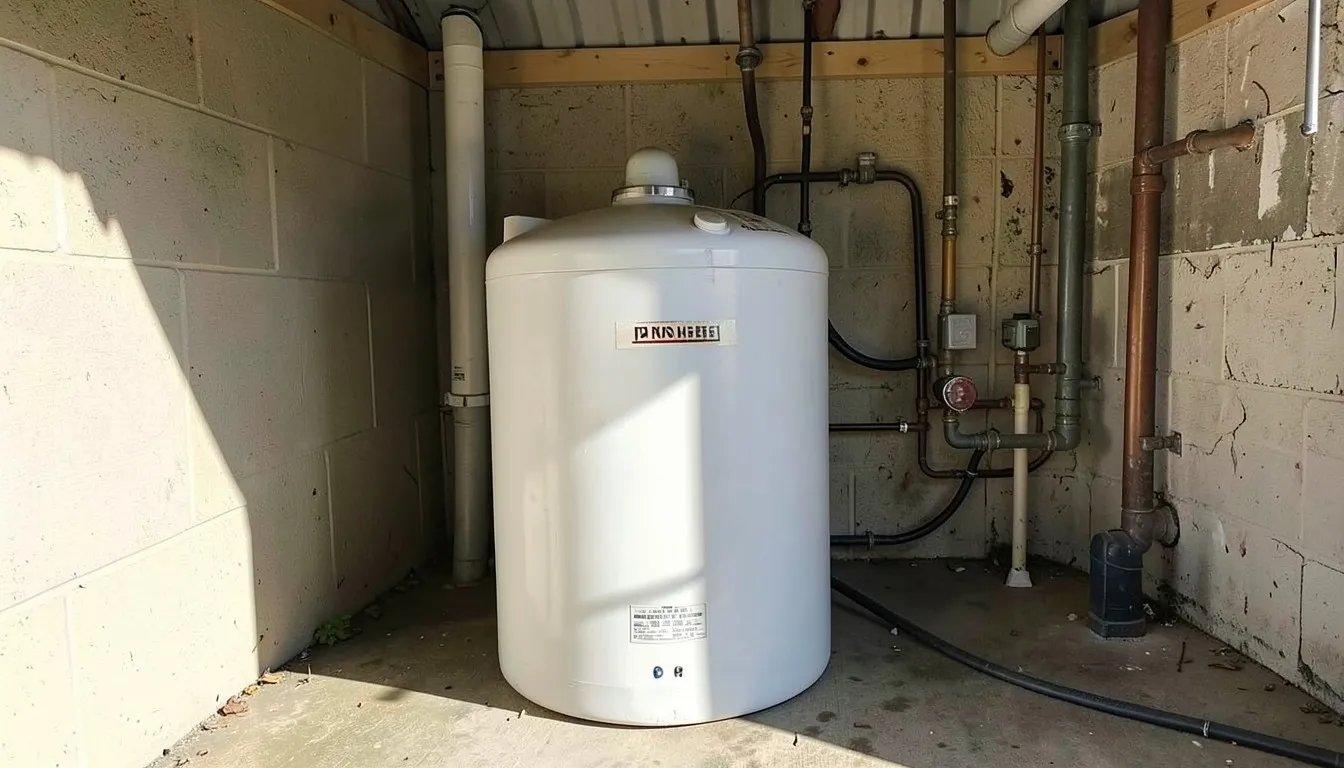
Sixty seconds from now, a plumber can be working your problem.
Call and talk to dispatch, or put your number in the form below — a licensed Oklahoma plumber calls you back about the slab leak repair and gives a written estimate by phone.
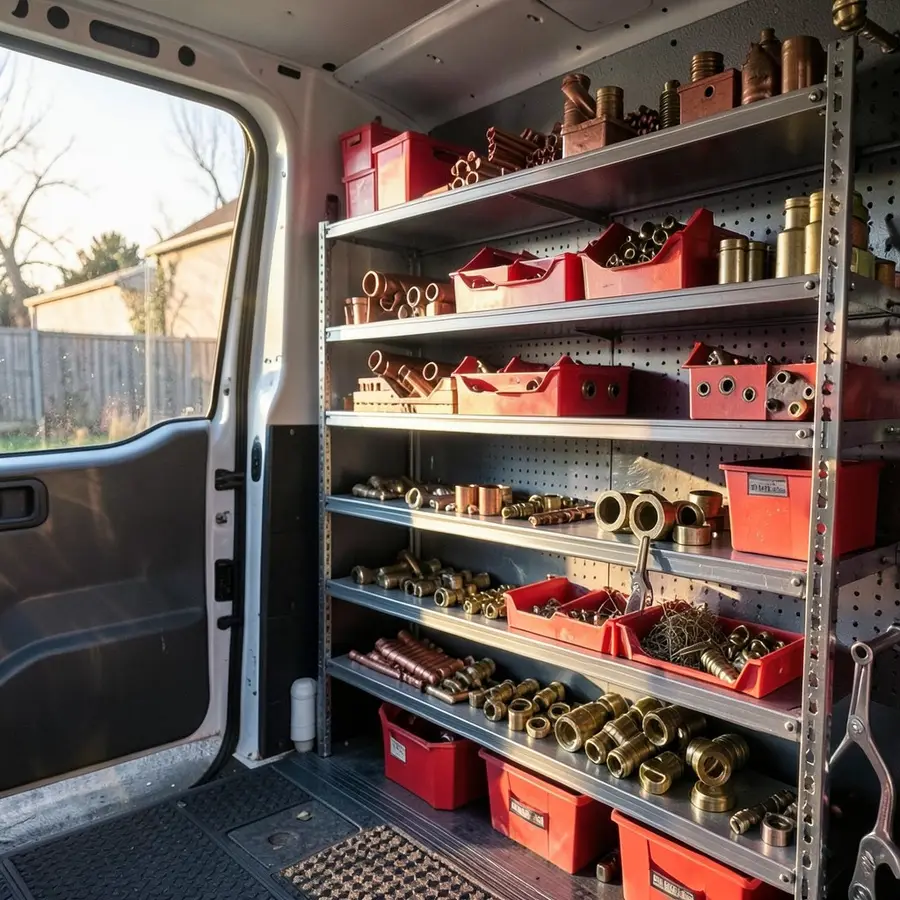
Need a slab leak repair callback in Tulsa?
In a meeting, with the kids, or just prefer not to hold? Drop your ZIP and number below. AlertPlumber routes your request to a verified plumber in your area — they’ll call you back directly.
- 1 Submit your info. ZIP, phone, and what kind of work you need.
- 2 AlertPlumber matches you with a verified plumber serving your area.
- 3 The plumber calls you back with a written estimate, no obligation.
Slab Leak Repair in Tulsa — fast response
Acute plumbing failures cannot wait. AlertPlumber has verified Oklahoma plumbers available for slab leak repair in Tulsa — call now or submit the form above for rapid callback.