
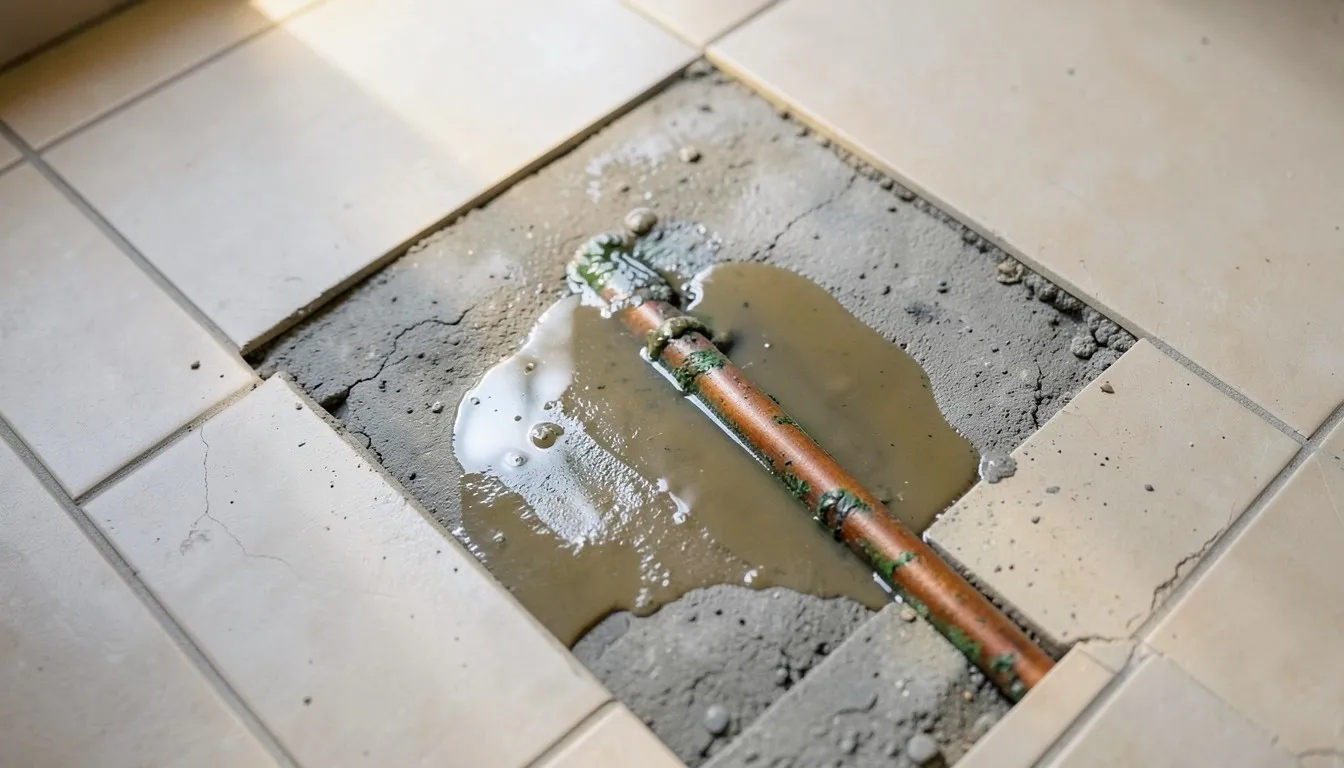
Emergency Slab Leak Repair in Nashville, Tennessee
Camera first, quote second — know exactly what's wrong in your Nashville home before you approve a dollar.
Local plumbing data for Nashville, TN
Seeing these conditions at your place in Nashville? A state-licensed plumber can confirm it over the phone — free, no obligation.
Pipe conditions in Nashville, TN
Slab leaks form when copper supply lines embedded in the concrete foundation develop pinholes from electrochemical corrosion, high-velocity water erosion, or slab movement. Nashville homes built during the 1960s–1980s on post-tensioned slabs face the highest slab-leak risk — copper installed at original construction is approaching or past the 50-year corrosion window. Early signs include warm or wet spots on the floor, unexplained water bill spikes, and the sound of running water when all fixtures are closed. AlertPlumber routes your request to a Tennessee-licensed plumber for acoustic leak location before any slab cutting begins.
Nashville's housing stock spans multiple construction eras — median home age 39 years — meaning pipe materials and failure modes vary significantly by neighborhood and building vintage. An inspection-led approach that confirms pipe material before recommending a service path is standard practice for mixed housing profiles.
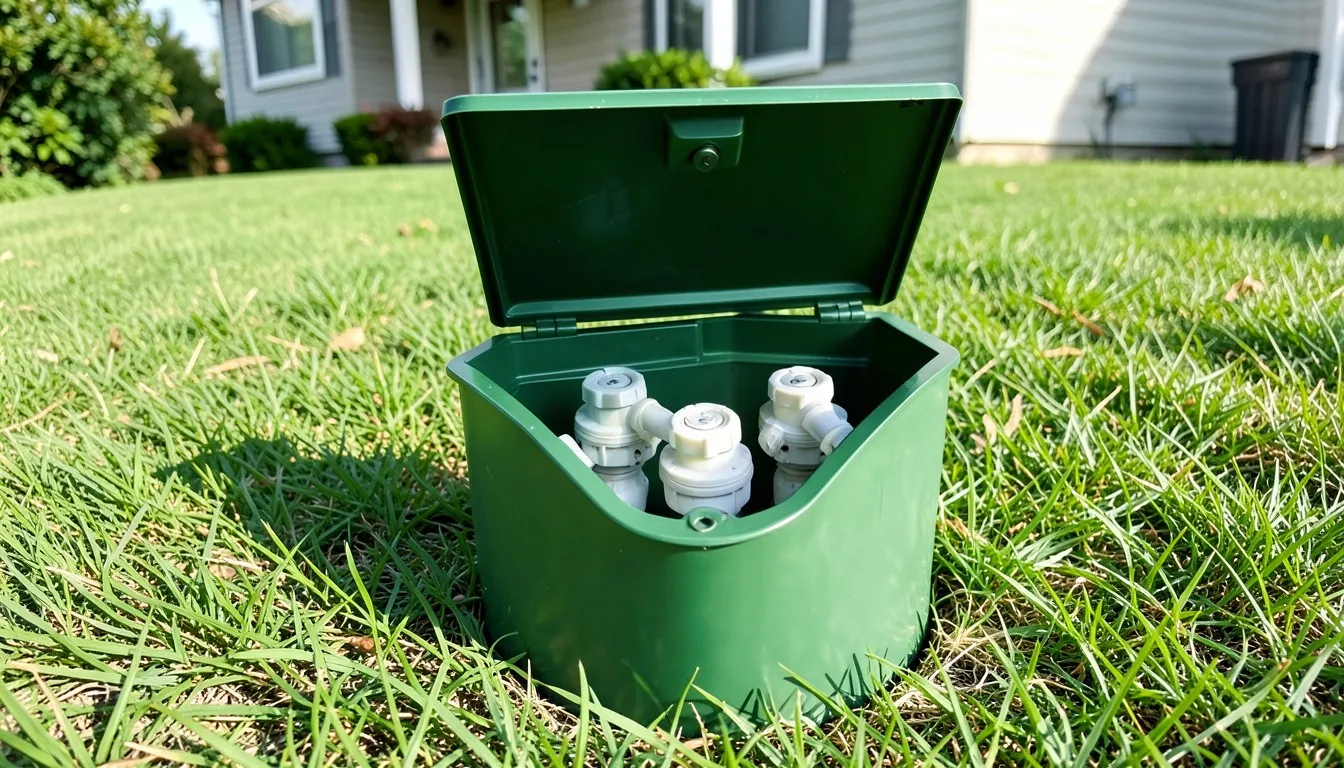
Frost line depth in Nashville means supply lines and outdoor plumbing must be installed below the freeze threshold — typically 12 — to prevent pipe burst during cold events. Exterior hose bibs, irrigation shutoffs, and any exposed pipe runs are the most common winterization service points in freeze-risk markets.
- Median home age
- 39 yrs
- Water hardness
- 5 gpg
- Frost line
- 12 in.
- Permit
- $110
A licensed TN plumber reads these conditions the moment you describe the symptom.
Slab Leak Repair in Nashville: Local Infrastructure Context
Nashville residential development from the late 1980s through the 2000s produced a mixed-material slab construction profile across Davidson County — Antioch, Hermitage, and the Donelson and Bellevue corridors represent the primary modern cohort reaching early service-life milestones. At 39 years median age, slab-embedded supply lines in these tracts include copper runs from late-1980s construction and early polybutylene installations from the 1990s. Davidson County also carries approximately 9,400 lead service lateral connections from older neighborhood connections pre-dating the modern growth period, which affects what investigation at the slab level may encounter in mixed-vintage zones.
J. Percy Priest and Old Hickory Lake supply to Metro Nashville Water Services delivers approximately 5 grains per gallon — moderately soft supply that does not deposit a protective scale layer on copper interior surfaces. At 5 GPG, the water chemistry is below the threshold where carbonate scale provides meaningful passivation, meaning 39-year copper-slab installations contact the water column without the mineral buffering available in harder-water markets. Nashville copper-slab failure emerges from direct water-metal contact rather than the scale-edge pitting mechanism seen in harder-water Sun Belt markets.
The $110 permit covers investigation and repair scope. Electronic leak detection locates the active failure before concrete access. In older neighborhoods where the service lateral pre-dates 1990, the investigation scope confirms pipe material at the failure depth before repair decisions are finalized.
What shapes plumbing demand in Nashville, TN
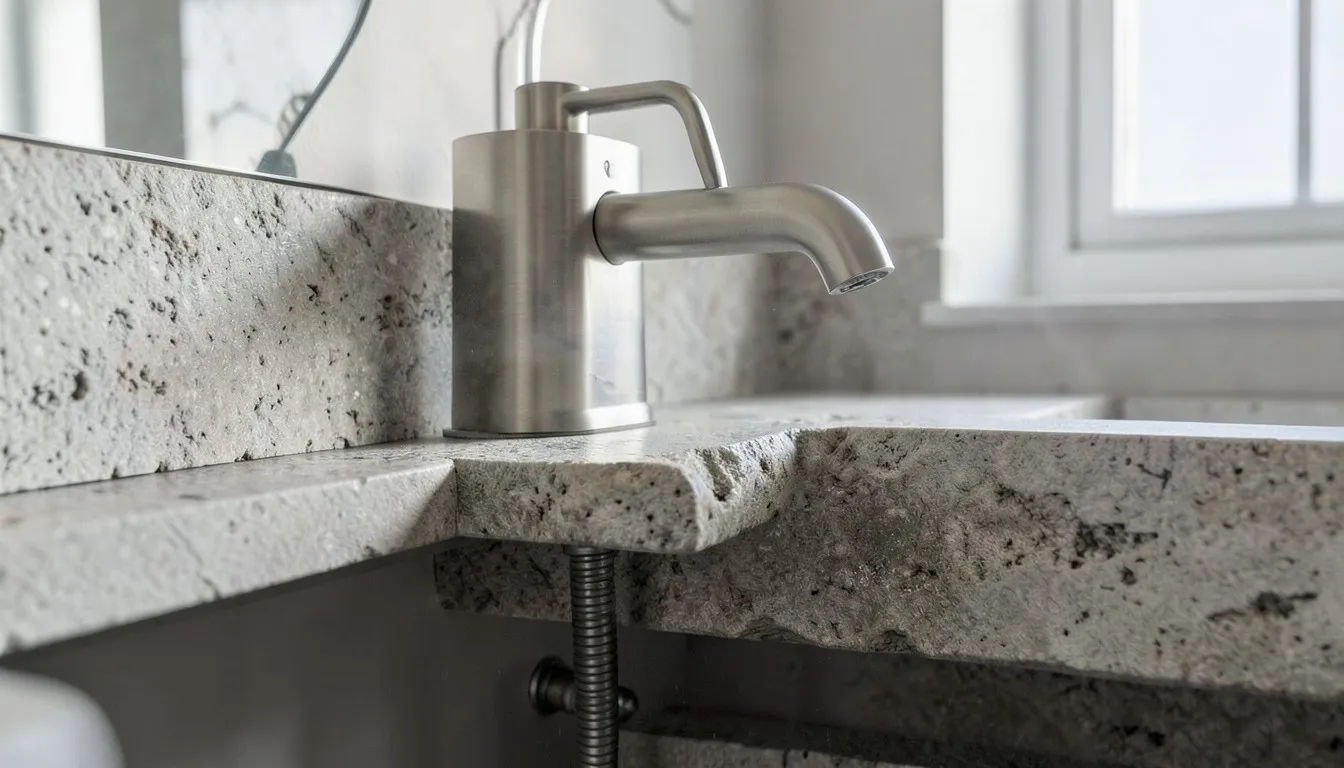
CPVC becomes brittle in the 20–35-year range and snaps under thermal stress or incompatible pipe dopes. Early PEX fittings (pre-2010) may develop chloramine compatibility issues at 15–25 years. The 1980s–1990s housing stock in Nashville is entering its first wave of material-driven service calls — not from neglect, but from normal service-life progression.
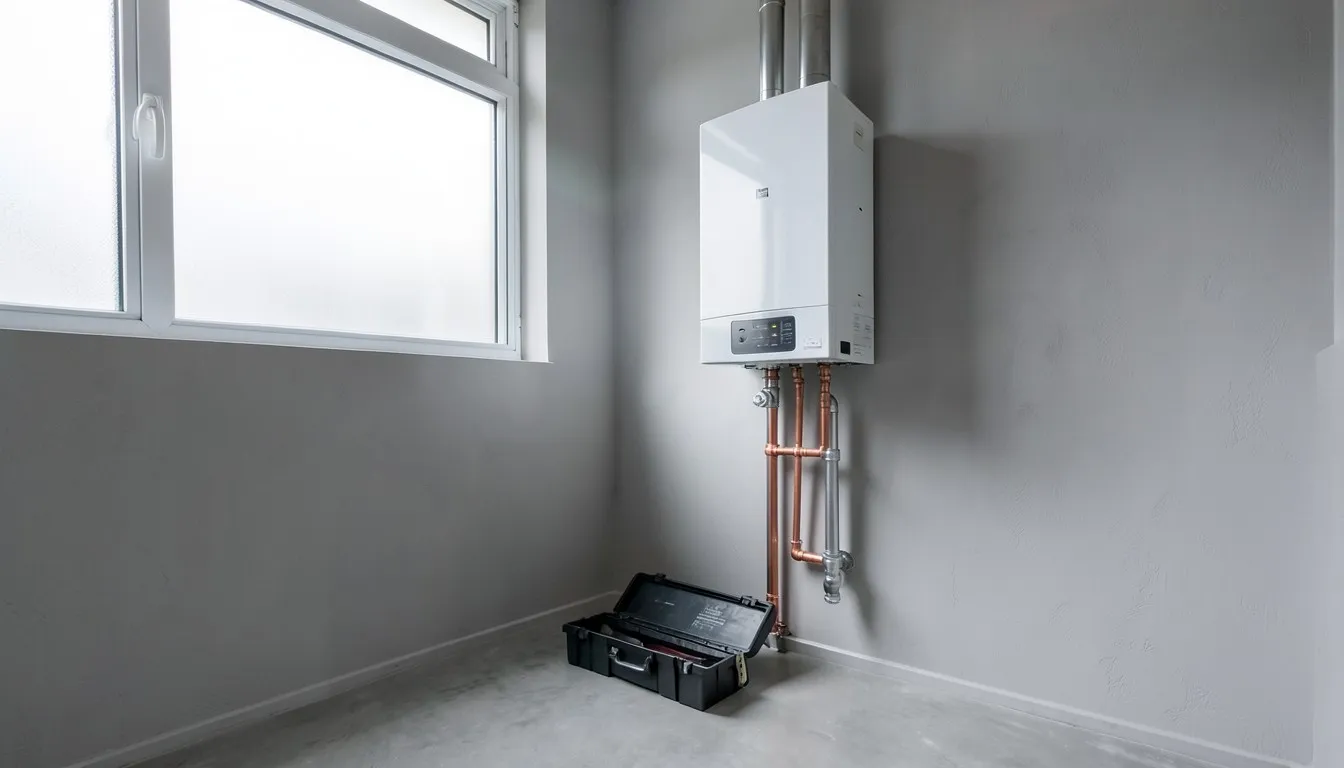
4–7 GPG produces gradual scale that stays manageable with standard maintenance intervals in Nashville — annual flushing, cartridge cleaning every 1–2 years. Equipment runs near design lifespan. The primary water quality driver here is preventive maintenance rather than emergency replacement, which distributes service demand more evenly across the calendar.
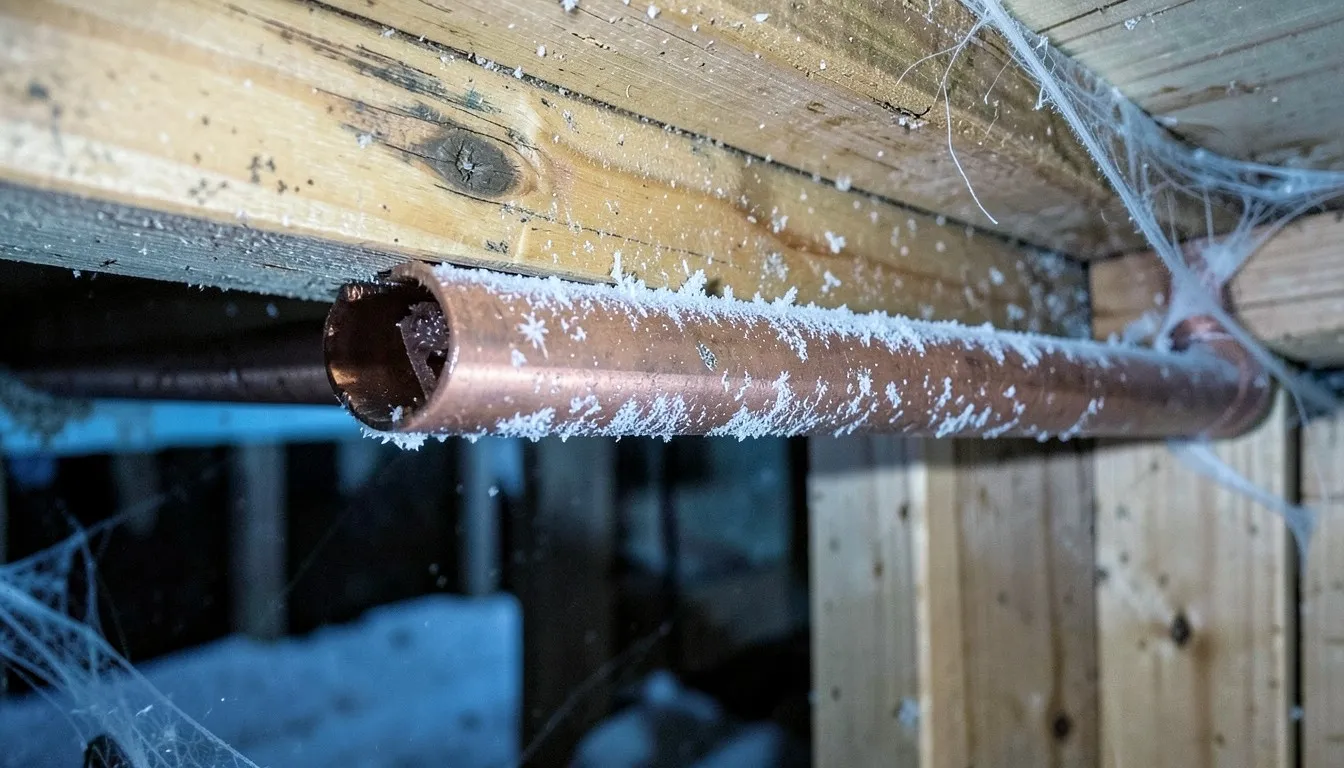
The primary surge in Nashville runs January–March, with a secondary wave at the spring thaw — when pipes that held through the freeze rupture as pressure is restored above 32°F. Scheduling competition peaks exactly when emergency calls are highest. Homeowners who wait for visible damage compete for the same limited plumber slots at the worst possible time.
Nashville: diagnose first, repair second
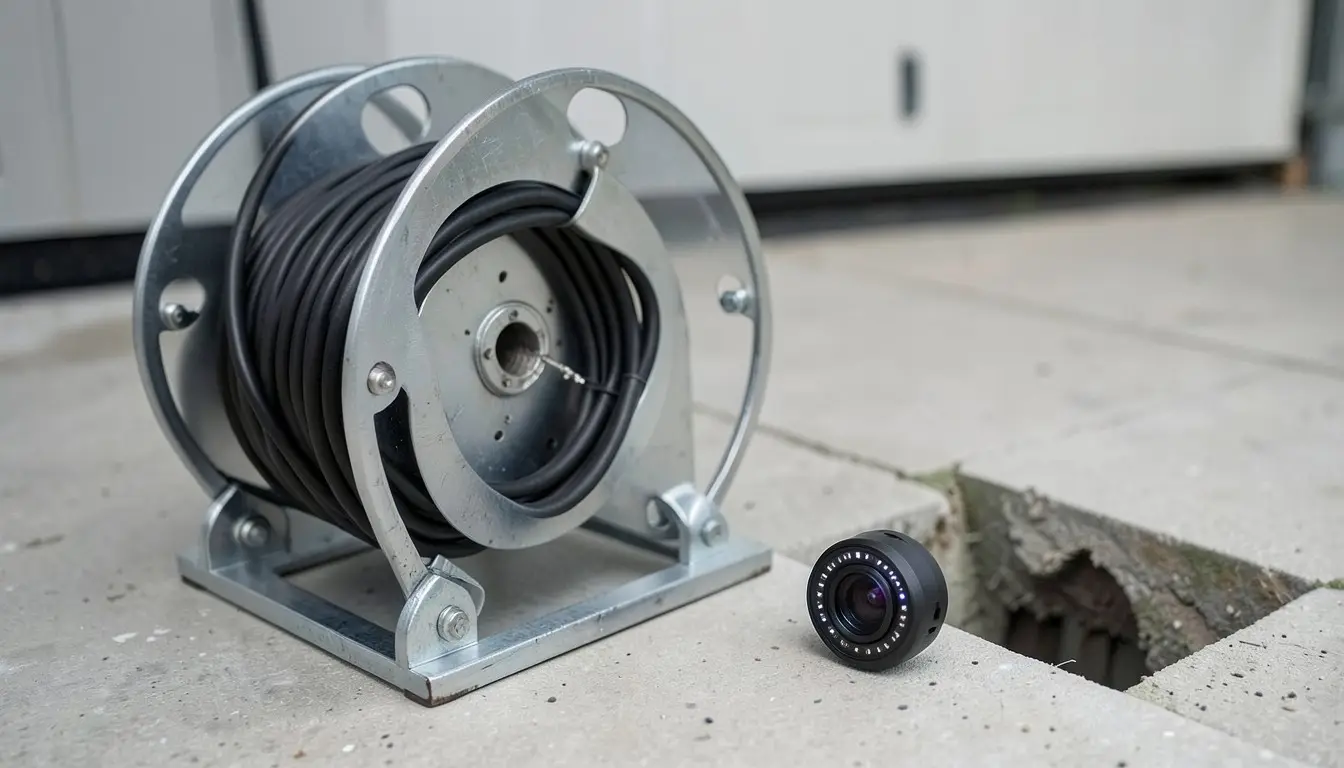
Describe the symptom — not the repair. AlertPlumber routes to a TN-licensed plumber trained in diagnostics. The site visit uses camera tracing, acoustic detection, or hydrostatic pressure testing — matched to the reported failure type.
The plumber delivers a written diagnostic report: confirmed failure location, available repair methods, and tradeoffs — disruption level, material durability, long-term cost, and whether a Nashville building permit applies to the selected method.
You select the repair path. The Tennessee-licensed plumber proceeds on the authorized method with a fixed scope and price. Where required, the permit application to Nashville is handled by the contractor.
Slab Leak Repair cost calculator — Nashville
Pre-filled for slab leak repair in Nashville. Adjust the ZIP for a neighboring area, or change the service to compare. Calculator pulls from the city's scraped permit-fee + state plumber-density data.
Slab Leak Repair emergency in Nashville?
Every hour without a repair increases structural risk and remediation cost. A verified plumber calls back with an ETA and a written estimate before any work begins.
Slab Leak Repair in Nashville — frequently asked
What does slab leak repair actually cost in Nashville in 2026?
Nashville slab leak pricing tracks three distinct paths set by the substrate underneath the home. A targeted spot repair — open a 2x2 ft window in the slab, expose the failed segment, splice in copper or transition to PEX-A, repour — runs $1,500–$3,400 in the metro. The wider Nashville range reflects how often the slab sits directly on Cumberland Plateau limestone bedrock; once the saw hits rock, demolition time stretches and the bid stretches with it. A reroute that abandons the slab line and runs new PEX-A overhead through joist bays or the attic comes in $2,400–$5,600 — usually the smarter path on Belle Meade ranches with accessible crawl-cuts. A full whole-home PEX-A repipe lands $5,200–$13,800. The Nashville Codes Administration permit is $110 plus inspection, and the credentialed TN Board contractor pulls it under their own credential — homeowner does not file. Detection workup itself is $300–$525, typically reimbursable under TN HO-3 carriers.
What are the warning signs of a slab leak in a Nashville home?
Mid-South humidity masks several of the early signs that show up cleanly in drier markets, so Nashville homeowners need to read the patterns more carefully. Warm patches on tile or hardwood — especially in hallways or near a Belle Meade ranch's centralized utility closet — point to a hot-side pinhole, the dominant failure mode at the city's moderate 5 gpg hardness. A faint hiss audible only at 2–3 a.m. when traffic on Hillsboro Pike or Gallatin Pike quiets down, the Metro Water Services meter spinning with every fixture shut, $35–$95 month-over-month water-bill creep with no usage change, hairline cracks following grout lines above where the supply trunk runs, and persistent damp-basement smell in East Nashville bungalows with partial cellars all warrant detection. Any single sign justifies a $300–$525 workup; two or more puts it in urgent territory before the limestone substrate channels water under the footing.
Why does Nashville's limestone bedrock and clay-mix soil drive slab failures?
Nashville sits on the Cumberland Plateau, a fractured limestone shelf overlaid with red-clay-and-loam mantle that swings 5–8% in volume between dry August and wet March. That seasonal heave puts cyclic stress on any rigid copper supply line cast directly into the slab — joints work loose at solder cups, and Type L copper running through 5 gpg moderate-hardness water develops hot-side pinhole corrosion in the 30–50 year window per Copper Development Association. Add ~24 hard-freeze days a year (NWS Nashville climatology), and the freeze-thaw cycle on shallow-routed lines accelerates failure. The mixed housing stock makes it worse: pre-war East Nashville bungalows on galvanized supply, 1950s–70s Belle Meade ranches on Type M copper-in-slab, and 2000s Gulch infill on PEX-A all coexist within five miles. Cumberland River surface intake also carries seasonal turbidity that scours interior pipe walls.
Spot repair, reroute, or whole-home repipe — which fits a Nashville house?
The decision tree in Nashville depends on age, substrate access, and prior-leak history. A spot repair ($1,500–$3,400) is the right answer for a first-time leak in a single copper segment when the rest of the supply system tested clean under static pressure — common in 1990s Bellevue or Antioch tract homes. A reroute ($2,400–$5,600) makes sense when one branch (kitchen island, primary-bath group) has failed but the rest of the system is sound, and joist-bay or attic access exists — a frequent fit for Belle Meade and Green Hills 1950s–70s ranches with generous crawl space. A whole-home PEX-A repipe ($5,200–$13,800) becomes the rational call after two confirmed slab leaks inside 24 months, or when detection finds three-plus hot-side weak points on the same trunk. Per Copper Development Association field data, that two-leak pattern carries a 35–55% probability of a third failure within 36 months — at that point, replacement beats chasing leaks.
Does Tennessee homeowners insurance cover Nashville slab leak repair?
Standard TN HO-3 policies underwritten by State Farm, Farmers, USAA, Erie, and Allstate in the Nashville market generally cover the access cost — the slab cut, the moisture-affected drywall, the ruined hardwood — when the leak is sudden and accidental rather than long-term seepage. They do NOT cover the failed pipe itself (treated as wear-and-tear under TN policy language), which is the $1,500–$3,400 repair line item. Detection fees ($300–$525) are typically reimbursable when paired with a written moisture-mapping report from the credentialed TN Board contractor. To preserve the claim, homeowners should photograph the warm spot and water-meter reading before any work begins, request a written diagnosis from the plumber on the callback, and file with the carrier within 30 days. Verbal diagnosis without the moisture map gets denied at adjuster review nearly every time in the Nashville claim pool.
How long does a Nashville slab leak repair actually take start to finish?
Detection workup runs 75–135 minutes — longer in Nashville than in flat-soil markets because limestone substrate scatters acoustic ground-mic signal and the technician has to triangulate across multiple listening points. A spot repair on standard concrete-on-grade slab is a 4–7 hour day: saw the window, jackhammer through 4 inches of concrete (longer if it hits limestone bedrock), splice in PEX-A or copper, pressure-test, repour. A reroute through joist bays or attic on a Belle Meade ranch typically runs 1.5–2.5 days including drywall patching at penetration points. A whole-home PEX-A repipe of a 3–4 bath house — say 2,800 sq ft in Brentwood or West Meade — comes in at 2.5–4 working days plus another 1–2 days for drywall texture matching. Concrete patches need 24–48 hours of cure before tile or hardwood can re-lay over them in the Mid-South humidity.
How does a 1920s East Nashville bungalow differ from a Belle Meade ranch?
The two corners of the Nashville stock have completely different pathologies. East Nashville and Germantown bungalows from the 1900s–1930s typically show galvanized-iron supply lines coming off the Metro Water Services main, often with a few feet of original lead service line still in place (Metro Water flagged ~9,400 LSL parcels in its 2024 inventory). Slab failures are rare in this stock because most of the early bungalows have raised-pier foundations with crawl space — the supply runs accessible above the dirt, and the dominant failure is galvanized internal corrosion at the brass-to-iron transition, fixed by reroute rather than slab cut. Belle Meade and Green Hills luxury ranches built 1950–1975 are the opposite: slab-on-grade concrete with Type M copper cast directly into the pour. Those are now 50–75 years on the original supply and dominate the Nashville slab-leak repair pool. PEX-A reroute through the generous attic above a Belle Meade ranch is the cleanest answer.
Why are Gulch and SoBro condos seeing fewer slab leaks?
The Gulch, SoBro, and Wedgewood-Houston tech-boom infill from the late 2000s through 2010s went up after PEX-A had become the default Nashville builder spec. That construction wave — which delivered tens of thousands of mid-rise condo units and townhomes during Nashville's population growth surge — shipped almost universally with cross-linked polyethylene supply lines installed per PEX Association manifold-and-home-run topology. PEX-A is dimensionally stable through freeze cycles, immune to the hot-side pinhole corrosion that sinks 1960s Type M copper in 5 gpg water, and carries a 25-year manufacturer warranty when installed to spec. The result: Gulch and SoBro buildings show vastly lower slab-leak repair rates than the 50-year-old Belle Meade ranches even though both sit on the same Cumberland Plateau limestone substrate. Most Gulch failures that do surface trace to fitting-side issues at washer hookups, not pipe-body failure.
What permit and TN Board credentialing applies to Nashville slab work?
Slab leak repair, reroute, and whole-home repipe all require a Nashville Codes Administration plumbing permit at $110 plus inspection fee, pulled by a Tennessee Board for Contractors credentialed CMC contractor — verifiable at TN Board for Contractors, which lists 5,840 actively credentialed plumbing contractors statewide as of 2024. The contractor files under their own TN credential; the homeowner does not file directly. Inspection happens twice on a repipe: rough-in pressure test before drywall close-up (the contractor pressurizes new PEX-A to 100 psi for 24 hours, inspector verifies hold), and final inspection after fixtures reconnect. Spot repairs under the slab follow a faster single-inspection track. Any AlertPlumber-matched verified, credentialed Nashville contractor handles permit pull, both inspections, and final close-out as standard scope — homeowner stays hands-off on the regulatory side.
When does a full PEX-A repipe pencil out over chasing leaks in Nashville?
Three triggers move the math from spot-repair to whole-home repipe in the Nashville market. First: two confirmed slab leaks within 24 months on the same supply system. Second: a 50-plus year old Belle Meade or Green Hills ranch on original Type M copper-in-slab where static pressure isolation finds three or more weak points on the same hot-side trunk. Third: any home where moisture-mapping detects active leakage at multiple slab penetrations simultaneously. At those triggers, $5,200–$13,800 for whole-home PEX-A run overhead through attic and joist bays — never back through the slab — beats spending $3,000+ per spot repair on a system that will continue failing. Per PEX Association data, PEX-A in 2026 carries a 25-year manufacturer warranty and shows zero hot-side pinhole pathology in 5 gpg water. With ~24 freeze days a year and seasonal Cumberland River turbidity, the repipe is the last supply-line capital expense the home should need.
Sixty seconds from now, a plumber can be working your problem.
Call and talk to dispatch, or put your number in the form below — a licensed Tennessee plumber calls you back about the slab leak repair and gives a written estimate by phone.
Request a slab leak repair callback in Nashville
In a meeting, with the kids, or just prefer not to hold? Drop your ZIP and number below. AlertPlumber routes your request to a verified plumber in your area — they’ll call you back directly.
- 1 Submit your info. ZIP, phone, and what kind of work you need.
- 2 AlertPlumber matches you with a verified plumber serving your area.
- 3 The plumber calls you back with a written estimate, no obligation.
Slab Leak Repair in Nashville — fast response
Acute plumbing failures cannot wait. AlertPlumber has verified Tennessee plumbers available for slab leak repair in Nashville — call now or submit the form above for rapid callback.