
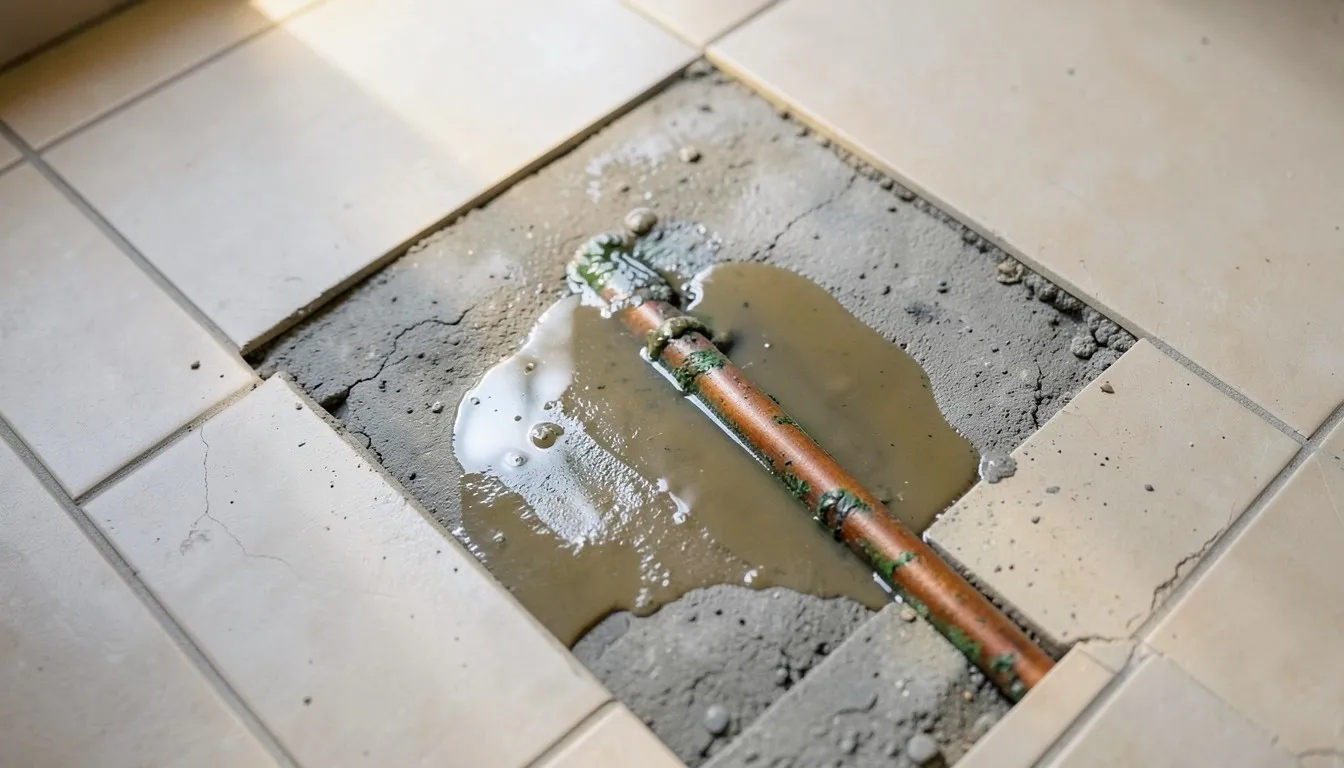
Emergency Slab Leak Repair in Bloomington, Indiana
Slab Leak Repair in Bloomington, Indiana detects and repairs leaks in pipes beneath the concrete slab foundation. Local conditions in Bloomington: water measured at 13 gpg, a 22 in frost line and a median home age of 50 years.
Camera first, quote second — know exactly what's wrong in your Bloomington home before you approve a dollar.
What does the local plumbing data show for Bloomington, IN?
Seeing these conditions at your place in Bloomington? A state-licensed plumber can confirm it over the phone — free, no obligation.
What are the pipe conditions in Bloomington, IN?
Slab leaks form when copper supply lines embedded in the concrete foundation develop pinholes from electrochemical corrosion, high-velocity water erosion, or slab movement. Bloomington homes built during the 1960s–1980s on post-tensioned slabs face the highest slab-leak risk — copper installed at original construction is approaching or past the 50-year corrosion window. Early signs include warm or wet spots on the floor, unexplained water bill spikes, and the sound of running water when all fixtures are closed. AlertPlumber routes your request to an Indiana-licensed plumber for acoustic leak location before any slab cutting begins.
Bloomington's housing stock spans multiple construction eras — median home age 50 years — meaning pipe materials and failure modes vary significantly by neighborhood and building vintage. An inspection-led approach that confirms pipe material before recommending a service path is standard practice for mixed housing profiles.
Very hard water in Bloomington is a primary driver of accelerated appliance failure: water heater anode rods exhaust in 2–3 years instead of 6–8, scale deposits at fixture connections form within months of installation, and tankless heat exchangers accumulate mineral buildup that can reduce lifespan by half without regular descaling. A softener or whole-house conditioner is strongly recommended alongside any appliance service call.
Frost line depth in Bloomington means supply lines and outdoor plumbing must be installed below the freeze threshold — typically 22 in — to prevent pipe burst during cold events. Exterior hose bibs, irrigation shutoffs, and any exposed pipe runs are the most common winterization service points in freeze-risk markets.

- Median home age
- 50 yrs
- Water hardness
- 13 gpg
- Frost line
- 22 in
- Permit
- $100
A licensed IN plumber reads these conditions the moment you describe the symptom.
What shapes plumbing demand in Bloomington, IN?
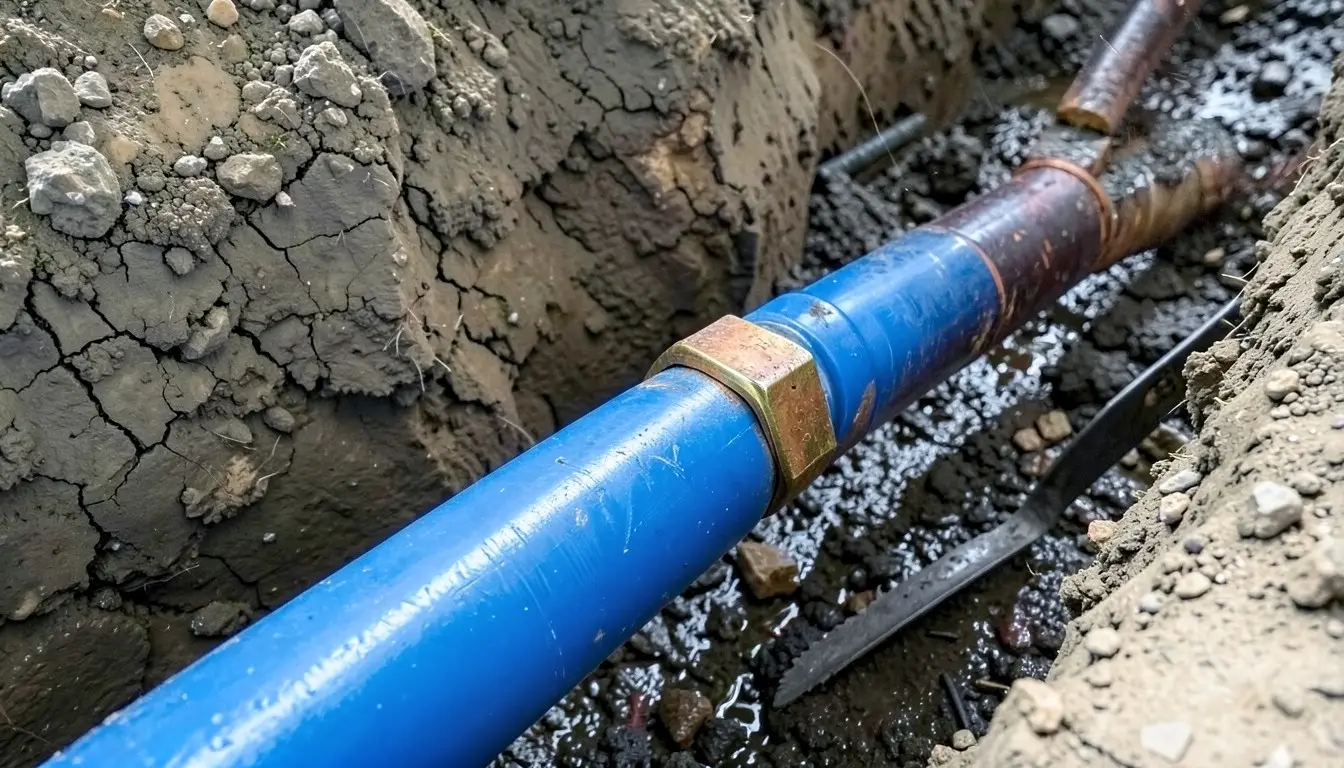
1950s–70s copper supply is now 50–70 years into its service cycle in Bloomington. Thermal fatigue at fittings and slab-on-grade access complexity — common in Sun Belt construction — make repair vs. replacement a live decision on most jobs. This housing cohort is the active primary replacement wave in this market.
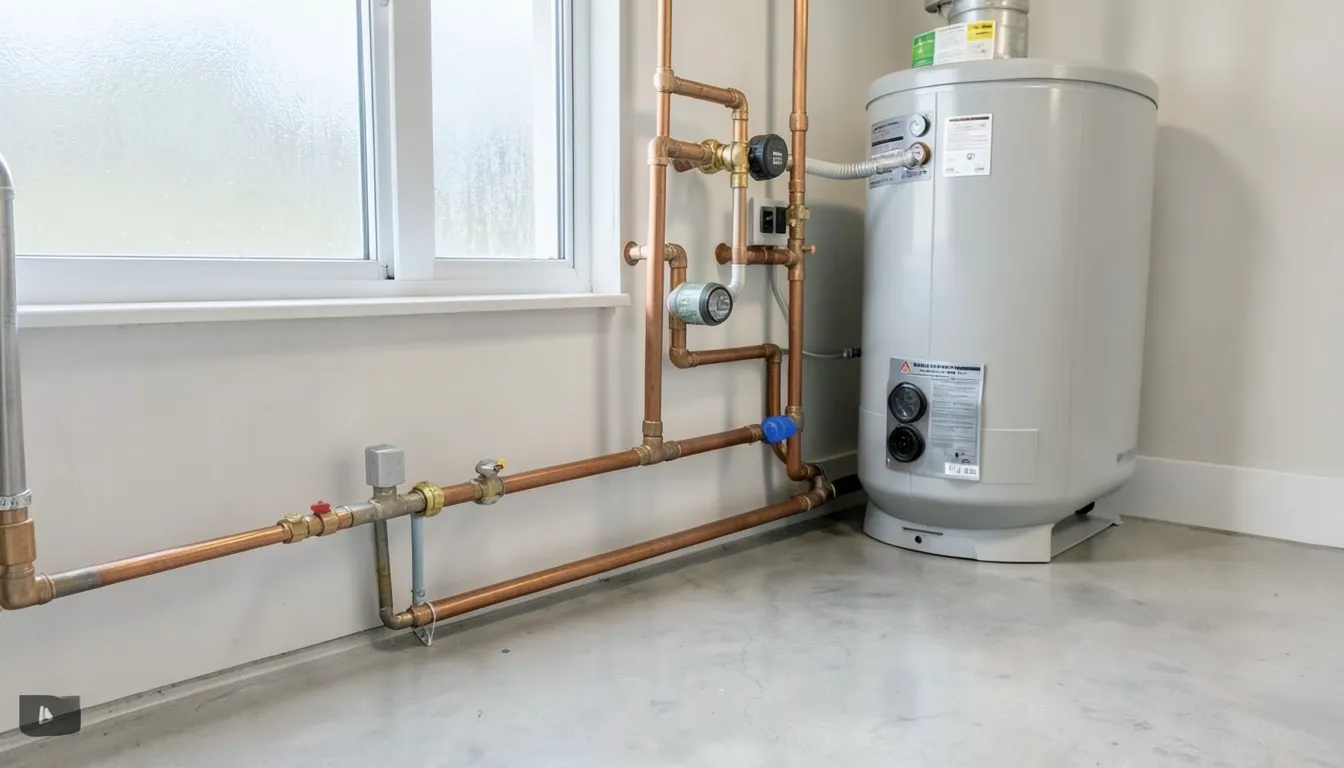
At 15–20+ GPG, calcium scale forces compressed equipment cycles in Bloomington: tank heaters average 6–9 years vs. the 10–12-year national benchmark, and tankless units require annual descaling. Anode rods calcify within 12–18 months. Most plumbers here assess heater age against the local scale timeline — not the manufacturer's service life.
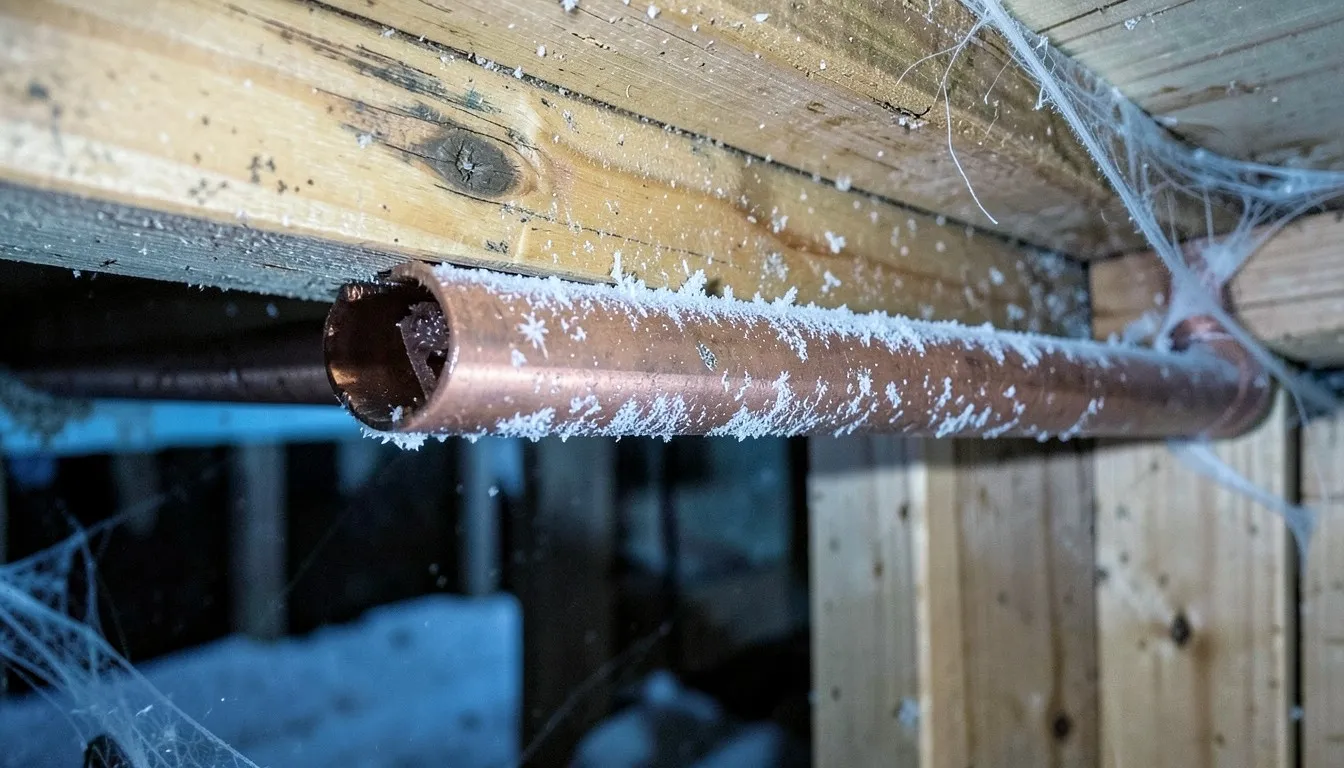
The primary surge in Bloomington runs January–March, with a secondary wave at the spring thaw — when pipes that held through the freeze rupture as pressure is restored above 32°F. Scheduling competition peaks exactly when emergency calls are highest. Homeowners who wait for visible damage compete for the same limited plumber slots at the worst possible time.
Why diagnose before repairing in Bloomington?
Describe the symptom — not the repair. AlertPlumber routes to an IN-licensed plumber trained in diagnostics. The site visit uses camera tracing, acoustic detection, or hydrostatic pressure testing — matched to the reported failure type.
The plumber delivers a written diagnostic report: confirmed failure location, available repair methods, and tradeoffs — disruption level, material durability, long-term cost, and whether a Bloomington building permit applies to the selected method.
You select the repair path. The Indiana-licensed plumber proceeds on the authorized method with a fixed scope and price. Where required, the permit application to Bloomington is handled by the contractor.
Slab Leak Repair cost calculator — Bloomington
Pre-filled for slab leak repair in Bloomington. Adjust the ZIP for a neighboring area, or change the service to compare. Calculator pulls from the city's scraped permit-fee + state plumber-density data.
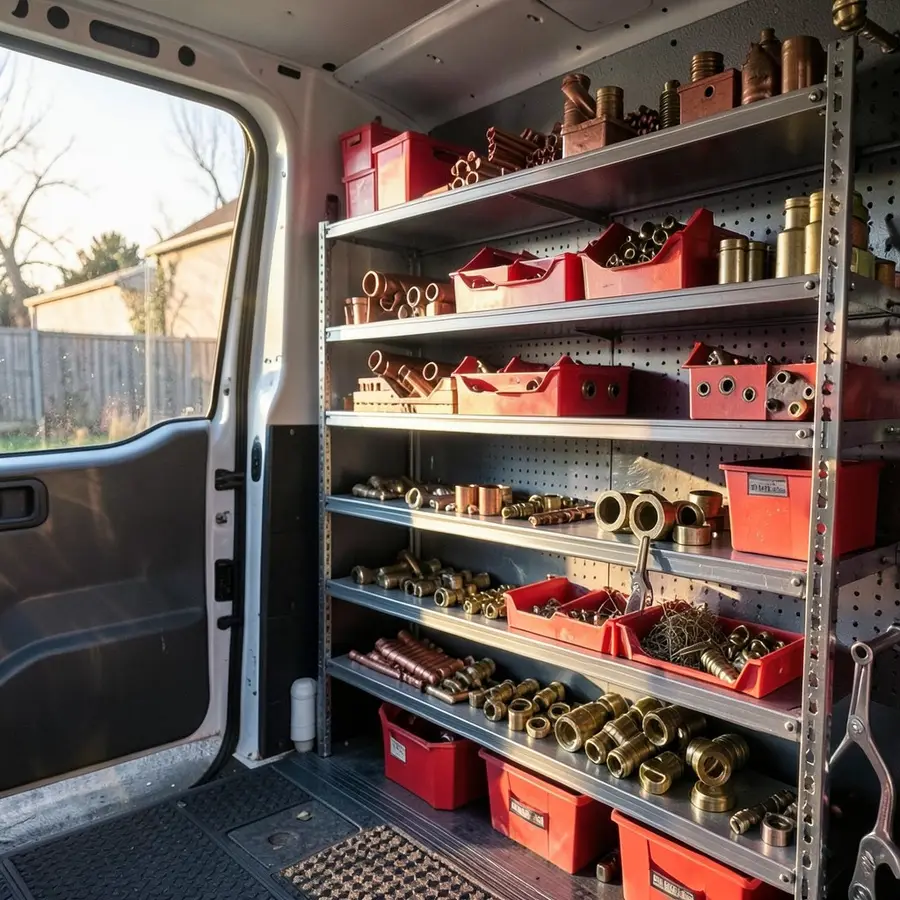
Slab Leak Repair emergency in Bloomington?
Every hour without a repair increases structural risk and remediation cost. A verified plumber calls back with an ETA and a written estimate before any work begins.
What else do people ask about slab leak repair in Bloomington?
How much does slab leak repair cost in Bloomington, IN?
Slab leak repair for a Bloomington, Indiana home runs $460–$3,680 for leak detection plus spot repair. A copper-pinhole repair rerouted above the slab costs $736–$2,300; a concrete core-drill-and-repair costs $920–$3,220; a whole-home repipe that retires the embedded run costs $4,140–$16,560. Monroe County's housing stock skews toward two eras — Near East Side homes built in the 1880s–1930s that still carry original galvanized supply runs, and suburban additions from the 2000s–2020s now entering their first major repair cycle — so the AlertPlumber-matched plumber quotes after confirming which era's construction and slab depth apply to your address, since access difficulty swings the final number more than the leak itself.
What tools find a slab leak in a Bloomington home?
Detection in Bloomington combines acoustic listening equipment, thermal imaging, and tracer gas (nitrogen+helium) for cold-water lines, typically narrowing the leak to within 6–12 inches before any concrete is opened. Detection runs $250–$450. Because a large share of Monroe County's housing serves Indiana University's 46,000-student population as rental stock, landlords often request detection as a stand-alone diagnostic step — before authorizing repair — so property managers can document the cause for a tenant work order or insurance file. Homes built during the 2000s–2020s suburban expansion typically have cleaner acoustic signatures than the pre-1930s Near East Side stock, where older galvanized branch lines add background noise that extends the diagnostic window by an hour or more.
Why do slab leaks happen in Bloomington homes?
Bloomington's water carries 13 grains per gallon of hardness, and scale build-up on copper pipe interior walls creates the micro-turbulence that seeds pinhole corrosion over time — a slow, wall-thinning process with no external warning until the leak breaks through. Separately, Indiana's freeze season adds mechanical stress: the area logs roughly 90 nights a year below freezing and a frost depth near 22 inches, deep enough to reach shallow slab-edge plumbing runs in older additions. Homes from the 1880s–1930s Near East Side era with original galvanized supply lines see the highest combined rate of both failure modes, since galvanized pipe corrodes internally on a shorter timeline than the copper used in later construction.
Core drill or tunnel — how does a Bloomington plumber reach a slab leak?
Core drilling — cutting a 4–8" hole directly at the leak point — is the fastest access method and works whenever the leak sits under open floor area. Tunneling from an exterior wall is the alternative when drilling risks a load-bearing footing or when finished flooring can't be cut. For Bloomington specifically, an above-slab reroute is often the better long-term call in the Near East Side's 1880s–1930s housing, where galvanized supply lines run throughout the slab rather than to just one fixture — patching a single pinhole in that era of plumbing usually means a second leak within a few years. Newer 2000s–2020s suburban builds on copper or PVC are more often single-point repairs.
Does slab leak repair need a city permit in Bloomington?
Yes. Any pipe repair, reroute, or repipe under a Bloomington slab requires a City of Bloomington plumbing permit, with a $100 minimum fee set by the city, plus a rough-in inspection before the concrete patch goes back down and a final inspection once fixtures are reconnected. The state layer sits on top of the local one: Indiana requires the plumber performing the work to hold a state PLA plumber license, separate from the city's permit process. The AlertPlumber-matched plumber handles both the city permit application and the required inspections as part of the job, so nothing is left for the homeowner to file.
Will homeowners insurance pay toward a Bloomington slab leak?
Standard Indiana homeowners policies typically cover the cost of accessing the leak and the resulting water damage to flooring or drywall — but not the failed pipe section itself, which is treated as normal wear rather than a covered peril. Notify the carrier as soon as a slab leak is suspected and photograph the damage before work starts, since claims are evaluated on documented progression. In Bloomington's large Indiana University rental market, the same access-cost-only coverage structure applies to landlord policies, and property managers should loop in the plumber's written estimate early since it typically doubles as the claim's supporting documentation.
What's the timeline for a Bloomington slab leak repair job?
Detection takes 2–4 hours. Core-drill access plus a single-point spot repair typically finishes in 4–8 hours, same day, for most leaks. A full above-slab reroute runs 1–2 days, and the concrete patch needs 24–48 hours to cure before flooring goes back down. In practice, Bloomington's pre-1930s Near East Side homes tend to land at the longer end of that range because galvanized branch lines complicate the reroute path, while 2000s–2020s suburban homes on copper or PEX usually finish closer to the low end. Most jobs restore water service within 24 hours regardless of which repair method is used, with cosmetic flooring work sometimes scheduled separately.
Should I worry about mold after a Bloomington slab leak?
Yes — a slab leak that goes undetected for even a few weeks can saturate framing and subfloor with enough moisture to start mold growth within 24–48 hours of the material staying wet. This risk runs highest in the Near East Side's older homes, where original subfloor material sits directly over galvanized runs with no vapor barrier, compared to newer suburban builds with more moisture-resistant assemblies. Professional moisture mapping and structural drying are strongly recommended immediately after the slab repair itself, before any flooring is replaced, so trapped moisture isn't sealed back under new material.
Hot side or cold side — can a Bloomington plumber tell which line is leaking?
Yes, and the distinction changes the repair approach. A hot-side leak shows up clearly on thermal imaging because the warm water plume is easy to trace through the slab. A cold-side leak has no thermal signature and is located acoustically or by injecting tracer gas and tracking its escape point. In practice, hot-side leaks in Bloomington point toward pinhole corrosion inside older copper runs, while cold-side leaks more often trace back to a fitting or joint connection that failed under the mechanical stress of the region's freeze-thaw cycle. The AlertPlumber-matched plumber identifies which side is affected before recommending core drilling versus tunneling.
Are AlertPlumber-matched slab leak specialists verified in IN?
Yes. Every plumber matched through AlertPlumber for slab leak work in Bloomington holds an active Indiana PLA plumber license and carries acoustic and thermal detection equipment on the service vehicle. A written scope-of-work estimate — covering the access method, expected concrete patch size, and whether a core drill or reroute is recommended — is provided before any concrete cutting begins, so the homeowner can review the plan against their City of Bloomington permit paperwork. Near East Side homeowners with older galvanized runs and suburban homeowners alike get the same before-and-after documentation for their own records or an insurance claim.
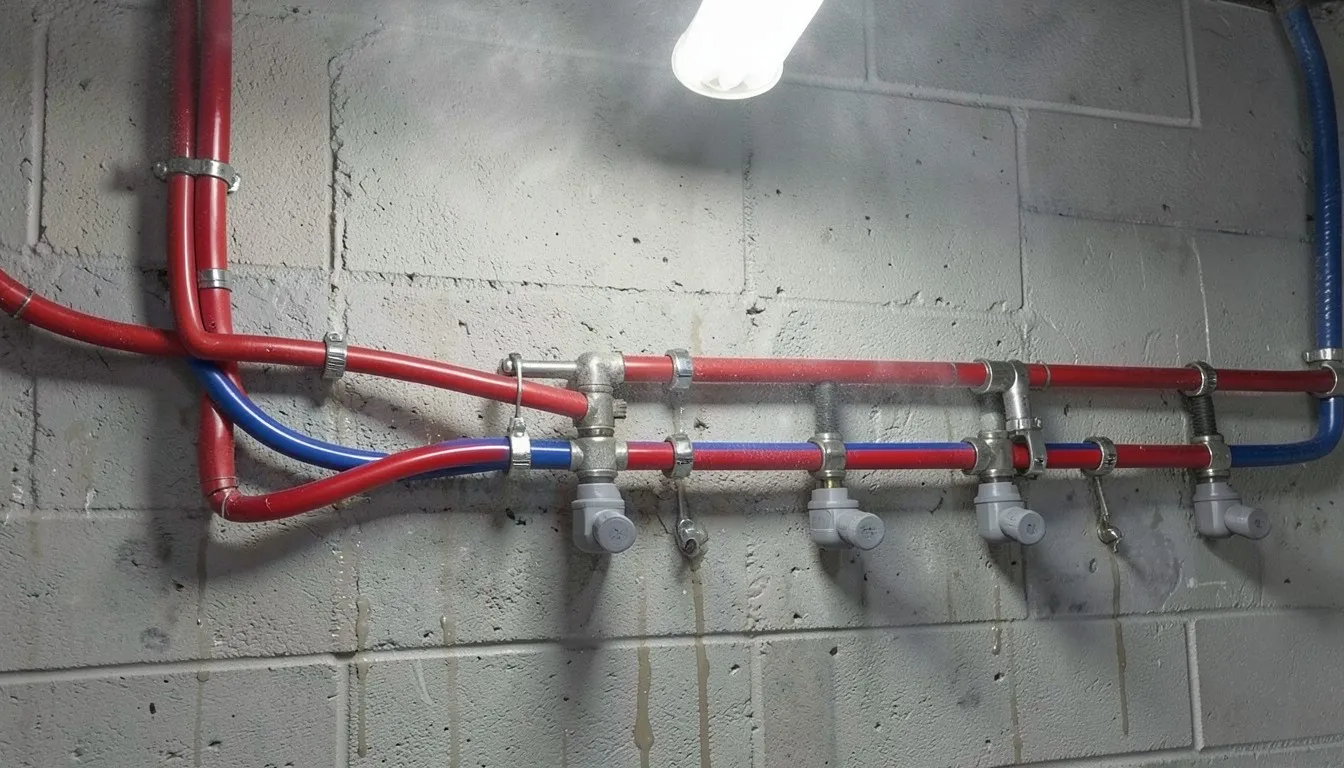
Sixty seconds from now, a plumber can be working your problem.
Call and talk to dispatch, or put your number in the form below — a licensed Indiana plumber calls you back about the slab leak repair and gives a written estimate by phone.

Need a slab leak repair callback in Bloomington?
In a meeting, with the kids, or just prefer not to hold? Drop your ZIP and number below. AlertPlumber routes your request to a verified plumber in your area — they’ll call you back directly.
- 1 Submit your info. ZIP, phone, and what kind of work you need.
- 2 AlertPlumber matches you with a verified plumber serving your area.
- 3 The plumber calls you back with a written estimate, no obligation.
Slab Leak Repair in Bloomington — fast response
Acute plumbing failures cannot wait. AlertPlumber has verified Indiana plumbers available for slab leak repair in Bloomington — call now or submit the form above for rapid callback.