
Emergency Sewer Line Repair in New York, New York
Sewer Line Repair in New York, New York repairs broken or root-invaded sewer lines via spot repair, lining, or trenchless methods. Local conditions in New York: water measured at 1.4, a 36 frost line and a median home age of 70 years.
Camera first, quote second — know exactly what's wrong in your New York home before you approve a dollar.
What does the local plumbing data show for New York, NY?
Seeing these conditions at your place in New York? A state-licensed plumber can confirm it over the phone — free, no obligation.
What are the pipe conditions in New York, NY?
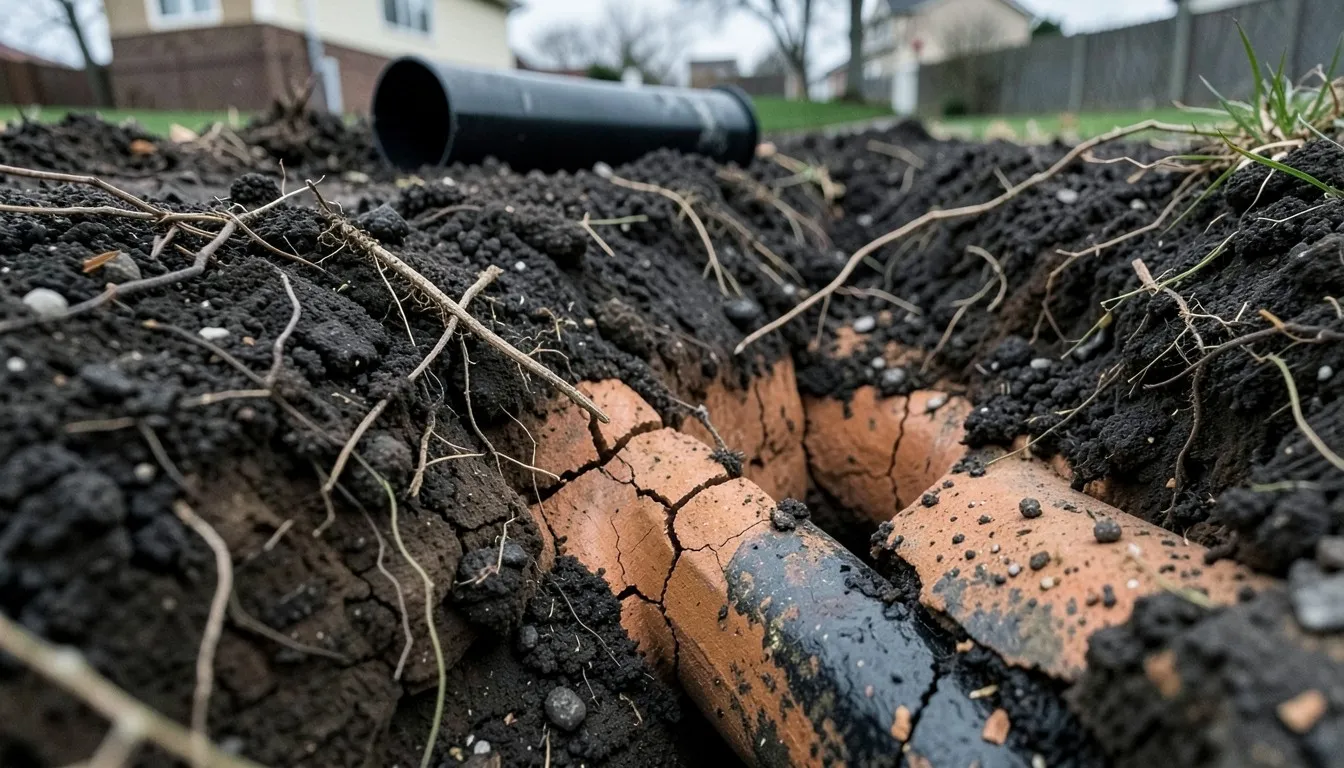
Sewer line failures in New York follow predictable patterns by pipe material and installation era: clay tile joints separate and admit root intrusion; Orangeburg pipe (1940s–1960s) compresses under soil load; cast iron corrodes at horizontal runs where standing water accelerates deterioration. A camera scope before excavation is critical — it confirms whether a spot repair is viable or whether replacement of the full lateral is the smarter investment. AlertPlumber routes your request to a New York-licensed plumber who completes the scope before quoting the repair. Freeze events and frost-depth requirements add pipe insulation, exterior faucet winterization, and burst-risk assessment to service calls in this climate.
New York's water utility maintains an active lead service line (LSL) replacement program. With a median home age of 70 years, a portion of the housing stock may still have lead service laterals connecting the water main to interior supply — a consideration during any work near the service entry point. A licensed plumber can confirm whether supply-side work requires utility coordination.
Frost line depth in New York means supply lines and outdoor plumbing must be installed below the freeze threshold — typically 36 — to prevent pipe burst during cold events. Exterior hose bibs, irrigation shutoffs, and any exposed pipe runs are the most common winterization service points in freeze-risk markets.
- Median home age
- 70 yrs
- Water hardness
- 1.4 gpg
- Frost line
- 36 in.
- Permit
- $280
A licensed NY plumber reads these conditions the moment you describe the symptom.
What local infrastructure shapes Sewer Line Repair in New York?
At 70 years median housing age across the five boroughs, the lateral profile ranges from pre-war clay tile and cast iron in Brooklyn brownstone and Queens bungalow neighborhoods to Orangeburg in postwar Bronx and Staten Island construction from the 1940s through early 1960s. Root intrusion at clay tile joints is the primary failure mode in older borough stock. The 1.4 GPG soft Catskill and Delaware watershed supply does not deposit protective scale inside cast iron, leaving those surfaces exposed to accelerated corrosion over decades.
New York's subsurface geology varies by borough — schist bedrock in upper Manhattan and the Bronx, marine clay fill in coastal Brooklyn and Queens, glacial till on Staten Island. Combined sewer overflow infrastructure covers most of Manhattan and large portions of Brooklyn and Queens — during heavy rain, hydraulic surcharging in the combined main forces sewage through failed lateral joints, making structural integrity critical in CSO neighborhoods. The 36-inch frost line governs minimum burial depth for new lateral installations.
NYC DEP requires permits for all lateral work, with fees at $280. Open-cut work in developed borough neighborhoods requires detailed utility marking — Con Edison, National Grid, Verizon, and multiple water main sizes — plus a DOT street opening permit alongside the DEP sewer permit. CIPP lining is viable where camera inspection confirms bore geometry meets NASSCO criteria; pre-war Orangeburg sections fail deflection acceptance and require open-cut replacement.
What shapes plumbing demand in New York, NY?
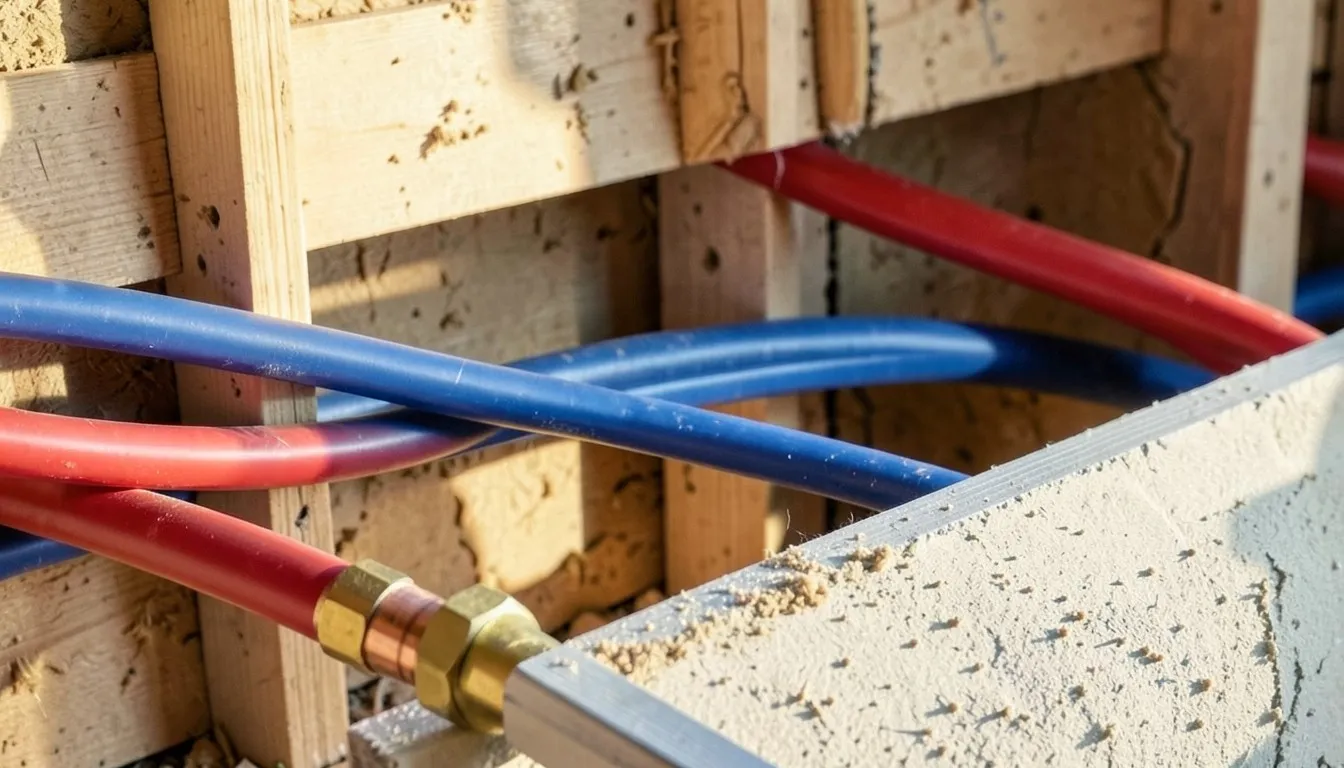
Galvanized supply lines and cast iron drain systems from the 1880s–1940s are past their 40–70-year design life across much of New York. Interior rust scale progressively narrows pipe bore. Plumbers here routinely scope supply lines before quoting any repair — the underlying pipe condition often makes full replacement more cost-effective than patching.
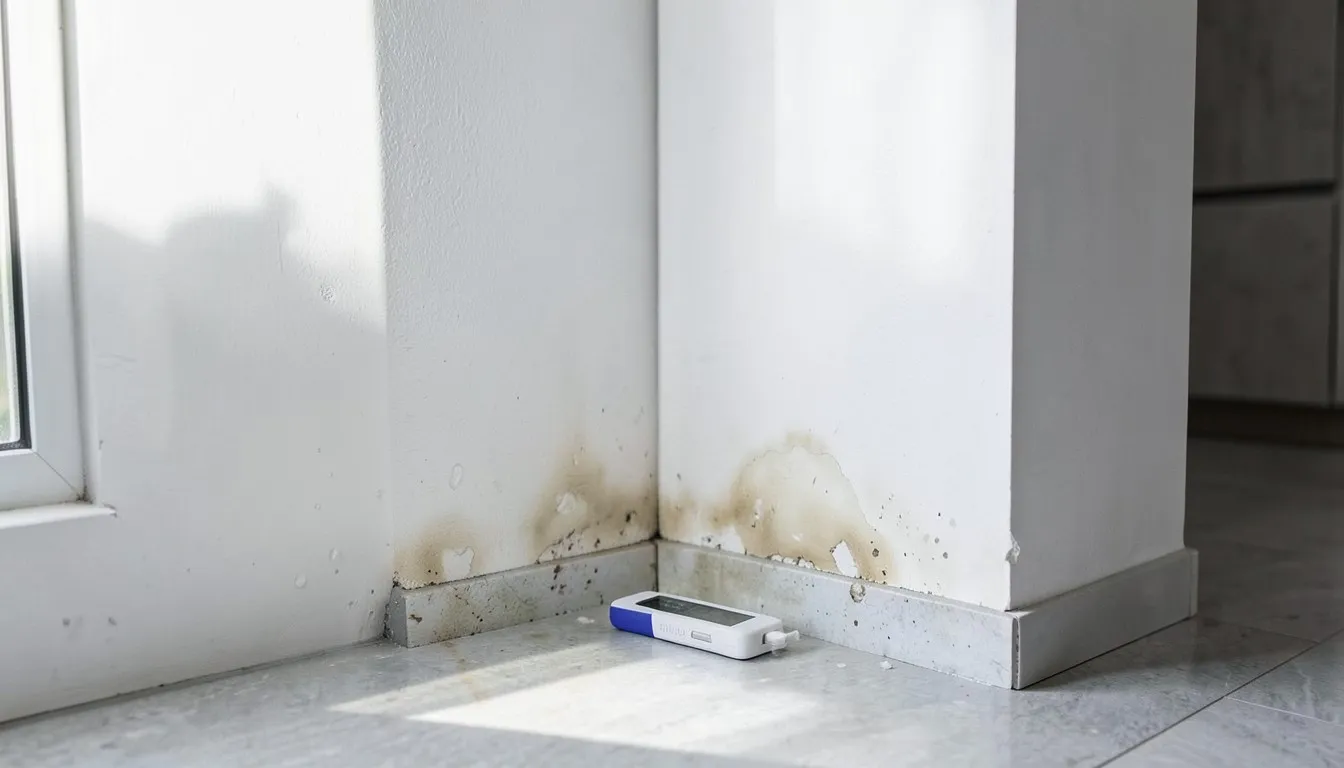
Soft, slightly acidic water in New York is corrosive to copper pipe and solder joints — the opposite failure pattern from hard-water markets. Pinhole failure at fittings and elbows is the dominant non-emergency repair category. Anode rods also deplete faster in soft water, shortening effective tank life without timely replacement.

The primary surge in New York runs January–March, with a secondary wave at the spring thaw — when pipes that held through the freeze rupture as pressure is restored above 32°F. Scheduling competition peaks exactly when emergency calls are highest. Homeowners who wait for visible damage compete for the same limited plumber slots at the worst possible time.
Why diagnose before repairing in New York?
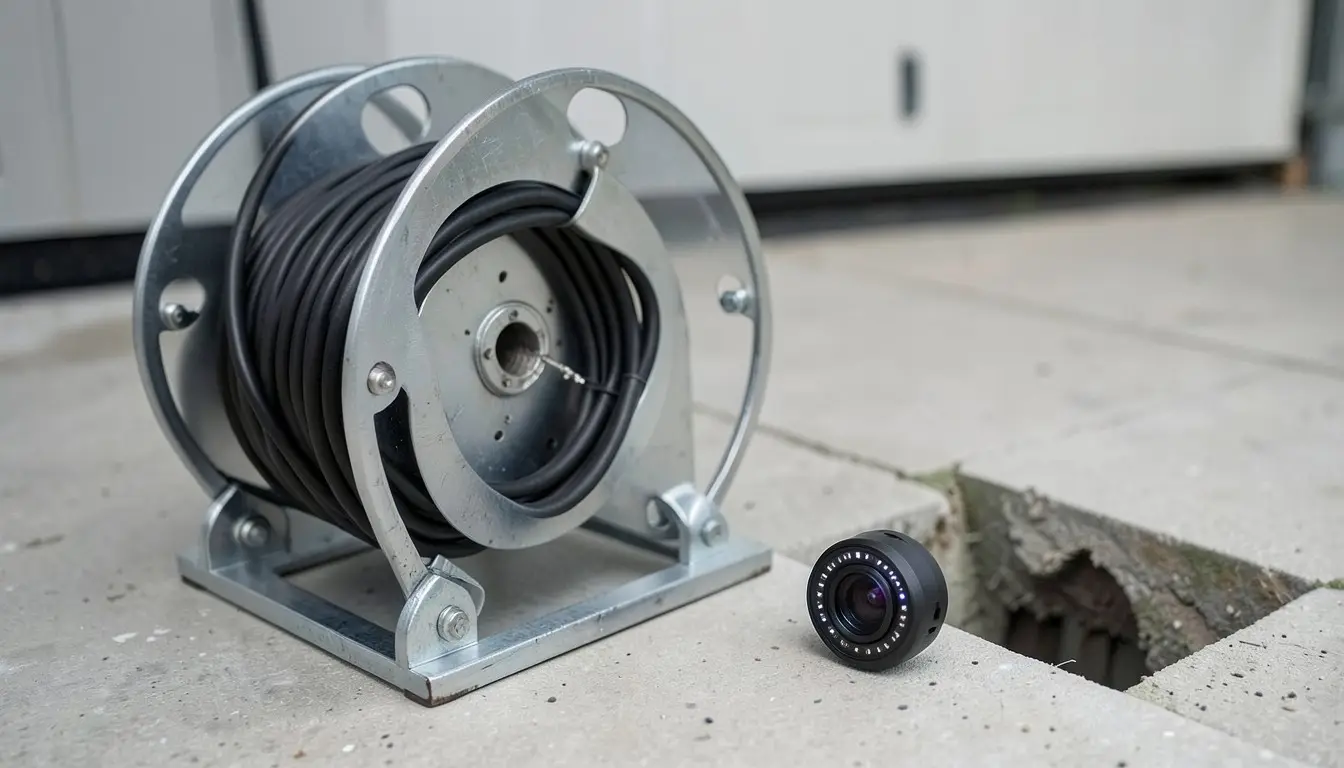
Describe the symptom — not the repair. AlertPlumber routes to an NY-licensed plumber trained in diagnostics. The site visit uses camera tracing, acoustic detection, or hydrostatic pressure testing — matched to the reported failure type.
The plumber delivers a written diagnostic report: confirmed failure location, available repair methods, and tradeoffs — disruption level, material durability, long-term cost, and whether a New York building permit applies to the selected method.
You select the repair path. The New York-licensed plumber proceeds on the authorized method with a fixed scope and price. Where required, the permit application to New York is handled by the contractor.
Sewer Line Repair cost calculator — New York
Pre-filled for sewer line repair in New York. Adjust the ZIP for a neighboring area, or change the service to compare. Calculator pulls from the city's scraped permit-fee + state plumber-density data.
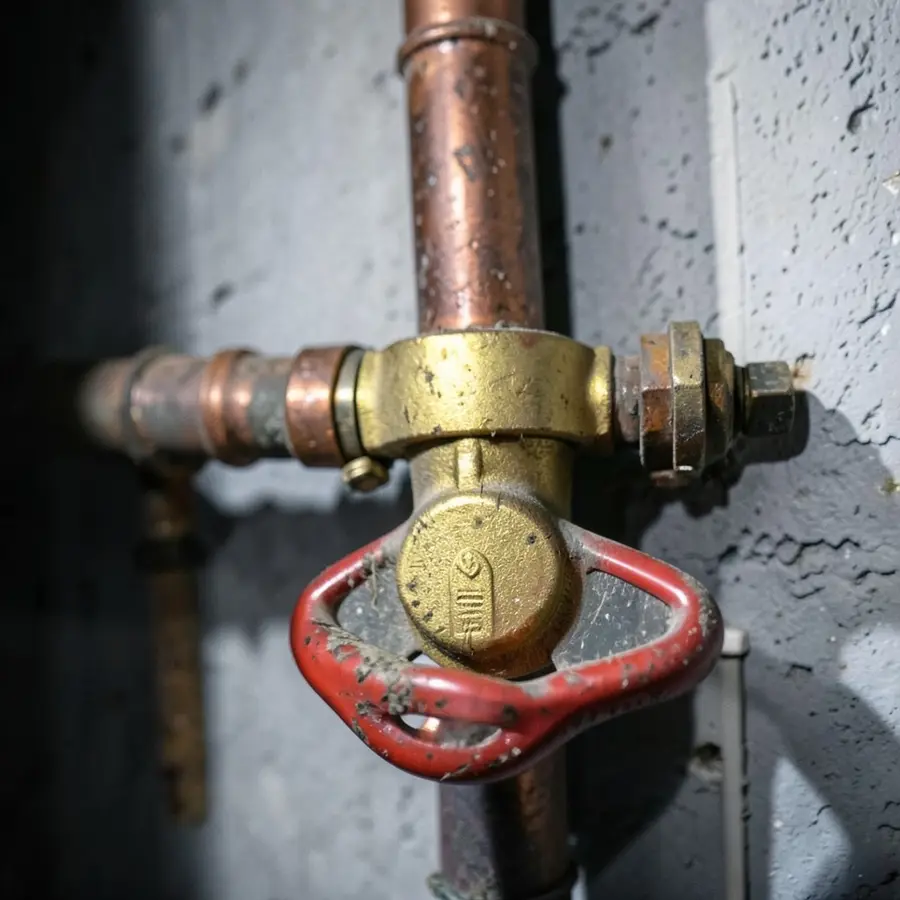
Sewer Line Repair in New York — the longer it runs, the more it costs.
Slow failures compound: soft pipe walls, root penetration, mineral buildup. A verified plumber calls back with a scope-first estimate before anything is dug up.
What else do people ask about sewer line repair in New York?
How much does sewer line repair cost in New York?
NYC spot repairs typically run $6,500-$16,000. Full lateral replacement lands at $9,500-$22,000. Brownstone and pre-WWII tenement lines cost more because building-wide stack work, vault excavation, and street-opening restoration with NYC DOT spec asphalt all add to the bill. Manhattan and brownstone Brooklyn run higher than the outer boroughs. AlertPlumber routes work to NYC Licensed Master Plumbers (drawn from 23,400 plumbers statewide under NYS DOS plus NYC LMP rolls) who quote line-item pricing including DOB inspection coordination.
How long does sewer repair take in New York?
NYC sewer repair commonly takes 3-7 days for spot work and 7-14 days for full lateral replacement, mostly due to permit and inspection sequencing rather than dig time. NYC DOB issues the $280 permit (plus $130 inspection fee) within 2-3 weeks for non-emergency lateral work. DOT street-opening permits stack on top with a separate timeline. AlertPlumber-matched LMPs sequence the DOB and DOT filings in parallel and coordinate the police-detail requirement on arterial streets to keep the schedule tight.
What permit do I need for sewer line repair in New York?
NYC Department of Buildings requires a plumbing work permit (PW1) filed by a Verified Master Plumber for any sewer lateral repair or replacement. The base permit fee is $280 with a $130 inspection fee. DOT street-opening permits are a separate filing if the work touches the right-of-way. Combined Sewer Overflow (CSO) areas (the city has 460+ outfalls) may trigger additional DEP review. AlertPlumber-matched LMPs handle the multi-agency permit stack that single homeowners cannot file directly under NYC code.
Trenchless vs full excavation in New York — which works?
NYC favors trenchless heavily because street-opening costs and DOT restoration spec are punitive. CIPP and pipe bursting work well when:
- The host pipe is post-1950 cast iron or vitrified clay with intact alignment
- The building stack tie-in is accessible from the basement
Full excavation is required for pre-WWII brownstone laterals where lead joints and bell-and-spigot clay sections cannot accept liners. AlertPlumber-matched LMPs camera-scope from the building cleanout to the city main before quoting either method.
How do I know my New York sewer line is failing?
NYC tells include sewage backup in basement floor drains during heavy rain (especially in CSO areas), gurgling on the lowest fixture, sewer odor in the front vault, and recurring root pulls during routine snaking. Brownstone and tenement laterals from the early 1900s often fail simultaneously across the building. Slow drains that affect every unit indicate the building lateral, not a fixture trap. AlertPlumber arranges camera scoping (typically $400-$800 in NYC due to access complexity) that documents the failure for the LMP permit filing.
Will my New York homeowners insurance cover sewer line repair?
NY homeowners policies exclude buried lateral failure from gradual wear, roots, or ground movement, which captures most NYC scenarios. Co-op and condo policies generally exclude the building lateral entirely (it is a building expense). Sewer backup endorsements cover interior cleanup. Service line endorsements run $60-$110 annually and pay $10,000-$25,000 for repair. AlertPlumber-matched LMPs provide cause-of-failure documentation and DOB-permit-aligned invoices in the format NY carriers (Allstate, State Farm, NY Central Mutual) require for endorsement review.
What's the most common cause of sewer line failure in New York?
Age dominates. Pre-WWII brownstone and tenement laterals use vitrified clay with lead-caulked joints that have endured 100+ years of street-vibration and 82 freeze days per year. Joint corrosion and offset are the primary failure modes. Sycamore and Norway-maple street trees exploit the openings. CSO-area properties experience repeated surcharge events that hammer compromised joints. Hard water at 1.4 gpg is not a factor. AlertPlumber-matched LMPs document failure mode on the DOB-aligned invoice for warranty and insurance.
How does AlertPlumber verify sewer work contractors in NY?
The partner network's routing requires every NYC sewer contractor in AlertPlumber's pool to maintain an active NYC Department of Buildings Verified Master Plumber (LMP) credential. New York State has 23,400 plumbers across the NYS Department of State and NYC LMP rolls, but only LMPs can file the DOB plumbing permit required for sewer lateral work in the five boroughs. Each LMP carries the bonding and liability coverage that DOB and the city require.
Do I need to call 811 before sewer work in New York?
Yes. New York 811 requires a locate request at least two full working days before any excavation in the five boroughs. NYC is the densest utility environment in the country (Con Edison gas and electric, National Grid, Verizon, fiber, water mains, steam lines in Manhattan), and DOB will not approve the dig without a verified ticket number. AlertPlumber-matched LMPs file the 811 ticket as part of the PW1 filing and wait for marks before any street opening.
How long should the new sewer line last in New York?
A new SDR-35 PVC or extra-heavy cast iron lateral installed to NYC DOB spec carries a service life of 75-100 years. CIPP liners warranty for 50 years and perform well in straight pre-WWII clay runs. The variable in NYC is street vibration and freeze-thaw cycling at 82 freeze days per year, which gradually stresses every joint. AlertPlumber-matched LMPs offer 5-15 year workmanship warranties on top of pipe manufacturer coverage. Building-stack work inside the foundation typically outlasts the buried lateral.
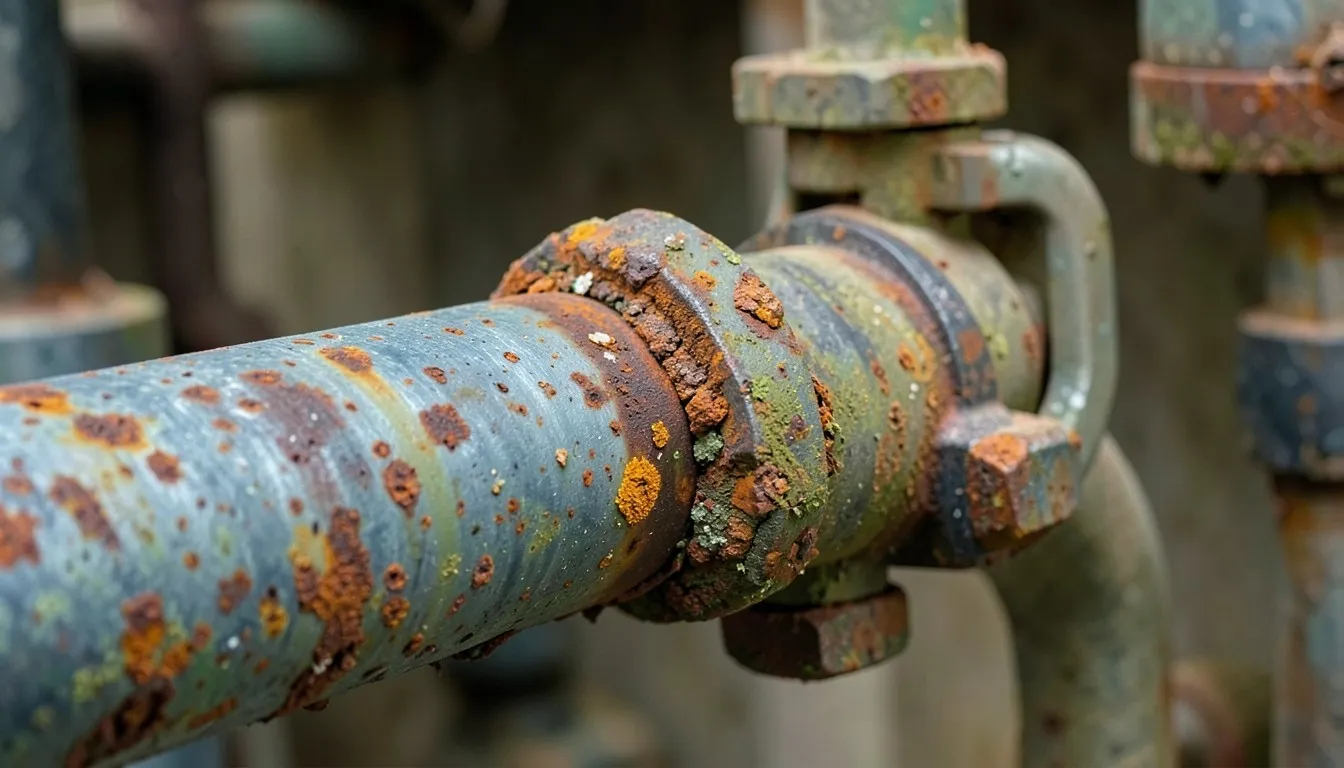
The fix gets cheaper the sooner a plumber sees it.
Degradation problems compound quietly. Call now, or use the form below and a licensed New York plumber calls you back with a no-obligation estimate for the sewer line repair.
Need a sewer line repair callback in New York?
In a meeting, with the kids, or just prefer not to hold? Drop your ZIP and number below. AlertPlumber routes your request to a verified plumber in your area — they’ll call you back directly.
- 1 Submit your info. ZIP, phone, and what kind of work you need.
- 2 AlertPlumber matches you with a verified plumber serving your area.
- 3 The plumber calls you back with a written estimate, no obligation.
Sewer Line Repair in New York — catch it early
Degradation-driven failures worsen over time and cost more to fix the longer they run. A verified NY plumber in New York diagnoses your specific condition and provides a written scope before any work begins.