
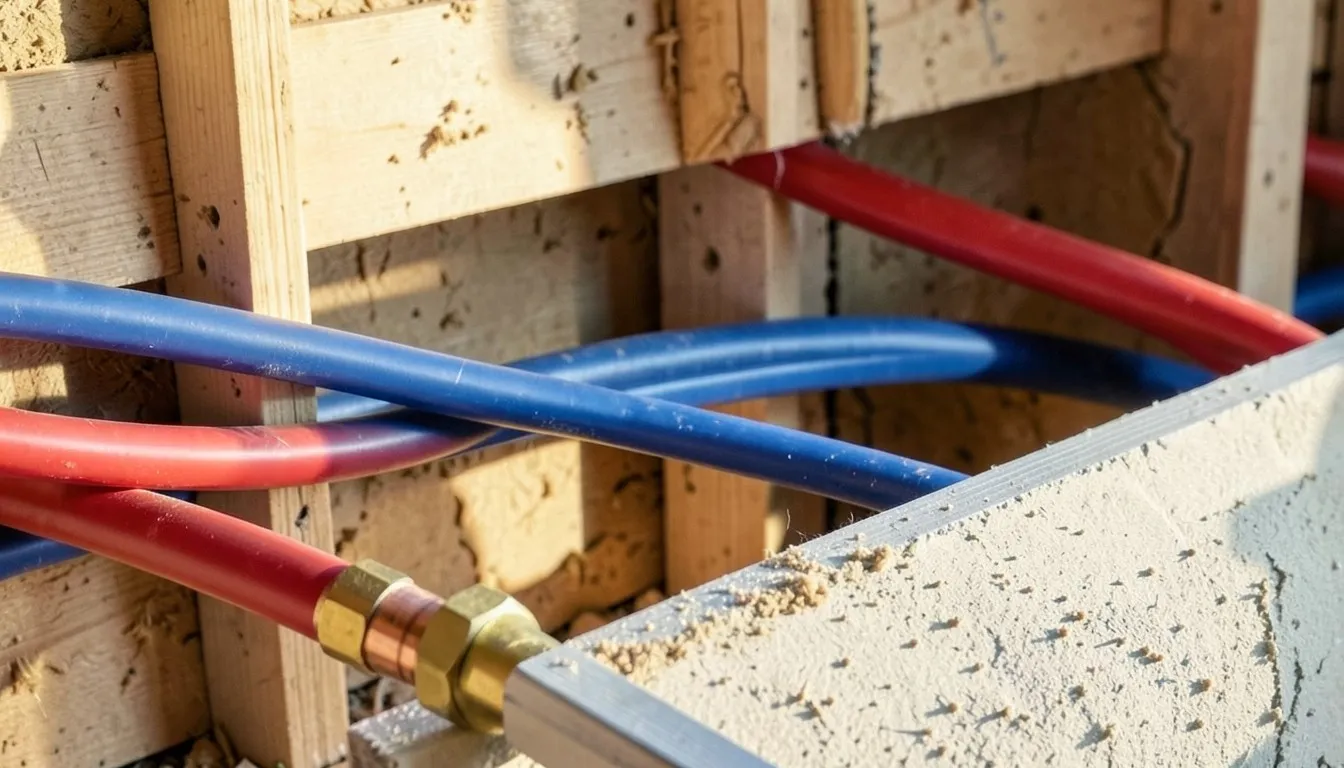
Whole-Home Repipe in Boston, Massachusetts
Whole-Home Repipe in Boston, Massachusetts replaces old galvanized or polybutylene plumbing with PEX or copper. Local conditions in Boston: water measured at 1.2, a 48 frost line and a median home age of 87 years.
Permitted, inspected, documented — Boston work done right the first time by a licensed MA plumber.
What does the local plumbing data show for Boston, MA?
Seeing these conditions at your place in Boston? A state-licensed plumber can confirm it over the phone — free, no obligation.
What are the pipe conditions in Boston, MA?
Whole-house repipe in Boston typically takes 2–4 days: the plumber runs new lines through wall cavities, connects at fixtures, and performs a pressure test before drywall is patched. The primary decision is material — copper is the long-term standard for durability and water chemistry compatibility; PEX is faster to install, flexible in tight cavities, and resistant to freeze-thaw stress. Boston's housing stock age and local water chemistry should drive the material choice, not cost alone. AlertPlumber routes your request to a Massachusetts-licensed plumber for a full pipe assessment before any materials are ordered. Freeze events and frost-depth requirements add pipe insulation, exterior faucet winterization, and burst-risk assessment to service calls in this climate.
Boston's water utility maintains an active lead service line (LSL) replacement program. With a median home age of 87 years, a portion of the housing stock may still have lead service laterals connecting the water main to interior supply — a consideration during any work near the service entry point. A licensed plumber can confirm whether supply-side work requires utility coordination.
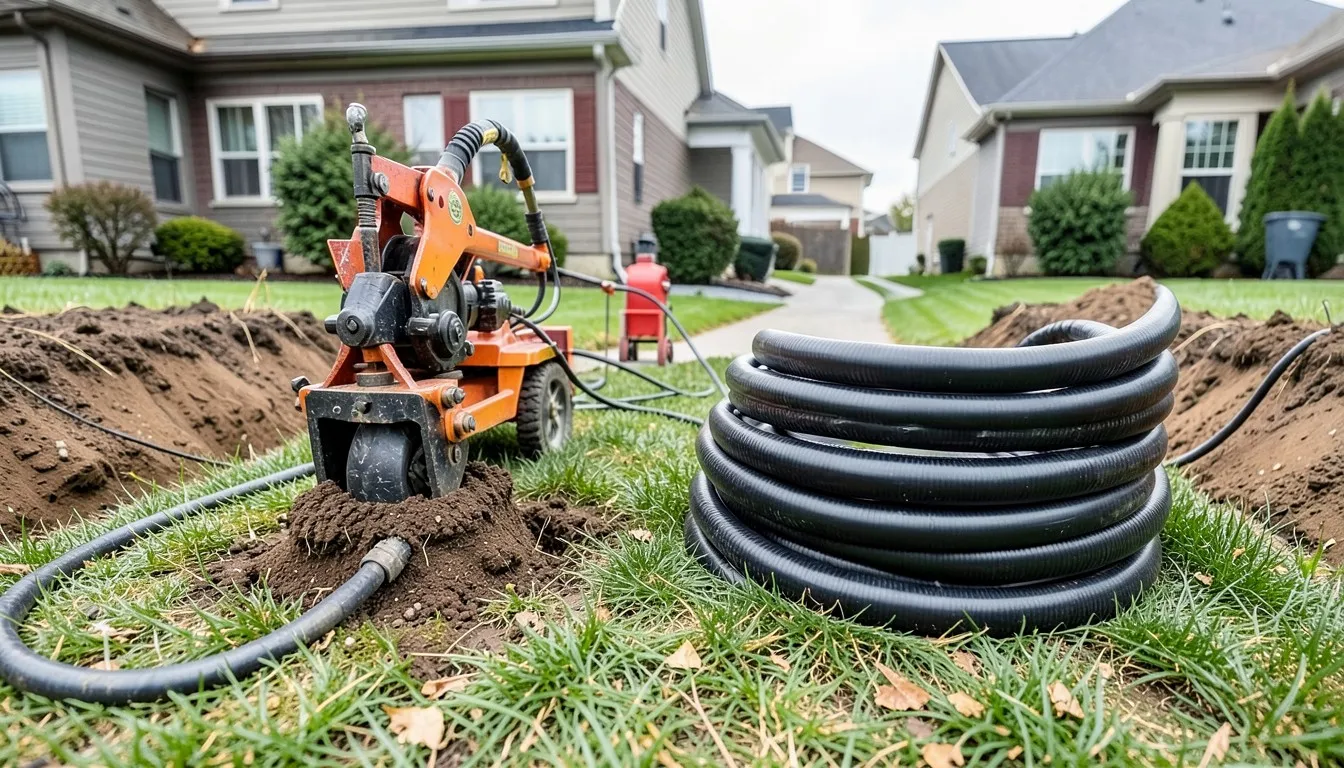
Frost line depth in Boston means supply lines and outdoor plumbing must be installed below the freeze threshold — typically 48 — to prevent pipe burst during cold events. Exterior hose bibs, irrigation shutoffs, and any exposed pipe runs are the most common winterization service points in freeze-risk markets.
- Median home age
- 87 yrs
- Water hardness
- 1.2 gpg
- Frost line
- 48 in.
- Lead lines
- Active replacement
- Permit
- $95
A licensed MA plumber reads these conditions the moment you describe the symptom.
What local infrastructure shapes Whole-Home Repipe in Boston?
A repipe in Boston's pre-war housing frequently encounters all three dominant pipe material generations in a single scope. Galvanized steel supply lines were standard through the 1940s; copper succeeded them through the 1950s and 1960s; polybutylene appeared from the mid-1970s through the early 1990s before widespread failure litigation removed it from production. At 87 years median home age, the city's residential stock spans all three material windows — renovation additions often introduced newer materials onto older galvanized skeletons, creating mixed-material configurations that require tracing before scope can be set.
Boston Water and Sewer Commission catalogs approximately 5,500 lead service lines citywide, with active replacement programs progressing through priority inventory zones. A whole-house repipe addresses the interior distribution system from the meter connection through the fixture supply lines, but does not include the street-side service line — that is a separate municipal scope. Where both are scheduled within the same replacement window, coordinating the interior and exterior work confirms the material interface at the meter connection and reduces total disruption.
Water supply through the Massachusetts Water Resources Authority registers at 1.2 grains per gallon — drawn from the Quabbin and Wachusett reservoirs and effectively soft. Soft water does not produce the mineral-scale corrosion that drives copper failure in harder markets; galvanized steel here corrodes from the inside through iron oxidation, progressively narrowing interior diameter until flow pressure drops measurably at fixtures. The $95 permit covers the replacement scope documentation and pressure test before wall surfaces are closed.
What shapes plumbing demand in Boston, MA?
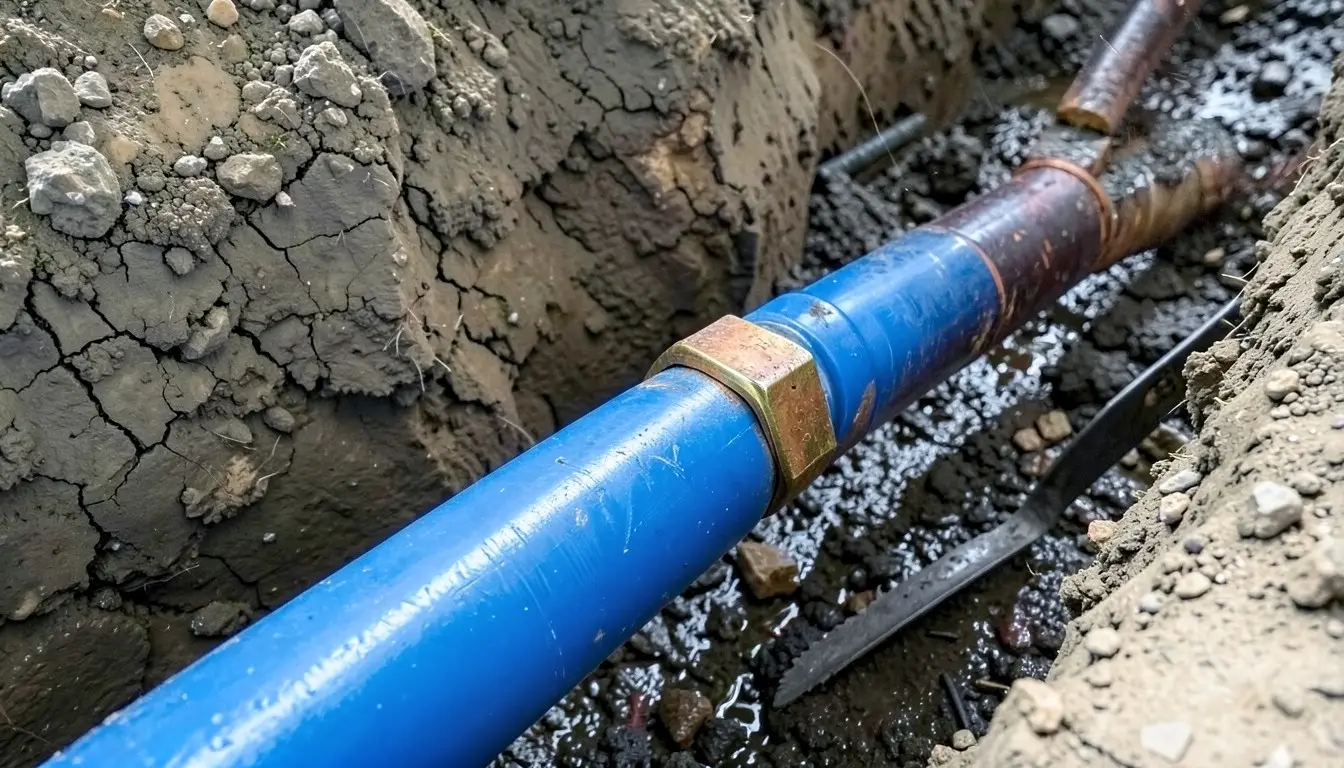
Galvanized supply lines and cast iron drain systems from the 1880s–1940s are past their 40–70-year design life across much of Boston. Interior rust scale progressively narrows pipe bore. Plumbers here routinely scope supply lines before quoting any repair — the underlying pipe condition often makes full replacement more cost-effective than patching.
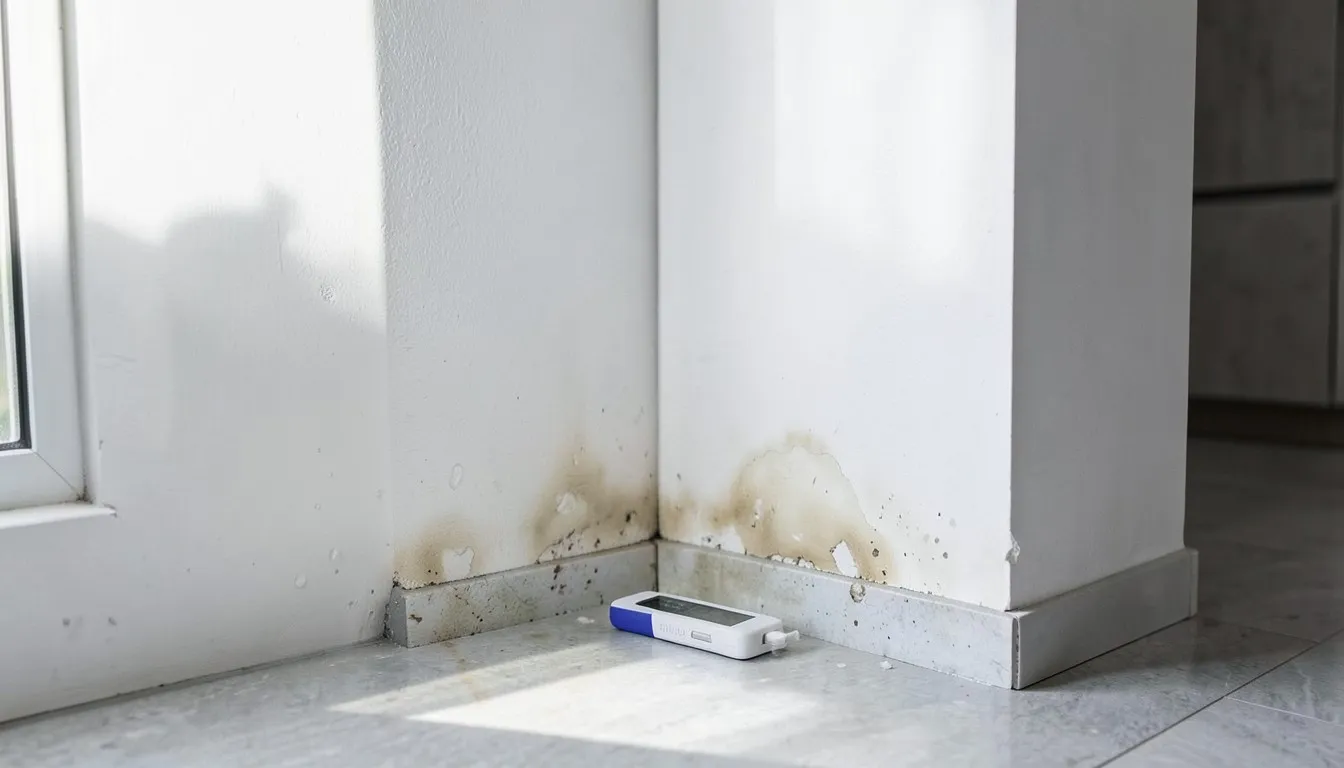
Soft, slightly acidic water in Boston is corrosive to copper pipe and solder joints — the opposite failure pattern from hard-water markets. Pinhole failure at fittings and elbows is the dominant non-emergency repair category. Anode rods also deplete faster in soft water, shortening effective tank life without timely replacement.
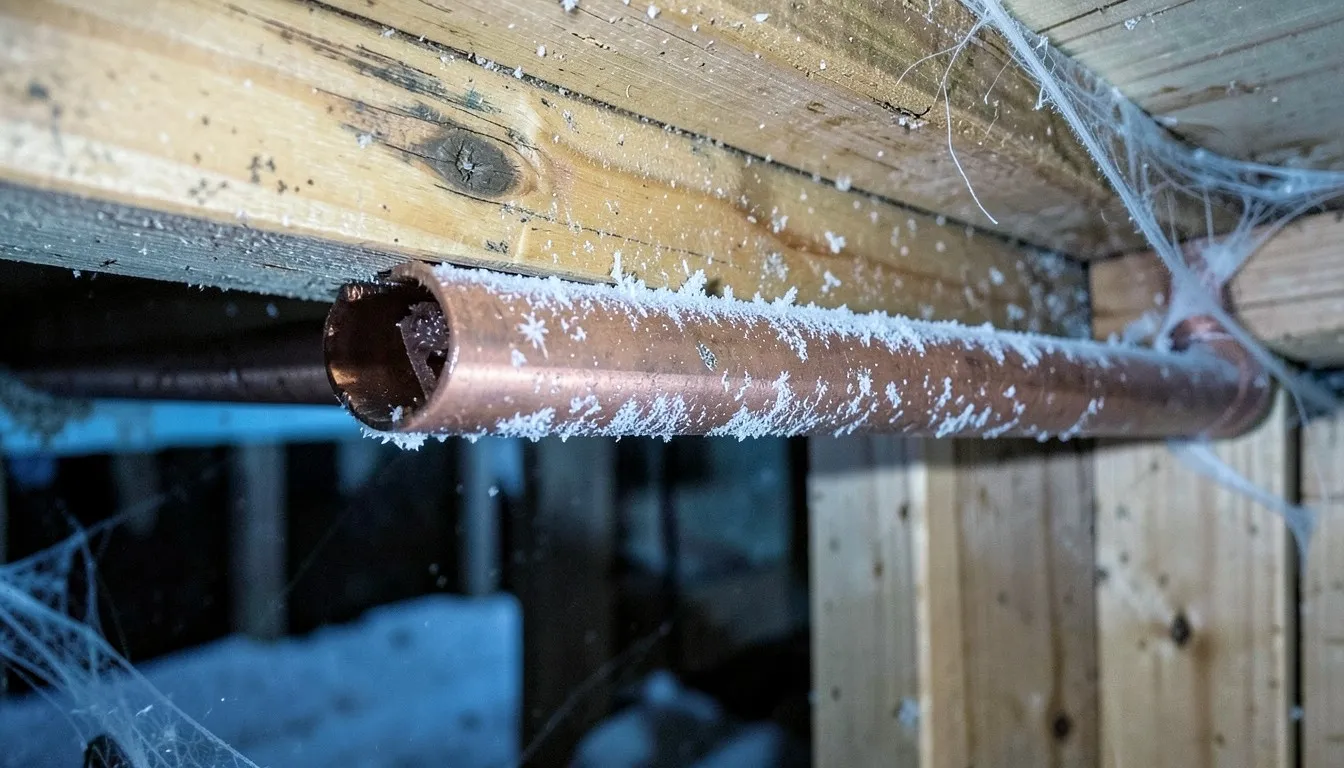
The primary surge in Boston runs January–March, with a secondary wave at the spring thaw — when pipes that held through the freeze rupture as pressure is restored above 32°F. Scheduling competition peaks exactly when emergency calls are highest. Homeowners who wait for visible damage compete for the same limited plumber slots at the worst possible time.
How does permit-required work run in Boston, application through certificate?
A Massachusetts-licensed contractor prepares the permit application — drawings, specifications, contractor license number — and submits it to the Boston building department. Issuance typically takes 3–10 business days. No construction begins until the permit is in hand.
Once Boston issues the permit, the contractor notifies affected utilities — gas, water, electrical — as required by the permit scope. Work follows the approved drawings; any scope change requires an amended permit before that portion starts.
The contractor schedules the final inspection with the Boston building department inspector. After sign-off, a certificate of completion is issued. All permit documentation is filed with the city; you receive copies for home records and future property disclosure.
Whole-Home Repipe cost calculator — Boston
Pre-filled for whole-home repipe in Boston. Adjust the ZIP for a neighboring area, or change the service to compare. Calculator pulls from the city's scraped permit-fee + state plumber-density data.
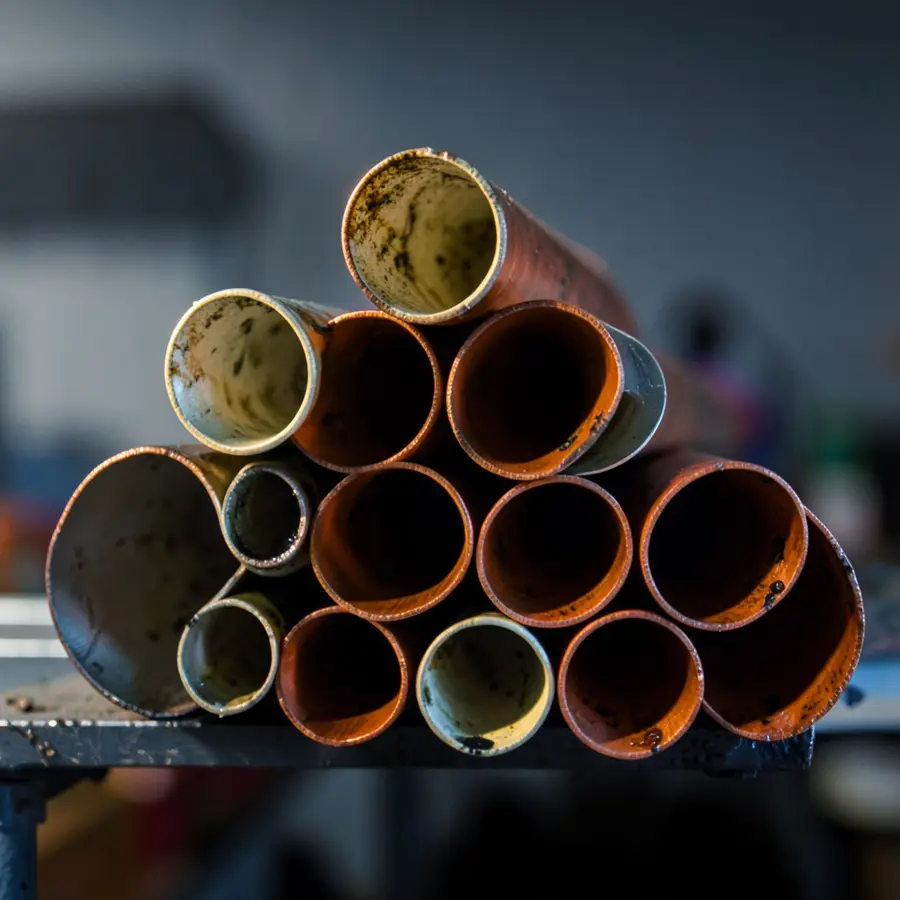
Whole-Home Repipe in Boston — permitted work protects your home’s value.
Unpermitted plumbing affects insurance claims and resale disclosures in Massachusetts. A licensed Massachusetts plumber calls back and confirms permit requirements for your address.
What else do people ask about whole-home repipe in Boston?
How much does a whole-home repipe cost in Boston, MA?
Whole-home repipe in Boston runs $5,400–$21,600 depending on square footage, fixture count, and whether the home is single-story or multi-story (national $4,500–$18,000 adjusted roughly 20% above national average). The MA DPL permit floor is $95. PEX runs roughly 30–40% cheaper than copper for the same scope.
What triggers a repipe in Boston — galvanized, polybutylene, or lead?
Boston's 87-year median home age means galvanized steel supply lines are the dominant repipe trigger — they rust from inside, narrow the bore, and produce brown water. Pre-1986 homes also often have lead solder at copper joints.
Should I repipe with PEX or copper in Boston?
Boston's 1.2 gpg very soft water is mildly acidic and historically chews through copper, producing pinhole leaks at 25–40 years in. PEX is the safer long-term repipe choice in soft-water markets like Boston.
Do I need a permit for a repipe in Boston?
Yes — any whole-home repipe requires an MA DPL permit, a rough-in inspection (before drywall closes), and a final inspection (after fixtures are reconnected). The Boston permit floor is $95 but a whole-home repipe typically lands at $300–$600 in permit fees because the per-fixture surcharge adds up. The matched plumber pulls the permit on your behalf.
How long does a whole-home repipe take in Boston?
2–5 days for the actual pipe work, plus 1–2 days for drywall patching and final inspection — typical Boston repipe wraps in a week. PEX is faster (manifold + home-run topology, fewer joints) than copper (each joint sweat-soldered). You usually have water shut off only during the day; most crews restore water by evening so you can stay in the home.
Should I replace my Boston lead service line during the repipe?
Boston has roughly 5,500 known or suspected lead service lines (the buried pipe from the city main to your meter). A repipe addresses the interior supply lines only — the service line is a separate replacement (typically $3,000–$8,000) often coordinated with the city utility. If your home falls inside the MA DPL inventory, ask the matched plumber to bundle both jobs.
What changes about my Boston water quality after a repipe?
Most Boston homes coming off galvanized see immediate water-pressure improvement (often 15–30%), elimination of rust-colored "morning water," and cleaner-tasting cold water at every fixture. Hot-water recovery also improves because new supply lines have full ID rather than scale-narrowed bore.
Will Massachusetts homeowners insurance cover a repipe?
Standard Massachusetts policies do NOT cover proactive repipes. They may cover damage from a sudden failure (a burst polybutylene fitting, for example) subject to your deductible — but they typically do not cover the replacement pipe itself, only the damage cleanup. Some carriers offer a service-line endorsement; confirm with your carrier before assuming coverage.
How do I know if my Boston home has polybutylene?
Polybutylene is gray (sometimes silver or black) flexible plastic, 1/2" or 3/4" diameter, with copper or acetal crimp fittings. Look at the supply lines coming into your water heater, behind toilets, and at the meter. Pipes stamped "PB2110" are polybutylene. Homes built or repiped 1978–1995 have the highest probability — this matches Boston's post-1978 subdivision builds.
Are AlertPlumber-matched repipe contractors verified in MA?
Yes. Every repipe contractor matched through AlertPlumber in Boston holds an active MA DPL license. Repipe-specialty crews in the network also carry manufacturer certifications (Uponor, SharkBite, NIBCO) required for full warranty coverage on PEX and PEX-A systems.
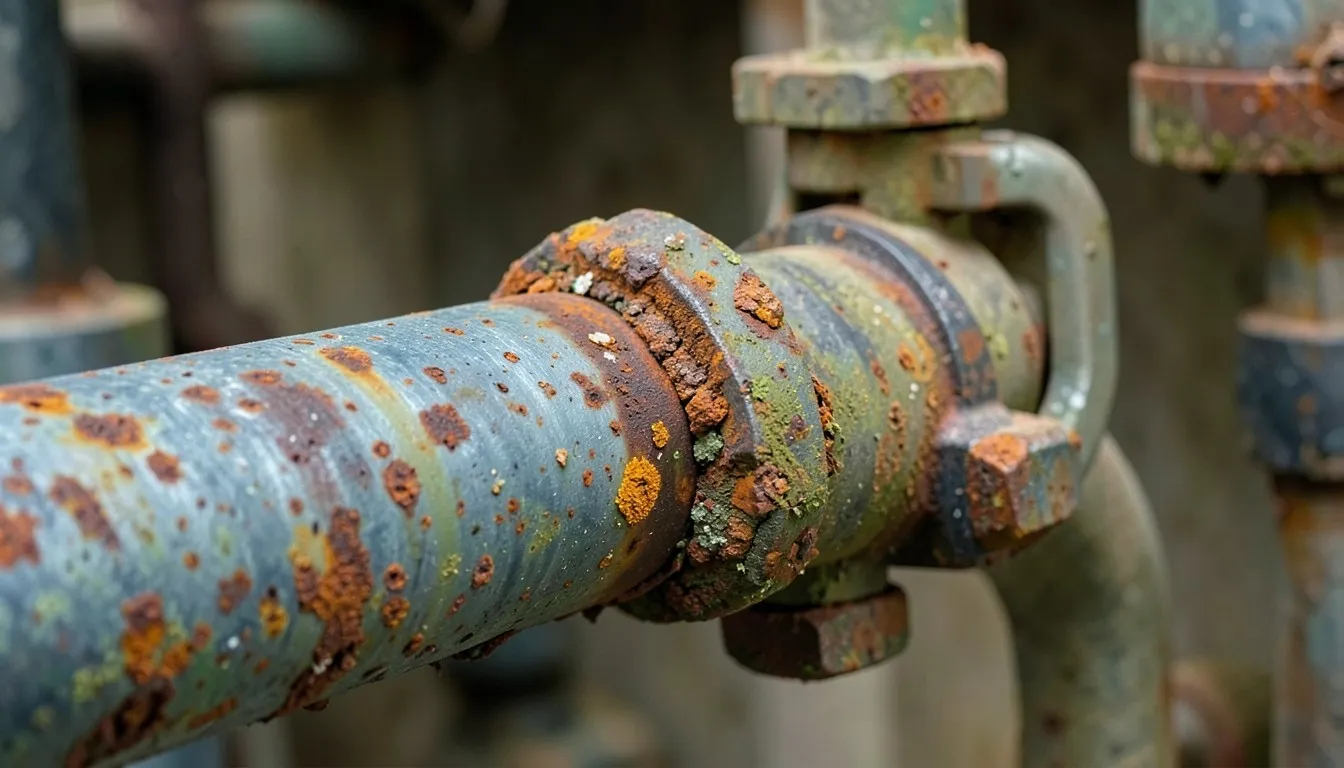
A written quote costs you nothing. Guessing costs you the job.
The form below takes under a minute — a licensed Massachusetts plumber calls back, scopes the whole-home repipe, and quotes it in writing before anyone rolls a truck.
Need a whole-home repipe callback in Boston?
In a meeting, with the kids, or just prefer not to hold? Drop your ZIP and number below. AlertPlumber routes your request to a verified plumber in your area — they’ll call you back directly.
- 1 Submit your info. ZIP, phone, and what kind of work you need.
- 2 AlertPlumber matches you with a verified plumber serving your area.
- 3 The plumber calls you back with a written estimate, no obligation.
Whole-Home Repipe in Boston — compliant installation
Permitted whole-home repipe protects your home's resale value and keeps insurance claims defensible in Massachusetts. A licensed plumber pulls the required permits and provides a written scope before work starts.