
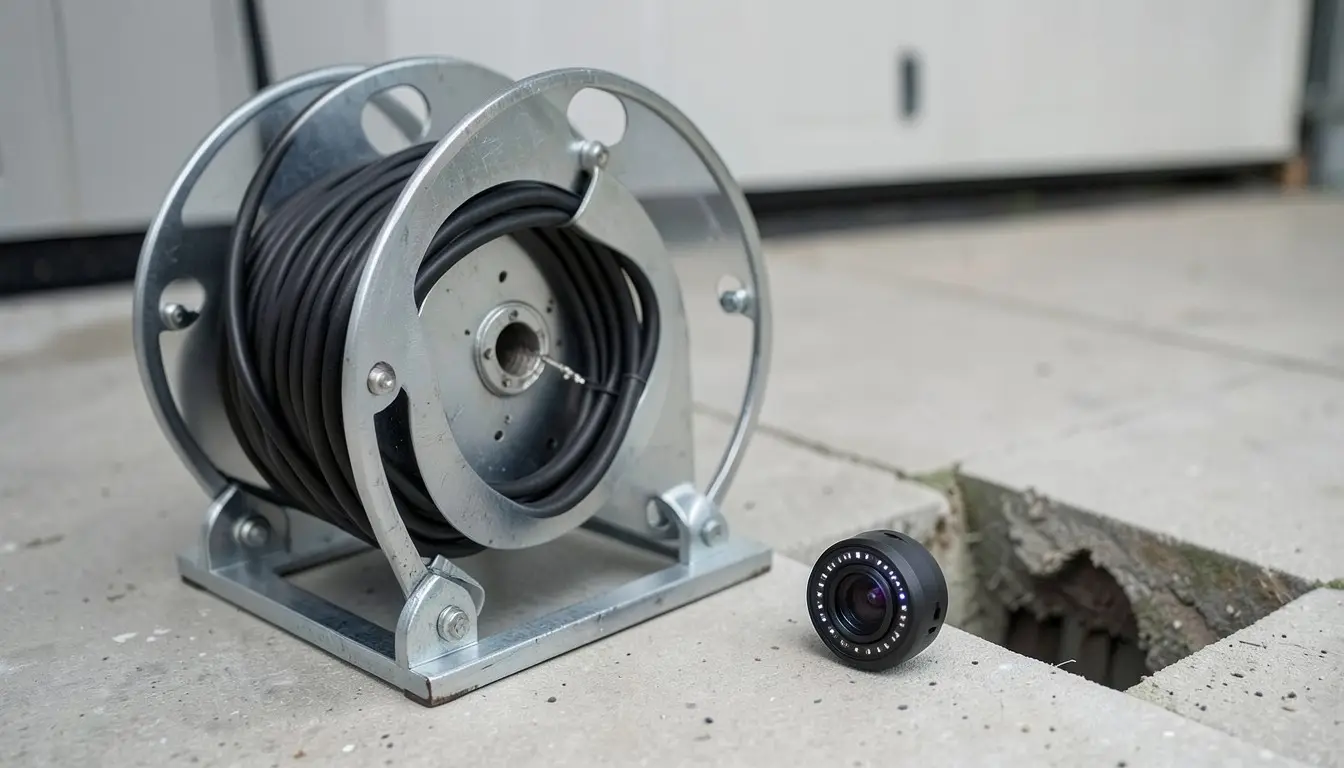
Pipe Camera Inspection in College Station, Texas
Pipe Camera Inspection in College Station, Texas is real-time video inspection of drain, sewer, and supply lines to diagnose clogs, cracks, root intrusion, and pipe condition before committing to a repair. Local conditions in College Station: water measured at 15 gpg, a 0 in frost line and a median home age of 25 years.
Camera first, quote second — know exactly what's wrong in your College Station home before you approve a dollar.
What does the local plumbing data show for College Station, TX?
Seeing these conditions at your place in College Station? Describe them on the call to a state-licensed local plumber — free, no obligation.
What are the pipe conditions in College Station, TX?
A sewer camera scope in College Station reveals what symptoms alone cannot confirm: root intrusion at clay-tile joints, offset sections from ground settlement, scale accumulation narrowing the drain bore, and collapsed or bellied runs holding standing water. Knowing the pipe material — clay, cast iron, ABS, or Orangeburg — determines whether a spot repair, CIPP lining, or full replacement is the right investment. AlertPlumber connects your call with an independent Texas-licensed plumber — ask for the scope footage and a written defect report before any repair commitment.
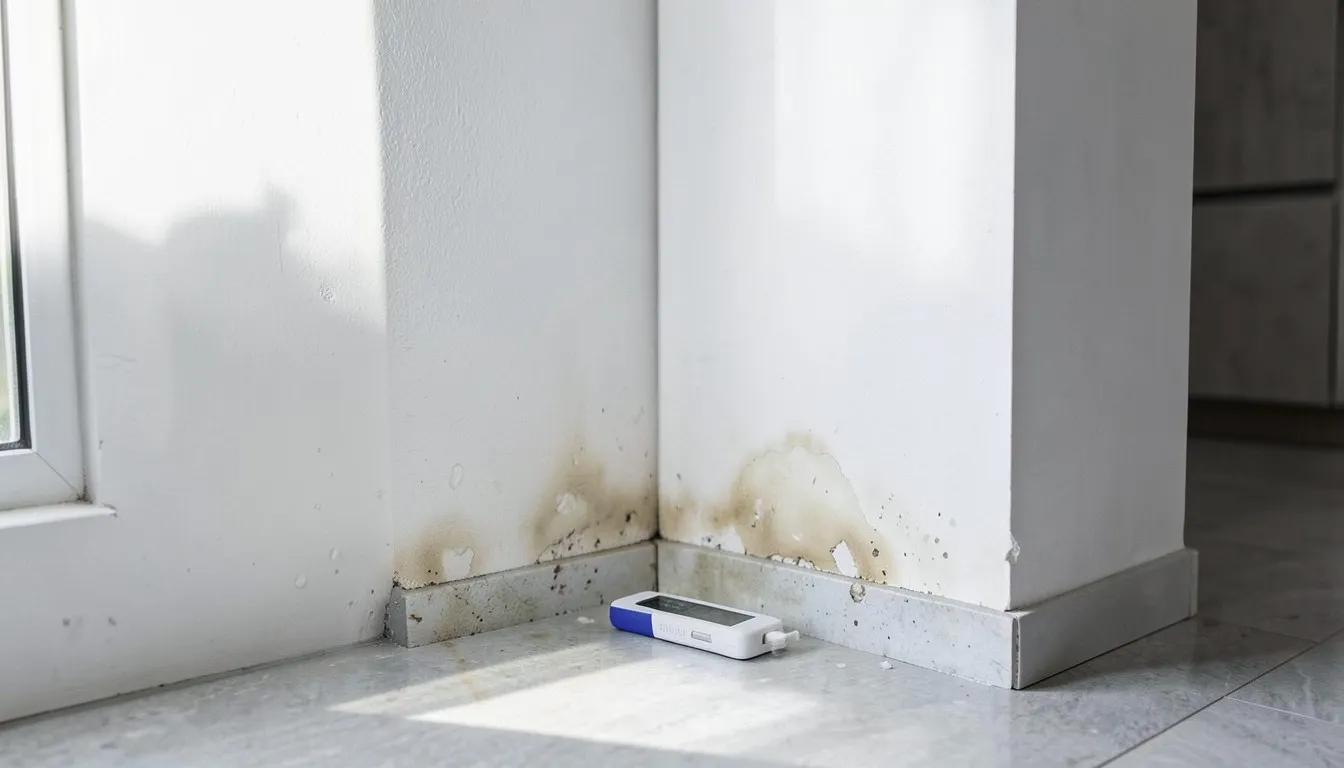
College Station's housing stock spans multiple construction eras — median home age 25 years — meaning pipe materials and failure modes vary significantly by neighborhood and building vintage. An inspection-led approach that confirms pipe material before recommending a service path is standard practice for mixed housing profiles. Homes of other eras in College Station may have galvanized pipe, copper pipe or polybutylene supply lines instead; ask the plumber which your home has.
Very hard water in College Station is a primary driver of accelerated appliance failure: water heater anode rods exhaust in 2–3 years instead of 6–8, scale deposits at fixture connections form within months of installation, and tankless heat exchangers accumulate mineral buildup that can reduce lifespan by half without regular descaling. A softener or whole-house conditioner is strongly recommended alongside any appliance service call.
- Median home age
- 25 yrs
- Water hardness
- 15 gpg
- Frost line
- 0 in
- Permit
- City fee schedule
Census housing age, College Station city, Texas: median year built 1999; 2.8% of homes built before 1960, 18.1% before 1980. Source: U.S. Census Bureau, ACS 2020–2024 5-year estimates, tables B25034 and B25035, read 2026-09-30.
Mention these conditions when you describe the symptom to the TX plumber you reach.
What shapes plumbing demand in College Station, TX?
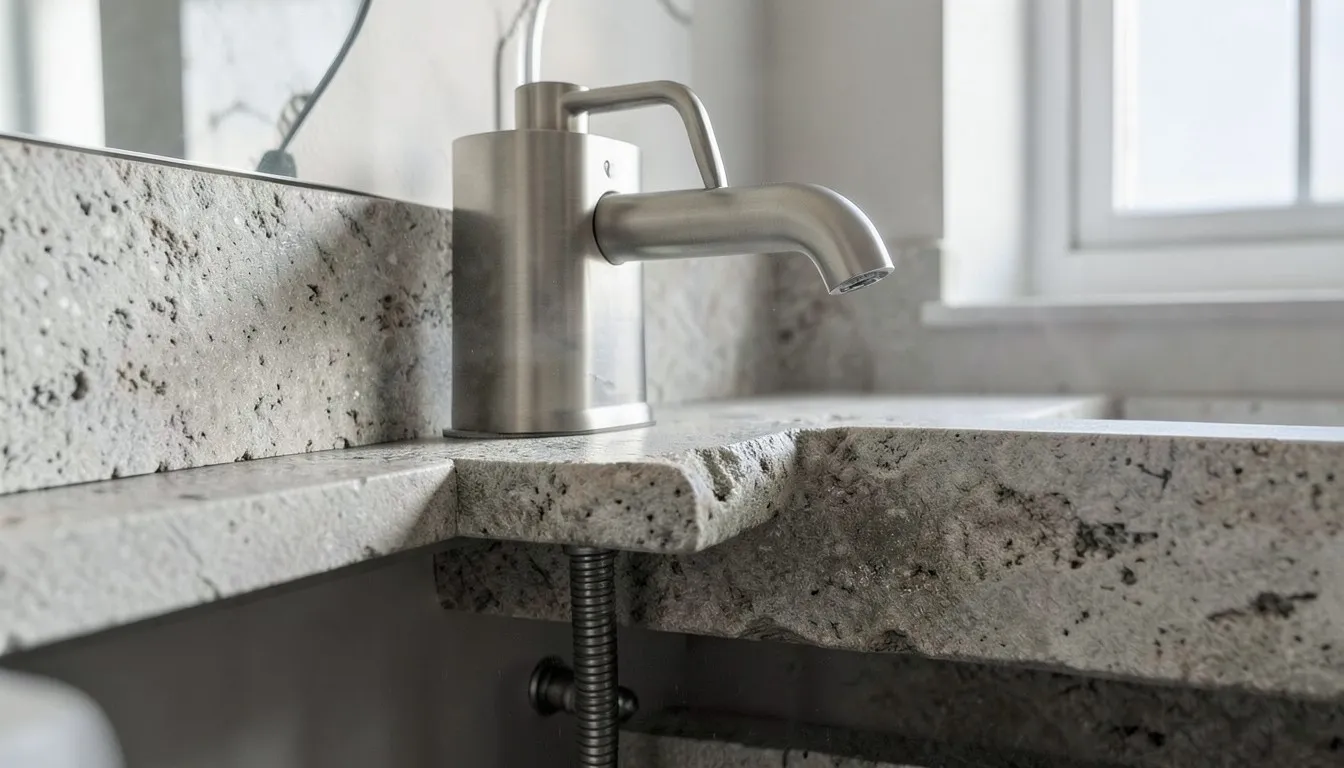
Post-2000 construction uses PEX-A and code-modern copper at low initial failure rates. Slab-mounted supply lines shift with soil moisture over time; chloramine-related PEX fitting issues can appear at 15–25 years. Proactive inspection on College Station homes past that threshold typically catches developing issues before they become emergency calls.
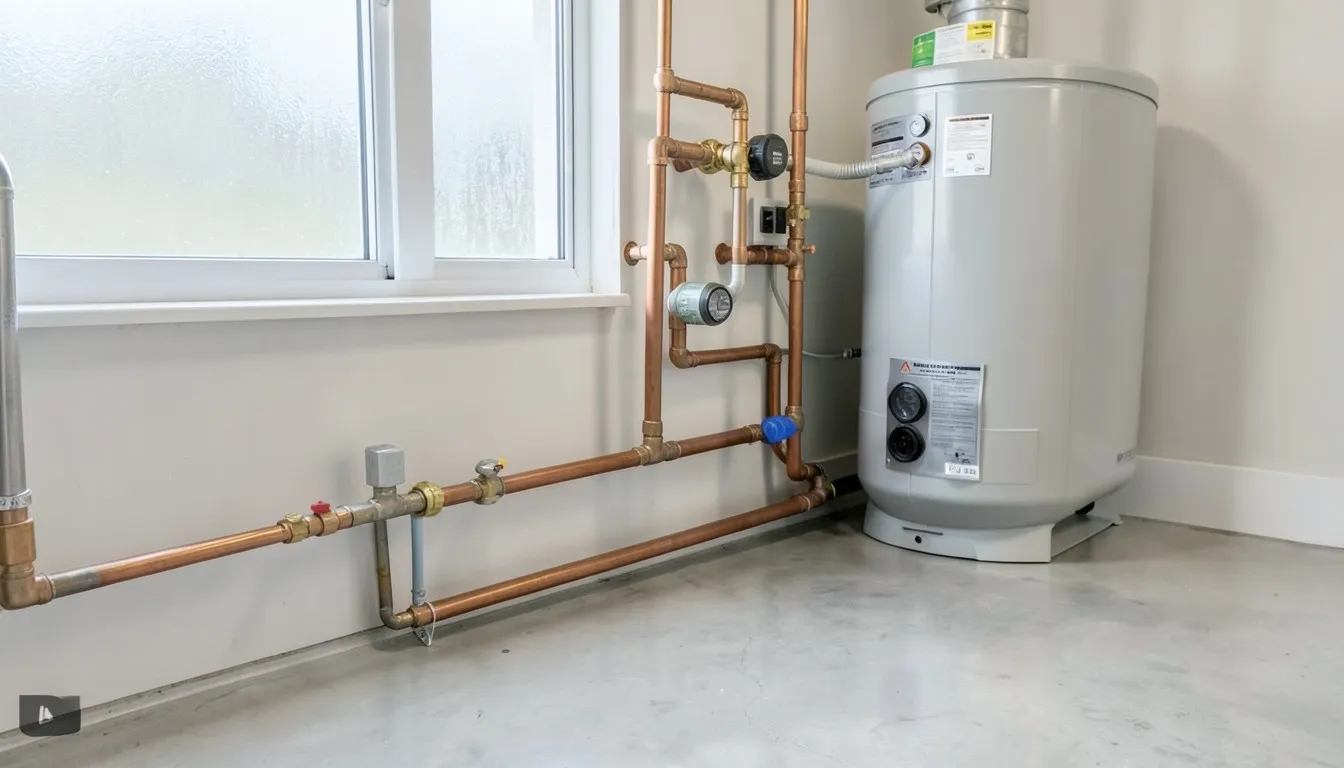
At 15–20+ GPG, calcium scale forces compressed equipment cycles in College Station: tank heaters average 6–9 years vs. the 10–12-year national benchmark, and tankless units require annual descaling. Anode rods calcify within 12–18 months. Most plumbers here assess heater age against the local scale timeline — not the manufacturer's service life.
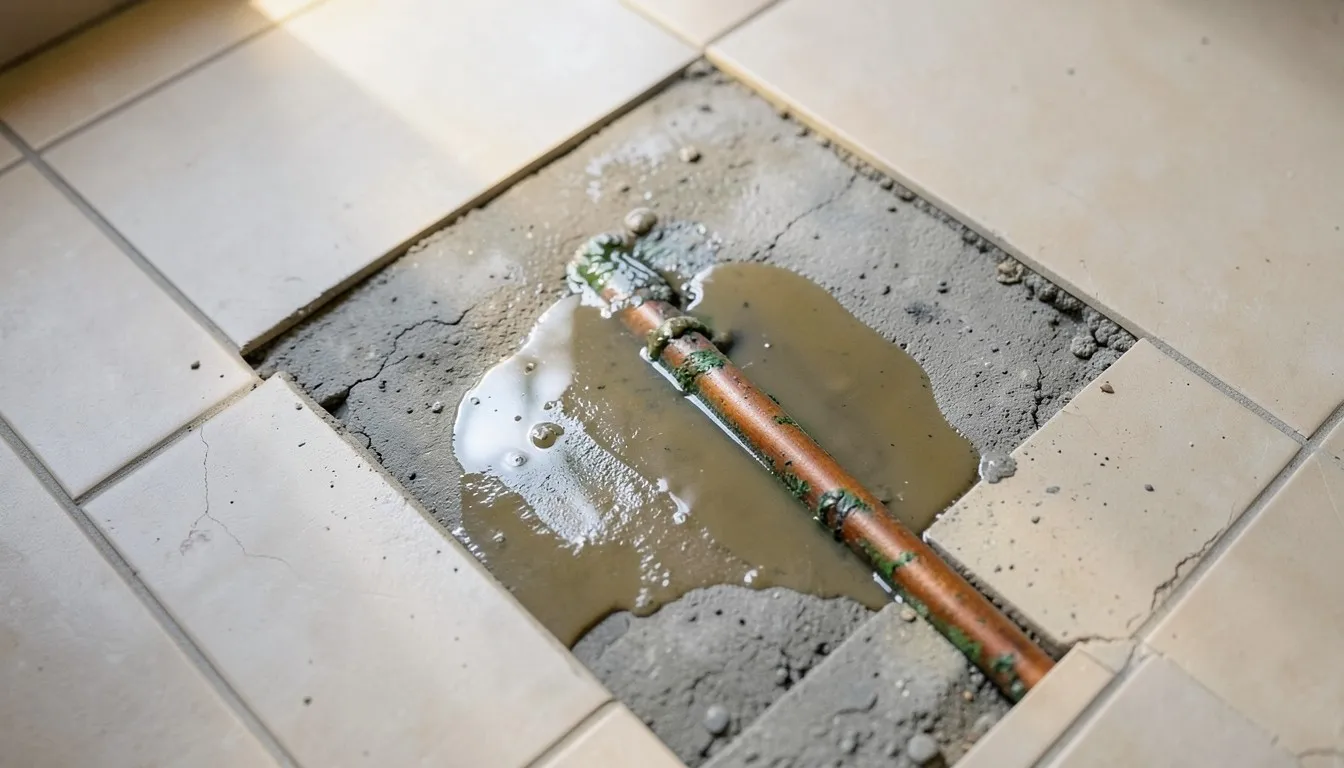
Summer heat above 95–115°F in College Station keeps sediment in suspension inside tank water heaters — accelerating element failure instead of allowing sediment to settle and flush. Attic-mounted supply lines face diurnal thermal stress year-round. Root intrusion concentrates around irrigated landscaping rather than distributing evenly across the full sewer lateral path.
Why diagnose before repairing in College Station?
Describe the symptom — not the repair. AlertPlumber routes the call to an independent TX-licensed plumber in its partner's network — ask whether the site visit will use camera tracing, acoustic detection, or hydrostatic pressure testing matched to the reported failure type.
Ask the plumber for a written diagnostic report: confirmed failure location, available repair methods, and tradeoffs — disruption level, material durability, long-term cost, and whether a College Station building permit applies to the selected method.
You select the repair path. Ask for a fixed scope and price on the authorized method before the Texas-licensed plumber proceeds and, where required, who files the permit application to College Station.
Pipe Camera Inspection cost calculator — College Station
Pre-filled for pipe camera inspection in College Station. Adjust the ZIP for a neighboring area, or change the service to compare. Calculator pulls from the city's scraped permit-fee + state plumber-density data.
Pipe Camera Inspection in College Station — get a written scope before it escalates.
Degradation-driven failures rarely self-correct. Call to reach an independent Texas plumber and ask for a written estimate — before it becomes an emergency repair.
What else do people ask about pipe camera inspection in College Station?
When should College Station homeowners schedule a pipe camera inspection?
Four situations make camera inspection a sound investment: (1) slow or recurring drain clogs that return within weeks of snaking — the camera determines whether root intrusion, scale buildup, or a belly is causing the pattern; (2) pre-purchase inspection of a home with an unknown sewer lateral age; (3) before and after hydro-jetting to confirm the line was fully cleared; (4) before committing to an expensive repair — a camera scope can confirm whether a spot repair is sufficient or whether full replacement is warranted. Skipping the scope and going straight to excavation based on symptoms alone often leads to over-repair. Price ranges: sewer line repair cost guide.
What types of pipe can be inspected with a camera in College Station?
Camera inspection works on any pipe with a cleanout access: main sewer laterals (4-inch and 6-inch), branch drain lines (3-inch), and supply lines 2 inches or larger. The camera head size is matched to the pipe diameter. Limitations: the camera cannot navigate a collapsed section — physical blockage stops the snake. Some College Station homes have main cleanouts located in the floor of the basement mechanical room or outside near the foundation; locating the cleanout before the plumber arrives saves time on the appointment.
How does a pipe camera inspection handle a College Station property with no cleanout?
Cleanout access is required. If no exterior cleanout or floor cleanout exists, the plumber may access the line through a roof vent stack, through an existing toilet flange (after removing the toilet), or by installing a new cleanout as part of the scope. Cleanout installation can add a separate charge to the inspection cost but is a permanent improvement — all future camera work, snaking, and hydro-jetting becomes faster and less invasive. Many College Station homes built before 1970 lack exterior cleanouts; the plumber assesses access options during the estimate call. Price ranges: sewer line repair cost guide.
How much does a pipe camera inspection cost in College Station?
A standard main sewer lateral camera inspection in College Station runs a scope-based price for a camera-only service. When bundled with hydro-jetting, most plumbers discount the scope to a scope-based price. A full sewer scope with a written report, footage on USB, and locate marking (marking the depth and position of defects on the ground surface for excavation planning) runs a scope-based price. Specialty inspections — such as remote-sensing lateral inspections from the main without cleanout access — run higher. Always ask whether the report includes footage you can keep; it is essential documentation for a homeowner's insurance or warranty claim. Price ranges: sewer line repair cost guide.
How long does a pipe camera inspection take in College Station?
A standard main sewer lateral scope runs 30–60 minutes from setup to cleanout reinstallation. Add 15–30 minutes if the plumber needs to locate a cleanout, pull a toilet for access, or navigate a difficult line with multiple bends. Full reporting with depth marking and documentation adds another 15–20 minutes on-site. If a real-time review with the homeowner is requested — watching the camera feed and discussing findings as the camera moves — plan for a 90-minute appointment. The plumber typically provides verbal findings immediately and a written report within 24 hours.
What does a pipe camera inspection find in College Station homes?
The most common findings in College Station are: root intrusion at clay-tile joint seams (particularly in homes built before 1980 with mature trees nearby), scale buildup from hard water narrowing the drain diameter, offset joints from ground settlement or frost heave, bellied sections where the pipe dips below grade and holds standing water, and cracked or collapsed sections in older cast-iron or Orangeburg lines. The camera also identifies the pipe material with certainty — important when evaluating whether a partial repair or full replacement is the better long-term investment.
How does College Station's water hardness (15 gpg) affect pipe camera inspection?
College Station water is very hard at 15 gpg — in this range, scale accumulation is rapid and destructive. Tankless water heaters without a softener typically fail their heat exchanger warranty within 5–8 years. Water heater sediment buildup is accelerated, reducing efficiency and tank life. A whole-home softener is effectively required to maintain plumbing appliance warranties and prevent premature failure in College Station homes.
How does College Station's median home age (25 years) affect pipe camera inspection pricing?
Census data (American Community Survey) puts College Station's median home age at 25 years. Age alone does not tell you what pipes a particular home has. Older homes may still have galvanized pipe, cast-iron drains or Orangeburg sewer laterals; homes built from the late 1970s to the mid-1990s may have polybutylene supply lines; and many homes of every age have been partly or fully repiped with copper pipe or PEX since. Ask the plumber what pipe materials your home has and whether they change the scope or the price of the job — a pipe material check is a reasonable part of a diagnostic visit.
What's the seasonal plumbing risk profile for pipe camera inspection in College Station?
Brazos County home of Texas A&M University — one of the largest US universities at 75,000 students — served by City of College Station Utilities drawing from Bryan-College Station municipal supply at 10–14 gpg. TAMU's massive campus creates the largest single source of institutional plumbing demand in the state; student rental housing has the highest deferred maintenance density in the market. Bryan-College Station clay soil creates slab movement; 30 sub-32°F nights create occasional freeze-event demand. Understanding the local call pattern helps set realistic expectations for plumber availability and response time during peak periods — during high-demand weeks, advance scheduling is advisable for non-emergency work.
What affects the cost of pipe camera inspection in College Station, TX?
Pipe diameter, total footage inspected, number of cleanout access points, and whether a ground locator is used to mark the pipe position above grade are the primary variables. Homes without an exterior cleanout require access through a roof vent stack or toilet flange, adding setup time. The number of cameras and footage distance to be inspected are confirmed before the rate is set. Ask the plumber for a written estimate covering price, scope, and permit requirements before any work begins.
How do I check a plumber's license in Texas?
AlertPlumber does not license, vet or employ plumbers; calls are connected to independent local plumbers in our partner's network. Before work begins, ask the plumber for their Texas license number and look it up on the Texas licensing board's public database — it shows current standing, including any recent disciplinary actions, renewals, or lapses. Bonding, liability-coverage and continuing-education rules vary by state; ask for proof of insurance as well.
Does AlertPlumber charge a fee for connecting me with a plumber in College Station?
AlertPlumber does not charge homeowners. AlertPlumber is paid a referral fee by its routing partner for qualifying calls — it is not an added charge to you. Ask the plumber for a written price before any work begins; if the quote doesn't fit your situation, you can decline at any point.
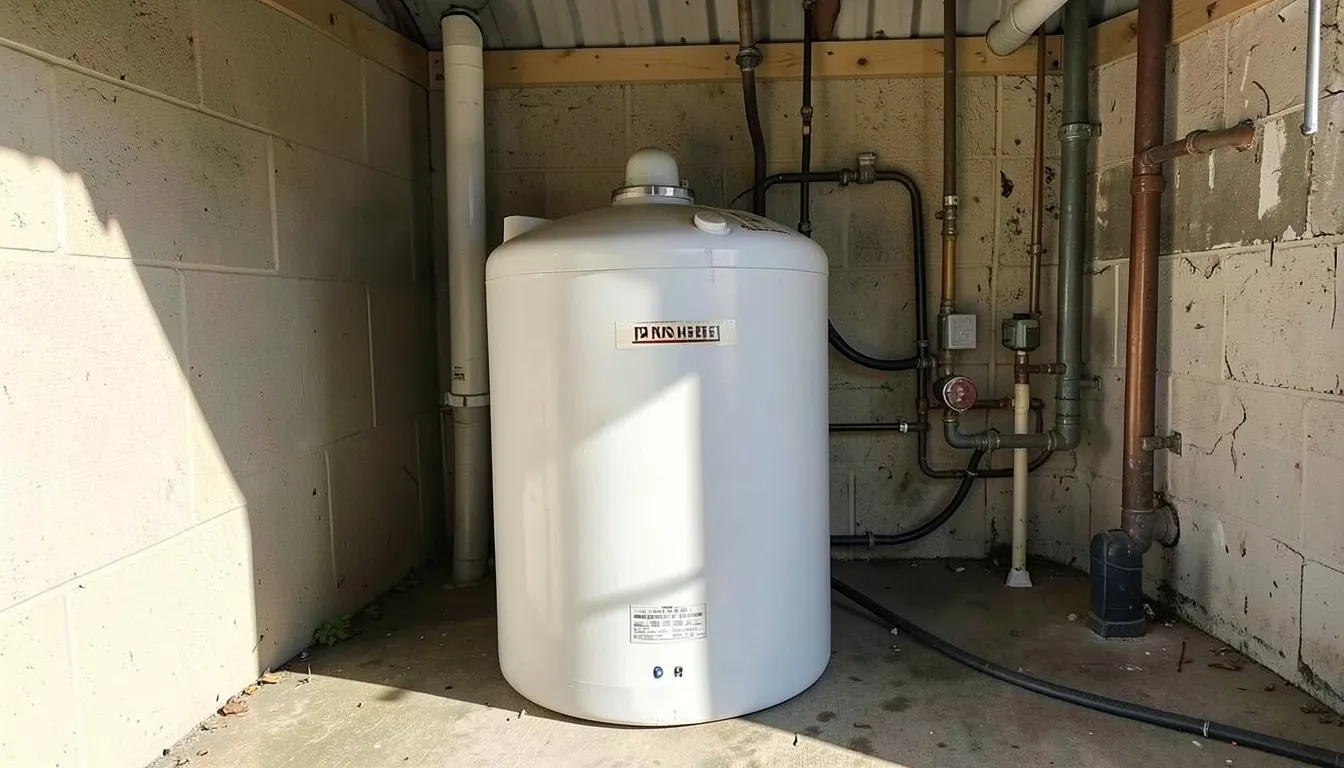
The fix gets cheaper the sooner a plumber sees it.
Degradation problems compound quietly. Call now, or use the form below to reach an independent Texas plumber, and ask for an estimate for the pipe camera inspection — you are under no obligation.
Need a pipe camera inspection callback in College Station?
In a meeting, with the kids, or just prefer not to call? Drop your ZIP and number below. AlertPlumber sends your request to our routing partner — if a participating plumber serves your area, they may call you back directly. For anything urgent, call the number on this page.
- 1 Submit your info. ZIP, phone, and what kind of work you need.
- 2 AlertPlumber passes it on to our routing partner for your area.
- 3 If a participating plumber serves your area, they may call you back. Ask for a written estimate before work starts.
Pipe Camera Inspection in College Station — catch it early
Degradation-driven failures worsen over time and cost more to fix the longer they run. Ask the independent TX plumber you reach in College Station to diagnose your specific condition and put the scope in writing before any work begins.