
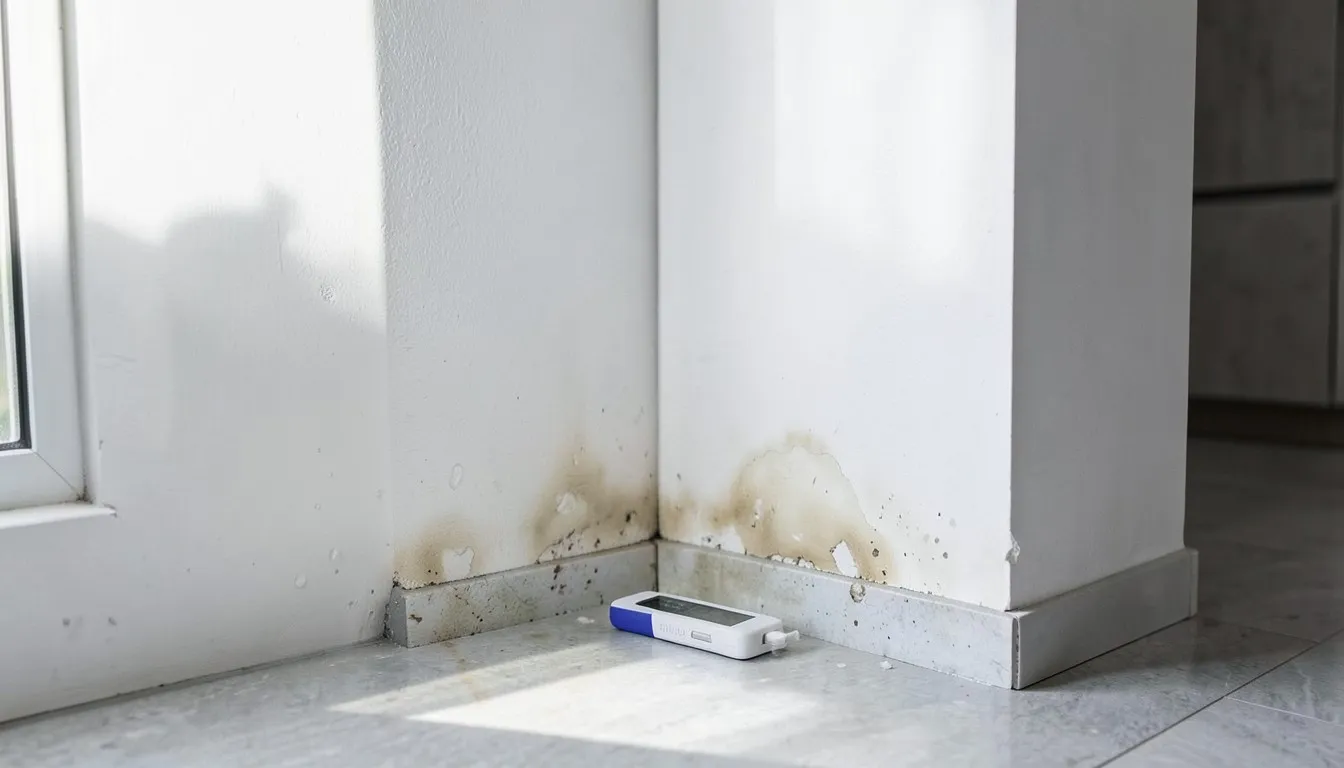
Emergency Leak Detection in Indianapolis, Indiana
Leak Detection in Indianapolis, Indiana locates hidden water and gas leaks using acoustic and thermal equipment. Local conditions in Indianapolis: a 36 in frost line and a median home age of 54 years.
Camera first, quote second — know exactly what's wrong in your Indianapolis home before you approve a dollar.
What does the local plumbing data show for Indianapolis, IN?
Seeing these conditions at your place in Indianapolis? A state-licensed plumber can confirm it over the phone — free, no obligation.
What are the pipe conditions in Indianapolis, IN?
Non-invasive leak detection uses acoustic amplification, thermal imaging, and pressure isolation to locate water loss in supply lines and drain systems without opening walls or floors. Indianapolis homes with galvanized or older copper supply runs face the highest pinhole leak incidence — a slow leak inside a wall cavity can cause mold and structural damage for months before becoming visible. A professional leak detection prevents unnecessary demolition by confirming the exact break location before any drywall is cut. AlertPlumber connects you with an Indiana-licensed plumber who locates first and opens second.
Indianapolis's housing stock spans multiple construction eras — median home age 54 years — meaning pipe materials and failure modes vary significantly by neighborhood and building vintage. An inspection-led approach that confirms pipe material before recommending a service path is standard practice for mixed housing profiles.
Very hard water in Indianapolis is a primary driver of accelerated appliance failure: water heater anode rods exhaust in 2–3 years instead of 6–8, scale deposits at fixture connections form within months of installation, and tankless heat exchangers accumulate mineral buildup that can reduce lifespan by half without regular descaling. A softener or whole-house conditioner is strongly recommended alongside any appliance service call.
Frost line depth in Indianapolis means supply lines and outdoor plumbing must be installed below the freeze threshold — typically 36 in — to prevent pipe burst during cold events. Exterior hose bibs, irrigation shutoffs, and any exposed pipe runs are the most common winterization service points in freeze-risk markets.
- Median home age
- 54 yrs
- Frost line
- 36 in
A licensed IN plumber reads these conditions the moment you describe the symptom.
What local infrastructure shapes Leak Detection in Indianapolis?
Post-war housing stock averaging 54 years of age here operates on supply water measuring approximately 18.7 grains per gallon — the highest hardness value in this dataset, sourced from White River and Eagle Creek surface water processed through Citizens Energy Group treatment. At that mineral concentration, scale deposits form rapidly inside copper supply runs, thinning pipe walls at elbows and tee connections well within a 30-year window.
Acoustic detection identifies active copper pinhole leaks in wall-cavity supply runs before exploratory openings are authorized, separating leak noise from the flow turbulence generated by heavy scale constriction at a bore-narrowed elbow. Indiana's 36-inch frost line subjects basement-entry service connections and below-grade supply sections to significant thermal stress over approximately 110 freeze days annually — that freeze cycle load adds mechanical stress to fittings already compromised by extreme-hardness mineral attack. Pressure-drop testing alone cannot distinguish a copper pinhole from a supply-side lead service joint failure when mixed-material systems are involved.
Indianapolis requires a $75 permit — the lowest fee in this dataset — for detection and repair work before wall or floor surfaces are closed. Citizens Energy Group coordinates meter shutoff for supply-side work. Post-repair pressure testing to Indiana State Plumbing Code is required before permit closure. Lead service line material verification for pre-1951 properties is required before repair scope is finalized, since confirmed lead connections change the approved repair material selection for the service-side segment.
What shapes plumbing demand in Indianapolis, IN?
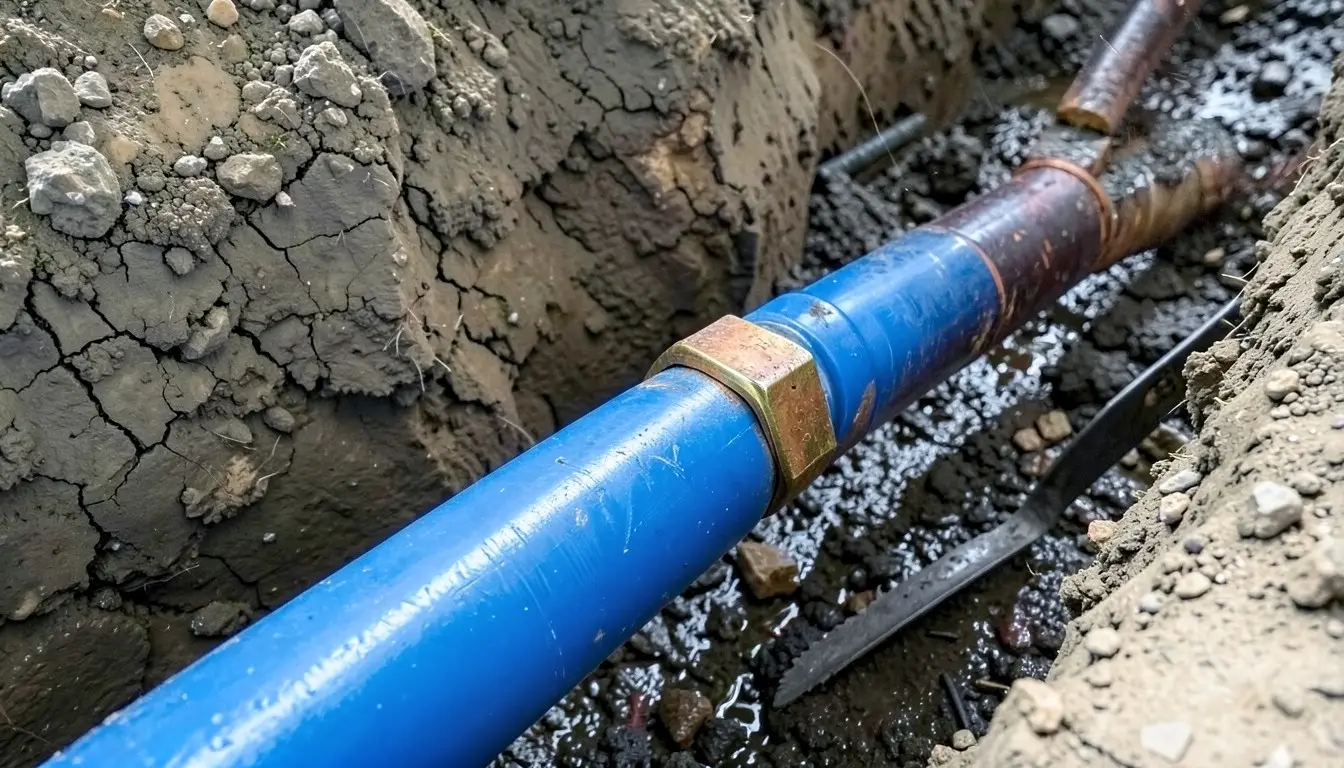
1950s–70s copper supply is now 50–70 years into its service cycle in Indianapolis. Thermal fatigue at fittings and slab-on-grade access complexity — common in Sun Belt construction — make repair vs. replacement a live decision on most jobs. This housing cohort is the active primary replacement wave in this market.
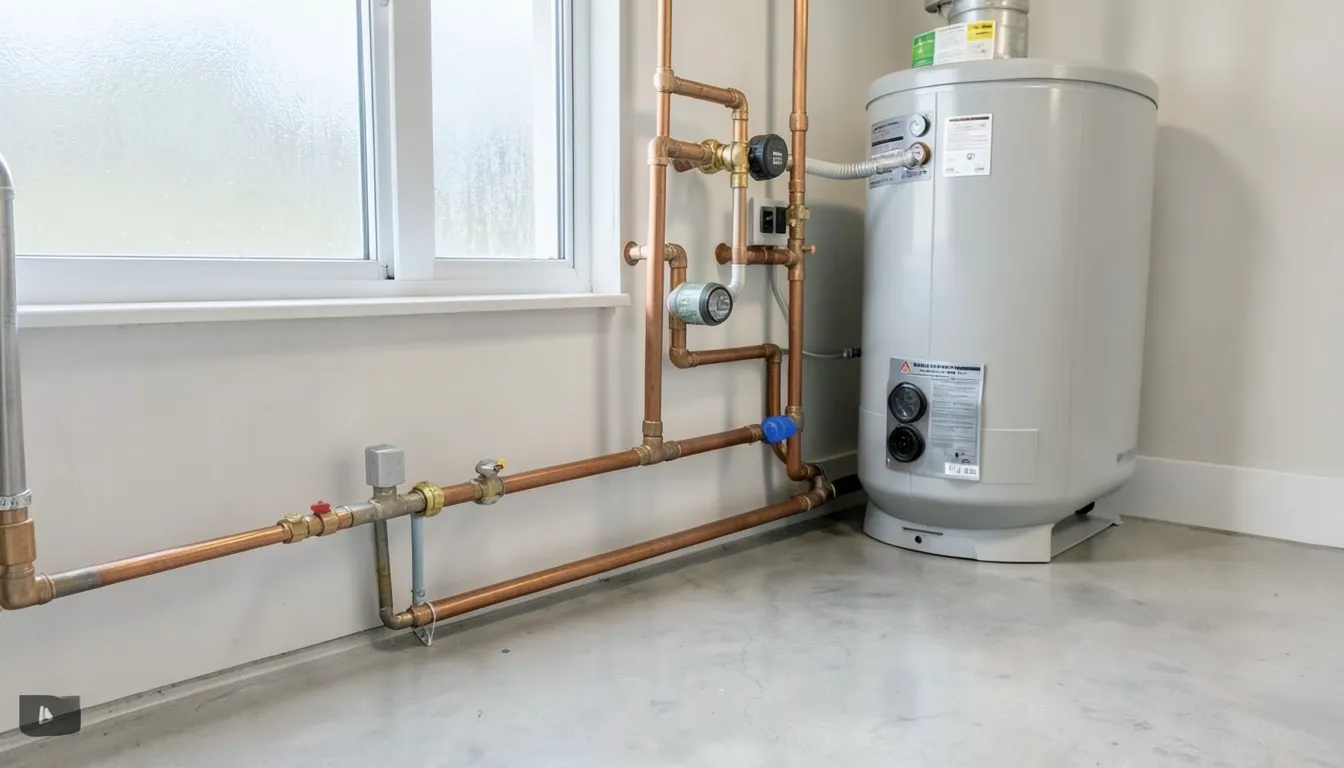
At 15–20+ GPG, calcium scale forces compressed equipment cycles in Indianapolis: tank heaters average 6–9 years vs. the 10–12-year national benchmark, and tankless units require annual descaling. Anode rods calcify within 12–18 months. Most plumbers here assess heater age against the local scale timeline — not the manufacturer's service life.
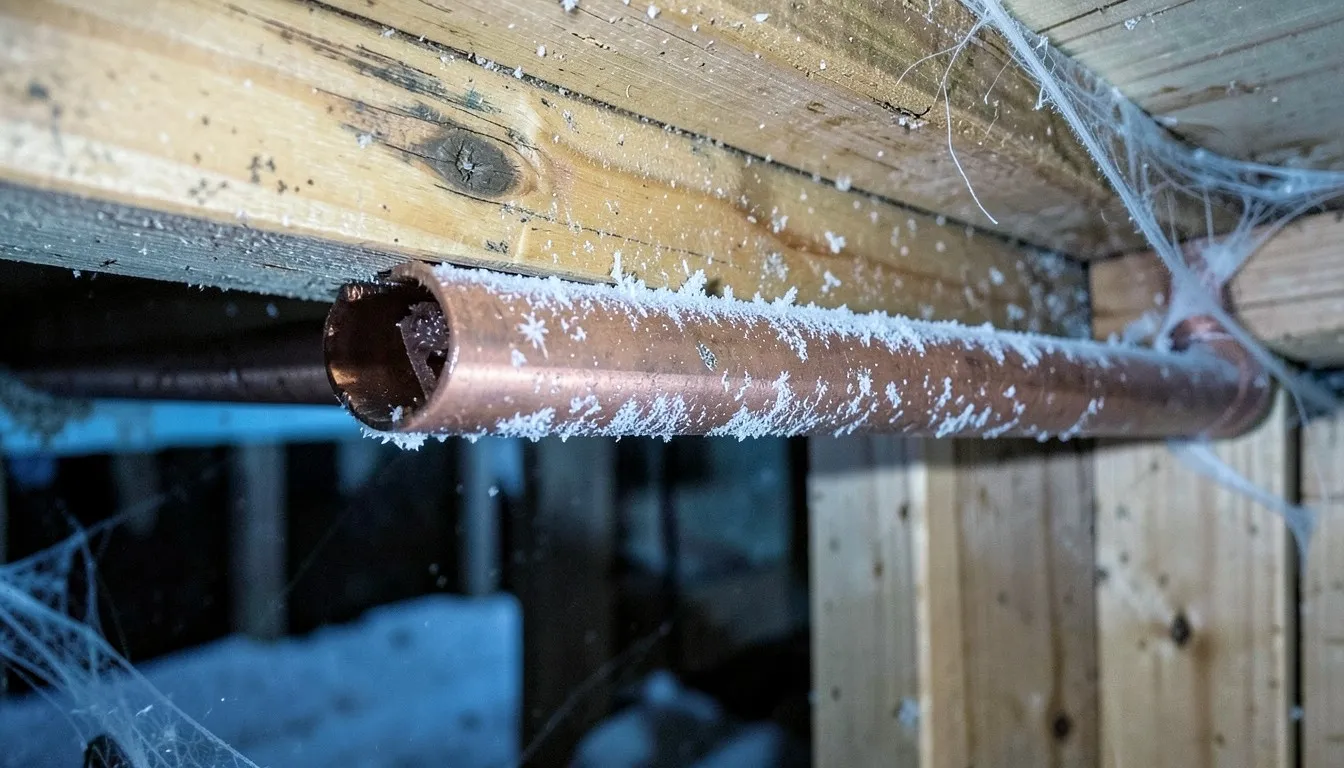
The primary surge in Indianapolis runs January–March, with a secondary wave at the spring thaw — when pipes that held through the freeze rupture as pressure is restored above 32°F. Scheduling competition peaks exactly when emergency calls are highest. Homeowners who wait for visible damage compete for the same limited plumber slots at the worst possible time.
Why diagnose before repairing in Indianapolis?
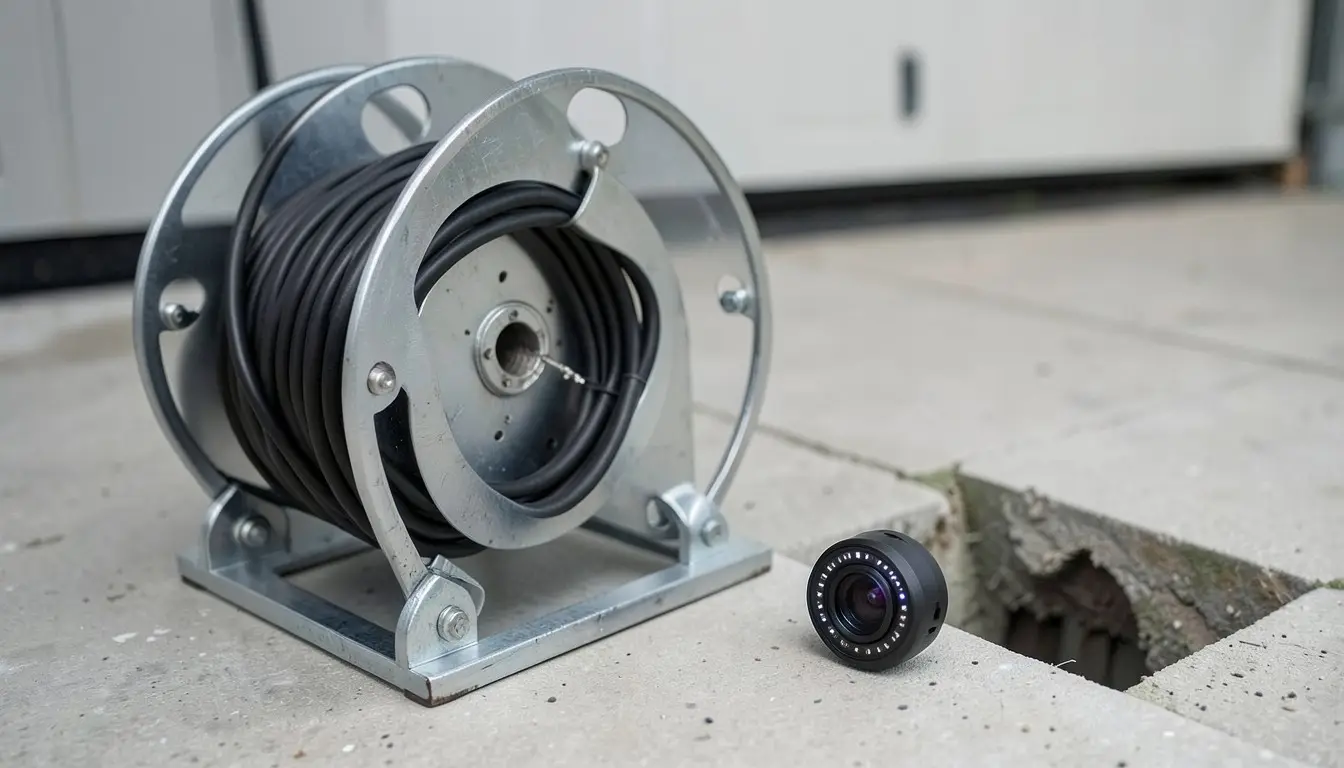
Describe the symptom — not the repair. AlertPlumber routes to an IN-licensed plumber trained in diagnostics. The site visit uses camera tracing, acoustic detection, or hydrostatic pressure testing — matched to the reported failure type.
The plumber delivers a written diagnostic report: confirmed failure location, available repair methods, and tradeoffs — disruption level, material durability, long-term cost, and whether an Indianapolis building permit applies to the selected method.
You select the repair path. The Indiana-licensed plumber proceeds on the authorized method with a fixed scope and price. Where required, the permit application to Indianapolis is handled by the contractor.
Leak Detection cost calculator — Indianapolis
Pre-filled for leak detection in Indianapolis. Adjust the ZIP for a neighboring area, or change the service to compare. Calculator pulls from the city's scraped permit-fee + state plumber-density data.

Leak Detection in Indianapolis — the longer it runs, the more it costs.
Slow failures compound: soft pipe walls, root penetration, mineral buildup. A verified plumber calls back with a scope-first estimate before anything is dug up.
What else do people ask about leak detection in Indianapolis?
How much does leak detection cost in Indianapolis, IN?
Indianapolis leak detection prices by detection method and access geometry. Acoustic pinhole location on a Meridian-Kessler 1920s Tudor copper supply run behind plaster-and-lath runs $295–$485, with a $75–$120 adder where exterior Indiana limestone veneer constrains sensor placement. Thermal-imaging plus tracer-gas testing on a hot-water under-slab line in a Broad Ripple bungalow or an Eagle Creek 1970s slab-on-grade ranch runs $425–$715. Helium-leak diagnostics on a buried Citizens Energy Group service line where the homeowner suspects pre-meter loss runs $495–$795. Camera-and-locator scoping for a wet-spot in an Irvington crawlspace runs $275–$425. The $32 Indy.gov plumbing application plus the $75–$150 minor permit (per Indy.gov permit fees) triggers only when repair follows detection. AlertPlumber routes the call to an Indiana Plumbing Commission credentialed plumber for a written estimate keyed to your Marion County ZIP.
Why are copper pinhole leaks common in Meridian-Kessler Tudor homes?
Meridian-Kessler 1920s-30s Tudor and craftsman stock concentrates two failure mechanisms in one envelope. First, Citizens Energy Group delivers water at 18.7 grains per gallon (320 ppm) — classified very hard per USGS hardness classification — carrying a carbonate load that promotes pitting corrosion on Type-M copper installed during 1960s-80s plaster-wall re-pipes. Second, the original 1920s plaster-and-lath wall assemblies trap minor seepage against copper supply runs for years before a visible stain appears, so pinholes are usually 20–30% wall-thinning depth before the homeowner notices. Acoustic detection at 25–55 dB through a plaster wall is the standard first move on these properties — drywall destructive opening is the last resort.
How do I detect a leak in an Irvington bungalow crawlspace?
Irvington 1870s+ Victorian and craftsman streetcar-suburb homes (NRHP-listed neighborhood) run shallow conditioned or vented crawlspaces with original 1910s–30s galvanized supply lines and cast-iron drain stacks within reach but constrained by tight access. The standard workflow: visual crawl with high-CRI LED to map active drips at galvanized unions and 4-inch cast-iron horizontal hub joints; moisture-meter probe at the rim joist and floor sheathing for vapor migration; acoustic correlator clamped to the meter and at a downstream fixture to triangulate a buried hot-water branch loss. Crawlspace humidity in Marion County runs high May–October, so an isolated wet patch with no measurable supply loss usually points to vapor condensation, not a pressure leak. Detection in an Irvington crawlspace runs 60–110 minutes including locator probe time.
Does Indianapolis 36-inch frost depth affect leak-detection diagnosis?
Yes — significantly on supply-side service-line work. The Indiana plumbing code adopting the IPC requires 36-inch burial for water service in Marion County (per NWS Indianapolis climate basis and Indiana adoption), but a meaningful share of pre-1950 Old Northside and Fountain Square service installs sit at 24–32 inches because the original trench was hand-dug before code uniformity. Those shallow lines fail at the bell-joint or galvanized union after repeated freeze-thaw cycles across ~110 freeze days annually. Acoustic correlation at the meter and at the house entry pinpoints the failure depth — if the loss is shallower than 30 inches, the diagnosis assumes freeze-driven joint failure rather than corrosion. Repair scope shifts from spot-repair to full re-bury at 36-inch code depth.
Will Indiana HO-3 homeowners insurance cover Indianapolis leak detection?
Standard Indiana HO-3 policies typically do NOT cover the detection labor itself — most carriers (State Farm, Erie, Indiana Farm Bureau, Allstate, Auto-Owners) classify diagnostic work as homeowner responsibility. They DO cover sudden-and-accidental water damage from a discovered supply-side pinhole subject to deductible, AND the detection invoice usually qualifies as part of the loss documentation. Long-term seepage (defined by most Indiana carriers as 14+ days continuous) is excluded as wear-and-tear. Meridian-Kessler plaster wall damage and Broad Ripple finished-basement hardwood damage from a hot-water under-slab leak are typically covered; the cast-iron stack corrosion behind it is not. Submit within 30 days of discovery with the matched plumber's report and detection method documentation.
How does Citizens Energy Group's lead service line inventory affect detection?
Citizens Energy Group has roughly 75,000 customers who may own a lead service line on their side of the meter and has published a public LSL inventory portal under EPA Lead and Copper Rule Revision compliance (per Citizens Energy Group LSL inventory portal). For Old Northside, Fountain Square, and Irvington pre-1940 stock, that means a supply-side leak between the curb stop and the meter has an elevated probability of being a lead-pipe joint failure rather than a copper pinhole. The detection workflow shifts: acoustic correlation at the curb box first, then the meter, then the house entry — and the matched plumber confirms LSL status via the Citizens portal lookup before recommending repair scope. Lead service line replacement is its own scope tier ($3,500–$8,500 depending on length) separate from interior-side detection.
How long does an Indianapolis leak detection appointment take?
A straightforward acoustic pinhole hunt on a Meridian-Kessler 1920s Tudor or a Broad Ripple bungalow runs 55–95 minutes from setup through report. Thermal-imaging plus tracer-gas on an Eagle Creek 1970s slab takes 85–135 minutes because the slab survey is grid-based and the tracer-gas dwell is 8–12 minutes per zone. Helium diagnostics on a Citizens Energy Group service line at the curb-to-meter run takes 70–110 minutes including the locate. Camera and crawlspace scoping in an Irvington 1910s craftsman runs 60–100 minutes. Marion County winter call surge (mid-November through early March, ~110 freeze days, 36-inch frost depth) stretches same-day arrival ETA from 90 minutes to 4–6 hours as Indianapolis dispatch absorbs freeze-burst calls — detection scheduling pushes 24–72 hours during cold snaps.
Meridian-Kessler Tudor copper vs Eagle Creek 1970s slab — different leak signatures?
Sharply different. Meridian-Kessler 1920s-30s Tudor and craftsman stock shows supply-side copper pinhole pattern: small wet spot on plaster behind a sink or in a baseboard, no measurable meter creep on a 15-minute static test, acoustic signature at 600–1,800 Hz, repair via copper section R&R or PEX re-route. Eagle Creek 1970s+ and Speedway slab-on-grade shows under-slab hot-water loss pattern: warm spot on tile or LVP, measurable meter creep at 0.4–1.2 gpm, thermal-imaging delta of 4–9°F, repair via reroute through wall cavity rather than slab break-through where geometry allows. Broad Ripple 1920s bungalow with raised foundation falls between — copper-supply pinhole behavior but with crawlspace access for direct visual confirmation. Diagnosis method follows construction era, not just symptom.
Does Indianapolis require a permit for leak detection, and who verifies the plumber?
Leak detection itself is permit-exempt in Indianapolis — acoustic, thermal, tracer-gas, and helium diagnostics are diagnostic work classified outside permit scope under the Indiana adoption of the IPC. The $32 application plus $75–$150 minor permit at Indy.gov Department of Business and Neighborhood Services triggers when repair follows detection (re-piping a copper section, replacing a failed service line, opening a slab). On credentialing, every plumber routed through AlertPlumber in Marion County holds an active Indiana Plumbing Commission specialty credential — Indiana PLA Plumbing Commission lists roughly 11,620 credentialed plumbers statewide. Homeowners can verify the matched plumber's credential by name through the PLA lookup before authorizing repair work.
What signs tell me my Indianapolis home has a hidden leak?
Five tells in Marion County housing stock. First, water bill jumping 15–40% with no change in usage — Citizens Energy Group Rate No. 1 at roughly $4.50 per 1,000 gallons (per Citizens Energy Group water service info) means a 0.5 gpm seep adds ~$70/month. Second, brown plaster staining on a Meridian-Kessler interior wall away from a fixture (pinhole behind plaster). Third, warm tile or LVP underfoot in an Eagle Creek slab home (under-slab hot-water leak). Fourth, mildew odor in an Irvington crawlspace with no recent rain entry (galvanized union seep). Fifth, foundation settlement crack in an Old Northside 1880s Victorian with no recent ground movement (long-term service-line loss eroding limestone-karst substrate). Any one of these warrants an acoustic survey before drywall opening.
Why does Indiana limestone karst geology complicate Indianapolis leak detection?
Central Indiana sits on Niagaran reef limestone bedrock — fractured carbonate that conducts groundwater laterally through seam networks (per USGS water resources). For buried supply-line leak detection on Old Northside and Fountain Square pre-1940 properties, that means a curb-to-meter pinhole loss can travel 8–25 feet laterally along a limestone seam before surfacing as a wet spot — which makes visual surface trace misleading. The matched plumber uses acoustic correlator anchored at the curb stop AND the meter, with tracer-gas confirmation, because the surface wetness rarely indicates the actual pipe failure point. White River and Fall Creek basin homes show the worst dispersion patterns. Plan on a 30–60 minute locator phase before any excavation scope is quoted.
What ZIP codes around Indianapolis does AlertPlumber cover for leak detection?
AlertPlumber covers all Marion County Indianapolis ZIP codes (462xx prefix covering downtown through Meridian-Kessler, Broad Ripple, Irvington, Old Northside, Fountain Square, Eagle Creek, and Speedway) plus inner-ring Hamilton, Hendricks, Johnson, Boone, Hancock, Morgan, and Shelby County communities — Carmel, Fishers, Noblesville, Westfield, Greenwood, Plainfield, Avon, Brownsburg, Zionsville, and Greenfield. Citizens Energy Group service-area addresses and Citizens Wastewater Marion County outer-ring properties route through the same intake form. Per U.S. Census Bureau, Indianapolis population is 887,642.
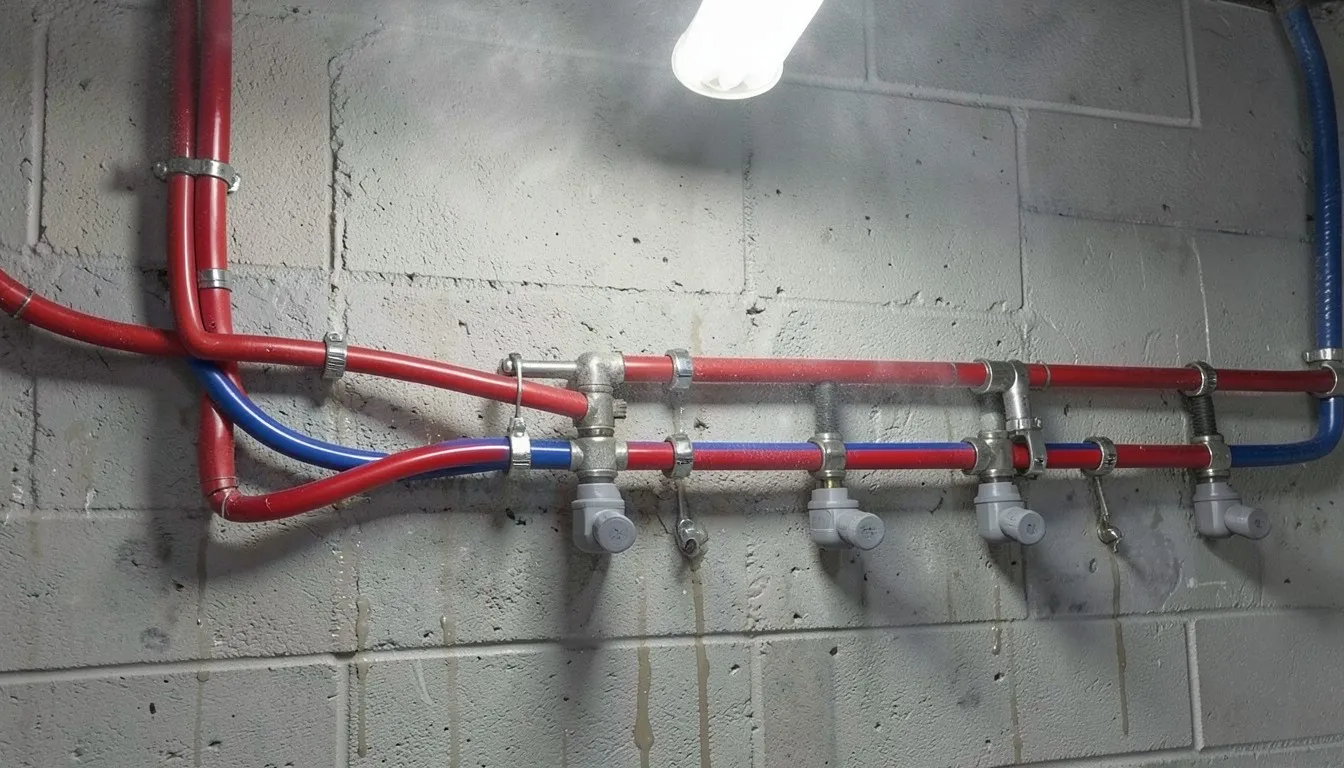
The fix gets cheaper the sooner a plumber sees it.
Degradation problems compound quietly. Call now, or use the form below and a licensed Indiana plumber calls you back with a no-obligation estimate for the leak detection.

Need a leak detection callback in Indianapolis?
In a meeting, with the kids, or just prefer not to hold? Drop your ZIP and number below. AlertPlumber routes your request to a verified plumber in your area — they’ll call you back directly.
- 1 Submit your info. ZIP, phone, and what kind of work you need.
- 2 AlertPlumber matches you with a verified plumber serving your area.
- 3 The plumber calls you back with a written estimate, no obligation.
Leak Detection in Indianapolis — catch it early
Degradation-driven failures worsen over time and cost more to fix the longer they run. A verified IN plumber in Indianapolis diagnoses your specific condition and provides a written scope before any work begins.