
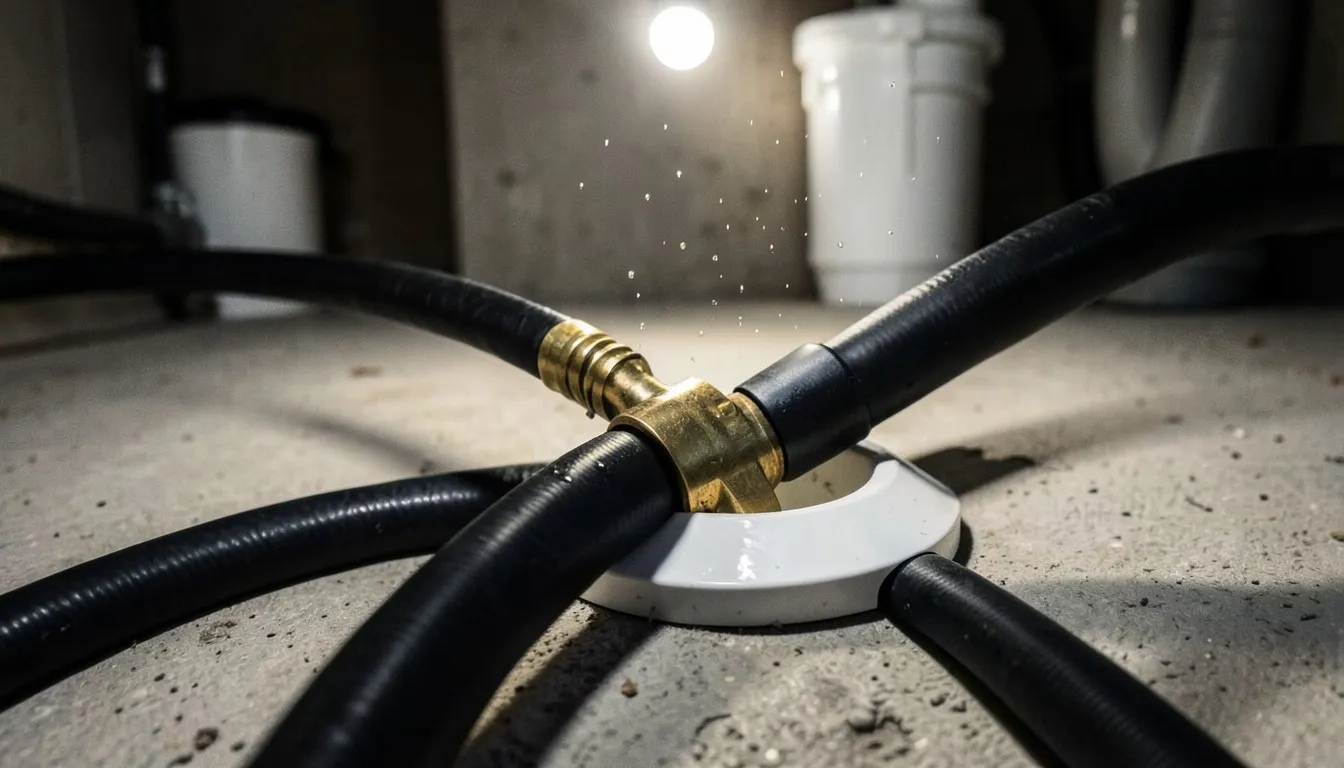
Emergency Hydro Jetting in Kent, Washington
Hydro Jetting in Kent, Washington is high-pressure water jetting to clear severe clogs and grease in main lines. Local conditions in Kent: water measured at 5 gpg, a 10 in frost line and a median home age of 45 years.
Camera first, quote second — know exactly what's wrong in your Kent home before you approve a dollar.
What does the local plumbing data show for Kent, WA?
Seeing these conditions at your place in Kent? A state-licensed plumber can confirm it over the phone — free, no obligation.
What are the pipe conditions in Kent, WA?
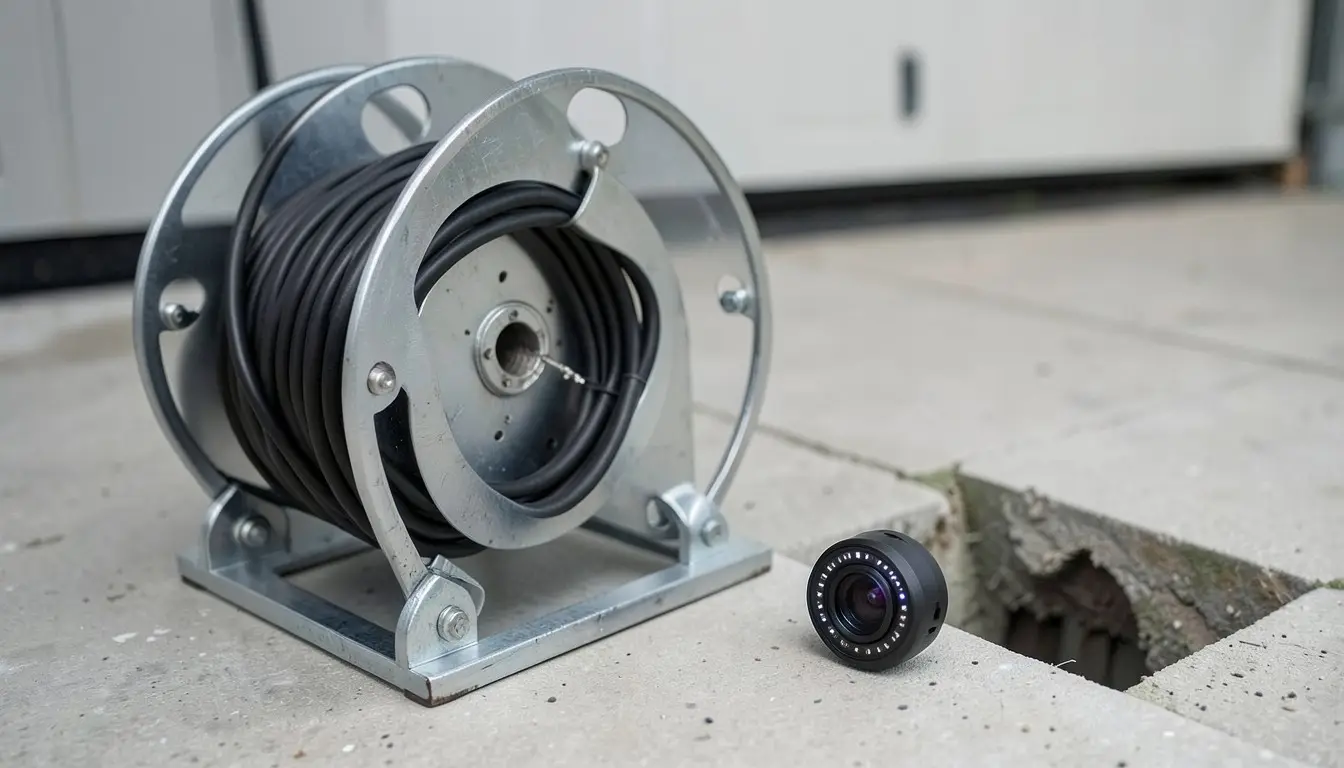
Hydro-jetting in Kent clears what drain snaking leaves behind: scale buildup from hard water, grease layers coating pipe walls, and root tendrils that regrow from fragments left by a cable machine. The process uses 3,000–4,000 PSI water pressure through a rotating nozzle that scrubs the pipe wall — not just punches through the blockage. A camera scope before jetting confirms the pipe can withstand high pressure and identifies any structural defects that jetting would worsen. AlertPlumber connects you with a Washington-licensed plumber who scopes before jetting as a standard practice.
Kent's housing stock spans multiple construction eras — median home age 45 years — meaning pipe materials and failure modes vary significantly by neighborhood and building vintage. An inspection-led approach that confirms pipe material before recommending a service path is standard practice for mixed housing profiles.
- Median home age
- 45 yrs
- Water hardness
- 5 gpg
- Frost line
- 10 in
- Permit
- $150
A licensed WA plumber reads these conditions the moment you describe the symptom.
What shapes plumbing demand in Kent, WA?
CPVC becomes brittle in the 20–35-year range and snaps under thermal stress or incompatible pipe dopes. Early PEX fittings (pre-2010) may develop chloramine compatibility issues at 15–25 years. The 1980s–1990s housing stock in Kent is entering its first wave of material-driven service calls — not from neglect, but from normal service-life progression.
4–7 GPG produces gradual scale that stays manageable with standard maintenance intervals in Kent — annual flushing, cartridge cleaning every 1–2 years. Equipment runs near design lifespan. The primary water quality driver here is preventive maintenance rather than emergency replacement, which distributes service demand more evenly across the calendar.
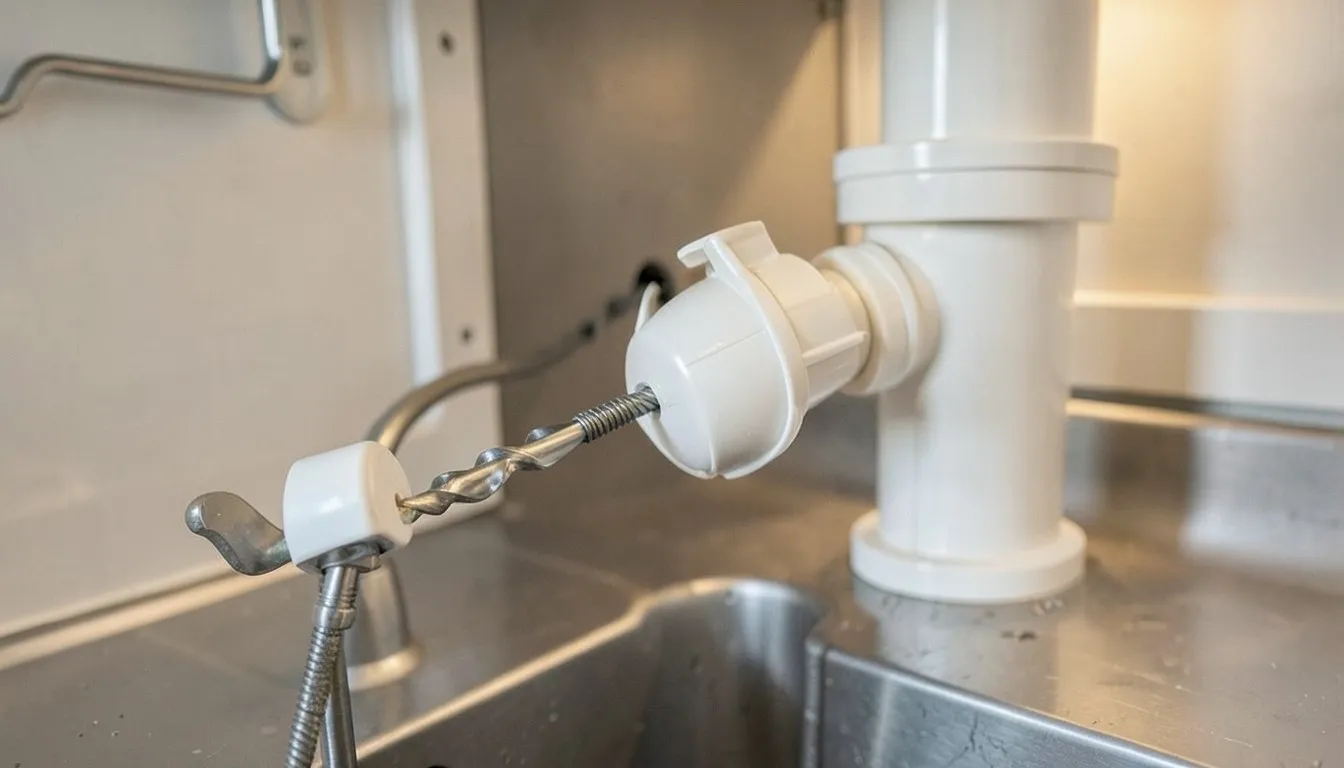
Without a hard freeze season, demand in Kent distributes evenly through the year. Maintenance-driven categories dominate: end-of-life water heater replacement, root intrusion clearing, and fixture repair. Deferred maintenance surfaces gradually as partial failures rather than acute winter emergencies — which means issues compound silently until they become a larger job.
Why diagnose before repairing in Kent?
Describe the symptom — not the repair. AlertPlumber routes to a WA-licensed plumber trained in diagnostics. The site visit uses camera tracing, acoustic detection, or hydrostatic pressure testing — matched to the reported failure type.
The plumber delivers a written diagnostic report: confirmed failure location, available repair methods, and tradeoffs — disruption level, material durability, long-term cost, and whether a Kent building permit applies to the selected method.
You select the repair path. The Washington-licensed plumber proceeds on the authorized method with a fixed scope and price. Where required, the permit application to Kent is handled by the contractor.
Hydro Jetting cost calculator — Kent
Pre-filled for hydro jetting in Kent. Adjust the ZIP for a neighboring area, or change the service to compare. Calculator pulls from the city's scraped permit-fee + state plumber-density data.
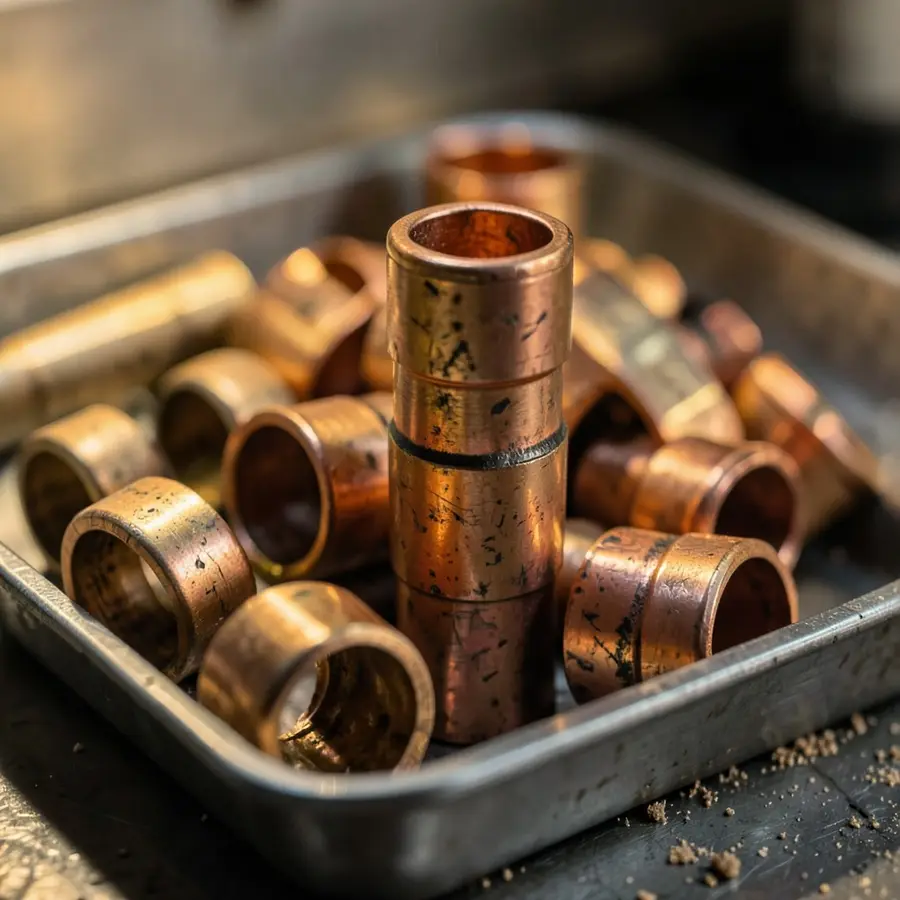
Hydro Jetting in Kent — the longer it runs, the more it costs.
Slow failures compound: soft pipe walls, root penetration, mineral buildup. A verified plumber calls back with a scope-first estimate before anything is dug up.
What else do people ask about hydro jetting in Kent?
How much does hydro jetting cost in Kent, WA?
Hydro jetting in Kent typically runs $330–$880 for a residential drain line (national $300–$800 adjusted roughly 10% above national average). Main sewer-line jetting with a camera inspection runs $440–$990.
When should I hydro jet instead of snake a Kent drain?
Snake for: a single, localized clog within 15 feet of the access point and first-time backup. Hydro jet when: the line has clogged twice in 12 months, camera shows grease or scale coating the full bore, or root mass has been confirmed.
Is hydro jetting safe for Kent pipes?
Kent's newer PVC and ABS pipe handles standard hydro jetting pressure safely. The operator confirms pipe condition via camera before any jetting.
Should a Kent plumber camera the line before hydro jetting?
Always — a pre-jetting camera inspection ($150–$350, often bundled with the jetting quote) determines pipe material and wall condition, clog type, and whether jetting is safe or whether damaged sections need repair first.
Can hydro jetting remove tree roots from Kent sewer lines?
Yes — root-cutting jetting nozzles shred root masses and flush the debris downstream. Jetting clears the immediate blockage but doesn't stop root regrowth — roots return to the same joint in 12–24 months. The long-term fix is trenchless CIPP lining or spot replacement of the affected joint.
How often do Kent homes need hydro jetting?
Most Kent homes with newer PVC drain lines need professional jetting every 3–5 years for maintenance.
Is hydro jetting safe for septic systems in Kent?
Most Kent residential properties connect to the municipal sewer system. Confirm at the cleanout access if your connection type is uncertain.
Can I use a residential pressure washer for hydro jetting in Kent?
No — a consumer pressure washer uses 1–4 GPM, insufficient to flush debris through a 4" drain pipe. Professional hydro jetting equipment uses 10–18 GPM at controlled pressure with specialized nozzles engineered for drain pipe diameters.
Does hydro jetting require a permit in Kent?
Hydro jetting of existing drain lines doesn't require a permit — it's a cleaning service. A permit IS required if jetting reveals damage requiring pipe repair. The WA L&I permit (min $150) is pulled by the matched plumber after the camera documents the need.
Are AlertPlumber-matched hydro jetting crews verified in WA?
Yes. Every crew matched through AlertPlumber for hydro jetting in Kent holds an active WA L&I license and carries camera-equipped jetting equipment. Camera-before-jetting is the standard on every visit.
The fix gets cheaper the sooner a plumber sees it.
Degradation problems compound quietly. Call now, or use the form below and a licensed Washington plumber calls you back with a no-obligation estimate for the hydro jetting.
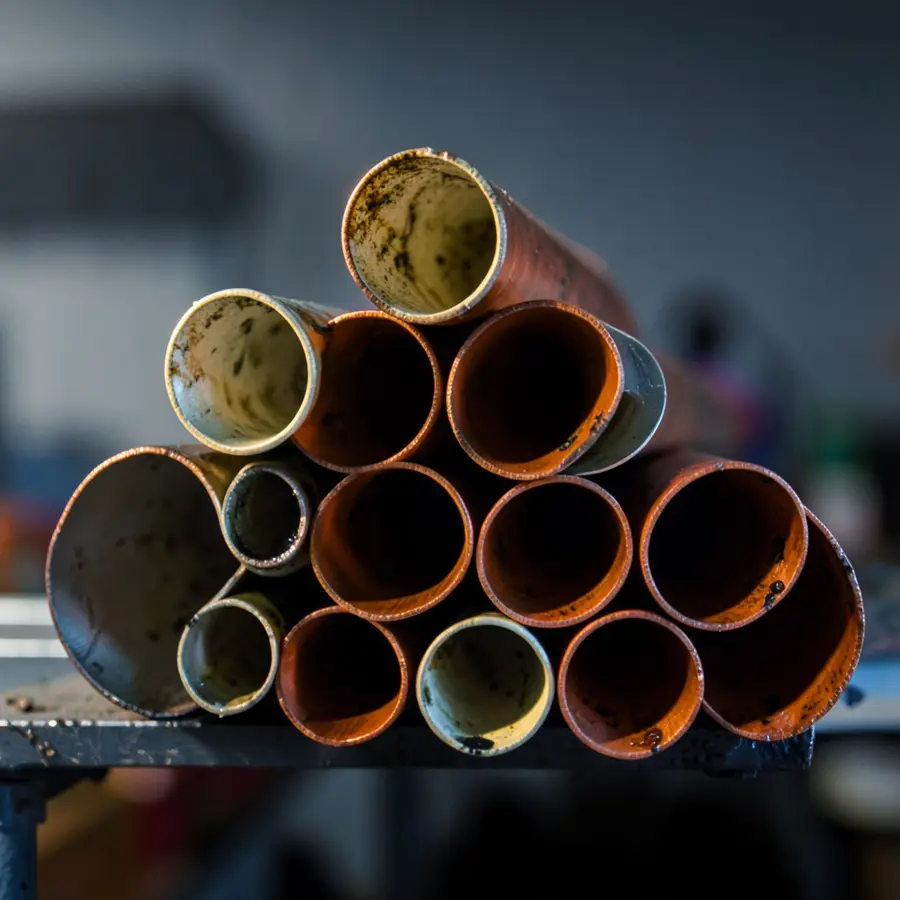
Need a hydro jetting callback in Kent?
In a meeting, with the kids, or just prefer not to hold? Drop your ZIP and number below. AlertPlumber routes your request to a verified plumber in your area — they’ll call you back directly.
- 1 Submit your info. ZIP, phone, and what kind of work you need.
- 2 AlertPlumber matches you with a verified plumber serving your area.
- 3 The plumber calls you back with a written estimate, no obligation.
Hydro Jetting in Kent — catch it early
Degradation-driven failures worsen over time and cost more to fix the longer they run. A verified WA plumber in Kent diagnoses your specific condition and provides a written scope before any work begins.