
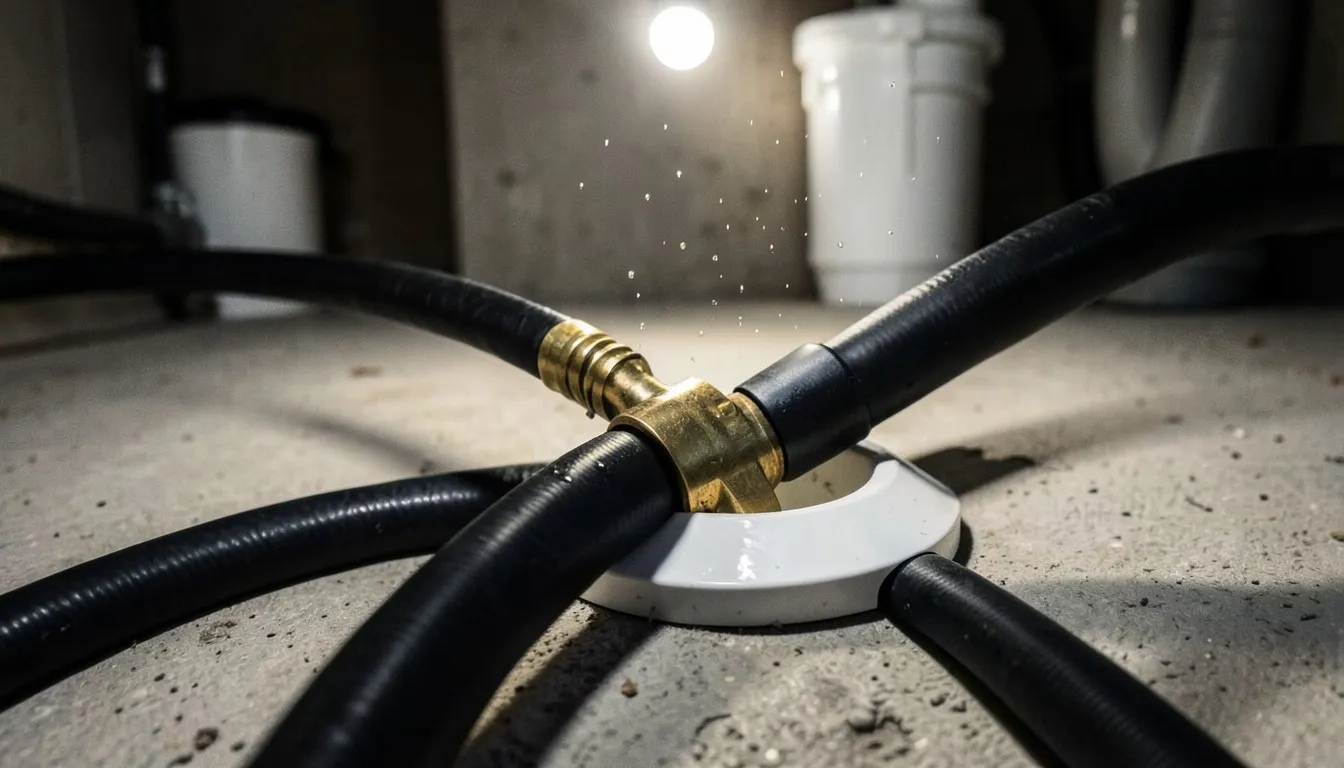
Emergency Hydro Jetting in Bloomington, Indiana
Hydro Jetting in Bloomington, Indiana is high-pressure water jetting to clear severe clogs and grease in main lines. Local conditions in Bloomington: water measured at 13 gpg, a 22 in frost line and a median home age of 50 years.
Camera first, quote second — know exactly what's wrong in your Bloomington home before you approve a dollar.
What does the local plumbing data show for Bloomington, IN?
Seeing these conditions at your place in Bloomington? A state-licensed plumber can confirm it over the phone — free, no obligation.
What are the pipe conditions in Bloomington, IN?
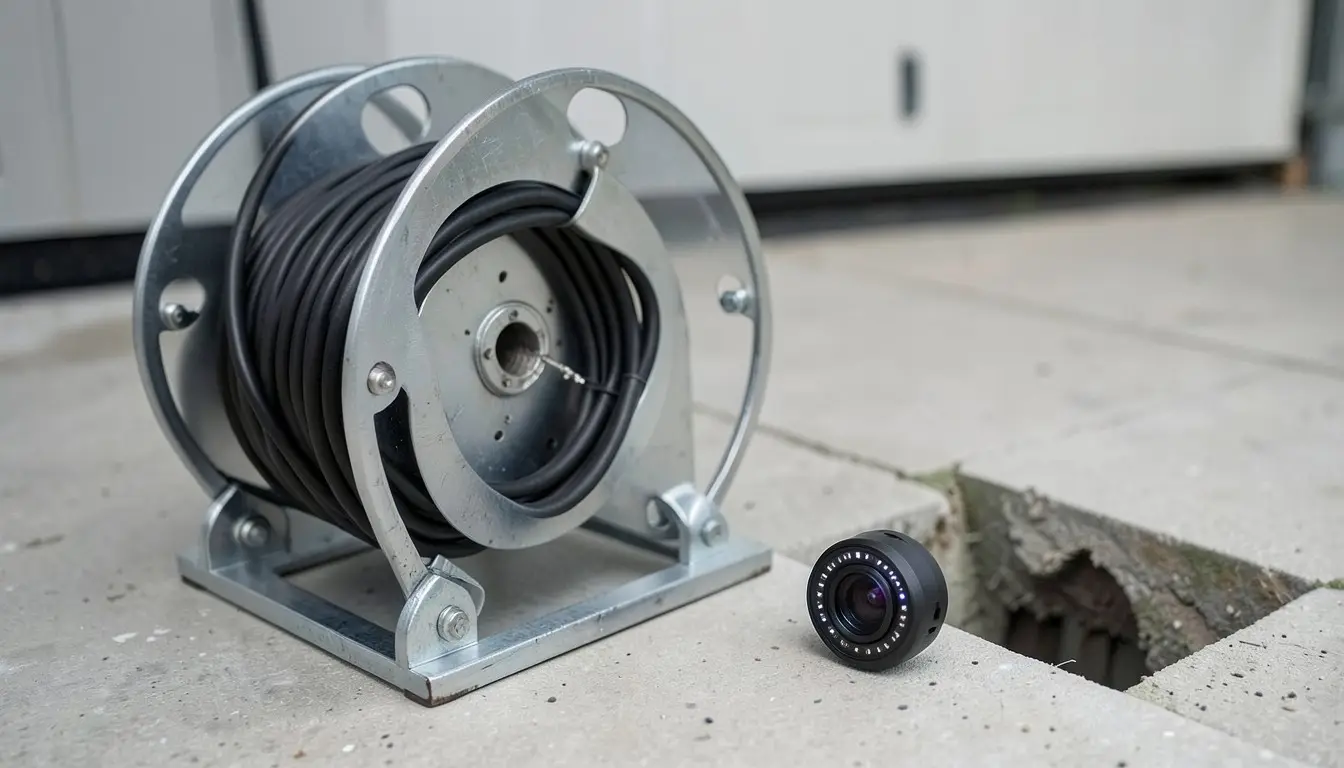
Hydro-jetting in Bloomington clears what drain snaking leaves behind: scale buildup from hard water, grease layers coating pipe walls, and root tendrils that regrow from fragments left by a cable machine. The process uses 3,000–4,000 PSI water pressure through a rotating nozzle that scrubs the pipe wall — not just punches through the blockage. A camera scope before jetting confirms the pipe can withstand high pressure and identifies any structural defects that jetting would worsen. AlertPlumber connects you with an Indiana-licensed plumber who scopes before jetting as a standard practice.
Bloomington's housing stock spans multiple construction eras — median home age 50 years — meaning pipe materials and failure modes vary significantly by neighborhood and building vintage. An inspection-led approach that confirms pipe material before recommending a service path is standard practice for mixed housing profiles.
Very hard water in Bloomington is a primary driver of accelerated appliance failure: water heater anode rods exhaust in 2–3 years instead of 6–8, scale deposits at fixture connections form within months of installation, and tankless heat exchangers accumulate mineral buildup that can reduce lifespan by half without regular descaling. A softener or whole-house conditioner is strongly recommended alongside any appliance service call.
Frost line depth in Bloomington means supply lines and outdoor plumbing must be installed below the freeze threshold — typically 22 in — to prevent pipe burst during cold events. Exterior hose bibs, irrigation shutoffs, and any exposed pipe runs are the most common winterization service points in freeze-risk markets.
- Median home age
- 50 yrs
- Water hardness
- 13 gpg
- Frost line
- 22 in
- Permit
- $100
A licensed IN plumber reads these conditions the moment you describe the symptom.
What local infrastructure shapes Hydro Jetting in Bloomington?
Cable machines punch holes; water at pressure cleans walls. The distinction matters in Bloomington because two of the three things that choke a drain here build up on the pipe wall itself. A 13-grains-per-gallon supply lays down mineral scale year after year, and kitchen grease bonds to that rough surface far more readily than to smooth pipe.
Age compounds the water chemistry problem. With a median home age of 50 years, much of the local drain stock dates from the galvanized and cast-iron era, and both materials tuberculate as they corrode, giving scale, soap, and grease a scaffold. Snaking such a line restores flow for a season, while the ring of buildup left behind simply recloses around the same narrow bore.
Roots respond to the jet the same way. A cutting head clears the blockage but leaves live root ends inside the joint, and regrowth off cut ends comes back denser. High-pressure water strips roots flush at the pipe wall and washes the debris downstream, which extends the interval before the next intrusion. On older laterals a camera check afterward confirms the jet cleared to bare pipe rather than punched a channel through the mass.
What shapes plumbing demand in Bloomington, IN?
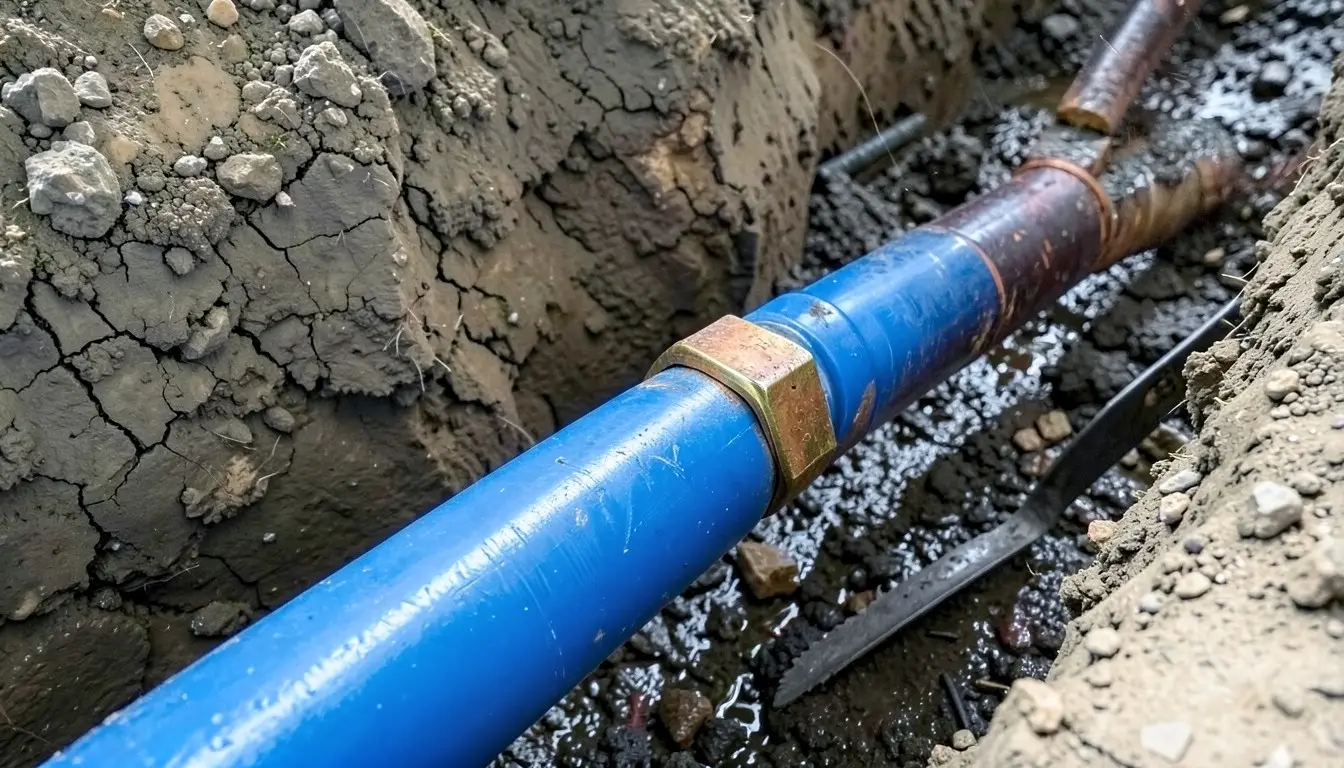
1950s–70s copper supply is now 50–70 years into its service cycle in Bloomington. Thermal fatigue at fittings and slab-on-grade access complexity — common in Sun Belt construction — make repair vs. replacement a live decision on most jobs. This housing cohort is the active primary replacement wave in this market.
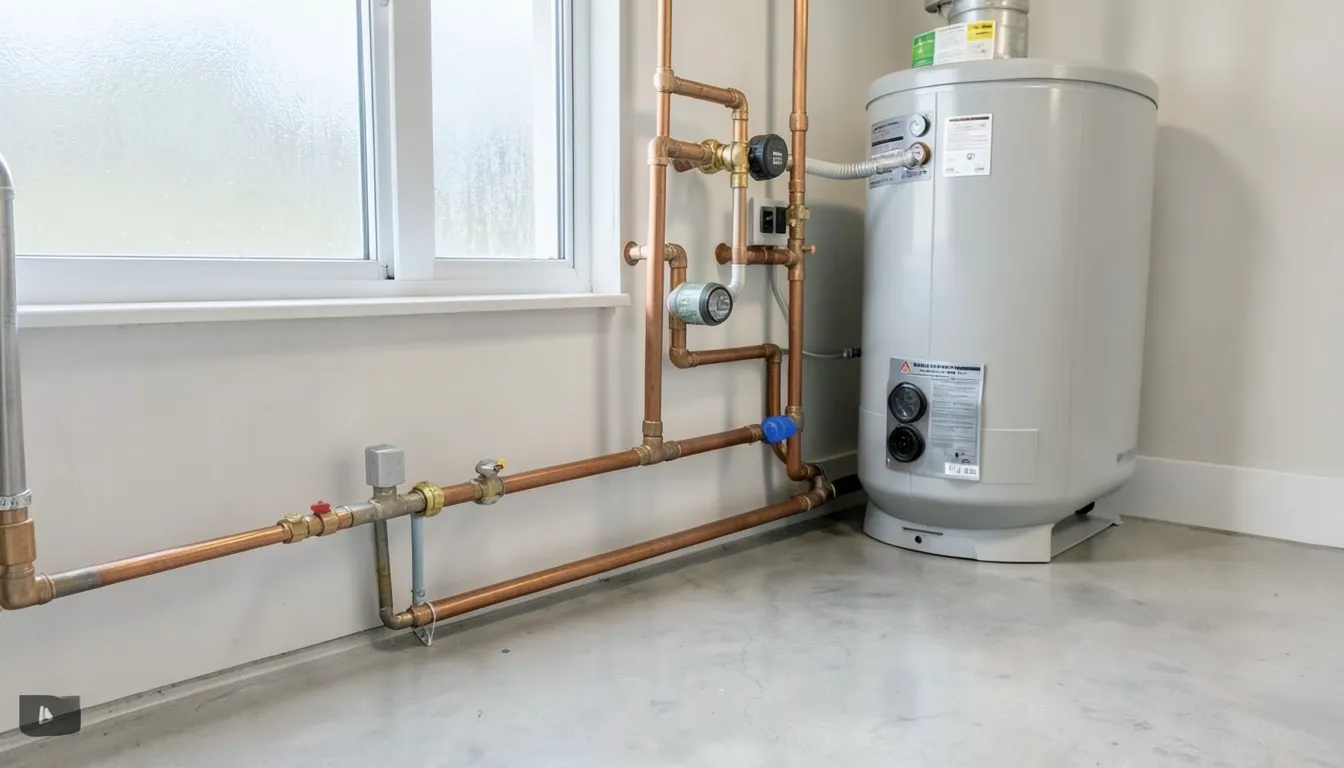
At 15–20+ GPG, calcium scale forces compressed equipment cycles in Bloomington: tank heaters average 6–9 years vs. the 10–12-year national benchmark, and tankless units require annual descaling. Anode rods calcify within 12–18 months. Most plumbers here assess heater age against the local scale timeline — not the manufacturer's service life.
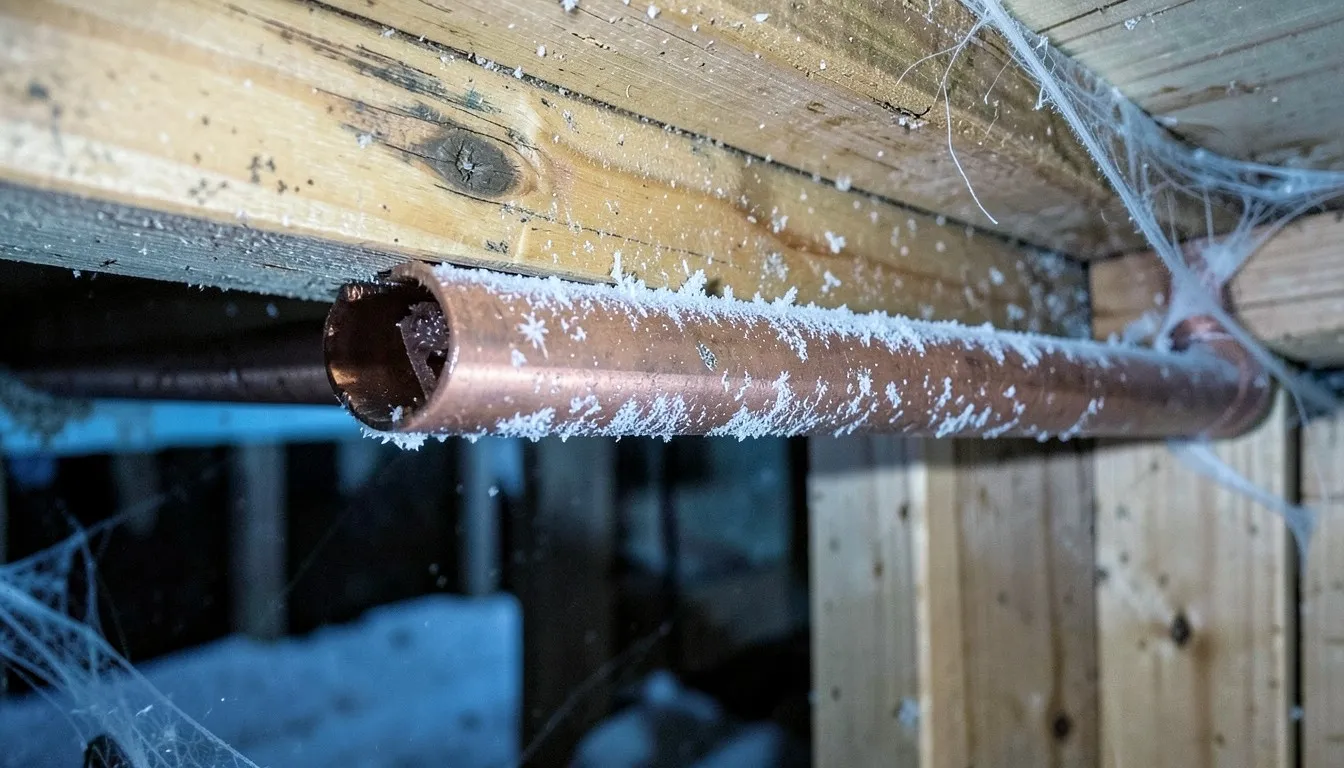
The primary surge in Bloomington runs January–March, with a secondary wave at the spring thaw — when pipes that held through the freeze rupture as pressure is restored above 32°F. Scheduling competition peaks exactly when emergency calls are highest. Homeowners who wait for visible damage compete for the same limited plumber slots at the worst possible time.
Why diagnose before repairing in Bloomington?
Describe the symptom — not the repair. AlertPlumber routes to an IN-licensed plumber trained in diagnostics. The site visit uses camera tracing, acoustic detection, or hydrostatic pressure testing — matched to the reported failure type.
The plumber delivers a written diagnostic report: confirmed failure location, available repair methods, and tradeoffs — disruption level, material durability, long-term cost, and whether a Bloomington building permit applies to the selected method.
You select the repair path. The Indiana-licensed plumber proceeds on the authorized method with a fixed scope and price. Where required, the permit application to Bloomington is handled by the contractor.
Hydro Jetting cost calculator — Bloomington
Pre-filled for hydro jetting in Bloomington. Adjust the ZIP for a neighboring area, or change the service to compare. Calculator pulls from the city's scraped permit-fee + state plumber-density data.
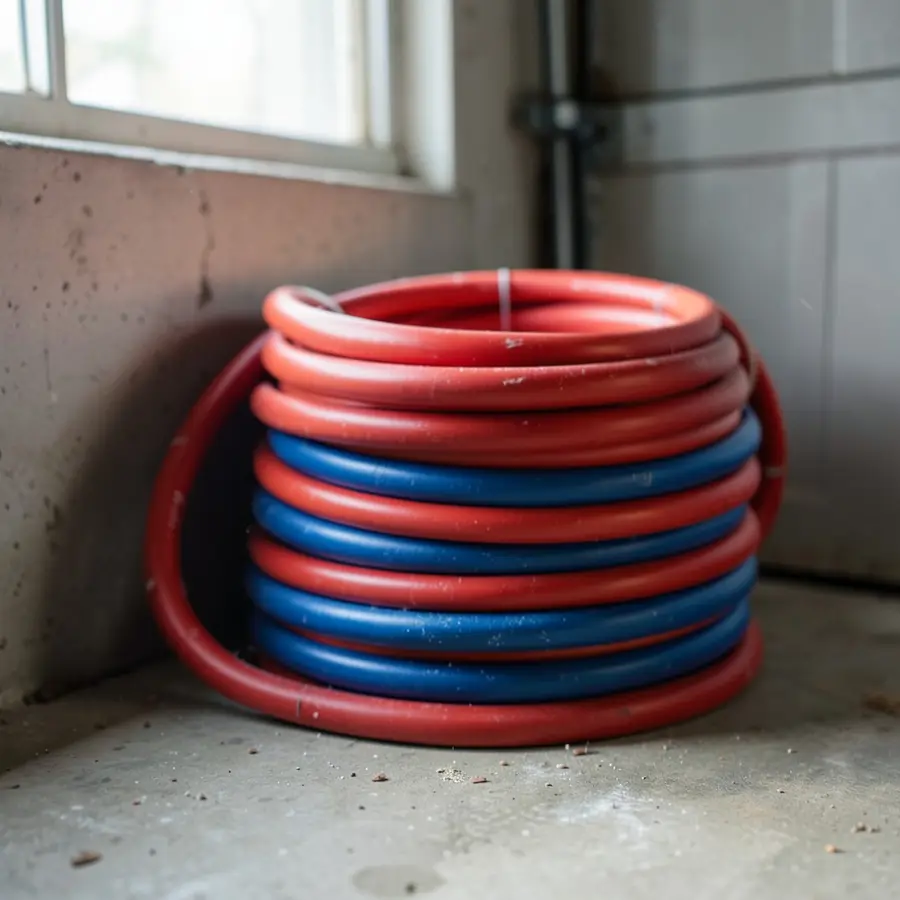
Hydro Jetting in Bloomington — the longer it runs, the more it costs.
Slow failures compound: soft pipe walls, root penetration, mineral buildup. A verified plumber calls back with a scope-first estimate before anything is dug up.
What else do people ask about hydro jetting in Bloomington?
How much does hydro jetting cost in Bloomington, IN?
Hydro jetting in Bloomington typically runs $276–$736 for a residential drain line (national $300–$800 adjusted roughly 8% below national average), and main sewer-line jetting with a camera inspection runs $368–$828. Near East Side properties with original 1880s–1930s cast-iron laterals tend to land at the higher end of that range, since a camera inspection is standard practice before jetting older metal pipe, while newer PVC mains in 2000s–2020s subdivisions sometimes skip straight to jetting when the clog pattern is clearly grease rather than a structural issue.
When should I hydro jet instead of snake a Bloomington drain?
Snaking fits a single, localized clog within about 15 feet of the access point when it's the first time that line has backed up. Jetting is the better call once a line has clogged twice within 12 months, a camera shows grease or scale coating the full bore, or root intrusion has been confirmed. Bloomington's water carries 13 grains per gallon of hardness, and that mineral content builds up inside drain lines over the years in a way that only jetting — not snaking — actually removes from the pipe wall.
Is hydro jetting safe for Bloomington pipes?
Bloomington's newer PVC and ABS pipe, common in the 2000s–2020s suburban expansion, handles standard hydro jetting pressure without issue. Near East Side properties running original cast-iron laterals from the 1880s–1930s need more caution: heavily corroded cast iron can be thin enough in spots that jetting pressure finds an existing weak point rather than causing new damage, which is exactly why the camera inspection happens first rather than jetting blind on an older line.
Should a Bloomington plumber camera the line before hydro jetting?
Always — a pre-jetting camera inspection, often bundled with the jetting quote at $150–$350, confirms pipe material and wall condition before water pressure goes anywhere near the line. That step matters more in Bloomington than in a uniformly newer market, since a camera run on a Near East Side property might reveal century-old cast iron while the next job on a newer subdivision street shows recent PVC — and the two call for different jetting pressure and technique.
Can hydro jetting remove tree roots from Bloomington sewer lines?
Yes — root-cutting jetting nozzles shred root masses and flush the debris downstream in a single pass. Jetting clears the immediate blockage but doesn't stop root regrowth on its own; roots commonly return to the same joint within 12–24 months, especially on Near East Side properties with mature trees near century-old clay or cast-iron laterals. The longer-term fix for a joint that keeps reopening is trenchless lining or spot replacement of that specific section rather than repeat jetting visits.
How often do Bloomington homes need hydro jetting?
Most Bloomington homes with newer PVC drain lines from the 2000s–2020s suburban expansion need professional jetting only every 3–5 years for routine maintenance. Near East Side properties with original cast-iron laterals from the 1880s–1930s often benefit from a shorter interval, since decades of internal scale accumulate faster in aging metal pipe, and rental properties near campus sometimes need more frequent attention simply because of the volume running through a shared kitchen and bathroom line.
Is hydro jetting safe for wastewater systems in Bloomington?
Most Bloomington residential properties connect to the municipal sewer system through City of Bloomington Utilities, where jetting is standard practice. A limited number of outlying county properties are on private wastewater systems, where jetting the household line is fine but jetting directly into the treatment component itself isn't — confirm your connection type at the cleanout access if you're not sure which system serves the property.
Can I use a residential pressure washer for hydro jetting in Bloomington?
No — a consumer pressure washer moves 1–4 gallons per minute, which isn't enough to flush debris through a 4-inch drain pipe regardless of PSI. Professional hydro jetting equipment runs 10–18 gallons per minute at controlled pressure through nozzles engineered specifically for drain pipe diameters, and using a hardware-store pressure washer with an improvised attachment risks driving debris deeper into the line rather than clearing it, particularly in older Near East Side cast-iron pipe.
Does hydro jetting require a permit in Bloomington?
Jetting an existing drain line doesn't require a permit — it's a cleaning service, not construction. A permit becomes necessary only if the camera inspection reveals damage that requires actual pipe repair, and Indiana's plumbing permit floor for that follow-on work is $100. The matched plumber pulls that permit after the camera documents the need, not before, so a routine jetting visit with no damage found never triggers paperwork.
Are AlertPlumber-matched hydro jetting crews verified in IN?
Yes. Every crew AlertPlumber matches for hydro jetting in Bloomington holds an active Indiana state plumbing license and carries camera-equipped jetting equipment on the truck. Camera-before-jetting is standard practice on every visit, which matters given how much Bloomington's pipe material varies between a Near East Side cast-iron lateral and a newer subdivision's PVC main.
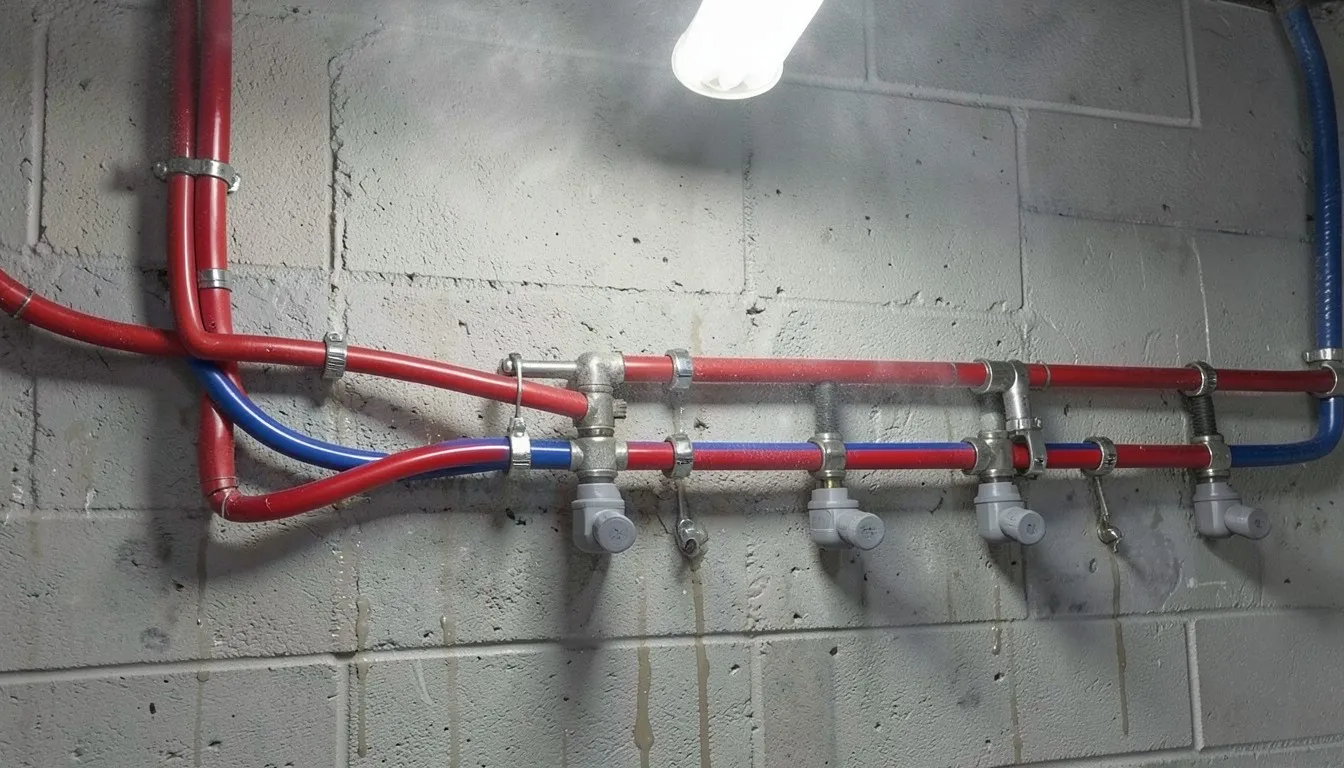
The fix gets cheaper the sooner a plumber sees it.
Degradation problems compound quietly. Call now, or use the form below and a licensed Indiana plumber calls you back with a no-obligation estimate for the hydro jetting.
Need a hydro jetting callback in Bloomington?
In a meeting, with the kids, or just prefer not to hold? Drop your ZIP and number below. AlertPlumber routes your request to a verified plumber in your area — they’ll call you back directly.
- 1 Submit your info. ZIP, phone, and what kind of work you need.
- 2 AlertPlumber matches you with a verified plumber serving your area.
- 3 The plumber calls you back with a written estimate, no obligation.
Hydro Jetting in Bloomington — catch it early
Degradation-driven failures worsen over time and cost more to fix the longer they run. A verified IN plumber in Bloomington diagnoses your specific condition and provides a written scope before any work begins.