
Pressure Balance Valve
A shower valve that automatically adjusts the hot/cold ratio to maintain temperature within ±3°F when pressure fluctuations occur — required by code in all new shower installations to prevent scalding.
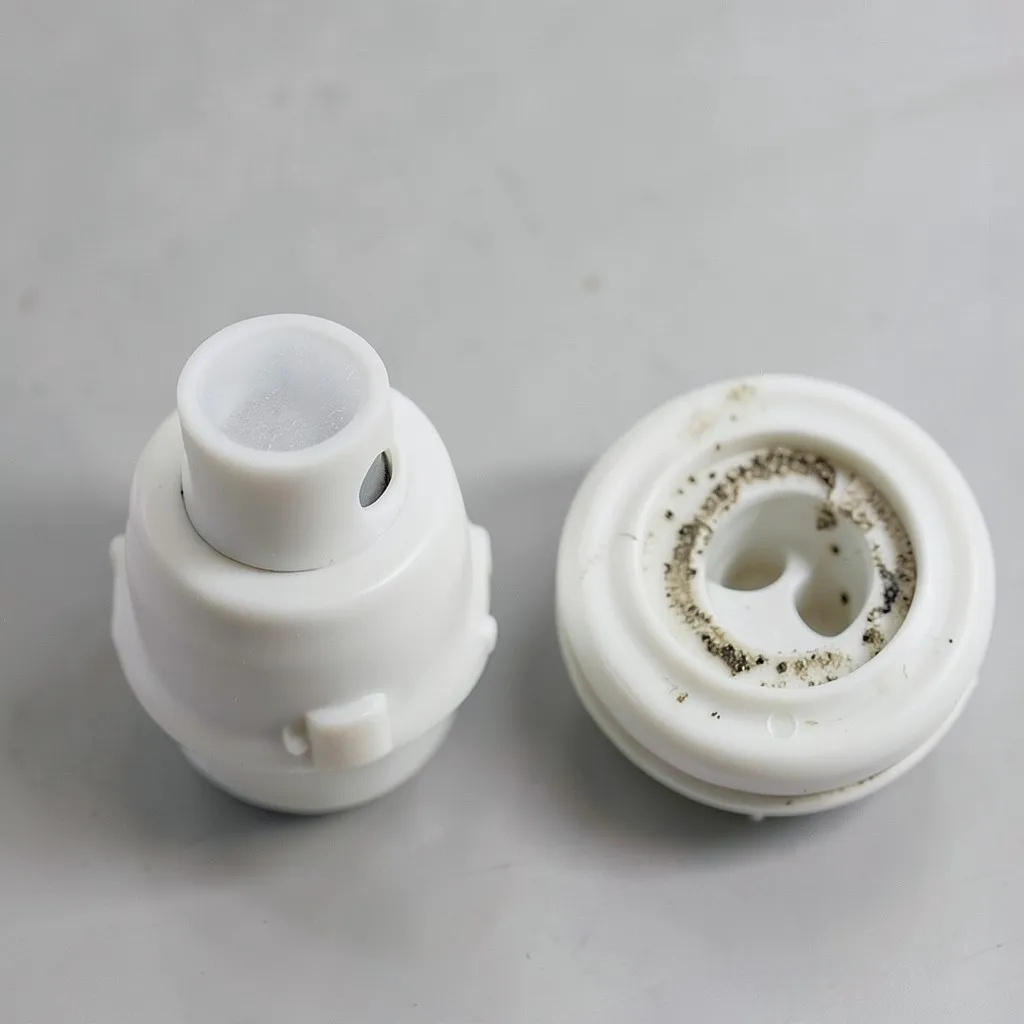
A pressure balance valve (also called an anti-scald valve or pressure-balancing valve) is a shower valve with an internal spool mechanism that simultaneously senses both hot and cold water pressures and automatically adjusts the mix ratio to maintain the outlet temperature within ±3°F when pressure changes. If someone flushes a toilet (cold pressure drops) or runs the dishwasher (hot pressure drops), the valve automatically reduces the opposing side to keep the shower temperature consistent — preventing both scalding and cold shocks.
How does the pressure balance spool work?
Inside the valve body, a sliding spool or piston sits between the hot and cold water inlets. Normal operation: the spool floats in balance. Pressure drop on the cold side: the spool moves toward the cold port, partially closing the hot side proportionally. The result is a nearly constant ratio of hot to cold, keeping temperature steady regardless of pressure swings in either inlet.
What does code require for pressure balance valves?
The International Plumbing Code (IPC Section 424.3) and virtually every U.S. local plumbing code has required pressure-balance valves in all new shower installations since the early 1990s. This is a life-safety requirement — without anti-scald protection, a drop in cold water pressure (toilet flush) can briefly deliver 140°F water to a showerhead, causing second-degree burns in 5 seconds.
What are the limitations of a pressure balance valve?
Pressure-balance valves compensate for pressure changes but not for temperature changes (e.g., water heater temperature drift, long runs from a distant heater). For complete thermal protection in demanding situations, a thermostatic mixing valve (TMV) provides both pressure and temperature compensation.
How do you replace a pressure balance valve?
When a pressure-balance valve drips or the temperature swings unpredictably, the pressure balance spool or cartridge needs replacement — an inexpensive part. A plumber charges a service visit to replace a shower valve cartridge; cartridge repair ranges are in the faucet repair cost guide.
Researching the term is one thing — hiring for it is another. See faucet & fixture installation services for scope, timelines, and what drives the price, or call (888) 530-4445 to talk to a local plumber about the job.
What related terms should you know?
What sources back this up?
Need a plumber for faucet & fixture installation?
Calls are connected to independent licensed local plumbers in our partner's network for faucet & fixture installation. Ask for the license number and a written estimate before any work begins.