
Emergency Burst Pipe Repair in Trenton, New Jersey
Active water damage compounds by the hour — a licensed NJ plumber is on call for Trenton right now.
Local plumbing data for Trenton, NJ
Seeing these conditions at your place in Trenton? A state-licensed plumber can confirm it over the phone — free, no obligation.
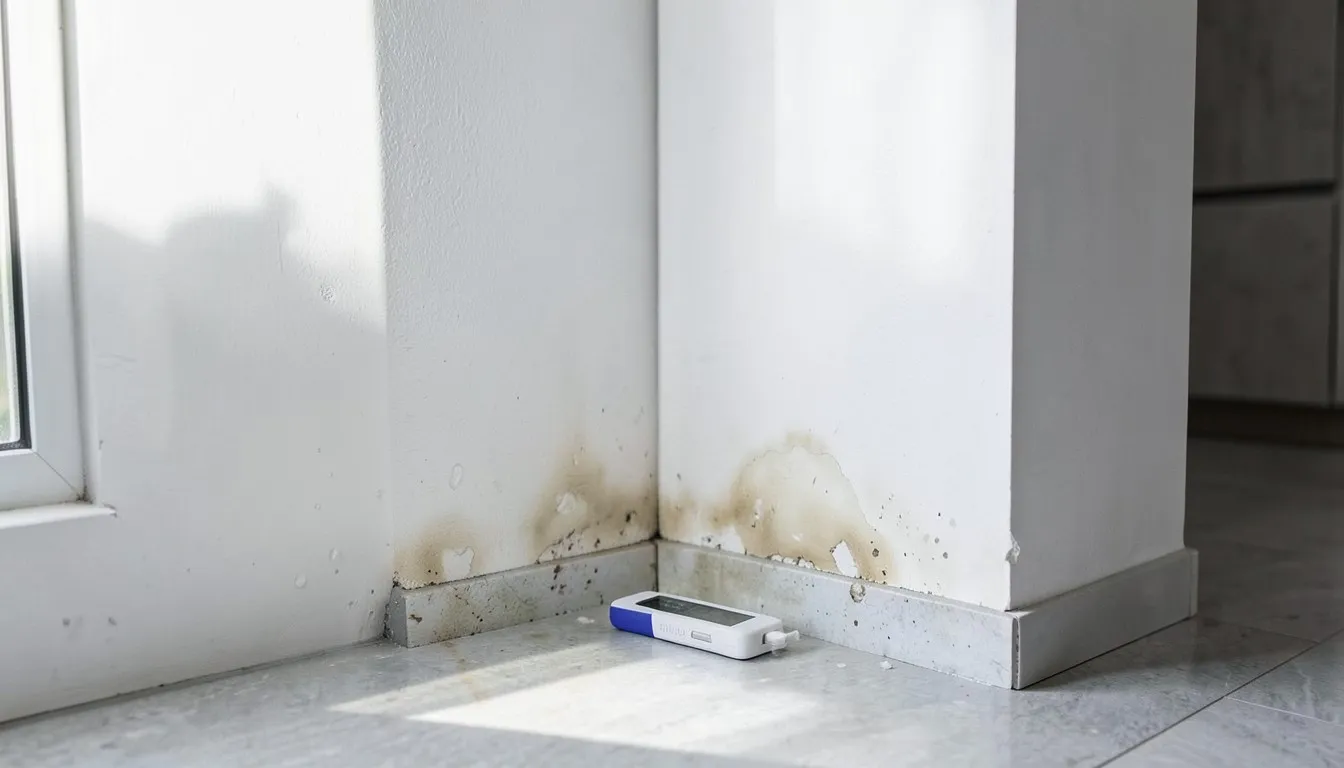
Pipe conditions in Trenton, NJ
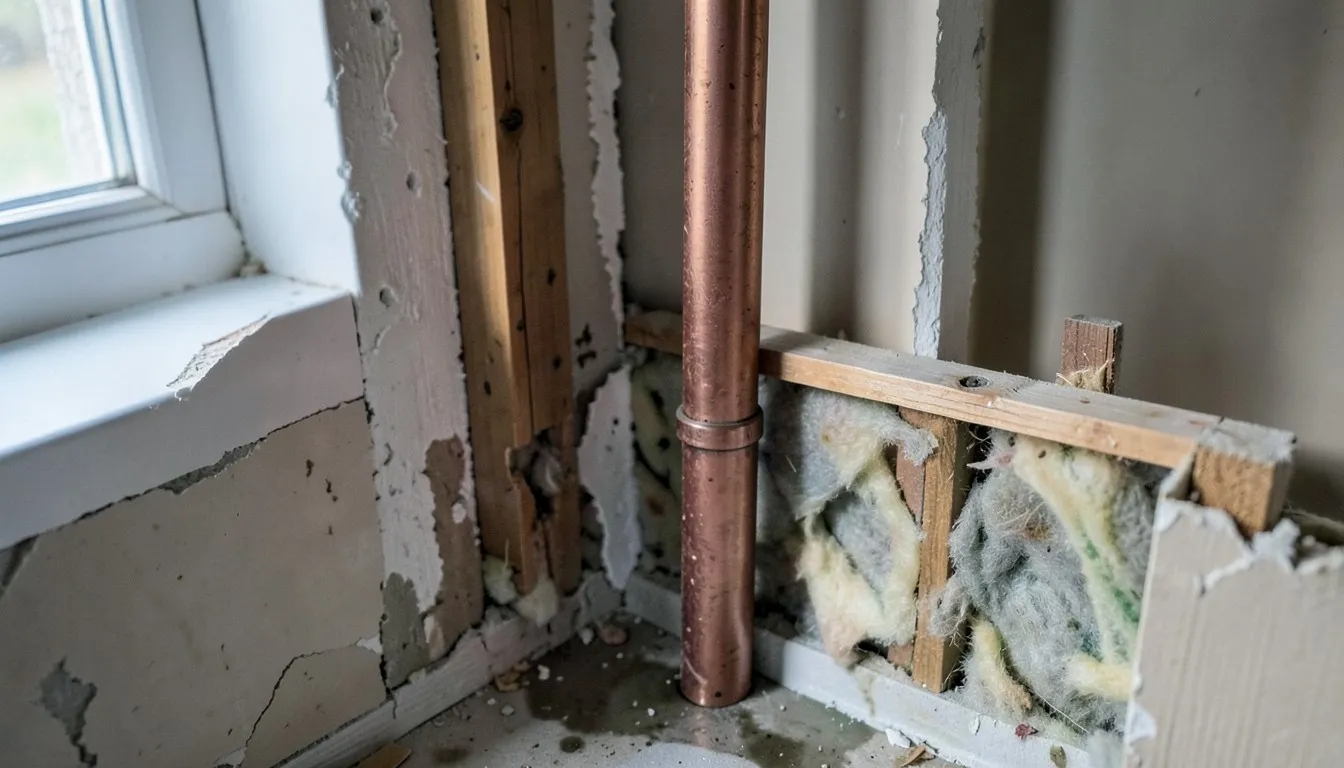
A burst pipe can release 100+ gallons per minute before the main shutoff is closed — structural and water damage accumulates in the first hour. Trenton homes with supply lines past their service life face the highest burst risk: galvanized steel corrodes from the inside out; polybutylene fittings fail at the acetal collar; copper pinhole failures escalate when the wall is disturbed. AlertPlumber routes your request to a New Jersey-licensed plumber carrying mobile pipe inventory — couplings, push-fit fittings, and copper stock — for same-visit repair without an overnight parts run. Freeze events and frost-depth requirements add pipe insulation, exterior faucet winterization, and burst-risk assessment to service calls in this climate.
Trenton's water utility maintains an active lead service line (LSL) replacement program. With a median home age of 79 years, a portion of the housing stock may still have lead service laterals connecting the water main to interior supply — a consideration during any work near the service entry point. A licensed plumber can confirm whether supply-side work requires utility coordination.
Hard water in Trenton accelerates scale buildup inside water heater tanks, on heating elements, and at fixture connections. Sediment accumulation in tank heaters reduces efficiency and shortens element life; visible deposits at aerators and showerheads are an early indicator. A licensed plumber can assess whether a water softener or conditioner is appropriate for the home's service configuration.
Frost line depth in Trenton means supply lines and outdoor plumbing must be installed below the freeze threshold — typically 36 — to prevent pipe burst during cold events. Exterior hose bibs, irrigation shutoffs, and any exposed pipe runs are the most common winterization service points in freeze-risk markets.
- Median home age
- 79 yrs
- Water hardness
- 8 gpg
- Frost line
- 36 in.
- Permit
- $75
A licensed NJ plumber reads these conditions the moment you describe the symptom.
What shapes plumbing demand in Trenton, NJ
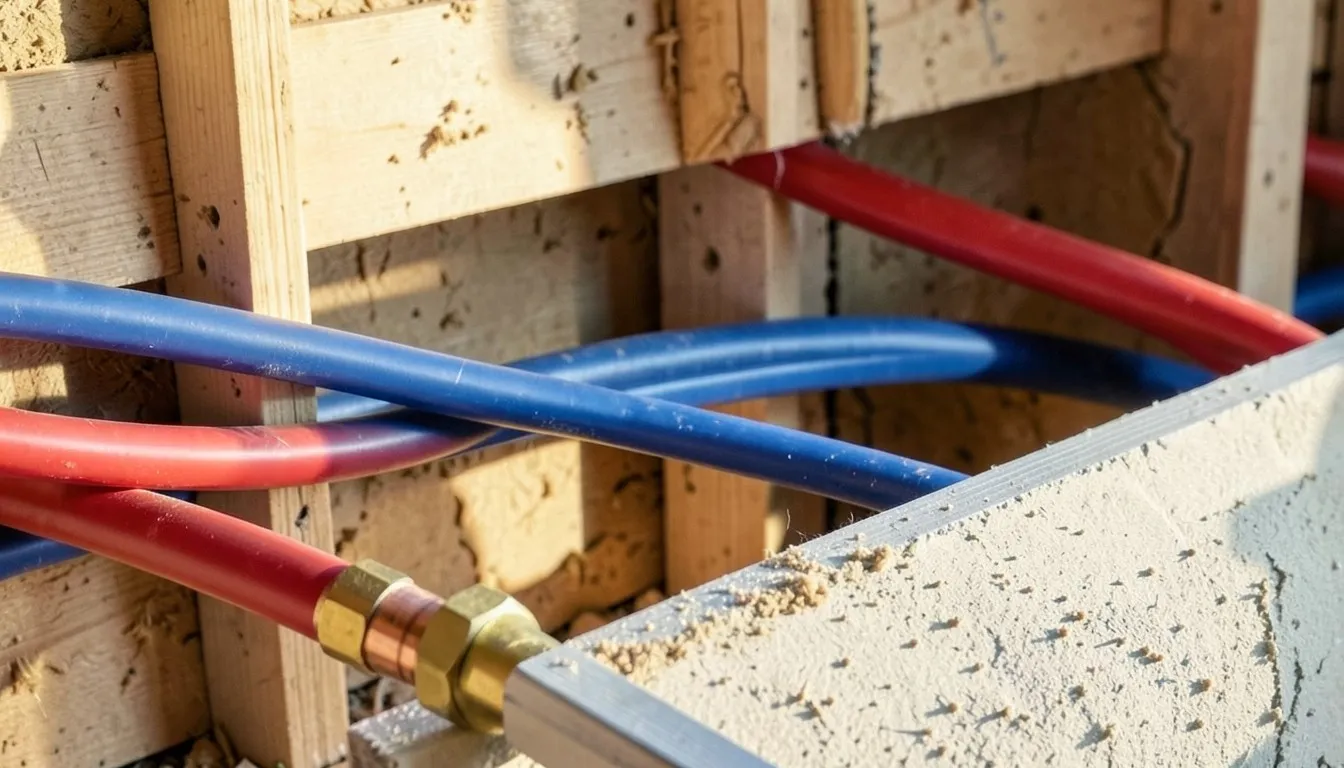
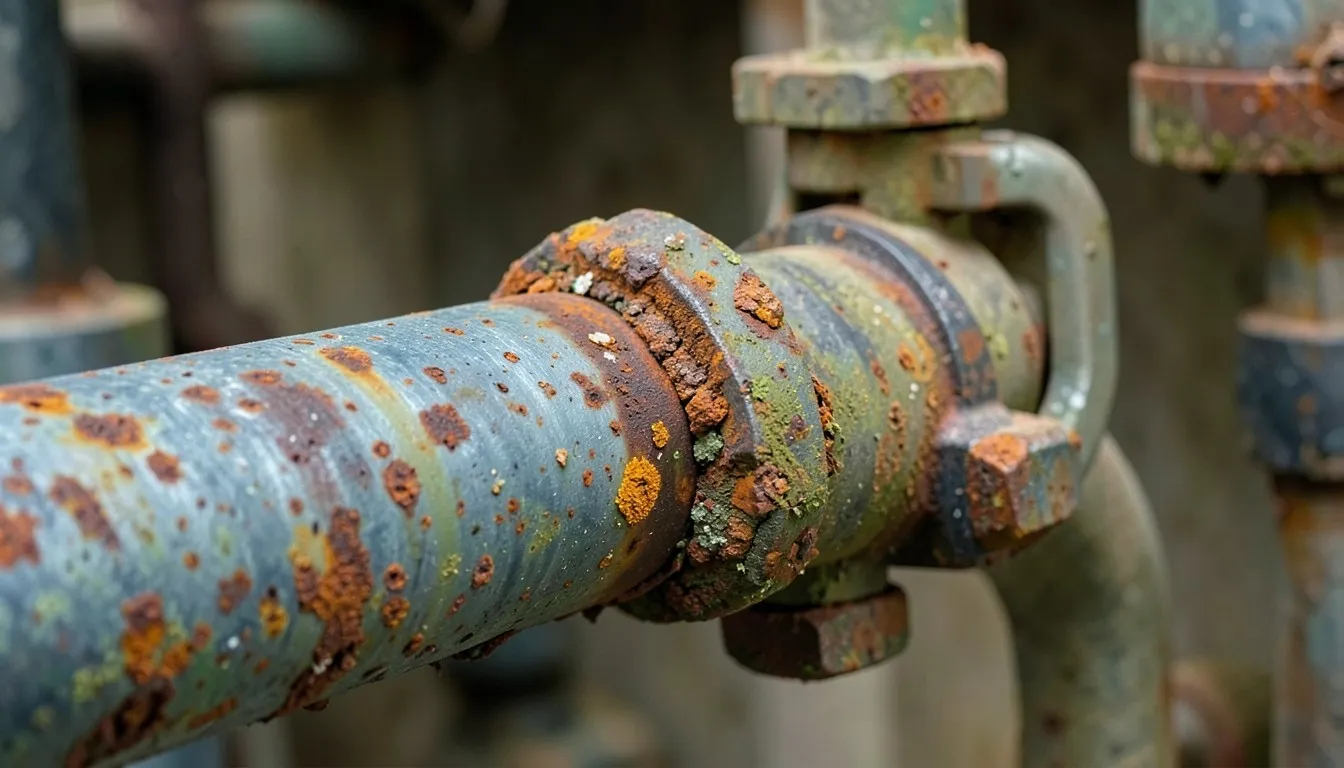
Galvanized supply lines and cast iron drain systems from the 1880s–1940s are past their 40–70-year design life across much of Trenton. Interior rust scale progressively narrows pipe bore. Plumbers here routinely scope supply lines before quoting any repair — the underlying pipe condition often makes full replacement more cost-effective than patching.
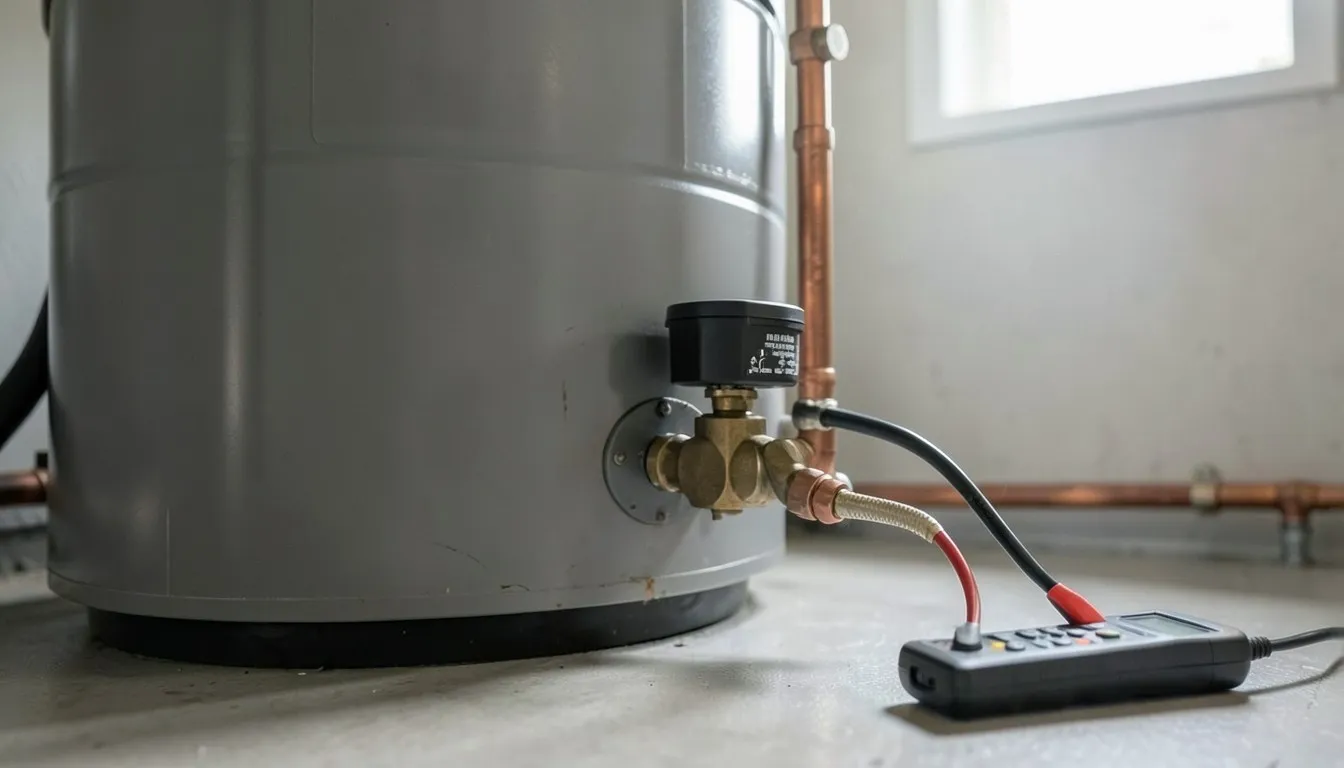
8–14 GPG shortens water heater service life to 8–11 years in Trenton and drives rolling maintenance demand at aerators, shower cartridges, and heat exchanger ports. Annual flushing prevents premature failure; skipped maintenance cycles push units toward early replacement. Scale-related calls represent a significant share of the annual service workload here.
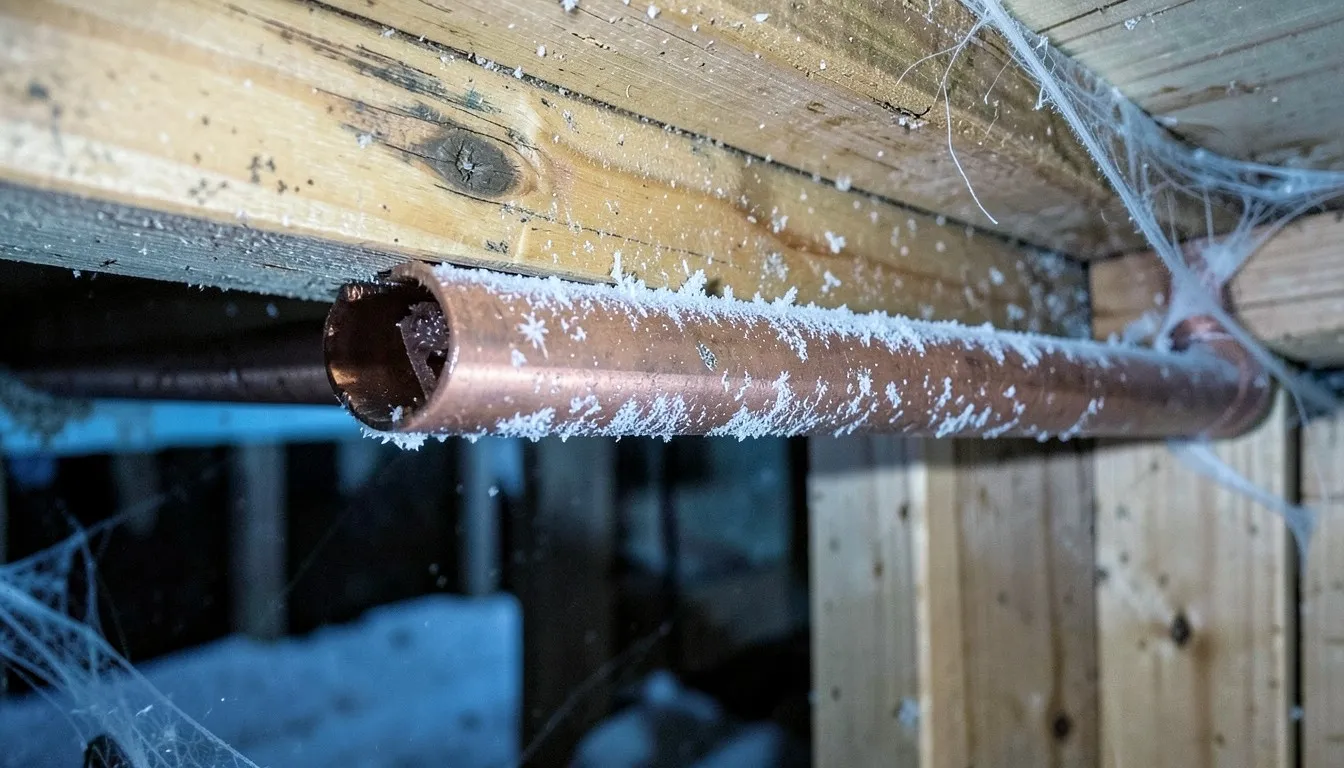
The primary surge in Trenton runs January–March, with a secondary wave at the spring thaw — when pipes that held through the freeze rupture as pressure is restored above 32°F. Scheduling competition peaks exactly when emergency calls are highest. Homeowners who wait for visible damage compete for the same limited plumber slots at the worst possible time.
Active damage in Trenton: contain, assess, restore
Submit your Trenton address and describe the active damage — flooding, failed shutoff, burst or frozen line. AlertPlumber marks the request as priority and a NJ-licensed plumber confirms receipt within 15 minutes, without routing through a national call center.
The plumber arrives with a confirmed ETA, locates the nearest shutoff, and maps the damage boundary — affected lines, access points, material condition. You receive a verbal assessment of what requires immediate containment and what can wait until the full repair scope is confirmed.
You approve a written containment and repair scope before any work begins. Temporary isolation is priced separately from full restoration. No phase proceeds without your explicit sign-off.
Burst Pipe Repair cost calculator — Trenton
Pre-filled for burst pipe repair in Trenton. Adjust the ZIP for a neighboring area, or change the service to compare. Calculator pulls from the city's scraped permit-fee + state plumber-density data.
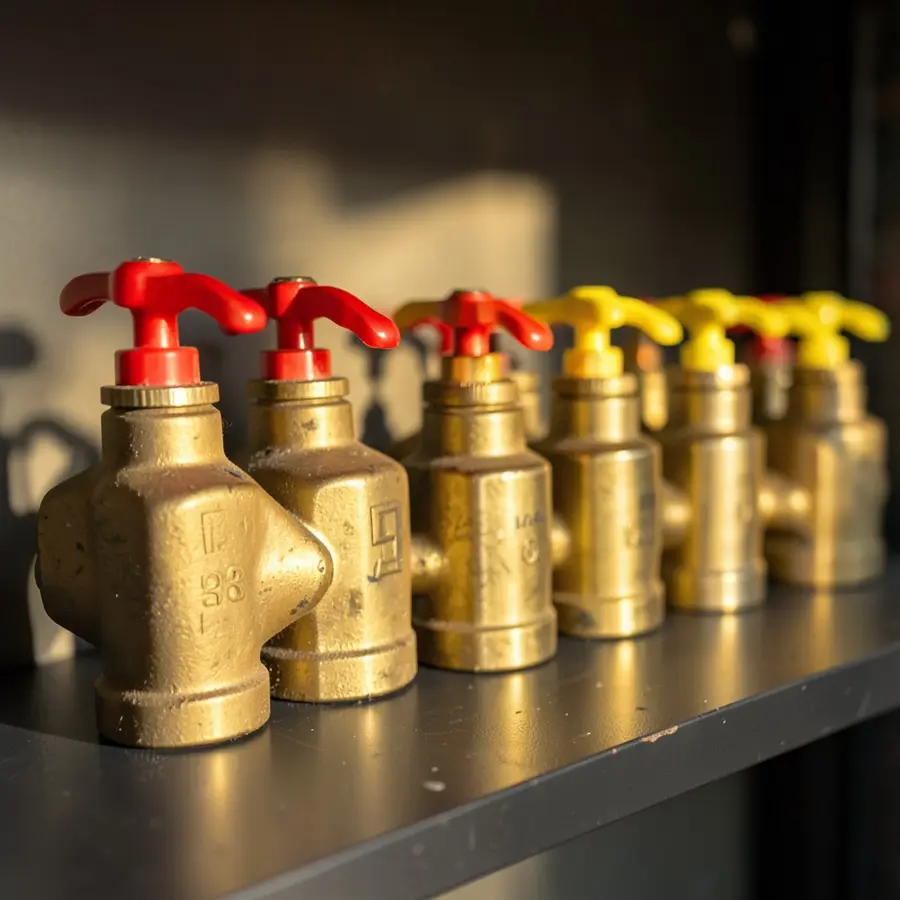
Burst Pipe Repair emergency in Trenton?
Every hour without a repair increases structural risk and remediation cost. A verified plumber calls back with an ETA and a written estimate before any work begins.
Burst Pipe Repair in Trenton — frequently asked
How much does burst pipe repair cost in Trenton, NJ?
Burst pipe repair in Trenton typically runs $550–$2,750 (national $500–$2,500 adjusted roughly 10% above national average). A clean supply-line burst on an accessible pipe lands at the lower end; a burst inside a slab or wall that requires opening and patching sits at the higher end. Emergency after-hours dispatch adds $150–$300 on top of parts and labor.
How fast can a plumber respond to a burst pipe in Trenton?
Burst pipe is a true plumbing emergency — water-on and active flooding can cause thousands in damage per hour. Most AlertPlumber-matched emergency plumbers in Trenton aim for a 1–2 hour on-site window. Response can stretch in severe-weather events (ice storms, major freezes) when call volume spikes across the metro. The emergency line routes to the fastest available crew.
What should I do while waiting for a plumber after a pipe bursts in Trenton?
First, shut off the main water supply — in most Trenton homes the main shutoff is at the meter box near the street or in the utility room. Then cut power to any flooded areas at the breaker box (water + electricity is lethal). Open the lowest faucet in the house to drain remaining pressure, and start moving valuables out of the wet zone. Document everything with photos before cleanup for your insurance claim.
What causes pipes to burst in Trenton?
The most common cause in Trenton is freeze-thaw: water expands when it freezes (95 sub-32°F days/yr with 34" frost depth), and undersized or uninsulated pipe segments — typically crawl-space runs and exterior wall cavities — burst under the pressure.
Can a burst pipe be patched or does the whole section need replacing?
A straight, clean burst on a sound pipe can often be repaired with a sleeve coupling — removing a 6–12" section and pressing in a push-fit repair coupler takes under an hour. But if the surrounding pipe shows corrosion, pinhole pitting, or the burst occurred at a joint in 1880s-1930s terracotta material, the plumber will recommend replacing the run from fitting to fitting. The on-site assessment drives the call — never patch a pipe that's failing on both sides of the burst.
Does homeowners insurance cover a burst pipe in Trenton?
Standard New Jersey homeowners policies cover sudden-and-accidental water damage from a burst pipe, including structural drying, flooring, and drywall repair — subject to your deductible. They generally do NOT cover the broken pipe itself or the plumber's repair bill. Slow leaks that went unaddressed and freeze damage from inadequate heat are common coverage exclusions. Document the burst location and call your carrier before remediation starts to preserve the claim.
Which pipes are most likely to burst in Trenton homes?
Trenton's 86-year median home age means most supply lines are 1880s-1930s terracotta. Galvanized steel in pre-1960s homes rusts from inside until walls thin and rupture; copper in pre-1986 homes can have lead-solder joints that corrode at connections. Crawl-space and exterior-wall runs are highest burst risk in Trenton winters because they're the hardest to keep above 32°F.
How long does burst pipe repair take in Trenton?
Accessible pipe (under a sink, in a utility room) takes 1–3 hours to cut out and repair, plus time to test and confirm no secondary leaks. Wall or slab access adds 2–4 hours for opening, patching, and re-testing under pressure. Drywall patching and painting are typically a separate visit or trade. Budget the full day if you're uncertain of the burst location — the plumber may need to trace pressure loss through multiple zones.
How do I prevent future burst pipes in Trenton?
Trenton's 34" frost depth demands that any pipe in an unconditioned space — crawlspace, attic, garage wall — be wrapped with foam pipe insulation or UL-listed heat tape before winter. Keep interior temps above 55°F during cold snaps even when away. A whole-home shutoff sensor ($80–$200) that auto-closes the main valve when flow runs unchecked is the fastest payback upgrade.
Are AlertPlumber-matched burst-pipe plumbers verified in NJ?
Yes. Every plumber dispatched through AlertPlumber for emergency burst-pipe work in Trenton holds an active NJ DCA license. Emergency-rated crews in the network carry mobile inventory — couplings, pipe stock, push-fit fittings — so they can complete most residential burst repairs in a single visit without an overnight parts run.
Sixty seconds from now, a plumber can be working your problem.
Call and talk to dispatch, or put your number in the form below — a licensed New Jersey plumber calls you back about the burst pipe repair and gives a written estimate by phone.
Request a burst pipe repair callback in Trenton
In a meeting, with the kids, or just prefer not to hold? Drop your ZIP and number below. AlertPlumber routes your request to a verified plumber in your area — they’ll call you back directly.
- 1 Submit your info. ZIP, phone, and what kind of work you need.
- 2 AlertPlumber matches you with a verified plumber serving your area.
- 3 The plumber calls you back with a written estimate, no obligation.
Burst Pipe Repair in Trenton — fast response
Acute plumbing failures cannot wait. AlertPlumber has verified New Jersey plumbers available for burst pipe repair in Trenton — call now or submit the form above for rapid callback.