
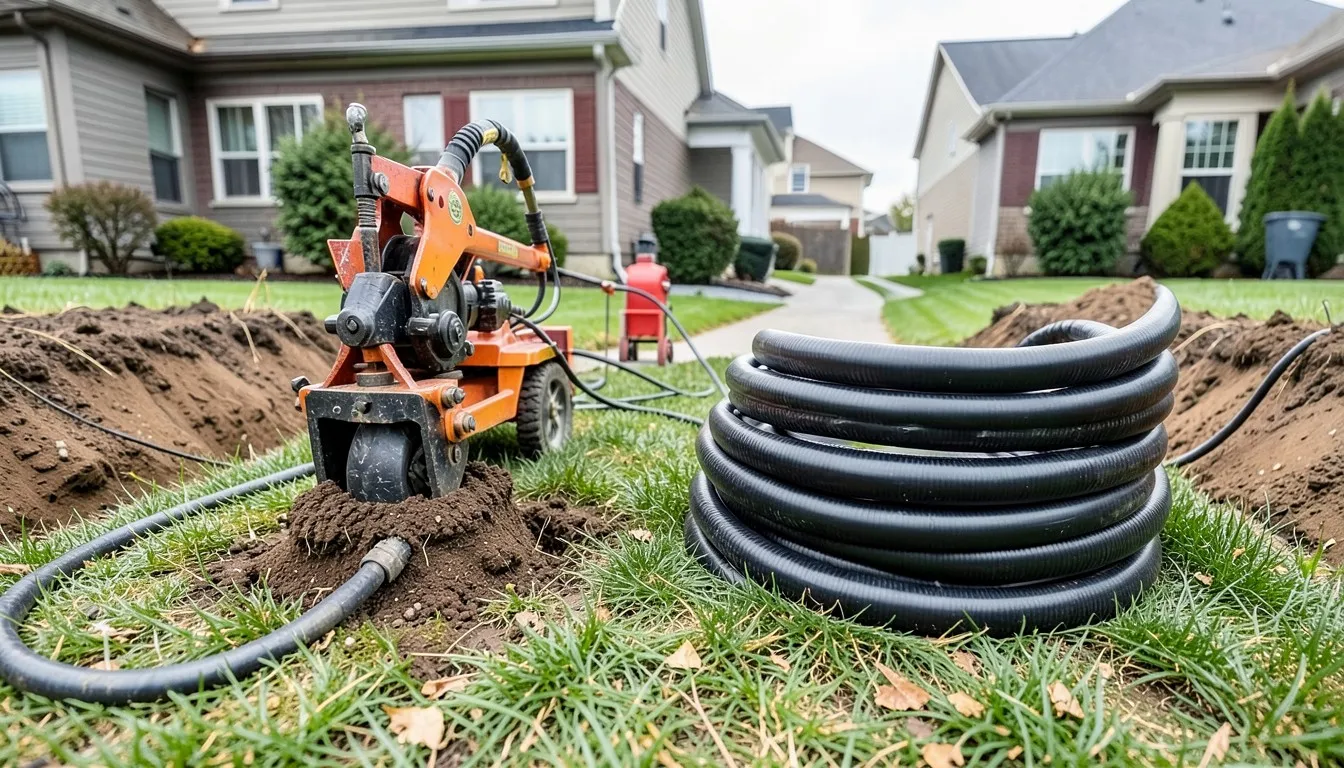
Sewer Line Replacement in New Orleans, Louisiana
Sewer Line Replacement in New Orleans, Louisiana is full sewer line replacement (trenched or trenchless pipe bursting). Local conditions in New Orleans: water measured at 5, a 0 frost line and a median home age of 68 years.
Permitted, inspected, documented — ask for the permit and the license number before New Orleans work starts.
What does the local plumbing data show for New Orleans, LA?
Seeing these conditions at your place in New Orleans? Describe them on the call to a state-licensed local plumber — free, no obligation.
What are the pipe conditions in New Orleans, LA?
Full sewer line replacement in New Orleans involves a trench or trenchless decision that depends on pipe depth, surface conditions, and access constraints. Traditional open-cut excavation costs less per foot but requires restoration of landscaping, concrete, or asphalt. CIPP (cured-in-place pipe lining) and pipe bursting are trenchless alternatives for pipes 4 inches and larger where the host pipe has sufficient structural integrity to guide the liner. AlertPlumber connects your call with an independent Louisiana-licensed plumber — ask them to assess both methods and put the comparison in writing before work begins.
New Orleans's housing stock spans multiple construction eras — median home age 68 years — meaning pipe materials and failure modes vary significantly by neighborhood and building vintage. An inspection-led approach that confirms pipe material before recommending a service path is standard practice for mixed housing profiles. Homes of other eras in New Orleans may have galvanized pipe, copper pipe or polybutylene supply lines instead; ask the plumber which your home has.
- Median home age
- 68 yrs
- Water hardness
- 5 gpg
- Frost line
- 0 in.
- Permit
- City fee schedule
Census housing age, New Orleans city, Louisiana: median year built 1960; 50.3% of homes built before 1960, 73.7% before 1980. Source: U.S. Census Bureau, ACS 2020–2024 5-year estimates, tables B25034 and B25035, read 2026-09-30.
Mention these conditions when you describe the symptom to the LA plumber you reach.
What shapes plumbing demand in New Orleans, LA?
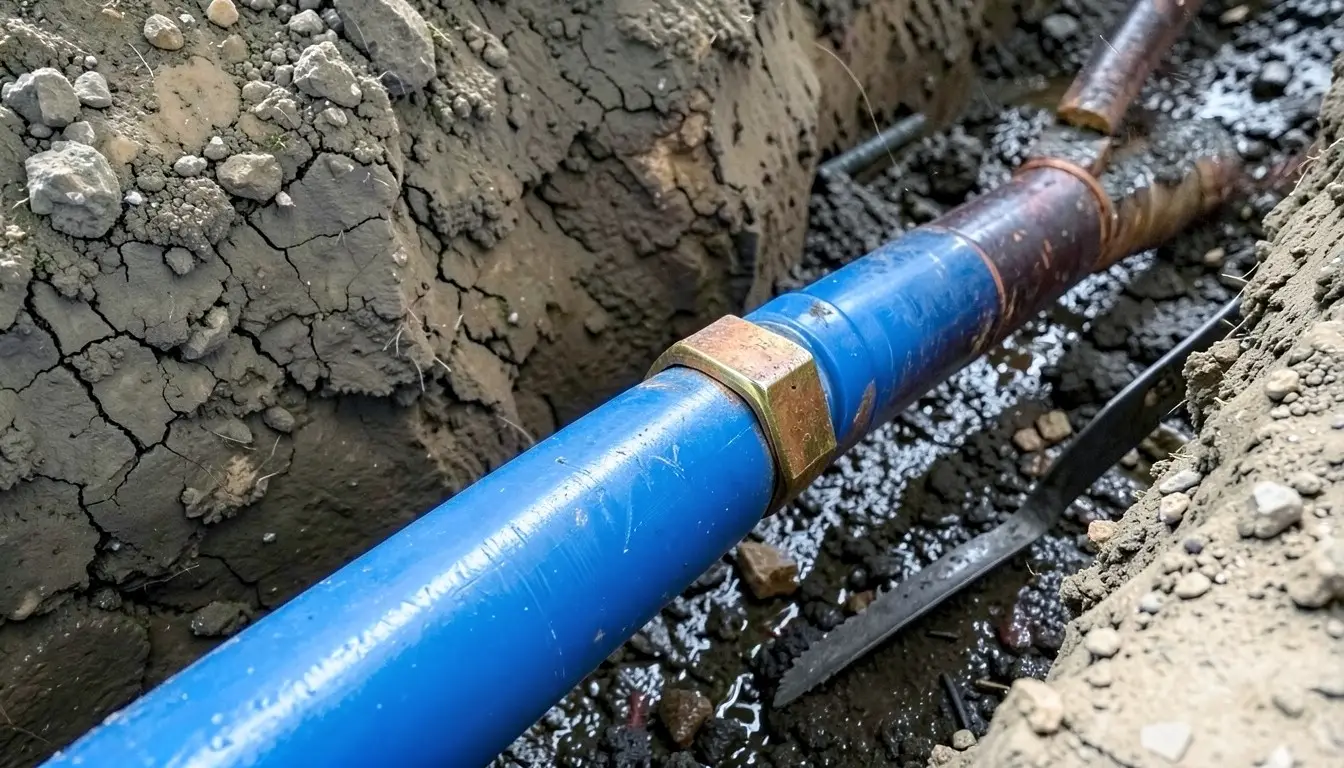
1950s–70s copper supply is now 50–70 years into its service cycle in New Orleans. Thermal fatigue at fittings and slab-on-grade access complexity — common in Sun Belt construction — make repair vs. replacement a live decision on most jobs. This housing cohort is the active primary replacement wave in this market.
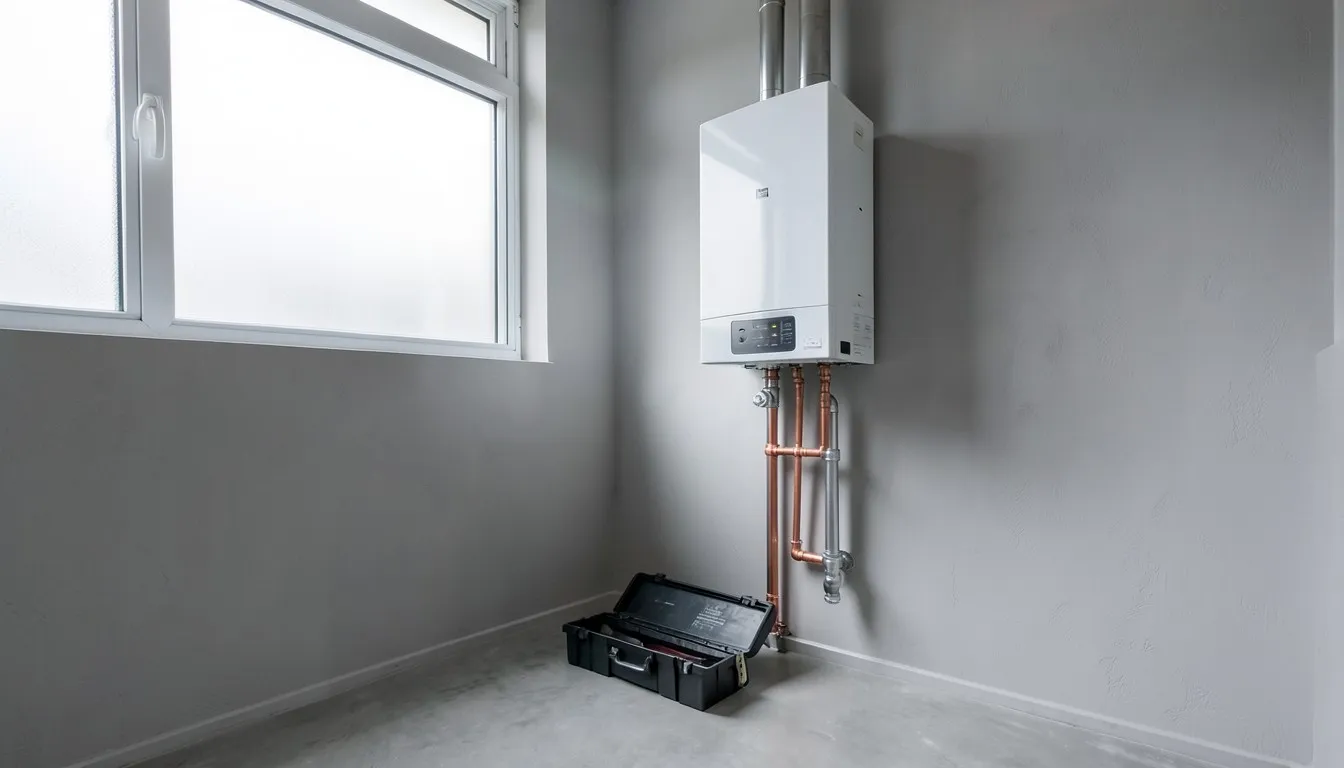
4–7 GPG produces gradual scale that stays manageable with standard maintenance intervals in New Orleans — annual flushing, cartridge cleaning every 1–2 years. Equipment runs near design lifespan. The primary water quality driver here is preventive maintenance rather than emergency replacement, which distributes service demand more evenly across the calendar.
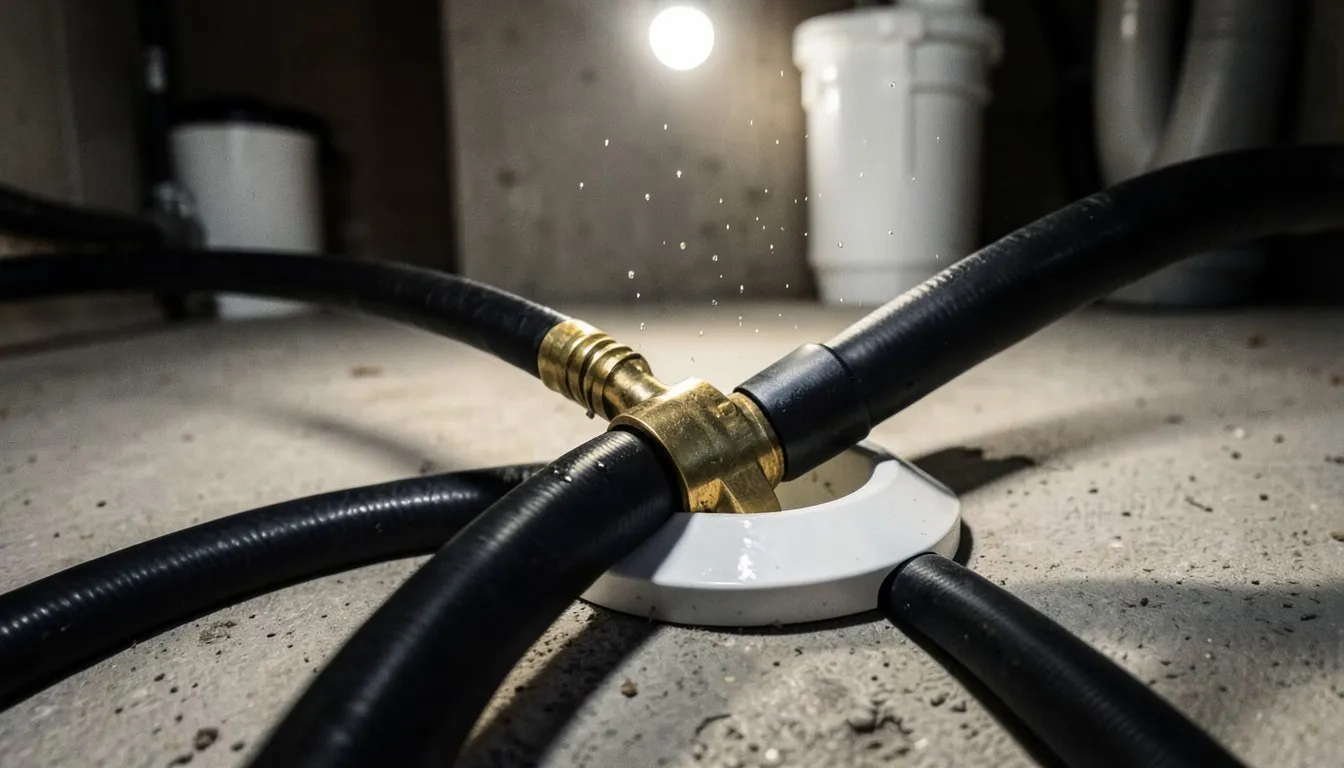
Without a hard freeze season, demand in New Orleans distributes evenly through the year. Maintenance-driven categories dominate: end-of-life water heater replacement, root intrusion clearing, and fixture repair. Deferred maintenance surfaces gradually as partial failures rather than acute winter emergencies — which means issues compound silently until they become a larger job.
How does permit-required work run in New Orleans, application through certificate?
The Louisiana contractor prepares the permit application — drawings, specifications, contractor license number (ask for it) — and submits it to the New Orleans building department. Issuance typically takes 3–10 business days. No construction begins until the permit is in hand.
Once New Orleans issues the permit, the contractor notifies affected utilities — gas, water, electrical — as required by the permit scope. Work follows the approved drawings; any scope change requires an amended permit before that portion starts.
The contractor schedules the final inspection with the New Orleans building department inspector. After sign-off, a certificate of completion is issued. All permit documentation is filed with the city; you receive copies for home records and future property disclosure.
Sewer Line Replacement cost calculator — New Orleans
Pre-filled for sewer line replacement in New Orleans. Adjust the ZIP for a neighboring area, or change the service to compare. Calculator pulls from the city's scraped permit-fee + state plumber-density data.
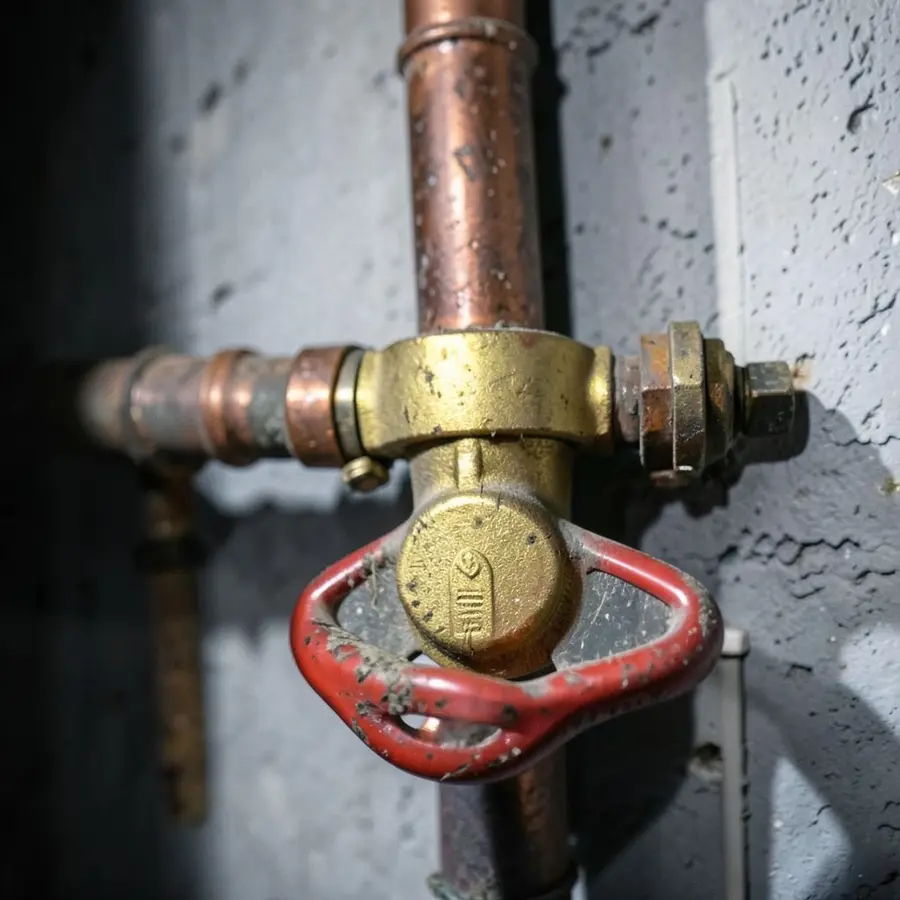
Sewer Line Replacement in New Orleans — permitted work protects your home’s value.
Unpermitted plumbing affects insurance claims and resale disclosures in Louisiana. Ask the Louisiana plumber you reach which permits your address needs.
What else do people ask about sewer line replacement in New Orleans?
How much does sewer line replacement cost in New Orleans, LA?
Sewer line replacement in New Orleans runs roughly 5% above the national average for trenched work and roughly 15–25% more for trenchless pipe bursting. The New Orleans plumbing permit minimum is set by the local fee schedule (LA SLPB). Final cost varies with lateral length, depth, and whether the run goes under driveways or mature landscaping. Price ranges: sewer line replacement cost guide.
Trenchless or trenched in New Orleans — which method is right?
New Orleans's Mississippi delta alluvium allows reasonably easy trenching, so traditional excavation is often more economical than trenchless unless the line runs under hardscape or mature trees. The independent plumber runs a camera inspection first to confirm method.
Do I need a permit for sewer line replacement in New Orleans?
Yes — any work on the sewer lateral requires an LA SLPB plumbing permit (minimum in New Orleans) plus a city sewer-tap inspection. The connection at the property line typically requires a separate utility permit. The matched plumber pulls both permits and coordinates the inspection schedule so the trench isn't reopened. Permit fee ranges: permit fee estimator.
How much of my New Orleans sewer problem is root intrusion?
New Orleans's Mississippi delta alluvium soil is less root-prone than clay regions, but root intrusion still happens at lateral joints where the pipe meets the city main. A camera inspection identifies whether you have offsets, root mass, or a full collapse — that determines spot repair vs full replacement.
How long does sewer replacement take in New Orleans?
Trenchless pipe bursting typically wraps in one day for a residential lateral (40–80 ft). Traditional trenched replacement takes 2–3 days including backfill, permit inspection, and surface restoration. New Orleans's shallow frost makes year-round scheduling easy. Surface restoration (concrete, landscaping) can add another 1–2 weeks.
What's underground at my New Orleans home — clay, Orangeburg, or PVC?
New Orleans's median home age is 61 years, so most laterals are 1950s-70s clay. Newer New Orleans stock typically has ABS or PVC, which lasts 50+ years but can still fail at joints or under settling soil. The camera inspection identifies the material on sight.
When should I replace vs repair my New Orleans sewer line?
Replace if the camera shows: multiple offset joints, more than 30% pipe wall loss, a belly that holds standing water, or Orangeburg material. Spot repair works for: a single root intrusion at one joint, or a localized crack in otherwise sound pipe. The independent Louisiana plumber walks you through the camera footage before you commit either way.
Will my New Orleans homeowners insurance cover sewer line replacement?
Standard Louisiana homeowners policies typically do NOT cover sewer-lateral replacement unless you've added a service-line endorsement. They may cover water damage from a sewer-backup event, subject to your deductible and a separate sewer-backup endorsement. Confirm with your carrier before assuming coverage — the matched plumber can document the failure for the claim. Price ranges: sewer line replacement cost guide.
Does New Orleans's combined sewer system affect my replacement?
New Orleans runs a combined system, meaning storm runoff and sewage share trunk mains in older districts. Your private lateral still ties into the combined trunk at the property line. Combined-sewer permitting can require additional LA SLPB sign-off because backflow protection (typically a backwater valve) is strongly recommended.
How do I check the license of sewer contractors in LA?
AlertPlumber does not vet plumbers: for New Orleans sewer-replacement work, ask for the LA SLPB license number and check it with the state board. Sewer-replacement plumbers in the network also carry the supplemental excavation/utility-locator certifications required to legally cut into the public right-of-way and tie back to the city main.
Asking for a written quote costs you nothing. Guessing costs you the job.
The form below takes under a minute — it goes to an independent Louisiana plumber in our partner's network; ask them to scope the sewer line replacement and put the quote in writing.
Need a sewer line replacement callback in New Orleans?
In a meeting, with the kids, or just prefer not to call? Drop your ZIP and number below. AlertPlumber sends your request to our routing partner — if a participating plumber serves your area, they may call you back directly. For anything urgent, call the number on this page.
- 1 Submit your info. ZIP, phone, and what kind of work you need.
- 2 AlertPlumber passes it on to our routing partner for your area.
- 3 If a participating plumber serves your area, they may call you back. Ask for a written estimate before work starts.
Sewer Line Replacement in New Orleans — compliant installation
Permitted sewer line replacement protects your home's resale value and keeps insurance claims defensible in Louisiana. Ask your licensed plumber for their license number, who pulls the required permits, and a written scope before work starts.