
Emergency Sewer Line Repair in Orlando, Florida
Camera first, quote second — know exactly what's wrong in your Orlando home before you approve a dollar.
Local plumbing data for Orlando, FL
Seeing these conditions at your place in Orlando? A state-licensed plumber can confirm it over the phone — free, no obligation.
Pipe conditions in Orlando, FL
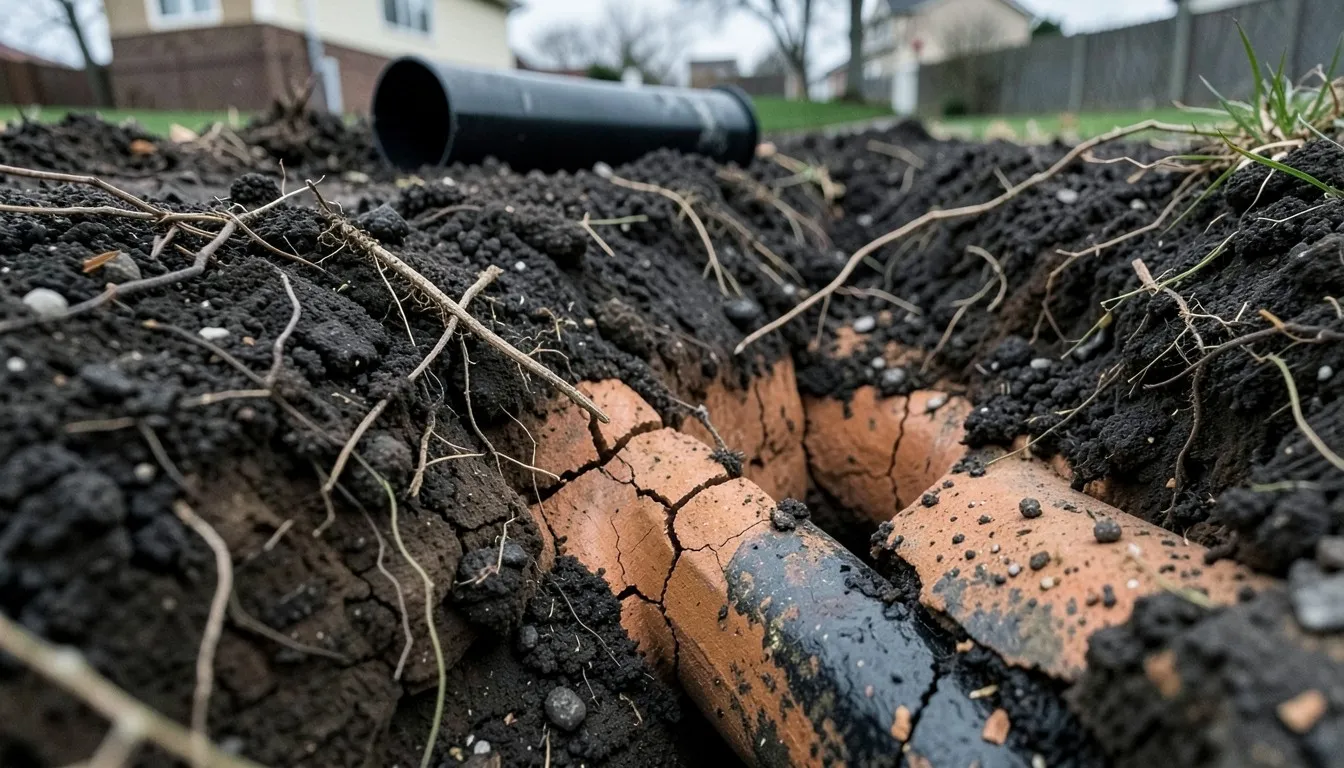
Sewer line failures in Orlando follow predictable patterns by pipe material and installation era: clay tile joints separate and admit root intrusion; Orangeburg pipe (1940s–1960s) compresses under soil load; cast iron corrodes at horizontal runs where standing water accelerates deterioration. A camera scope before excavation is critical — it confirms whether a spot repair is viable or whether replacement of the full lateral is the smarter investment. AlertPlumber routes your request to a Florida-licensed plumber who completes the scope before quoting the repair.
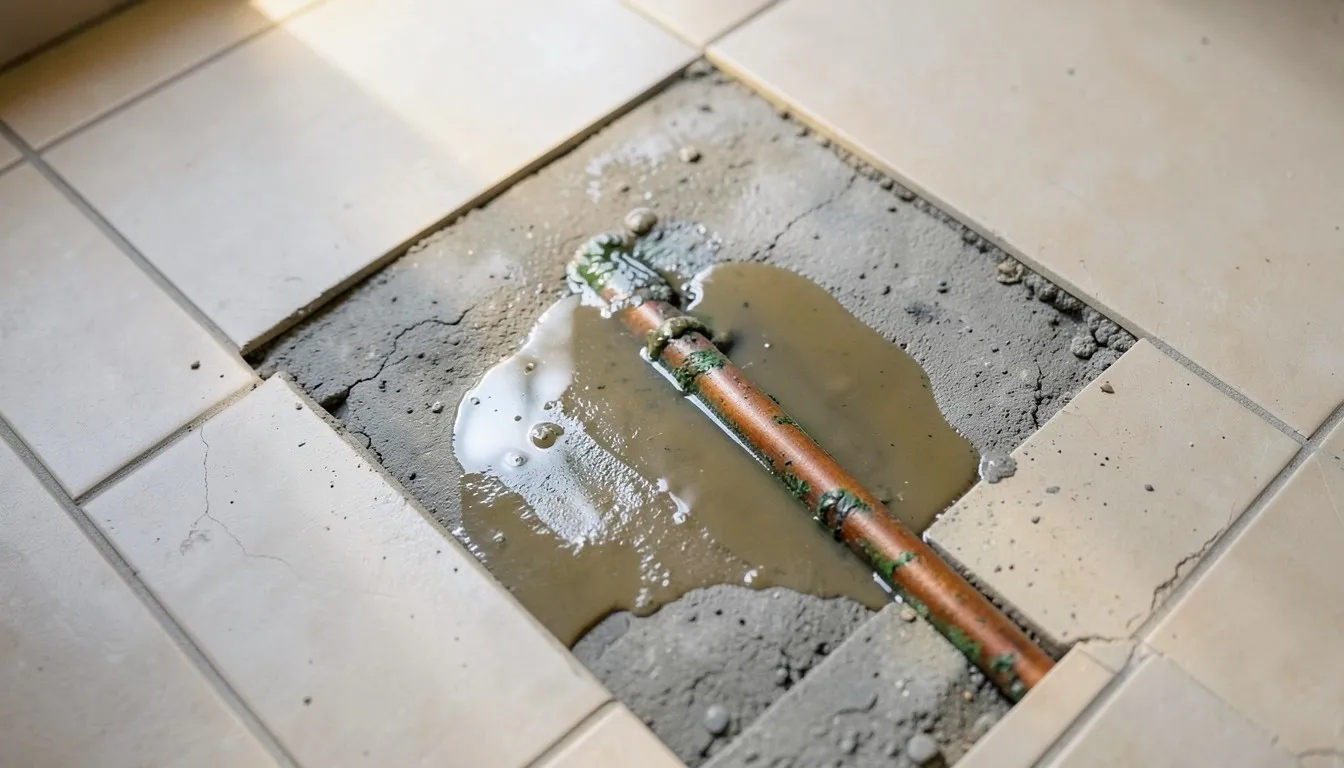
Post-war and modern-era construction in Orlando — median home age 35 years — frequently includes copper supply lines embedded in slab foundations, common in tract construction from the 1960s through the 1980s. Hard water accelerates pinhole corrosion from the exterior of slab-embedded copper; when a leak develops, access requires either epoxy lining through existing penetrations or controlled slab opening for section replacement.
Very hard water in Orlando is a primary driver of accelerated appliance failure: water heater anode rods exhaust in 2–3 years instead of 6–8, scale deposits at fixture connections form within months of installation, and tankless heat exchangers accumulate mineral buildup that can reduce lifespan by half without regular descaling. A softener or whole-house conditioner is strongly recommended alongside any appliance service call.
- Median home age
- 35 yrs
- Water hardness
- 18 gpg
- Frost line
- 0 in.
- Permit
- $110
A licensed FL plumber reads these conditions the moment you describe the symptom.
Sewer Line Repair in Orlando: Local Infrastructure Context
At 35 years median housing age, Orlando's residential lateral profile is predominantly PVC on slab-on-grade construction from the 1980s and 1990s growth period that built out the Orange County suburban corridor. Slab-on-grade is the standard construction type across the metro, with laterals running beneath post-tension concrete before exiting through or below the foundation slab. Belly formation in PVC is the primary failure mode, driven by the loose sandy Floridian soils that provide minimal lateral support and allow gradual settlement beneath slab edges and landscape features.
Orlando's Central Florida sandy soils — quartz sand and shell-fragment material from ancient sea floor deposits — drain well but shift with root pressure and irrigation system saturation. The very-hard 18 GPG supply from the Floridan Aquifer deposits carbonate scale aggressively in any cast iron present in pre-1980 construction near downtown Orlando and College Park. High groundwater table conditions in low-elevation areas near Lake Ivanhoe and the Chain of Lakes affect trench stability during open-cut work, requiring dewatering for excavations below the seasonal high water mark.
Orange County Building Division requires permits for lateral excavation, with fees at $110. No frost depth requirement applies — burial depth is governed by minimum structural cover from traffic and surface load. Camera inspection is required before CIPP lining authorization; slab-on-grade penetration sections require confirmation of slab reinforcement type before any concrete breaking decision. OUC and Duke Energy coordinate utility marking for open-cut work in the right-of-way.
What shapes plumbing demand in Orlando, FL
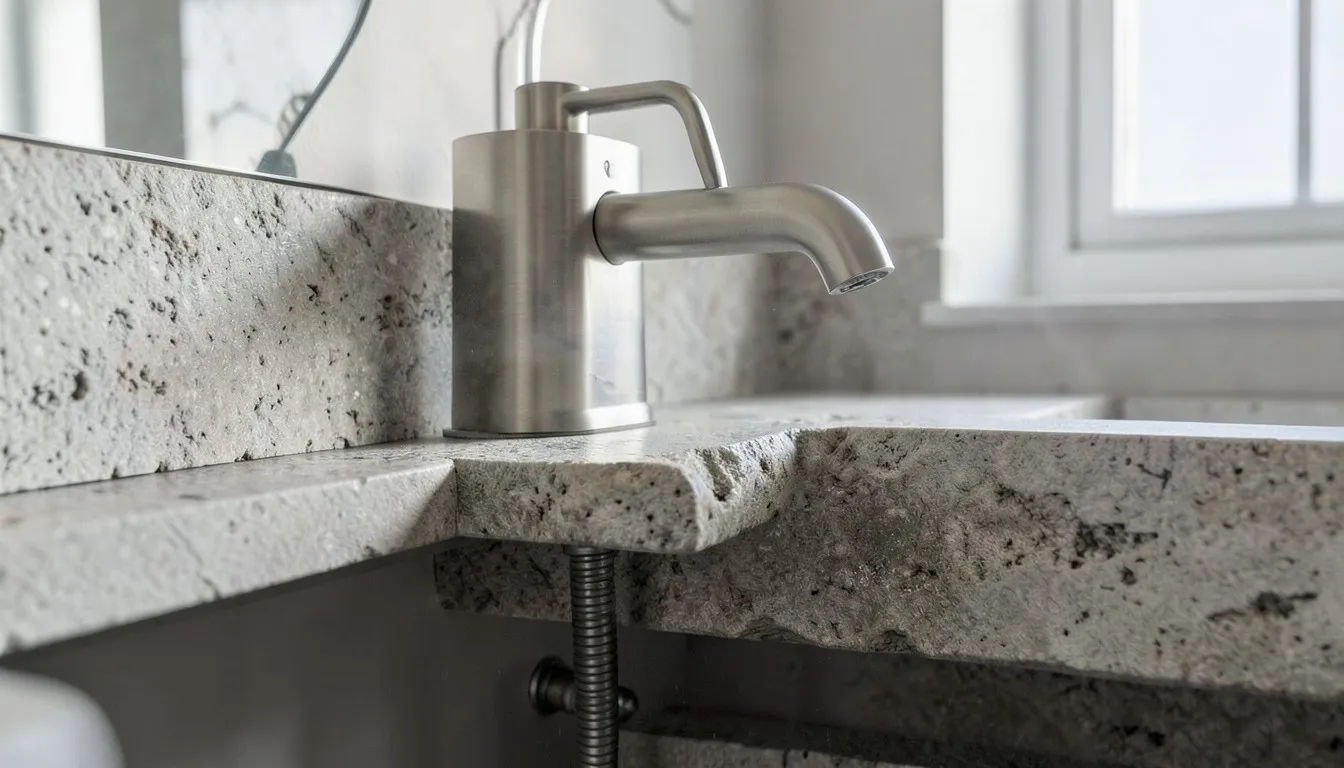
CPVC becomes brittle in the 20–35-year range and snaps under thermal stress or incompatible pipe dopes. Early PEX fittings (pre-2010) may develop chloramine compatibility issues at 15–25 years. The 1980s–1990s housing stock in Orlando is entering its first wave of material-driven service calls — not from neglect, but from normal service-life progression.
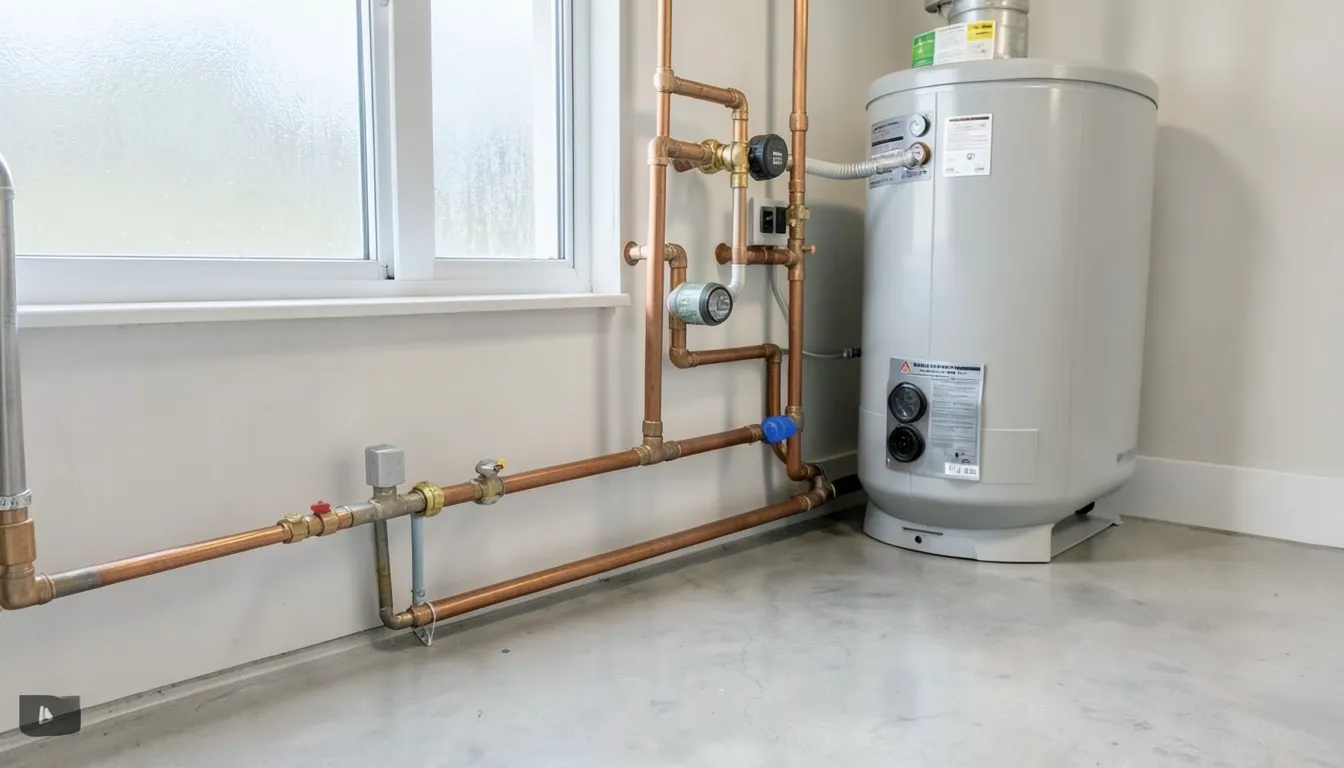
At 15–20+ GPG, calcium scale forces compressed equipment cycles in Orlando: tank heaters average 6–9 years vs. the 10–12-year national benchmark, and tankless units require annual descaling. Anode rods calcify within 12–18 months. Most plumbers here assess heater age against the local scale timeline — not the manufacturer's service life.
Summer heat above 95–115°F in Orlando keeps sediment in suspension inside tank water heaters — accelerating element failure instead of allowing sediment to settle and flush. Attic-mounted supply lines face diurnal thermal stress year-round. Root intrusion concentrates around irrigated landscaping rather than distributing evenly across the full sewer lateral path.
Orlando: diagnose first, repair second
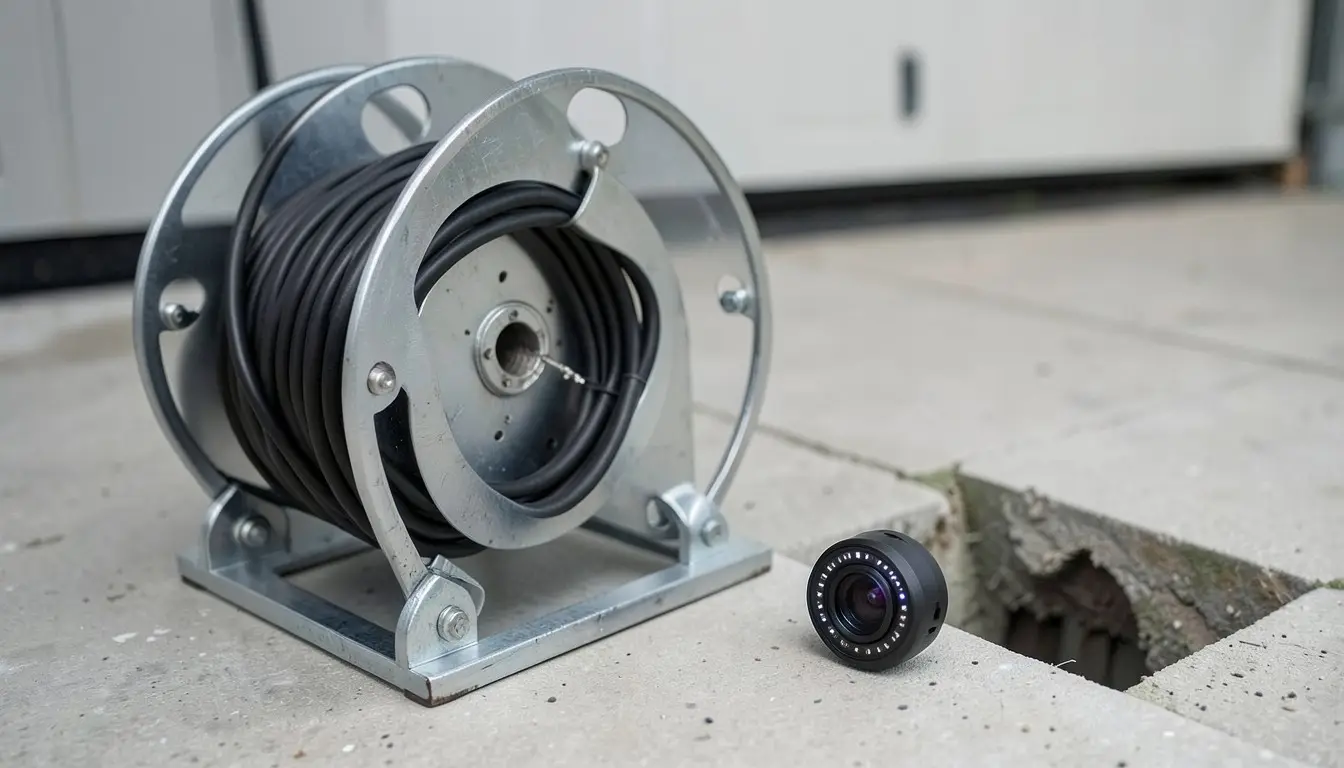
Describe the symptom — not the repair. AlertPlumber routes to a FL-licensed plumber trained in diagnostics. The site visit uses camera tracing, acoustic detection, or hydrostatic pressure testing — matched to the reported failure type.
The plumber delivers a written diagnostic report: confirmed failure location, available repair methods, and tradeoffs — disruption level, material durability, long-term cost, and whether a Orlando building permit applies to the selected method.
You select the repair path. The Florida-licensed plumber proceeds on the authorized method with a fixed scope and price. Where required, the permit application to Orlando is handled by the contractor.
Sewer Line Repair cost calculator — Orlando
Pre-filled for sewer line repair in Orlando. Adjust the ZIP for a neighboring area, or change the service to compare. Calculator pulls from the city's scraped permit-fee + state plumber-density data.
Sewer Line Repair in Orlando — the longer it runs, the more it costs.
Slow failures compound: soft pipe walls, root penetration, mineral buildup. A verified plumber calls back with a scope-first estimate before anything is dug up.
Sewer Line Repair in Orlando — frequently asked
How much does sewer line repair cost in Orlando, FL?
Sewer line repair in Orlando typically runs $2,400-$6,800 for a spot repair, $4,500-$11,500 for trenchless CIPP lining, and $7,800-$18,000 for full lateral replacement on a typical residential lot. Pricing reflects the City of Orlando $110 plumbing permit plus inspection, plus shallow excavation depth — Orlando laterals sit roughly 12-24 inches deep because there is no frost line. Winter Park laterals (oldest cast-iron and clay in the metro) trend higher because of root mass and joint separation in 1920s-50s housing stock.
How fast can an Orlando-area plumber respond to a sewer backup?
Most Orlando-area sewer crews in the AlertPlumber network respond within 1-3 hours during business hours and 2-4 hours overnight. Sewer emergencies tied to summer storm surcharging (when intense afternoon rain overwhelms shallow laterals on sandy soil) cluster the dispatch board, so afternoon storm windows may push ETA toward the upper end. The FL DBPR CFC-credentialed plumber confirms the exact ETA on the callback. Camera and jet equipment arrive on the first truck.
Do I need a permit for sewer line repair in Orlando?
Yes. Any sewer lateral repair, replacement, trenchless CIPP lining, or pipe-burst replacement requires a City of Orlando Permitting Services plumbing permit at $110 plus inspection fee. The FL DBPR CFC-credentialed contractor pulls the permit under their own credential — the homeowner does not file directly. Inspections run twice on a replacement: pre-backfill camera verification and final flow test. OUC must also be notified before work touching the sanitary sewer lateral connection at the property line.
What causes most sewer line failures in Orlando housing stock?
Three Orlando-specific pathologies drive most sewer-system failures. First, mature live oak and laurel oak canopy root intrusion at joints in 1920s-50s Winter Park, College Park, and Thornton Park clay laterals — Florida oaks chase moisture year-round. Second, sandy-soil bedding washout: when a joint cracks, sand erodes around the pipe creating a void that telescopes into pipe sag. Third, summer storm surcharging — intense afternoon rain overwhelms shallow laterals on sandy soil, backflowing into homes. Median build year 1989 means 1980s PVC laterals are also reaching root-intrusion windows.
Trenchless or open-cut excavation for Orlando sewer replacement?
Trenchless CIPP lining or pipe bursting is preferred in Orlando whenever the lateral path runs under mature oak canopy, hardscape, or pool decks — both methods preserve the canopy and the sandy yard. Trenchless requires entry and exit pits but no continuous trench, which matters in Winter Park and Thornton Park where roots and landscape value are high. Open-cut excavation is reasonable where the lateral runs straight across an unimproved front yard with shallow burial. The verified plumber recommends the method after the camera scope.
Will Florida HO-3 cover Orlando sewer line repair?
Standard Florida HO-3 policies typically exclude wear-and-tear failure of a sewer lateral but may cover sudden, accidental damage and the resulting water damage inside the home. A sewer/water-backup endorsement (typically $50-$120/year) covers backup damage and is widely recommended in Orlando given the 92% sewer coverage and shallow burial in sandy soil. Hurricane and sinkhole endorsements are separate. The matched contractor provides camera footage and a written diagnosis that supports any claim documentation.
How deep does an Orlando sanitary sewer lateral typically run?
Orlando laterals run shallow — typically 12-24 inches at the home cleanout and 24-48 inches at the city tap — because Florida has no frost line that forces deeper burial. Shallow burial has two consequences: surface load risk (driveways and HVAC pads can crush a lateral over time), and summer storm surcharging when the line sits in saturated sand during heavy rain. The verified plumber confirms exact depth with the camera scope before excavation and accounts for the high water table at any nearby retention pond.
Should I call 811 before sewer work in Orlando?
Yes — federally mandatory. Sunshine 811 provides no-cost utility-locate marking 48-72 hours before any excavation in Orlando. The matched plumber can submit the 811 ticket on your behalf, but the homeowner is the legal account holder and liable for damages to unmarked utility lines. Florida adds additional notification for private utilities (irrigation, fiber, low-voltage landscape lighting) that 811 does not cover — confirm with the plumber during the pre-job walkthrough. Sandy soil makes shallow private utilities easy to nick without locates.
How long should a new Orlando sewer line last?
PVC schedule 40 sewer pipe (standard for Orlando new installations): 100-year design life. HDPE pipe-burst replacement: 50-100 years. CIPP epoxy liners: 50+ years per NASSCO standards. The bigger driver of Orlando lateral lifespan is installation quality on sandy soil — proper compacted bedding (not just loose sand), correct 1/4-inch-per-foot slope, and joint integrity all matter more than pipe material. Insist on photos of the bedding before backfill. Median build year 1989 puts many Orlando laterals in the 35-year mark of their service life.
Are AlertPlumber-matched sewer plumbers verified for FL DBPR?
Every plumber routed through AlertPlumber for Orlando sewer work holds active Florida Department of Business and Professional Regulation credentialing under the CFC (Certified Plumbing Contractor) classification. FL DBPR lists roughly 16,800 active CFC and RF plumbers statewide as of 2024. Verify your contractor's status via the DBPR public lookup before authorizing excavation. AlertPlumber covers Lake Nona, Baldwin Park, College Park, Winter Park, Thornton Park, Dr. Phillips, and MetroWest under the 328xx and 327xx ZIP prefixes.
The fix gets cheaper the sooner a plumber sees it.
Degradation problems compound quietly. Call now, or use the form below and a licensed Florida plumber calls you back with a no-obligation estimate for the sewer line repair.
Request a sewer line repair callback in Orlando
In a meeting, with the kids, or just prefer not to hold? Drop your ZIP and number below. AlertPlumber routes your request to a verified plumber in your area — they’ll call you back directly.
- 1 Submit your info. ZIP, phone, and what kind of work you need.
- 2 AlertPlumber matches you with a verified plumber serving your area.
- 3 The plumber calls you back with a written estimate, no obligation.
Sewer Line Repair in Orlando — catch it early
Degradation-driven failures worsen over time and cost more to fix the longer they run. A verified FL plumber in Orlando diagnoses your specific condition and provides a written scope before any work begins.