
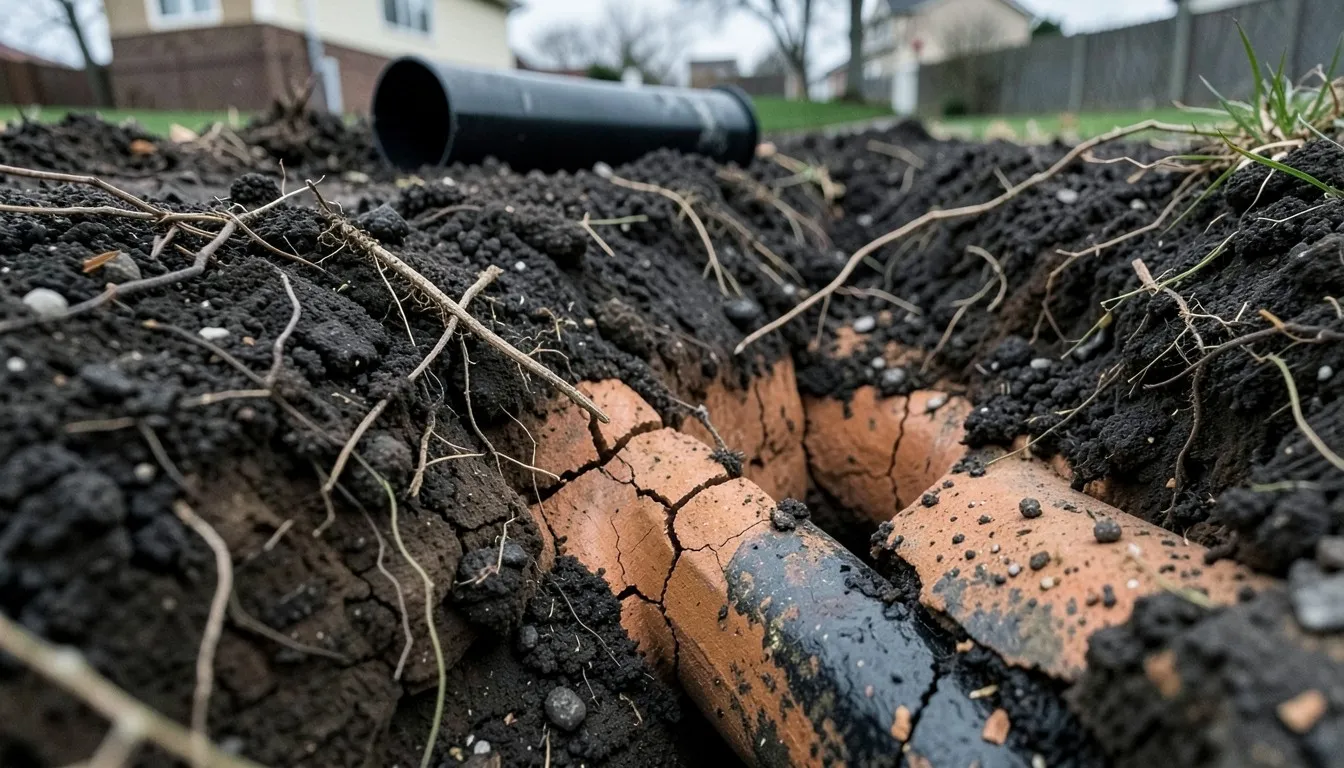
Emergency Sewer Line Repair in Minneapolis, Minnesota
Sewer Line Repair in Minneapolis, Minnesota repairs broken or root-invaded sewer lines via spot repair, lining, or trenchless methods. Local conditions in Minneapolis: water measured at 5.8, a 60 frost line and a median home age of 78 years.
Camera first, quote second — know exactly what's wrong in your Minneapolis home before you approve a dollar.
What does the local plumbing data show for Minneapolis, MN?
Seeing these conditions at your place in Minneapolis? A state-licensed plumber can confirm it over the phone — free, no obligation.
What are the pipe conditions in Minneapolis, MN?
Sewer line failures in Minneapolis follow predictable patterns by pipe material and installation era: clay tile joints separate and admit root intrusion; Orangeburg pipe (1940s–1960s) compresses under soil load; cast iron corrodes at horizontal runs where standing water accelerates deterioration. A camera scope before excavation is critical — it confirms whether a spot repair is viable or whether replacement of the full lateral is the smarter investment. AlertPlumber routes your request to a Minnesota-licensed plumber who completes the scope before quoting the repair. Freeze events and frost-depth requirements add pipe insulation, exterior faucet winterization, and burst-risk assessment to service calls in this climate.
Minneapolis's water utility maintains an active lead service line (LSL) replacement program. With a median home age of 78 years, a portion of the housing stock may still have lead service laterals connecting the water main to interior supply — a consideration during any work near the service entry point. A licensed plumber can confirm whether supply-side work requires utility coordination.
Frost line depth in Minneapolis means supply lines and outdoor plumbing must be installed below the freeze threshold — typically 60 — to prevent pipe burst during cold events. Exterior hose bibs, irrigation shutoffs, and any exposed pipe runs are the most common winterization service points in freeze-risk markets.
- Median home age
- 78 yrs
- Water hardness
- 5.8 gpg
- Frost line
- 60 in.
- Permit
- $75
A licensed MN plumber reads these conditions the moment you describe the symptom.
What local infrastructure shapes Sewer Line Repair in Minneapolis?
At 78 years median housing age, Minneapolis lateral stock is dominated by clay tile installed during the 1910s through 1940s build-out across Powderhorn, Longfellow, and the Near North side. Orangeburg pipe appears in late-1940s through early-1960s construction in portions of Seward and Phillips, where the laminated product has delaminated under frost cycling stress. Cast iron in pre-1940 Whittier and Elliot Park stock carries decades of corrosion from the 5.8 GPG Mississippi River supply.
Minneapolis carries the deepest frost line requirement among major Midwest metros at 60 inches. Annual frost penetration to 5 feet creates substantial heave forces on shallow clay tile runs, displacing joints incrementally each cycle. Over 78 years, cumulative movement has created grade reversal sections that pool wastewater and accelerate root intrusion from the silver maple and boulevard elm trees defining the residential canopy — root masses can completely obstruct 6-inch laterals within a single growing season.
Minneapolis Public Works requires permits for lateral work, with fees at $75. All replaced lateral sections must be buried to 60-inch minimum depth — the deepest mandatory trench requirement among peer cities in this region. CIPP lining is viable where camera inspection confirms clay tile bore geometry is intact; root-filled runs require mechanical cutting before a liner can be seated. The Minneapolis LSL Replacement Program has excavated street sections across multiple corridors — coordinating lateral repair with active blocks reduces total open-cut scope.
What shapes plumbing demand in Minneapolis, MN?
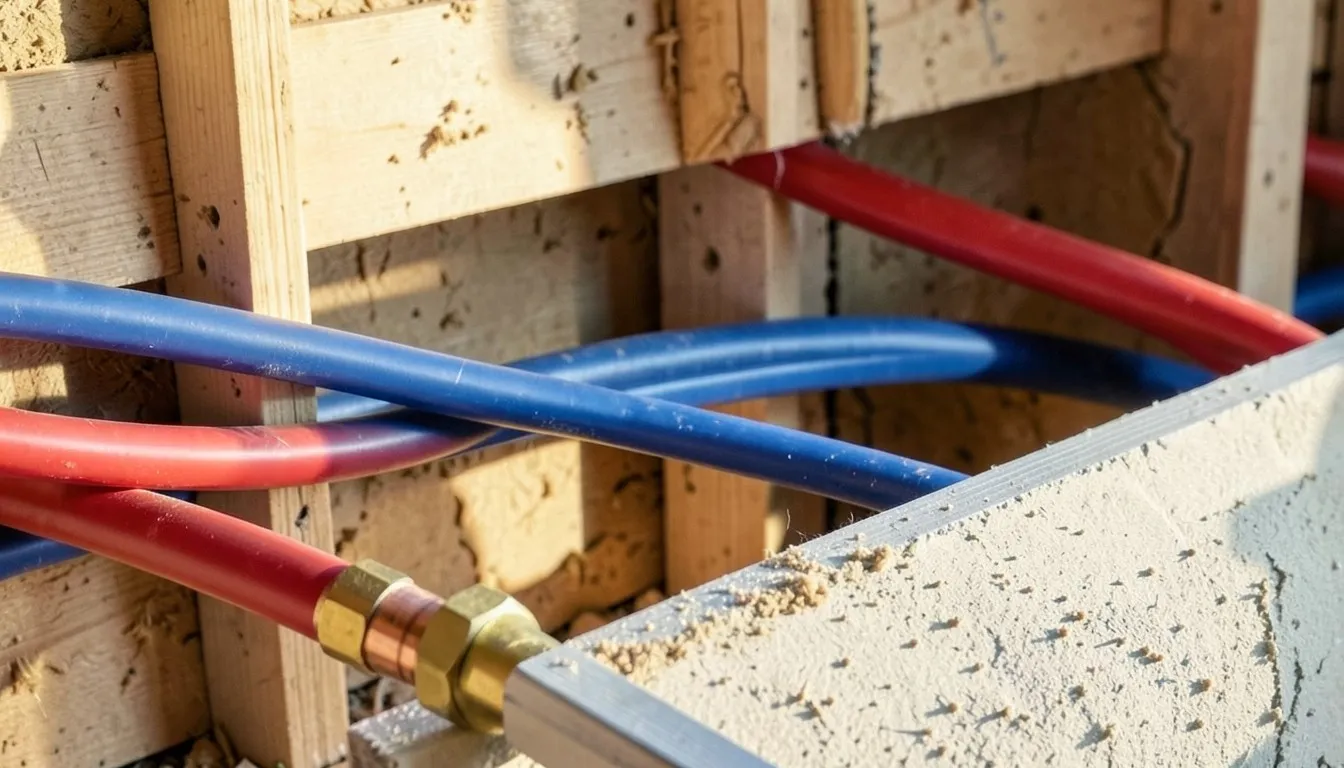
Galvanized supply lines and cast iron drain systems from the 1880s–1940s are past their 40–70-year design life across much of Minneapolis. Interior rust scale progressively narrows pipe bore. Plumbers here routinely scope supply lines before quoting any repair — the underlying pipe condition often makes full replacement more cost-effective than patching.
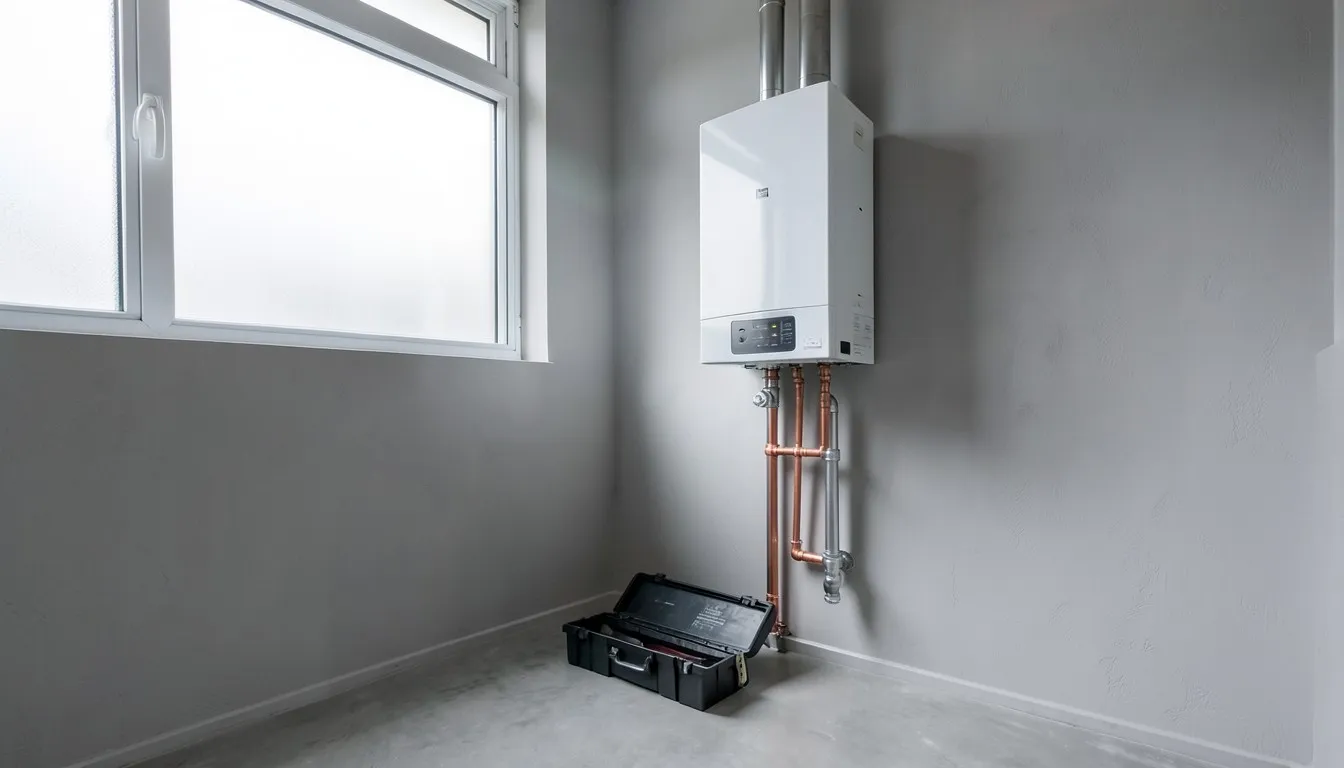
4–7 GPG produces gradual scale that stays manageable with standard maintenance intervals in Minneapolis — annual flushing, cartridge cleaning every 1–2 years. Equipment runs near design lifespan. The primary water quality driver here is preventive maintenance rather than emergency replacement, which distributes service demand more evenly across the calendar.
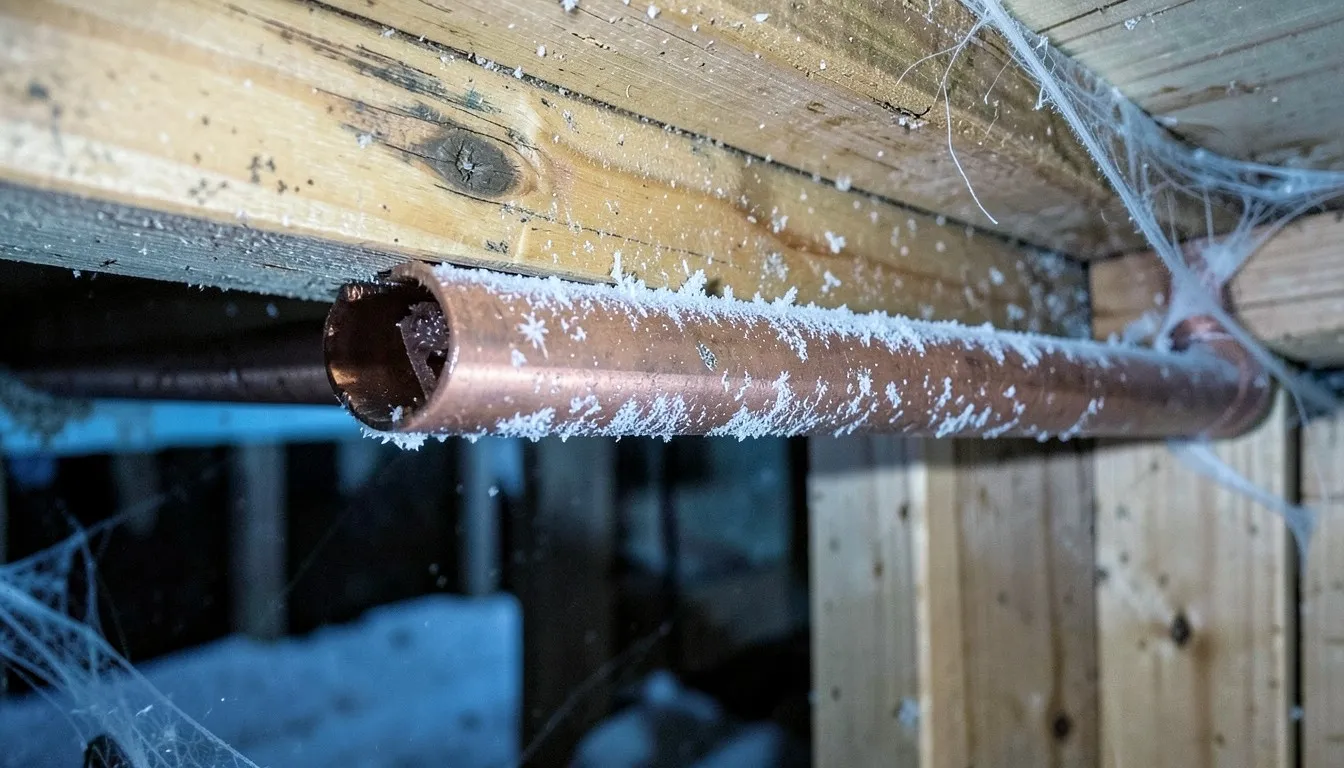
The primary surge in Minneapolis runs January–March, with a secondary wave at the spring thaw — when pipes that held through the freeze rupture as pressure is restored above 32°F. Scheduling competition peaks exactly when emergency calls are highest. Homeowners who wait for visible damage compete for the same limited plumber slots at the worst possible time.
Why diagnose before repairing in Minneapolis?
Describe the symptom — not the repair. AlertPlumber routes to an MN-licensed plumber trained in diagnostics. The site visit uses camera tracing, acoustic detection, or hydrostatic pressure testing — matched to the reported failure type.
The plumber delivers a written diagnostic report: confirmed failure location, available repair methods, and tradeoffs — disruption level, material durability, long-term cost, and whether a Minneapolis building permit applies to the selected method.
You select the repair path. The Minnesota-licensed plumber proceeds on the authorized method with a fixed scope and price. Where required, the permit application to Minneapolis is handled by the contractor.
Sewer Line Repair cost calculator — Minneapolis
Pre-filled for sewer line repair in Minneapolis. Adjust the ZIP for a neighboring area, or change the service to compare. Calculator pulls from the city's scraped permit-fee + state plumber-density data.
Sewer Line Repair in Minneapolis — the longer it runs, the more it costs.
Slow failures compound: soft pipe walls, root penetration, mineral buildup. A verified plumber calls back with a scope-first estimate before anything is dug up.
What else do people ask about sewer line repair in Minneapolis?
What are the signs of a broken sewer line in a Minneapolis home?
Multiple drain fixtures backing up simultaneously is the clearest indicator — a single backup is usually a branch-line clog, while two or more fixtures draining slowly at the same time suggests a main-line blockage or break. Additional signs: sewage odor from floor drains or at outdoor cleanout access points, unusually lush or green patches of grass over the sewer line path, wet depressions or sinkholes in the yard, and foundation cracks that develop gradually over months.
What causes sewer lines to crack or collapse?
Root intrusion accounts for the majority of failures in pre-1975 clay-pipe laterals — tree roots enter hairline joints, expand over years, and ultimately block or fracture the pipe. Orangeburg pipe (bituminized fiber used from roughly 1945–1970) softens and collapses as it ages and absorbs groundwater. Ground settlement, seismic movement, and freeze-thaw cycling crack both clay and PVC. Offset joints — where the pipe sections separate from ground movement — allow root entry and sewage infiltration into soil.
What's the difference between trenchless repair and open excavation?
CIPP (cured-in-place pipe) lining installs a resin-saturated liner through the existing pipe and cures it from inside, creating a new pipe-within-a-pipe with no major trenching. Pipe bursting pulls a new pipe through the old one while splitting it outward. Both trenchless methods require the existing pipe to be structurally adequate (not collapsed). Open excavation is required for collapsed sections, severely offset joints, or pipe running under a slab or foundation. Trenchless typically costs 20–40% more upfront but eliminates landscape and hardscape restoration costs.
Does a camera inspection have to happen before sewer repair begins?
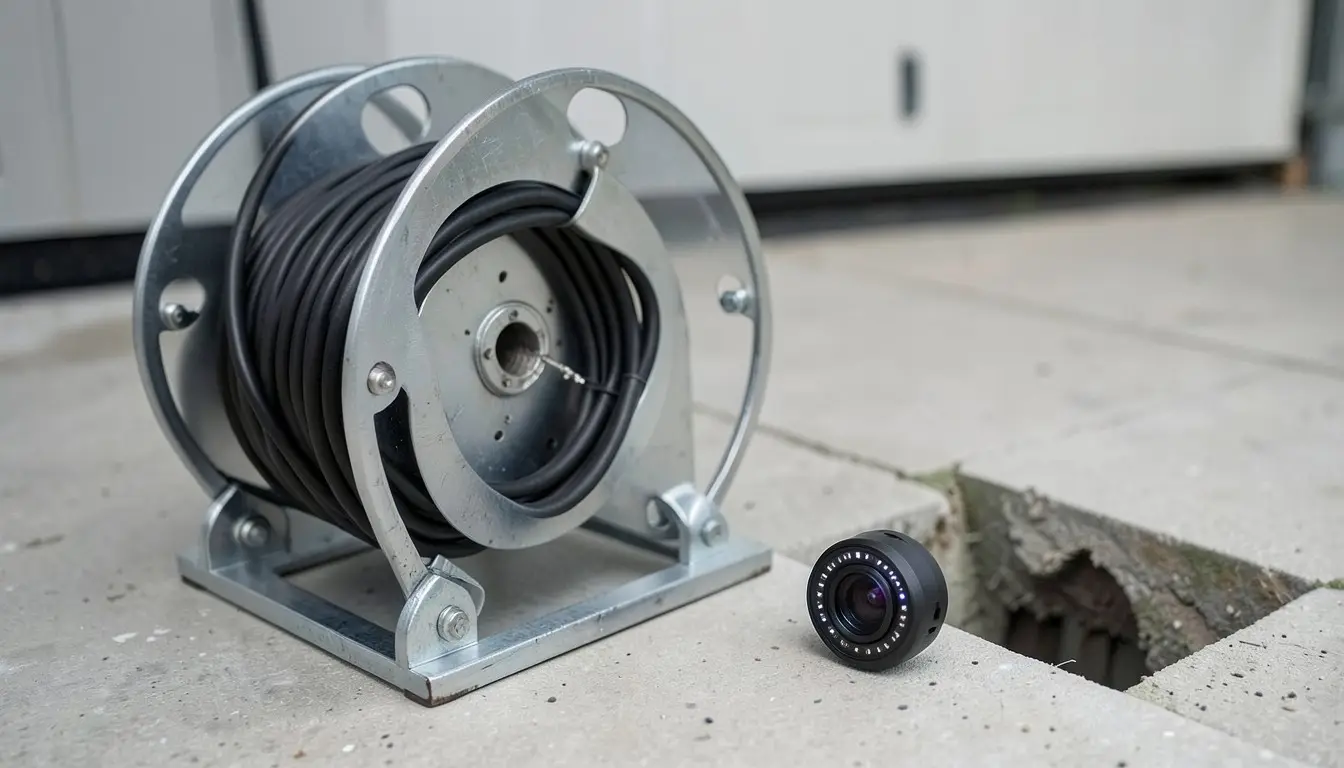
Yes — any reputable plumber will camera-inspect the lateral before quoting a repair method. The camera locates the damage, identifies the failure mode (root mass vs. collapse vs. offset joint), measures the depth and pipe diameter, and confirms whether trenchless or excavation is appropriate. Quoting a repair without a camera is guesswork. The inspection report should include a video recording that documents pre-repair pipe condition — relevant for insurance claims and future reference.
How long does sewer line repair take in Minneapolis?
A spot repair via open trench (single failed section, 2–4 feet) takes 1 day including backfill and compaction. CIPP lining of a full lateral (typically 40–100 feet) runs 1 day for installation and 24 hours of curing before the line returns to service. Pipe bursting runs similarly. Full excavation replacement takes 2–4 days. All work requires a permit and city inspection; the plumber schedules the inspection before backfilling in all trench-access scenarios.
How does Minneapolis's freeze risk (60 frost line) affect sewer line repair in this market?
Minneapolis averages 153 days below freezing per year, which requires pipe burial below the 60 frost line for outdoor and foundation-edge supply runs. Sewer laterals must be buried below frost depth; frost heave can offset shallow joints and crack pipe sections that were installed marginal on depth.
How does Minneapolis's median home age (78 years) affect sewer line repair pricing?
With a median home age of 78 years, a significant share of Minneapolis's housing stock was built before modern plumbing codes and materials standards were established. Homes from the 1930s–1950s commonly have cast-iron drain lines (which corrode from the inside over 75+ years), galvanized steel supply lines, and in pre-1940 construction, possible lead pipe. These materials require replacement rather than repair in most failure scenarios, which typically increases the scope and cost compared to equivalent work in newer housing. The plumber's assessment should include a pipe material evaluation as part of any diagnostic call.
What's the seasonal plumbing risk profile for sewer line repair in Minneapolis?
Frozen-pipe season Nov–March is the dominant call driver. Frost line at 60 in. requires deep service-line burial; uninsulated rim joists and crawl-space pipes are the #1 burst-risk locations. Understanding the local call pattern helps set realistic expectations for plumber availability and response time during peak periods — during high-demand weeks, advance scheduling is advisable for non-emergency work.
What affects the cost of sewer line repair in Minneapolis, MN?
Repair method (CIPP lining vs. spot excavation), depth of the affected section, and length of damaged pipe are the primary variables. Clay pipe, offset joints, and root-fractured sections requiring excavation push toward the upper end; CIPP-eligible damage at shallow depth on accessible lines lands lower. Camera footage of the damage determines method before any scope is finalized. A verified plumber provides a written estimate covering price, scope, and permit requirements before any work begins.
Are AlertPlumber-matched plumbers verified in Minnesota?
Yes. Every plumber matched through AlertPlumber holds an active Minnesota state contractor license. The Minnesota licensing database is checked at each routing — not just at initial signup — so the status reflects current standing, including any recent disciplinary actions, renewals, or insurance lapses. Active Minnesota licensure requires documented proof of bonding, liability coverage, and continuing education current as of the routing date.
Does AlertPlumber charge a fee for connecting me with a plumber in Minneapolis?
AlertPlumber does not charge homeowners. The referral fee is paid by the plumber when they accept a qualified call — it is their customer-acquisition cost, not an added charge to you. The plumber provides a written price assessment before any work begins; if the quote doesn't fit your situation, you can decline at any point.
The fix gets cheaper the sooner a plumber sees it.
Degradation problems compound quietly. Call now, or use the form below and a licensed Minnesota plumber calls you back with a no-obligation estimate for the sewer line repair.
Need a sewer line repair callback in Minneapolis?
In a meeting, with the kids, or just prefer not to hold? Drop your ZIP and number below. AlertPlumber routes your request to a verified plumber in your area — they’ll call you back directly.
- 1 Submit your info. ZIP, phone, and what kind of work you need.
- 2 AlertPlumber matches you with a verified plumber serving your area.
- 3 The plumber calls you back with a written estimate, no obligation.
Sewer Line Repair in Minneapolis — catch it early
Degradation-driven failures worsen over time and cost more to fix the longer they run. A verified MN plumber in Minneapolis diagnoses your specific condition and provides a written scope before any work begins.