
Emergency Sewer Line Repair in Jacksonville, Florida
Camera first, quote second — know exactly what's wrong in your Jacksonville home before you approve a dollar.
Local plumbing data for Jacksonville, FL
Seeing these conditions at your place in Jacksonville? A state-licensed plumber can confirm it over the phone — free, no obligation.
Pipe conditions in Jacksonville, FL
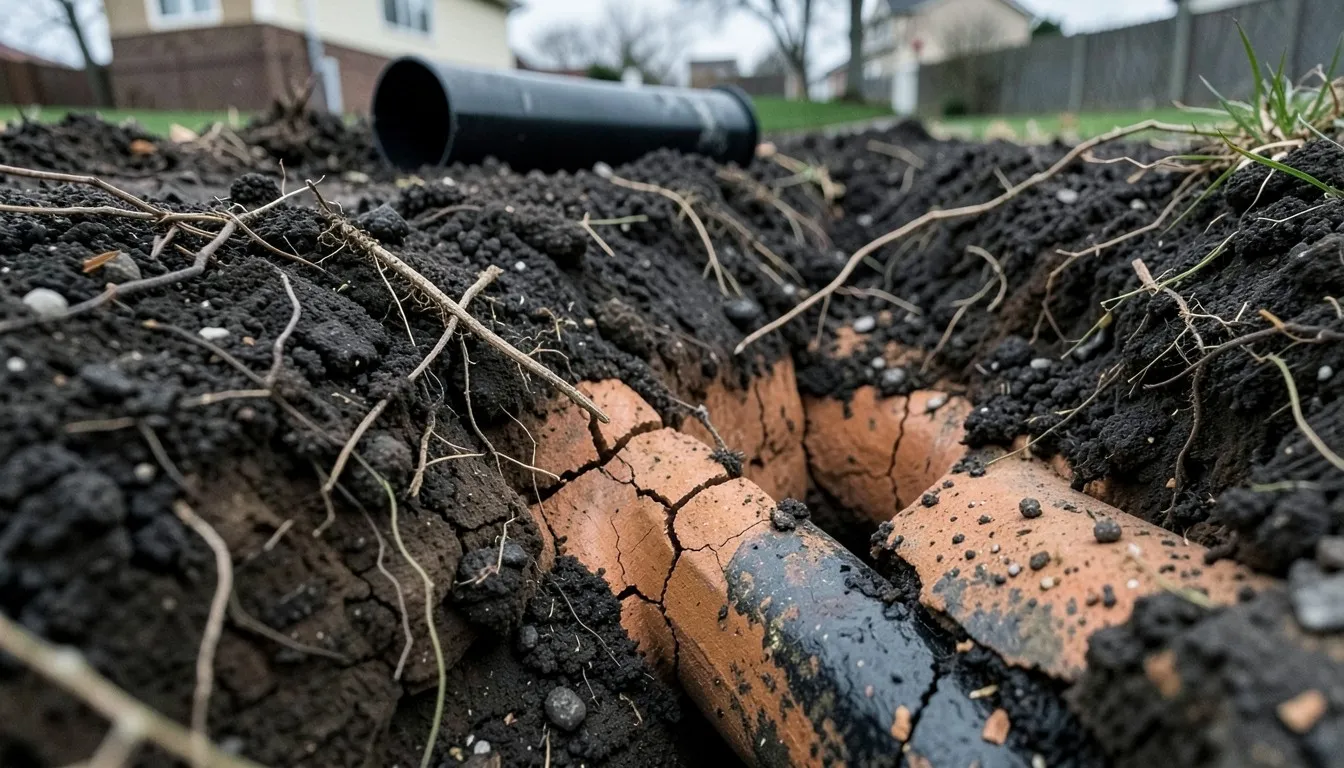
Sewer line failures in Jacksonville follow predictable patterns by pipe material and installation era: clay tile joints separate and admit root intrusion; Orangeburg pipe (1940s–1960s) compresses under soil load; cast iron corrodes at horizontal runs where standing water accelerates deterioration. A camera scope before excavation is critical — it confirms whether a spot repair is viable or whether replacement of the full lateral is the smarter investment. AlertPlumber routes your request to a Florida-licensed plumber who completes the scope before quoting the repair.
Jacksonville's housing stock spans multiple construction eras — median home age 41 years — meaning pipe materials and failure modes vary significantly by neighborhood and building vintage. An inspection-led approach that confirms pipe material before recommending a service path is standard practice for mixed housing profiles.
Very hard water in Jacksonville is a primary driver of accelerated appliance failure: water heater anode rods exhaust in 2–3 years instead of 6–8, scale deposits at fixture connections form within months of installation, and tankless heat exchangers accumulate mineral buildup that can reduce lifespan by half without regular descaling. A softener or whole-house conditioner is strongly recommended alongside any appliance service call.
- Median home age
- 41 yrs
- Water hardness
- 12 gpg
- Frost line
- 0 in.
- Permit
- $125
A licensed FL plumber reads these conditions the moment you describe the symptom.
Sewer Line Repair in Jacksonville: Local Infrastructure Context
At 41 years median housing age, Jacksonville's dominant lateral material is PVC on slab-on-grade construction from the 1980s and 1990s growth period that built out Mandarin, Arlington, and the Southside. Laterals run beneath post-tension concrete before exiting through the foundation — camera inspection is required before excavation to confirm slab type and map the run path. Belly formation in PVC is the primary failure mode, as the fine quartz and shell-fragment sandy soils common across Duval County provide minimal lateral support.
Jacksonville's coastal plain sandy soils shift with tidal groundwater fluctuation along the St. Johns River system. Laterals in low-elevation areas near Arlington can experience seasonal buoyancy effects from high groundwater table conditions. The 12 GPG Floridan Aquifer supply contributes carbonate scale in cast iron present in pre-1980 Springfield and Riverside stock. Only 85% of the consolidated city is on municipal sewer — the remaining 15% on septic means failing drainage systems may require full municipal tie-in as part of repair scope.
Jacksonville Planning and Development requires permits for lateral excavation, with fees at $125. No frost protection depth applies — burial is governed by minimum structural cover. CIPP lining is viable where PVC bore diameter and deflection are confirmed within NASSCO criteria; slab-penetration sections require structural assessment before concrete breaking. JEA sewer coordination is required for tie-in work, and septic-served properties may require a full gravity system design and JEA connection application when converting during repair.
What shapes plumbing demand in Jacksonville, FL
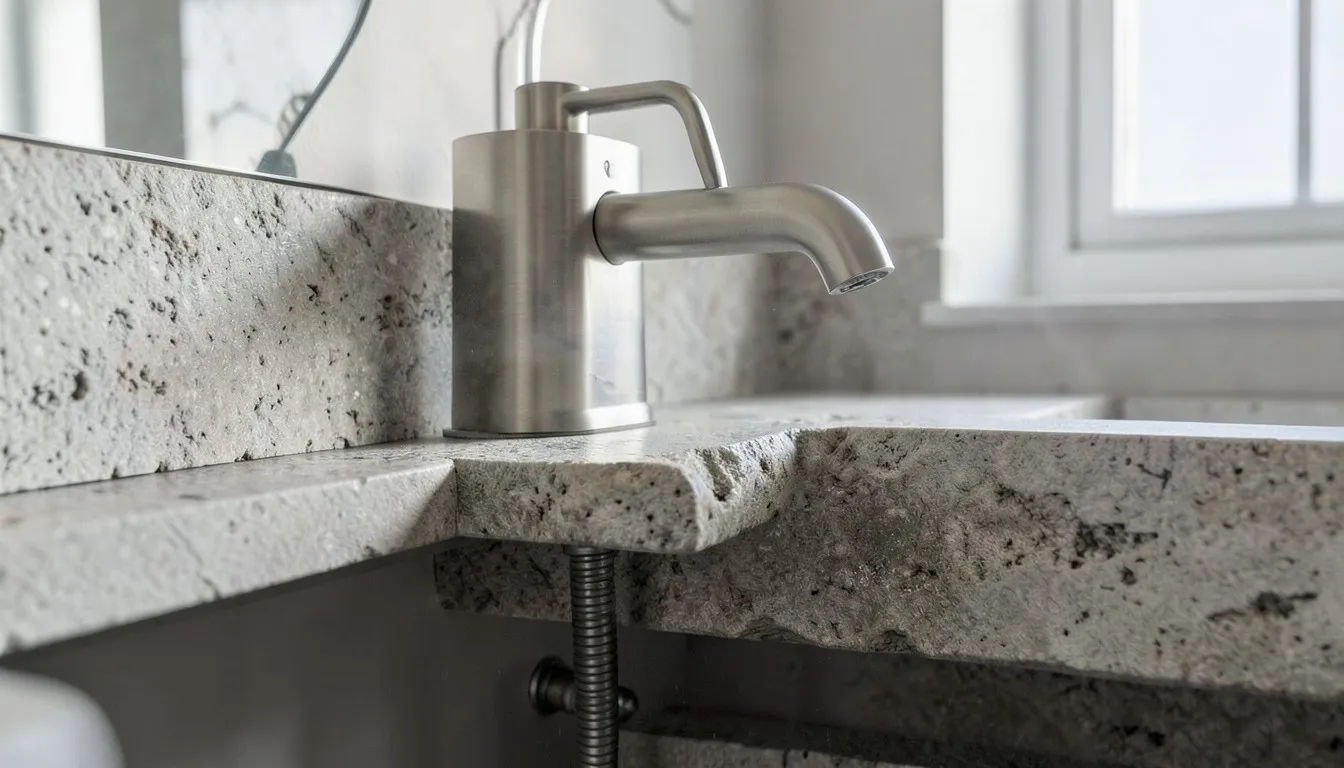
CPVC becomes brittle in the 20–35-year range and snaps under thermal stress or incompatible pipe dopes. Early PEX fittings (pre-2010) may develop chloramine compatibility issues at 15–25 years. The 1980s–1990s housing stock in Jacksonville is entering its first wave of material-driven service calls — not from neglect, but from normal service-life progression.
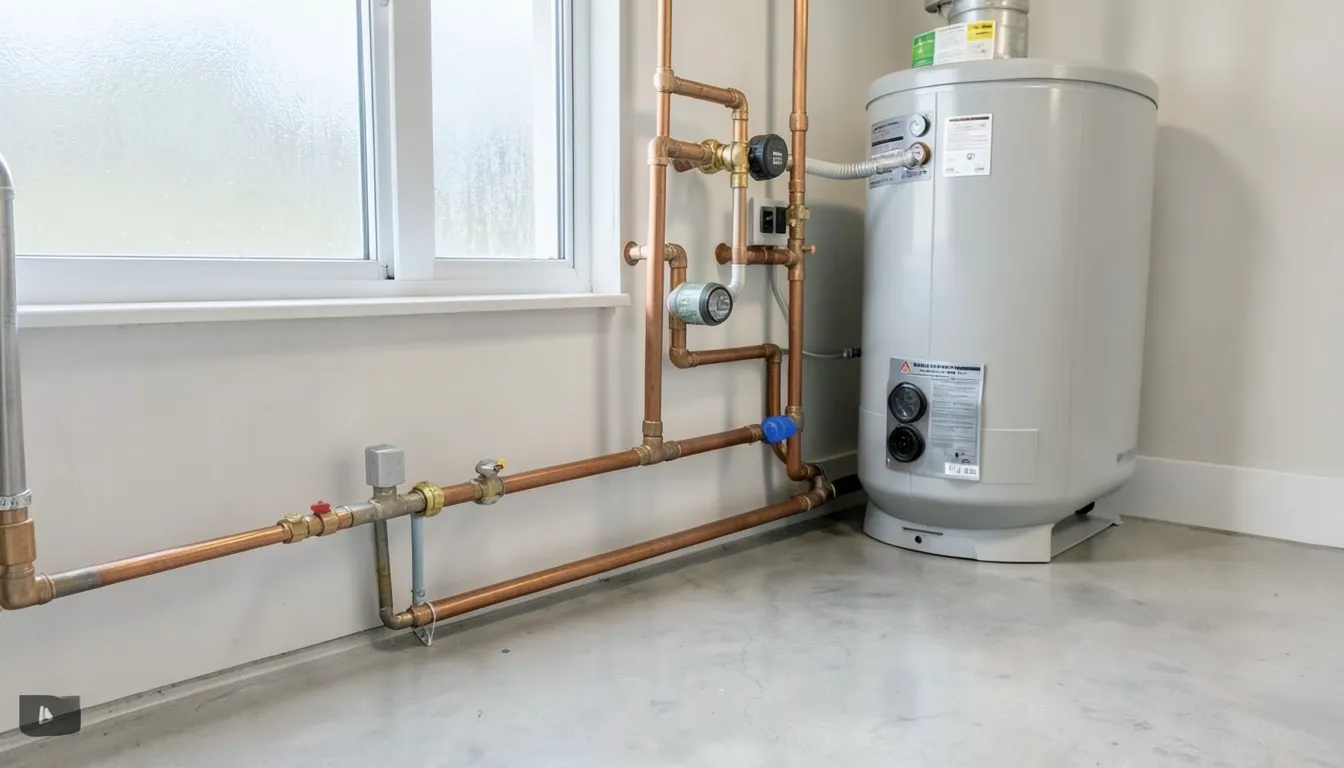
At 15–20+ GPG, calcium scale forces compressed equipment cycles in Jacksonville: tank heaters average 6–9 years vs. the 10–12-year national benchmark, and tankless units require annual descaling. Anode rods calcify within 12–18 months. Most plumbers here assess heater age against the local scale timeline — not the manufacturer's service life.
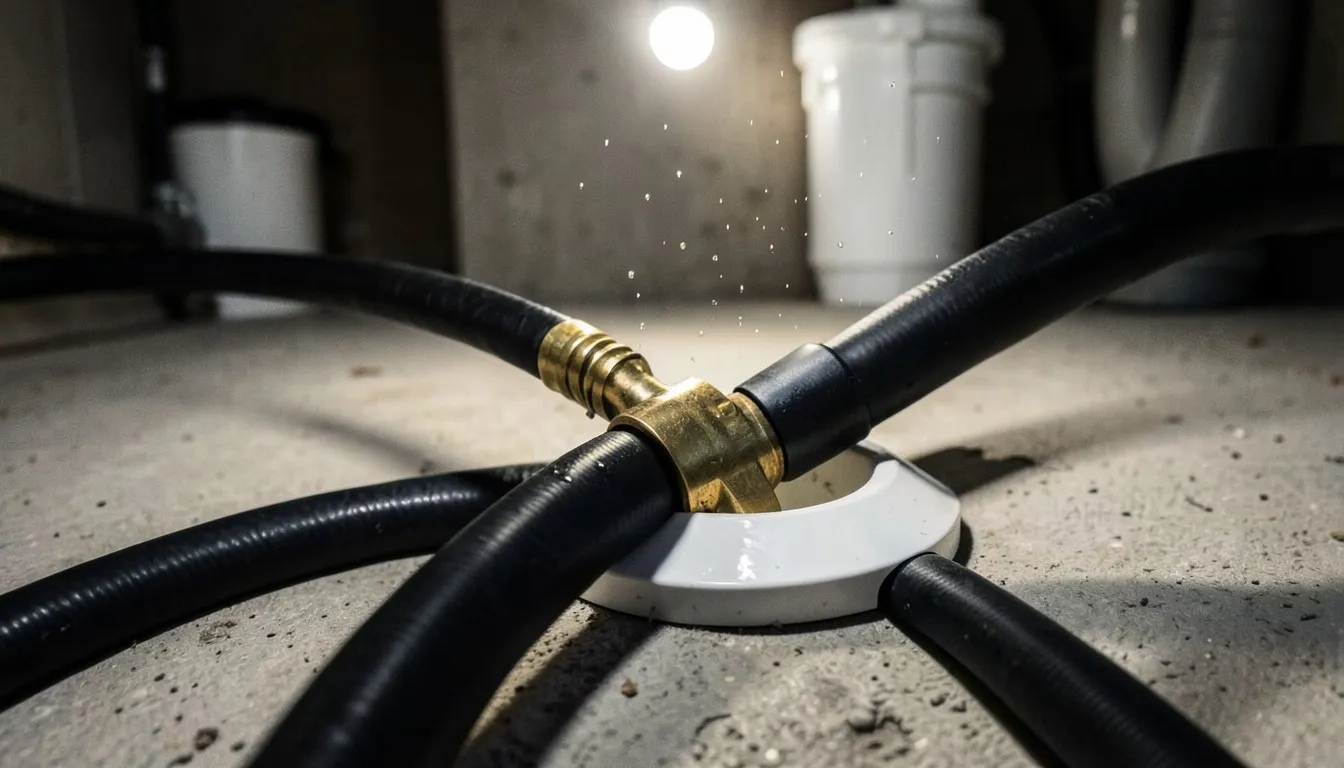
Without a hard freeze season, demand in Jacksonville distributes evenly through the year. Maintenance-driven categories dominate: end-of-life water heater replacement, root intrusion clearing, and fixture repair. Deferred maintenance surfaces gradually as partial failures rather than acute winter emergencies — which means issues compound silently until they become a larger job.
Jacksonville: diagnose first, repair second
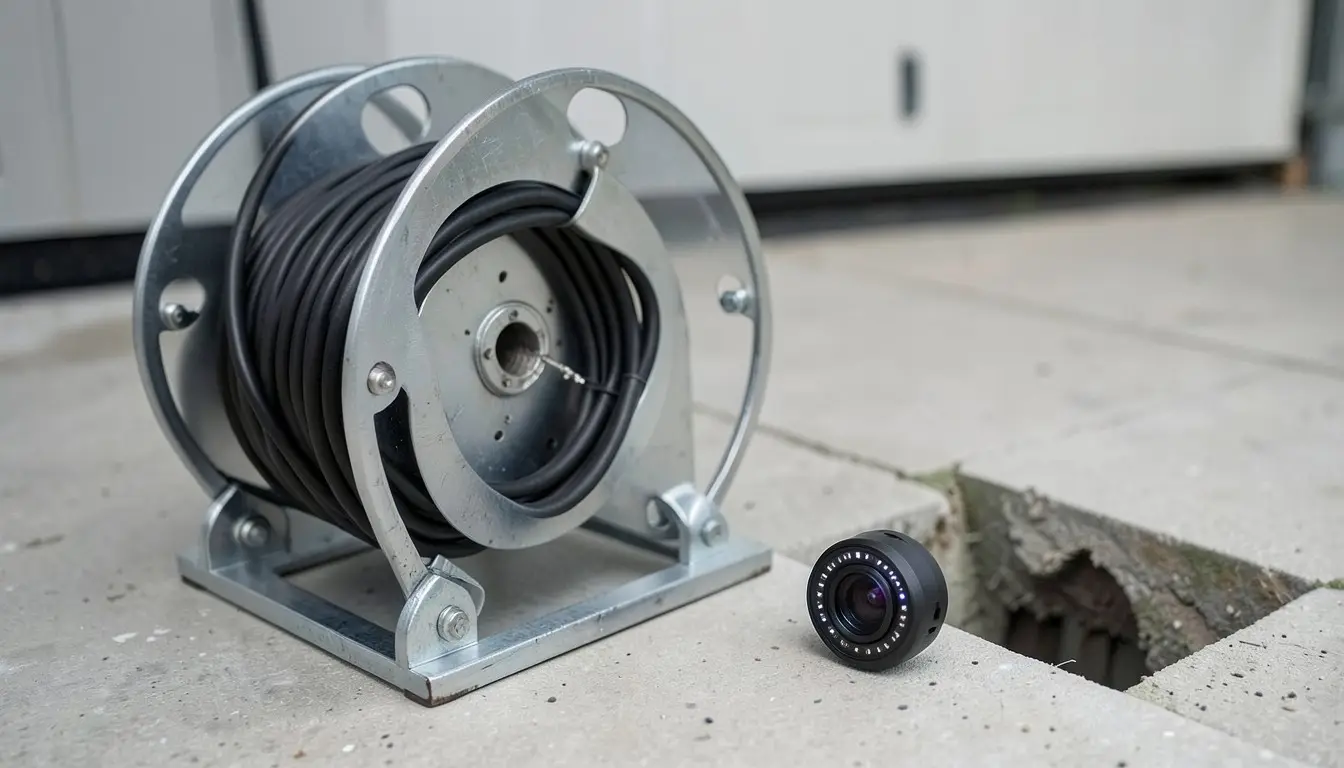
Describe the symptom — not the repair. AlertPlumber routes to a FL-licensed plumber trained in diagnostics. The site visit uses camera tracing, acoustic detection, or hydrostatic pressure testing — matched to the reported failure type.
The plumber delivers a written diagnostic report: confirmed failure location, available repair methods, and tradeoffs — disruption level, material durability, long-term cost, and whether a Jacksonville building permit applies to the selected method.
You select the repair path. The Florida-licensed plumber proceeds on the authorized method with a fixed scope and price. Where required, the permit application to Jacksonville is handled by the contractor.
Sewer Line Repair cost calculator — Jacksonville
Pre-filled for sewer line repair in Jacksonville. Adjust the ZIP for a neighboring area, or change the service to compare. Calculator pulls from the city's scraped permit-fee + state plumber-density data.
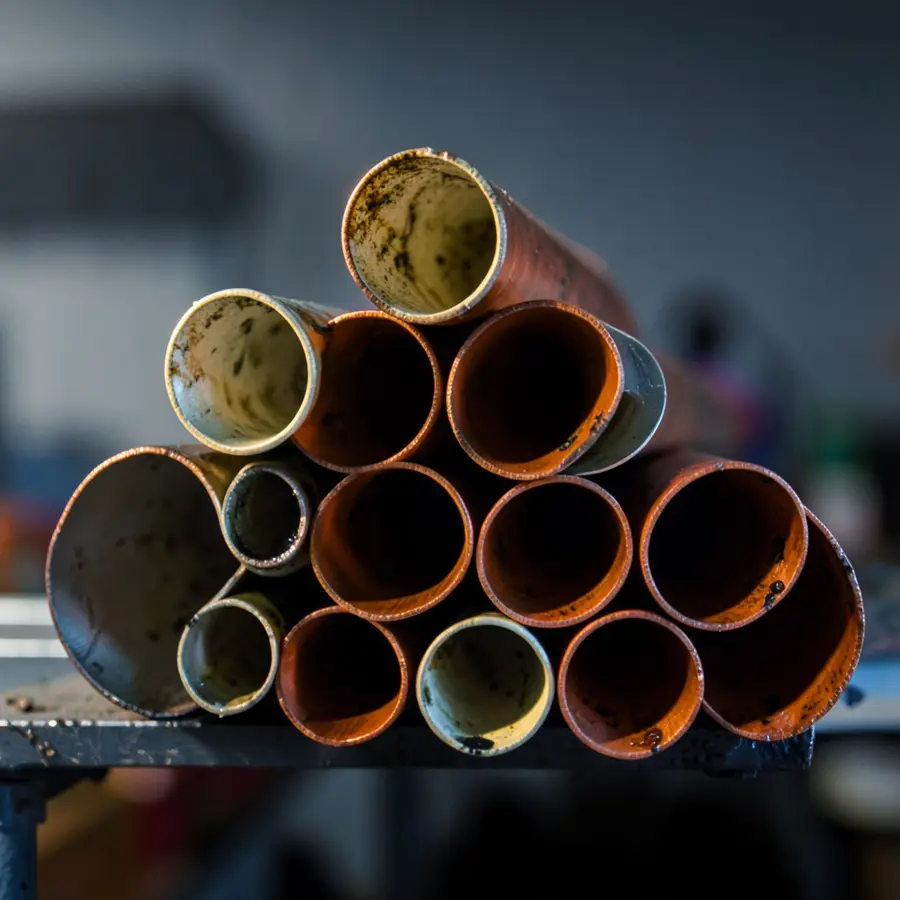
Sewer Line Repair in Jacksonville — the longer it runs, the more it costs.
Slow failures compound: soft pipe walls, root penetration, mineral buildup. A verified plumber calls back with a scope-first estimate before anything is dug up.
Sewer Line Repair in Jacksonville — frequently asked
How much does sewer line repair cost in Jacksonville?
Jacksonville sewer-lateral pricing splits along the floodplain water-table axis. Spot excavation $2,200–$5,200 (one offset joint dug, sleeved, and re-bedded) — the upper end reflects St. Johns River basin alluvial subsoil where dewatering pumps run continuously to keep the trench from collapsing. CIPP cured-in-place lining $5,800–$13,500 per ASTM F1216 — the trenchless premium is worth it on Mandarin and Arlington lots where the lateral runs under live oak canopy and excavation would mean removing a 60-year-old tree. Full open-trench replacement $8,500–$22,000; the high end hits East Beaches pier-and-beam stock where the exterior cleanout sits behind salt-corroded cast-iron transition fittings that have to be cut out and re-flanged. Pipe-bursting $9,500–$19,500 (HDPE pulled through the host clay) — the workhorse method for 1970s Mandarin tracts. The $125 Jacksonville Planning permit and a pre-job camera scope ($175–$400 with NASSCO PACP coding) attach to every method. The matched, credentialed Jacksonville plumber prices off the camera scope, not a phone-quote guess.
How do I know my Jacksonville sewer lateral is failing?
Jacksonville's failure-symptom profile reflects 1970s-80s Mandarin and Arlington clay laterals plus St. Johns River high-water-table soil. Watch for:
- Multiple fixtures backing up after a Jun-Nov hurricane-season rainstorm — storm-surge groundwater is overwhelming a separated clay joint and infiltrating the lateral
- Soft spots, depressions, or wet patches in the yard tracing the lateral path between the house and the JEA tap — classic offset-joint exfiltration into alluvial sand
- Recurring slow-drain pattern on the JEA combined utility bill (water-use anomaly without a visible leak) — wastewater is leaving the lateral before it reaches the metered tap
- Sewer smell on the lawn or near the exterior cleanout, especially at low tide on East Beaches lots where the water table cycles
- Live oak / pine / sweetgum roots visible at the cleanout cap — root mass at the cap means root mass at every clay joint downstream
- Gurgling toilets or basement-fixture backup during heavy rain
Why do Jacksonville homes need sewer-line repair so often?
Three Jacksonville-specific stressors stack on the lateral simultaneously. One: the 1983 median build year puts most housing stock in the 1970s-80s Mandarin and Arlington tracts that were trenched in clay tile — clay laterals fail at the joints (offset/separated joints from soil settlement), and 40-50 years is exactly when joint failures cascade. Two: St. Johns River basin alluvial soil and the high water table in floodplain neighborhoods (Riverside-Avondale, San Marco, Ortega) move under load — trees, vehicles, and seasonal hurricane saturation flex the lateral and pop joints. Three: JEA water averages 12 gpg hardness (USGS classifies anything above 10.5 gpg as hard), and hard-water scale inside the lateral combines with root intrusion at clay joints to produce a compounded blockage that snake-clearing can't permanently fix. Newer Northside 1990s+ PVC tracts mostly avoid this — PVC has gasketed joints and 100-year design life. The pre-job NASSCO PACP-coded camera scope tells the matched Jacksonville plumber which scenario applies and which method (spot, CIPP, burst, or open-trench) is correct.
Open-trench vs trenchless in Jacksonville's floodplain — which works?
Jacksonville's St. Johns River alluvial subsoil and high water table are the deciding variables, not just neighborhood vintage. Open-trench excavation in floodplain zones (Riverside-Avondale, San Marco, Ortega, large parts of Arlington) carries a real water-table excavation premium — the trench needs continuous dewatering pumps and shoring to stay open, which adds $1,500–$4,000 to a typical 50-ft replacement vs the same job on Northside high-ground sand. Trenchless pipe-bursting through 1970s Mandarin clay is the workhorse — the HDPE bursting head fragments the host clay outward and pulls a continuous PE100 pipe behind it, with only two small access pits at each end. No long open trench means no dewatering battle and no live-oak removal. CIPP lining per ASTM F1216 works when the host clay is structurally sound enough to support the resin-saturated felt sleeve through cure — separated joints with offset under 1/4 inch and no major belly. The pre-job camera scope decides; floodplain water-table conditions push the economics toward trenchless even when both methods are technically viable.
Will my FL HO-3 cover Jacksonville sewer-line repair?
Standard Florida HO-3 policies treat sewer-lateral replacement as maintenance/wear-and-tear and do not cover the pipe work itself. What HO-3 typically covers — with a service-line and sewage-backup endorsement — is consequential damage: drywall, flooring, contents, mold remediation after a sewage backup, plus (under service-line riders) the actual pipe between the house and the JEA tap. Jacksonville HO-3 carriers commonly offer service-line endorsements at $40–$120/year for $5,000–$15,000 limits — strongly worth carrying on any 1970s Mandarin / Arlington / San Marco home. Critical Jacksonville-specific note: most HO-3 policies carry a separate named-storm / hurricane deductible (often 2–10% of dwelling coverage, not a flat dollar amount) — if the sewer backup happened during a named hurricane Jun-Nov, the named-storm deductible applies, not the standard all-other-perils deductible. Document with the matched plumber's NASSCO-coded camera footage, dated invoice, and a clear cause-of-loss narrative; the camera scope is the diagnostic instrument the carrier needs to adjudicate.
How long does sewer line repair take in Jacksonville?
Time-on-site by method on a typical Jacksonville lot. Spot excavation: 1 day, occasionally 2 in floodplain zones where dewatering and shoring set up before the dig opens. CIPP trenchless lining: 1 day prep + scope + clean, 1 day liner installation, 24-hour cure — call it 2 days curb-to-curb plus the cure window before re-use. Pipe-bursting: 1–2 days for a 50-ft Mandarin or Arlington lateral with two access pits. Full open-trench replacement: 3–5 days standard, 4–7 days in St. Johns floodplain neighborhoods where the trench needs continuous dewatering pumps. East Beaches pier-and-beam exterior cleanout work adds a half-day for salt-corroded cast-iron flange demo and re-flanging. The $125 Jacksonville Planning permit and inspection sequencing typically adds 24–48 hours of scheduling overhead before excavation starts. Hurricane-season Jun-Nov can stretch lead times when crews are committed to flood-cleanup replacement work.
What permit do I need for sewer line repair in Jacksonville?
Sewer-lateral work in Jacksonville requires a $125 Jacksonville Planning & Development Department plumbing permit with the sewer-line subcategory (different from a maintenance/repair permit) per Florida adoption of the International Plumbing Code Chapter 7. The state-credentialed Florida plumber pulls the permit on your behalf — Florida sewer work beyond the property line and tap requires the higher-tier credential, not a maintenance card. Sunshine 811 (Florida one-call) must be notified at least 2 full business days before any excavation per Florida Statute 556 — this is state-mandatory, not optional, and applies to spot dig, pipe-bursting access pits, and full open-trench equally. Verify the matched Jacksonville plumber via myfloridalicense.com/CheckLicense.asp before excavation begins. Permit + inspection sequencing typically adds 24–48 hours.
Are AlertPlumber-matched plumbers credentialed for sewer work in FL?
The partner network requires every plumber routed through AlertPlumber for Jacksonville sewer-lateral work to hold an active Florida state credential at the level required for sewer work beyond the property-line tap. FL DBPR, 2024 lists 8,460 active credentialed plumbing contractors statewide. Sewer-lateral work specifically requires the higher-tier credential (Certified Plumbing Contractor CFC or Registered Plumbing Contractor) because the lateral connects to JEA shared infrastructure and the work crosses the property-line jurisdictional boundary. Verify the specific matched plumber via the FL DBPR CheckLicense lookup before authorizing excavation; check that the credential class covers sewer-lateral work, not just water-distribution maintenance.
When is the lateral too old to keep — 1970s clay vs 1990s+ PVC?
The Jacksonville lateral-age tipping point is roughly 1985 — the boundary between clay-tile/cast-iron pre-PVC era and the gasketed-PVC era that took over Northside infill construction. Mandarin and Arlington 1970s-80s clay laterals sit at the worst point on the joint-failure curve right now: 45-55 years is exactly when offset-joint separation cascades, root intrusion locks in at every joint, and 12 gpg JEA scale narrows the bore at scale-and-root combo blockage points. San Marco and Riverside-Avondale 1900s-30s pre-PVC stock — clay or first-generation cast iron — is past replacement timing and into "when does the next backup happen" mode. Northside 1990s+ PVC is mostly fine; PVC has 100-year design life per the Plastic Pipe Institute, gasketed joints don't separate from soil settlement, and roots can't penetrate intact PVC. East Beaches pier-and-beam stock is the wild card — exterior cleanout and transition fittings corrode from salt-aerosol exposure even when the buried lateral is sound. Camera scope gives you the verified answer; age alone is the prior, not the diagnosis.
Hurricane storm-surge sewer cleanup — what's actually replaced?
Hurricane-season Jun-Nov storm-surge events in Jacksonville don't just need jet-cleanup — they drive replacement-scope work. When St. Johns River basin floodwater enters the lateral through a separated clay joint or a backflowed JEA tap, the contamination plus mechanical pressure can: dislodge already-marginal joints, push grease and debris into the line at pressure that no routine maintenance restores, and (in East Beaches pier-and-beam stock) lift exterior cleanouts off corroded flanges. The post-storm replacement scope typically includes a NASSCO PACP-coded camera scope to document what moved, spot or full replacement of separated clay sections, exterior cleanout re-flange or full replacement on salt-corroded fittings, and a EPA NPDES-aware backflow check valve install where the topology allows. FL HO-3 named-storm deductible governs the insurance side — the camera footage and dated invoice are what the carrier adjudicates against. Hurricane prep means inspecting the lateral before Jun-Nov, not waiting for the post-storm queue.
When is full replacement smarter than CIPP lining in Jacksonville?
CIPP per ASTM F1216 requires a structurally sound host pipe — the resin-saturated liner is a structural sleeve, not a rebuild. CIPP fails in five Jacksonville-specific scenarios. One: Mandarin / Arlington 1970s clay laterals where joint offset exceeds roughly 1/4 inch — the liner can't bridge the gap and exfiltration continues. Two: bellied/sagged sections greater than 2 inches over 10 ft, common in St. Johns River alluvial soil where settlement has dropped a mid-run section — the cured liner follows host grade, so the belly stays. Three: San Marco / Riverside-Avondale 1900s-30s pre-PVC stock with severe ovality loss or radial cracking — the host pipe has lost the structural integrity CIPP needs. Four: East Beaches pier-and-beam transition fittings corroded to the point that no liner can bond at the cleanout interface — full re-flange and replacement are required. Five: any lateral with a documented post-hurricane pressure event that displaced multiple joints — the host pipe is no longer behaving as a continuous structure. In all five, full replacement (open-trench in floodplain zones with dewatering, pipe-bursting through stable Mandarin clay) is the verified path. The pre-job NASSCO PACP-coded camera scope is the decision instrument; any matched Jacksonville plumber quoting CIPP without a documented scope is skipping the diagnostic.
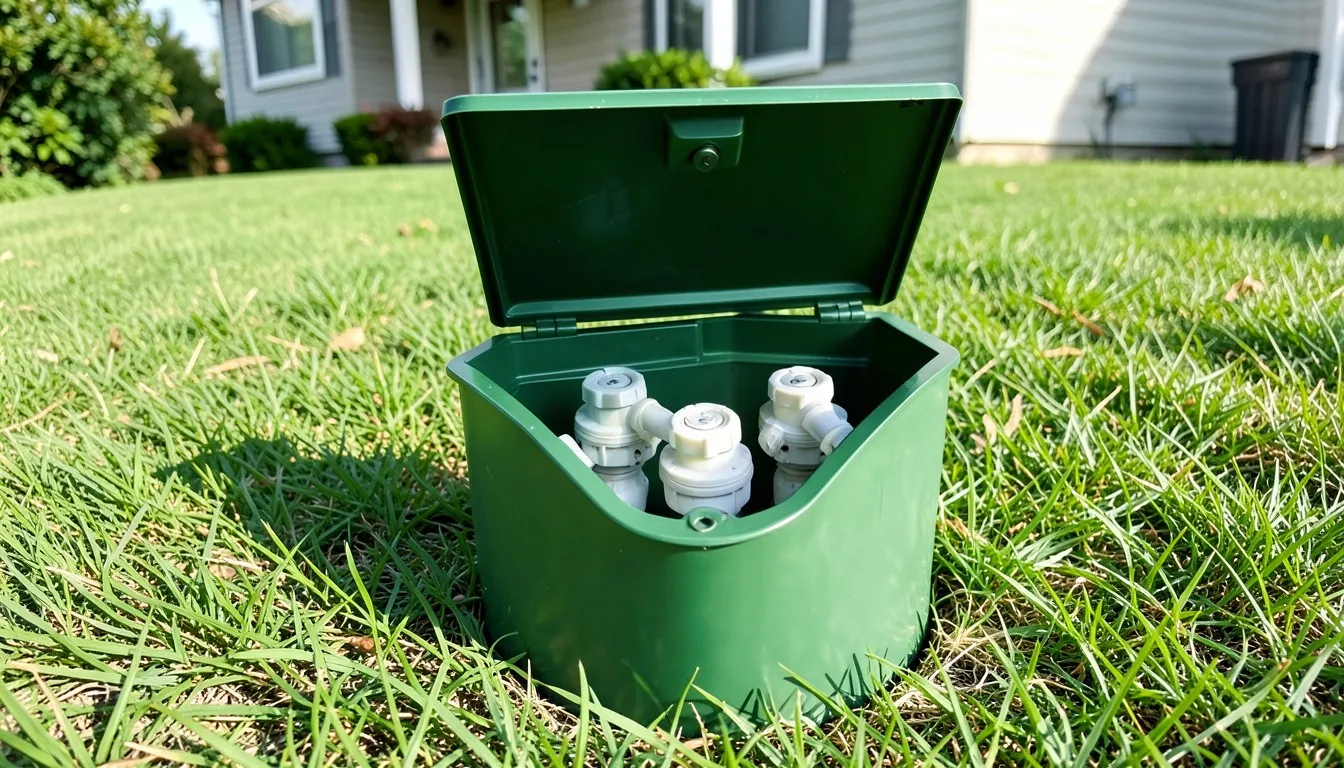
The fix gets cheaper the sooner a plumber sees it.
Degradation problems compound quietly. Call now, or use the form below and a licensed Florida plumber calls you back with a no-obligation estimate for the sewer line repair.
Request a sewer line repair callback in Jacksonville
In a meeting, with the kids, or just prefer not to hold? Drop your ZIP and number below. AlertPlumber routes your request to a verified plumber in your area — they’ll call you back directly.
- 1 Submit your info. ZIP, phone, and what kind of work you need.
- 2 AlertPlumber matches you with a verified plumber serving your area.
- 3 The plumber calls you back with a written estimate, no obligation.
Sewer Line Repair in Jacksonville — catch it early
Degradation-driven failures worsen over time and cost more to fix the longer they run. A verified FL plumber in Jacksonville diagnoses your specific condition and provides a written scope before any work begins.