
Emergency Slab Leak Repair in Jacksonville, Florida
Camera first, quote second — know exactly what's wrong in your Jacksonville home before you approve a dollar.
Local plumbing data for Jacksonville, FL
Seeing these conditions at your place in Jacksonville? A state-licensed plumber can confirm it over the phone — free, no obligation.
Pipe conditions in Jacksonville, FL
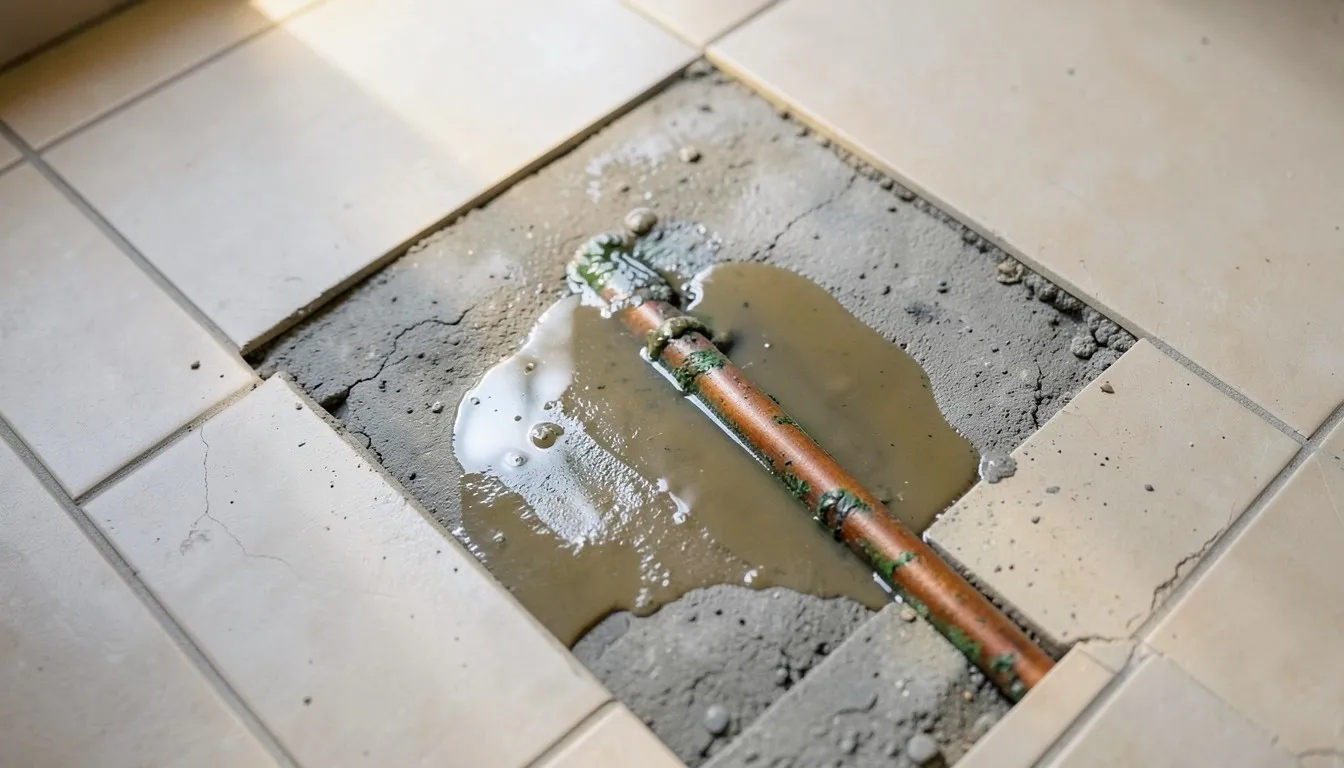
Slab leaks form when copper supply lines embedded in the concrete foundation develop pinholes from electrochemical corrosion, high-velocity water erosion, or slab movement. Jacksonville homes built during the 1960s–1980s on post-tensioned slabs face the highest slab-leak risk — copper installed at original construction is approaching or past the 50-year corrosion window. Early signs include warm or wet spots on the floor, unexplained water bill spikes, and the sound of running water when all fixtures are closed. AlertPlumber routes your request to a Florida-licensed plumber for acoustic leak location before any slab cutting begins. Persistent marine moisture and seasonal dampness drive above-average demand for leak detection and sump pump service in this region.
Jacksonville's housing stock spans multiple construction eras — median home age 41 years — meaning pipe materials and failure modes vary significantly by neighborhood and building vintage. An inspection-led approach that confirms pipe material before recommending a service path is standard practice for mixed housing profiles.
Very hard water in Jacksonville is a primary driver of accelerated appliance failure: water heater anode rods exhaust in 2–3 years instead of 6–8, scale deposits at fixture connections form within months of installation, and tankless heat exchangers accumulate mineral buildup that can reduce lifespan by half without regular descaling. A softener or whole-house conditioner is strongly recommended alongside any appliance service call.
- Median home age
- 41 yrs
- Water hardness
- 12 gpg
- Frost line
- 0 in.
- Permit
- $125
A licensed FL plumber reads these conditions the moment you describe the symptom.
Slab Leak Repair in Jacksonville: Local Infrastructure Context
Jacksonville's post-consolidation residential growth from the mid-1980s through the early 2000s produced large volumes of copper-in-slab supply configurations across Duval County — Mandarin, Southside, and the Fleming Island-adjacent corridors represent the primary cohort. At 41 years median age, these modern copper-slab installations have entered the documented early-failure window for very-hard-water environments. The 1985-to-2000 construction decade in Northeast Florida was characterized by high-volume slab-on-grade development without the frost-line constraints that push supply lines below grade in northern markets.
JEA supply draws from the Floridan aquifer system and delivers approximately 12 grains per gallon to residential distribution in Duval County — a very-hard reading that places Jacksonville copper-slab systems at accelerated failure risk relative to the national median. At 12 GPG and zero frost exposure, the corrosion mechanism runs continuously, and pinhole failures in 41-year installations at this hardness level are consistent with the documented timeline for the aquifer-supplied Florida coastal market cluster.
The $125 permit covers detection and repair documentation. Acoustic scanning locates the active failure before any concrete access. With 8,460 state-credentialed plumbing contractors serving the Northeast Florida market, scheduling is a function of scope complexity rather than availability — above-slab rerouting is the standard recommendation at this hardness level to remove original copper from ongoing aquifer-mineral contact.
What shapes plumbing demand in Jacksonville, FL
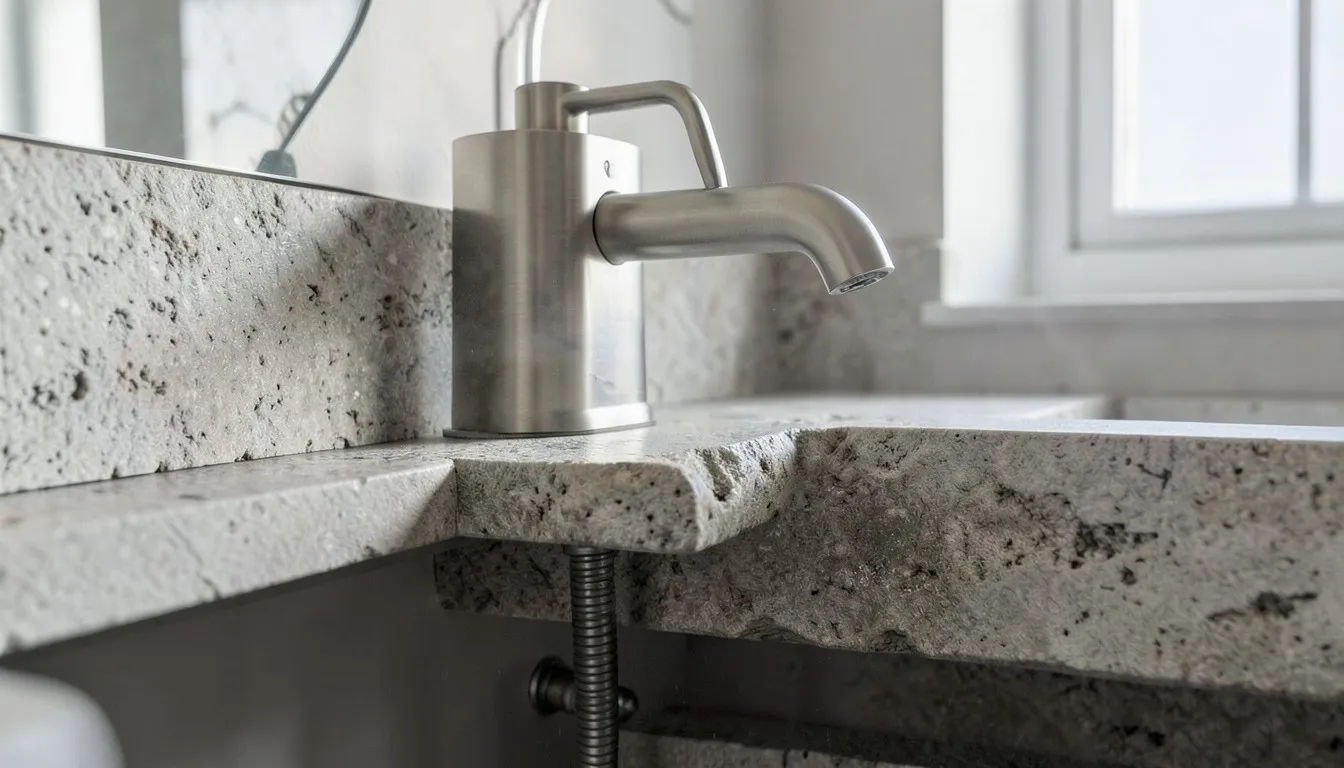
CPVC becomes brittle in the 20–35-year range and snaps under thermal stress or incompatible pipe dopes. Early PEX fittings (pre-2010) may develop chloramine compatibility issues at 15–25 years. The 1980s–1990s housing stock in Jacksonville is entering its first wave of material-driven service calls — not from neglect, but from normal service-life progression.
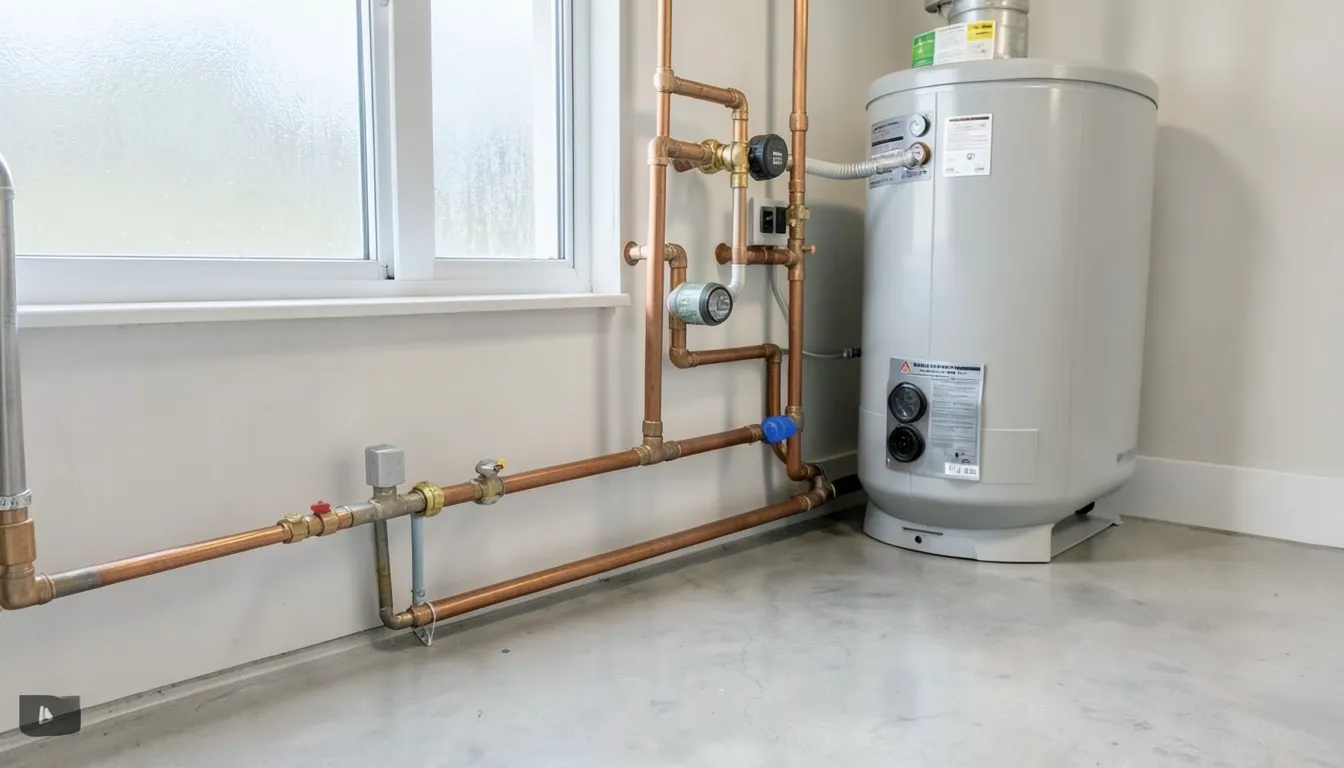
At 15–20+ GPG, calcium scale forces compressed equipment cycles in Jacksonville: tank heaters average 6–9 years vs. the 10–12-year national benchmark, and tankless units require annual descaling. Anode rods calcify within 12–18 months. Most plumbers here assess heater age against the local scale timeline — not the manufacturer's service life.
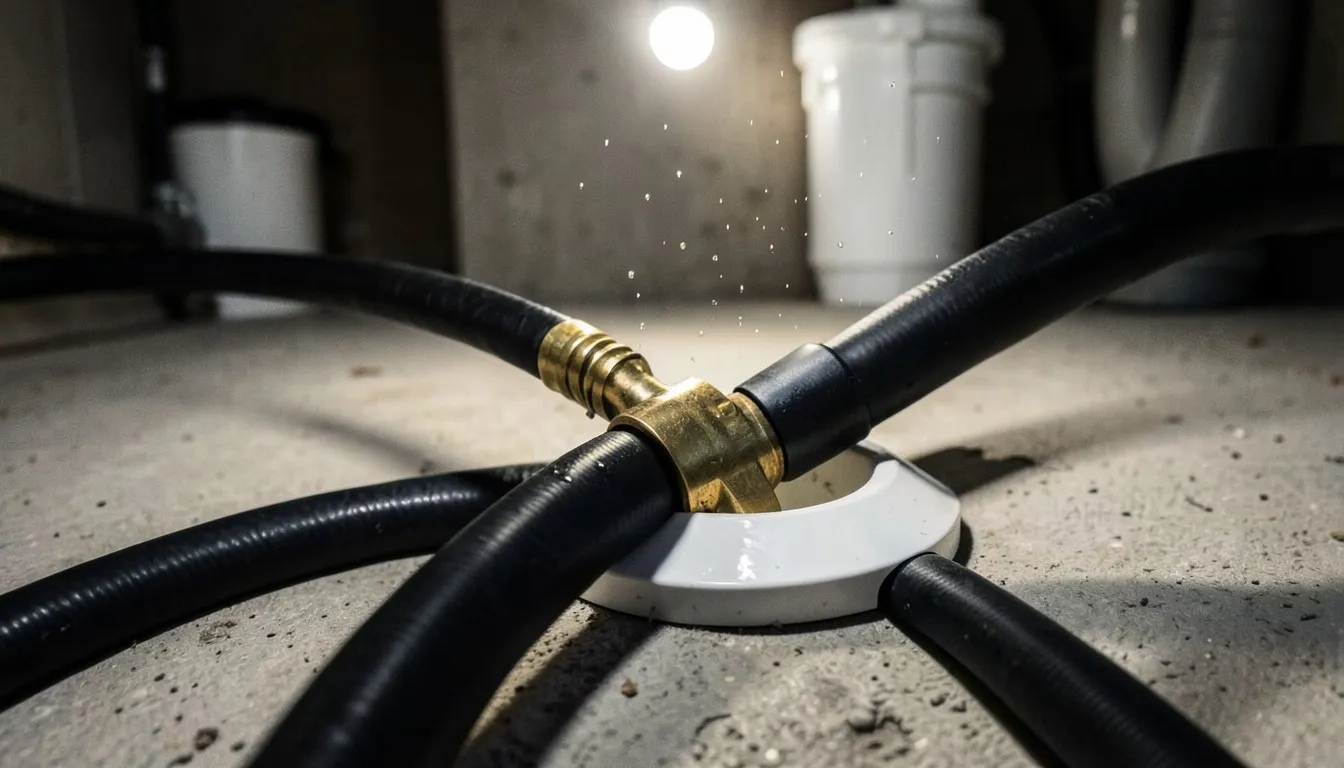
Without a hard freeze season, demand in Jacksonville distributes evenly through the year. Maintenance-driven categories dominate: end-of-life water heater replacement, root intrusion clearing, and fixture repair. Deferred maintenance surfaces gradually as partial failures rather than acute winter emergencies — which means issues compound silently until they become a larger job.
Jacksonville: diagnose first, repair second
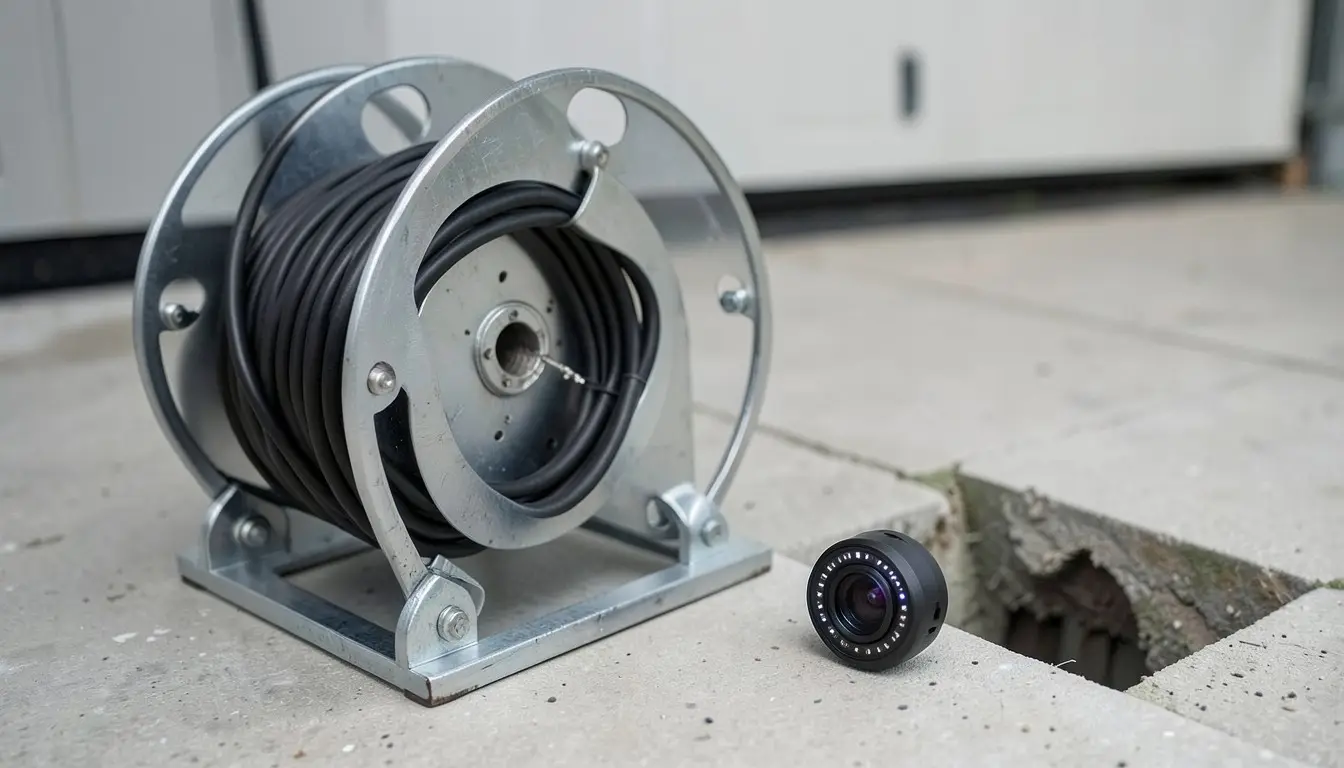
Describe the symptom — not the repair. AlertPlumber routes to a FL-licensed plumber trained in diagnostics. The site visit uses camera tracing, acoustic detection, or hydrostatic pressure testing — matched to the reported failure type.
The plumber delivers a written diagnostic report: confirmed failure location, available repair methods, and tradeoffs — disruption level, material durability, long-term cost, and whether a Jacksonville building permit applies to the selected method.
You select the repair path. The Florida-licensed plumber proceeds on the authorized method with a fixed scope and price. Where required, the permit application to Jacksonville is handled by the contractor.
Slab Leak Repair cost calculator — Jacksonville
Pre-filled for slab leak repair in Jacksonville. Adjust the ZIP for a neighboring area, or change the service to compare. Calculator pulls from the city's scraped permit-fee + state plumber-density data.
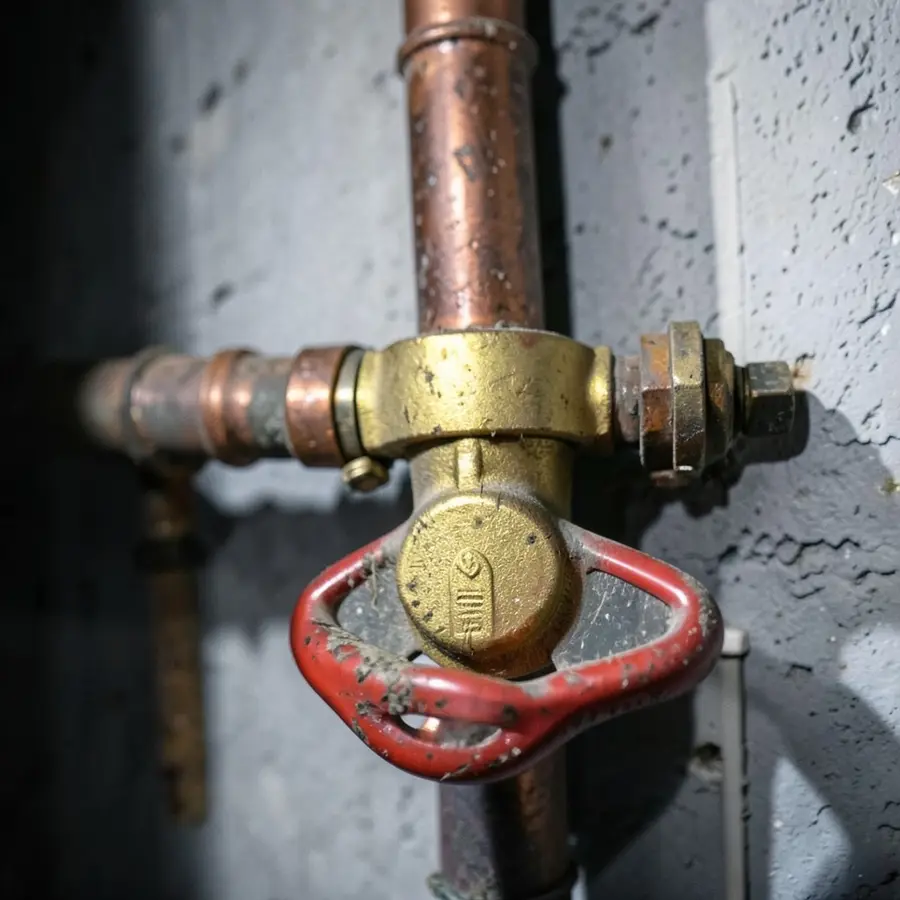
Slab Leak Repair emergency in Jacksonville?
Every hour without a repair increases structural risk and remediation cost. A verified plumber calls back with an ETA and a written estimate before any work begins.
Slab Leak Repair in Jacksonville — frequently asked
How much does slab leak repair cost in Jacksonville?
Duval County slab work in 2025 is running $1,500-$3,400 for a localized cut-and-splice, $2,400-$5,600 for a perimeter reroute up through the attic on a single-story tract home, and $7,800-$13,200 for a whole-home PEX-A changeout. The Jacksonville Planning and Development Department charges a $125 plumbing permit plus a separate post-cover inspection visit — both belong as their own line items in any honest written quote. Where Jacksonville pricing departs from the Sun Belt average is the post-tension slab surcharge: any home built after roughly 1982 needs ground-penetrating radar before the first jackhammer strike to map the high-tension cables, which adds $180-$320 to the detection workup. The 8,460-strong Florida DBPR roster competing in the 949k metro keeps spot-repair pricing tight; the surcharge is what drives the cost spread.
What does a Jacksonville slab leak actually feel like underfoot?
Three patterns repeat across Mandarin, Arlington, San Marco, and the Northside tracts. First, a localized warm patch on tile where the hot-water leg is leaking — JEA delivers 12 gpg moderately hard water, hard enough to pinhole 40-year copper but not aggressive enough to take down a cold-water leg first. Second, a faint stain ring on terrazzo or a slight bow in vinyl that does not match the rest of the floor — humidity in the 80%+ summer range turns even a tiny leak into a visible surface defect within a week. Third, a JEA bill that climbs $35-$110 over a single billing cycle while household routine is unchanged. Pull the meter cover and watch the low-flow triangle: any movement with every fixture closed is a confirmed leak somewhere in the supply system.
Why does Jacksonville have so many slab leaks?
Three loadings stack uniquely on Duval County stock. The Mandarin and Arlington 1970s-80s tracts ran Type M copper directly under the slab, and that copper has now sat in JEA's 12-grain water for thirty-five-plus years — well past the corrosion threshold the Copper Development Association documents for hot-leg pinholes. On top of that, coastal salt aerosol from the St. Johns River and Atlantic exposure attacks the small section of supply pipe that surfaces above slab at the water-heater closet, making fitting failures more common than inland Sun Belt cities. And the post-1982 inventory uses post-tension slab construction with embedded steel cables, which both raises the consequences of a missed leak (cable corrosion can compromise structural tension) and forces a slower, more careful repair approach.
Is post-tension slab construction a problem during repair?
Yes — and it is the single biggest reason Jacksonville slab leak quotes vary so much from Sun Belt comparables. Roughly half the homes built in Duval County after 1982 are post-tension: high-strength steel cables run through the slab under tension to compensate for thinner concrete. Cutting one of those cables during a repair can crack the slab and trigger a structural-engineer call-out that adds $4,000-$12,000 to the project. The Florida-credentialed plumber on a Jacksonville post-tension job uses ground-penetrating radar to map cable runs before any cut, sometimes finds a clear cut path within a few feet of the leak, and in the harder cases recommends an attic reroute over a slab cut precisely to avoid the cable-encounter risk. Always confirm the home's construction era before authorizing a slab cut.
Spot repair, attic reroute, or full PEX changeout — what fits a Mandarin or San Marco home?
For a first-ever leak in a 1970s Mandarin ranch with a confirmed hot-leg pinhole and pre-tension slab, a single cut-and-splice at $1,500-$3,400 buys two to four years before the next failure surfaces. Two confirmed leaks in any 24-month span moves the math toward an attic reroute at $2,400-$5,600 — single-story Florida construction makes overhead routing easy, and removing the failed leg from under the slab eliminates the next failure on that branch. Three or more leaks, post-tension construction with more than one cable conflict, or any San Marco home past forty years on original Type M copper is when a whole-home PEX-A changeout at $7,800-$13,200 becomes the durable answer rather than throwing repeated $3,000 spot bills at a system at end-of-life.
How does hurricane season interact with slab leak claims in Florida?
Florida HO-3 carriers handle slab leak claims very differently from wind/hurricane claims, and operators in Jacksonville need to keep them on separate timelines. Sudden-discovery slab leaks remain a covered peril for water damage to flooring and drywall under most Florida HO-3 forms, with the pipe repair itself excluded as wear-and-tear and a separate sublimit (often $5k-$10k) for mold remediation. The complication: if a slab leak is discovered in the days following a tropical-storm or hurricane event, carriers sometimes try to roll it under the wind/named-storm deductible (which is percentage-based in Florida and far higher than the standard all-other-perils deductible). The Florida-credentialed plumber documents the leak as plumbing-system failure rather than storm-related so the standard deductible applies, which materially changes the homeowner's out-of-pocket.
Does coastal salt corrode the supply system on Jacksonville Beach homes?
The above-slab piping at Jacksonville Beach, Atlantic Beach, and Neptune Beach addresses sees corrosion the inland tracts do not. Salt-aerosol exposure pits brass fittings, accelerates pinhole formation on copper exposed at the water-heater closet, and shortens the service life of any galvanized component that survived a 1960s install. The under-slab portion is mostly insulated from salt by the concrete itself, but the failure mode for a beach-area slab leak is often a fitting at the slab-edge transition rather than a pinhole mid-run — a different repair scope, often closer to a partial reroute than a clean spot repair. Carry a corrosion-resistant brass or stainless-fitting spec on any East Beaches replacement work; lead-free DZR brass per EPA Safe Drinking Water Act is the durable choice.
How long does the actual repair take in a Jacksonville home?
For a non-post-tension Mandarin or Arlington spot repair, plan one full day on site: morning detection workup with pressure isolation and FLIR, midday slab cut and pipe splice, afternoon pressure test and slab patch poured before the crew leaves. Total water-off window typically 4-6 hours. Attic reroutes on Northside or San Marco tract ranches typically run a full day plus a return visit the next morning to close drywall transitions. Whole-home PEX-A changeouts on a 2,200 sq ft Florida ranch run three to five working days plus inspection. Post-tension homes add half a day to a full day for the GPR cable-mapping pass and the more conservative cut sequencing it forces. Concrete patch cure runs 24-48 hours before tile, hardwood, or LVP can be reset over the cut.
Does the Jacksonville permit and inspection actually matter?
It materially matters in Florida because it shows up at three different points in a home's life. First, JEA-area Florida HO-3 carriers commonly request the permit number on any large water-damage claim and will reduce or deny the claim if the underlying repair was unpermitted. Second, Duval County title searches surface open or missing permits during resale, and an unresolved slab-cut permit becomes a closing-table line item that costs more to retroactively cure than to pull originally. Third, post-tension slab cuts must be inspected pre-cover by city plumbing inspectors because the cable-conflict risk is severe enough that cities track this work separately. The $125 permit plus inspection is non-negotiable for any verified AlertPlumber-matched Florida DBPR plumber.
When does a whole-home PEX changeout actually pencil out?
Three triggers force the math. Two confirmed leaks in any rolling 24-month window inside the same home tells you the rest of the in-slab Type M copper is statistically days from the next pinhole — and PEX-A overhead at $7,800-$13,200 is roughly the price of three more spot repairs without any of the durability. Forty-plus years on original copper at JEA's 12 gpg, regardless of leak count, puts the home so far into the failure window per Copper Development Association field data that proactive replacement saves money over reactive. And any post-tension home where the next leak would land near a tensioned cable run is a strong proactive case because the post-tension repair surcharge plus structural-engineer fee can exceed the cost of routing PEX-A through the attic and abandoning the slab pipes entirely. The PEX Association documents 25-year manufacturer warranty support on PEX-A installed to spec.
Sixty seconds from now, a plumber can be working your problem.
Call and talk to dispatch, or put your number in the form below — a licensed Florida plumber calls you back about the slab leak repair and gives a written estimate by phone.
Request a slab leak repair callback in Jacksonville
In a meeting, with the kids, or just prefer not to hold? Drop your ZIP and number below. AlertPlumber routes your request to a verified plumber in your area — they’ll call you back directly.
- 1 Submit your info. ZIP, phone, and what kind of work you need.
- 2 AlertPlumber matches you with a verified plumber serving your area.
- 3 The plumber calls you back with a written estimate, no obligation.
Slab Leak Repair in Jacksonville — fast response
Acute plumbing failures cannot wait. AlertPlumber has verified Florida plumbers available for slab leak repair in Jacksonville — call now or submit the form above for rapid callback.