
Emergency Sewer Line Repair in Augusta, Georgia
Camera first, quote second — know exactly what's wrong in your Augusta home before you approve a dollar.
Local plumbing data for Augusta, GA
Seeing these conditions at your place in Augusta? A state-licensed plumber can confirm it over the phone — free, no obligation.
What are the pipe conditions in Augusta, GA?
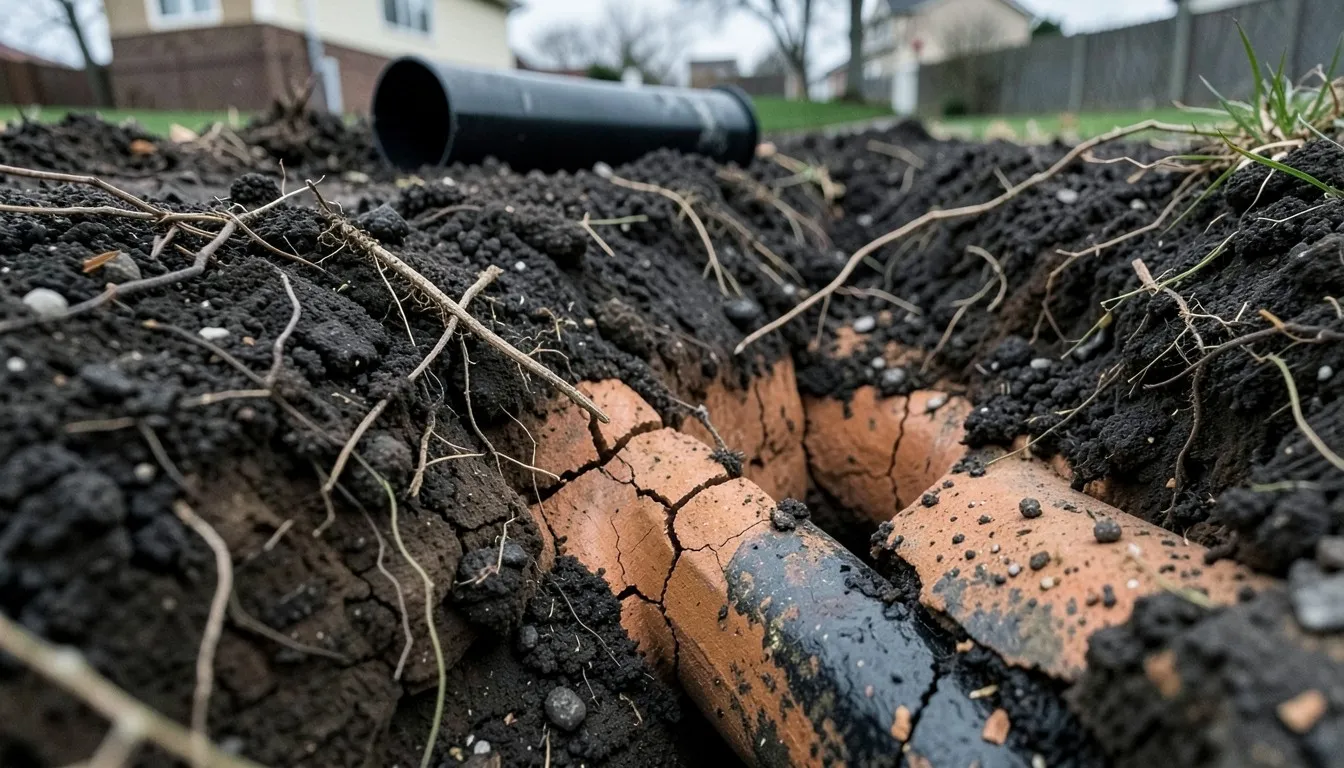
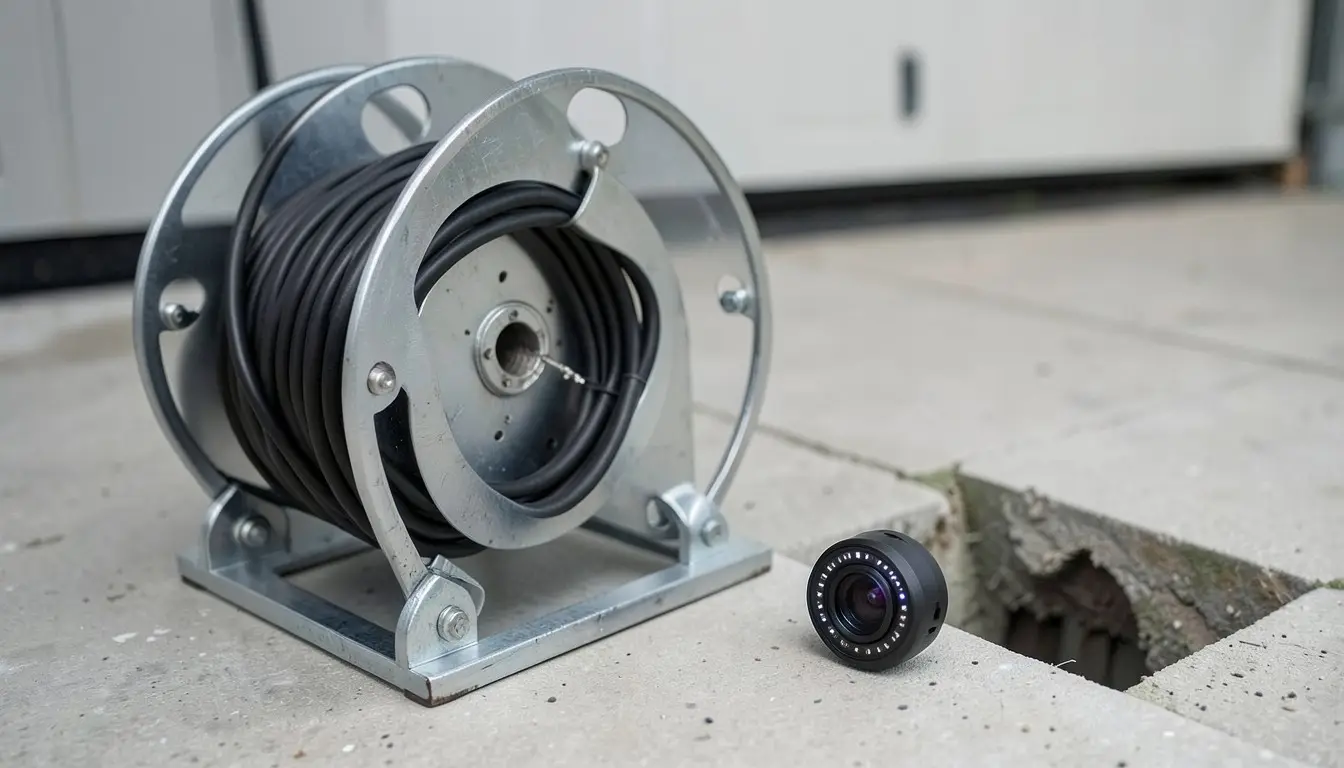
Sewer line failures in Augusta follow predictable patterns by pipe material and installation era: clay tile joints separate and admit root intrusion; Orangeburg pipe (1940s–1960s) compresses under soil load; cast iron corrodes at horizontal runs where standing water accelerates deterioration. A camera scope before excavation is critical — it confirms whether a spot repair is viable or whether replacement of the full lateral is the smarter investment. AlertPlumber routes your request to a Georgia-licensed plumber who completes the scope before quoting the repair. Storm-season sewer backup and brief freeze events affecting exterior pipe runs are additional risk factors specific to this climate zone.
Augusta's housing stock spans multiple construction eras — median home age 47 years — meaning pipe materials and failure modes vary significantly by neighborhood and building vintage. An inspection-led approach that confirms pipe material before recommending a service path is standard practice for mixed housing profiles.
Frost line depth in Augusta means supply lines and outdoor plumbing must be installed below the freeze threshold — typically 12 — to prevent pipe burst during cold events. Exterior hose bibs, irrigation shutoffs, and any exposed pipe runs are the most common winterization service points in freeze-risk markets.
- Median home age
- 47 yrs
- Water hardness
- 6 gpg
- Frost line
- 12 in.
- Permit
- $55
A licensed GA plumber reads these conditions the moment you describe the symptom.
What shapes plumbing demand in Augusta, GA?
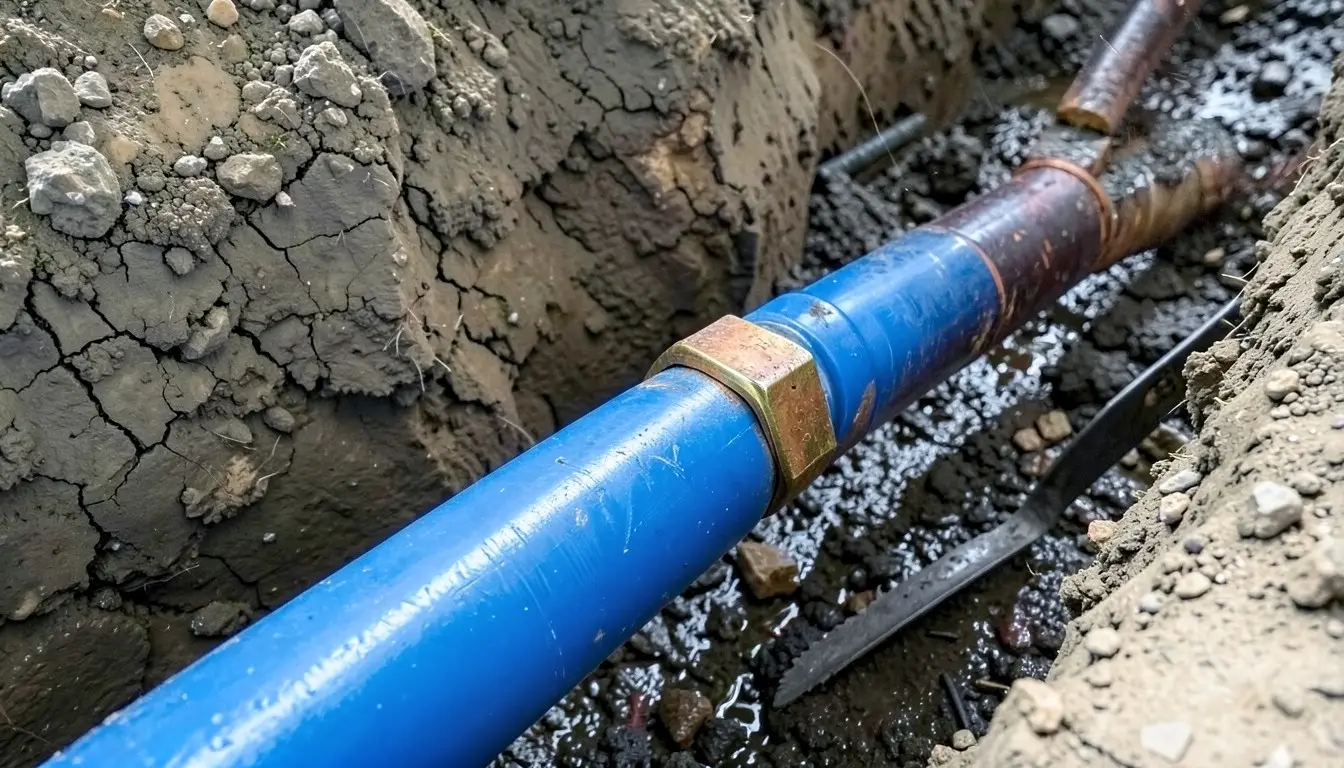
1950s–70s copper supply is now 50–70 years into its service cycle in Augusta. Thermal fatigue at fittings and slab-on-grade access complexity — common in Sun Belt construction — make repair vs. replacement a live decision on most jobs. This housing cohort is the active primary replacement wave in this market.
4–7 GPG produces gradual scale that stays manageable with standard maintenance intervals in Augusta — annual flushing, cartridge cleaning every 1–2 years. Equipment runs near design lifespan. The primary water quality driver here is preventive maintenance rather than emergency replacement, which distributes service demand more evenly across the calendar.
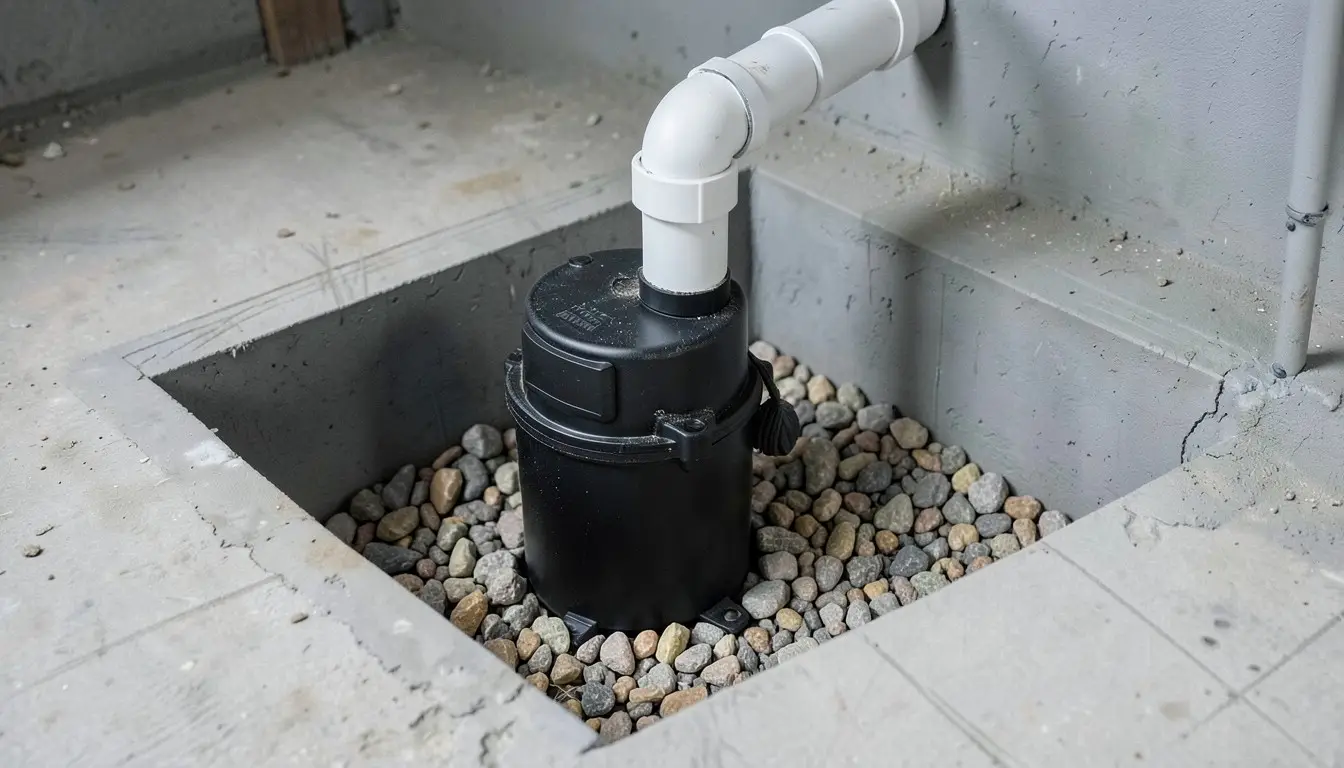
Drain and sewer line health drives the primary maintenance workload in Augusta: high groundwater tables stress lateral joints and root intrusion accelerates in warm soil. AC condensate drainage adds a recurring summer category. Drain slowdowns that homeowners defer tend to surface as full blockages during the wet season when groundwater pressure compounds the obstruction.
Why diagnose before repairing in Augusta?
Describe the symptom — not the repair. AlertPlumber routes to a GA-licensed plumber trained in diagnostics. The site visit uses camera tracing, acoustic detection, or hydrostatic pressure testing — matched to the reported failure type.
The plumber delivers a written diagnostic report: confirmed failure location, available repair methods, and tradeoffs — disruption level, material durability, long-term cost, and whether an Augusta building permit applies to the selected method.
You select the repair path. The Georgia-licensed plumber proceeds on the authorized method with a fixed scope and price. Where required, the permit application to Augusta is handled by the contractor.
Sewer Line Repair cost calculator — Augusta
Pre-filled for sewer line repair in Augusta. Adjust the ZIP for a neighboring area, or change the service to compare. Calculator pulls from the city's scraped permit-fee + state plumber-density data.
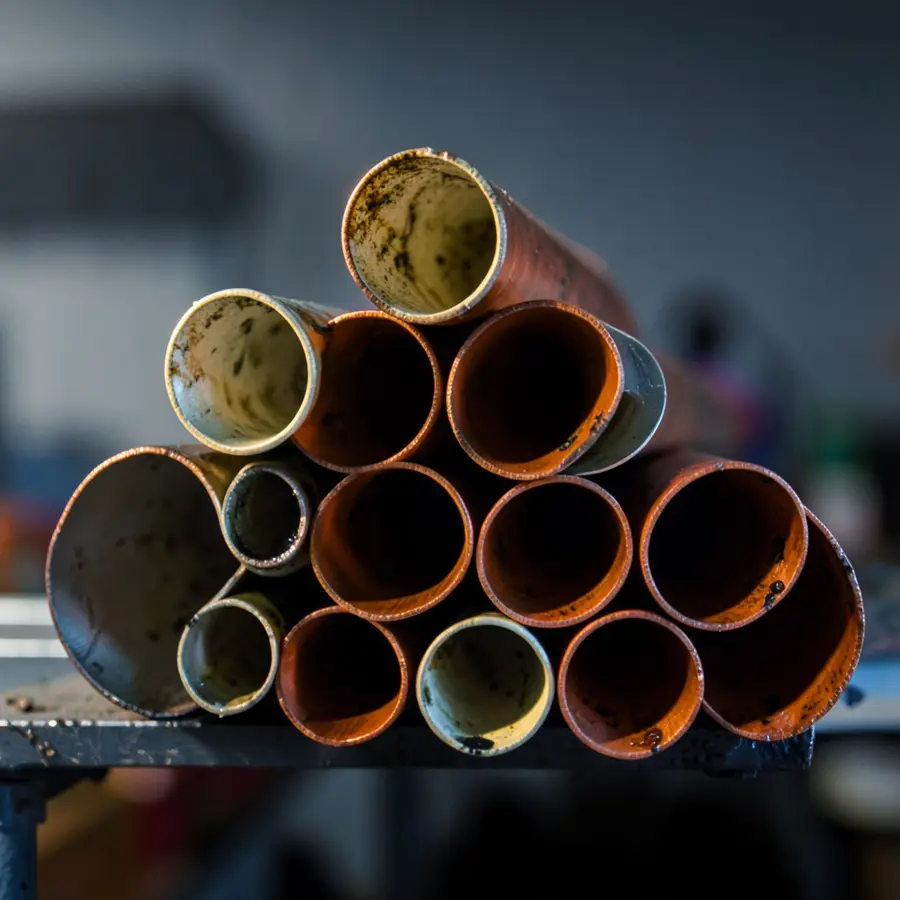
Sewer Line Repair in Augusta — the longer it runs, the more it costs.
Slow failures compound: soft pipe walls, root penetration, mineral buildup. A verified plumber calls back with a scope-first estimate before anything is dug up.
Sewer Line Repair in Augusta — frequently asked
What does sewer line repair cost in Augusta, GA?
Sewer line repair in Augusta typically runs $2,850-$6,200 for a spot repair, $7,500-$14,500 for full trenchless pipe bursting on a single lateral, and $10,500-$22,000 for open-trench replacement under historic Olde Town streetscape where excavation must preserve adjacent 19th-century masonry. Pricing reflects the $55 Augusta-Richmond County License and Inspections permit floor plus the labor premium for working within the consolidated city-county government's historic-district excavation protocols.
Why is 78% sewer coverage relevant to my Augusta home?
Augusta-Richmond County sewer coverage runs about 78 percent — low for a major U.S. city. The remaining 22 percent of properties run on-site wastewater treatment rather than municipal sewer, particularly in the outer Columbia County fringe at Martinez, Evans, and Grovetown, plus pockets of unincorporated Richmond County. If your property is on on-site wastewater, the "sewer line" is the lateral from the house to the on-site tank, and the repair scope is different. Confirm your connection type before scheduling — the matched plumber asks during the diagnostic call.
Does Augusta require a special permit for Olde Town historic excavation?
Yes, beyond the standard $55 plumbing permit. Augusta-Richmond County License and Inspections coordinates with the historic preservation review when excavation crosses the Olde Town local historic district east of downtown along Greene, Telfair, and Reynolds streets. Trenching protocols protect adjacent 1880s Italianate, Federal, and Victorian foundations. Trenchless methods (pipe bursting, CIPP lining) are preferred and often required where open-cut would threaten adjacent masonry.
Why does Harrisburg need so much sewer-lateral work?
Harrisburg mill-era worker housing along the Augusta Canal — 1880s-1920s shotgun and four-square stock — typically runs original clay-tile sewer laterals at 4-inch ID with mortared joints. After 100-plus years those joints leak at every junction, mature southern oak and pine root through the joints, and the clay barrel itself fractures from soil shift along the canal corridor. CIPP lining or pipe bursting is the standard repair; full replacement is reserved for collapsed sections.
Can the lateral be lined or does it need open-trench replacement?
Camera scope first. If the existing clay or cast-iron lateral still holds shape end to end, CIPP lining ($85-$160 per linear foot) inserts a cured-in-place epoxy liner without trenching. If the line has belly sections, offset joints over half a pipe diameter, or full collapse, pipe bursting ($110-$180 per linear foot) or open-trench replacement is required. Augusta historic-district protocols generally favor trenchless wherever the existing pipe geometry permits.
Do I need a plumbing permit for sewer work in Augusta?
Yes. Sewer-lateral repair, replacement, or trenchless lining all require an Augusta-Richmond County License and Inspections permit ($55 floor) plus separate Augusta Utilities Department notification when the work touches the connection at the public main. Augusta Utilities Department may schedule a side-sewer inspection separately from the building inspection. The matched plumber pulls both permits.
Will Georgia homeowners insurance cover an Augusta sewer line?
Standard Georgia HO-3 policies typically do NOT cover sewer-lateral repair (the line is an owner asset, not damage caused by a covered peril). Service-line endorsements ARE sold separately and cover sewer-lateral repair up to a set limit ($10,000 typical). Given the 1977-median-housing-build figure and the prevalence of clay-tile laterals across Olde Town, Summerville, and Harrisburg, the endorsement is widely recommended in Augusta. Premium adds typically run $40-$95 annually.
How long does sewer line repair take in Augusta?
CIPP liner on a 50-foot residential lateral: 1 day including cure. Pipe bursting on the same length: 1-2 days. Open-trench replacement under a Summerville garden-district yard with mature trees: 2-4 days. Olde Town historic-district open-cut work runs 3-6 days because excavation must hand-clear around adjacent foundations. The matched plumber gives a written timeline before work starts.
What causes Augusta sewer laterals to fail?
Three dominant failure modes. First, root intrusion through clay-joint mortar in Olde Town and Summerville where mature southern oak overhangs the lateral path. Second, soil shift along the Savannah River fall line where the topographic break between the upper coastal plain and the Piedmont causes differential settlement. Third, cast-iron rust-through in Harrisburg mill-era housing where the original 1880s-1920s lateral has reached end of service life.
Does Martinez and Evans subdivision sewer work differ?
Yes. Martinez and Evans 1980s-2010s subdivisions in Columbia County use PVC sewer laterals (SDR-35 typical) with rubber-gasketed joints. These rarely root-intrude or rust, but they do crack from soil shift and from improper bedding. Repairs run shorter and cheaper than intown work — typically $1,850-$4,200 for a spot repair. The Columbia County permit fee structure differs from Augusta-Richmond County; the matched plumber handles the right paperwork for the property's jurisdiction.
Are AlertPlumber-matched plumbers actually verified in Georgia?
Yes. Every plumber matched through AlertPlumber in Augusta holds an active Georgia State Master Plumber Class I or Class II credential issued by the Georgia Plumbers and Natural Gas Fitters Board. AlertPlumber verifies credentials against the state roster (~5,800 active credentials statewide), not just on signup. Sewer work in particular requires Class I scope.
Does the Augusta consolidated government simplify sewer permitting?
Yes, for properties within the consolidated Augusta-Richmond County boundary, a single License and Inspections office handles both the building permit and the Augusta Utilities Department side-sewer notification. For properties outside the consolidated boundary — primarily in Columbia County (Martinez, Evans) — the matched plumber works with Columbia County's separate permit office. Augusta-Richmond County population is 202,081 under the consolidated structure.
The fix gets cheaper the sooner a plumber sees it.
Degradation problems compound quietly. Call now, or use the form below and a licensed Georgia plumber calls you back with a no-obligation estimate for the sewer line repair.
Request a sewer line repair callback in Augusta
In a meeting, with the kids, or just prefer not to hold? Drop your ZIP and number below. AlertPlumber routes your request to a verified plumber in your area — they’ll call you back directly.
- 1 Submit your info. ZIP, phone, and what kind of work you need.
- 2 AlertPlumber matches you with a verified plumber serving your area.
- 3 The plumber calls you back with a written estimate, no obligation.
Sewer Line Repair in Augusta — catch it early
Degradation-driven failures worsen over time and cost more to fix the longer they run. A verified GA plumber in Augusta diagnoses your specific condition and provides a written scope before any work begins.