
Emergency Drain Cleaning in Augusta, Georgia
Active water damage compounds by the hour — a licensed GA plumber is on call for Augusta right now.
Local plumbing data for Augusta, GA
Seeing these conditions at your place in Augusta? A state-licensed plumber can confirm it over the phone — free, no obligation.
What are the pipe conditions in Augusta, GA?
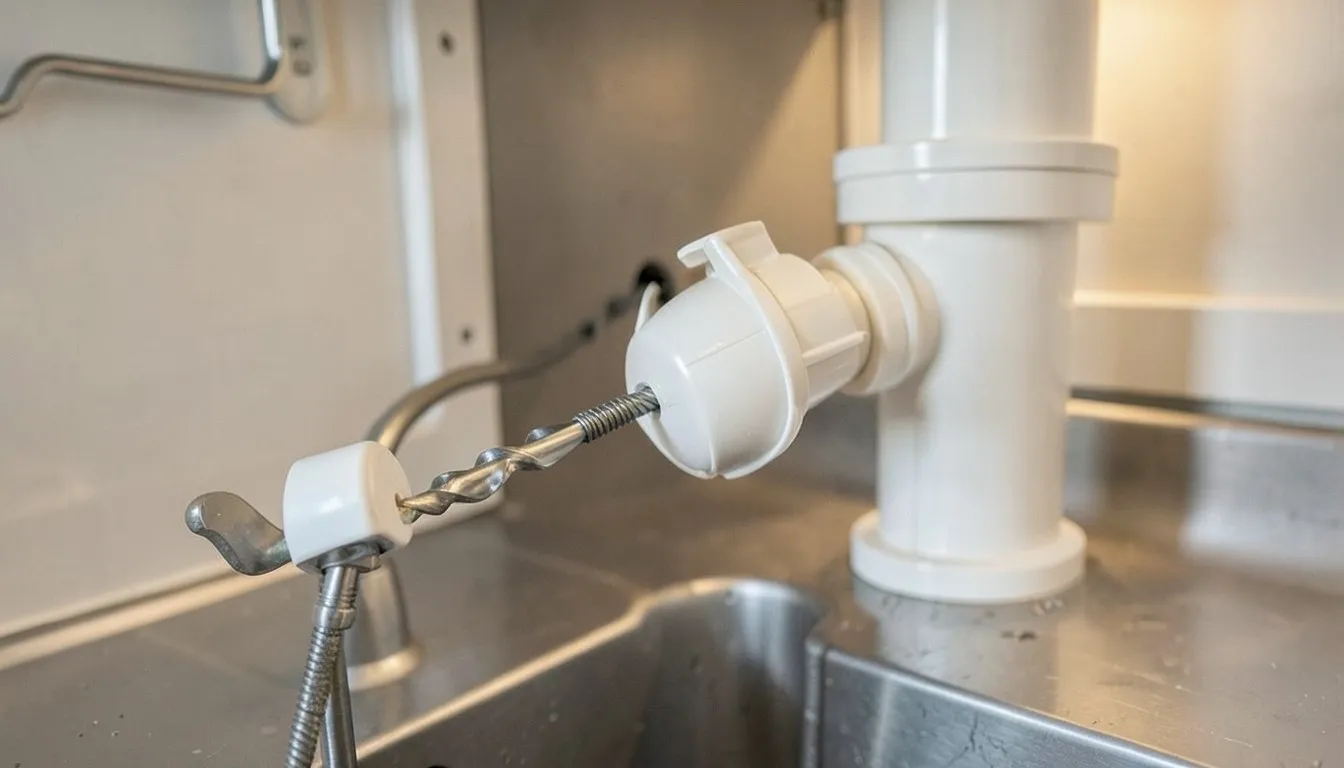
Drain cleaning in Augusta addresses two distinct problems: immediate blockage clearance (snake or jet, same day) and the underlying condition causing recurring clogs (root intrusion, scale buildup, pipe belly, or grease accumulation requiring treatment beyond a single service call). The right approach depends on the root cause — a cable machine clears the blockage without revealing what caused it; a camera scope adds $100–$200 but determines whether the drain will re-block in weeks or hold for years. AlertPlumber routes your request to a Georgia-licensed plumber who provides both options upfront. Storm-season sewer backup and brief freeze events affecting exterior pipe runs are additional risk factors specific to this climate zone.
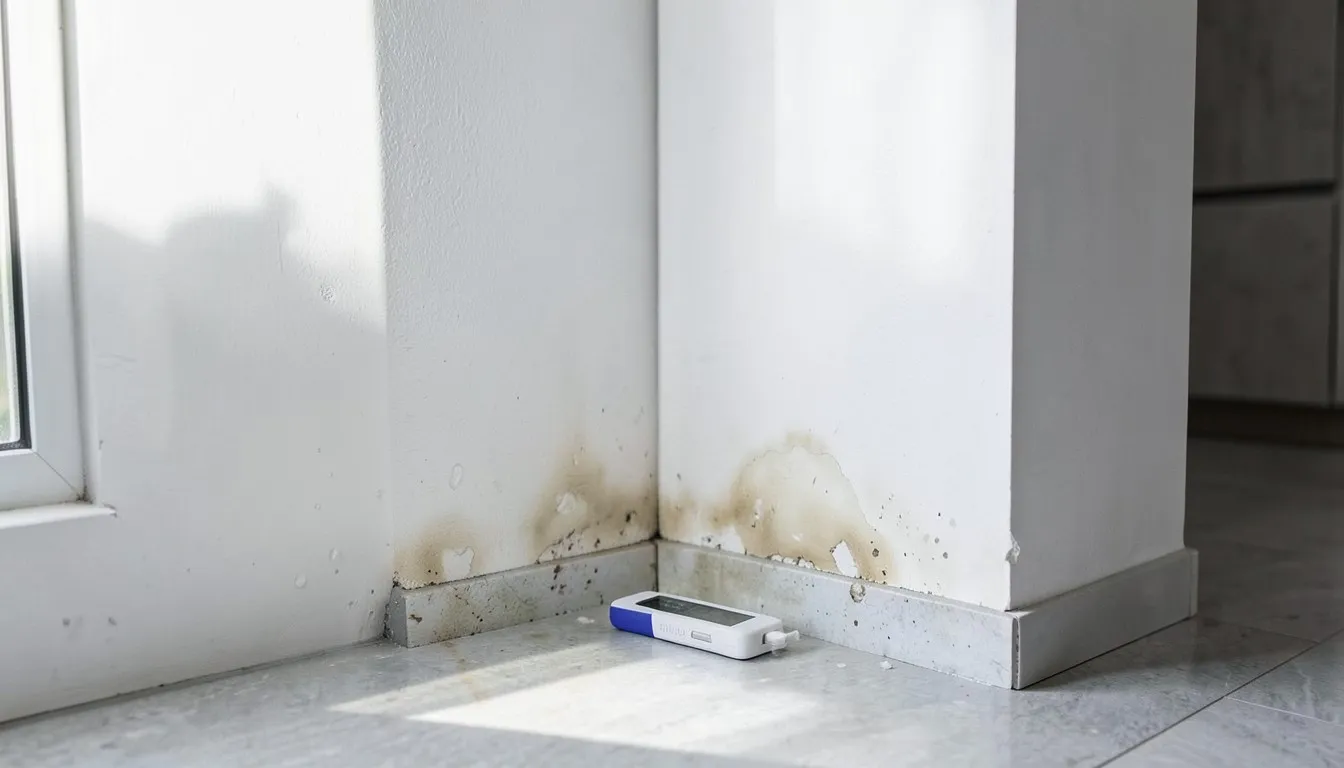
Augusta's housing stock spans multiple construction eras — median home age 47 years — meaning pipe materials and failure modes vary significantly by neighborhood and building vintage. An inspection-led approach that confirms pipe material before recommending a service path is standard practice for mixed housing profiles.
Frost line depth in Augusta means supply lines and outdoor plumbing must be installed below the freeze threshold — typically 12 — to prevent pipe burst during cold events. Exterior hose bibs, irrigation shutoffs, and any exposed pipe runs are the most common winterization service points in freeze-risk markets.
- Median home age
- 47 yrs
- Water hardness
- 6 gpg
- Frost line
- 12 in.
- Permit
- $55
A licensed GA plumber reads these conditions the moment you describe the symptom.
What shapes plumbing demand in Augusta, GA?
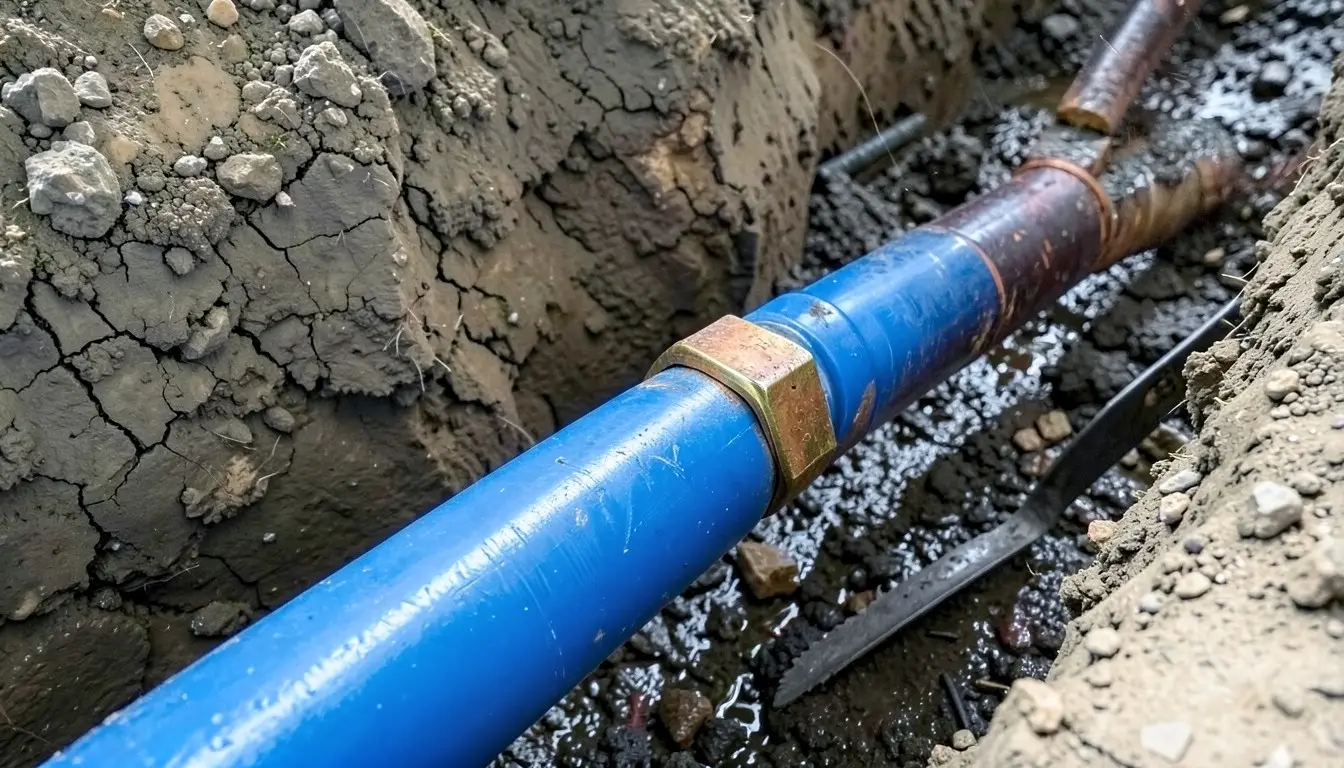
1950s–70s copper supply is now 50–70 years into its service cycle in Augusta. Thermal fatigue at fittings and slab-on-grade access complexity — common in Sun Belt construction — make repair vs. replacement a live decision on most jobs. This housing cohort is the active primary replacement wave in this market.
4–7 GPG produces gradual scale that stays manageable with standard maintenance intervals in Augusta — annual flushing, cartridge cleaning every 1–2 years. Equipment runs near design lifespan. The primary water quality driver here is preventive maintenance rather than emergency replacement, which distributes service demand more evenly across the calendar.
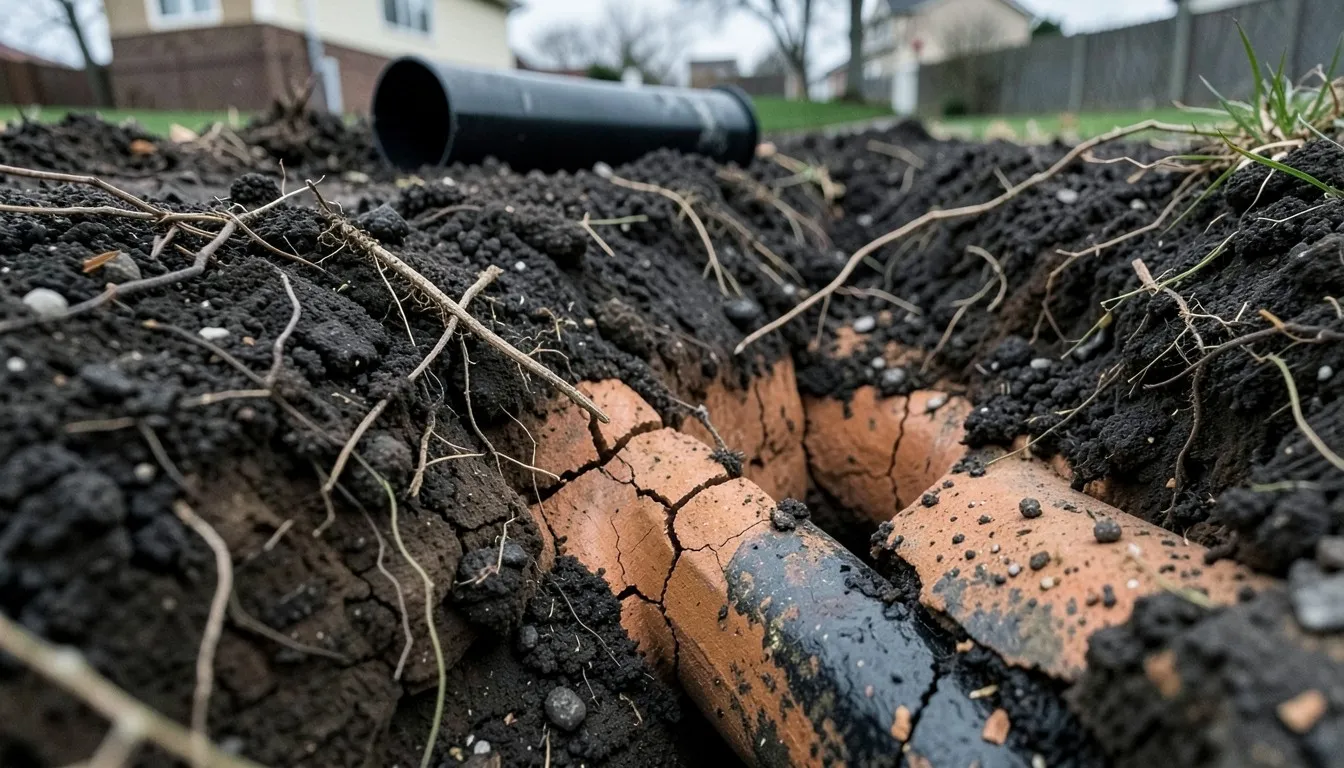
Drain and sewer line health drives the primary maintenance workload in Augusta: high groundwater tables stress lateral joints and root intrusion accelerates in warm soil. AC condensate drainage adds a recurring summer category. Drain slowdowns that homeowners defer tend to surface as full blockages during the wet season when groundwater pressure compounds the obstruction.
Active damage in Augusta — how is it contained, assessed and restored?
Submit your Augusta address and describe the active damage — flooding, failed shutoff, burst or frozen line. AlertPlumber marks the request as priority and a GA-licensed plumber confirms receipt within 15 minutes, without routing through a national call center.
The plumber arrives with a confirmed ETA, locates the nearest shutoff, and maps the damage boundary — affected lines, access points, material condition. You receive a verbal assessment of what requires immediate containment and what can wait until the full repair scope is confirmed.
You approve a written containment and repair scope before any work begins. Temporary isolation is priced separately from full restoration. No phase proceeds without your explicit sign-off.
Drain Cleaning cost calculator — Augusta
Pre-filled for drain cleaning in Augusta. Adjust the ZIP for a neighboring area, or change the service to compare. Calculator pulls from the city's scraped permit-fee + state plumber-density data.
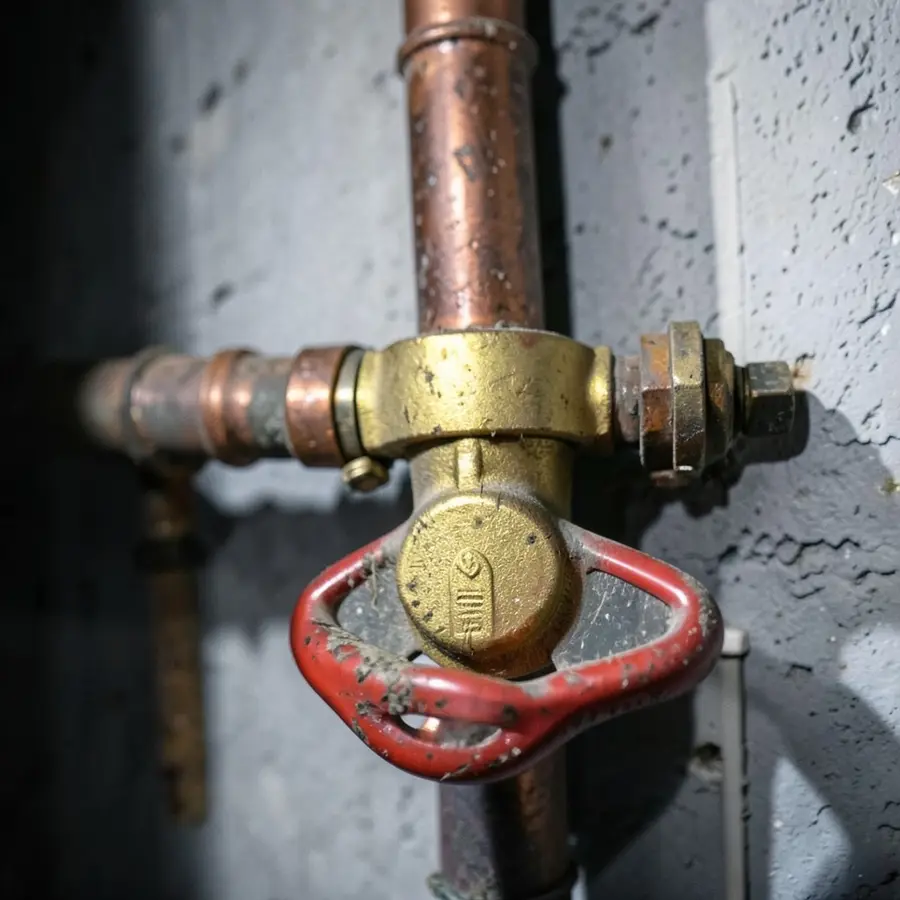
Drain Cleaning in Augusta — the longer it runs, the more it costs.
Slow failures compound: soft pipe walls, root penetration, mineral buildup. A verified plumber calls back with a scope-first estimate before anything is dug up.
Drain Cleaning in Augusta — frequently asked
What does drain cleaning cost in Augusta, GA?
Drain cleaning in Augusta typically runs $185-$345 for a single fixture and $295-$615 for a main-line clog needing power snaking or hydro jetting. Pricing reflects the $55 Augusta-Richmond County License and Inspections permit floor plus the labor premium for cast-iron stack work in Olde Town townhouses east of downtown, where 1880s lateral runs along Greene and Telfair Streets push the upper end. Median Augusta housing build is 1977, which puts a large share of waste lines past the 40-year cast-iron service life.
How fast can a plumber reach my Augusta home for a clog?
Most Augusta-area plumbers in the AlertPlumber network respond within 1-3 hours during business hours and 2-4 hours overnight. ETA depends on which side of the fall line the call originates from — intown Olde Town and Harrisburg dispatch faster than the Martinez and Evans Columbia County fringe or the Fort Eisenhower (formerly Fort Gordon) gate communities. The Georgia State Master Plumber confirms the exact ETA on the callback.
Do I need a permit for drain cleaning in Augusta?
No permit is required for routine fixture snaking. A permit IS required for sewer-lateral repair, drain-line replacement, or any work cutting concrete slab. Augusta-Richmond County License and Inspections charges $55 for the basic plumbing permit under the consolidated city-county government structure. Augusta Utilities Department may also require notification when work crosses the right-of-way to the public sewer main.
What causes most drain clogs in Olde Town and Harrisburg homes?
The dominant cause in Olde Town townhouses (pre-1900 Italianate and Federal stock east of downtown) is interior rust scale inside original cast-iron drain stacks combined with grease and soap film. In Harrisburg mill-era worker housing along the Augusta Canal, the issue shifts to galvanized waste branches with their characteristic interior scaling and pinhole failures. Augusta Utilities delivers Savannah River intake water at the Highland Avenue plant measuring roughly 6 grains per gallon — moderately hard per USGS hardness classification — which deposits a modest scale layer on cast-iron walls over decades.
Does Georgia homeowners insurance cover drain cleaning in Augusta?
Standard Georgia HO-3 homeowners policies typically do NOT cover routine drain cleaning, but most major carriers offer a sewer/drain backup endorsement that covers damage from a backup. Augusta-Richmond County sewer coverage runs about 78 percent — lower than most major Georgia cities — meaning the remaining 22 percent of properties run on-site wastewater systems and have different backup-coverage considerations. Endorsements typically cost $50-$130 annually. Add it BEFORE the first backup, not after.
Should I use a chemical drain cleaner on my Augusta cast-iron stack?
Most Augusta plumbers recommend AGAINST chemical drain cleaners on cast-iron drains common in Olde Town and Summerville garden-district homes. The caustic chemistry accelerates rust-scale flaking, damages aging lead and oakum joints, and rarely clears a true clog. Mechanical snaking or low-PSI jetting is faster, safer for the technician, and easier on the brittle pipe.
Snake or hydro jet for an Augusta main drain?
For a single fixture clog a cable snake is the right tool. For a recurring slow main drain — common in 1880s-1920s Harrisburg housing along the Augusta Canal and pre-1900 Olde Town townhouses — hydro jetting at 2,500-3,500 PSI scours the full pipe interior, removes 6-grain mineral scale buildup, and flushes grease and soap film. Augusta hydro jetting runs $385-$795. Cast-iron over 80 years old needs a lower-PSI approach to avoid splitting brittle joints.
How often should Augusta homeowners get drains cleaned?
Homes in Olde Town or Harrisburg with original cast-iron or galvanized waste lines benefit from a camera inspection every 18-24 months. West End, Forest Hills, and National Hills post-WWII ranches near Fort Eisenhower can stretch to every 3 years if no slow-drain history. Annual root-cutting helps where mature southern oak overhangs the lateral path — common across the Summerville garden district on the hill above the fall line.
Are AlertPlumber-matched plumbers actually verified in Georgia?
Yes. Every plumber matched through AlertPlumber in Augusta holds an active Georgia State Master Plumber Class I or Class II credential issued by the Secretary of State board. AlertPlumber verifies credentials against the Georgia Plumbers and Natural Gas Fitters Board roster (~5,800 active credentials statewide), not just on signup.
What ZIP codes around Augusta does AlertPlumber cover?
AlertPlumber covers all Augusta-Richmond County consolidated-government ZIP codes (309xx prefixes) plus the Columbia County fringe — Martinez, Evans, Grovetown, and the Fort Eisenhower gate communities. Olde Town, Summerville, Harrisburg, West End, Forest Hills, and National Hills neighborhoods all route through the same intake form. The matched plumber confirms service area on the callback.
How does Masters Tournament week affect drain-cleaning scheduling in Augusta?
Demand spikes in early April during Masters Tournament week when short-term rental homeowners across Summerville, West End, and Forest Hills get drains cleaned ahead of guest arrivals. Augusta-Richmond County population is 202,081 baseline, but the Masters cultural anchor pushes effective service population higher for two weeks. Book pre-tournament inspections in late February or early March to avoid the peak.
Does winter cold affect drain calls in Augusta?
Augusta sees roughly 55 freeze days per year per NOAA NCEI climate normals, with a 12-inch frost depth standard. Shallow exterior cleanouts and lateral runs in Harrisburg shotgun homes can pick up ice plugs during hard-freeze events tracked by NWS Columbia. Most Augusta drain calls are not weather-driven the way Minneapolis or Boston calls are, but a January hard freeze can drive a 1-2 week spike.
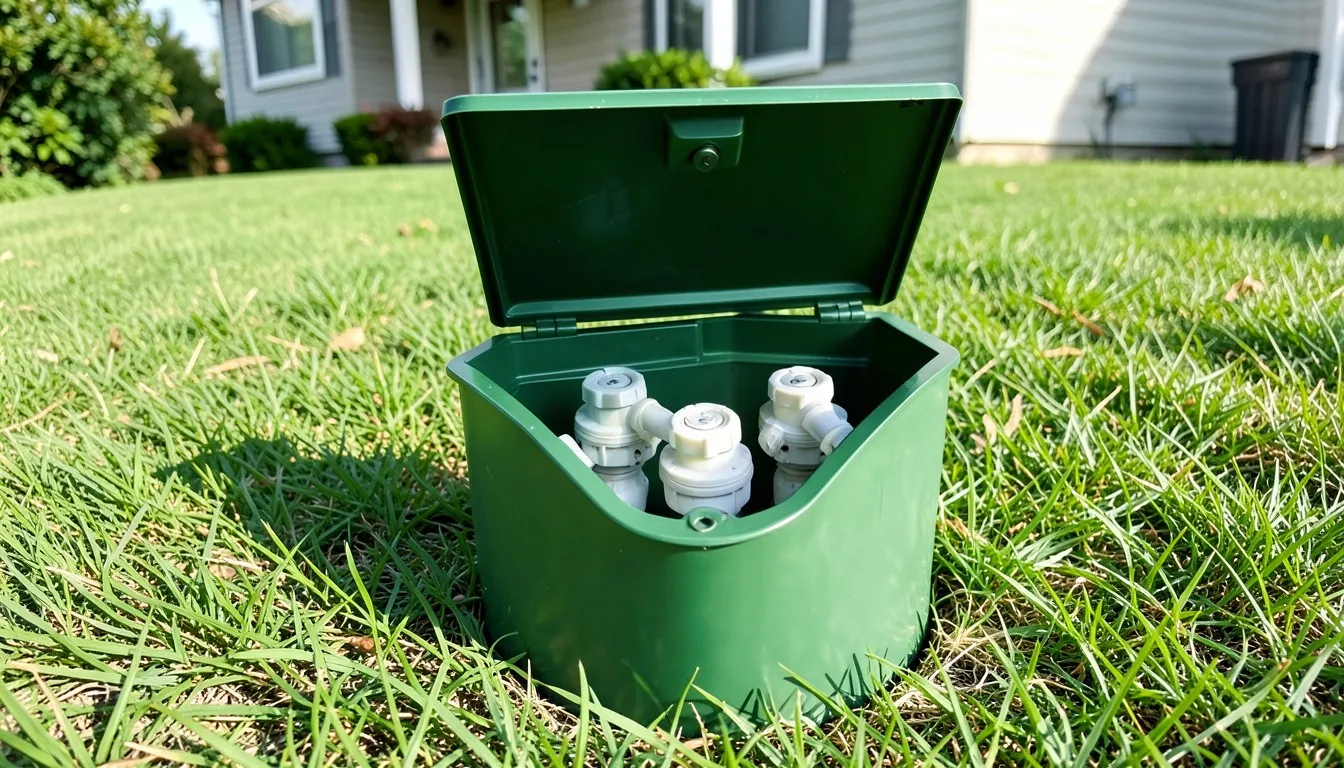
The fix gets cheaper the sooner a plumber sees it.
Degradation problems compound quietly. Call now, or use the form below and a licensed Georgia plumber calls you back with a no-obligation estimate for the drain cleaning.
Request a drain cleaning callback in Augusta
In a meeting, with the kids, or just prefer not to hold? Drop your ZIP and number below. AlertPlumber routes your request to a verified plumber in your area — they’ll call you back directly.
- 1 Submit your info. ZIP, phone, and what kind of work you need.
- 2 AlertPlumber matches you with a verified plumber serving your area.
- 3 The plumber calls you back with a written estimate, no obligation.
Drain Cleaning in Augusta — catch it early
Degradation-driven failures worsen over time and cost more to fix the longer they run. A verified GA plumber in Augusta diagnoses your specific condition and provides a written scope before any work begins.