
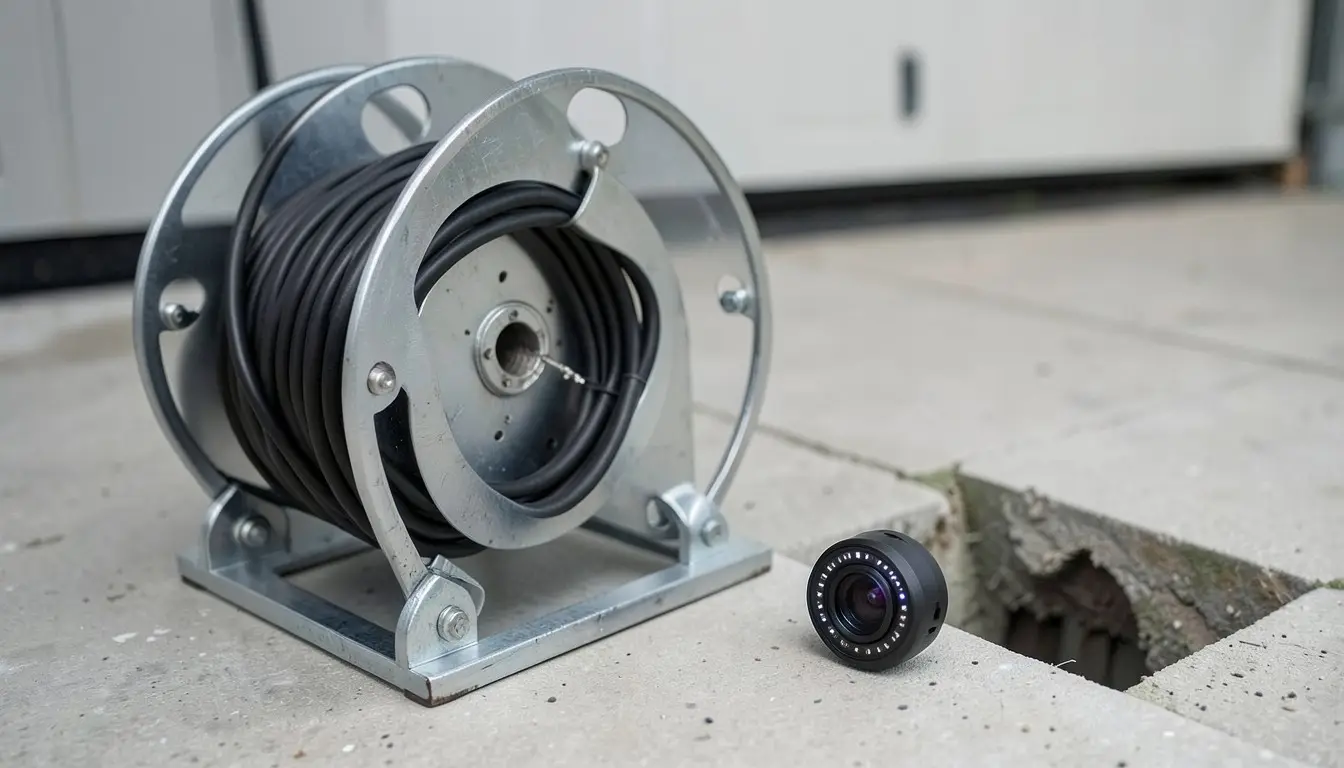
Pipe Camera Inspection in San Jose, California
Pipe Camera Inspection in San Jose, California is real-time video inspection of drain, sewer, and supply lines to diagnose clogs, cracks, root intrusion, and pipe condition before committing to a repair. Local conditions in San Jose: water measured at 10, a 0 frost line and a median home age of 53 years.
Camera first, quote second — know exactly what's wrong in your San Jose home before you approve a dollar.
What does the local plumbing data show for San Jose, CA?
Seeing these conditions at your place in San Jose? A state-licensed plumber can confirm it over the phone — free, no obligation.
What are the pipe conditions in San Jose, CA?
A sewer camera scope in San Jose reveals what symptoms alone cannot confirm: root intrusion at clay-tile joints, offset sections from ground settlement, scale accumulation narrowing the drain bore, and collapsed or bellied runs holding standing water. Knowing the pipe material — clay, cast iron, ABS, or Orangeburg — determines whether a spot repair, CIPP lining, or full replacement is the right investment. AlertPlumber connects you with a California-licensed plumber who delivers the scope footage and a written defect report before any repair commitment.
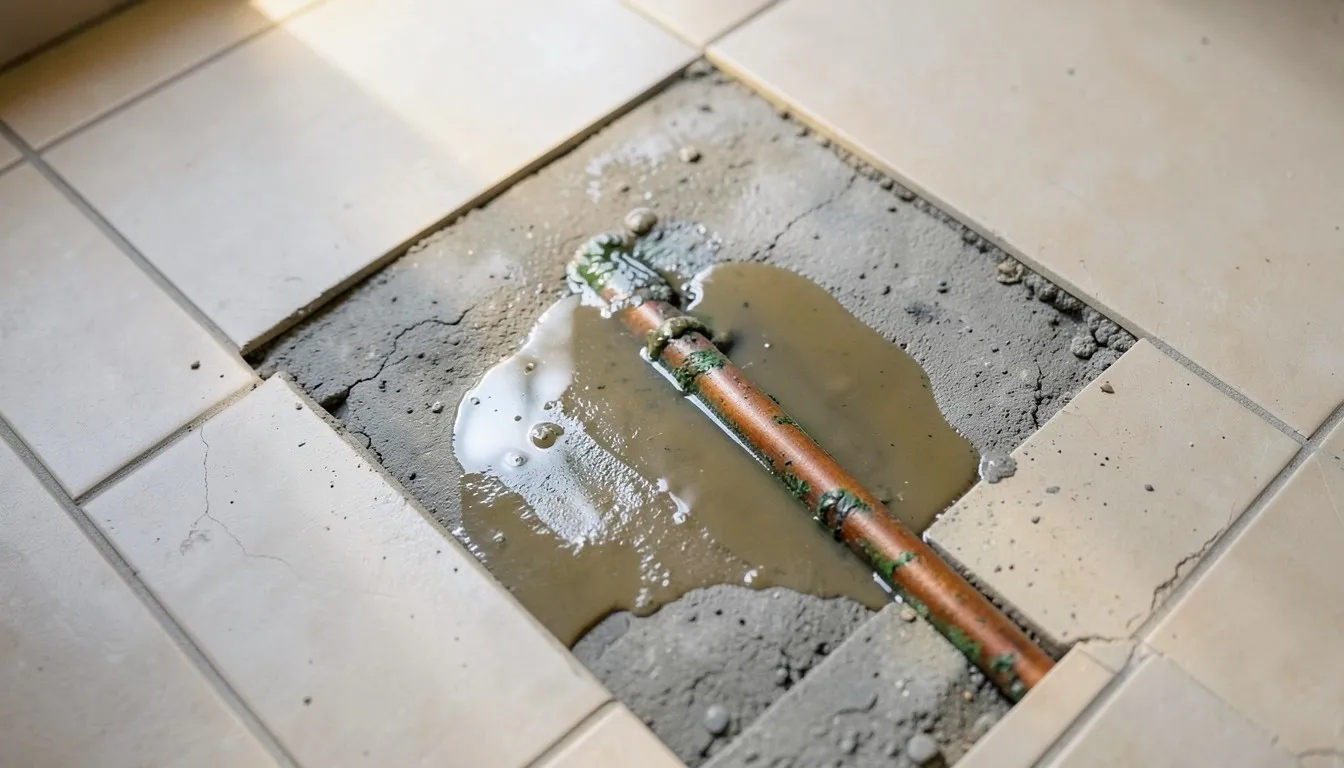
Post-war and modern-era construction in San Jose — median home age 53 years — frequently includes copper supply lines embedded in slab foundations, common in tract construction from the 1960s through the 1980s. Hard water accelerates pinhole corrosion from the exterior of slab-embedded copper; when a leak develops, access requires either epoxy lining through existing penetrations or controlled slab opening for section replacement.
Hard water in San Jose accelerates scale buildup inside water heater tanks, on heating elements, and at fixture connections. Sediment accumulation in tank heaters reduces efficiency and shortens element life; visible deposits at aerators and showerheads are an early indicator. A licensed plumber can assess whether a water softener or conditioner is appropriate for the home's service configuration.
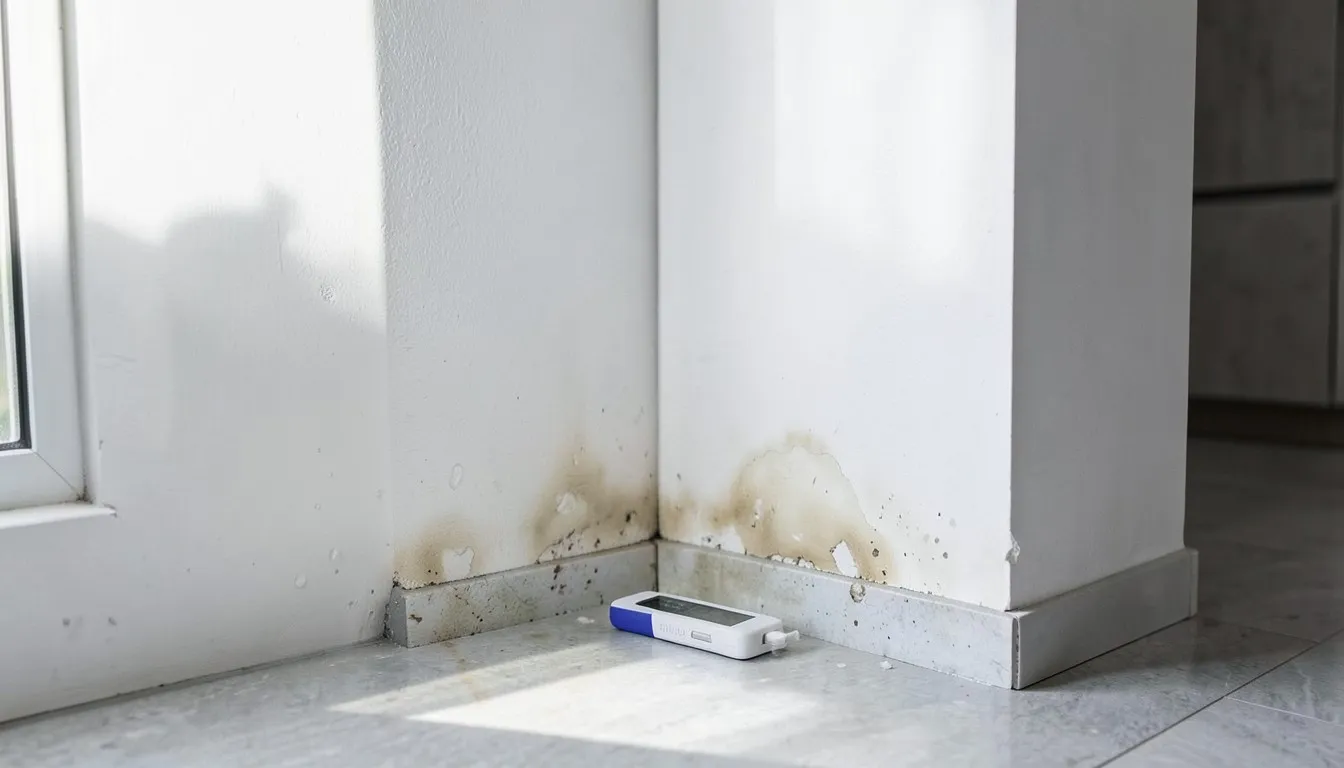
- Median home age
- 53 yrs
- Water hardness
- 10 gpg
- Frost line
- 0 in.
- Permit
- $235
A licensed CA plumber reads these conditions the moment you describe the symptom.
What local infrastructure shapes Pipe Camera Inspection in San Jose?
Tract construction from the 1960s and 1970s placed copper supply lines inside concrete slabs throughout this part of the Santa Clara Valley — a configuration that limits camera access to sewer laterals and drain stacks while burying supply lines below grade where visual inspection is impossible without cutting. At 53 years median home age, ABS drain lines common in that construction era show joint separation at slab penetrations, where decades of minor soil movement cause gaps that snaking masks but a push-camera confirms. Cleanout access on these homes is typically a single riser at the foundation perimeter, which constrains insertion points and the distance the camera can travel before hitting a tight-radius offset at the slab transition.
Water hardness at 10 grains per gallon deposits calcium carbonate scale on interior pipe surfaces, narrowing bore diameter at tee fittings and elbow joints — the exact accumulation points a camera scope identifies before sluggish drains escalate to full blockages. Pre-purchase inspections carry high diagnostic value on homes built before 1975, where original ABS branch drains may have never been lined or replaced after decades of hard-water mineral load. The area's 98% municipal sewer connection rate means most laterals are reachable through standard cleanout configurations, but seismic joint couplings installed during earthquake retrofits introduce angular transitions at the foundation wall that require flexible camera heads rather than rigid push rods.
What shapes plumbing demand in San Jose, CA?
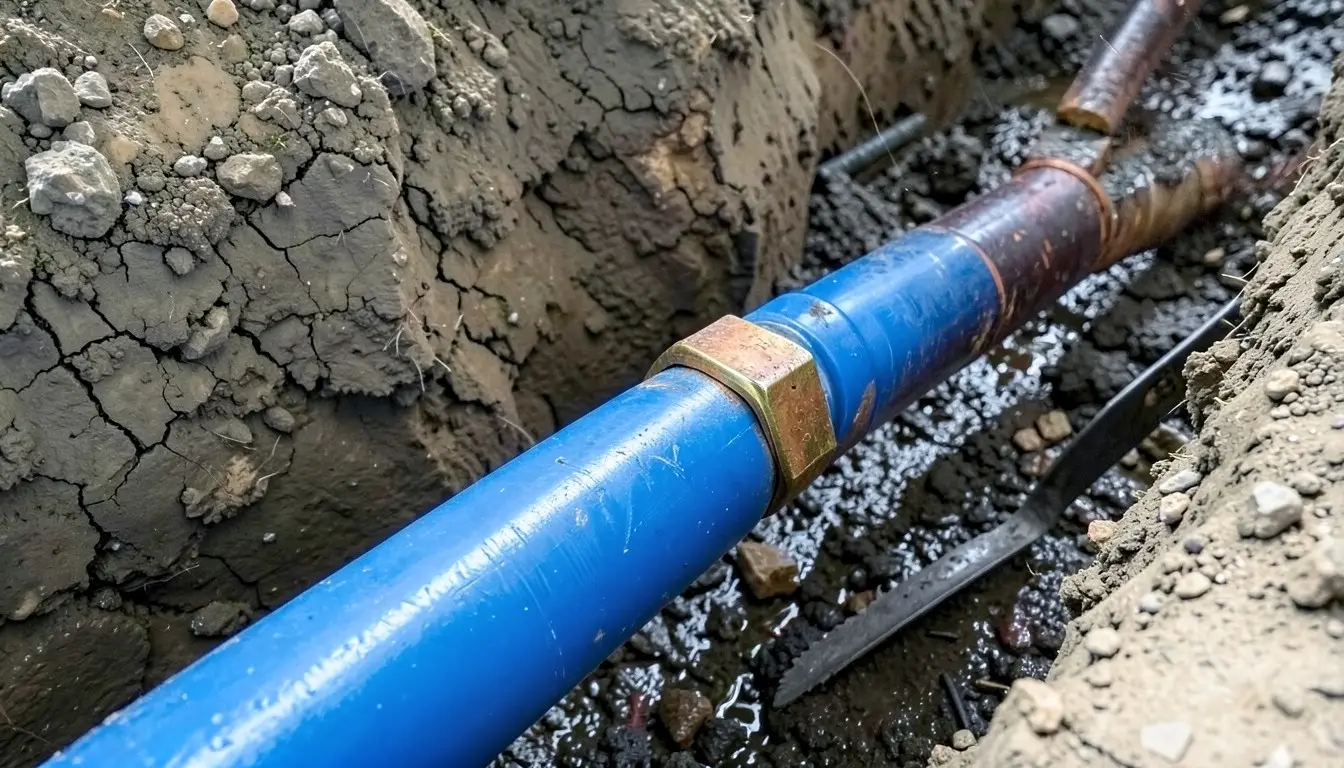
1950s–70s copper supply is now 50–70 years into its service cycle in San Jose. Thermal fatigue at fittings and slab-on-grade access complexity — common in Sun Belt construction — make repair vs. replacement a live decision on most jobs. This housing cohort is the active primary replacement wave in this market.
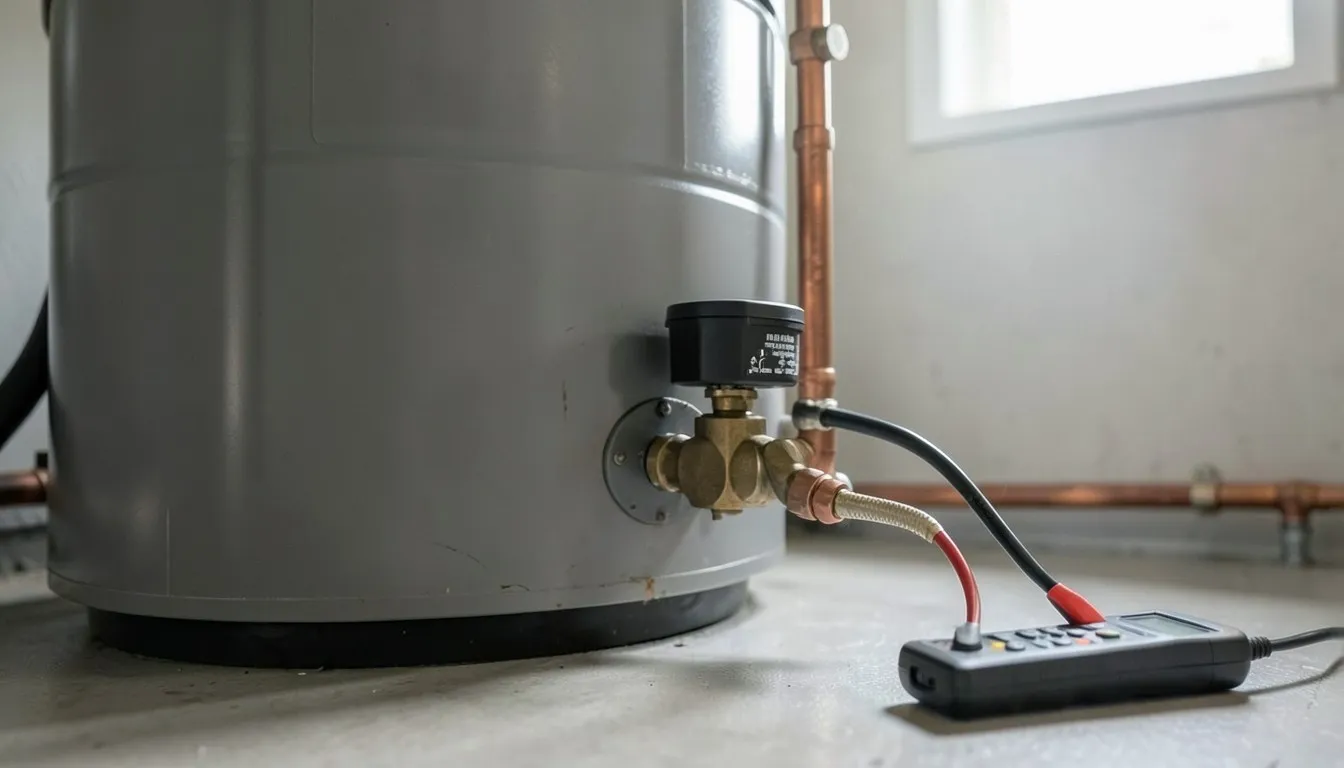
8–14 GPG shortens water heater service life to 8–11 years in San Jose and drives rolling maintenance demand at aerators, shower cartridges, and heat exchanger ports. Annual flushing prevents premature failure; skipped maintenance cycles push units toward early replacement. Scale-related calls represent a significant share of the annual service workload here.
Summer heat above 95–115°F in San Jose keeps sediment in suspension inside tank water heaters — accelerating element failure instead of allowing sediment to settle and flush. Attic-mounted supply lines face diurnal thermal stress year-round. Root intrusion concentrates around irrigated landscaping rather than distributing evenly across the full sewer lateral path.
Why diagnose before repairing in San Jose?
Describe the symptom — not the repair. AlertPlumber routes to a CA-licensed plumber trained in diagnostics. The site visit uses camera tracing, acoustic detection, or hydrostatic pressure testing — matched to the reported failure type.
The plumber delivers a written diagnostic report: confirmed failure location, available repair methods, and tradeoffs — disruption level, material durability, long-term cost, and whether a San Jose building permit applies to the selected method.
You select the repair path. The California-licensed plumber proceeds on the authorized method with a fixed scope and price. Where required, the permit application to San Jose is handled by the contractor.
Pipe Camera Inspection cost calculator — San Jose
Pre-filled for pipe camera inspection in San Jose. Adjust the ZIP for a neighboring area, or change the service to compare. Calculator pulls from the city's scraped permit-fee + state plumber-density data.
Pipe Camera Inspection in San Jose — get a written scope before it escalates.
Degradation-driven failures rarely self-correct. A licensed California plumber calls back with a no-obligation written estimate — before it becomes an emergency repair.
What else do people ask about pipe camera inspection in San Jose?
When should San Jose homeowners schedule a pipe camera inspection?
Four situations make camera inspection a sound investment: (1) slow or recurring drain clogs that return within weeks of snaking — the camera determines whether root intrusion, scale buildup, or a belly is causing the pattern; (2) pre-purchase inspection of a home with an unknown sewer lateral age; (3) before and after hydro-jetting to confirm the line was fully cleared; (4) before committing to an expensive repair — a $150–$300 camera scope can confirm whether a spot repair is sufficient or whether full replacement is warranted. Skipping the scope and going straight to excavation based on symptoms alone often leads to over-repair.
What types of pipe can be inspected with a camera in San Jose?
Camera inspection works on any pipe with a cleanout access: main sewer laterals (4-inch and 6-inch), branch drain lines (3-inch), and supply lines 2 inches or larger. The camera head size is matched to the pipe diameter. Limitations: the camera cannot navigate a collapsed section — physical blockage stops the snake. Some San Jose homes have main cleanouts located in the floor of the basement mechanical room or outside near the foundation; locating the cleanout before the plumber arrives saves time on the appointment.
How does a pipe camera inspection handle a San Jose property with no cleanout?
Cleanout access is required. If no exterior cleanout or floor cleanout exists, the plumber may access the line through a roof vent stack, through an existing toilet flange (after removing the toilet), or by installing a new cleanout as part of the scope. Cleanout installation adds $150–$400 to the inspection cost but is a permanent improvement — all future camera work, snaking, and hydro-jetting becomes faster and less invasive. Many San Jose homes built before 1970 lack exterior cleanouts; the plumber assesses access options during the estimate call.
How much does a pipe camera inspection cost in San Jose?
A standard main sewer lateral camera inspection in San Jose runs $150–$350 for a camera-only service. When bundled with hydro-jetting, most plumbers discount the scope to $0–$100. A full sewer scope with a written report, footage on USB, and locate marking (marking the depth and position of defects on the ground surface for excavation planning) runs $250–$500. Specialty inspections — such as remote-sensing lateral inspections from the main without cleanout access — run higher. Always ask whether the report includes footage you can keep; it is essential documentation for a homeowner's insurance or warranty claim.
How long does a pipe camera inspection take in San Jose?
A standard main sewer lateral scope runs 30–60 minutes from setup to cleanout reinstallation. Add 15–30 minutes if the plumber needs to locate a cleanout, pull a toilet for access, or navigate a difficult line with multiple bends. Full reporting with depth marking and documentation adds another 15–20 minutes on-site. If a real-time review with the homeowner is requested — watching the camera feed and discussing findings as the camera moves — plan for a 90-minute appointment. The plumber typically provides verbal findings immediately and a written report within 24 hours.
What does a pipe camera inspection find in San Jose homes?
The most common findings in San Jose are: root intrusion at clay-tile joint seams (particularly in homes built before 1980 with mature trees nearby), scale buildup from hard water narrowing the drain diameter, offset joints from ground settlement or frost heave, bellied sections where the pipe dips below grade and holds standing water, and cracked or collapsed sections in older cast-iron or Orangeburg lines. The camera also identifies the pipe material with certainty — important when evaluating whether a partial repair or full replacement is the better long-term investment.
How does San Jose's water hardness (10) affect pipe camera inspection?
San Jose water hardness of 10 is in the hard range, where scale builds up quickly inside water heaters, tankless units, and pipes. A whole-home water softener pays for itself through extended appliance life in this hardness range. Tankless water heaters in this market need descaling every 18–24 months to maintain warranty compliance and efficiency.
How does San Jose's median home age (53 years) affect pipe camera inspection pricing?
With a median home age of 53 years, a significant share of San Jose's housing stock was built before modern plumbing codes and materials standards were established. Homes from the 1960s–1970s frequently contain Orangeburg sewer laterals (bituminized fiber that softens with age), galvanized supply lines, and copper pipe that has been in service for 50+ years. This vintage of housing generates disproportionate sewer-line, repipe, and slab-leak call volume relative to newer stock. The plumber's assessment should include a pipe material evaluation as part of any diagnostic call.
What's the seasonal plumbing risk profile for pipe camera inspection in San Jose?
Silicon Valley housing stock from 1960s-80s tract construction with copper-in-slab supply common. Hard well-derived water in some neighborhoods (~10 gpg) accelerates pinhole corrosion. Earthquake retrofits drive seismic-strap + flexible-supply work. Understanding the local call pattern helps set realistic expectations for plumber availability and response time during peak periods — during high-demand weeks, advance scheduling is advisable for non-emergency work.
What affects the cost of pipe camera inspection in San Jose, CA?
Pipe diameter, total footage inspected, number of cleanout access points, and whether a ground locator is used to mark the pipe position above grade are the primary variables. Homes without an exterior cleanout require access through a roof vent stack or toilet flange, adding setup time. The number of cameras and footage distance to be inspected are confirmed before the rate is set. A verified plumber provides a written estimate covering price, scope, and permit requirements before any work begins.
Are AlertPlumber-matched plumbers verified in California?
Yes. Every plumber matched through AlertPlumber holds an active California state contractor license. The California licensing database is checked at each routing — not just at initial signup — so the status reflects current standing, including any recent disciplinary actions, renewals, or insurance lapses. Active California licensure requires documented proof of bonding, liability coverage, and continuing education current as of the routing date.
Does AlertPlumber charge a fee for connecting me with a plumber in San Jose?
AlertPlumber does not charge homeowners. The referral fee is paid by the plumber when they accept a qualified call — it is their customer-acquisition cost, not an added charge to you. The plumber provides a written price assessment before any work begins; if the quote doesn't fit your situation, you can decline at any point.
The fix gets cheaper the sooner a plumber sees it.
Degradation problems compound quietly. Call now, or use the form below and a licensed California plumber calls you back with a no-obligation estimate for the pipe camera inspection.
Need a pipe camera inspection callback in San Jose?
In a meeting, with the kids, or just prefer not to hold? Drop your ZIP and number below. AlertPlumber routes your request to a verified plumber in your area — they’ll call you back directly.
- 1 Submit your info. ZIP, phone, and what kind of work you need.
- 2 AlertPlumber matches you with a verified plumber serving your area.
- 3 The plumber calls you back with a written estimate, no obligation.
Pipe Camera Inspection in San Jose — catch it early
Degradation-driven failures worsen over time and cost more to fix the longer they run. A verified CA plumber in San Jose diagnoses your specific condition and provides a written scope before any work begins.