
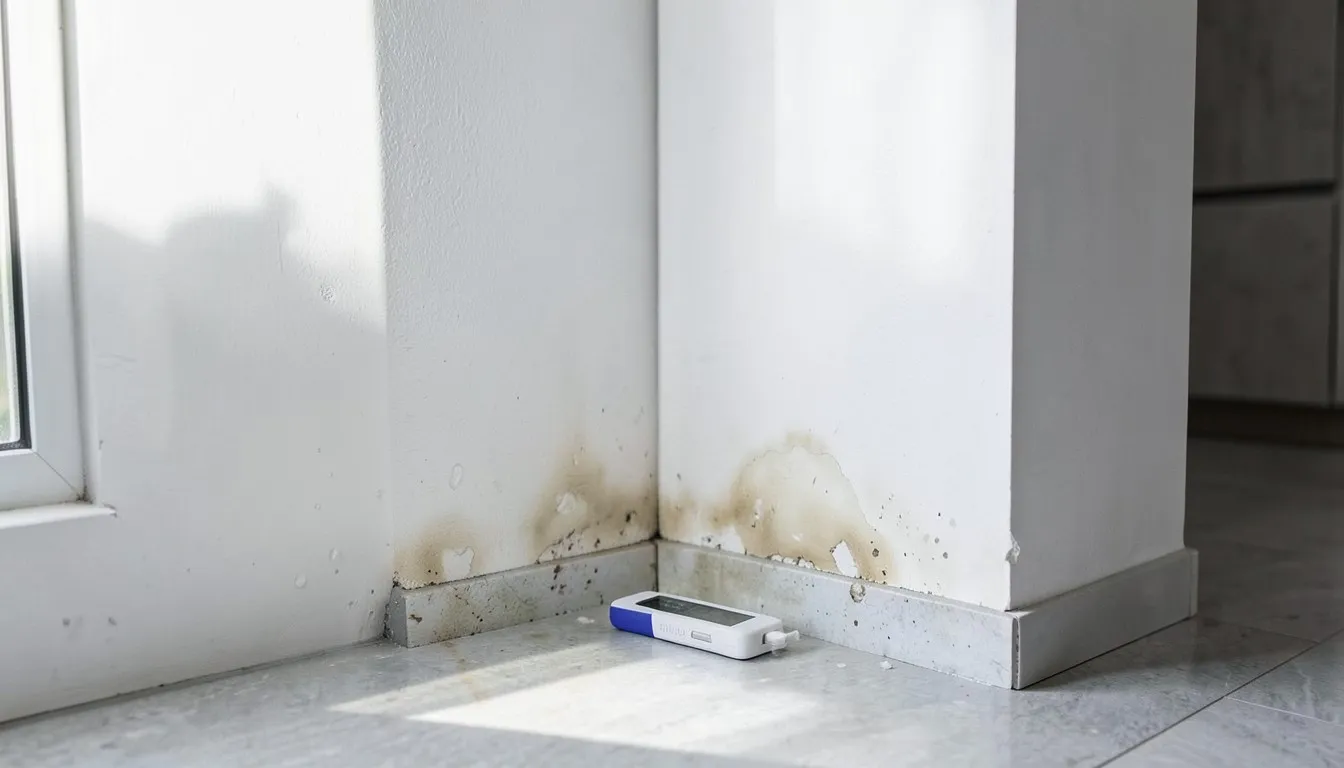
Emergency Leak Detection in Riverside, California
Leak Detection in Riverside, California locates hidden water and gas leaks using acoustic and thermal equipment. Local conditions in Riverside: water measured at 14, a 0 frost line and a median home age of 47 years.
Camera first, quote second — know exactly what's wrong in your Riverside home before you approve a dollar.
What does the local plumbing data show for Riverside, CA?
Seeing these conditions at your place in Riverside? A state-licensed plumber can confirm it over the phone — free, no obligation.
What are the pipe conditions in Riverside, CA?
Non-invasive leak detection uses acoustic amplification, thermal imaging, and pressure isolation to locate water loss in supply lines and drain systems without opening walls or floors. Riverside homes with galvanized or older copper supply runs face the highest pinhole leak incidence — a slow leak inside a wall cavity can cause mold and structural damage for months before becoming visible. A professional leak detection prevents unnecessary demolition by confirming the exact break location before any drywall is cut. AlertPlumber connects you with a California-licensed plumber who locates first and opens second.
Post-war and modern-era construction in Riverside — median home age 47 years — frequently includes copper supply lines embedded in slab foundations, common in tract construction from the 1960s through the 1980s. Hard water accelerates pinhole corrosion from the exterior of slab-embedded copper; when a leak develops, access requires either epoxy lining through existing penetrations or controlled slab opening for section replacement.
Very hard water in Riverside is a primary driver of accelerated appliance failure: water heater anode rods exhaust in 2–3 years instead of 6–8, scale deposits at fixture connections form within months of installation, and tankless heat exchangers accumulate mineral buildup that can reduce lifespan by half without regular descaling. A softener or whole-house conditioner is strongly recommended alongside any appliance service call.
- Median home age
- 47 yrs
- Water hardness
- 14 gpg
- Frost line
- 0 in.
- Lead lines
- Active replacement
- Permit
- $165
A licensed CA plumber reads these conditions the moment you describe the symptom.
What shapes plumbing demand in Riverside, CA?
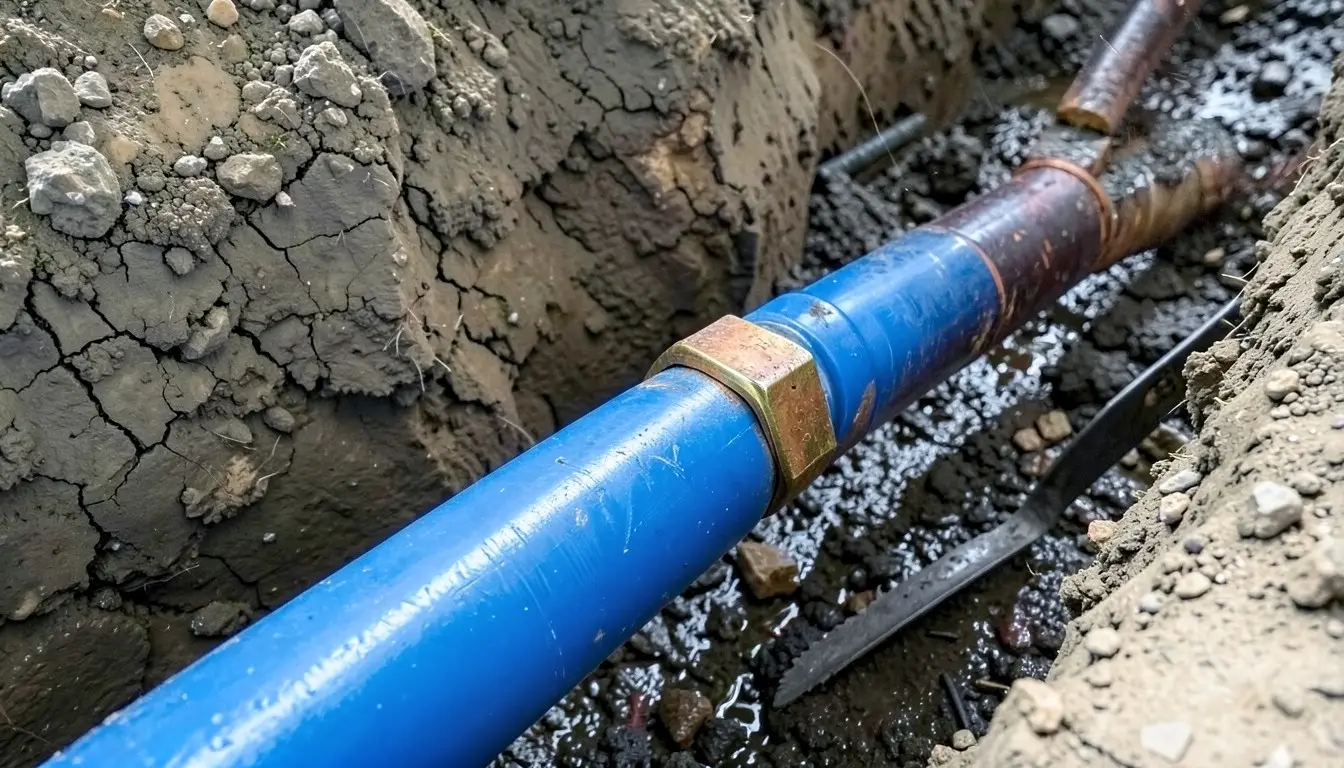
1950s–70s copper supply is now 50–70 years into its service cycle in Riverside. Thermal fatigue at fittings and slab-on-grade access complexity — common in Sun Belt construction — make repair vs. replacement a live decision on most jobs. This housing cohort is the active primary replacement wave in this market.
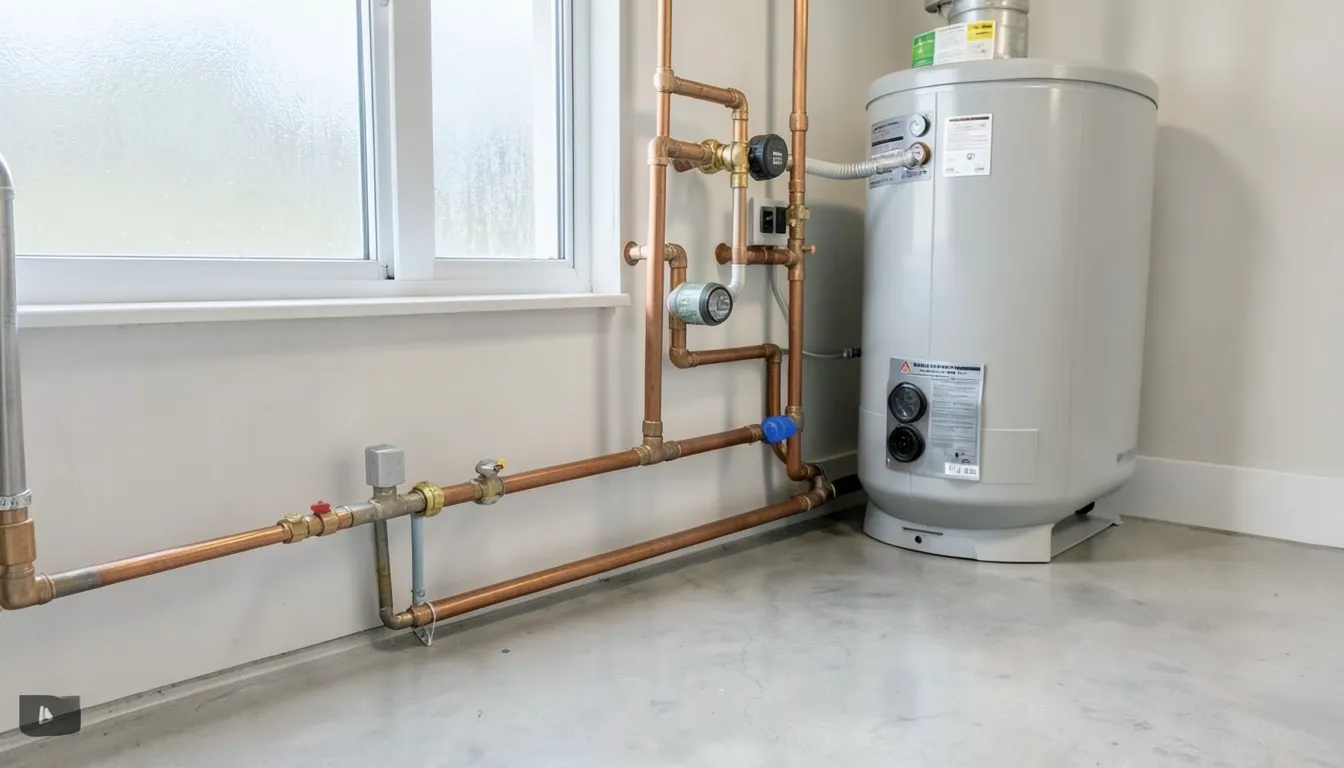
At 15–20+ GPG, calcium scale forces compressed equipment cycles in Riverside: tank heaters average 6–9 years vs. the 10–12-year national benchmark, and tankless units require annual descaling. Anode rods calcify within 12–18 months. Most plumbers here assess heater age against the local scale timeline — not the manufacturer's service life.
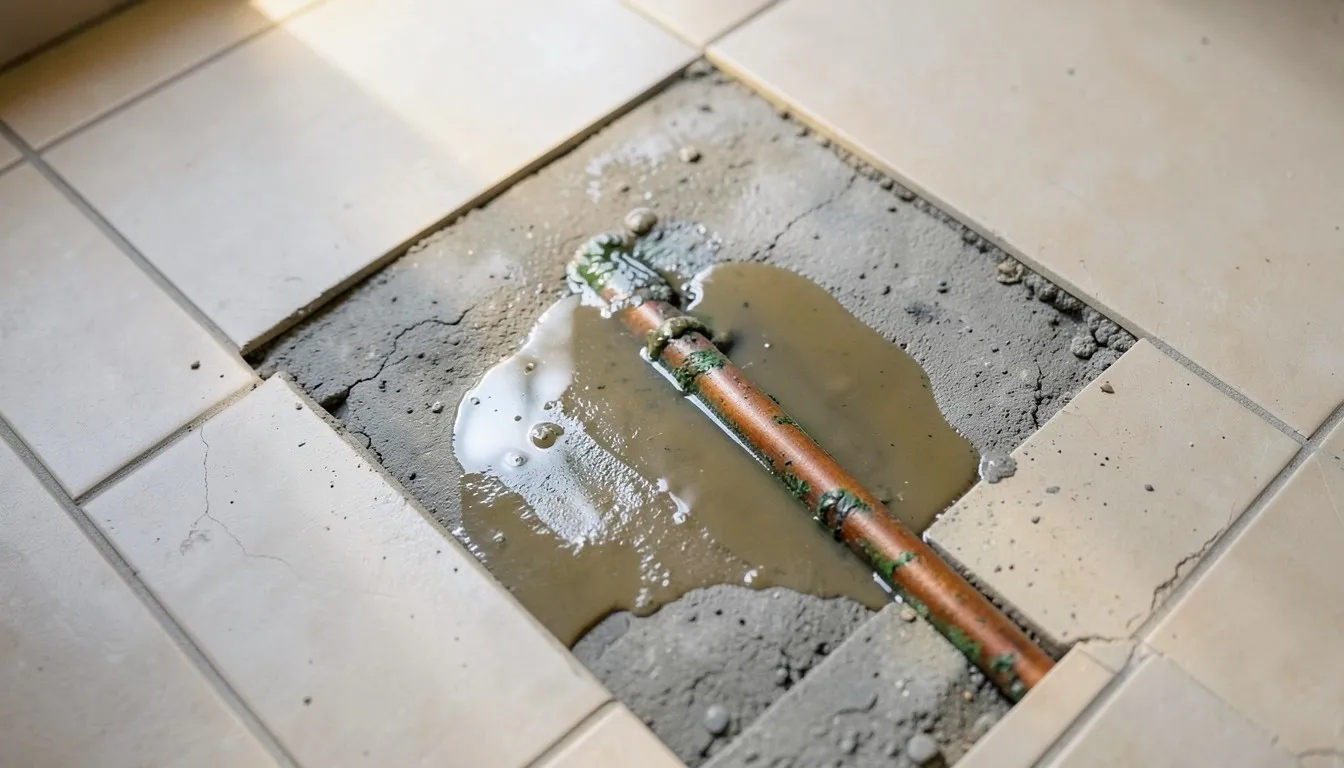
Summer heat above 95–115°F in Riverside keeps sediment in suspension inside tank water heaters — accelerating element failure instead of allowing sediment to settle and flush. Attic-mounted supply lines face diurnal thermal stress year-round. Root intrusion concentrates around irrigated landscaping rather than distributing evenly across the full sewer lateral path.
Why diagnose before repairing in Riverside?
Describe the symptom — not the repair. AlertPlumber routes to a CA-licensed plumber trained in diagnostics. The site visit uses camera tracing, acoustic detection, or hydrostatic pressure testing — matched to the reported failure type.
The plumber delivers a written diagnostic report: confirmed failure location, available repair methods, and tradeoffs — disruption level, material durability, long-term cost, and whether a Riverside building permit applies to the selected method.
You select the repair path. The California-licensed plumber proceeds on the authorized method with a fixed scope and price. Where required, the permit application to Riverside is handled by the contractor.
Leak Detection cost calculator — Riverside
Pre-filled for leak detection in Riverside. Adjust the ZIP for a neighboring area, or change the service to compare. Calculator pulls from the city's scraped permit-fee + state plumber-density data.
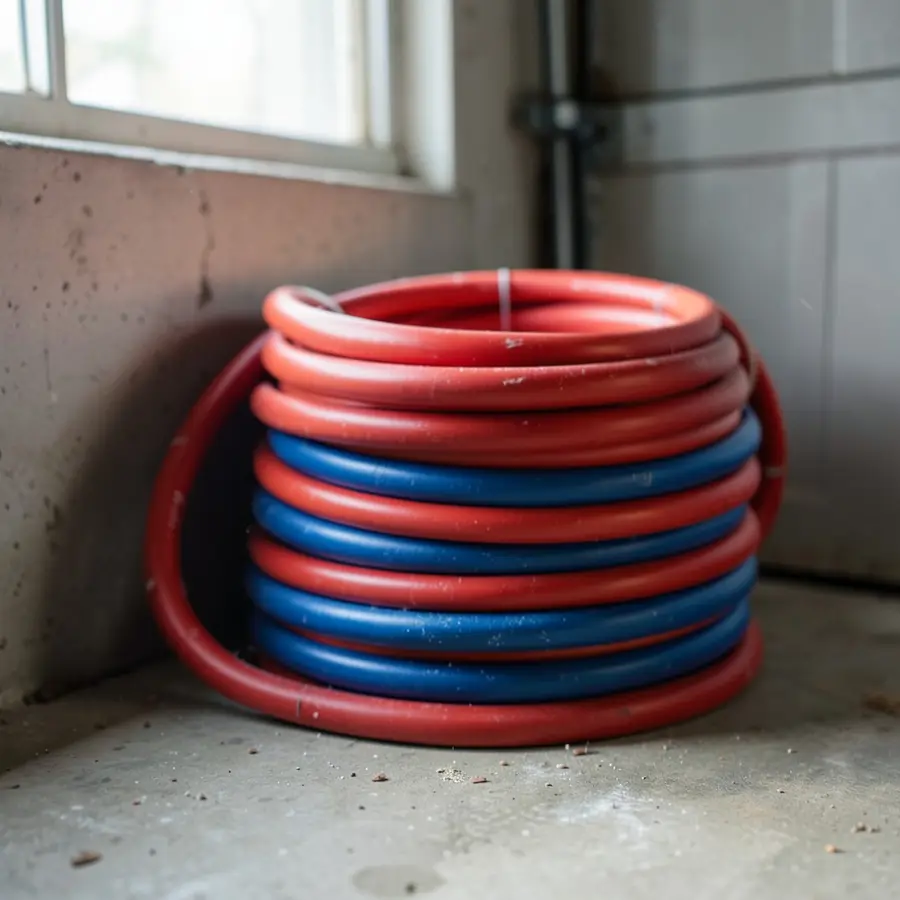
Leak Detection in Riverside — the longer it runs, the more it costs.
Slow failures compound: soft pipe walls, root penetration, mineral buildup. A verified plumber calls back with a scope-first estimate before anything is dug up.
What else do people ask about leak detection in Riverside?
How much does leak detection cost in Riverside, CA?
Riverside leak detection typically runs $285-$525 for non-invasive acoustic and thermal scan on a single suspected line, and $385-$725 for a full-house workup including pressure-decay testing and slab acoustic across multiple rooms. Pricing reflects the matched plumber's time for working around pre-1940 Magnolia Center bungalow galvanized risers and UCR / Canyon Crest 1960s-80s tract slab-on-grade construction where the acoustic survey covers significant footprint. The $165 City of Riverside Community and Economic Development permit applies only if the repair scope kicks in after detection.
Why does Magnolia Center see so many galvanized riser pinhole leaks?
Magnolia Center is the dense pre-1940 Craftsman + Spanish bungalow concentration along the historic 1873 navel-orange citrus parkway, and the original supply piping is galvanized steel that's now 85-plus years old. Galvanized walls corrode from the inside out — the zinc coating fails first, then iron oxide thickens against the inner wall until a pinhole opens at a flow-turbulent fitting or threaded joint. The 14 gpg RPU Bunker Hill Basin and Riverside North Aquifer groundwater (USGS very-hard classification) accelerates the pattern. The detection workup uses acoustic listening at the riser plus thermal imaging on the supply manifold to localize before any plaster is opened.
Why do UCR / Canyon Crest hillside homes need slab acoustic?
UCR / Canyon Crest is the 1960s-80s campus-adjacent tract on the hillside east of the central city, built almost entirely slab-on-grade with copper supply embedded in concrete. The hillside drainage geometry means the slab sits across a grade transition where settlement micro-cracks open over decades, and embedded copper hot-water recirculation lines develop pinholes at the flow-turbulence corners. The signature symptom is a warm spot on the tile or carpet floor with no visible drip. The matched plumber runs slab-acoustic ground-mics across the suspect zone, layers in thermal imaging on the hot-water side, and uses pressure-decay isolation to confirm before cutting concrete. Pre-cut localization keeps the repair cost in the $1,800-$3,800 range vs the $6,000-$12,000 range on a blind dig.
What does leak detection cost on a Casa Blanca pre-WWII bungalow?
Casa Blanca acoustic and thermal workup runs $325-$595 because the housing stock is mixed pre-WWII bungalow with deferred repipe — joint failures occur at multiple points along the same galvanized supply run rather than as a single isolated leak. The matched plumber spends extra time on a methodical fitting-by-fitting acoustic walk along the entire supply manifold to catch the cluster pattern, rather than chasing only the loudest leak signal. A full multi-method workup with tracer-gas confirmation on the worst joint runs $495-$995 and produces a written report that supports either staged repair or full repipe in the $5,500-$11,000 range.
What tools does the matched Riverside plumber bring on a leak detection call?
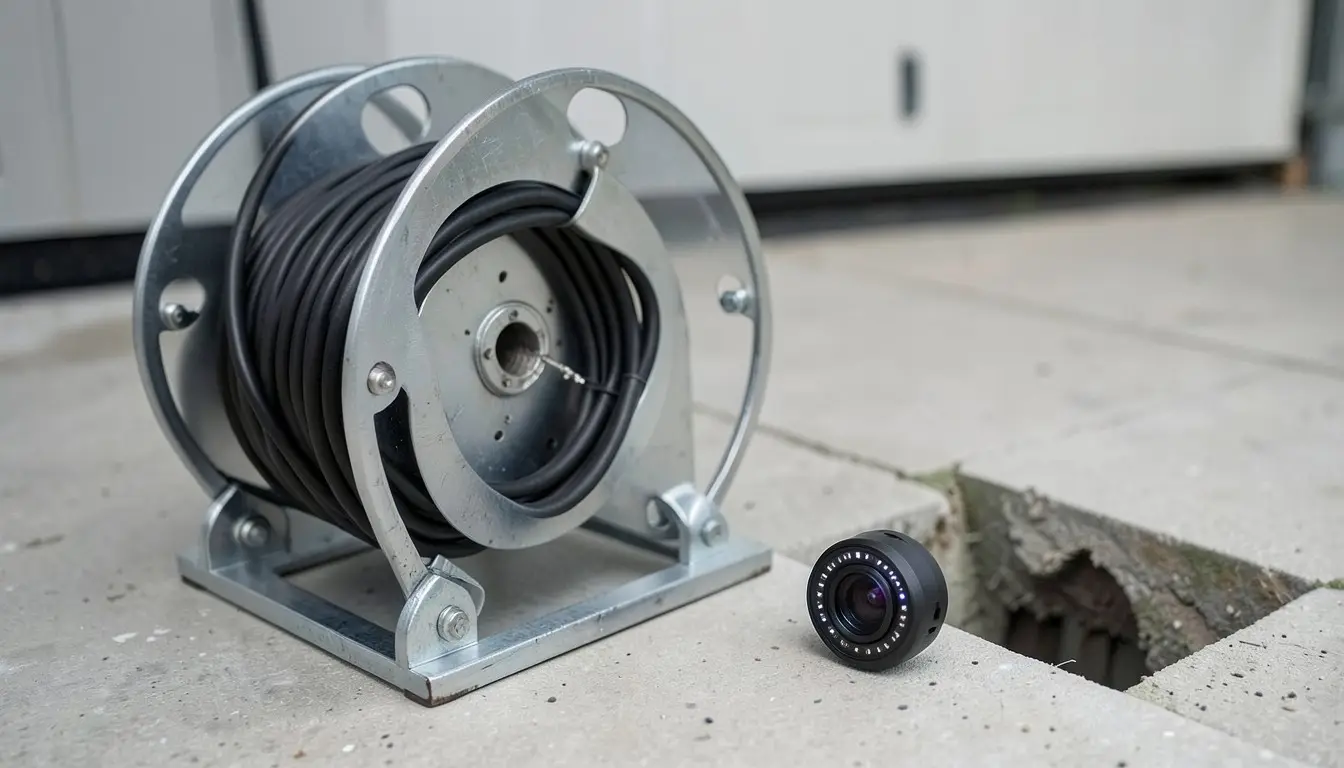
Standard kit: electronic acoustic correlator (two-sensor or three-sensor), ground-mic for slab and yard scans, thermal imager for hot-water and underslab signatures, tracer-gas injection rig for pinpoint localization on supply lines, and a digital manometer for static pressure and decay testing. On Wood Streets Mission Revival and Mission Inn historic district jobs the plumber adds a fiber-borescope to inspect inside cast-iron and galvanized drain stacks. Camera-scope on the lateral if drain-side leaking is in scope. Riverside's hot-dry-summer Inland Empire climate (3 freeze days/yr per NOAA NCEI, 0-inch frost depth per NWS San Diego) means no thermal contrast loss from frozen ground.
Do I need a permit for leak detection in Riverside?
No permit is required for the detection visit itself — that's diagnostic scope. A permit IS required for the repair that follows: copper repipe, slab cut, lateral spot-repair, or any code-altering install. The City of Riverside Community and Economic Development plumbing permit fee is $165 and runs through CEDD Building Services. Mission Inn historic district scope may add review for period-sensitive repair within the 1903 protected envelope. The matched plumber pulls the permit on the repair side and Riverside processed 4,820 residential permits in 2024 across all trades.
How accurate is electronic leak detection in Riverside?
Acoustic correlation on a pressurized supply line gets you within 6-18 inches of the leak point under good ground conditions. Thermal imaging on hot-water lines is similar — the heat signature is sharp. Tracer-gas (hydrogen-nitrogen mix) injection is the most precise method on stubborn cases, accurate to within 3-8 inches. The 1977 median build of Riverside's housing stock spans a wide range — Wood Streets and Magnolia Center pre-1940 galvanized acts differently than UCR / Canyon Crest 1970s embedded-slab copper, and the matched plumber sequences the method to the housing era. Hillside addresses sometimes need acoustic at off-hours to escape traffic noise on the 91 corridor.
What causes most leaks in Riverside homes?
Three Inland Empire eastern drivers dominate. (1) Magnolia Center galvanized riser pinhole in pre-1940 Craftsman + Spanish bungalow stock along the citrus parkway — 85-plus-year-old supply piping at end-of-service. (2) UCR / Canyon Crest hillside slab pinhole on 1960s-80s embedded copper hot-water recirculation runs across grade-transition slab cracks. (3) Casa Blanca joint failures on pre-WWII bungalow galvanized supply where deferred repipe has produced multi-point cluster patterns. Secondary cause: Wood Streets copper pinhole from 14 gpg Bunker Hill Basin hard-water attack on the historic Mission Revival housing stock west of downtown. Riverside's 3-freeze-day-per-year climate takes burst-pipe damage off the top of the failure list.
How long does a Riverside leak detection visit take?
Single-room acoustic survey: 45-75 minutes. Full-house workup including static-pressure, decay test, and multi-room acoustic plus thermal: 2-3.5 hours. UCR / Canyon Crest hillside slab with multi-zone pressure-decay testing: 3-4.5 hours because the elevation-corrected isolation has to be repositioned across the grade transition. Magnolia Center fitting-by-fitting galvanized walk: 2.5-4 hours. The matched plumber confirms total job time on the phone before driving out and provides a written localization report with the repair recommendation.
Will my Riverside insurance cover the leak detection?
Standard California HO-3 policies typically do NOT cover the detection visit itself, but most carriers cover the resulting water damage from a sudden-and-accidental leak subject to deductible — and the detection invoice plus the matched plumber's localization report is what the adjuster needs to process the claim. Slow long-term seepage (the classic Magnolia Center galvanized pinhole or UCR / Canyon Crest slab pinhole) is sometimes excluded as gradual damage. Document the cause and date with the plumber's findings, submit within 30 days, and confirm endorsement coverage with your carrier before assuming reimbursement. U.S. Census Bureau ACS shows 96% municipal sewer connection citywide.
Are AlertPlumber-matched plumbers verified for leak detection in California?
The partner network requires every plumber routed through AlertPlumber in Riverside to maintain active CSLB C-36 plumbing classification status. CA Contractors State License Board, 2024 Q4 shows approximately 44,000 active C-36 holders statewide. AlertPlumber does not independently verify each plumber on a per-call basis. Homeowners are encouraged to confirm the specific license number on the CSLB site before authorizing any work, particularly for slab-leak detection where the downstream repair is meaningful spend.
What ZIP codes around Riverside does AlertPlumber cover for leak detection?
AlertPlumber covers all Riverside ZIP codes (925xx prefix covering downtown / Mission Inn historic district, Magnolia Center, Wood Streets, Casa Blanca, UCR / Canyon Crest, Arlington, La Sierra, and Orangecrest) plus adjacent Inland Empire eastern communities — Moreno Valley, Corona, Jurupa Valley, Eastvale, Norco, and Rubidoux. Riverside Public Utilities (RPU) service-territory calls and adjacent-utility addresses both route through the same intake.
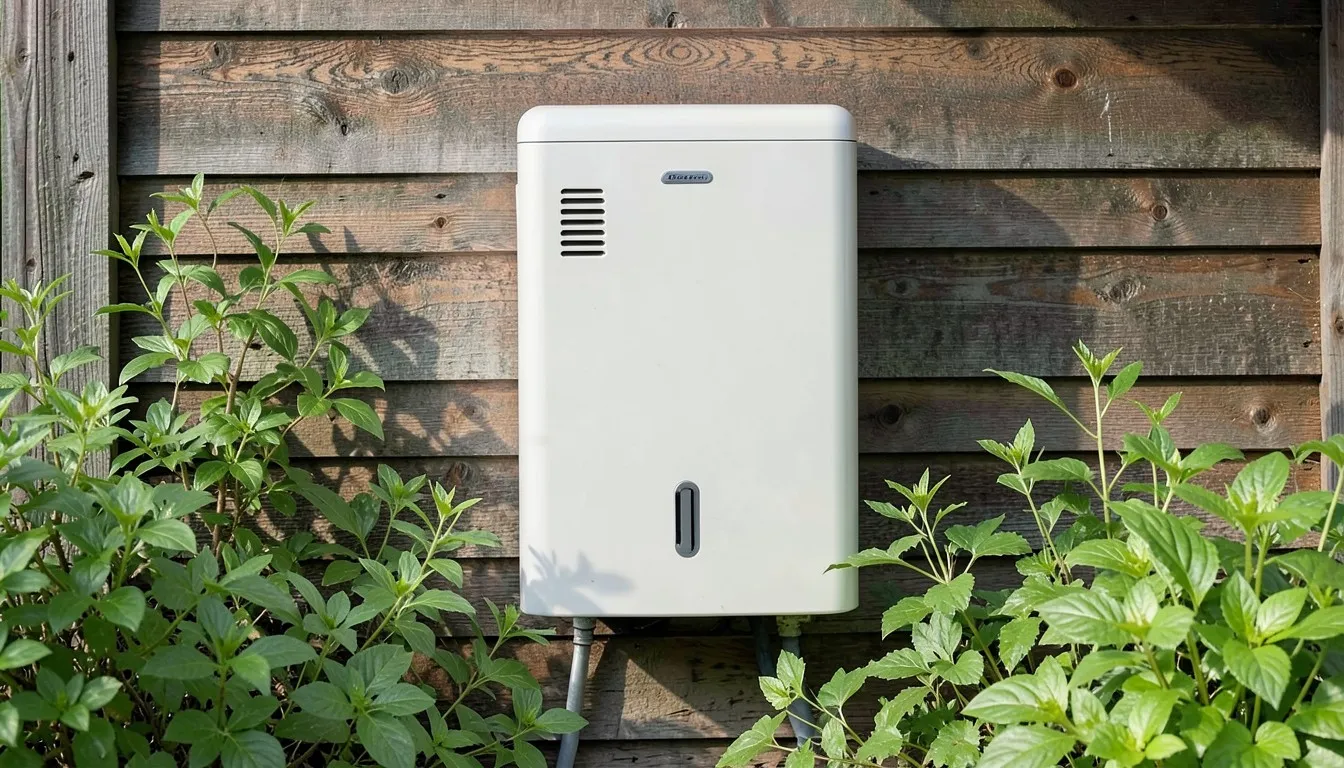
The fix gets cheaper the sooner a plumber sees it.
Degradation problems compound quietly. Call now, or use the form below and a licensed California plumber calls you back with a no-obligation estimate for the leak detection.
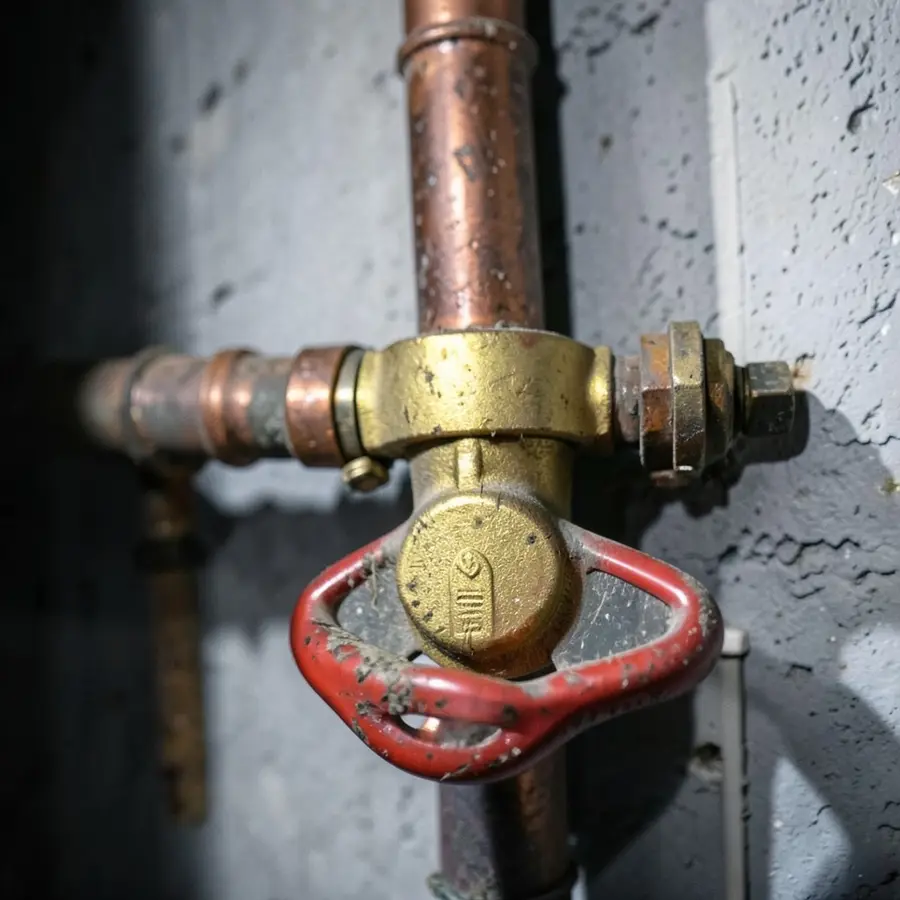
Need a leak detection callback in Riverside?
In a meeting, with the kids, or just prefer not to hold? Drop your ZIP and number below. AlertPlumber routes your request to a verified plumber in your area — they’ll call you back directly.
- 1 Submit your info. ZIP, phone, and what kind of work you need.
- 2 AlertPlumber matches you with a verified plumber serving your area.
- 3 The plumber calls you back with a written estimate, no obligation.
Leak Detection in Riverside — catch it early
Degradation-driven failures worsen over time and cost more to fix the longer they run. A verified CA plumber in Riverside diagnoses your specific condition and provides a written scope before any work begins.