
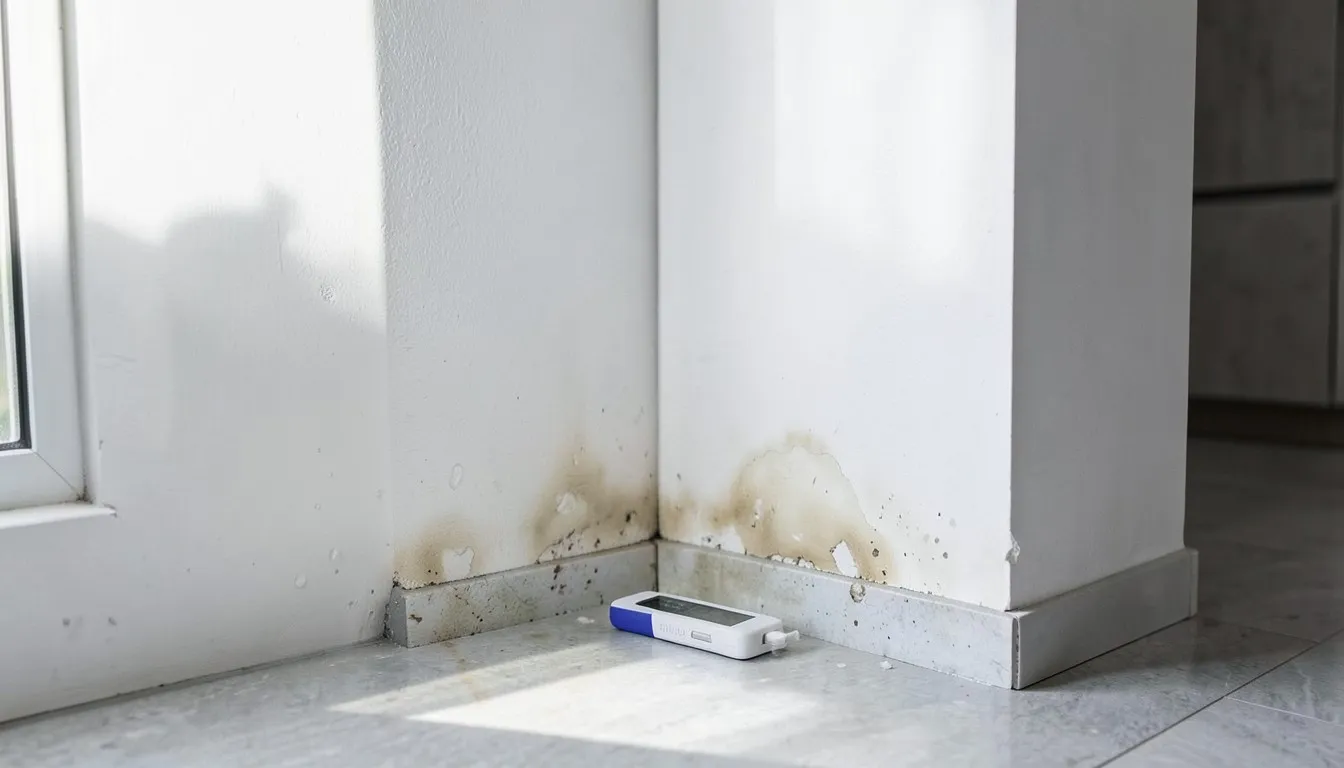
Emergency Leak Detection in Denver, Colorado
Camera first, quote second — know exactly what's wrong in your Denver home before you approve a dollar.
Local plumbing data for Denver, CO
Seeing these conditions at your place in Denver? A state-licensed plumber can confirm it over the phone — free, no obligation.
Pipe conditions in Denver, CO
Non-invasive leak detection uses acoustic amplification, thermal imaging, and pressure isolation to locate water loss in supply lines and drain systems without opening walls or floors. Denver homes with galvanized or older copper supply runs face the highest pinhole leak incidence — a slow leak inside a wall cavity can cause mold and structural damage for months before becoming visible. A professional leak detection prevents unnecessary demolition by confirming the exact break location before any drywall is cut. AlertPlumber connects you with a Colorado-licensed plumber who locates first and opens second.
Denver's housing stock spans multiple construction eras — median home age 53 years — meaning pipe materials and failure modes vary significantly by neighborhood and building vintage. An inspection-led approach that confirms pipe material before recommending a service path is standard practice for mixed housing profiles.
Frost line depth in Denver means supply lines and outdoor plumbing must be installed below the freeze threshold — typically 36 — to prevent pipe burst during cold events. Exterior hose bibs, irrigation shutoffs, and any exposed pipe runs are the most common winterization service points in freeze-risk markets.

- Median home age
- 53 yrs
- Water hardness
- 5.5 gpg
- Frost line
- 36 in.
- Lead lines
- Active replacement
- Permit
- $155
A licensed CO plumber reads these conditions the moment you describe the symptom.
Leak Detection in Denver: Local Infrastructure Context
Post-war housing averaging 53 years of age here operates on a mixed supply profile that includes copper interior runs in mid-century construction, lead service lines in approximately 65,000 pre-1951 properties, and galvanized branches in structures that were not fully repiped during renovations. Denver Water supply at approximately 5.5 grains per gallon is moderate in hardness, a chemistry that limits scale formation inside copper runs while retaining enough buffering to provide partial protection against the corrosive water contact common at higher altitudes.
Acoustic detection locates active water loss in wall-cavity copper supply runs and below-slab sections before surface openings are authorized. Colorado's 36-inch frost line requires that service connections enter the structure well below grade, and Denver's freeze-thaw cycle puts repeated mechanical stress on below-grade joints in mixed-material systems — thermal cycling-induced joint separation mimics slow leak pressure symptoms and must be differentiated. Camera inspection of accessible galvanized sections establishes bore constriction versus perforation before exploratory wall openings are committed.
Denver requires a $155 permit for detection and repair work before wall or floor surfaces are closed. Denver Water coordinates service shutoff for supply-side repairs. Post-repair pressure testing to Colorado Plumbing Code is required before permit closure and surface restoration. With approximately 65,000 active lead service lines in the distribution system — one of the larger inventories in this market — service line material verification for pre-1951 properties is required before repair material selection and scope are finalized.
What shapes plumbing demand in Denver, CO
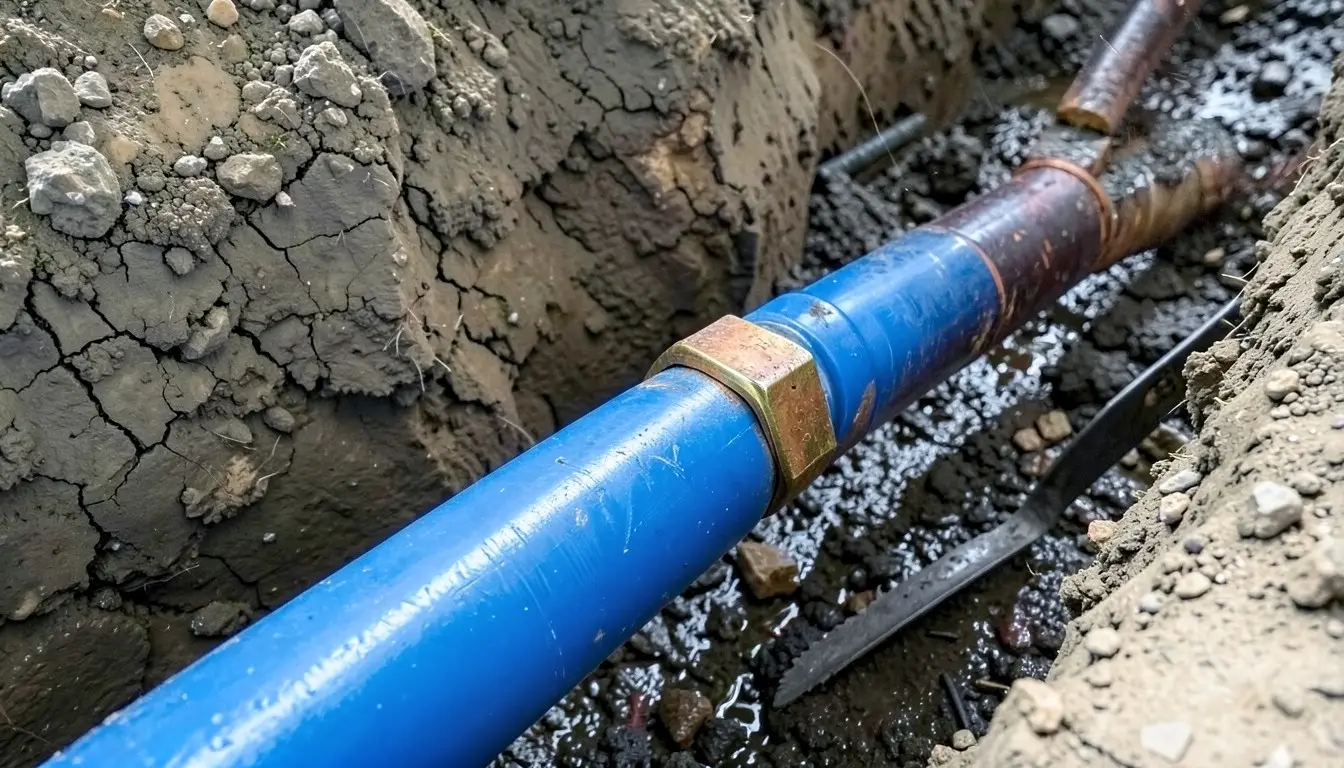
1950s–70s copper supply is now 50–70 years into its service cycle in Denver. Thermal fatigue at fittings and slab-on-grade access complexity — common in Sun Belt construction — make repair vs. replacement a live decision on most jobs. This housing cohort is the active primary replacement wave in this market.
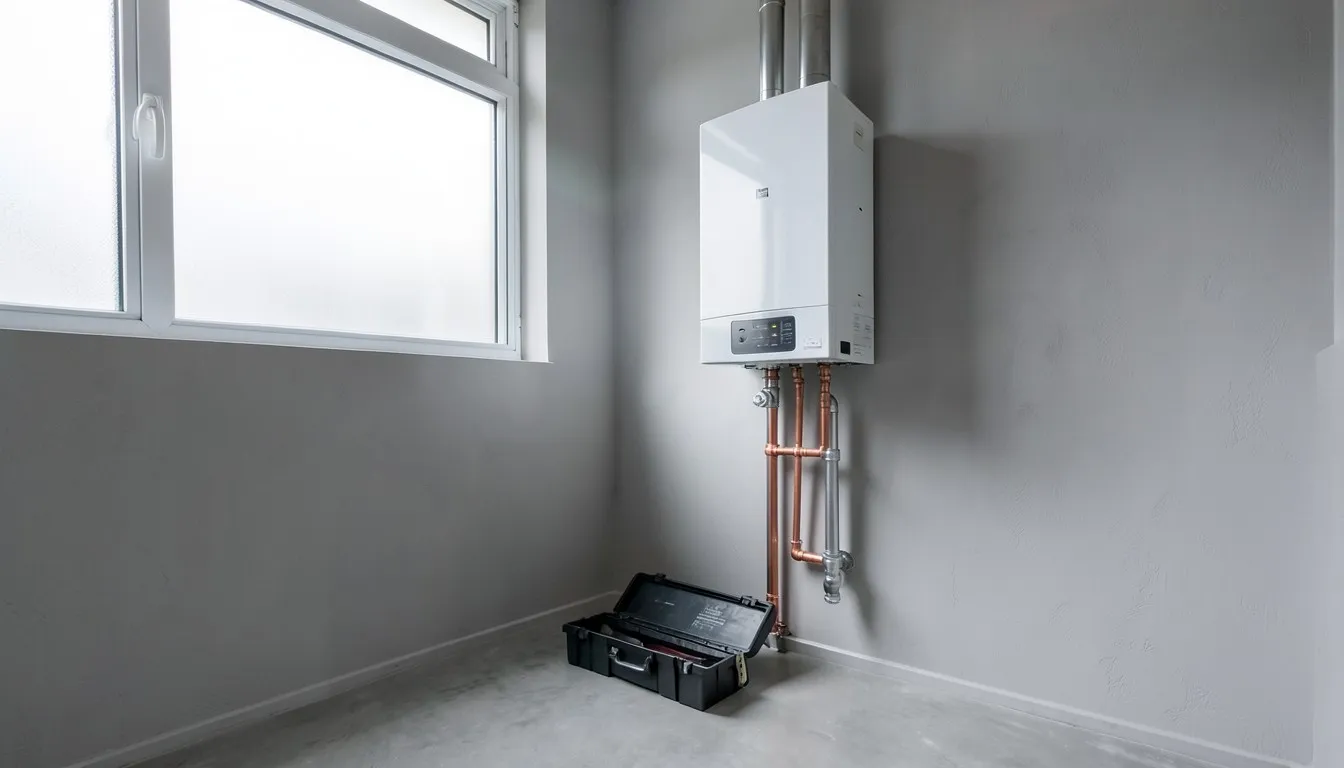
4–7 GPG produces gradual scale that stays manageable with standard maintenance intervals in Denver — annual flushing, cartridge cleaning every 1–2 years. Equipment runs near design lifespan. The primary water quality driver here is preventive maintenance rather than emergency replacement, which distributes service demand more evenly across the calendar.
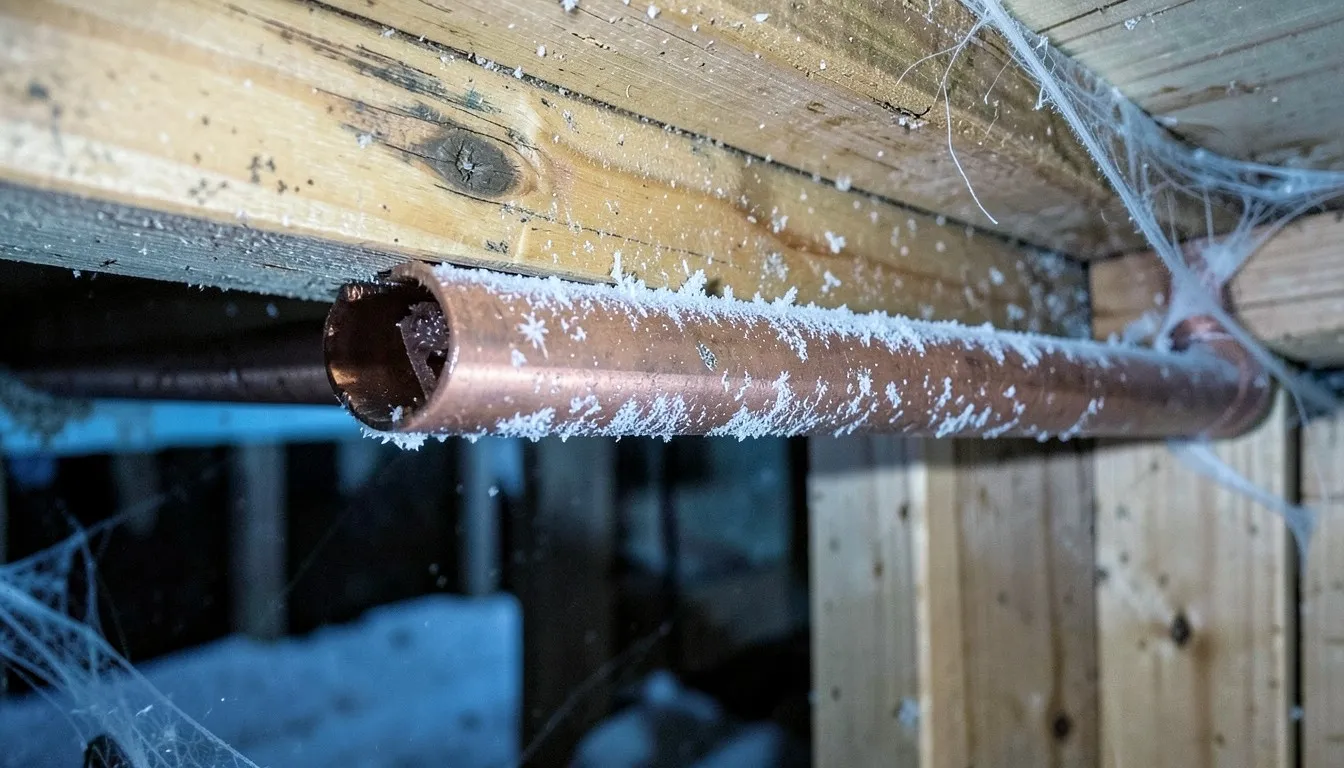
The primary surge in Denver runs January–March, with a secondary wave at the spring thaw — when pipes that held through the freeze rupture as pressure is restored above 32°F. Scheduling competition peaks exactly when emergency calls are highest. Homeowners who wait for visible damage compete for the same limited plumber slots at the worst possible time.
Denver: diagnose first, repair second
Describe the symptom — not the repair. AlertPlumber routes to a CO-licensed plumber trained in diagnostics. The site visit uses camera tracing, acoustic detection, or hydrostatic pressure testing — matched to the reported failure type.
The plumber delivers a written diagnostic report: confirmed failure location, available repair methods, and tradeoffs — disruption level, material durability, long-term cost, and whether a Denver building permit applies to the selected method.
You select the repair path. The Colorado-licensed plumber proceeds on the authorized method with a fixed scope and price. Where required, the permit application to Denver is handled by the contractor.
Leak Detection cost calculator — Denver
Pre-filled for leak detection in Denver. Adjust the ZIP for a neighboring area, or change the service to compare. Calculator pulls from the city's scraped permit-fee + state plumber-density data.
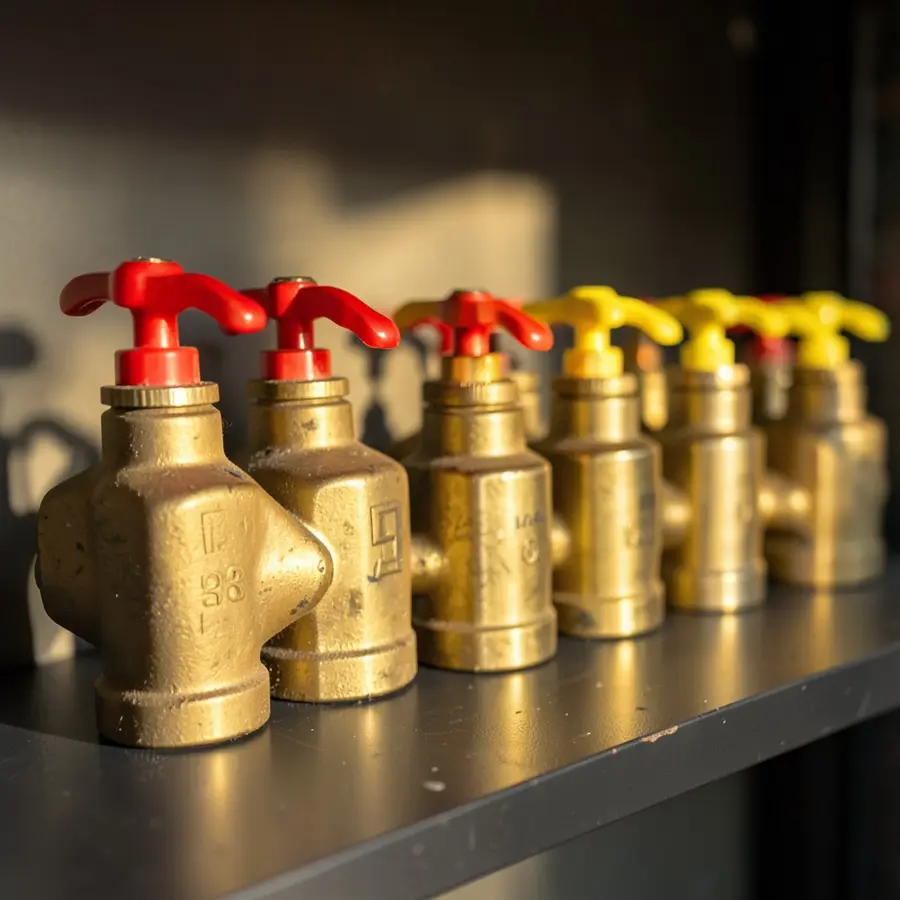
Leak Detection in Denver — the longer it runs, the more it costs.
Slow failures compound: soft pipe walls, root penetration, mineral buildup. A verified plumber calls back with a scope-first estimate before anything is dug up.
Leak Detection in Denver — frequently asked
How much does professional leak detection cost in Denver?
A non-destructive leak detection workup in Denver typically runs $265–$510 flat, billed before any repair quote — the modest premium over flatland markets reflects the extra FLIR calibration time required at 5,280-ft elevation, where thinner air shifts thermal contrast readings. The fee covers altitude-corrected FLIR thermal scanning, acoustic listening on the supply manifold, and a static pressure-isolation test. The detection fee is usually credited toward the repair if you book the same plumber the same day. Repair itself is separate — single slab spot repair on a 1971-era Capitol Hill foursquare runs $1,500–$3,400, hidden-wall leak behind LoDo brick or RiNo loft drywall $420–$1,050, and Stapleton/Lowry post-2000 PEX-A manifold repair $385–$925. Denver Water single-utility billing means the detection-credit-against-repair structure is the standard arrangement Front Range plumbers offer.
How do I know if I have a hidden leak in my Denver home?
Symptoms vary sharply by Denver housing era — match yours before calling:
- Capitol Hill / Cherry Creek / Denver Country Club 1900s-30s craftsman + foursquare — galvanized supply rust-staining at lath-and-plaster wall junctions, faint hissing behind plaster medallions, brown halo bleeding through original interior trim
- LoDo / RiNo / Five Points 1880s-1910s warehouse-loft conversions — efflorescence chalking on exposed brick column bases, drip stains on ground-floor concrete from upper-floor riser leaks, mineral scale at exposed-pipe ceiling runs
- Wash Park / Berkeley 1920s-40s historic bungalows — warm spot on hardwood floor over slab (hot-side copper pinhole, classic at 5.5-gpg moderate water), water-bill spike with no usage change
- Stapleton / Lowry 2000s+ master-planned with PEX-A — manifold-cabinet drip, drywall ghost-staining at PEX home-run terminations, slab-edge dampness at perimeter tracts
What detection methods does a Denver plumber actually use?
The Denver detection sequence is altitude-corrected and geology-aware: (1) static pressure-isolation test on the supply manifold confirms a leak exists and isolates hot vs cold side, (2) altitude-calibrated FLIR thermal imaging — Denver's 5,280-ft thin atmosphere reduces the air column's thermal mass, so techs reset the camera's emissivity and atmospheric-temperature offsets before each scan to avoid false positives, (3) acoustic ground-microphone listening triangulates within 12–18 inches, (4) electronic line-tracing maps the pipe route through Front Range Rockies foothills bedrock and bentonite-clay subsoil before any cut. Denver's South Platte River + Dillon Reservoir + Strontia Springs blended source averages 5.5 gpg moderate hardness — a chemistry that scales copper differently than Pacific NW ultra-soft surface water — and the 53-year median home age determines which method runs first. For Capitol Hill craftsman and Wash Park historic homes the workflow starts with hot-side slab pinhole; for Stapleton PEX-A tracts it starts at the manifold cabinet.
Will Colorado homeowners insurance cover Denver leak detection?
Most Colorado HO-3 policies cover the DETECTION fee when the underlying leak is classified as "sudden and accidental" — not gradual seepage that's been ongoing for months. Standard CO carriers (State Farm, Allstate, Farmers, USAA, American Family) pay for tear-out + access (slab cut through Front Range bedrock substrate, plaster wall opening on Capitol Hill craftsman, exposed-brick cut on RiNo loft, PEX manifold-cabinet access on Stapleton tract) but exclude repair of the failed pipe itself (treated as wear-and-tear). Colorado wildfire-season smoke damage is a separate line on most HO-3 forms — don't confuse it with water-loss coverage. Submit the plumber's written report with moisture-mapping, FLIR thermograms with altitude-calibration notes, and the Denver Water meter-test record for the strongest claim case. Verbal diagnosis alone is usually denied. The matched plumber provides the full documentation packet as part of standard Denver service.
Why does the water bill spike when there is a hidden leak?
Denver Water single-utility billing meters every gallon crossing the property line from the South Platte River + Dillon Reservoir + Strontia Springs blended source — whether it ends up in the dishwasher or seeping into bentonite-clay subsoil under your Capitol Hill slab. A pinhole leak under 60 psi line pressure releases roughly 70–150 gallons per day — invisible at the surface but a 2,100–4,500 gal/month addition to your bill. At Denver Water's tiered residential rates that translates to $40–$95 in extra water plus matching wastewater on a single combined Denver Water bill (no separate sewer-district complication like in fragmented metros). A 20%+ unexplained spike for two consecutive cycles is the standard threshold for ordering detection — and the Denver Water portal's hourly-usage graph helps confirm a steady-state leak signature versus normal household use variance before you call.
Can a Denver homeowner locate the leak without calling a plumber?
You can confirm a leak EXISTS on your own — shut every fixture, watch the Denver Water meter's low-flow indicator. Any movement over 15 minutes with everything off means water is escaping somewhere on the property. You can also check the Denver Water account portal for an hourly-flow chart that reveals overnight steady-state baseline. You cannot reliably LOCATE the leak yourself. Consumer-grade IR thermometers don't have spatial resolution to distinguish a slab leak from a sun-warmed grout line, and at 5,280 ft thin-air affects readings further. Rental moisture meters can't see through 4 inches of Front Range concrete substrate, and the bentonite-clay subsoil under Capitol Hill and Wash Park diffuses leak signatures laterally — what looks like a kitchen-side problem may originate at the front-yard service entrance. Leave the diagnostic step for a plumber with altitude-calibrated FLIR.
Does Front Range wildfire-smoke season affect Denver detection scheduling?
Yes — Denver's July–October wildfire-smoke season creates a measurable detection-scheduling consideration that flatland or coastal markets don't face. Heavy smoke days (NWS Boulder/Denver issues regular AQI advisories at weather.gov/bou) reduce ambient thermal contrast outdoors and push particulate into attic and crawlspace air, which can foul FLIR optics during exterior or partial-exterior scans. Front Range plumbers reschedule outdoor service-line and irrigation-leak FLIR work on red-flag smoke days to a clearer morning slot, while interior slab-leak detection in Capitol Hill and Wash Park homes proceeds normally because the camera is operating in a controlled HVAC envelope. If you've had a leak running and Denver enters a multi-day smoke event, ask the matched plumber whether your specific scenario benefits from waiting 24–48 hours for a clearer-air window or proceeding immediately to limit damage.
How does 5,280-ft altitude affect FLIR thermal imaging accuracy in Denver?
Denver's mile-high elevation directly affects FLIR calibration in a way coastal-city plumbers don't account for. Thinner air at 5,280 ft has roughly 17% lower atmospheric pressure than sea level, which reduces the air column's thermal mass between camera and target — meaning small temperature differentials read more dramatically than they would at sea level, increasing both true-positive sensitivity AND false-positive risk if the camera isn't recalibrated. A properly calibrated FLIR T-series with altitude-corrected emissivity and atmospheric-temperature inputs localizes a hot-side Capitol Hill slab leak within an 18-inch radius about 85–92% of the time on the first scan. Accuracy drops if (a) the leak is on the cold side — no thermal contrast against the ~62°F ambient Denver slab in winter, (b) the floor finish is thick wool carpet (common in 1920s Wash Park bungalows) or original hardwood with insulating underlayment, or (c) the leak has saturated bentonite-clay subsoil enough to wick laterally. A skilled Denver tech follows the thermal hit with acoustic confirmation before cutting through Front Range concrete.
Should I get a system-wide pressure test on my Denver home?
Yes if your Denver home is in the 1960–1995 era — Capitol Hill, Wash Park, Berkeley, Park Hill — and you've had one leak repaired. A system-wide static pressure test ($165–$310) isolates each branch (hot supply, cold supply, irrigation, exterior hose-bib silcock) and holds 80 psi for 15 minutes — any pressure drop signals an additional weak point. Front Range plumbers report Denver homes with one detected slab leak have a 35–50% probability of a second pinhole within 36 months on the same hot manifold, driven by 152 freeze-days/yr cycling that fatigues copper at expansion-stress points. The test is especially valuable on homes with unconverted galvanized branches feeding upgraded copper trunks (common in 1950s Berkeley + Park Hill stock) and on Stapleton/Lowry 2000s PEX-A tracts where the pressure test verifies manifold-cabinet integrity post-construction. The pressure test is lower-cost than a second emergency call.
Are AlertPlumber-matched plumbers verified for leak detection in CO?
The partner network requires every plumber routed through AlertPlumber for leak detection in Denver to maintain active Colorado state-credentialed status. Colorado DORA Plumbing Program, 2024 lists 9,820 active CO DORA-credentialed plumbers statewide (Master + Journeyman + Residential classifications). Leak detection requires specialty equipment (altitude-calibrated FLIR, acoustic ground-microphone, pressure-isolation manifold) and trained operator experience — confirm credentials via the state board lookup before authorizing work, and verify the Denver Community Planning & Development $155 plumbing-permit-pull capability for any repair-stage work. Local context. 715,522 Denver homes with 53-year median age, 5.5-gpg South Platte + Dillon Reservoir + Strontia Springs blended water from Denver Water, 5,280-ft elevation thin-air FLIR calibration, 152 freeze-days/yr Front Range continental winter, and bentonite-clay Front Range Rockies foothills subsoil show a distinctive Denver leak signature across Capitol Hill craftsman, LoDo warehouse-loft, Wash Park bungalow, and Stapleton PEX-A tract — that pathology is what the matched verified detection plumber's workflow targets first. EPA SDWA, 2024; USGS Hardness Map; copper.org plumbing applications.
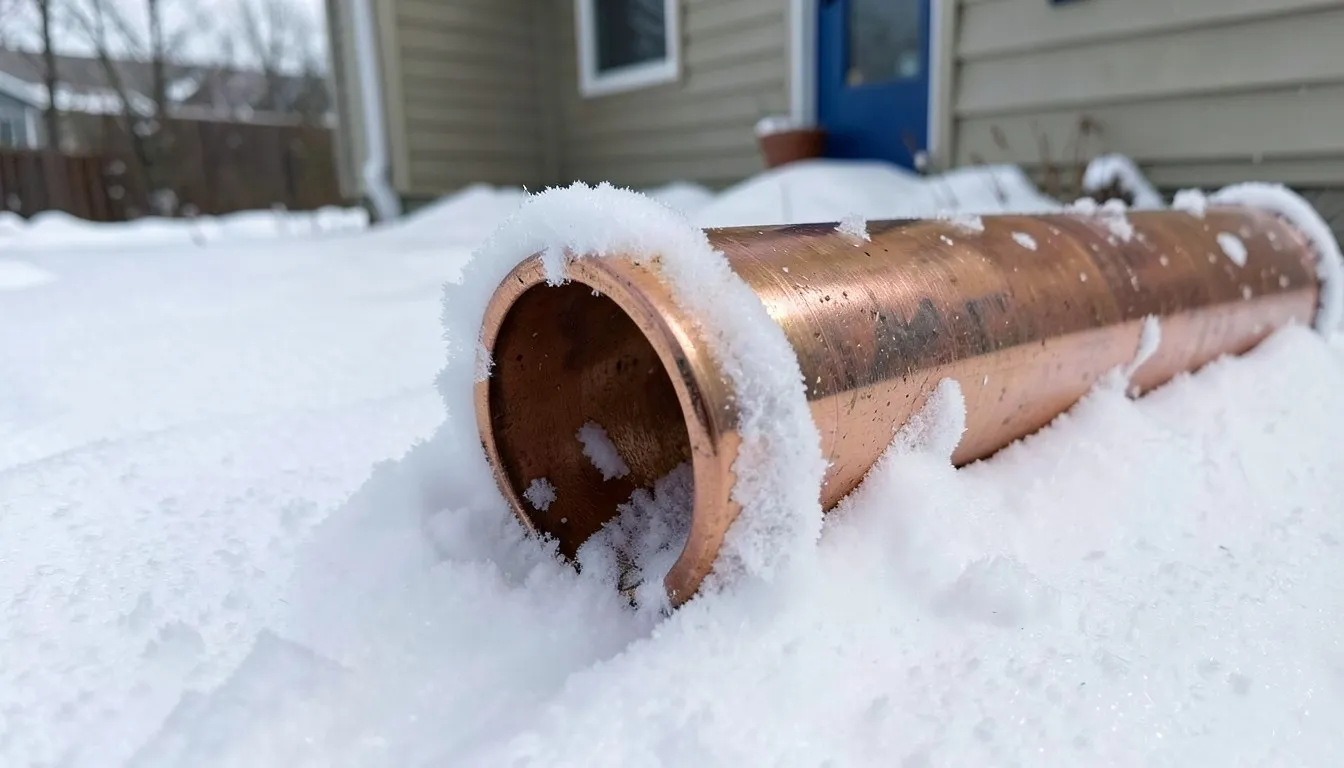
The fix gets cheaper the sooner a plumber sees it.
Degradation problems compound quietly. Call now, or use the form below and a licensed Colorado plumber calls you back with a no-obligation estimate for the leak detection.
Request a leak detection callback in Denver
In a meeting, with the kids, or just prefer not to hold? Drop your ZIP and number below. AlertPlumber routes your request to a verified plumber in your area — they’ll call you back directly.
- 1 Submit your info. ZIP, phone, and what kind of work you need.
- 2 AlertPlumber matches you with a verified plumber serving your area.
- 3 The plumber calls you back with a written estimate, no obligation.
Leak Detection in Denver — catch it early
Degradation-driven failures worsen over time and cost more to fix the longer they run. A verified CO plumber in Denver diagnoses your specific condition and provides a written scope before any work begins.