
Emergency Leak Detection in Chicago, Illinois
Leak Detection in Chicago, Illinois locates hidden water and gas leaks using acoustic and thermal equipment. Local conditions in Chicago: water measured at 8, a 42 frost line and a median home age of 75 years.
Camera first, quote second — know exactly what's wrong in your Chicago home before you approve a dollar.
Who do I call for a hidden leak in Chicago?
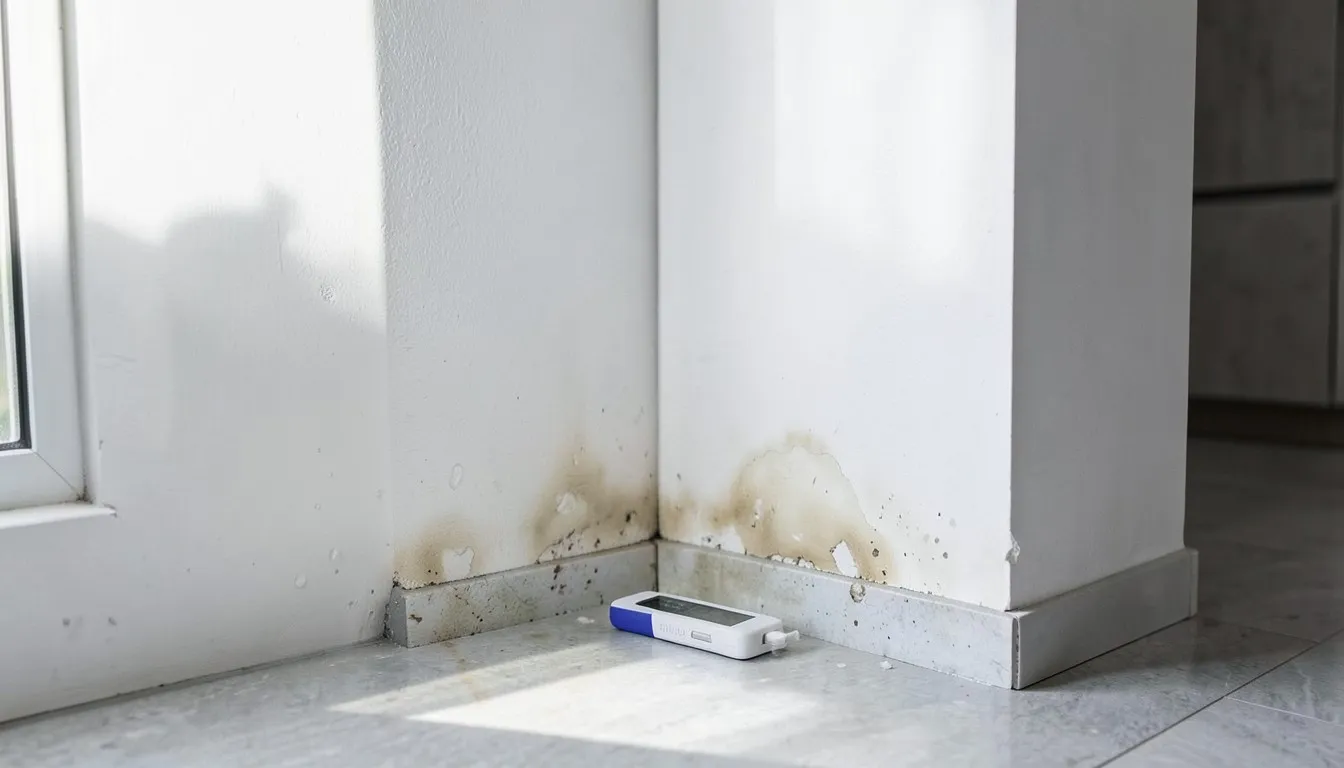
A plumber who offers leak detection. Ask what method they use (acoustic, thermal imaging or a pressure test) and whether finding the leak and repairing it are quoted separately. A hidden leak becomes urgent in a Chicago home when water is visible on a ceiling, wall or floor.
What does the local plumbing data show for Chicago, IL?
Seeing these conditions at your place in Chicago? Describe them on the call to a state-licensed local plumber — free, no obligation.
What are the pipe conditions in Chicago, IL?
Non-invasive leak detection uses acoustic amplification, thermal imaging, and pressure isolation to locate water loss in supply lines and drain systems without opening walls or floors. Chicago homes with galvanized or older copper supply runs face the highest pinhole leak incidence — a slow leak inside a wall cavity can cause mold and structural damage for months before becoming visible. A professional leak detection prevents unnecessary demolition by confirming the exact break location before any drywall is cut. AlertPlumber connects your call with an independent Illinois-licensed plumber — ask them to locate first and open second.
Chicago's water utility maintains an active lead service line (LSL) replacement program. With a median home age of 75 years, a portion of the housing stock may still have lead service laterals connecting the water main to interior supply — a consideration during any work near the service entry point. Ask a licensed plumber to confirm whether supply-side work requires utility coordination. Homes of other eras in Chicago may have galvanized pipe, copper pipe or polybutylene supply lines instead; ask the plumber which your home has.
Hard water in Chicago accelerates scale buildup inside water heater tanks, on heating elements, and at fixture connections. Sediment accumulation in tank heaters reduces efficiency and shortens element life; visible deposits at aerators and showerheads are an early indicator. Ask a licensed plumber to assess whether a water softener or conditioner is appropriate for the home's service configuration.
Frost line depth in Chicago means supply lines and outdoor plumbing must be installed below the freeze threshold — typically 42 — to prevent pipe burst during cold events. Exterior hose bibs, irrigation shutoffs, and any exposed pipe runs are the most common winterization service points in freeze-risk markets.
- Median home age
- 75 yrs
- Water hardness
- 8 gpg
- Frost line
- 42 in.
- Lead lines
- Active replacement
- Permit
- City fee schedule
Census housing age, Chicago city, Illinois: median year built 1953; 58.1% of homes built before 1960, 75.2% before 1980. Source: U.S. Census Bureau, ACS 2020–2024 5-year estimates, tables B25034 and B25035, read 2026-09-30.
Mention these conditions when you describe the symptom to the IL plumber you reach.
What local infrastructure shapes Leak Detection in Chicago?
Pre-war housing stock here at 75 years median age contains the largest confirmed lead service line inventory in this dataset — approximately 412,000 lines — alongside galvanized interior supply runs and early copper segments within the same properties. Lake Michigan municipal water at roughly 8 grains per gallon is moderately hard, creating conditions where scale forms on interior galvanized surfaces while galvanic corrosion accelerates at transitions between dissimilar metals.
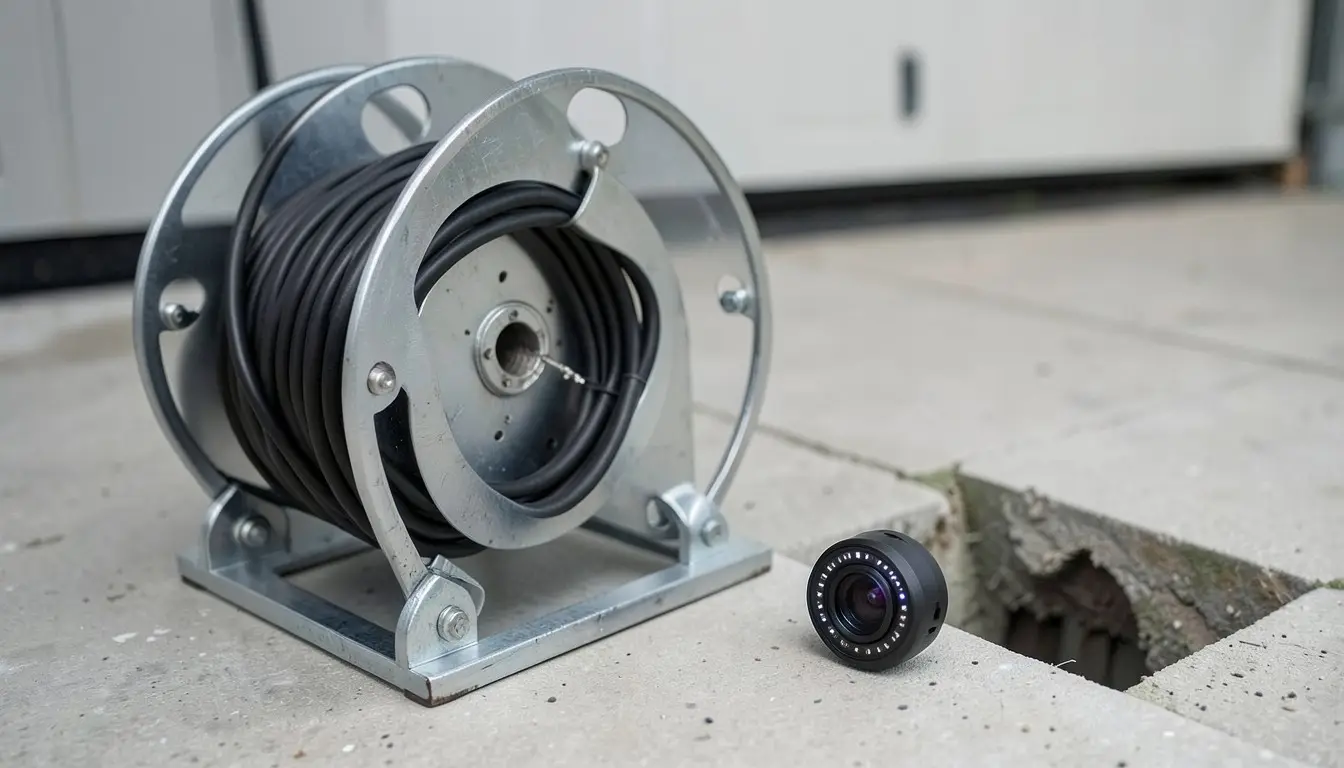
Full-system acoustic scanning covers the entire supply route when pre-war mixed-material systems are under investigation — localized pressure-drop testing at one section cannot rule out active water loss at another. Chicago's 42-inch frost line depth subjects basement-entry service connections to significant thermal cycling, adding mechanical stress at lead-galvanized transition fittings already under galvanic attack. Camera inspection of accessible galvanized sections identifies whether bore constriction or active corrosion perforation is driving pressure-drop symptoms before tracer gas work is introduced for inaccessible runs.
Chicago Department of Buildings requires a permit for detection and repair work before wall or floor surfaces are closed. The city's Replacement Program actively coordinates lead service line replacements; confirmed lead service properties must follow Chicago Water Management protocols before any supply-side repair scope is finalized. Post-repair pressure testing at 100 psi is documented before permit closure, a requirement that applies regardless of whether the repair involved the service line or only interior branches. Permit fee ranges: permit fee estimator.
What shapes plumbing demand in Chicago, IL?
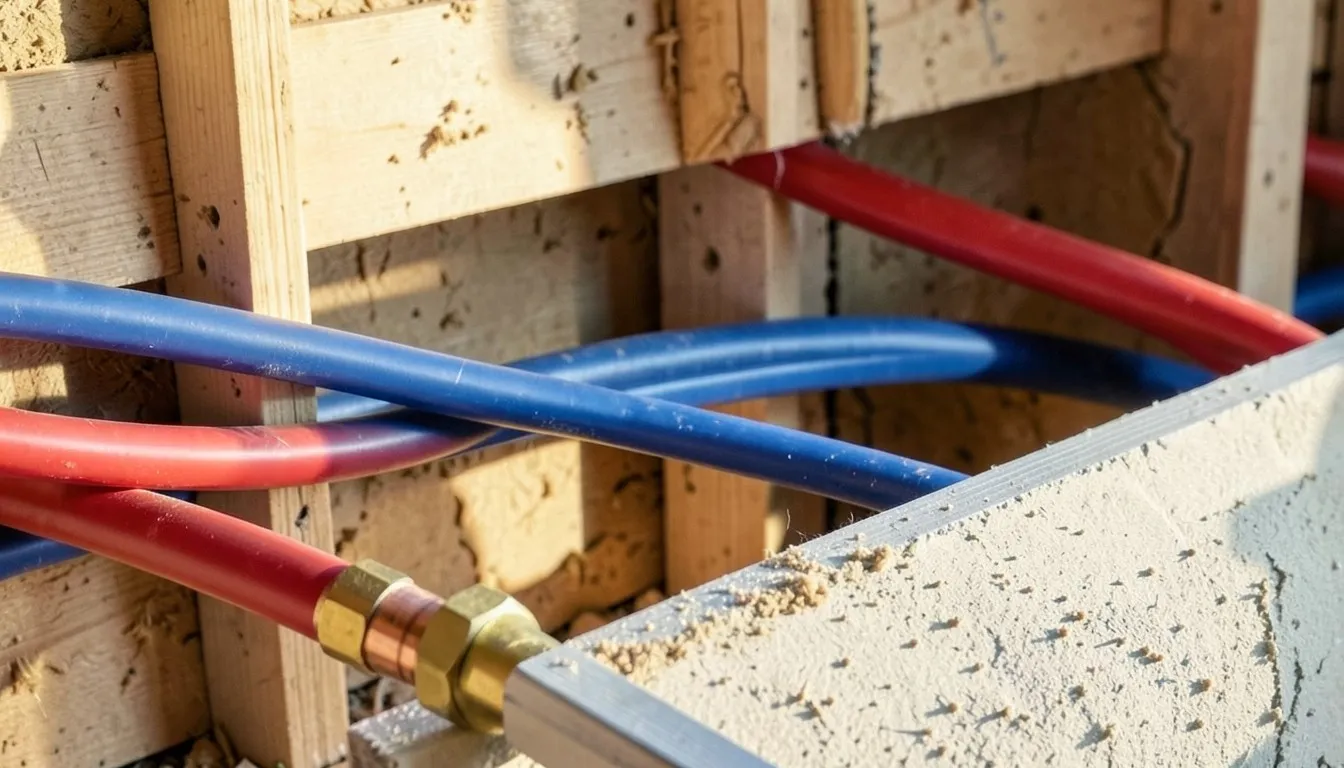
Galvanized supply lines and cast iron drain systems from the 1880s–1940s are past their 40–70-year design life across much of Chicago. Interior rust scale progressively narrows pipe bore. Plumbers here routinely scope supply lines before quoting any repair — the underlying pipe condition often makes full replacement more cost-effective than patching.
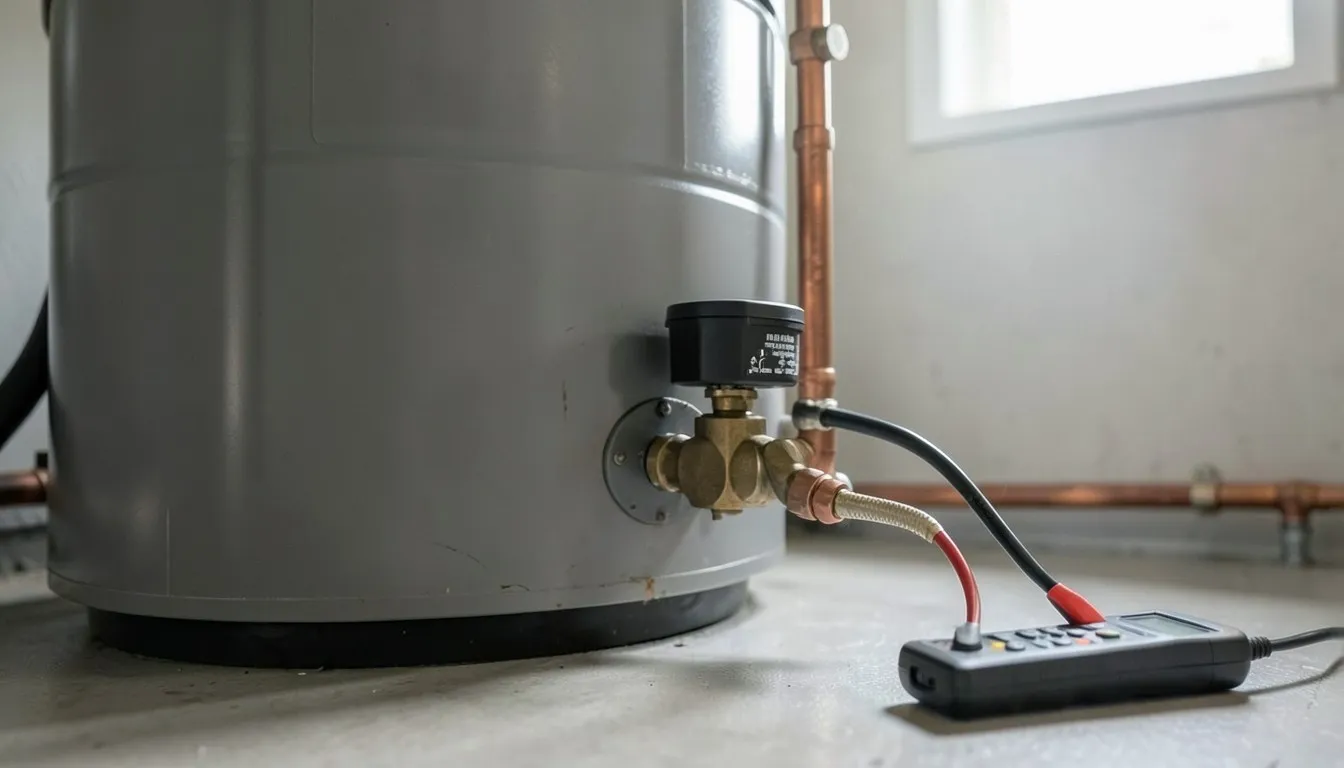
8–14 GPG shortens water heater service life to 8–11 years in Chicago and drives rolling maintenance demand at aerators, shower cartridges, and heat exchanger ports. Annual flushing prevents premature failure; skipped maintenance cycles push units toward early replacement. Scale-related calls represent a significant share of the annual service workload here.

The primary surge in Chicago runs January–March, with a secondary wave at the spring thaw — when pipes that held through the freeze rupture as pressure is restored above 32°F. Scheduling competition peaks exactly when emergency calls are highest. Homeowners who wait for visible damage compete for the same limited plumber slots at the worst possible time.
Why diagnose before repairing in Chicago?
Describe the symptom — not the repair. AlertPlumber routes the call to an independent IL-licensed plumber in its partner's network — ask whether the site visit will use camera tracing, acoustic detection, or hydrostatic pressure testing matched to the reported failure type.
Ask the plumber for a written diagnostic report: confirmed failure location, available repair methods, and tradeoffs — disruption level, material durability, long-term cost, and whether a Chicago building permit applies to the selected method.
You select the repair path. Ask for a fixed scope and price on the authorized method before the Illinois-licensed plumber proceeds and, where required, who files the permit application to Chicago.
Leak Detection cost calculator — Chicago
Pre-filled for leak detection in Chicago. Adjust the ZIP for a neighboring area, or change the service to compare. Calculator pulls from the city's scraped permit-fee + state plumber-density data.
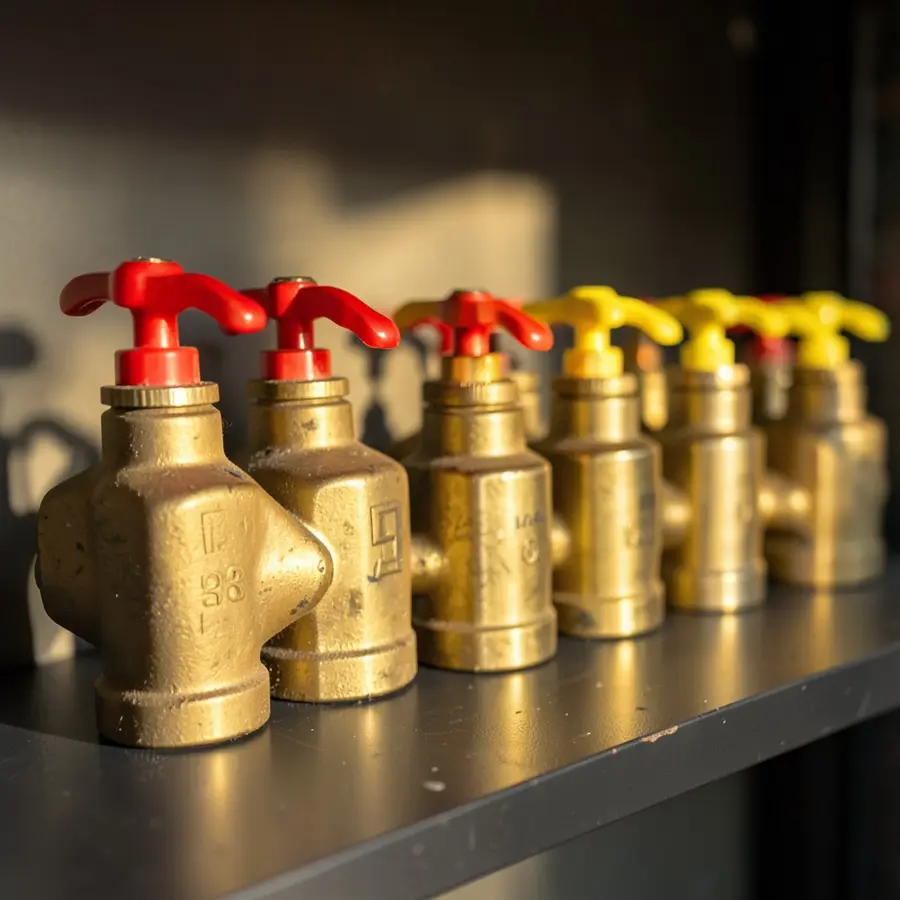
Leak Detection in Chicago — the longer it runs, the more it costs.
Slow failures compound: soft pipe walls, root penetration, mineral buildup. Ask the plumber you reach for a scope-first estimate before anything is dug up.
What else do people ask about leak detection in Chicago?
What does Chicago leak detection cost?
Chicago leak detection runs flat, with the price reflecting both labor cost and the city's housing-stock complexity — 1949 median build year covers everything from pre-1900 South Side and West Side workers' cottages to postwar bungalows in Albany Park and Sauganash. The detection fee covers acoustic listening on cast-iron stacks and supply risers, basement moisture mapping, and FLIR thermal scanning where applicable. The City of Chicago Department of Buildings plumbing-repair permit is set by the local fee schedule, applied separately if invasive work follows. AlertPlumber matches the call to one of roughly 13,200 Illinois Department of independent plumbers active in the metro. Price ranges: leak detection cost guide.
How does a Chicago homeowner know there's a hidden leak?
Chicago's mix of multi-flat housing, basement-heavy construction, and 110 freeze days a year produces these signals:
- A water stain on a downstairs unit's ceiling — common in two-flats and three-flats where a leak in your branch line surfaces in the unit below
- The basement floor-drain wet without recent fixture use (sub-grade leak)
- Frost on a north-facing wall riser visible from inside the basement during a January cold snap
- Damp basement walls below grade after a thaw — could be foundation infiltration, could be a pinhole on a buried supply
- Water-bill jump on the metered Chicago Water billing cycle (most single-family and small multi-flats are metered as of 2018)
What detection tools do Chicago plumbers use?
The Chicago workflow accommodates the city's stack-and-riser building style: (1) acoustic listening at the cast-iron stack and supply riser closest to the suspected leak, (2) moisture-map any downstairs ceiling under the suspect branch, (3) FLIR thermal where wall composition allows — works well on poured-concrete basement walls during winter when the temperature contrast is sharp, (4) static pressure isolation if the leak appears to be on the supply side, and (5) sewer-camera inspection of below-grade drain lines if the basement-floor-drain symptom suggests sub-slab involvement. Cast-iron stacks dominate Chicago's pre-1970 stock and are the source of a large fraction of detected leaks.
Will Illinois insurance cover Chicago leak detection?
Most IL HO-3 policies pay for detection when the underlying cause is sudden — a freeze-burst on a north-wall riser, a discrete cast-iron stack failure, a water-heater connection rupture. Coverage requires you maintained heat above 55°F (the standard Illinois policy clause) — vacant property with the heat off voids freeze-burst coverage. Carriers including State Farm, Allstate, Liberty Mutual, and Country Financial routinely reimburse Chicago detection invoices when paired with a written diagnostic report and meter-reading evidence. Two- and three-flat buildings get more complex — landlord and tenant policies may both apply depending on which fixture or branch failed; coordinate the documentation accordingly. Price ranges: leak detection cost guide.
Why does the water bill spike when there's a hidden leak?
Chicago's metering rollout (largely complete for single-family by 2018) means most homes now see leaks on the water bill within 30 days. A typical hidden leak releases 80-180 gallons per day on a 1/2-inch supply at 60 psi, which adds 2,400-5,400 gallons monthly — a scope-based price on the combined Chicago Water and sewer bill. Sewer is billed at the same volume as metered water (Chicago bills sewer 100% of water consumption per Department of Water Management), so the impact roughly doubles versus a flat-sewer city. Any 20%+ unexplained monthly increase warrants a detection scan within days; Chicago's billing cycle is short enough that delays compound quickly. Price ranges: leak detection cost guide.
Can a Chicago homeowner find the leak themselves first?
You can confirm a leak exists by shutting all fixtures and watching the meter (usually basement, near the front foundation wall). Any low-flow indicator motion confirms an active leak. You can also visually inspect basement floor drains, walk the basement perimeter looking for damp walls or frost on risers, and check under-sink connections. What you can't reliably DIY is locating a leak inside a multi-flat shared wall, distinguishing foundation infiltration from a buried supply leak, or diagnosing a cast-iron stack pinhole behind plaster. The Illinois Department of Public Health licenses about 13,200 plumbers active in the Chicago metro — that diagnostic skill is the value of the detection visit.
What's the most common type of leak in Chicago homes?
Three patterns dominate Chicago. First, cast-iron stack leaks above downstairs ceilings — overwhelmingly common in two- and three-flats and pre-1970 single-family stock where the original 4-inch cast-iron stack runs through closet space and pinholes after 70-90 years of service. Second, freeze-burst on north-wall risers — the 110 average annual freeze days drive January ruptures that often stay quiet until the March thaw. Third, basement floor-drain leaks below grade — buried drain laterals running under the slab pinhole or break, producing the wet-floor-drain symptom that's hard to attribute without sewer-cam diagnostic. Chicago's 8 gpg moderate-to-hard water contributes scale-driven failures on the supply side as well.
How well does FLIR thermal imaging work in Chicago?
FLIR works particularly well in Chicago basements during winter — the temperature differential between heated interior space and cold poured-concrete walls is sharp enough that a wet wall (from a leaking buried supply) shows as a clear cold anomaly. For above-grade plaster walls in pre-1940 stock, FLIR is less decisive because plaster diffuses thermal contrast. For cast-iron stack leaks, FLIR is generally not the right tool — acoustic listening at the stack is far more localized and specific. A skilled Chicago tech matches the tool to the suspected failure mode rather than reaching for the camera reflexively, which keeps the diagnostic both accurate and short.
Is a system-wide pressure test useful in Chicago homes?
For pre-1970 Chicago homes with one confirmed cast-iron stack leak, a system-wide pressure test is informative on the supply side but doesn't directly evaluate the cast-iron stack itself (cast-iron is gravity drain, not pressurized). A more useful Chicago diagnostic in stack-leak cases is a sewer-camera inspection of the full stack and lateral run, which visually confirms remaining stack life and informs spot-repair vs cast-iron-to-PVC stack replacement. For supply-side leaks in pre-1940 South Side and West Side housing with original galvanized risers, the pressure test catches additional weak points and informs the spot-repair vs repipe decision the same way it does in Boston. Price ranges: leak detection cost guide.
How fast can AlertPlumber call-out a plumber for a Chicago leak emergency?
AlertPlumber routes Chicago leak emergencies to the first available IL DPH-independent plumbers on the network, with coverage across the city and inner suburbs from Edison Park to Mount Greenwood out to Oak Park, Evanston, and Cicero. The matched plumber gives an exact ETA on the live callback — real response depends on neighborhood, time of day, traffic, and current call-out load. Active leaks reaching a finished floor or affecting a downstairs unit should be described as urgent when you call. AlertPlumber does not quote arrival times; ask the plumber who takes the call for an arrival window.
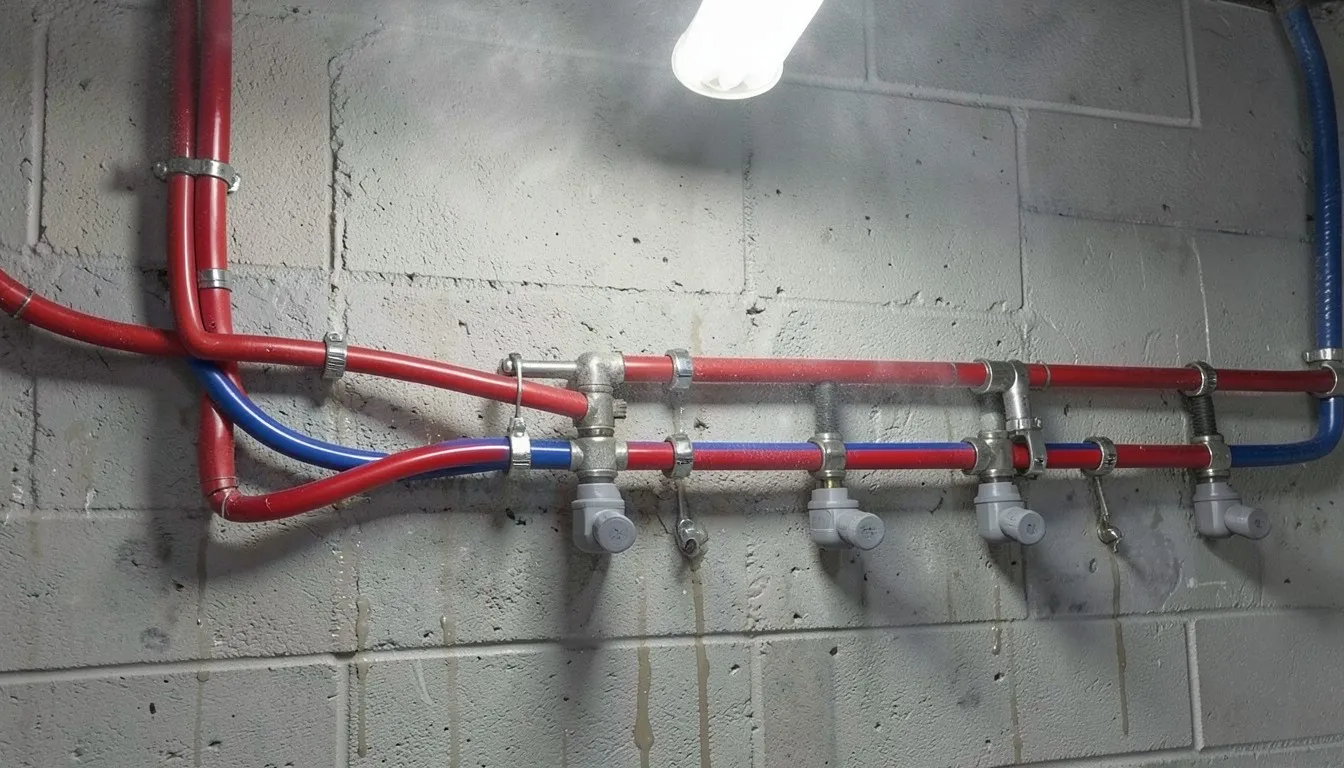
The fix gets cheaper the sooner a plumber sees it.
Degradation problems compound quietly. Call now, or use the form below to reach an independent Illinois plumber, and ask for an estimate for the leak detection — you are under no obligation.

Need a leak detection callback in Chicago?
In a meeting, with the kids, or just prefer not to call? Drop your ZIP and number below. AlertPlumber sends your request to our routing partner — if a participating plumber serves your area, they may call you back directly. For anything urgent, call the number on this page.
- 1 Submit your info. ZIP, phone, and what kind of work you need.
- 2 AlertPlumber passes it on to our routing partner for your area.
- 3 If a participating plumber serves your area, they may call you back. Ask for a written estimate before work starts.
Leak Detection in Chicago — catch it early
Degradation-driven failures worsen over time and cost more to fix the longer they run. Ask the independent IL plumber you reach in Chicago to diagnose your specific condition and put the scope in writing before any work begins.