
Trap Primer
A device that automatically adds small amounts of water to infrequently used floor drain P-traps to prevent the water seal from evaporating, which would allow sewer gases into the building.
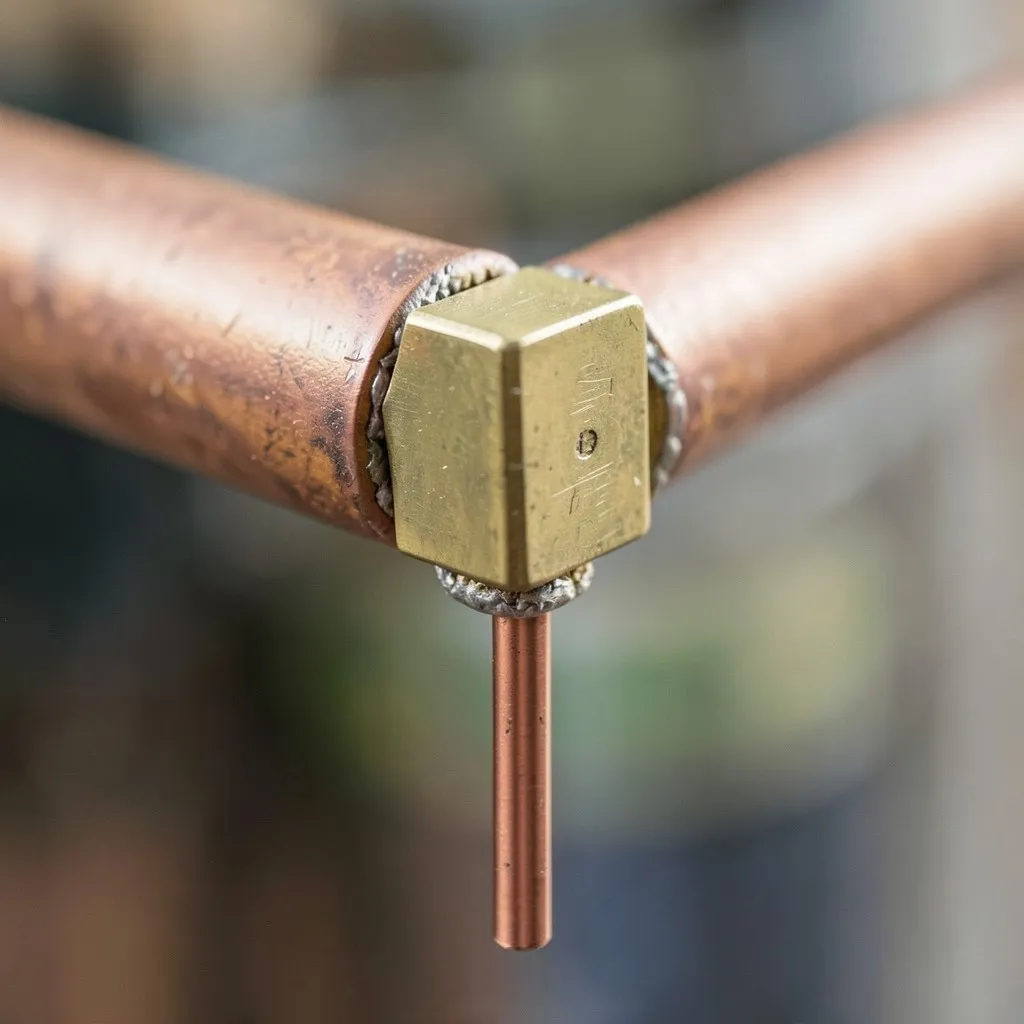
A trap primer is a device — either mechanical or electronic — that automatically delivers small amounts of water to floor drain P-traps on a regular schedule to prevent the water seal from evaporating. Without water in the trap, sewer gases can migrate freely into the building through the drain opening.
Why do P-traps dry out?
Floor drains in utility rooms, mechanical rooms, parking garages, and commercial kitchens are often used infrequently. If no water runs down the drain for weeks, the trap's water seal evaporates — especially in low-humidity or heated environments. A dry trap is the most common cause of sewer gas complaints in commercial buildings.
What types of trap primers are there?
- Pressure differential trap primers — connect to a nearby supply line; when pressure drops during use of any fixture on that branch (toilet flush, sink use), a small amount of water is diverted to the floor drain trap. Mechanical, no power required. Most common in commercial applications.
- Electronic timer-based primers — a solenoid valve on a supply line opens on a timed schedule (daily or weekly) to dose each floor drain trap. Allows precise control in large facilities.
- Trap seal liquid (alternative) — a biodegradable glycol solution poured directly into the trap. Evaporates much slower than water, providing protection for 30–90 days. A low-tech option for rarely used drains.
What does code require for trap primers?
The International Plumbing Code (IPC) and Uniform Plumbing Code (UPC) both require trap primers or trap seal protection on floor drains that may go unused for extended periods. Inspectors in commercial construction routinely require trap primer installation on all floor drains.
What should homeowners do about floor drain odor?
If your basement floor drain smells of sewage and hasn't been used recently, pour a quart of water into it first. If the smell returns, a trap primer (or regular flushing) is the solution — not a drain cleaning.
Researching the term is one thing — hiring for it is another. See drain cleaning services for scope, timelines, and what drives the price, or call (888) 530-4445 for a no-cost estimate.
For the full picture — materials, process, timelines and what drives the cost — read Drain Cleaning: The Complete Guide.
What related terms should you know?
What sources back this up?
Need a verified plumber for drain cleaning?
AlertPlumber matches you with a licensed plumber for drain cleaning. Written estimate before any work begins.