
Sewage Pump
A submersible pump that moves raw sewage from a collection pit to a higher elevation where it can drain by gravity — used when plumbing fixtures are below the main sewer line.
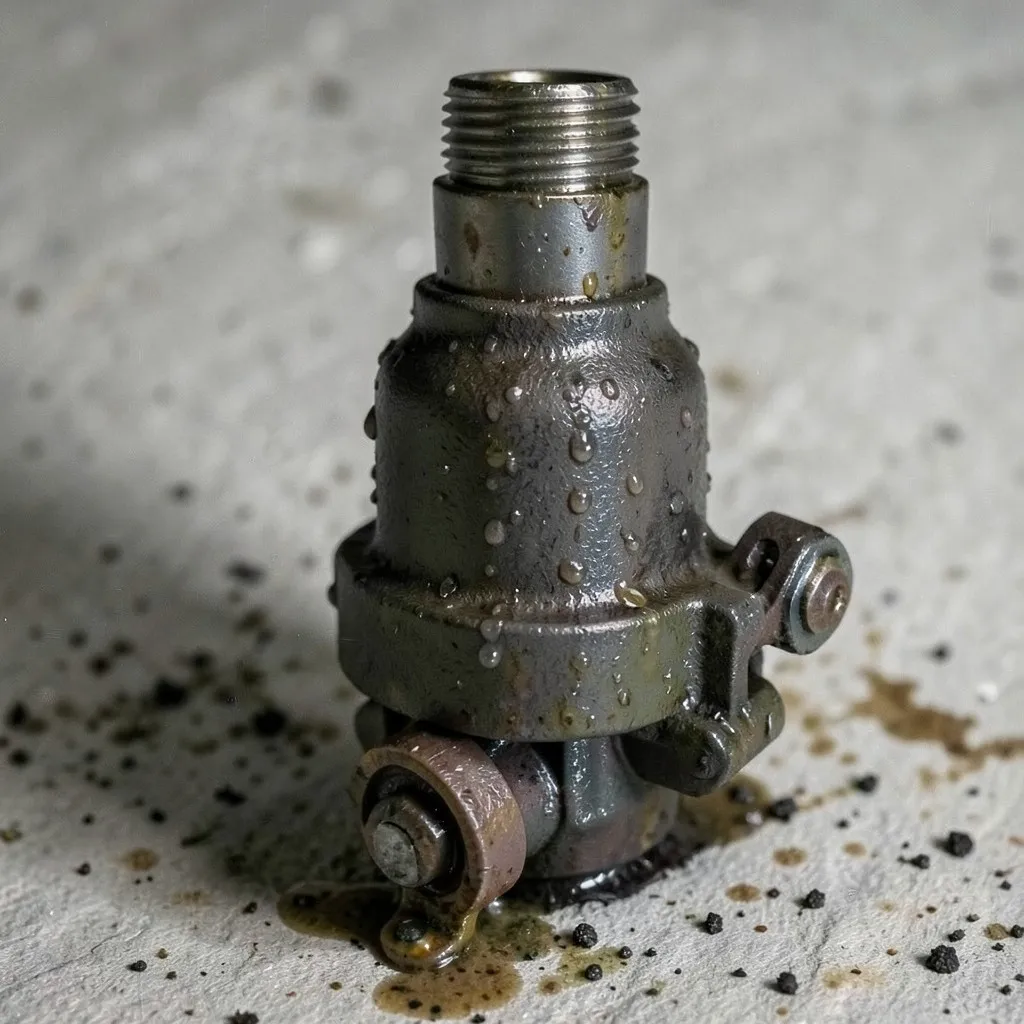
A sewage pump is a submersible pump designed to move raw sewage (water, solids, and waste) from a collection pit to a higher elevation or greater distance where gravity drainage to the municipal sewer is possible. Sewage pumps are the backbone of below-grade plumbing — any bathroom, laundry room, or utility area below the level of the main sewer connection requires a sewage pump system to function.
Sewage, effluent, or sump pump — what's the difference?
- Sewage pump: handles raw, unscreened sewage including solids up to 2 inches in diameter — designed for toilet waste and heavy debris. Must meet ANSI standards for 2" solids passage.
- Effluent pump: handles partially treated (settled) sewage in septic systems — lighter-duty than a sewage pump, not designed for raw toilet waste or large solids.
- Sump pump: handles groundwater only — never sewage. Not rated for waste solids and will fail quickly if sewage is introduced.
What are the system components?
A sewage pump system consists of: a fiberglass or polyethylene basin (18–30" diameter, 24–36" deep) buried in the floor; the sewage pump sitting inside the basin; a float switch to activate the pump at a set water level; a check valve on the discharge to prevent backflow; and a vent for the basin (required by code to control sewer gas).
What maintenance does a sewage pump need?
- Test annually by pouring water into the basin to activate the pump
- Inspect the check valve — a failed check valve causes the pump to run continuously, burning out the motor
- Never flush wipes, feminine products, or food waste into a system served by a sewage pump — these clog the pump impeller
- Pump replacement: $200–$600 for residential grade; $600–$1,500 for commercial grade
Researching the term is one thing — hiring for it is another. See sump pump repair services for scope, timelines, and what drives the price, or call (888) 530-4445 for a no-cost estimate.
What related terms should you know?
What sources back this up?
Need a verified plumber for sump pump repair?
AlertPlumber matches you with a licensed plumber for sump pump repair. Written estimate before any work begins.