
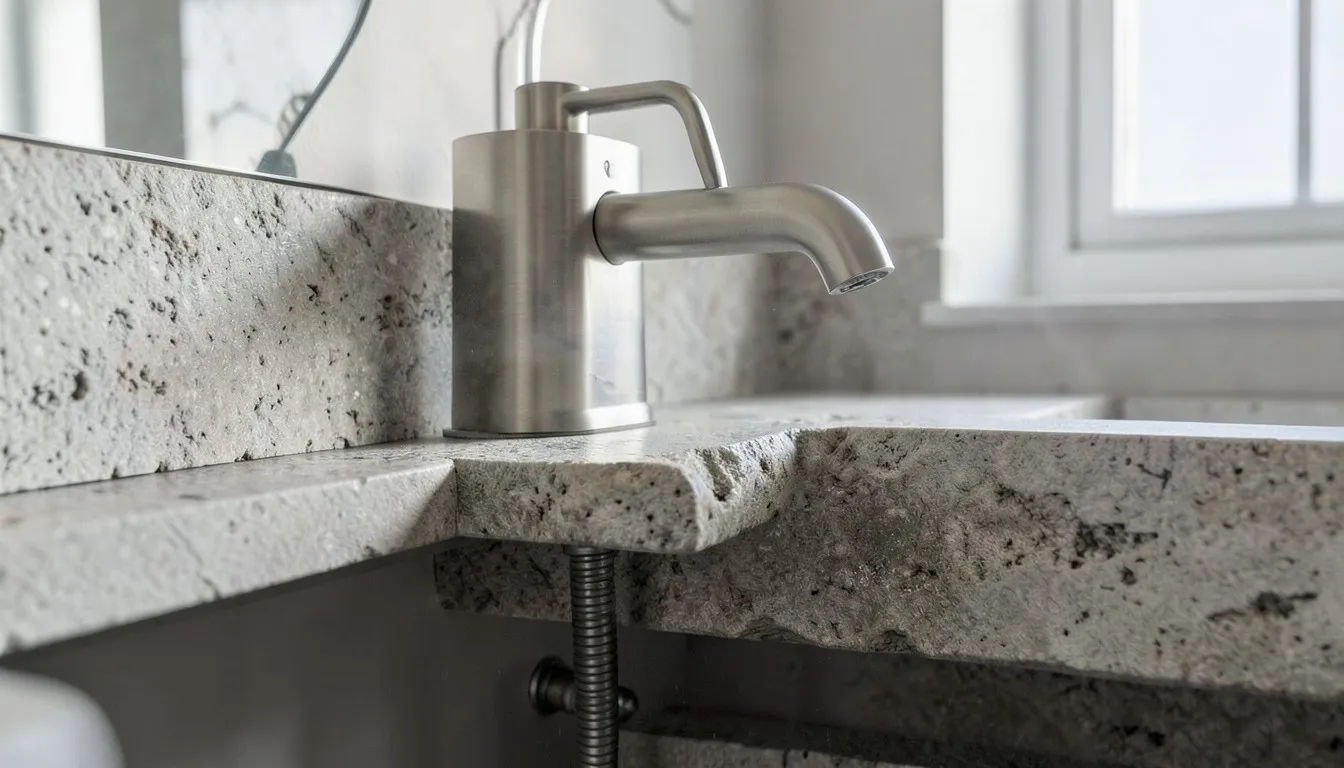
Faucet & Fixture Installation in Minneapolis, Minnesota
Faucet & Fixture Installation in Minneapolis, Minnesota installs and replaces kitchen, bathroom, and outdoor faucets and fixtures. Local conditions in Minneapolis: water measured at 5.8, a 60 frost line and a median home age of 78 years.
Book it this week — a licensed MN plumber quotes it by phone before anyone rolls a truck.
What does the local plumbing data show for Minneapolis, MN?
Seeing these conditions at your place in Minneapolis? A state-licensed plumber can confirm it over the phone — free, no obligation.
What are the pipe conditions in Minneapolis, MN?
Faucet installation in Minneapolis requires more than a fixture swap when the supply valves are corroded shut, the supply lines are braided-steel that haven't been moved in 15 years, or the mounting hardware doesn't match the sink deck. Older homes with original shut-off valves frequently need valve replacement during the same appointment — a corroded angle stop that seizes during fixture work requires immediate repair to restore water to the home. AlertPlumber routes your request to a Minnesota-licensed plumber who inspects valves before committing to fixture labor.
Minneapolis's water utility maintains an active lead service line (LSL) replacement program. With a median home age of 78 years, a portion of the housing stock may still have lead service laterals connecting the water main to interior supply — a consideration during any work near the service entry point. A licensed plumber can confirm whether supply-side work requires utility coordination.
Frost line depth in Minneapolis means supply lines and outdoor plumbing must be installed below the freeze threshold — typically 60 — to prevent pipe burst during cold events. Exterior hose bibs, irrigation shutoffs, and any exposed pipe runs are the most common winterization service points in freeze-risk markets.
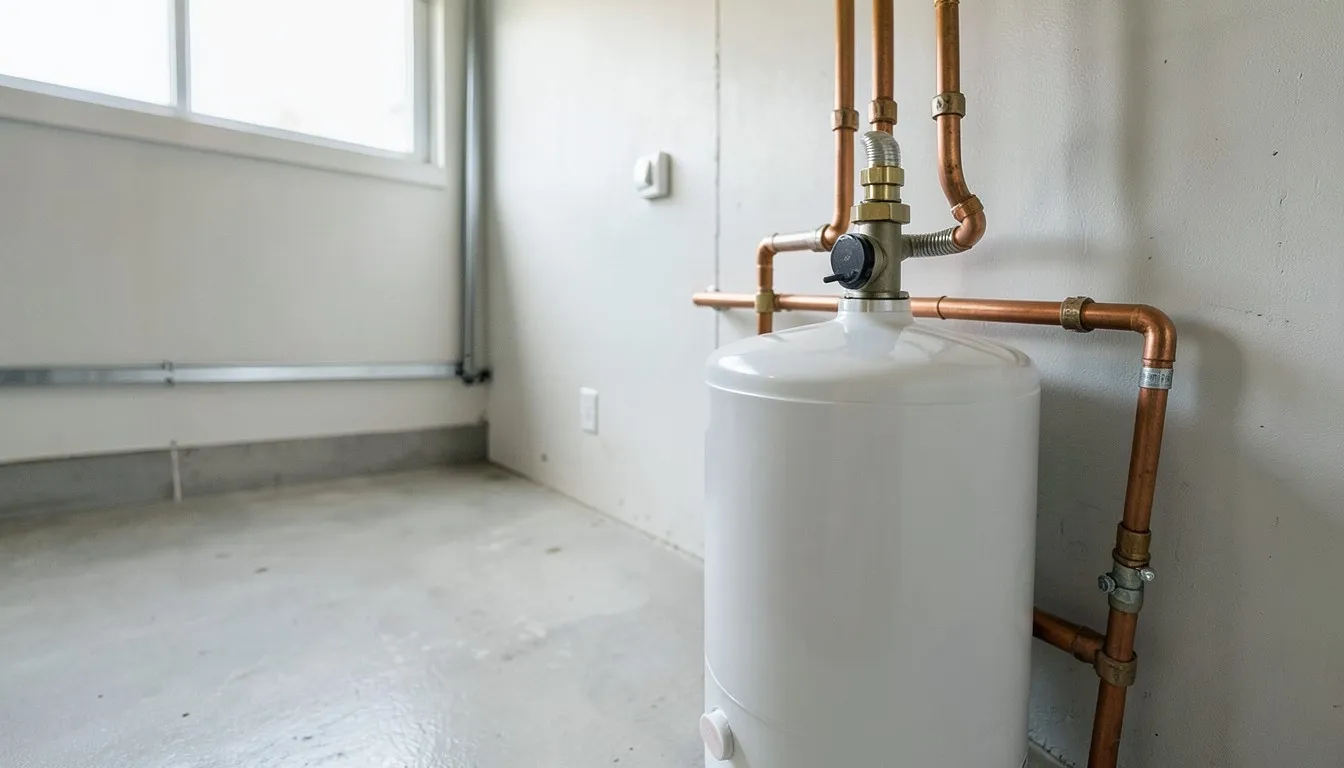
- Median home age
- 78 yrs
- Water hardness
- 5.8 gpg
- Frost line
- 60 in.
- Lead lines
- Active replacement
- Permit
- $75
A licensed MN plumber reads these conditions the moment you describe the symptom.
What local infrastructure shapes Faucet & Fixture Installation in Minneapolis?
Minneapolis Utility supply from the Mississippi River tests at approximately 5.8 grains per gallon — moderate hardness where ceramic disc cartridges wear at a standard rate — but the dominant faucet context in Minneapolis is pre-war housing stock at 78-year median age, where original and mid-century compression faucets are the primary failure mode. Cartridge abrasion from mineral deposits is a secondary concern; valve seat erosion in brass bodies that have run soft-to-moderate water for decades is the front-line failure pattern.
Minneapolis has 8,100 confirmed lead service lateral connections, and the angle stop shutoff valves adjacent to those laterals in pre-war residential stock require careful evaluation before faucet supply lines are disconnected. Original 1940s and 1950s angle stop shutoffs in Minneapolis homes have frequently not been operated since installation, and a seized valve during faucet removal converts a routine job into a main shutoff emergency.
Faucet replacements in Minneapolis do not require the $75 permit for direct body and cartridge swap work within existing rough-in dimensions; drain or supply re-routing triggers permit requirements. Minnesota Board of Plumbing licensing applies to any supply connection work. Minneapolis's active lead service line replacement program means homeowners should verify lateral replacement status before requesting faucet installation in pre-war homes, as the scope may expand to include shutoff valve replacement at the stub-out.
What shapes plumbing demand in Minneapolis, MN?
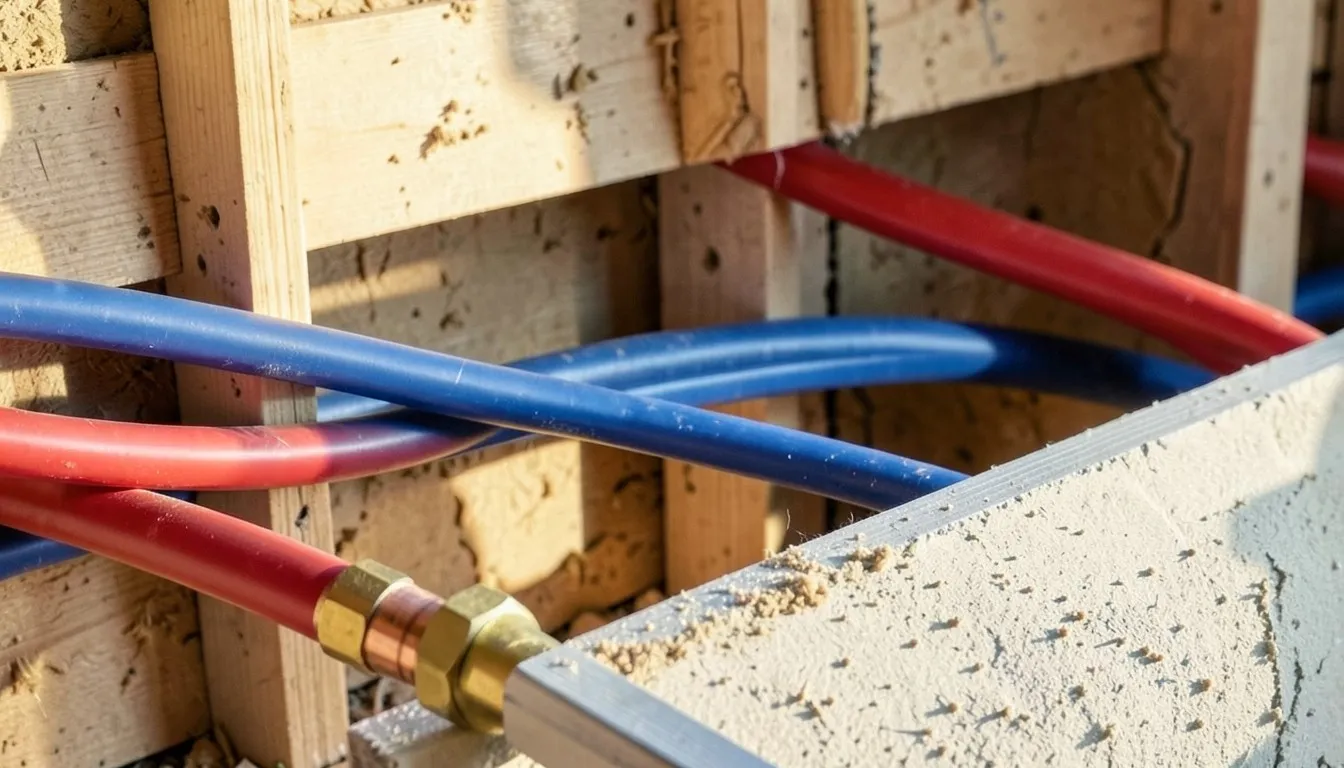
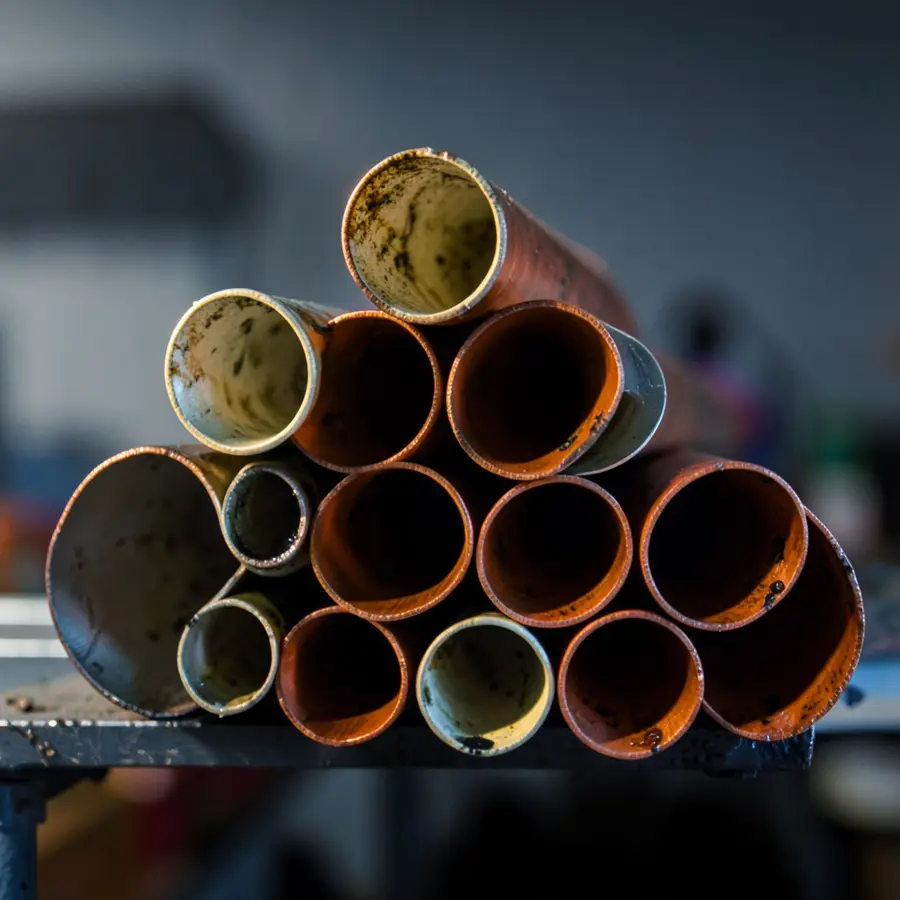
Galvanized supply lines and cast iron drain systems from the 1880s–1940s are past their 40–70-year design life across much of Minneapolis. Interior rust scale progressively narrows pipe bore. Plumbers here routinely scope supply lines before quoting any repair — the underlying pipe condition often makes full replacement more cost-effective than patching.
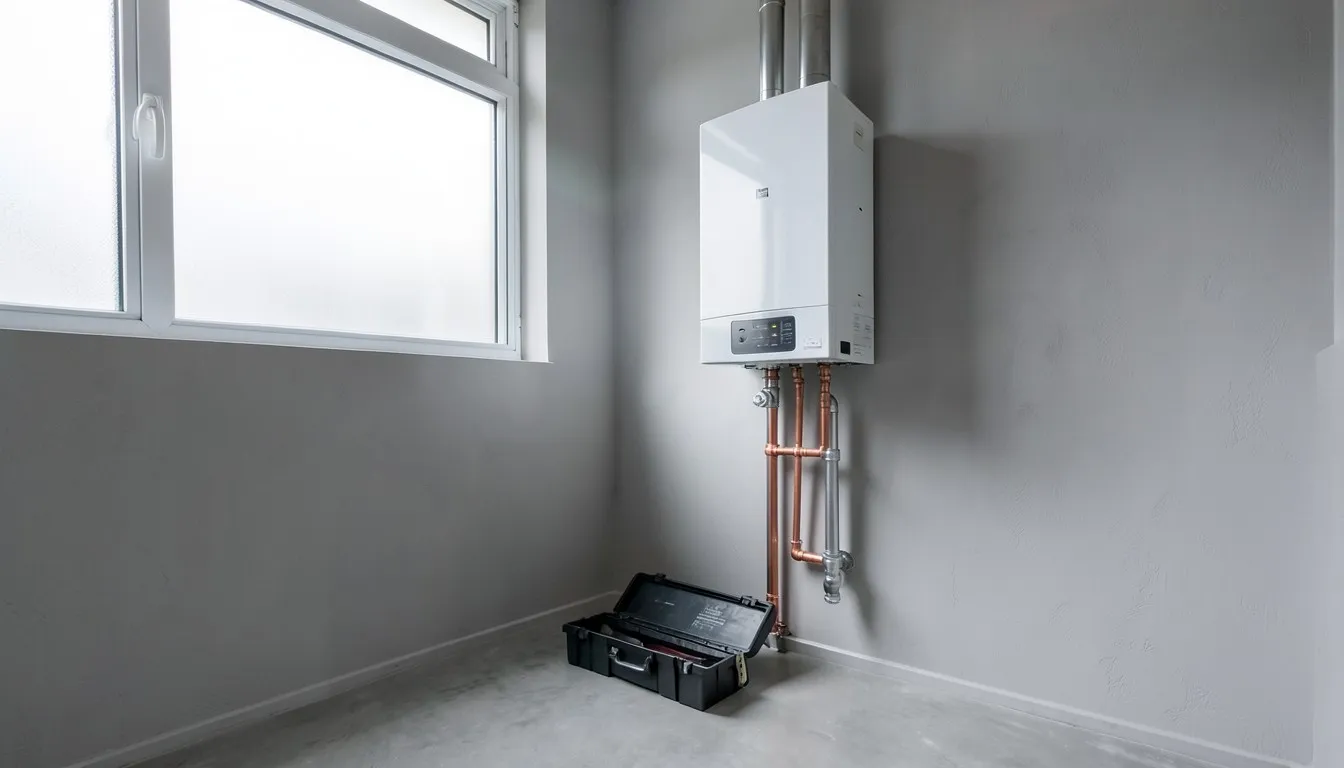
4–7 GPG produces gradual scale that stays manageable with standard maintenance intervals in Minneapolis — annual flushing, cartridge cleaning every 1–2 years. Equipment runs near design lifespan. The primary water quality driver here is preventive maintenance rather than emergency replacement, which distributes service demand more evenly across the calendar.
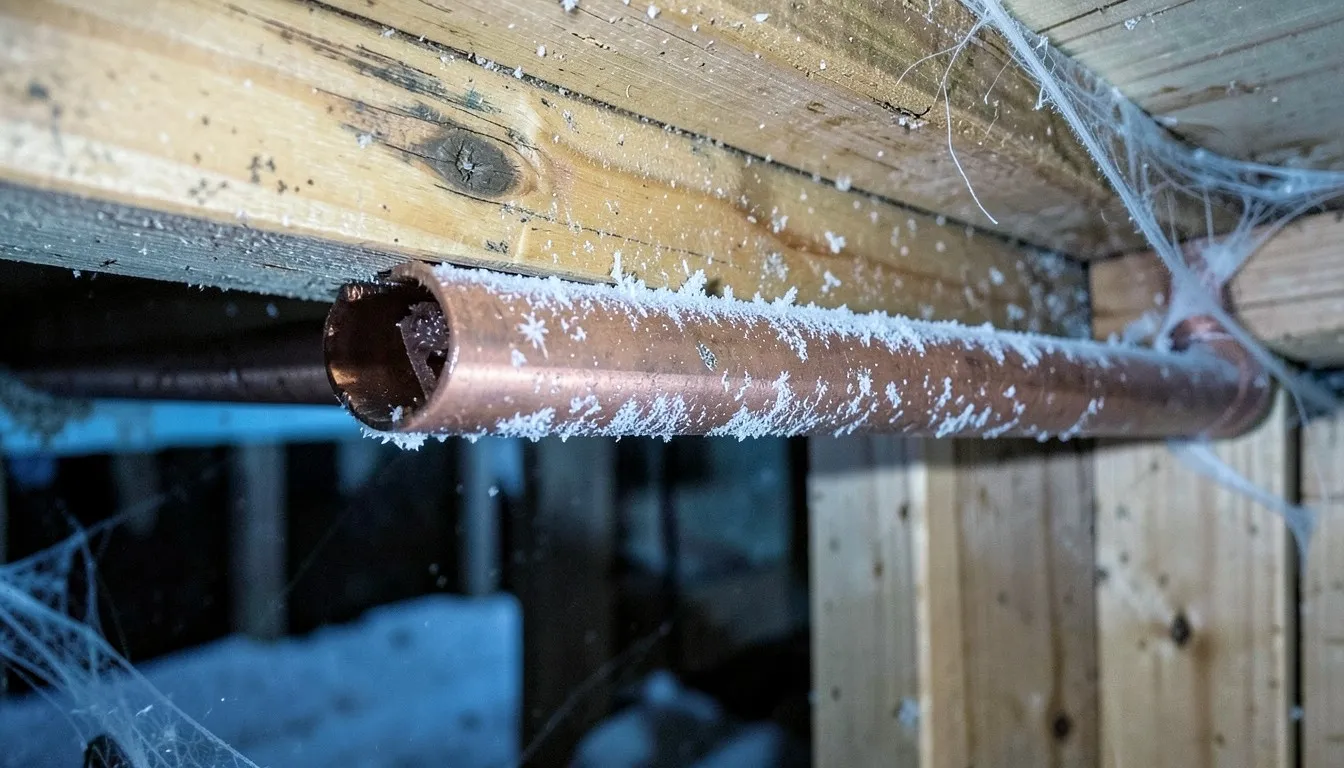
The primary surge in Minneapolis runs January–March, with a secondary wave at the spring thaw — when pipes that held through the freeze rupture as pressure is restored above 32°F. Scheduling competition peaks exactly when emergency calls are highest. Homeowners who wait for visible damage compete for the same limited plumber slots at the worst possible time.
Why does a Minneapolis plumber estimate first and commit second?
Submit the service type and your Minneapolis address. A Minnesota-licensed plumber reviews the description and schedules a site visit — typically within 24–48 hours. There is no financial commitment or obligation at this stage.
At the appointment, the plumber inspects the installation point, confirms the project approach, and delivers a written estimate: fixed price, material breakdown, and project timeline for Minneapolis. Review it at your pace before deciding.
Once you approve the estimate, the plumber coordinates the start date. Required permits for Minneapolis are pulled before the job starts. A final walkthrough after completion confirms every item in the agreed scope was delivered.
Faucet & Fixture Installation cost calculator — Minneapolis
Pre-filled for faucet & fixture installation in Minneapolis. Adjust the ZIP for a neighboring area, or change the service to compare. Calculator pulls from the city's scraped permit-fee + state plumber-density data.
Ready to move forward on faucet & fixture installation in Minneapolis?
Lead times for equipment and scheduling vary by season. A verified plumber calls back with availability and a written estimate — locking in timing before demand peaks.
What else do people ask about faucet & fixture installation in Minneapolis?
How much does faucet or fixture installation cost in Minneapolis, MN?
Faucet and fixture installation in Minneapolis typically runs $165–$660 in labor (national $150–$600 adjusted roughly 10% above national average) plus the fixture cost. A kitchen faucet swap on a functioning shutoff valve is $150–250 labor; a bathroom faucet is $100–200; a shower valve and trim kit runs $250–600 depending on access. Bring your own fixture or let the plumber source one — just confirm it's lead-free certified (required since 2014).
What happens to old supply lines and shutoff valves during a Minneapolis faucet replacement?
Minneapolis's 78-year median home age means supply-line shutoff valves are frequently the same age as the original fixture — compression-style valves from the 1940s-70s clay/Orangeburg era often fail to fully close after decades of non-use. The plumber will test shutoff function at the start of the visit; if valves don't shut water off completely, they need replacement ($80–150/valve) before proceeding with the faucet swap.
Does faucet installation require a permit in Minneapolis?
A straight like-for-like faucet swap (same position, same connection type) does not require a permit in Minneapolis under MN DLI. Moving a faucet location, adding a new sink, relocating a shower valve, or installing outdoor hose bibs typically does require a permit. The matched plumber confirms permit requirements during the scheduling call and pulls any needed permits on your behalf.
How does Minneapolis water hardness affect faucet selection?
Minneapolis's 5.8 gpg water is moderate and won't significantly limit finish choice. Any standard lead-free faucet from a major manufacturer works well in Minneapolis water.
What does "lead-free" mean for faucets in Minneapolis — is it required?
Yes — the Reduction of Lead in Drinking Water Act (2014) requires all potable-water faucets sold or installed in the US to contain no more than 0.25% lead in wetted surfaces. This applies to every replacement faucet installed by a licensed plumber in Minneapolis. Non-compliant faucets (often gray-market imports without NSF 61/372 certification) can leach lead into drinking water. The matched plumber sources only compliant, NSF-certified fixtures.
What type of valve is inside my Minneapolis faucet — and does it matter?
Three types: (1) compression (rubber seat that tightens against a valve seat — common in older Minneapolis homes, requires periodic stem replacement, the "replace the washer" fix); (2) ball valve (single-handle, stainless ball with ports — high-flow but seal-prone in hard water); (3) ceramic disc (single or double lever, nearly maintenance-free, industry standard since the 1990s). In Minneapolis's water, ceramic disc is a proven long-term choice for most applications.
How long does faucet installation take in Minneapolis?
A standard kitchen faucet replacement on accessible, functional shutoffs takes 45–90 minutes. Bathroom faucets run 30–60 minutes. Shower valve and trim take 60–120 minutes if the valve body is accessible from the front; add time if tile must be cut or access panel installed. Most AlertPlumber-matched plumbers in Minneapolis book faucet work within 1–2 business days; it's rarely urgent unless the existing fixture is spraying.
What's different about kitchen vs bathroom vs shower faucet installation in Minneapolis?
Kitchen faucets typically require reach into a confined sink-base cabinet with spray-hose connections — tight space work. Bathroom faucets involve a pop-up drain assembly that frequently seizes in Minneapolis's older 1940s-70s clay/Orangeburg fixtures. Shower valves are the most complex: the valve body is behind the wall (requires cutting or an existing access panel), must be pressure-balancing (required by code in Minneapolis to prevent scalding), and requires matching trim to the existing rough-in brand and spacing.
Should I hire a plumber for faucet installation or DIY it in Minneapolis?
DIY is reasonable for: a kitchen or bathroom faucet swap where existing shutoffs work, supply lines are accessible, and no soldering is needed — most modern faucets use push-fit or braided supply connections. Call a plumber for: shower valve replacement (wall access + pressure-balance code), any fixture requiring soldered connections, shutoff valve replacement, or if the existing supply lines are corroded or stuck. Licensed work in Minneapolis (MN DLI) is required for any new supply-line run or drain modification.
Are AlertPlumber-matched faucet installers verified in MN?
Yes. Every plumber matched through AlertPlumber for faucet and fixture work in Minneapolis holds an active MN DLI license. Most faucet installations complete in a single visit — the matched plumber carries common cartridges, supply lines, and shutoff valves for the most frequent repair-alongside scenarios.
A written quote costs you nothing. Guessing costs you the job.
The form below takes under a minute — a licensed Minnesota plumber calls back, scopes the faucet & fixture installation, and quotes it in writing before anyone rolls a truck.
Need a faucet & fixture installation callback in Minneapolis?
In a meeting, with the kids, or just prefer not to hold? Drop your ZIP and number below. AlertPlumber routes your request to a verified plumber in your area — they’ll call you back directly.
- 1 Submit your info. ZIP, phone, and what kind of work you need.
- 2 AlertPlumber matches you with a verified plumber serving your area.
- 3 The plumber calls you back with a written estimate, no obligation.
Faucet & Fixture Installation in Minneapolis — scope and schedule
AlertPlumber connects you with a verified MN plumber for faucet & fixture installation in Minneapolis. Written estimate, permit coordination, and no obligation until you approve the quote.