
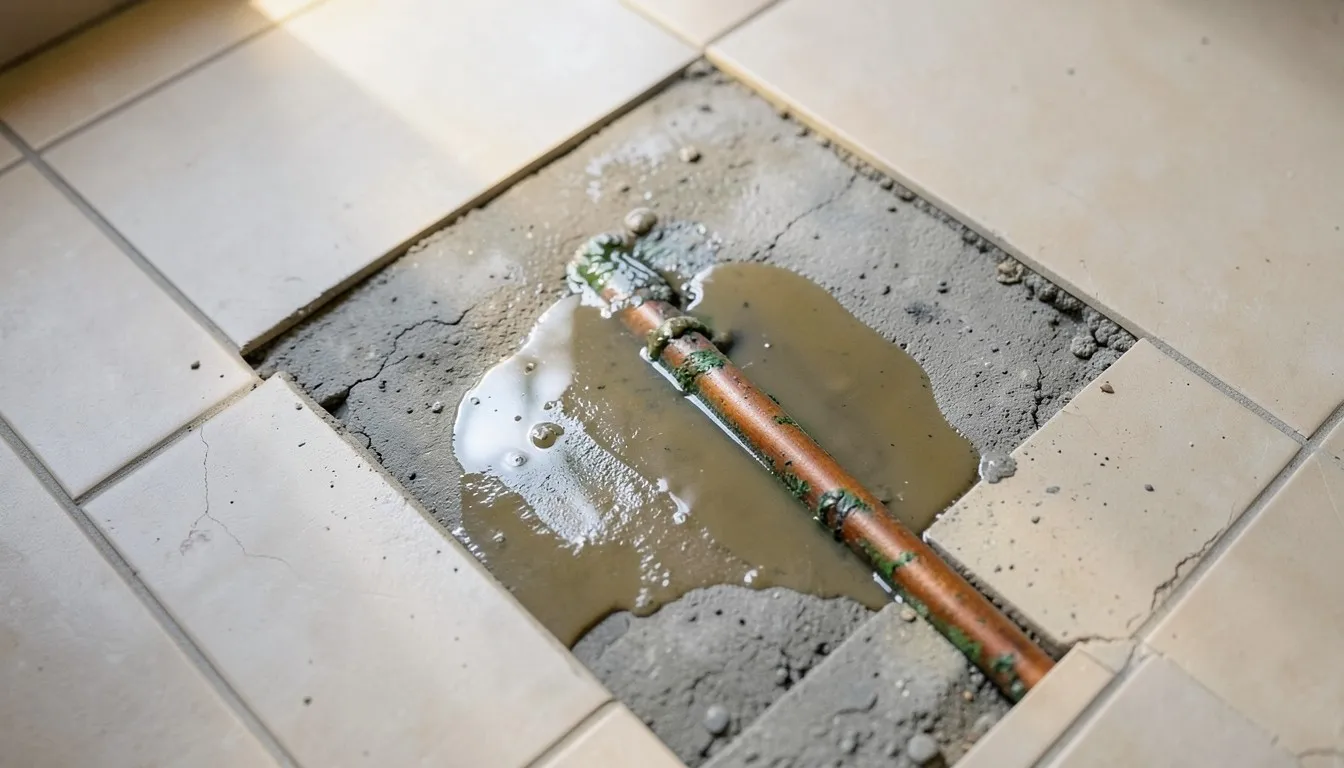
Emergency Slab Leak Repair in Pomona, California
Slab Leak Repair in Pomona, California detects and repairs leaks in pipes beneath the concrete slab foundation. Local conditions in Pomona: water measured at 18 gpg, a 0 in frost line and a median home age of 55 years.
Camera first, quote second — know exactly what's wrong in your Pomona home before you approve a dollar.
Who do I call for a slab leak in Pomona?
A plumber who does leak detection and slab leak repair. In Pomona, as anywhere, ask whether they locate the leak with detection equipment before any concrete is opened. It is urgent when water is coming up through the floor or the leak is near electrical outlets or appliances.
What does the local plumbing data show for Pomona, CA?
Seeing these conditions at your place in Pomona? Describe them on the call to a state-licensed local plumber — free, no obligation.
What are the pipe conditions in Pomona, CA?
Slab leaks form when copper supply lines embedded in the concrete foundation develop pinholes from electrochemical corrosion, high-velocity water erosion, or slab movement. Pomona homes built during the 1960s–1980s on post-tensioned slabs face the highest slab-leak risk — copper installed at original construction is approaching or past the 50-year corrosion window. Early signs include warm or wet spots on the floor, unexplained water bill spikes, and the sound of running water when all fixtures are closed. AlertPlumber routes your call to an independent California-licensed plumber — ask for acoustic leak location before any slab cutting begins.
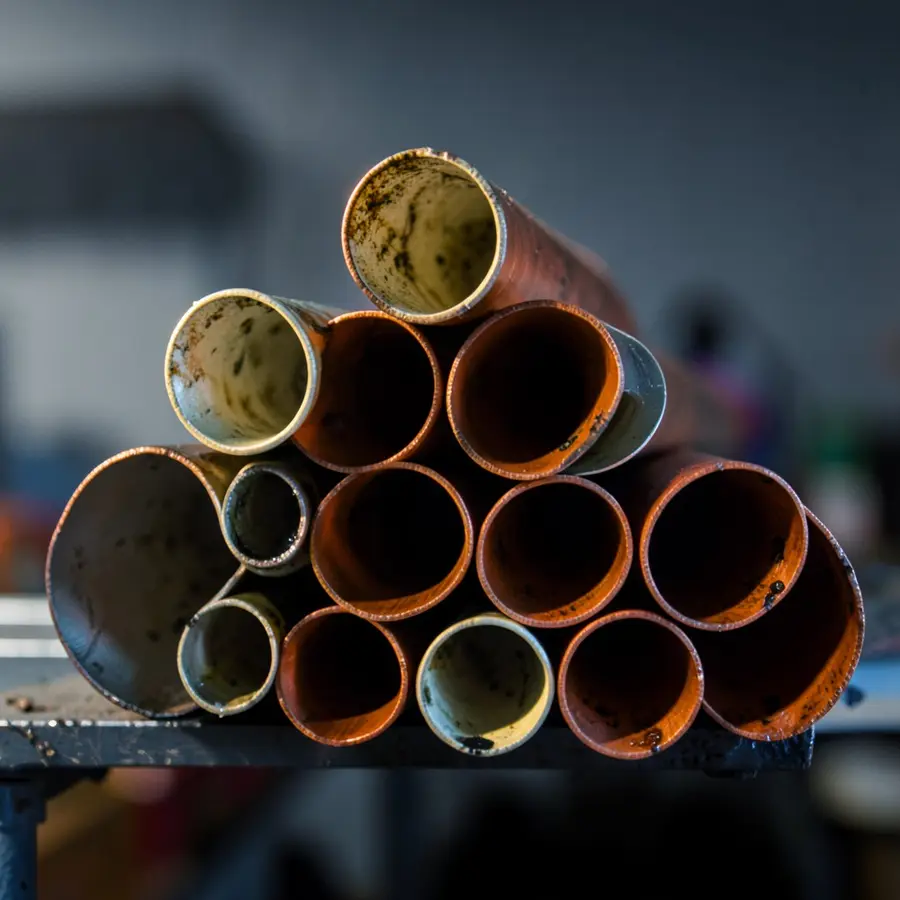
Post-war and modern-era construction in Pomona — median home age 55 years — frequently includes copper supply lines embedded in slab foundations, common in tract construction from the 1960s through the 1980s. Hard water accelerates pinhole corrosion from the exterior of slab-embedded copper; when a leak develops, access requires either epoxy lining through existing penetrations or controlled slab opening for section replacement. Homes of other eras in Pomona may have galvanized pipe, copper pipe or polybutylene supply lines instead; ask the plumber which your home has.
Very hard water in Pomona is a primary driver of accelerated appliance failure: water heater anode rods exhaust in 2–3 years instead of 6–8, scale deposits at fixture connections form within months of installation, and tankless heat exchangers accumulate mineral buildup that can reduce lifespan by half without regular descaling. A softener or whole-house conditioner is strongly recommended alongside any appliance service call.
- Median home age
- 55 yrs
- Water hardness
- 18 gpg
- Frost line
- 0 in
- Permit
- City fee schedule
Census housing age, Pomona city, California: median year built 1967; 41.1% of homes built before 1960, 65.6% before 1980. Source: U.S. Census Bureau, ACS 2020–2024 5-year estimates, tables B25034 and B25035, read 2026-09-30.
Mention these conditions when you describe the symptom to the CA plumber you reach.
What shapes plumbing demand in Pomona, CA?
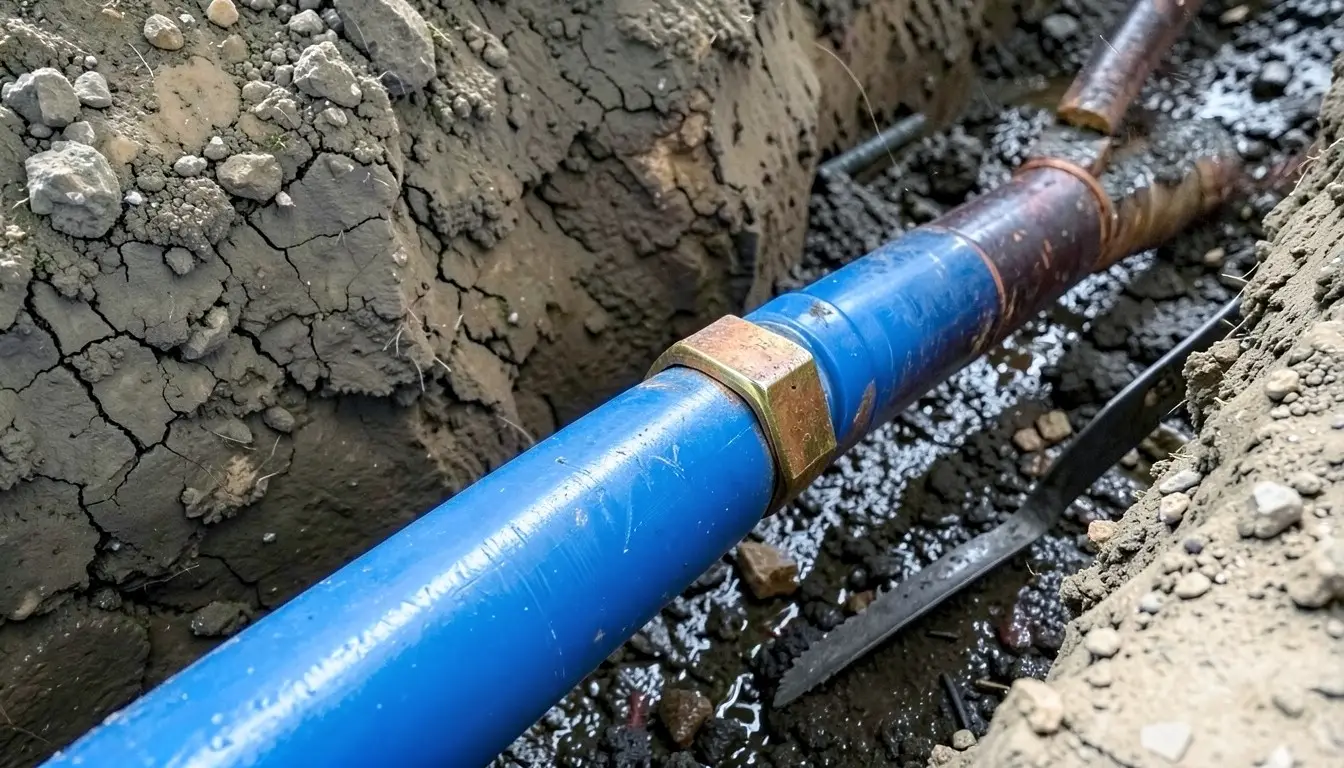
1950s–70s copper supply is now 50–70 years into its service cycle in Pomona. Thermal fatigue at fittings and slab-on-grade access complexity — common in Sun Belt construction — make repair vs. replacement a live decision on most jobs. This housing cohort is the active primary replacement wave in this market.
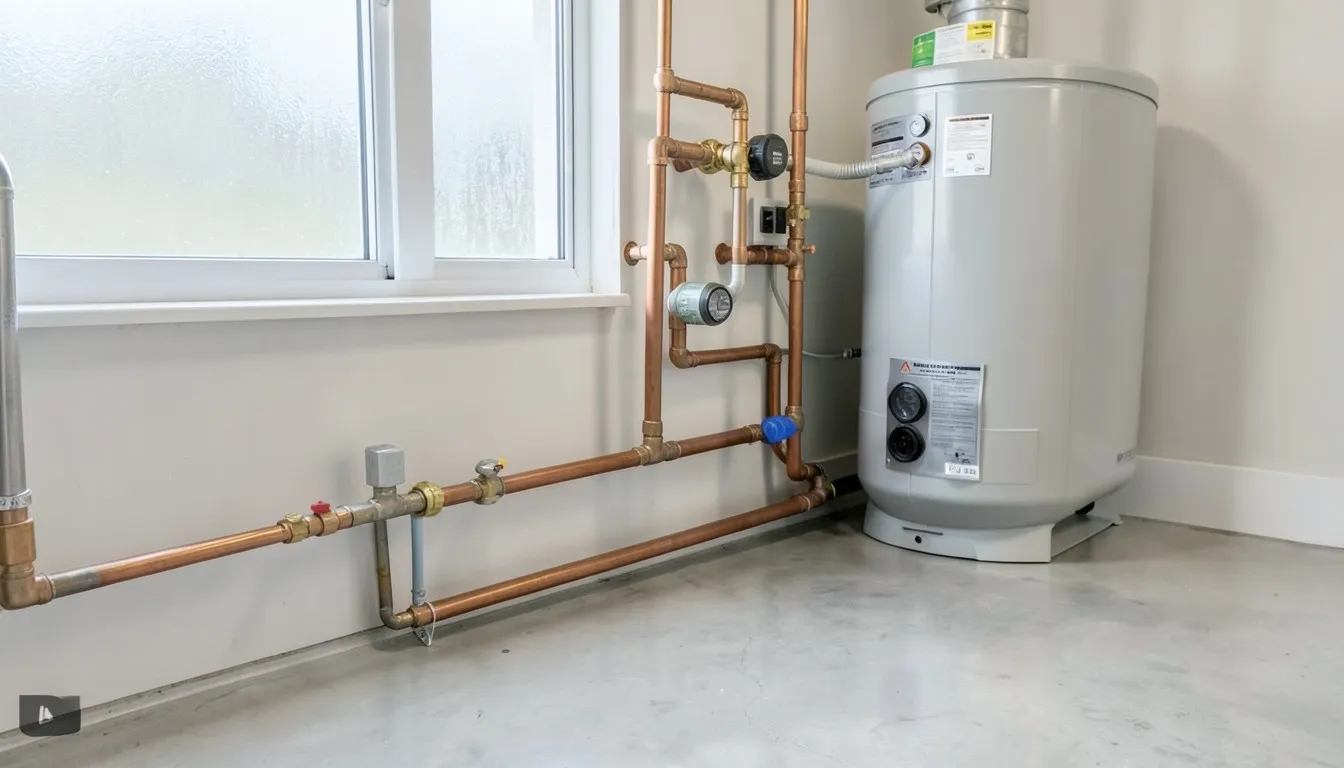
At 15–20+ GPG, calcium scale forces compressed equipment cycles in Pomona: tank heaters average 6–9 years vs. the 10–12-year national benchmark, and tankless units require annual descaling. Anode rods calcify within 12–18 months. Most plumbers here assess heater age against the local scale timeline — not the manufacturer's service life.
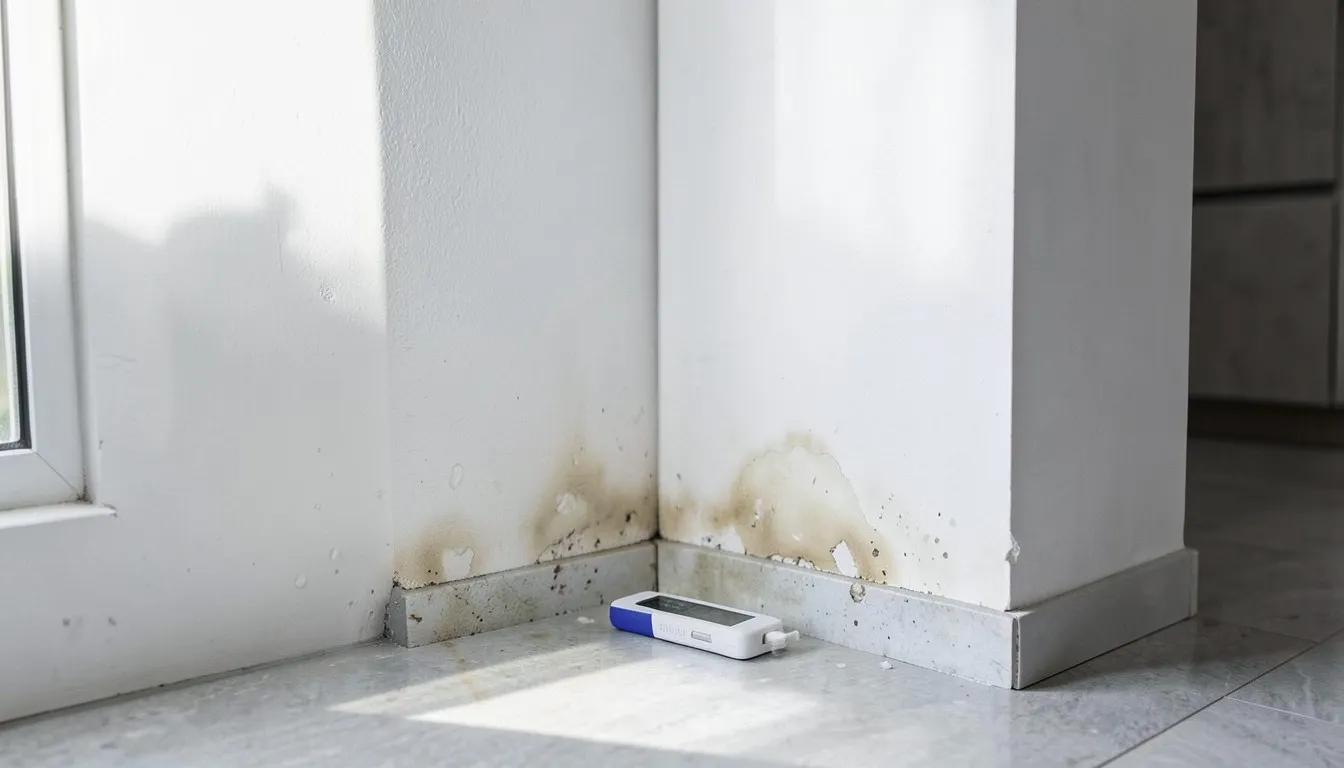
Summer heat above 95–115°F in Pomona keeps sediment in suspension inside tank water heaters — accelerating element failure instead of allowing sediment to settle and flush. Attic-mounted supply lines face diurnal thermal stress year-round. Root intrusion concentrates around irrigated landscaping rather than distributing evenly across the full sewer lateral path.
Why diagnose before repairing in Pomona?
Describe the symptom — not the repair. AlertPlumber routes the call to an independent CA-licensed plumber in its partner's network — ask whether the site visit will use camera tracing, acoustic detection, or hydrostatic pressure testing matched to the reported failure type.
Ask the plumber for a written diagnostic report: confirmed failure location, available repair methods, and tradeoffs — disruption level, material durability, long-term cost, and whether a Pomona building permit applies to the selected method.
You select the repair path. Ask for a fixed scope and price on the authorized method before the California-licensed plumber proceeds and, where required, who files the permit application to Pomona.
Slab Leak Repair cost calculator — Pomona
Pre-filled for slab leak repair in Pomona. Adjust the ZIP for a neighboring area, or change the service to compare. Calculator pulls from the city's scraped permit-fee + state plumber-density data.
Slab Leak Repair emergency in Pomona?
Every hour without a repair increases structural risk and remediation cost. Calls connect to independent local plumbers in our partner's network — ask for an arrival time and a written estimate.
What else do people ask about slab leak repair in Pomona?
How much does slab leak repair cost in Pomona, CA?
Slab leak repair in Pomona runs roughly 2% above the national average for leak detection plus spot repair. A copper-pinhole repair by reroute above-slab costs a scope-based price; a concrete core-drill-and-repair costs a scope-based price; a whole-home repipe eliminating the slab run costs a scope-based price. Price ranges: slab leak repair cost guide.
How are slab leaks detected in Pomona?
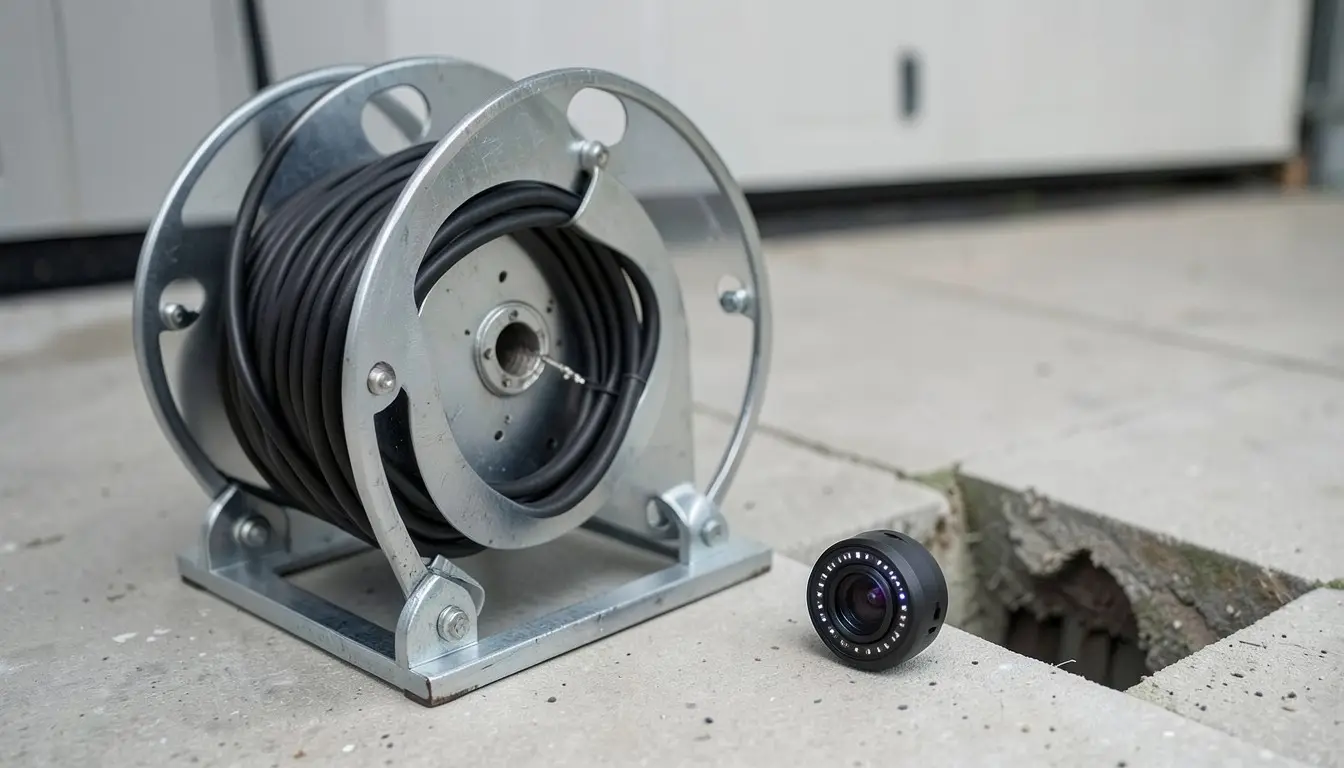
Slab leak detection in Pomona uses acoustic listening equipment to amplify pipe noise through the concrete, thermal imaging cameras to map heat differentials from warm-water leaks, and tracer gas (nitrogen+helium) for cold-water leaks. The combination typically locates a leak within 6–12 inches. Detection runs a scope-based price in Pomona and is usually separate from the repair quote. Price ranges: slab leak repair cost guide.
What causes slab leaks in Pomona?
Pomona's 18 gpg hard water deposits scale on copper inner walls, creating micro-turbulence that accelerates pinhole formation — the dominant slab-leak driver in hard-water markets. Seismic ground movement also stresses embedded pipe joints in Pomona.
How do I access a slab leak in Pomona — core drill or tunnel?
Core drilling (cutting a 4–8" hole at the leak point) is fastest — works when the leak is under accessible floor area. Tunneling (hand-digging under the slab) is used when drilling would damage finished flooring or the leak is under a load-bearing element. Above-slab reroute permanently eliminates the embedded pipe — best for homes with widespread corrosion in the 1960s-80s galvanized/copper supply lines.
Do I need a permit for slab leak repair in Pomona?
Yes — any pipe repair, reroute, or repipe in Pomona requires a CA CSLB plumbing permit including a rough-in inspection before concrete is poured back and a final inspection after fixtures are restored. Ask whether the plumber will pull the permit and schedule both inspections. Permit fee ranges: permit fee estimator.
Does homeowners insurance cover slab leaks in Pomona?
Standard California homeowners policies typically cover the "access" cost (cutting and patching concrete) and resulting water damage — but NOT the failed pipe itself. Notify your carrier as soon as you suspect a slab leak and document with photos before any work starts to preserve the claim.
How long does slab leak repair take in Pomona?
Detection: 2–4 hours. Core drill access + spot repair: 4–8 hours (often one visit for most single-point leaks). Reroute repair: 1–2 days. Concrete patching: 24–48 hours to cure. Most Pomona slab leak repairs restore water service within 24 hours of the plumber's arrival.
Is mold a risk after a slab leak in Pomona?
Yes — a slow slab leak that went undetected for weeks can saturate framing and flooring with enough moisture to germinate mold within 24–48 hours. Pomona's seasonal humidity accelerates mold growth once moisture is present. Professional moisture mapping and structural drying are strongly recommended before closing walls after slab repair.
Can the matched plumber tell me if the leak is on the hot or cold side?
Yes — and it matters for repair strategy. Hot-side slab leaks cause a warm or wet spot on the floor and show clearly on thermal imaging. Cold-side leaks are found acoustically or via tracer gas. Hot-side leaks usually point to pinhole copper corrosion; cold-side leaks more often involve joint failures at fitting connections.
How do I check the license of slab leak specialists in CA?
AlertPlumber does not vet plumbers: for slab leak work in Pomona, ask for the CA CSLB license number and check it with the state board, and ask whether they carry acoustic + thermal detection equipment. Ask for a written scope-of-work estimate before any concrete cutting begins.
One call puts your problem in front of a local plumber.
Call the number, or put your number in the form below — the request goes to an independent California plumber in our partner's network; ask about the slab leak repair and for a written estimate.
Need a slab leak repair callback in Pomona?
In a meeting, with the kids, or just prefer not to call? Drop your ZIP and number below. AlertPlumber sends your request to our routing partner — if a participating plumber serves your area, they may call you back directly. For anything urgent, call the number on this page.
- 1 Submit your info. ZIP, phone, and what kind of work you need.
- 2 AlertPlumber passes it on to our routing partner for your area.
- 3 If a participating plumber serves your area, they may call you back. Ask for a written estimate before work starts.
Slab Leak Repair in Pomona — when to call
Acute plumbing failures cannot wait. AlertPlumber routes calls about slab leak repair in Pomona to independent California plumbers in our partner's network — call now or submit the form above for a callback.