
Sewer Line Replacement in Waxahachie, Texas
Permitted, inspected, documented — Waxahachie work done right the first time by a licensed TX plumber.
Local plumbing data for Waxahachie, TX
Seeing these conditions at your place in Waxahachie? A state-licensed plumber can confirm it over the phone — free, no obligation.
Pipe conditions in Waxahachie, TX
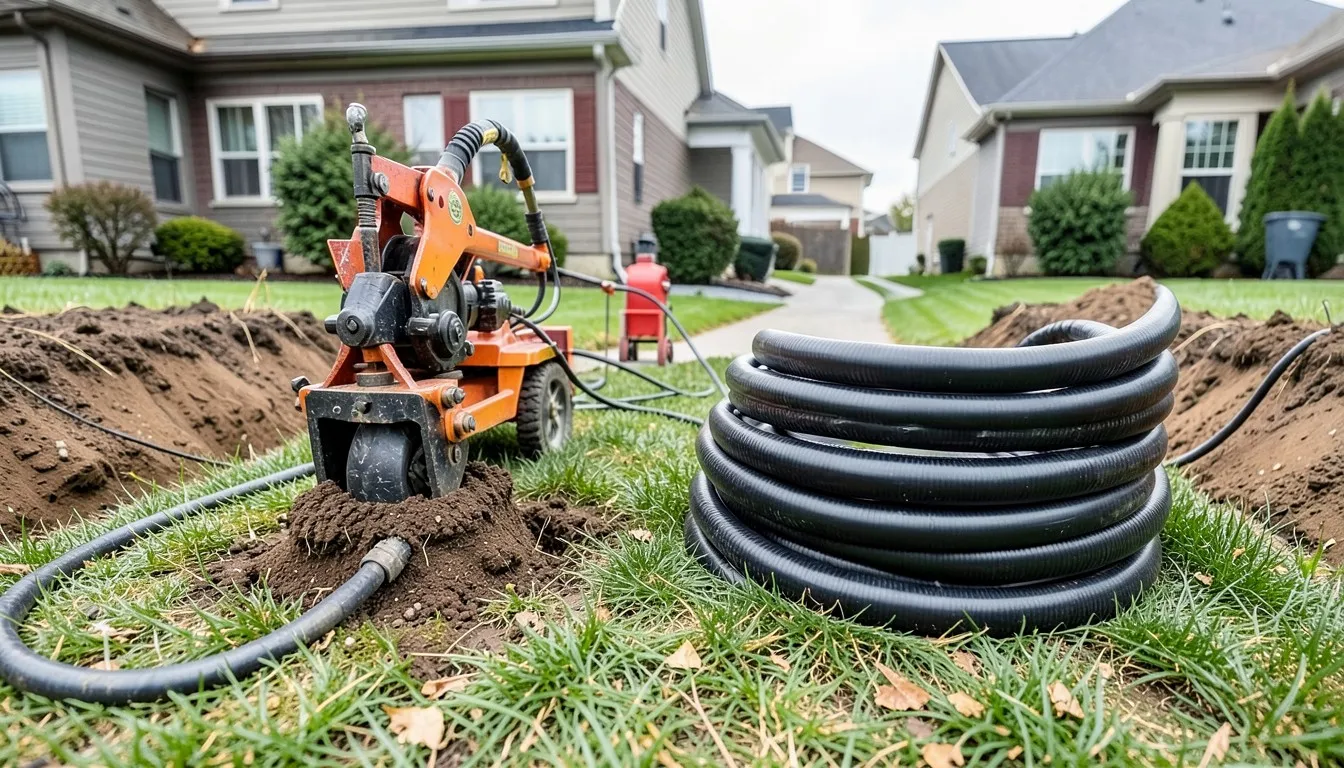
Full sewer line replacement in Waxahachie involves a trench or trenchless decision that depends on pipe depth, surface conditions, and access constraints. Traditional open-cut excavation costs less per foot but requires restoration of landscaping, concrete, or asphalt. CIPP (cured-in-place pipe lining) and pipe bursting are trenchless alternatives for pipes 4 inches and larger where the host pipe has sufficient structural integrity to guide the liner. AlertPlumber connects you with a Texas-licensed plumber who assesses both methods and provides a written comparison before work begins.
Waxahachie's housing stock spans multiple construction eras — median home age 42 years — meaning pipe materials and failure modes vary significantly by neighborhood and building vintage. An inspection-led approach that confirms pipe material before recommending a service path is standard practice for mixed housing profiles.
- Median home age
- 42 yrs
- Frost line
- 6 in.
A licensed TX plumber reads these conditions the moment you describe the symptom.
What shapes plumbing demand in Waxahachie, TX
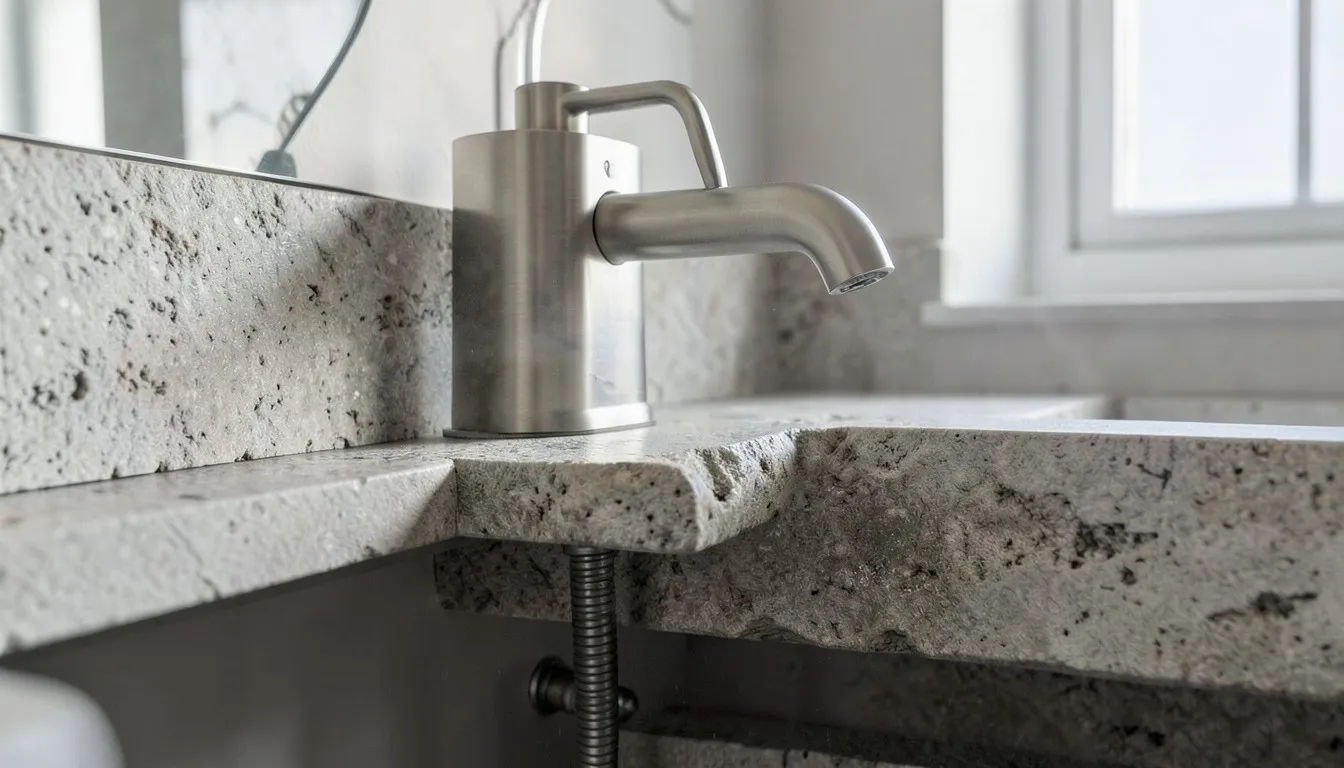
CPVC becomes brittle in the 20–35-year range and snaps under thermal stress or incompatible pipe dopes. Early PEX fittings (pre-2010) may develop chloramine compatibility issues at 15–25 years. The 1980s–1990s housing stock in Waxahachie is entering its first wave of material-driven service calls — not from neglect, but from normal service-life progression.

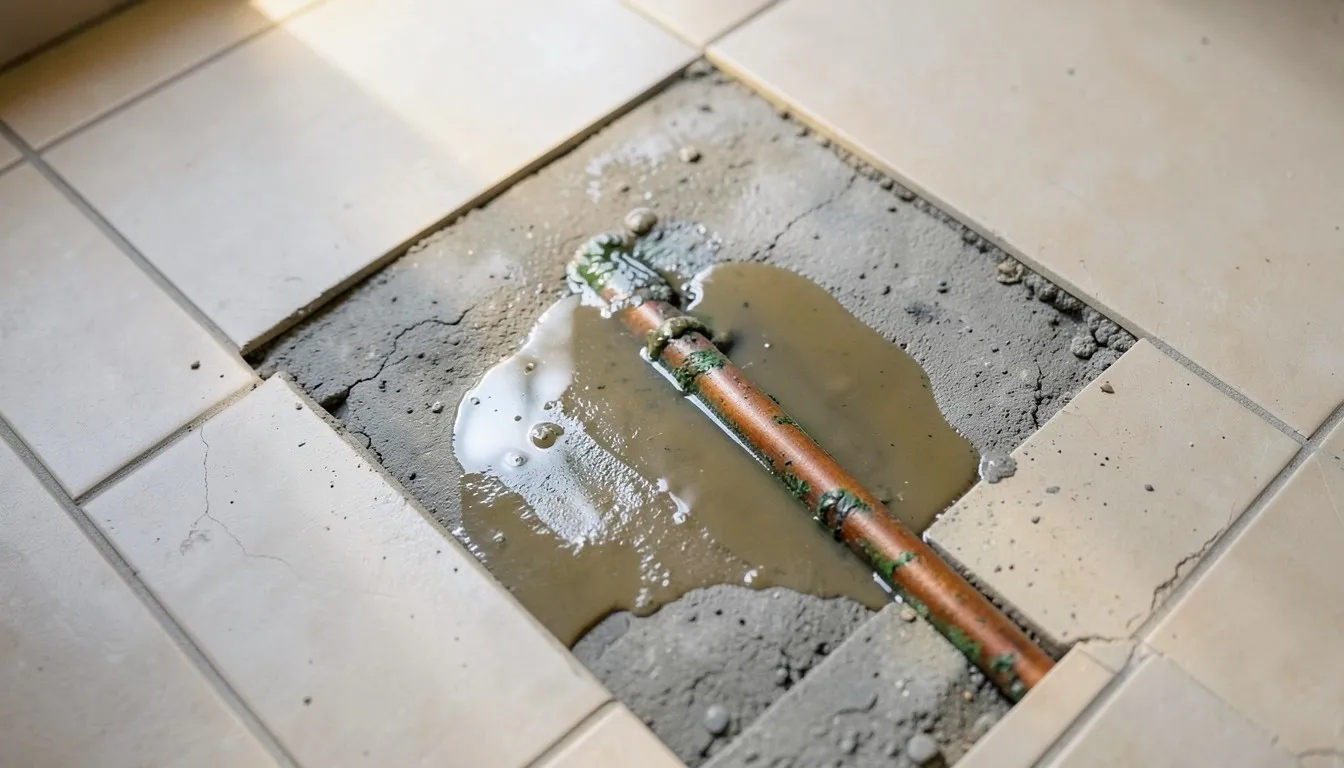
Soft, slightly acidic water in Waxahachie is corrosive to copper pipe and solder joints — the opposite failure pattern from hard-water markets. Pinhole failure at fittings and elbows is the dominant non-emergency repair category. Anode rods also deplete faster in soft water, shortening effective tank life without timely replacement.
Summer heat above 95–115°F in Waxahachie keeps sediment in suspension inside tank water heaters — accelerating element failure instead of allowing sediment to settle and flush. Attic-mounted supply lines face diurnal thermal stress year-round. Root intrusion concentrates around irrigated landscaping rather than distributing evenly across the full sewer lateral path.
Waxahachie: permit-required work — application through certificate
A Texas-licensed contractor prepares the permit application — drawings, specifications, contractor license number — and submits it to the Waxahachie building department. Issuance typically takes 3–10 business days. No construction begins until the permit is in hand.
Once Waxahachie issues the permit, the contractor notifies affected utilities — gas, water, electrical — as required by the permit scope. Work follows the approved drawings; any scope change requires an amended permit before that portion starts.
The contractor schedules the final inspection with the Waxahachie building department inspector. After sign-off, a certificate of completion is issued. All permit documentation is filed with the city; you receive copies for home records and future property disclosure.
Sewer Line Replacement cost calculator — Waxahachie
Pre-filled for sewer line replacement in Waxahachie. Adjust the ZIP for a neighboring area, or change the service to compare. Calculator pulls from the city's scraped permit-fee + state plumber-density data.
Sewer Line Replacement in Waxahachie — permitted work protects your home’s value.
Unpermitted plumbing affects insurance claims and resale disclosures in Texas. A licensed Texas plumber calls back and confirms permit requirements for your address.
Sewer Line Replacement in Waxahachie — frequently asked
When does a sewer lateral need full replacement vs. a spot repair?
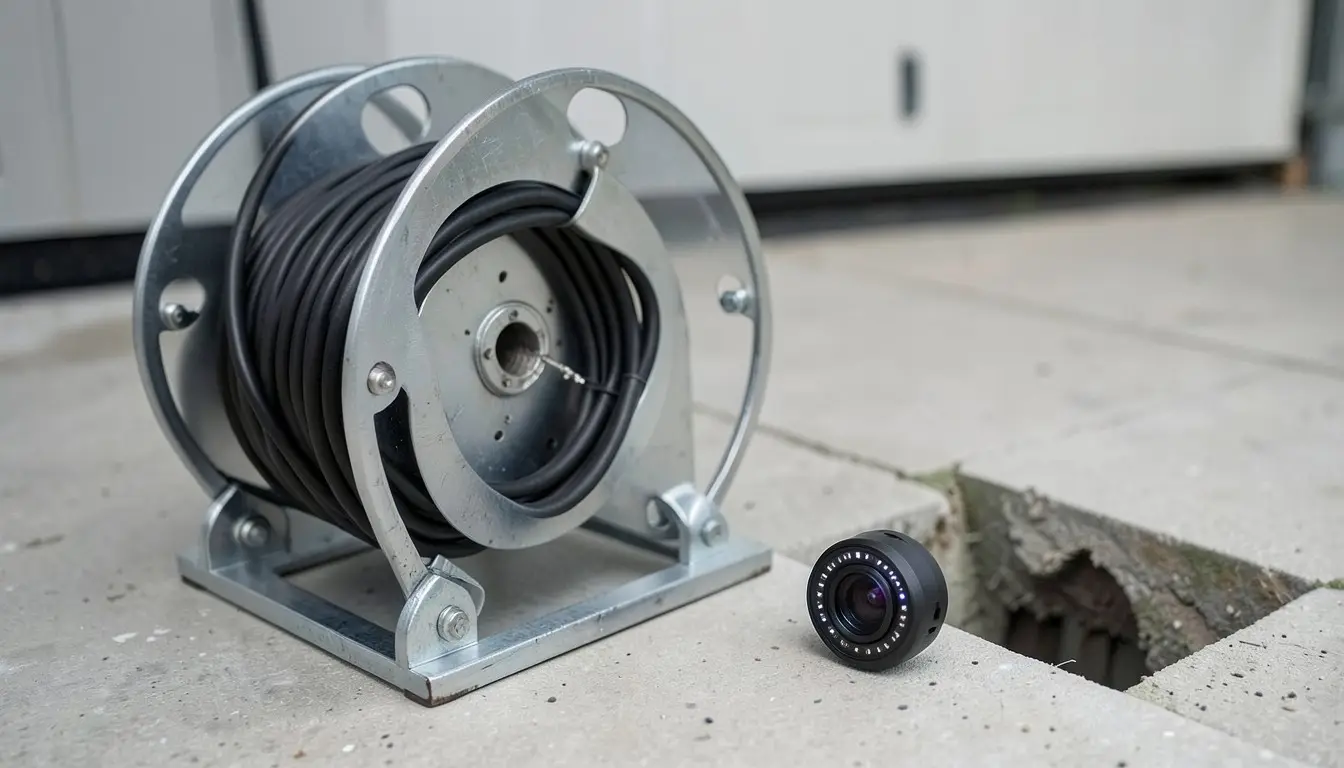
Spot repair is appropriate when a camera shows damage limited to a single section shorter than about 15–20% of the total lateral. Full replacement is required when: the pipe material has failed systemically (an entire Orangeburg run or corroded cast-iron lateral), root intrusion or offset joints appear throughout the camera inspection, or multiple spot repairs have already been done and the underlying pipe condition is deteriorating. The camera assessment before any dig determines which is warranted.
What pipe materials are used in sewer line replacement today?
PVC Schedule 40 is standard in most residential replacements — inert, smooth-bore, and resistant to root entry at properly solvent-welded joints. HDPE (high-density polyethylene) is used in pipe-bursting installations because it comes in continuous rolls without joints. Cast iron is specified in some urban markets for noise control under slabs. Never use Orangeburg, ABS, or galvanized steel as replacement materials — all three have documented long-term failure modes in sewer applications.
What is pipe bursting and when is it the right choice?
Pipe bursting pulls a cone-shaped head through the existing pipe, splitting it outward into the surrounding soil while drawing new HDPE pipe in behind it. It works when the existing pipe is mostly intact (not collapsed), the soil can accept the displaced material, and there are no abrupt bends. It slightly upsizes the new pipe, which is an advantage in restricted-clearance installations. Severe collapses, pipe encased in concrete, or runs with multiple tight bends require open excavation instead.
Who owns the sewer lateral — the homeowner or the city of Waxahachie?
In most jurisdictions, the homeowner owns the lateral from the house cleanout to the connection at the city main. The city owns the main itself. Some older urban systems have a shared-ownership boundary at the property line rather than the main connection — the city's utilities department can confirm the boundary for Waxahachie. Repairs or replacements within the homeowner's section are the homeowner's financial responsibility; work in the city's section may be covered by the municipality.
What permits and inspections are required for sewer line replacement?
Typically two permits: a plumbing permit and a public-works or right-of-way permit (if the replacement crosses the street or city easement). The city inspector must review the installation before the trench is backfilled — this confirms depth, bedding, slope, and connection compliance. A final video inspection of the new line is standard professional practice. The plumber provides the closed permit documentation for resale disclosure and insurance records.
How does Waxahachie's freeze risk (6 in. frost line) affect sewer line replacement in this market?
Waxahachie averages ~30 sub-32°F nights days below freezing per year, which requires pipe burial below the 6 in. frost line for outdoor and foundation-edge supply runs. Sewer laterals must be buried below frost depth; frost heave can offset shallow joints and crack pipe sections that were installed marginal on depth.
How does Waxahachie's median home age (42 years) affect sewer line replacement pricing?
With a median home age of 42 years, a significant share of Waxahachie's housing stock was built before modern plumbing codes and materials standards were established. Homes from the 1970s–1980s may contain polybutylene supply lines (installed through 1995, known to crack with chloramine-treated water), early-generation PVC sewer laterals with push-fit joints, and copper water mains approaching the end of typical service life. The plumber's assessment should include a pipe material evaluation as part of any diagnostic call.
What's the seasonal plumbing risk profile for sewer line replacement in Waxahachie?
Ellis County county seat south of Dallas on I-35E, served by Waxahachie Water Utilities at 12–16 gpg. The historic downtown Victorian and Queen Anne housing stock along Marvin Avenue and Rogers Street has original galvanized and early copper supply with lead service lines in the unrenovated sections; the newer post-2000 suburban expansion has created a large stock of slab-on-grade construction entering initial service cycles. Black Waxy Prairie soils — among the most expansive in North America — create intense slab movement and differential settlement throughout the market. Understanding the local call pattern helps set realistic expectations for plumber availability and response time during peak periods — during high-demand weeks, advance scheduling is advisable for non-emergency work.
What affects the cost of sewer line replacement in Waxahachie, TX?
Total footage from building to city connection, depth of cover, surface type (lawn vs. concrete vs. asphalt), and whether the municipal tap requires permit inspection hold points are the main cost drivers. Trenchless pipe-bursting costs more upfront but eliminates surface restoration. Depth and surface type are measured before the replacement method is selected. A verified plumber provides a written estimate covering price, scope, and permit requirements before any work begins.
Are AlertPlumber-matched plumbers verified in Texas?
Yes. Every plumber matched through AlertPlumber holds an active Texas state contractor license. The Texas licensing database is checked at each routing — not just at initial signup — so the status reflects current standing, including any recent disciplinary actions, renewals, or insurance lapses. Active Texas licensure requires documented proof of bonding, liability coverage, and continuing education current as of the routing date.
Does AlertPlumber charge a fee for connecting me with a plumber in Waxahachie?
AlertPlumber does not charge homeowners. The referral fee is paid by the plumber when they accept a qualified call — it is their customer-acquisition cost, not an added charge to you. The plumber provides a written price assessment before any work begins; if the quote doesn't fit your situation, you can decline at any point.
A written quote costs you nothing. Guessing costs you the job.
The form below takes under a minute — a licensed Texas plumber calls back, scopes the sewer line replacement, and quotes it in writing before anyone rolls a truck.
Request a sewer line replacement callback in Waxahachie
In a meeting, with the kids, or just prefer not to hold? Drop your ZIP and number below. AlertPlumber routes your request to a verified plumber in your area — they’ll call you back directly.
- 1 Submit your info. ZIP, phone, and what kind of work you need.
- 2 AlertPlumber matches you with a verified plumber serving your area.
- 3 The plumber calls you back with a written estimate, no obligation.
Sewer Line Replacement in Waxahachie — compliant installation
Permitted sewer line replacement protects your home's resale value and keeps insurance claims defensible in Texas. A licensed plumber pulls the required permits and provides a written scope before work starts.