
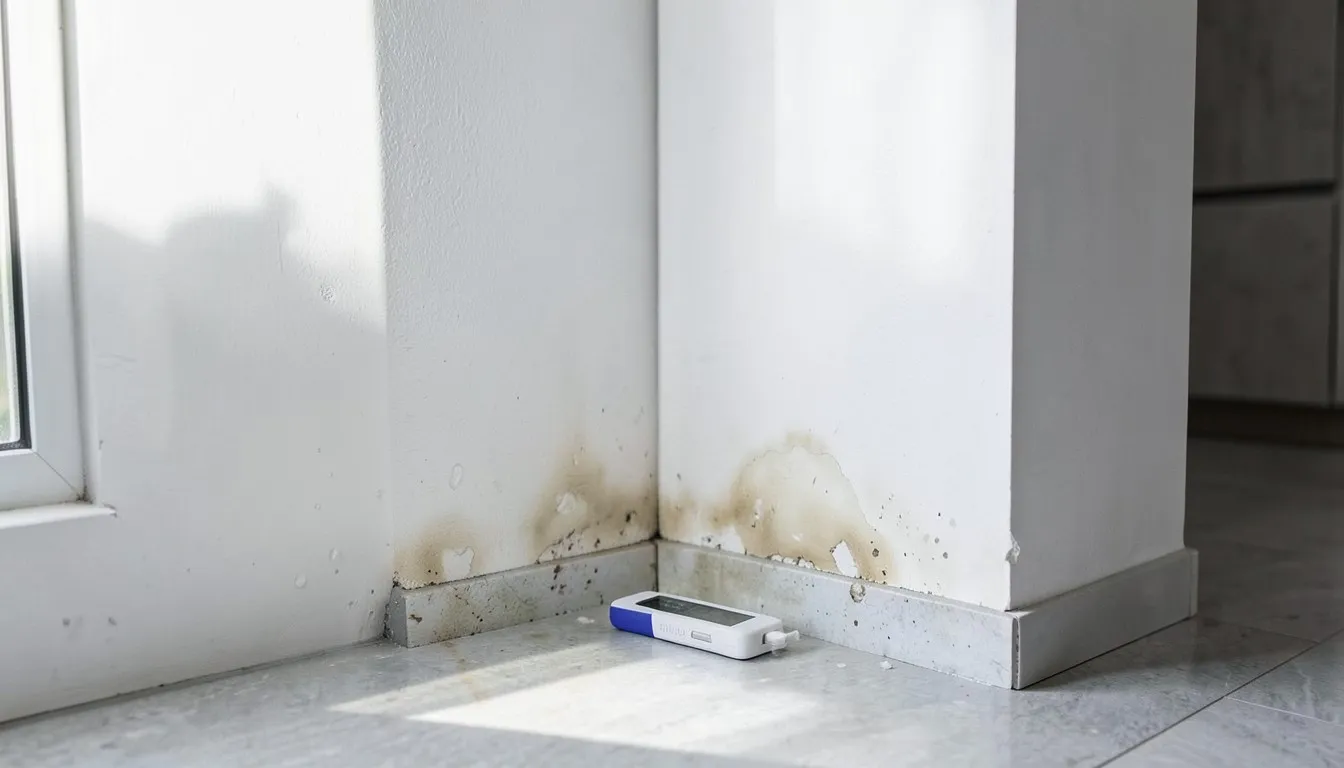
Emergency Leak Detection in Portland, Oregon
Leak Detection in Portland, Oregon locates hidden water and gas leaks using acoustic and thermal equipment. Local conditions in Portland: water measured at 1.5, a 12 frost line and a median home age of 67 years.
Camera first, quote second — know exactly what's wrong in your Portland home before you approve a dollar.
What does the local plumbing data show for Portland, OR?
Seeing these conditions at your place in Portland? A state-licensed plumber can confirm it over the phone — free, no obligation.
What are the pipe conditions in Portland, OR?
Non-invasive leak detection uses acoustic amplification, thermal imaging, and pressure isolation to locate water loss in supply lines and drain systems without opening walls or floors. Portland homes with galvanized or older copper supply runs face the highest pinhole leak incidence — a slow leak inside a wall cavity can cause mold and structural damage for months before becoming visible. A professional leak detection prevents unnecessary demolition by confirming the exact break location before any drywall is cut. AlertPlumber connects you with an Oregon-licensed plumber who locates first and opens second.
Portland's housing stock spans multiple construction eras — median home age 67 years — meaning pipe materials and failure modes vary significantly by neighborhood and building vintage. An inspection-led approach that confirms pipe material before recommending a service path is standard practice for mixed housing profiles.
Frost line depth in Portland means supply lines and outdoor plumbing must be installed below the freeze threshold — typically 12 — to prevent pipe burst during cold events. Exterior hose bibs, irrigation shutoffs, and any exposed pipe runs are the most common winterization service points in freeze-risk markets.
- Median home age
- 67 yrs
- Water hardness
- 1.5 gpg
- Frost line
- 12 in.
- Lead lines
- Active replacement
- Permit
- $175
A licensed OR plumber reads these conditions the moment you describe the symptom.
What local infrastructure shapes Leak Detection in Portland?
Post-war housing here averaging 67 years of age was built extensively with copper supply lines from the late 1940s through the 1970s, and Portland Water Bureau Bull Run watershed supply delivers soft water at approximately 1.5 grains per gallon.
Acoustic detection locates the pressure-noise signature of an active copper pinhole in wall-cavity supply runs before exploratory openings are made. Portland's wet climate means small behind-wall leaks can remain symptomless for extended periods while moisture saturates wall framing, making the first visible indicator — peeling paint or soft drywall — a sign that hidden water loss has been ongoing. Thermal imaging of interior surfaces can reveal moisture gradients in wall cavities before acoustic positioning confirms the active leak site.
Portland Bureau of Development Services requires a $175 permit for detection and repair before wall surfaces are closed. Portland Water Bureau coordinates meter isolation for supply-side work. Post-repair pressure testing to Oregon Plumbing Specialty Code is required before permit closure. With approximately 1,400 active lead service lines in the distribution system — primarily in pre-1950 neighborhoods in North and Northeast Portland — material verification before supply repair scope is finalized prevents misidentifying galvanic corrosion at lead-copper transitions as mid-pipe copper failure.
What shapes plumbing demand in Portland, OR?
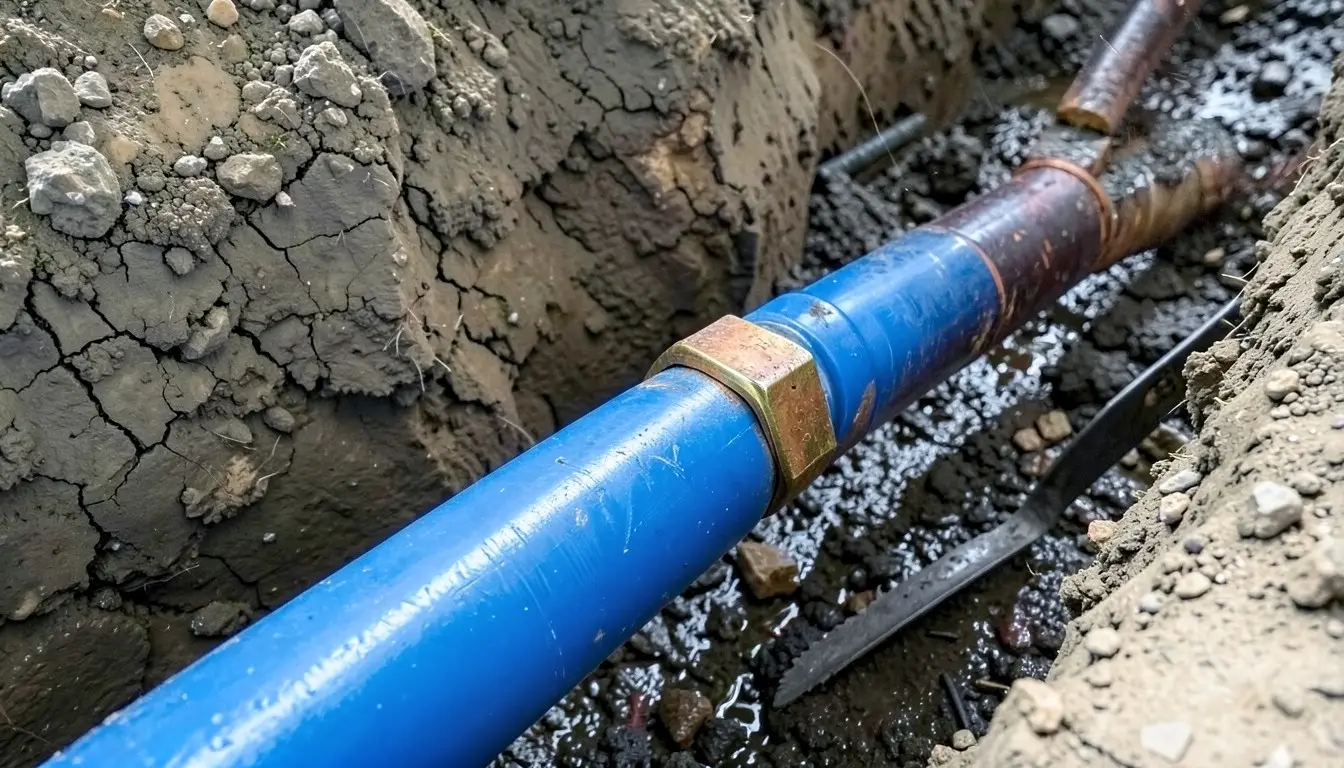
1950s–70s copper supply is now 50–70 years into its service cycle in Portland. Thermal fatigue at fittings and slab-on-grade access complexity — common in Sun Belt construction — make repair vs. replacement a live decision on most jobs. This housing cohort is the active primary replacement wave in this market.
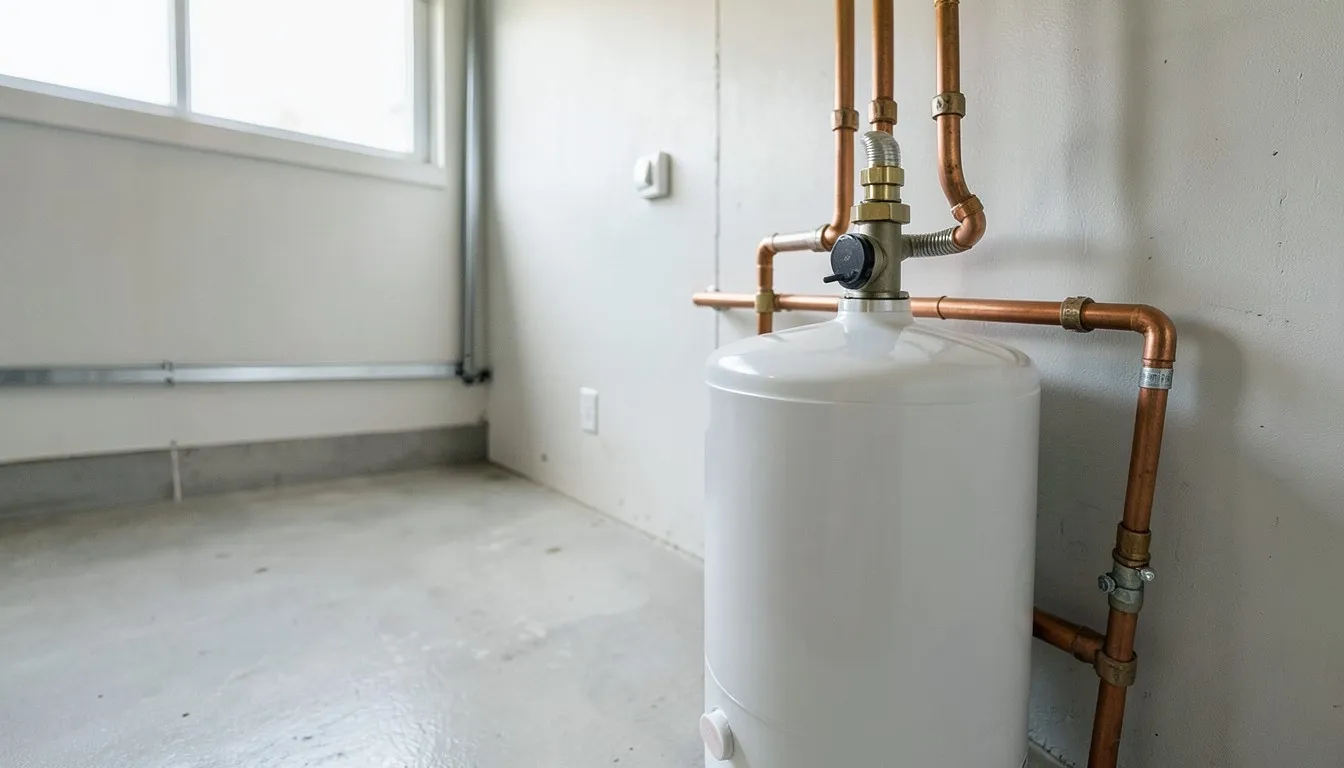
Soft, slightly acidic water in Portland is corrosive to copper pipe and solder joints — the opposite failure pattern from hard-water markets. Pinhole failure at fittings and elbows is the dominant non-emergency repair category. Anode rods also deplete faster in soft water, shortening effective tank life without timely replacement.
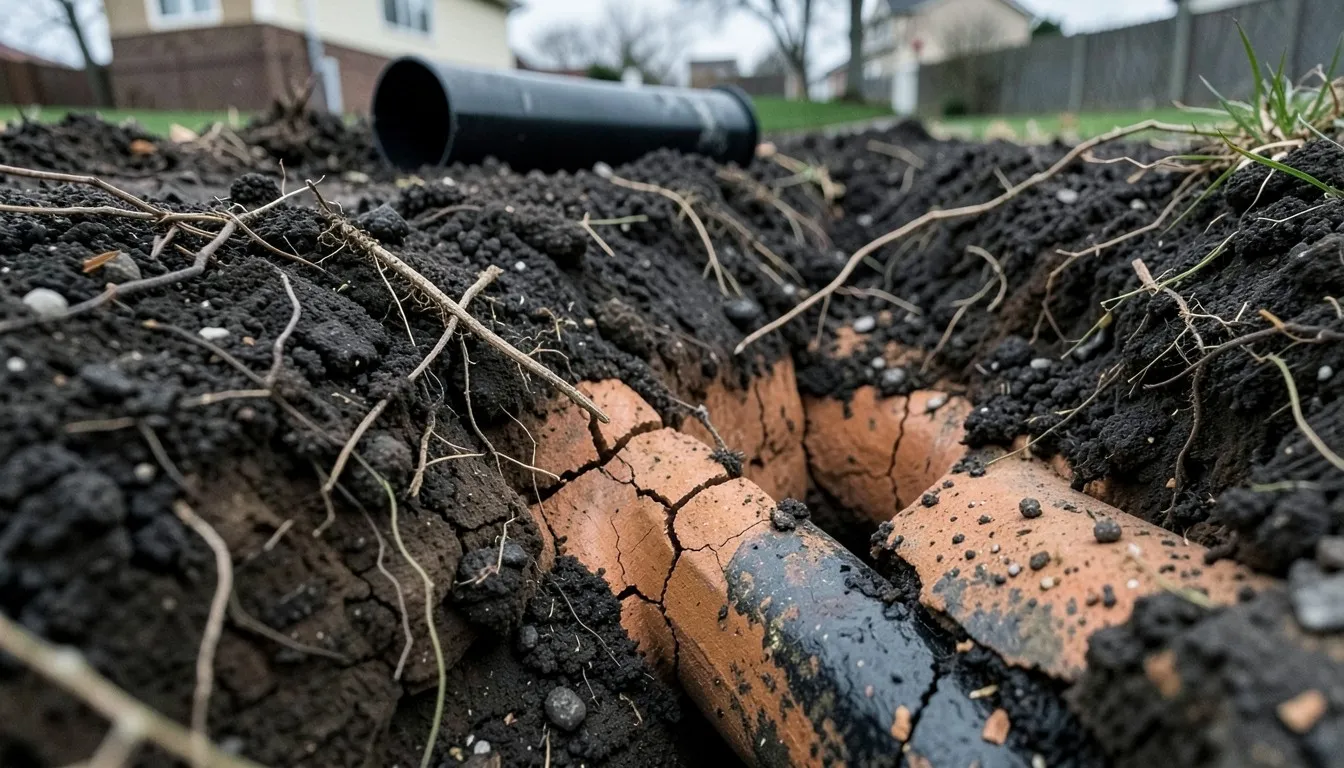
Drain and sewer line health drives the primary maintenance workload in Portland: high groundwater tables stress lateral joints and root intrusion accelerates in warm soil. AC condensate drainage adds a recurring summer category. Drain slowdowns that homeowners defer tend to surface as full blockages during the wet season when groundwater pressure compounds the obstruction.
Why diagnose before repairing in Portland?
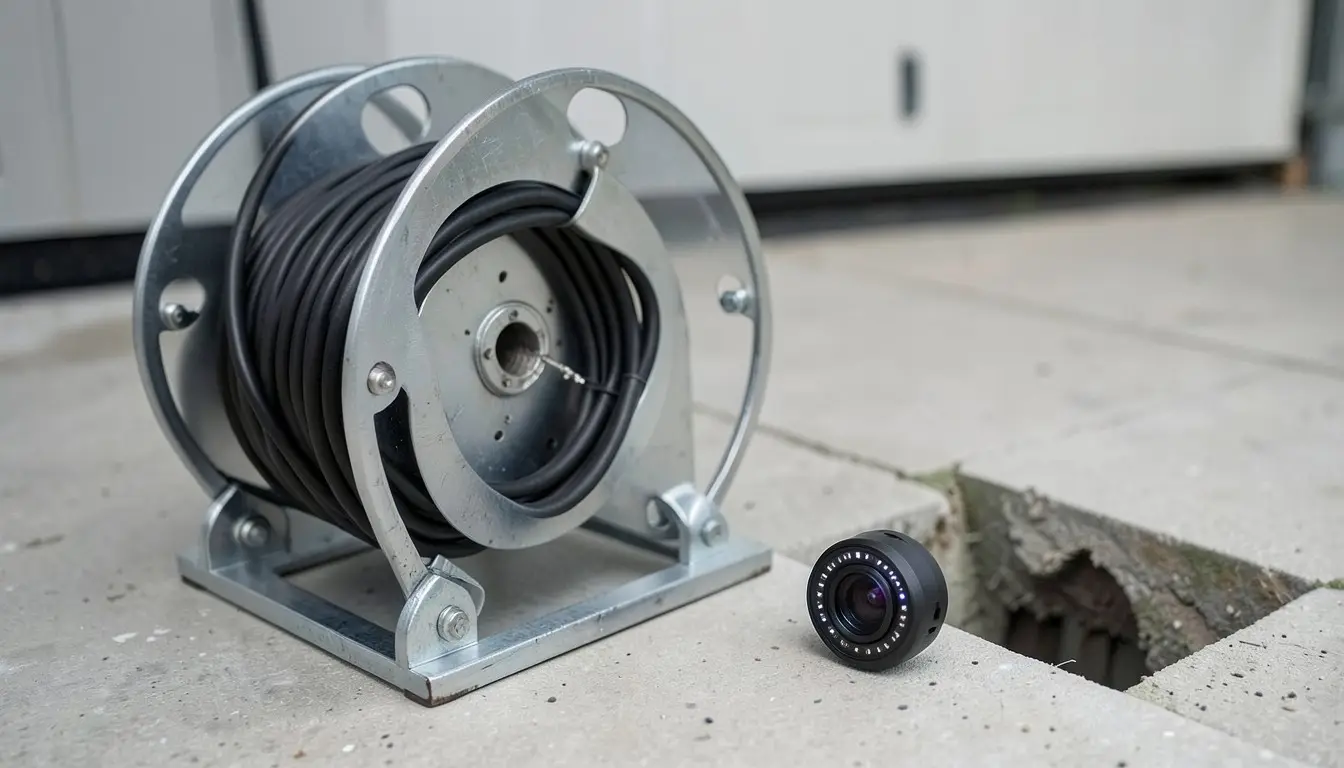
Describe the symptom — not the repair. AlertPlumber routes to an OR-licensed plumber trained in diagnostics. The site visit uses camera tracing, acoustic detection, or hydrostatic pressure testing — matched to the reported failure type.
The plumber delivers a written diagnostic report: confirmed failure location, available repair methods, and tradeoffs — disruption level, material durability, long-term cost, and whether a Portland building permit applies to the selected method.
You select the repair path. The Oregon-licensed plumber proceeds on the authorized method with a fixed scope and price. Where required, the permit application to Portland is handled by the contractor.
Leak Detection cost calculator — Portland
Pre-filled for leak detection in Portland. Adjust the ZIP for a neighboring area, or change the service to compare. Calculator pulls from the city's scraped permit-fee + state plumber-density data.
Leak Detection in Portland — the longer it runs, the more it costs.
Slow failures compound: soft pipe walls, root penetration, mineral buildup. A verified plumber calls back with a scope-first estimate before anything is dug up.
What else do people ask about leak detection in Portland?
What does professional leak detection cost in Portland?
Portland leak detection runs $275–$520 flat, with the spread tracking the city's deep housing-stock split — a 1908 Alberta or Hawthorne craftsman bungalow on cedar-post-and-beam piers with original galvanized branches takes longer to scope than a 1965 Foster-Powell post-war ranch slab. The fee covers acoustic ground-microphone listening on the supply manifold, FLIR T-series thermal scanning, calibrated moisture-mapping against the city's saturated-soil baseline, and a static pressure-isolation test. The Portland Bureau of Development Services (BDS) plumbing permit is roughly $295 for a single-fixture line repair and is filed separately if invasive repair follows the workup. Detection fee is typically credited toward repair when the same plumber executes the fix. AlertPlumber routes the call to a plumber holding active Oregon Construction Contractors Board (CCB) credentials and confirms the detection-fee number on the callback before dispatch.
How do I know if I have a hidden leak in my Portland home?
Portland's 36+ inches of annual rainfall (per NOAA NWS Portland (PQR)) keeps soil moisture elevated nine months a year, which masks the surface clues most leak-detection guides assume — wet spots in the yard read as "normal" through November–April. Watch for these instead:
- Portland Water Bureau bill jumps 20%+ across two consecutive cycles with no household-usage change
- Meter low-flow triangle (the small red dial on Bull Run residential meters) creeps with every fixture closed
- Warm patch on a hardwood floor over a slab section (hot-side copper pinhole — the classic Bull-Run-soft-water signature)
- Earthy mildew smell from a Pearl District or Old Town basement-conversion unit even in dry July
- Hairline cracks in plaster or original Douglas-fir baseboards in 1900s-30s Buckman or West Hills stock
- Hissing audible at 2 a.m. behind a finished basement wall
What detection methods does a Portland plumber actually use?
The standard Portland sequence runs in four stages, calibrated for Bull Run soft-aggressive water and Pacific NW saturated-soil context: (1) static pressure-isolation test on the supply manifold confirms a leak exists and isolates the hot side from the cold side — Portland's 2-3 gpg very-soft Bull Run water (per Portland Water Bureau) attacks copper from the inside, so hot-side pinhole is the highest-prior failure on 1950s-70s housing stock; (2) FLIR T-series thermal imaging localizes warm anomalies on slab, exterior shear walls, or upstairs ceilings below a riser — Portland's mild 50-65°F indoor-ambient gives reasonable thermal contrast against a 130°F hot leak; (3) acoustic ground-microphone listening triangulates the leak within 12–18 inches by frequency-filtering the pinhole hiss against the rain-saturated-soil baseline; (4) electronic line-tracing maps the pipe route through cedar-post-and-beam crawlspaces or post-war slabs before any cut is authorized. The Bull-Run-soft-water + 1955 median build year combination determines which stage carries the most diagnostic weight on the first pass.
Will Oregon homeowners insurance cover Portland leak detection?
Most Oregon HO-3 policies cover the DETECTION fee when the underlying failure is classified as "sudden and accidental" — a Bull-Run-driven copper pinhole that lets go overnight typically qualifies, while a slow seep that's been wetting a Hawthorne crawlspace for months usually does not. Standard Oregon HO-3 forms pay for tear-out and access (slab cut, plaster opening, detection report, moisture-mapping documentation) but exclude repair of the failed pipe itself, which carriers treat as wear-and-tear under the soft-aggressive corrosion exclusion. The Cascadia seismic context matters here: any movement-related leak (settled pier, racked supply line after a tremor) is adjudicated under a separate earthquake endorsement that's not bundled with HO-3 by default — verify with your agent before assuming coverage. Submit the plumber's written report with FLIR thermal stills, acoustic-amplitude readings, and the calibrated moisture-mapping deltas for the strongest claim case. Verbal diagnosis alone is denied at high frequency by Oregon carriers.
Why does the Portland Water Bureau bill spike when there's a hidden leak?
The Portland Water Bureau meters every gallon of unfiltered Bull Run that crosses your property line — whether it ends up in your dishwasher or in the saturated soil under a Foster-Powell slab. A copper-pinhole leak under 55-65 psi line pressure releases roughly 80–170 gallons per day on the hot side, which is invisible at the surface but adds 2,400–5,100 gallons per month to the meter read. On a typical Portland bill that translates to $40–$95 in extra water plus a matching combined sewer/stormwater charge (Portland's combined-sewer rates roughly double the all-in cost per 1,000 gallons compared to water alone). A 20%+ unexplained spike for two consecutive Portland Water Bureau cycles is the standard threshold for ordering a detection workup — pull six months of bills before the appointment so the plumber can anchor the leak-onset timeline against the meter history.
Can a Portland homeowner narrow the leak down without calling a plumber?
You can confirm a leak EXISTS on your own and you can narrow which SIDE of the system is bleeding — that's about it. Shut every fixture, valve off the water heater inlet, and watch the Portland Water Bureau meter's low-flow triangle for 15 minutes; any movement means cold-side loss. Re-open the heater inlet, leave fixtures closed, watch again — new movement isolates the leak to the hot side, which is the Bull-Run-soft-aggressive copper pinhole pattern. What you cannot reliably do: LOCATE the leak. Consumer-grade IR thermometers don't have the spatial resolution to distinguish a slab pinhole from a sun-warmed Pearl District concrete floor, and rental moisture meters can't read through 4 inches of slab or differentiate a real leak signal from Portland's rain-saturated baseline (the 36+ in/yr Pacific NW rainfall context per NOAA NWS PQR floods cheap meters with false positives). Leave the locate step for a plumber running calibrated FLIR plus acoustic.
How does Portland's saturated-soil baseline change moisture-mapping?
Portland sits inside the Pacific NW rain belt — 36+ inches of annual rainfall (NOAA NWS PQR) keeps native silty-clay soil at high moisture content from October through May. That baseline is structurally different from a Phoenix or Tucson dry-soil context, where any moisture spike is unambiguously a leak. In Portland, a competent detection plumber starts the workup by sampling the moisture content of soil 30+ feet from any plumbing — the unaffected lawn, the planting bed under the Douglas-fir canopy — and uses that reading as the calibrated baseline. Only deltas above the rain-saturated baseline count as leak-positive. Skipping that calibration produces false positives every time it rains, which is most of the year in Old-growth-fir-canopied neighborhoods like Alberta and Buckman where the tree cover holds soil moisture even higher than the open-yard average. The matched plumber's workflow accounts for this Pacific NW context as a first-step protocol, not an afterthought.
How accurate is FLIR thermal imaging in Portland's mild Pacific climate?
For a hot-side slab or wall leak in Portland, a properly calibrated FLIR T-series camera localizes the leak within an 18-inch radius about 80–88% of the time on the first scan — slightly lower than the 85–92% rate seen in hot-summer markets like Phoenix or Tucson, because Portland's mild 50-65°F indoor-ambient produces less thermal gradient against the leak signature than a 95°F-ambient market does. The Bull-Run-soft-aggressive copper pinhole pattern (per Copper Development Association guidance on soft-water-driven internal corrosion) lets a 130°F hot leak into a 55°F slab, which is enough delta for FLIR to read clearly. Accuracy drops if (a) the leak is on the cold side — Portland Water Bureau Bull Run leaves the reservoir at roughly 50-55°F, near indoor ambient, so cold-side leaks have minimal thermal contrast and the workup must lean on acoustic, (b) the floor is original 1920s Hawthorne fir over a thick wool rug, or (c) the leak has run long enough to saturate the entire under-slab soil at the rain-belt baseline. A skilled Portland tech always confirms the FLIR hit with acoustic ground-microphone before recommending a slab or plaster cut.
Should I get a system-wide pressure test on my Portland home?
Yes if your Portland home was built between 1950 and 1985 and you've already had one copper pinhole repaired — the soft-aggressive Bull Run water (2-3 gpg unfiltered, per Portland Water Bureau) attacks the entire hot manifold at roughly the same rate, so a single repair almost never resolves the underlying corrosion driver. A system-wide static pressure test ($165–$310 in Portland) isolates each branch — hot, cold, hose-bib loop, and any irrigation tap that survives the wet season — and holds 80 psi for 15 minutes; any measurable pressure drop signals an additional weak point that hasn't visibly leaked yet. Portland-area plumbers report homes with one confirmed Bull-Run-driven slab pinhole carry a 40–55% probability of a second pinhole within 36 months on the same hot manifold. There's a Cascadia subduction-zone consideration too — the USGS Cascadia Subduction Zone hazard assessment notes that even small tremors stress aged copper joints in cedar-post-and-beam crawlspaces, so a periodic pressure test functions as a seismic-resilience check too. The pressure test is lower-cost than a second emergency call.
Are AlertPlumber-matched plumbers verified for leak detection in Portland?
Every plumber routed through AlertPlumber for leak detection in Portland holds active Oregon state-credentialed status under the Oregon Construction Contractors Board (CCB) and the Oregon Plumbing Board, with current Plumbing Contractor and individual Journeyman or Master credentials on file. You can verify any individual CCB number through the state's online license-lookup before authorizing work — that's the same mechanism Portland Bureau of Development Services uses when it pulls a plumbing permit. Leak detection requires specialty equipment (FLIR T-series thermal, acoustic ground-microphone, electronic line-tracer, calibrated moisture meter referenced to the Pacific NW saturated-soil baseline, static pressure manifold) plus trained operator experience reading data against Bull Run's 2-3 gpg very-soft soft-aggressive corrosion pattern — credential verification matters more here than for routine fixture work. Local context. Portland's ~650,000 residents, 1955 median build year, 2-3 gpg very-soft unfiltered Bull Run water (one of only five unfiltered municipal supplies in the US per EPA Safe Drinking Water Act program), 36+ inches annual rainfall (NOAA NWS PQR), and Cascadia subduction-zone seismic context together produce a distinctive Portland leak signature — copper-in-slab hot-side pinhole in 1950s-70s Foster-Powell and East Portland post-war tract, plaster-and-lath wall weeps in 1900s-30s Alberta / Hawthorne / Buckman craftsman, cedar-post-and-beam crawlspace branch failures in West Hills bungalows, and warehouse-conversion riser leaks in Pearl District / Old Town early-1900s mill stock. The matched detection plumber's workflow targets the highest-probability pathology for your specific neighborhood vintage first.
The fix gets cheaper the sooner a plumber sees it.
Degradation problems compound quietly. Call now, or use the form below and a licensed Oregon plumber calls you back with a no-obligation estimate for the leak detection.

Need a leak detection callback in Portland?
In a meeting, with the kids, or just prefer not to hold? Drop your ZIP and number below. AlertPlumber routes your request to a verified plumber in your area — they’ll call you back directly.
- 1 Submit your info. ZIP, phone, and what kind of work you need.
- 2 AlertPlumber matches you with a verified plumber serving your area.
- 3 The plumber calls you back with a written estimate, no obligation.
Leak Detection in Portland — catch it early
Degradation-driven failures worsen over time and cost more to fix the longer they run. A verified OR plumber in Portland diagnoses your specific condition and provides a written scope before any work begins.