
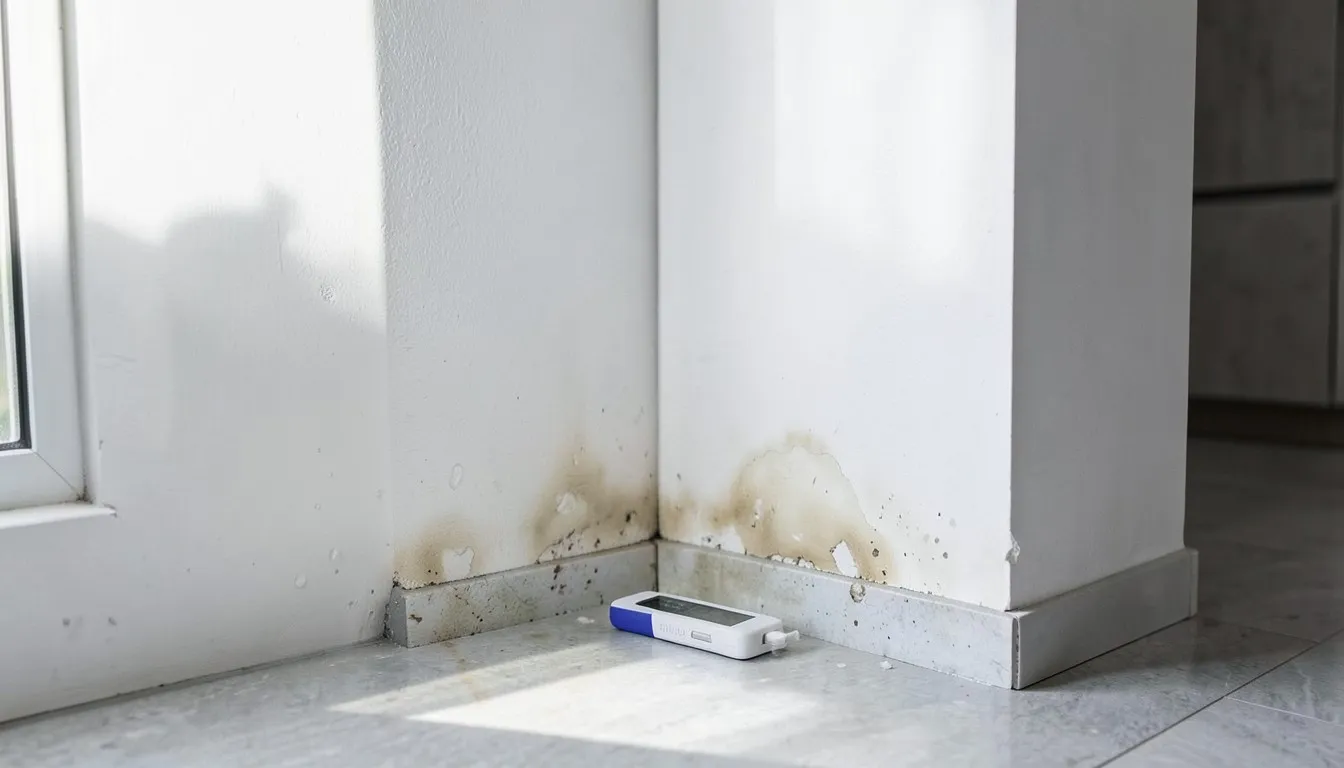
Emergency Leak Detection in Overland Park, Kansas
Leak Detection in Overland Park, Kansas locates hidden water and gas leaks using acoustic and thermal equipment. Local conditions in Overland Park: water measured at 18 gpg, a 22 in frost line and a median home age of 30 years.
Camera first, quote second — know exactly what's wrong in your Overland Park home before you approve a dollar.
What does the local plumbing data show for Overland Park, KS?
Seeing these conditions at your place in Overland Park? A state-licensed plumber can confirm it over the phone — free, no obligation.
What are the pipe conditions in Overland Park, KS?
Non-invasive leak detection uses acoustic amplification, thermal imaging, and pressure isolation to locate water loss in supply lines and drain systems without opening walls or floors. Overland Park homes with galvanized or older copper supply runs face the highest pinhole leak incidence — a slow leak inside a wall cavity can cause mold and structural damage for months before becoming visible. A professional leak detection prevents unnecessary demolition by confirming the exact break location before any drywall is cut. AlertPlumber connects you with a Kansas-licensed plumber who locates first and opens second.
Homes built in Overland Park between 1978 and 1995 — median age 30 years — may carry polybutylene supply lines, a grey plastic material recalled in 1995 after a class-action settlement documented widespread failure under chlorinated municipal water. Polybutylene fails at fittings and mid-run stress points; a licensed plumber can identify the material by pipe color and fitting type and advise on repipe timing.
Very hard water in Overland Park is a primary driver of accelerated appliance failure: water heater anode rods exhaust in 2–3 years instead of 6–8, scale deposits at fixture connections form within months of installation, and tankless heat exchangers accumulate mineral buildup that can reduce lifespan by half without regular descaling. A softener or whole-house conditioner is strongly recommended alongside any appliance service call.
Frost line depth in Overland Park means supply lines and outdoor plumbing must be installed below the freeze threshold — typically 22 in — to prevent pipe burst during cold events. Exterior hose bibs, irrigation shutoffs, and any exposed pipe runs are the most common winterization service points in freeze-risk markets.
- Median home age
- 30 yrs
- Water hardness
- 18 gpg
- Frost line
- 22 in
- Permit
- $120
A licensed KS plumber reads these conditions the moment you describe the symptom.
What shapes plumbing demand in Overland Park, KS?
CPVC becomes brittle in the 20–35-year range and snaps under thermal stress or incompatible pipe dopes. Early PEX fittings (pre-2010) may develop chloramine compatibility issues at 15–25 years. The 1980s–1990s housing stock in Overland Park is entering its first wave of material-driven service calls — not from neglect, but from normal service-life progression.
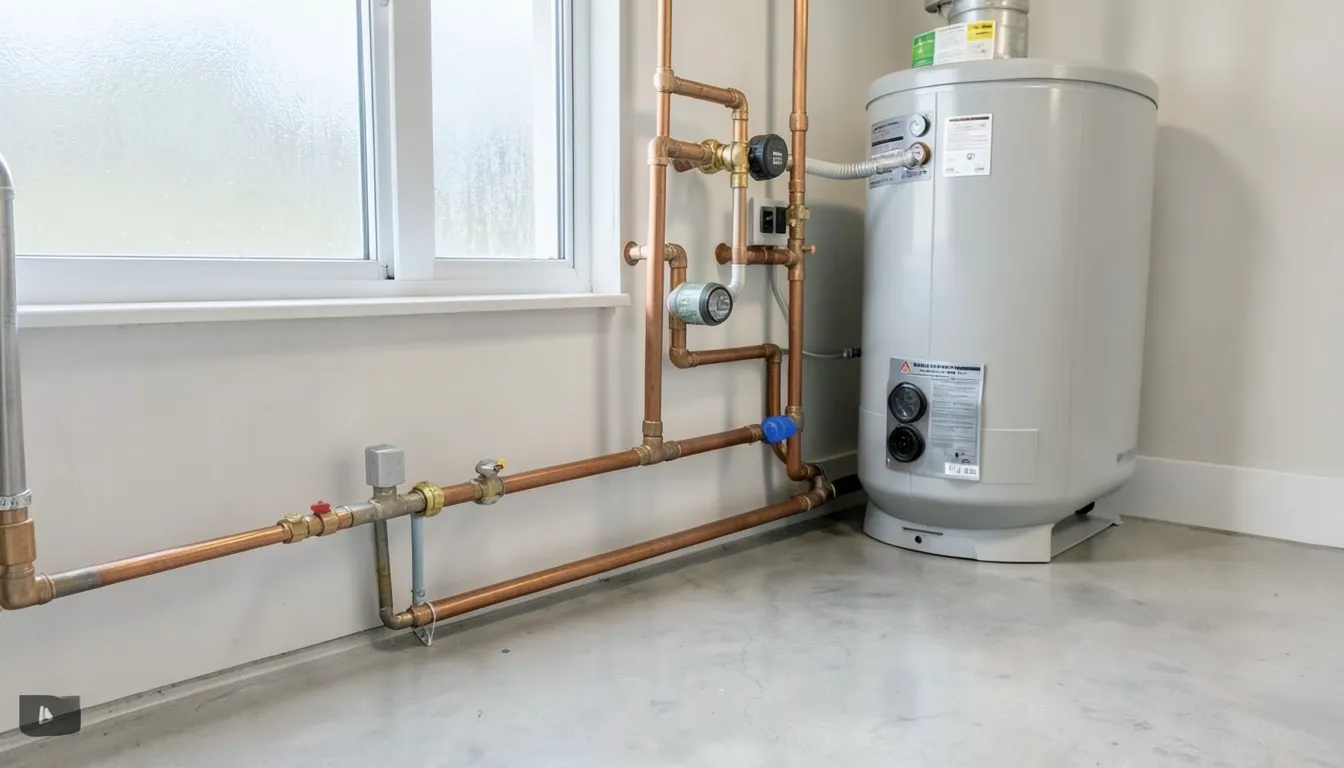
At 15–20+ GPG, calcium scale forces compressed equipment cycles in Overland Park: tank heaters average 6–9 years vs. the 10–12-year national benchmark, and tankless units require annual descaling. Anode rods calcify within 12–18 months. Most plumbers here assess heater age against the local scale timeline — not the manufacturer's service life.
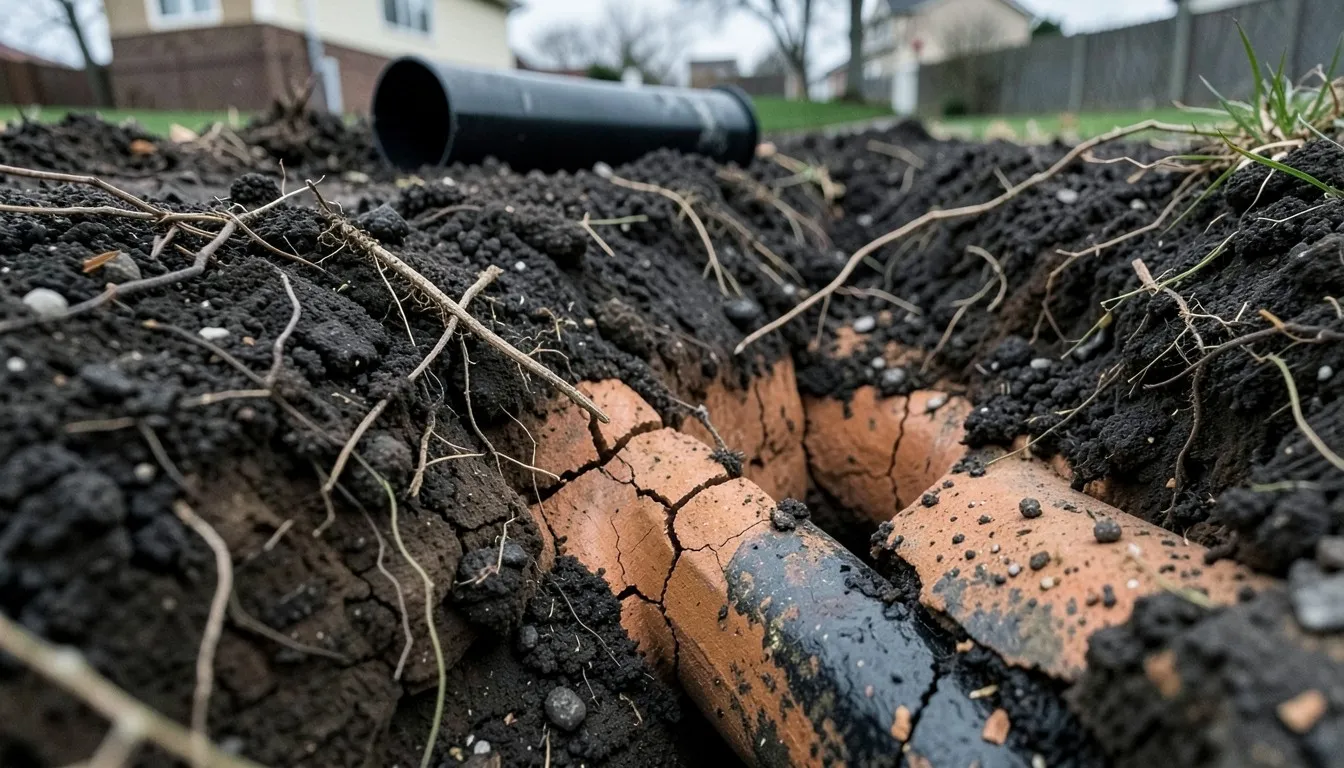
Drain and sewer line health drives the primary maintenance workload in Overland Park: high groundwater tables stress lateral joints and root intrusion accelerates in warm soil. AC condensate drainage adds a recurring summer category. Drain slowdowns that homeowners defer tend to surface as full blockages during the wet season when groundwater pressure compounds the obstruction.
Why diagnose before repairing in Overland Park?
Describe the symptom — not the repair. AlertPlumber routes to a KS-licensed plumber trained in diagnostics. The site visit uses camera tracing, acoustic detection, or hydrostatic pressure testing — matched to the reported failure type.
The plumber delivers a written diagnostic report: confirmed failure location, available repair methods, and tradeoffs — disruption level, material durability, long-term cost, and whether an Overland Park building permit applies to the selected method.
You select the repair path. The Kansas-licensed plumber proceeds on the authorized method with a fixed scope and price. Where required, the permit application to Overland Park is handled by the contractor.
Leak Detection cost calculator — Overland Park
Pre-filled for leak detection in Overland Park. Adjust the ZIP for a neighboring area, or change the service to compare. Calculator pulls from the city's scraped permit-fee + state plumber-density data.

Leak Detection in Overland Park — the longer it runs, the more it costs.
Slow failures compound: soft pipe walls, root penetration, mineral buildup. A verified plumber calls back with a scope-first estimate before anything is dug up.
What else do people ask about leak detection in Overland Park?
How much does leak detection cost in Overland Park, KS?
Professional leak detection in Overland Park typically runs $190–$475 (national $200–$500 adjusted roughly 5% below national average) for a full-property diagnostic using acoustic, thermal, and/or tracer gas equipment. The detection cost is separate from the repair — think of it as a diagnostic fee. Most Overland Park plumbers apply the detection cost toward the repair bill if you book both with the same crew.
What methods do Overland Park plumbers use to find hidden leaks?
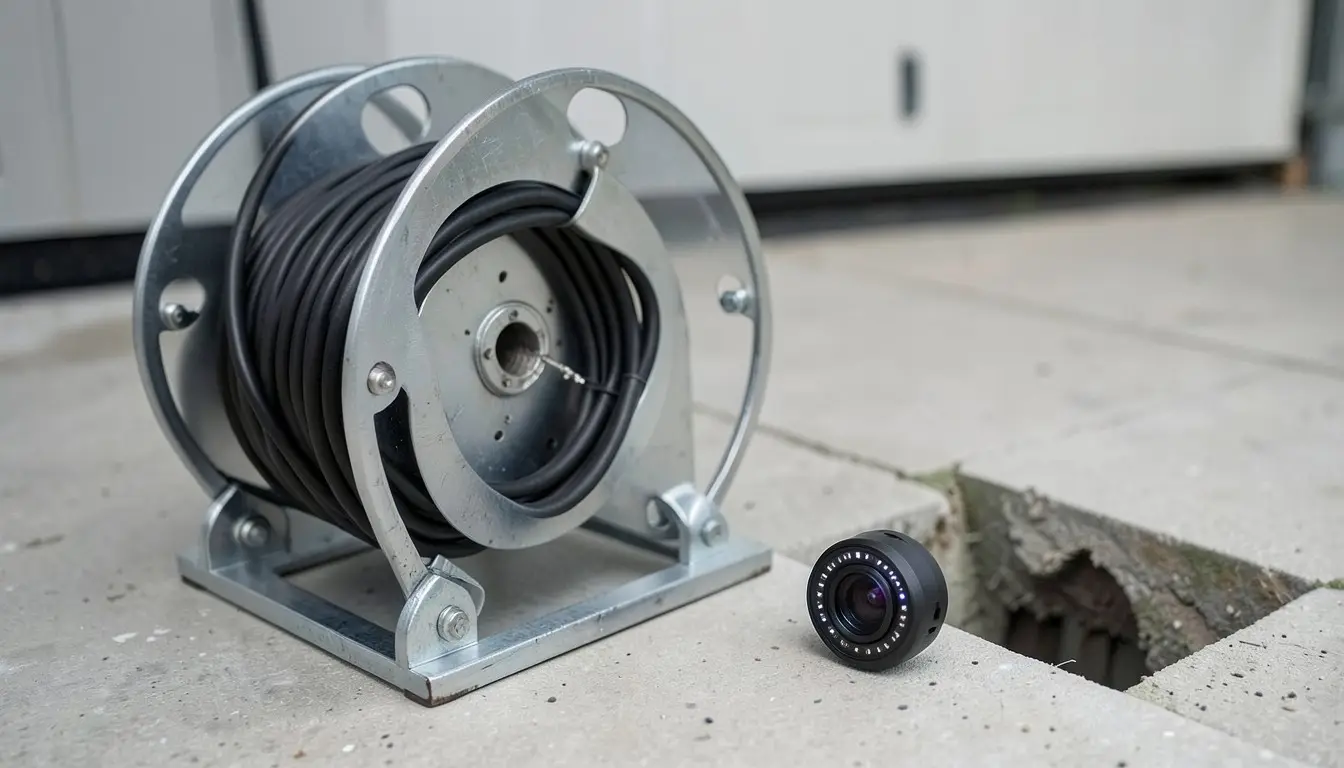
Professional leak detection in Overland Park uses a combination of: (1) acoustic listening — a ground microphone or pipe-mounted transducer amplifies leak noise through the building structure; (2) thermal imaging — infrared camera maps temperature differentials caused by warm-water leaks through floors, walls, and ceilings; (3) tracer gas — nitrogen-helium mix pressurizes the suspect line and a surface sensor detects gas escaping through the leak point, even on cold-water lines that leave no thermal signature. The detection method depends on whether the leak is above slab, in-slab, or underground.
Is leak detection truly non-invasive in Overland Park?
Detection itself is non-invasive — the technician walks the property with listening equipment and thermal camera without opening walls. The repair after detection may require opening access to the leak point (drywall cut, concrete core, or tile removal), but that's targeted rather than exploratory. In Overland Park, this approach typically confines the access opening to 4–12 square feet rather than opening entire wall sections speculatively.
How long does leak detection take in Overland Park?
A full-property leak detection survey in Overland Park takes 2–4 hours for a typical single-family home: pressure test on each zone (30 min), acoustic sweep (60 min), thermal pass (30–60 min), and tracer gas on any confirmed suspect zone (30–60 min). The technician provides a written report with the leak location (within 6–12 inches), suspected cause, and repair options before leaving. Rush detection for active flooding can begin in 30–45 minutes with compressed scope.
Can leak detection find slab leaks, wall leaks, AND underground leaks in Overland Park?
Yes — professional detection addresses all three locations. Slab leaks (supply lines embedded in concrete) are located acoustically and thermally, then confirmed with tracer gas. Wall leaks (from pipes inside wall cavities) show on thermal as a temperature differential through drywall. Underground leaks (service line from the meter to the house) are found acoustically, with the ground-mic tracing the sound path along the buried pipe. Overland Park's clay/glacial till (prairie) affects underground acoustic signal quality — the technician adjusts equipment sensitivity based on soil type.
How accurate is professional leak detection in Overland Park?
With multi-method detection (acoustic + thermal + tracer gas), professional locators achieve within-6-inch accuracy on most slab and underground leaks in Overland Park. Thermal-only detection can be 12–18 inches off center on in-wall leaks. The difference matters because it controls how much concrete or drywall needs to be opened for access. Ask for a written location estimate with accuracy range before any cutting begins.
When should I call for emergency leak detection vs. scheduling a visit?
Emergency call: active water visible from walls or ceiling, water meter spinning with all fixtures off and a known fast leak, foundation wet outside the footing, or water pressure suddenly dropped to near-zero. Scheduled visit: slow drip heard inside a wall with no visible damage, monthly water bill spiking without obvious cause, wet spot on a slab floor, or mold appearing near a supply line. Slow leaks can wait 24–48 hours for the next available appointment; active flooding warrants emergency dispatch.
Can the detection report be used for an insurance claim in Overland Park?
Yes — a professional detection report with the technician's name, license number (KS BSTP), leak location, estimated cause, and photos is standard documentation for homeowners insurance claims in Kansas. Many adjusters require a licensed plumber's written assessment before authorizing coverage for access-and-repair. The matched plumber provides a written report suitable for insurance use.
Does leak detection require a permit in Overland Park?
Leak detection itself doesn't require a permit — it's diagnostic work with no pipe or structure alteration. The subsequent repair (pipe repair, reroute, or replacement) requires a KS BSTP permit (min $120 in Overland Park). The matched plumber pulls the repair permit on your behalf after the detection confirms the scope.
Are AlertPlumber-matched leak detection specialists verified in KS?
Yes. Every technician matched through AlertPlumber for leak detection in Overland Park holds an active KS BSTP license and carries professional acoustic, thermal, and tracer gas detection equipment. Written detection reports are provided on every visit.
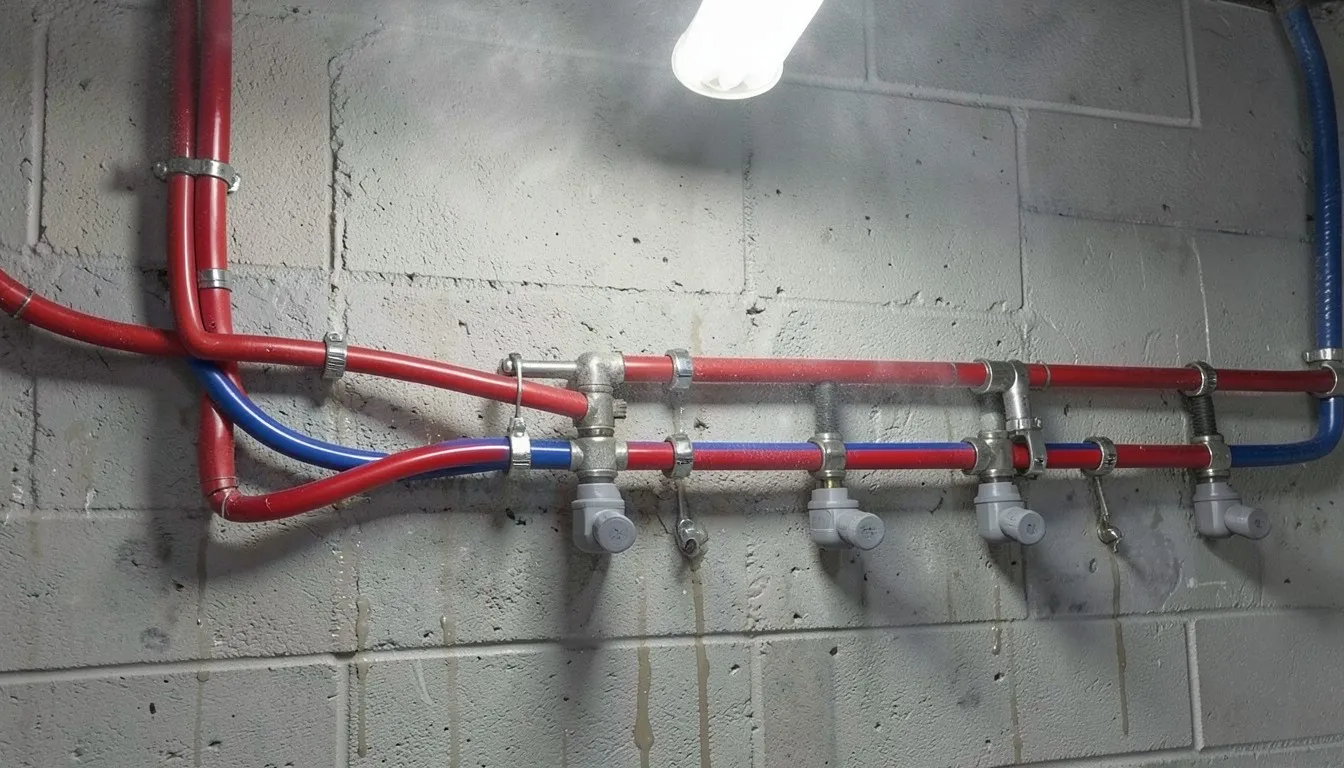
The fix gets cheaper the sooner a plumber sees it.
Degradation problems compound quietly. Call now, or use the form below and a licensed Kansas plumber calls you back with a no-obligation estimate for the leak detection.
Need a leak detection callback in Overland Park?
In a meeting, with the kids, or just prefer not to hold? Drop your ZIP and number below. AlertPlumber routes your request to a verified plumber in your area — they’ll call you back directly.
- 1 Submit your info. ZIP, phone, and what kind of work you need.
- 2 AlertPlumber matches you with a verified plumber serving your area.
- 3 The plumber calls you back with a written estimate, no obligation.
Leak Detection in Overland Park — catch it early
Degradation-driven failures worsen over time and cost more to fix the longer they run. A verified KS plumber in Overland Park diagnoses your specific condition and provides a written scope before any work begins.