
Emergency Leak Detection in Eugene, Oregon
Leak Detection in Eugene, Oregon locates hidden water and gas leaks using acoustic and thermal equipment. Local conditions in Eugene: water measured at 2 gpg, a 4 in frost line and a median home age of 50 years.
Camera first, quote second — know exactly what's wrong in your Eugene home before you approve a dollar.
Who do I call for a hidden leak in Eugene?
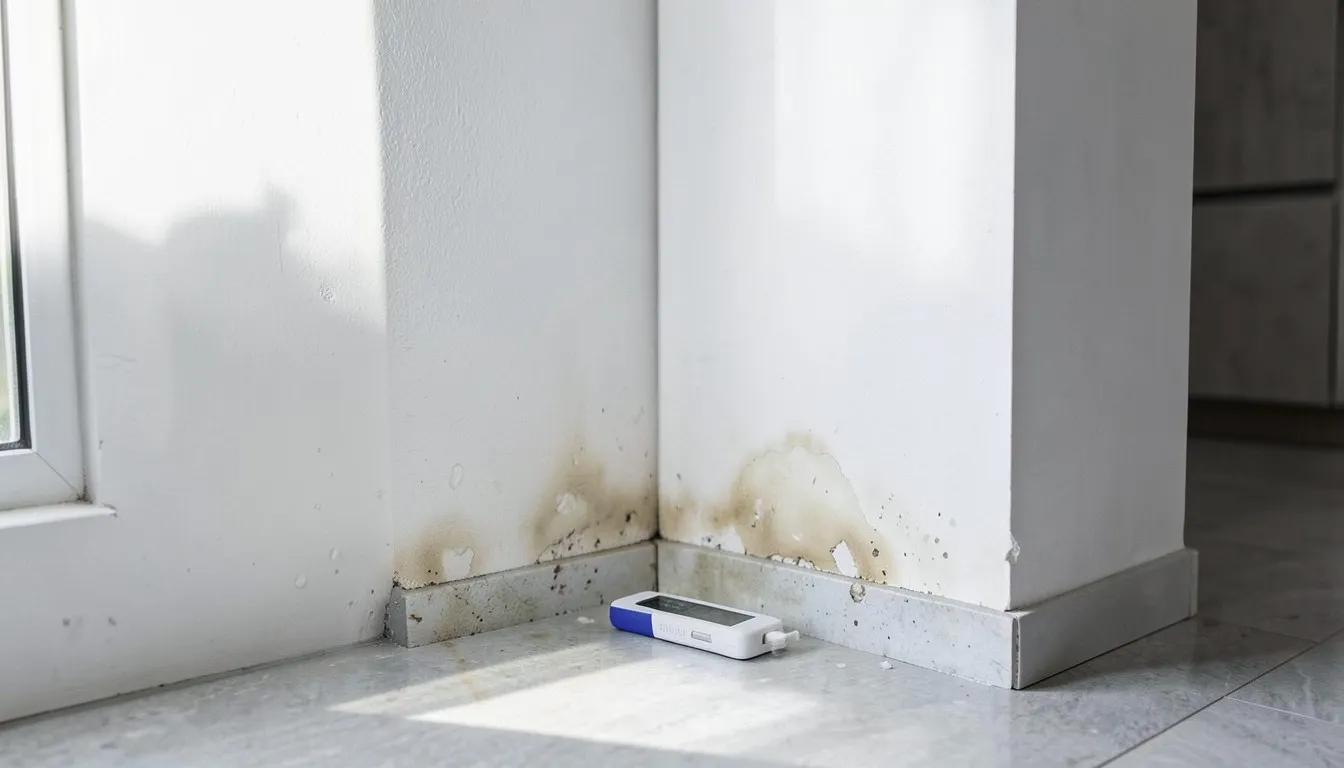
A plumber who offers leak detection. Ask what method they use (acoustic, thermal imaging or a pressure test) and whether finding the leak and repairing it are quoted separately. A hidden leak becomes urgent in a Eugene home when water is visible on a ceiling, wall or floor.
What does the local plumbing data show for Eugene, OR?
Seeing these conditions at your place in Eugene? Describe them on the call to a state-licensed local plumber — free, no obligation.
What are the pipe conditions in Eugene, OR?
Non-invasive leak detection uses acoustic amplification, thermal imaging, and pressure isolation to locate water loss in supply lines and drain systems without opening walls or floors. Eugene homes with galvanized or older copper supply runs face the highest pinhole leak incidence — a slow leak inside a wall cavity can cause mold and structural damage for months before becoming visible. A professional leak detection prevents unnecessary demolition by confirming the exact break location before any drywall is cut. AlertPlumber connects your call with an independent Oregon-licensed plumber — ask them to locate first and open second. Persistent marine moisture and seasonal dampness drive above-average demand for leak detection and sump pump service in this region.
Eugene's housing stock spans multiple construction eras — median home age 50 years — meaning pipe materials and failure modes vary significantly by neighborhood and building vintage. An inspection-led approach that confirms pipe material before recommending a service path is standard practice for mixed housing profiles. Homes of other eras in Eugene may have galvanized pipe, copper pipe or polybutylene supply lines instead; ask the plumber which your home has.
- Median home age
- 50 yrs
- Water hardness
- 2 gpg
- Frost line
- 4 in
- Permit
- City fee schedule
Census housing age, Eugene city, Oregon: median year built 1980; 19.5% of homes built before 1960, 50.8% before 1980. Source: U.S. Census Bureau, ACS 2020–2024 5-year estimates, tables B25034 and B25035, read 2026-09-30.
Mention these conditions when you describe the symptom to the OR plumber you reach.
What shapes plumbing demand in Eugene, OR?
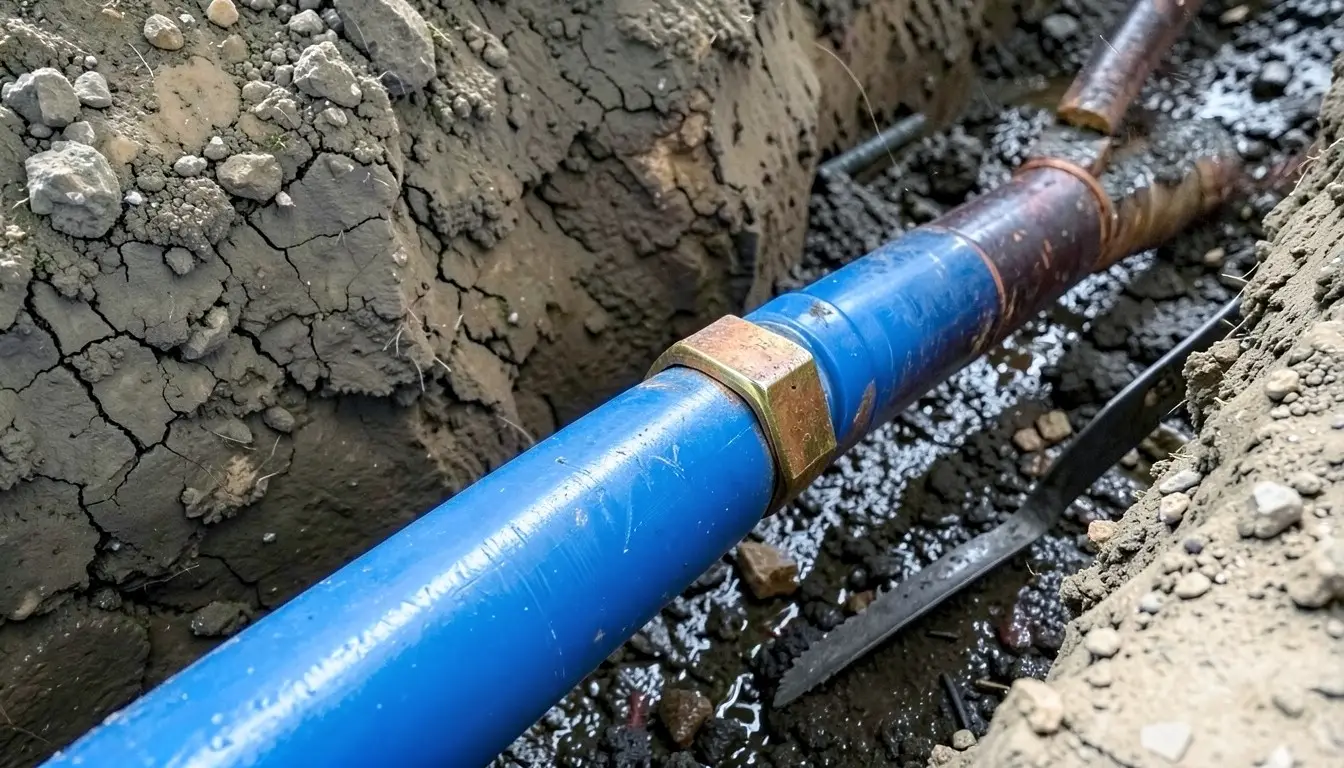
1950s–70s copper supply is now 50–70 years into its service cycle in Eugene. Thermal fatigue at fittings and slab-on-grade access complexity — common in Sun Belt construction — make repair vs. replacement a live decision on most jobs. This housing cohort is the active primary replacement wave in this market.
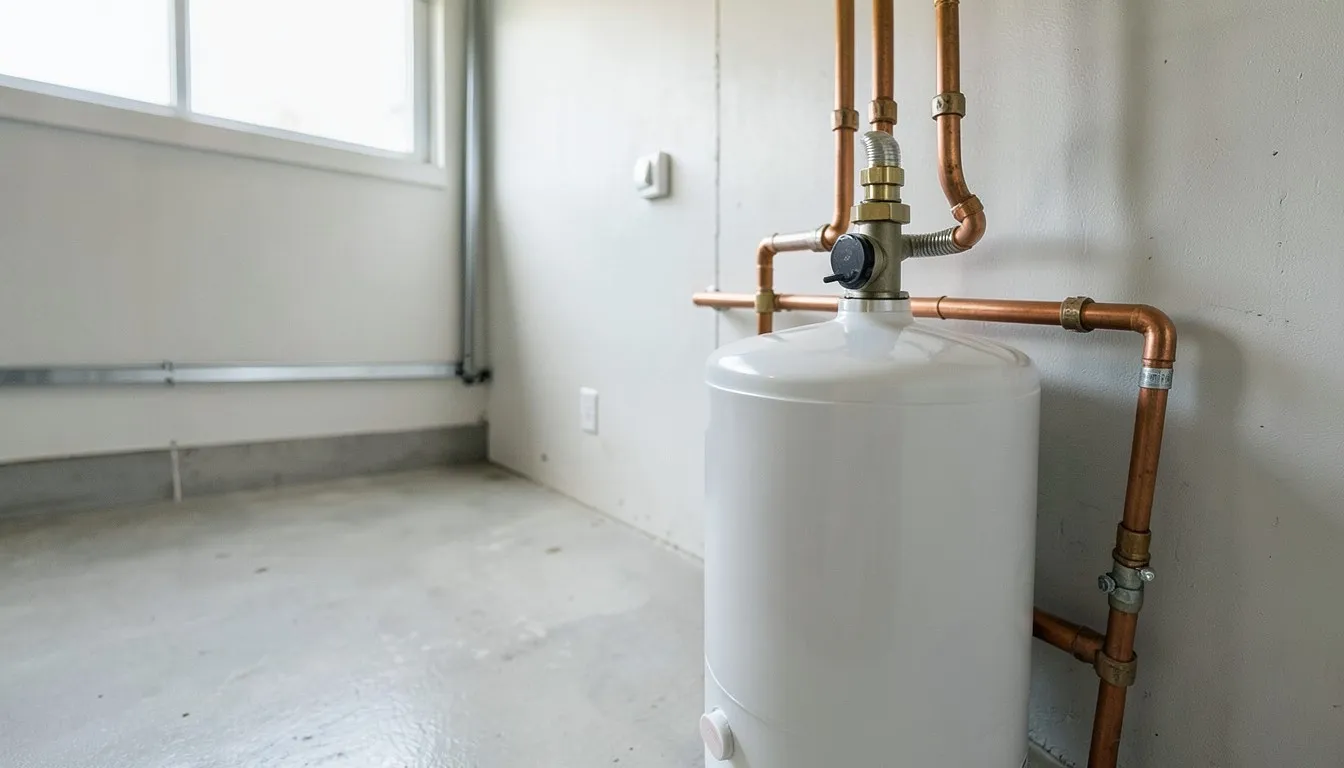
Soft, slightly acidic water in Eugene is corrosive to copper pipe and solder joints — the opposite failure pattern from hard-water markets. Pinhole failure at fittings and elbows is the dominant non-emergency repair category. Anode rods also deplete faster in soft water, shortening effective tank life without timely replacement.
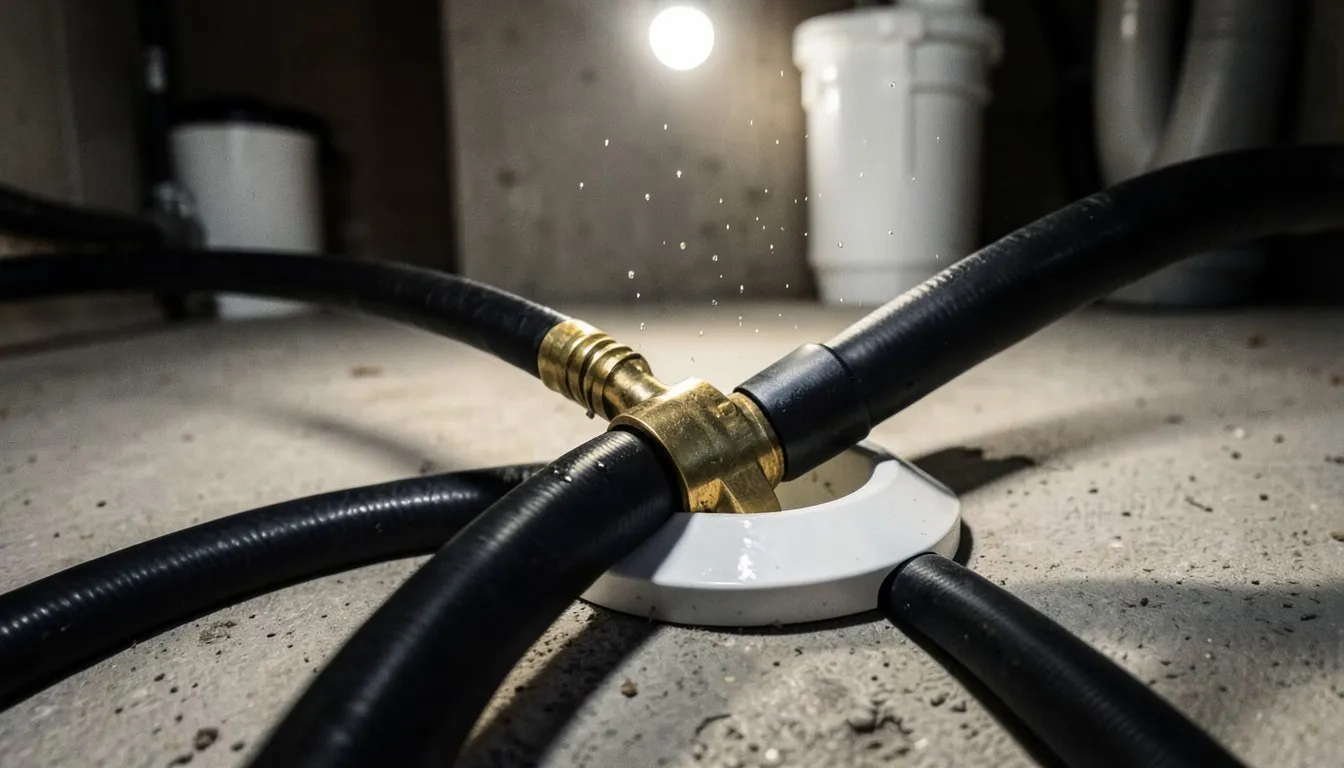
Without a hard freeze season, demand in Eugene distributes evenly through the year. Maintenance-driven categories dominate: end-of-life water heater replacement, root intrusion clearing, and fixture repair. Deferred maintenance surfaces gradually as partial failures rather than acute winter emergencies — which means issues compound silently until they become a larger job.
Why diagnose before repairing in Eugene?
Describe the symptom — not the repair. AlertPlumber routes the call to an independent OR-licensed plumber in its partner's network — ask whether the site visit will use camera tracing, acoustic detection, or hydrostatic pressure testing matched to the reported failure type.
Ask the plumber for a written diagnostic report: confirmed failure location, available repair methods, and tradeoffs — disruption level, material durability, long-term cost, and whether an Eugene building permit applies to the selected method.
You select the repair path. Ask for a fixed scope and price on the authorized method before the Oregon-licensed plumber proceeds and, where required, who files the permit application to Eugene.
Leak Detection cost calculator — Eugene
Pre-filled for leak detection in Eugene. Adjust the ZIP for a neighboring area, or change the service to compare. Calculator pulls from the city's scraped permit-fee + state plumber-density data.
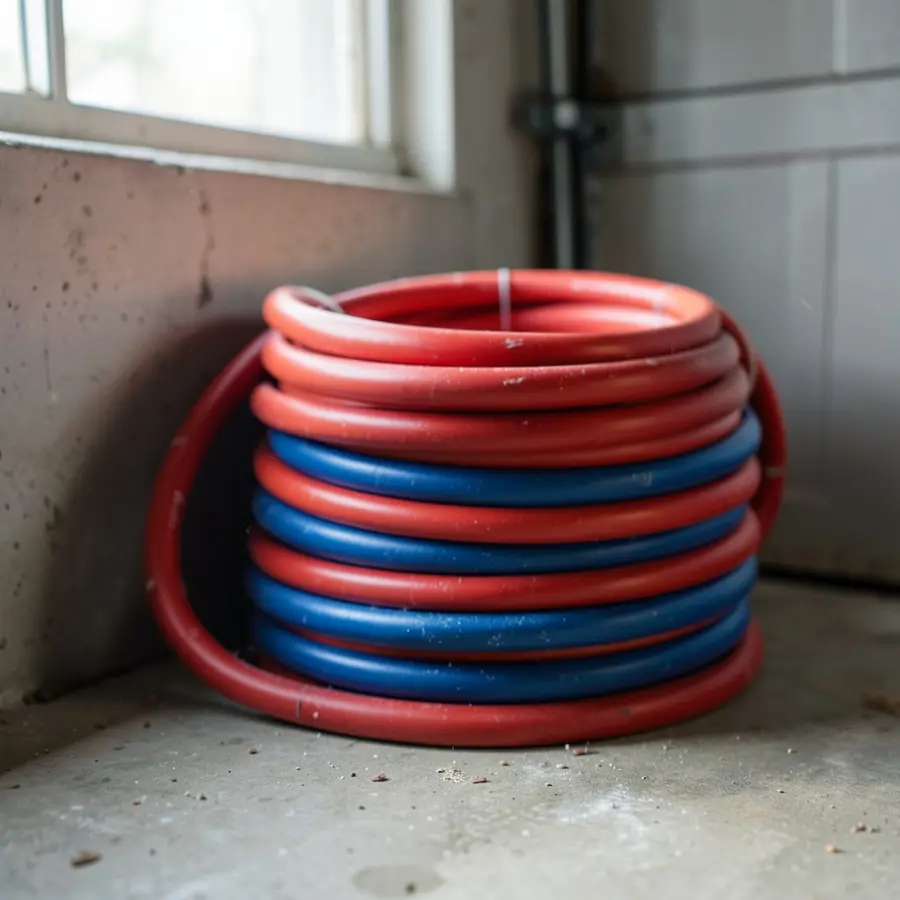
Leak Detection in Eugene — the longer it runs, the more it costs.
Slow failures compound: soft pipe walls, root penetration, mineral buildup. Ask the plumber you reach for a scope-first estimate before anything is dug up.
What else do people ask about leak detection in Eugene?
How much does leak detection cost in Eugene, OR?
Professional leak detection in Eugene typically runs in line with the national average for a full-property diagnostic using acoustic, thermal, and/or tracer gas equipment. The detection cost is separate from the repair. Most Eugene plumbers apply the detection cost toward the repair bill if you book both with the same crew. Price ranges: leak detection cost guide.
What methods do Eugene plumbers use to find hidden leaks?
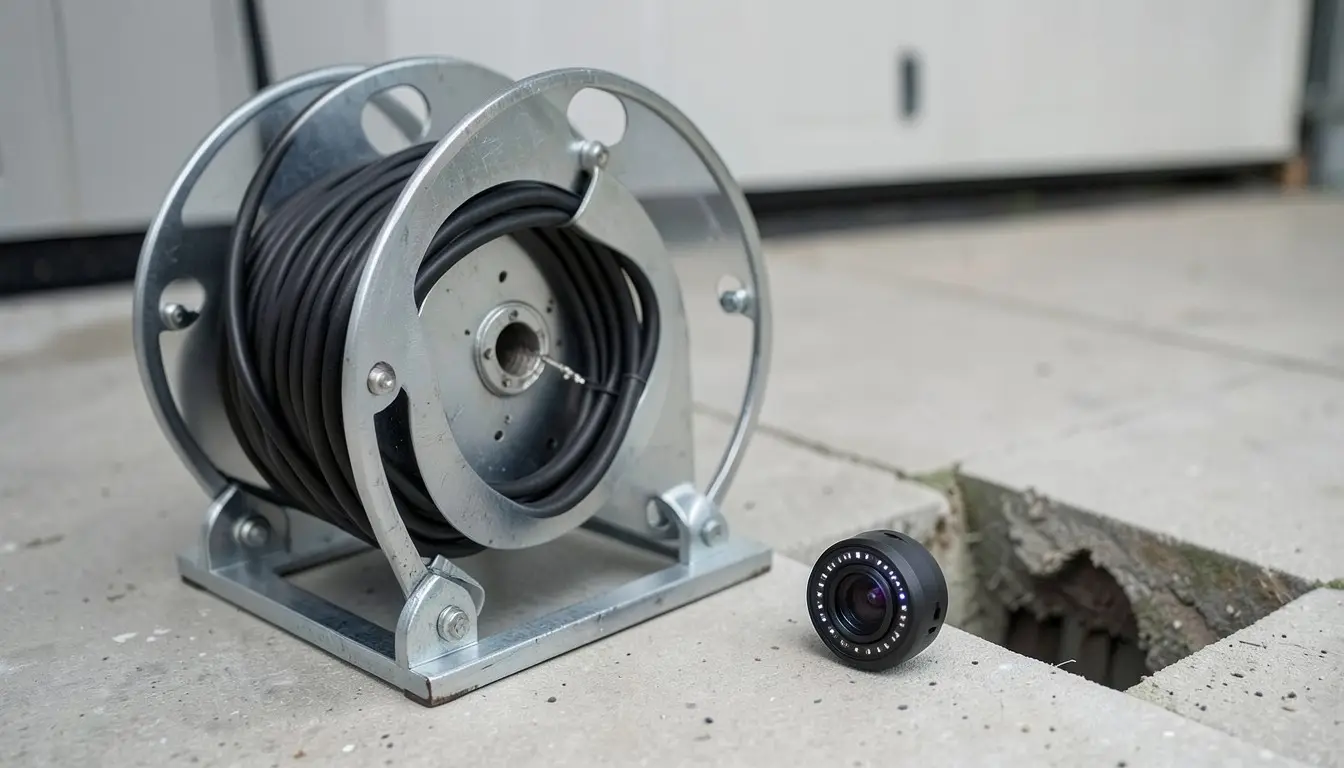
Professional leak detection uses: (1) acoustic listening — a ground microphone amplifies leak noise through the building structure; (2) thermal imaging — infrared camera maps temperature differentials from warm-water leaks; (3) tracer gas — nitrogen-helium mix pressurizes the suspect line and a surface sensor detects gas escaping through the leak, even on cold-water lines.
Is leak detection truly non-invasive in Eugene?
Detection itself is non-invasive — the technician walks the property with listening equipment and thermal camera without opening walls. The repair after detection may require opening access to the leak point, but that's targeted rather than exploratory. In Eugene, this typically confines the access opening to 4–12 square feet rather than opening entire wall sections.
How long does leak detection take in Eugene?
A full-property detection survey takes 2–4 hours: pressure test on each zone (30 min), acoustic sweep (60 min), thermal pass (30–60 min), and tracer gas on any suspect zone (30–60 min). The technician provides a written report with the leak location (within 6–12 inches), suspected cause, and repair options before leaving.
Can leak detection find slab leaks, wall leaks, AND underground leaks in Eugene?
Yes. Slab leaks are located acoustically and thermally, then confirmed with tracer gas. Wall leaks show on thermal as a temperature differential through drywall. Underground leaks are found acoustically, with the ground-mic tracing the sound path along the buried pipe. Eugene's alluvial silt/clay (Lane County, Willamette Valley) affects underground acoustic signal quality — the technician adjusts equipment sensitivity accordingly.
How accurate is professional leak detection in Eugene?
With multi-method detection (acoustic + thermal + tracer gas), professional locators achieve within-6-inch accuracy on most slab and underground leaks in Eugene. Thermal-only detection can be 12–18 inches off on in-wall leaks. Ask for a written location estimate with accuracy range before any cutting begins.
When should I call for emergency leak detection vs. scheduling a visit?
Emergency call: active water visible from walls or ceiling, water meter spinning with all fixtures off, foundation wet outside the footing, or water pressure suddenly dropped to near-zero. Scheduled visit: slow drip heard inside a wall with no visible damage, monthly water bill spiking, or wet spot on a slab floor.
Can the detection report be used for an insurance claim in Eugene?
Yes — a professional detection report with the technician's license number (OR CCB), leak location, estimated cause, and photos is standard documentation for homeowners insurance claims in Oregon. Many adjusters require a licensed plumber's written assessment before authorizing coverage. The matched plumber provides a written report suitable for insurance use.
Does leak detection require a permit in Eugene?
Leak detection itself doesn't require a permit — it's diagnostic work. The subsequent repair requires an OR CCB permit. The matched plumber pulls the repair permit on your behalf after the detection confirms the scope. Permit fee ranges: permit fee estimator.
How do I check the license of leak detection specialists in OR?
AlertPlumber does not vet plumbers: for leak detection in Eugene, ask for the OR CCB license number and check it with the state board, and ask whether they carry professional acoustic, thermal, and tracer gas detection equipment. Written detection reports are provided on every visit.
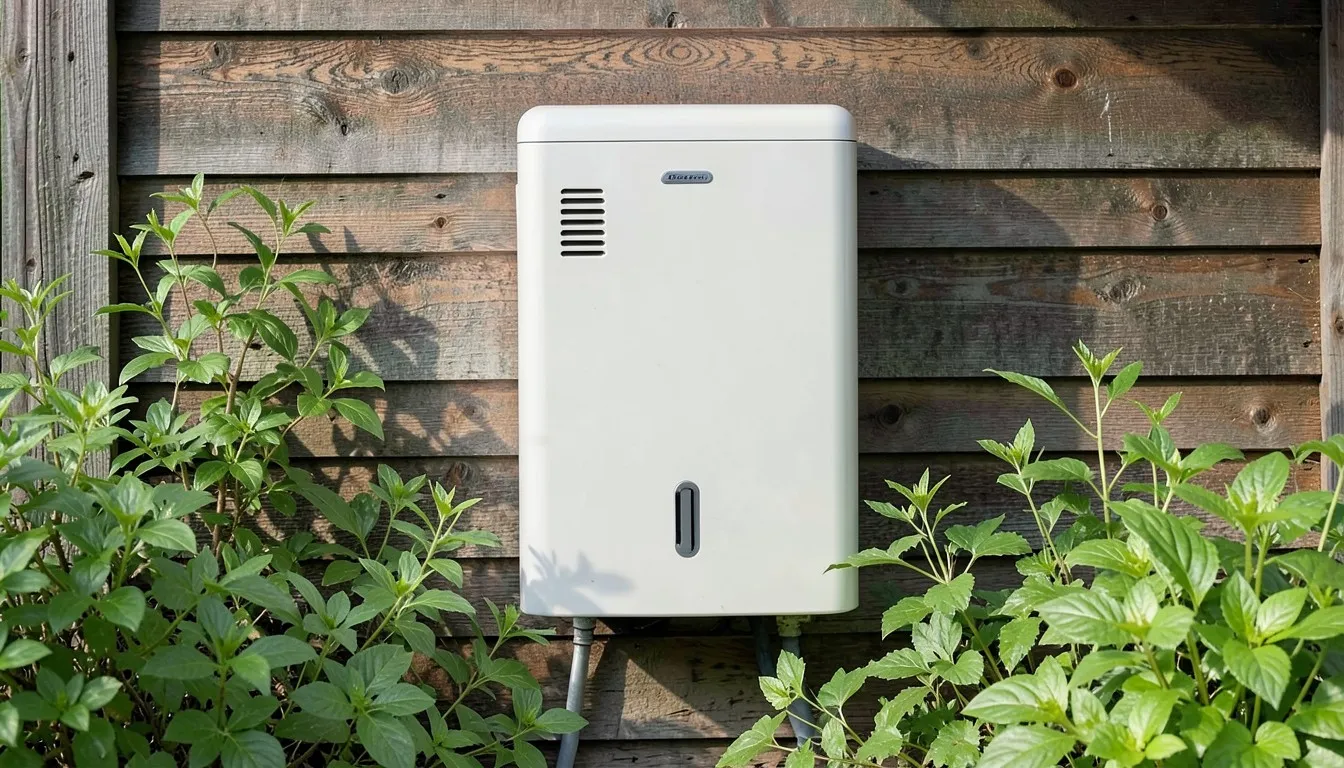
The fix gets cheaper the sooner a plumber sees it.
Degradation problems compound quietly. Call now, or use the form below to reach an independent Oregon plumber, and ask for an estimate for the leak detection — you are under no obligation.
Need a leak detection callback in Eugene?
In a meeting, with the kids, or just prefer not to call? Drop your ZIP and number below. AlertPlumber sends your request to our routing partner — if a participating plumber serves your area, they may call you back directly. For anything urgent, call the number on this page.
- 1 Submit your info. ZIP, phone, and what kind of work you need.
- 2 AlertPlumber passes it on to our routing partner for your area.
- 3 If a participating plumber serves your area, they may call you back. Ask for a written estimate before work starts.
Leak Detection in Eugene — catch it early
Degradation-driven failures worsen over time and cost more to fix the longer they run. Ask the independent OR plumber you reach in Eugene to diagnose your specific condition and put the scope in writing before any work begins.