
Water Heater Flush
The process of draining sediment from the bottom of a tank water heater to restore efficiency, extend tank life, and prevent rust-related failures.
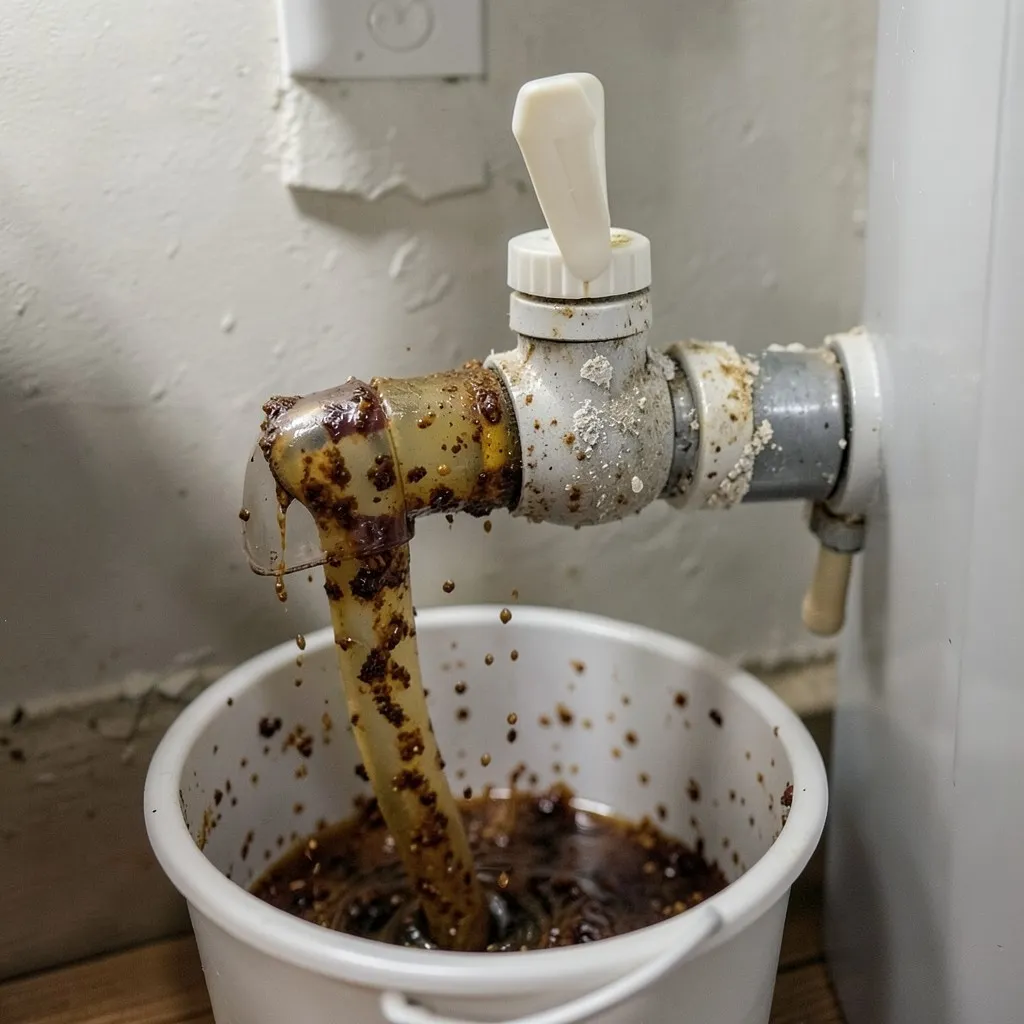
A water heater flush is a maintenance procedure that drains sediment (mineral deposits, rust flakes, and scale) that accumulate at the bottom of a tank water heater over time. In hard-water areas, calcium and magnesium minerals precipitate out of the water as it heats and sink to the tank floor, forming a layer of insulating sediment that reduces efficiency and eventually damages the tank.
Why does flushing matter?
Sediment buildup causes several problems:
- Reduced efficiency: sediment insulates the bottom of the tank from the heating element or burner, forcing the system to work longer and harder to heat the same water
- Noise: the popping and rumbling sounds from a water heater are sediment being disturbed or flaking off — caused by steam bubbles forming under the sediment layer
- Tank damage: overheating from the insulating sediment layer causes the glass lining to crack, allowing rust to develop — leading to tank failure
- Reduced hot water capacity: heavy sediment reduces the usable volume of the tank
How do you flush a water heater?
- Turn the thermostat to "pilot" (gas) or off (electric) the night before — this cools the water and prevents scalding.
- Connect a garden hose to the drain valve near the bottom of the tank.
- Run the hose to a floor drain, utility sink, or outside.
- Open the pressure relief valve (T&P valve) slightly — this allows air in so the tank drains by gravity.
- Open the drain valve and let the tank drain until the water runs clear.
- For heavy sediment: partially refill and drain a second time ("stir" the sediment out).
- Close all valves, refill the tank, restore power or relight pilot, and check the T&P valve seat for drips.
How often should you flush a water heater?
Flush annually in hard-water areas; every 2–3 years in soft-water areas. Skip flushing on a tank that hasn't been flushed in 10+ years — a corroded drain valve may not reseat properly after being opened, requiring replacement.
Researching the term is one thing — hiring for it is another. See water heater repair services for scope, timelines, and what drives the price, or call (888) 530-4445 for a no-cost estimate.
What related terms should you know?
What sources back this up?
Need a verified plumber for water heater repair?
AlertPlumber matches you with a licensed plumber for water heater repair. Written estimate before any work begins.