
Water Heater Element
The electric resistance heating coil inside an electric water heater that heats the water. Most electric tanks have two elements — upper and lower — that work in sequence.
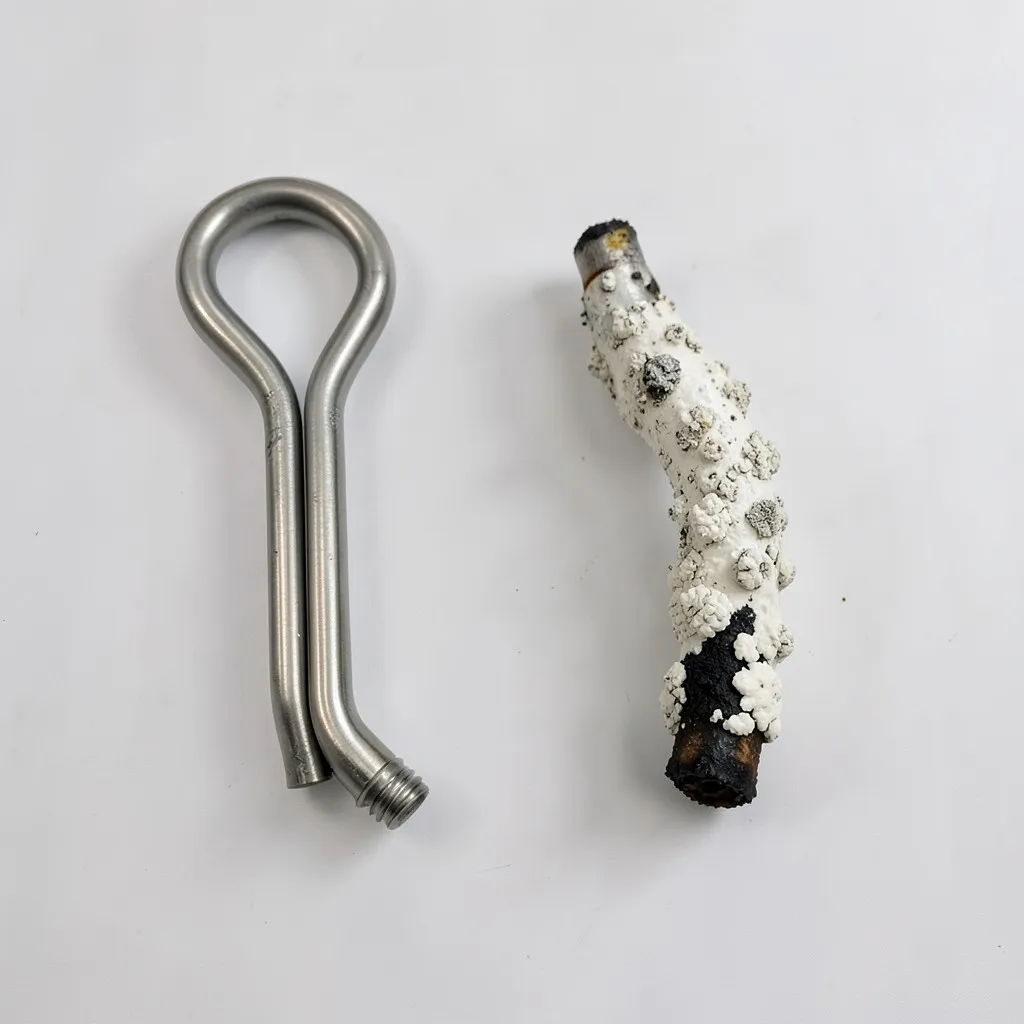
A water heater element is an electric resistance heating coil submerged inside an electric water heater tank. When electricity passes through the resistive wire coil, it converts electrical energy to heat — directly warming the surrounding water. Most residential electric water heaters have two elements (upper and lower) controlled by separate thermostats that work in a specific sequence.
How do upper and lower elements work?
The upper element activates first when the tank needs heating and heats the upper portion of the tank to the set temperature. Once the upper thermostat is satisfied, it transfers power to the lower element, which heats the rest of the tank. The upper element handles priority — if high hot water demand depletes the upper portion, the upper element reactivates immediately regardless of lower tank temperature. This "series" arrangement means only one element runs at a time, limiting electrical demand.
What are the signs of a failed element?
- Upper element failure: little to no hot water — the tank never heats properly
- Lower element failure: water starts warm but quickly runs out — only the upper portion of the tank is heated, reducing effective capacity
- Tripped breaker: a shorted element draws excessive current, tripping the circuit breaker
- Reset button tripped on thermostat: high-limit safety tripped from element failure or thermostat runaway
How do you test and replace a water heater element?
An element can be tested with a multimeter: an infinite resistance reading on the ohm setting means an open (failed) element. Replacement requires draining the tank, removing the element with an element wrench, installing the new element with a fresh gasket, refilling, and testing. Cost: the element is inexpensive; a plumber's charge to replace one is in the water heater repair cost guide.
How do you match element wattage to the tank?
Elements come in 120V or 240V versions and various wattages (typically 3,500–5,500 watts). Always replace with the same wattage and voltage as the original — installing a higher-wattage element without upgrading the wiring and thermostat can cause overheating and failure.
Researching the term is one thing — hiring for it is another. See water heater repair services for scope, timelines, and what drives the price, or call (888) 530-4445 to talk to a local plumber about the job.
What related terms should you know?
What sources back this up?
Need a plumber for water heater repair?
Calls are connected to independent licensed local plumbers in our partner's network for water heater repair. Ask for the license number and a written estimate before any work begins.